





menu

Roof Replacement & Installation in New Orleans – Full Tear-Off to Final Shingle by Local Crews Who Know Your Climate

Heritage Roofing New Orleans delivers complete roof replacement and reroofing services built to withstand hurricane-force winds, relentless humidity, and the unique architectural demands of the Crescent City's historic neighborhoods.

Slider Image 1
Slider Image 2
Slider Image 3
Slider Image 4
Slider Image 5
Slider Image 7
Slider Image 8
Slider Image 9
Slider Image 10
Slider Image 11

Why New Orleans Roofs Fail Faster Than Anywhere Else

New Orleans is brutal on roofs. The combination of high humidity, intense UV exposure, and frequent wind-driven rain creates a perfect storm for shingle degradation. Add in the threat of hurricane-force winds and the reality that many homes sit in flood zones, and you understand why full roof replacement becomes necessary years earlier than the national average.

Homes in Uptown, the Garden District, and Lakeview face additional challenges. Clay soil shifts during wet seasons, causing structural movement that stresses roof decking and flashing systems. Historic districts require strict adherence to architectural guidelines, meaning your new roof installation must match original materials and profiles while meeting modern wind uplift ratings.

When your roof shows granule loss, curling shingles, or visible daylight through the attic, you are looking at more than cosmetic damage. In this climate, small failures cascade quickly. A compromised seal around ridge vents becomes a water entry point during the next tropical system. Degraded underlayment allows moisture into the decking, leading to rot that spreads faster in our humid environment.

Installing a new roof in New Orleans is not a cosmetic upgrade. It is structural defense against a climate that attacks from every angle. Tear off roof replacement gives you the opportunity to inspect and repair decking, upgrade ventilation to combat attic moisture, and install ice and water shield in valleys where wind-driven rain concentrates. Reroofing services that cut corners by layering over existing materials hide problems and fail faster here than in drier climates.

You need a system built for this environment, not a generic installation.

Why New Orleans Roofs Fail Faster Than Anywhere Else
How We Execute a Full Roof Replacement That Lasts

How We Execute a Full Roof Replacement That Lasts

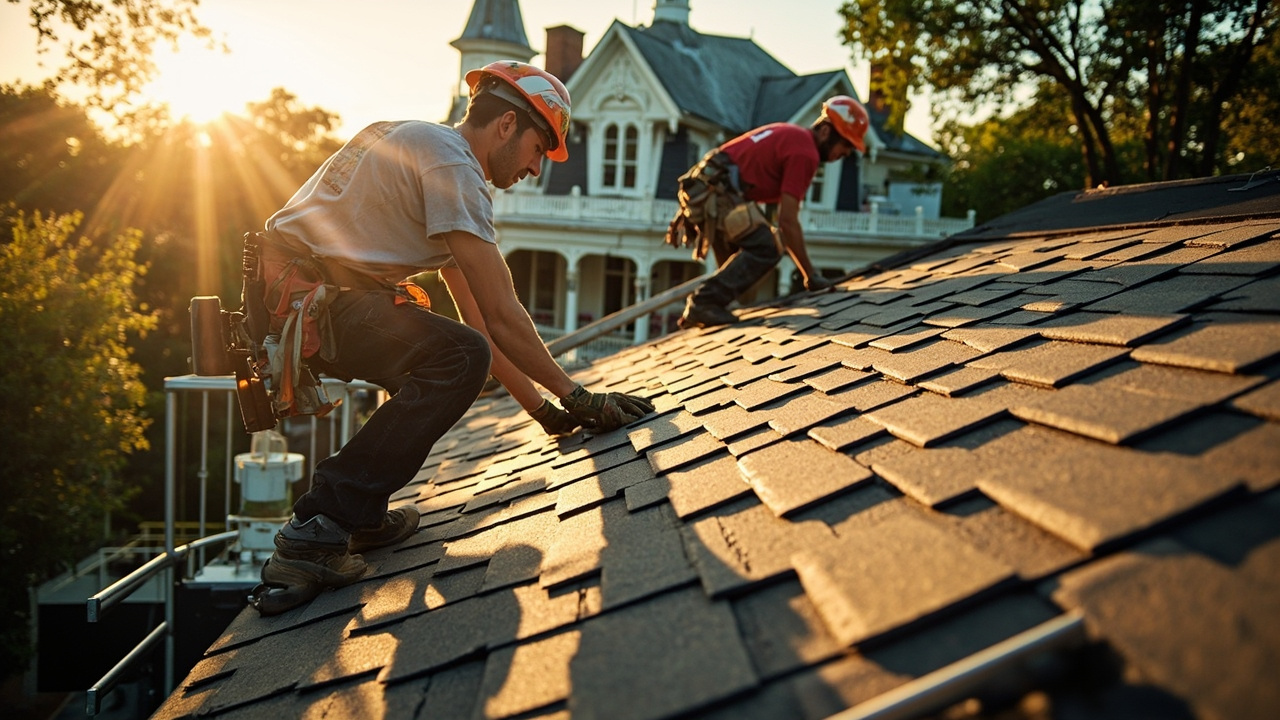
Heritage Roofing New Orleans approaches every full roof replacement as a complete system upgrade, not just a shingle swap. We start with total tear-off to the deck because layering over old materials traps moisture and conceals structural damage. Once the deck is exposed, we inspect every sheet of plywood or OSB for soft spots, rot, or delamination caused by past leaks.

Decking repairs happen before any underlayment goes down. We replace compromised sections and ensure proper fastening schedules because hurricane winds exploit weak points. Next comes synthetic underlayment with higher tear strength than felt, followed by ice and water shield in valleys, eaves, and around all penetrations. These peel-and-stick membranes create a secondary barrier against wind-driven rain that blows horizontally during storms.

Flashing installation separates competent crews from amateurs. We use step flashing on all wall intersections, counter flashing where chimneys meet the roof plane, and continuous flashing along rake edges. Every piece overlaps correctly to direct water down and away from vulnerable transitions. Pipe boots get sealed with high-grade elastomeric compounds that remain flexible through temperature swings.

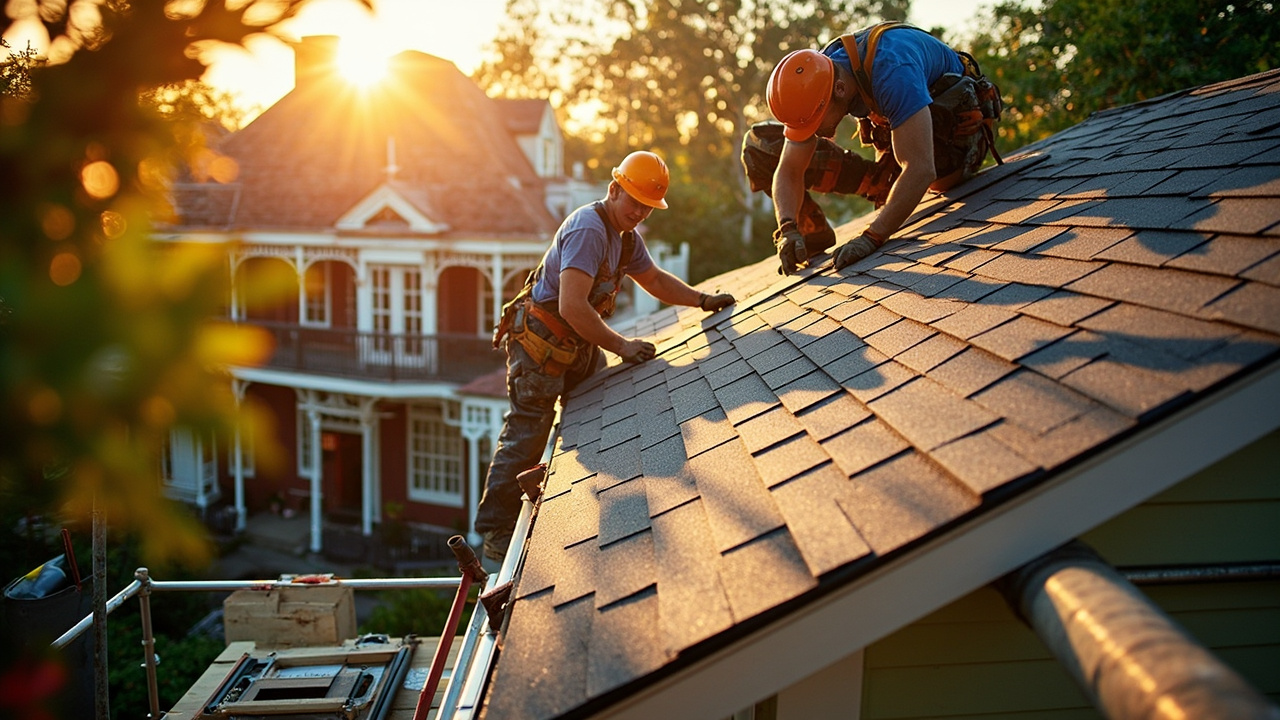
Shingle installation follows manufacturer specifications for wind zones, which matters in a city where sustained winds reach 100 mph during major storms. We use six nails per shingle in the field and hand-seal tabs in high-wind areas. Ridge cap shingles get the same treatment because ridge blow-off is the most common failure mode after hurricanes.

Ventilation balances intake at soffits with exhaust at the ridge. Proper airflow reduces attic temperatures and moisture accumulation, extending shingle life and preventing decking rot. We calculate net free area requirements and install the correct ratio of intake to exhaust vents.

What Happens During Your Roof Replacement Project

Roof Replacement & Installation in New Orleans – Full Tear-Off to Final Shingle by Local Crews Who Know Your Climate
01

Initial Inspection and Estimate

We start with a complete roof inspection from the attic to the ridge. Our team checks decking condition from below, examines ventilation adequacy, and measures the roof plane to calculate material requirements. You receive a detailed estimate that breaks down tear-off, decking repair allowances, underlayment systems, shingle selection, and flashing upgrades. We explain wind rating requirements for New Orleans and discuss architectural restrictions if you live in a historic district.
02

Tear-Off and Deck Preparation

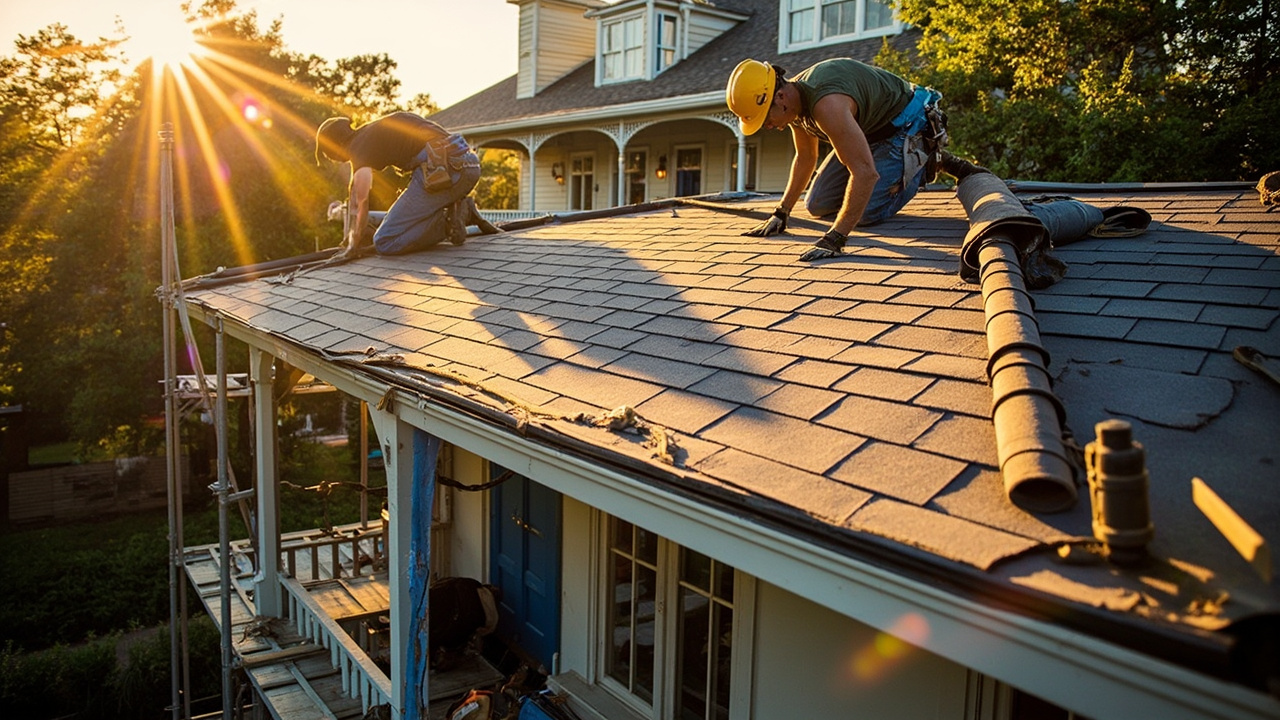
Our crew removes all existing roofing materials down to the bare deck, exposing any hidden damage. We replace rotted or delaminated decking sections and ensure proper fastening across the entire roof structure. Valleys get reinforced if needed, and we verify that roof-to-wall transitions have adequate backing for secure flashing installation. This phase typically takes one to two days depending on roof complexity and the extent of decking repairs required.
03

Installation and Final Walkthrough

We install underlayment, flashing, and shingles according to manufacturer specifications and local wind load requirements. Ridge vents go in last, followed by a complete site cleanup using magnetic sweepers to collect stray nails. You join us for a final walkthrough where we explain maintenance recommendations, show you warranty documentation, and answer questions about your new roofing system. We leave your property cleaner than we found it.

Why New Orleans Homeowners Choose Heritage Roofing

New Orleans demands roofing contractors who understand more than just shingle installation. You need crews familiar with the Vieux Carre Commission's material requirements, the nuances of installing standing seam metal on shotgun doubles, and how to properly flash around dormers on raised Creole cottages. Heritage Roofing New Orleans has worked in every neighborhood from Gentilly to Algiers, and we know the architectural details that define this city.

We understand that homes built before 1950 often have skip sheathing instead of solid decking, which requires different underlayment and installation techniques. We know that properties in the FEMA flood zones need quick turnarounds between storm seasons. We coordinate with local building inspectors who enforce stricter wind uplift standards than inland cities.

Our material suppliers are local, which means we get priority allocation during high-demand periods after storms. When hurricane season hits and every roofing company in three states descends on New Orleans, we already have established relationships with inspectors, suppliers, and specialized tradespeople needed for complex historic renovations.

You will work with the same project manager from estimate to final inspection. No handoffs to subcontractors in other states. No confusion about who is responsible when you have questions. Our crews live in the metro area, which means they show up on time and understand that protecting your home from rain means more here than in cities with predictable weather patterns.

We pull permits, schedule inspections, and provide documentation your insurance company needs for claims processing. If you are navigating the Road Home program or dealing with wind versus flood damage disputes, we provide the technical documentation adjusters require.

What to Expect When You Schedule Your Roof Replacement

Project Timeline and Scheduling

Most residential roof replacements take two to four days from tear-off to final cleanup, depending on size and complexity. We schedule projects during weather windows and monitor forecasts closely because New Orleans gets afternoon thunderstorms year-round. If rain interrupts work, we tarp vulnerable areas immediately and resume once conditions allow. We coordinate material delivery to minimize driveway disruption and arrange dumpster placement to protect landscaping. You receive a start date once permits clear and materials arrive on-site.

Pre-Installation Assessment Process

Before any work begins, we conduct an attic inspection to assess ventilation, look for signs of past leaks, and evaluate insulation condition. We document existing decking condition and identify areas that will likely need replacement once shingles come off. Our estimate includes a decking repair allowance based on what we observe, though the full extent of damage only becomes visible during tear-off. We discuss shingle options, color selections, and any architectural guidelines that apply to your property. This assessment takes 45 minutes to an hour.

Completed Installation Quality

Your finished roof will meet or exceed wind ratings required by local code, with proper flashing at every transition and sealed shingle tabs in high-wind zones. Valleys get ice and water shield protection, and all penetrations receive boots or flashing appropriate to the roof pitch and material. Ridge vents provide balanced attic ventilation, and new drip edge protects fascia boards from water intrusion. We ensure your roof passes city inspection on the first attempt, and you receive copies of all permits and inspection reports for your records.

Manufacturer Warranties and Maintenance

Shingle manufacturers provide material warranties that range from 25 years to lifetime depending on the product line you select. These warranties cover manufacturing defects, not damage from storms or improper installation. Our installation work comes with a separate workmanship warranty that covers flashing failures, fastener issues, and installation errors. We recommend annual inspections after hurricane season to check for wind damage, clear debris from valleys, and verify that flashing remains sealed. Small maintenance catches problems before they require expensive repairs.

Frequently Asked Questions

You Have Questions,
We Have Answers

How much does it usually cost to replace a roof? +

Roof replacement costs in New Orleans vary based on roof size, material choice, and structural complexity. Asphalt shingle roofs typically cost less than metal or tile systems. Your total price depends on roof pitch, accessibility, and whether you need decking repairs. High humidity and hurricane exposure in the New Orleans area often reveal hidden water damage once old shingles come off, which affects final costs. Tear-off and disposal fees also factor in. Most residential projects range from budget-friendly three-tab shingles to premium architectural grades. Get a detailed inspection to understand what your specific home needs before budgeting.

How much does a new roof installation cost? +

New roof installation pricing in New Orleans depends on square footage, material selection, and roof design. Simple gable roofs cost less than complex hip or multi-valley configurations. Metal roofing resists hurricane winds better but costs more upfront than asphalt shingles. The subtropical climate here demands proper ventilation and underlayment to prevent moisture damage. Labor costs reflect the skill needed for proper flashing around chimneys and dormers common in local architecture. Factor in permits and inspections required by Orleans Parish. Request itemized estimates that break down materials, labor, disposal, and any structural repairs discovered during tear-off.

How much does it cost to roof a 20x20 garage? +

Roofing a 20x20 garage in New Orleans depends on material choice and roof complexity. A simple gable roof needs less material and labor than a complex design. Asphalt shingles cost less than metal panels, but metal handles intense summer heat and hurricane winds better. You need roughly 400 square feet of material, plus extra for waste and starter strips. Detached garages often lack proper ventilation, which accelerates shingle deterioration in our humid climate. If your garage ties into insurance coverage, document everything. Get quotes that include underlayment, drip edge, and ridge venting for proper moisture control.

What is the most expensive part of replacing a roof? +

Labor typically represents the most expensive part of roof replacement in New Orleans. Skilled crews charge for tear-off, disposal, and installation expertise needed to handle our climate challenges. Material costs follow closely, especially for upgraded shingles rated for high wind zones. Structural repairs add significant expense when roofers discover rotted decking from hidden water intrusion, which is common in our high-humidity environment. Flashing replacement around chimneys, skylights, and valleys costs more than basic shingle installation. Steep-pitch roofs and multi-story homes increase labor costs due to safety equipment and accessibility challenges. Poor ventilation repairs also drive up total project costs.

What is the best time of year to replace a roof? +

Fall and early spring offer ideal conditions for roof replacement in New Orleans. September through November provides cooler temperatures and lower humidity before winter rains arrive. Late February through April works well before intense summer heat and afternoon thunderstorms dominate. Avoid June through August when extreme heat softens shingles during installation and makes roof work dangerous. Hurricane season runs June through November, which can delay projects. Winter months bring unpredictable rain and occasional freezes that halt work. Schedule early to lock in contractor availability during peak seasons. Shingle adhesive seals best in moderate temperatures, making shoulder seasons optimal for installation quality.

How to estimate how much a new roof will cost? +

Start by measuring your roof area in square feet, then convert to roofing squares. One square equals 100 square feet. Count the number of squares, then multiply by material cost per square. Add 10 percent for waste and starter strips. Factor in roof pitch, as steep roofs need more safety equipment and labor time. Include tear-off and disposal fees for existing shingles. Budget for underlayment, drip edge, ridge venting, and flashing repairs. Request three detailed bids from local contractors who inspect your roof in person. Hidden damage from New Orleans humidity often appears during tear-off, so budget a contingency for decking repairs.

Does insurance cover roof replacement? +

Insurance covers roof replacement when storm damage or covered perils cause the failure. Wind damage from hurricanes or severe thunderstorms typically qualifies if you document it properly. Hail damage, though rare in New Orleans, usually triggers coverage. Gradual wear, aging, and poor maintenance do not qualify. Your policy may use actual cash value or replacement cost coverage, which dramatically affects your payout. Take photos immediately after storms and file claims promptly. Insurance adjusters often lowball estimates, so get your own contractor assessment. Age matters. Many policies exclude roofs over 15 years old or depreciate claims based on remaining lifespan.

How much roofing do I need for a 2000 sq ft house? +

A 2000 square foot house typically needs 20 to 22 roofing squares, depending on roof pitch and complexity. Roof area exceeds floor space because of slope and overhangs. Steeper pitches add surface area. Measure from eave to ridge, multiply by length, then account for both roof planes. Complex roofs with multiple valleys, dormers, or hips need more material than simple gable designs. Add 10 percent for waste, starter strips, and ridge caps. New Orleans homes often feature hip roofs that use more material than gable configurations. Measure carefully or hire a contractor to provide accurate square footage before ordering materials.

What is the most cost-effective way to replace a roof? +

Asphalt architectural shingles offer the most cost-effective roof replacement for New Orleans homes. They balance affordability with adequate hurricane wind resistance when properly installed. Choose mid-grade shingles rated for high wind zones rather than budget three-tab options that fail faster. Schedule work during off-peak seasons when contractors offer better rates. Handle tear-off yourself if you have experience and proper safety equipment. Keep the existing roof structure if decking remains solid. Upgrade ventilation now to extend shingle lifespan in our humid climate. Avoid unnecessary upgrades like decorative features. Focus spending on quality underlayment and proper flashing to prevent future water intrusion.

How to save money on a new roof? +

Get multiple bids from licensed contractors to compare pricing and scope. Schedule replacement during fall or spring when demand drops and contractors negotiate. Choose durable mid-grade shingles instead of premium designer options. Keep your existing roof structure if inspection shows solid decking. Install proper ventilation to extend shingle lifespan and avoid premature replacement. Bundle roofing with other exterior work like gutters for package discounts. Pay cash if possible to avoid financing fees. Handle permits yourself to save administrative markups. Ask about discounts for referrals or online reviews. Invest in quality underlayment and flashing now to prevent expensive water damage repairs later.

How New Orleans Humidity and Hurricane Exposure Affect Roof Replacement Decisions

New Orleans sits in a climate zone where organic growth on shingles is not a cosmetic issue but a structural threat. Algae and moss retain moisture against the shingle surface, accelerating granule loss and breaking down asphalt compounds. Combined with UV exposure that degrades petroleum-based materials faster than in northern climates, your roof ages in dog years. Full roof replacement becomes necessary when shingles lose their protective granule layer, exposing the mat underneath to direct sunlight and rain. Wind-driven rain during tropical systems exploits any weakness in flashing or underlayment, turning minor leaks into major water intrusion events. Installing a new roof means upgrading to algae-resistant shingles and impact-rated products designed for high-wind coastal zones.

Local building codes in New Orleans require higher wind ratings than most of Louisiana because of our proximity to the Gulf and documented hurricane history. Reroofing services must meet current code even if your original roof was installed under older standards, which means tear-off roof replacement often triggers additional requirements for underlayment and fastening schedules. Contractors familiar with local inspection procedures know what details inspectors focus on and how to document compliance. Working with a company that operates exclusively in the New Orleans metro ensures your project meets the specific requirements of Orleans Parish building officials and passes inspection without delays or callbacks.

Roofing Services in The New Orleans Area

Our dedicated team is proud to serve the entire area, bringing our legacy of quality roofing services directly to your neighborhood. Whether you need a simple repair, a full-scale replacement, or an urgent inspection, you can find us easily on the map below. We are committed to being your local roofing partner, delivering expert solutions right where you are. We look forward to working with you to protect your most valuable asset—your home.Our dedicated team is proud to serve the entire area, bringing our legacy of quality roofing services directly to your neighborhood. Whether you need a simple repair, a full-scale replacement, or an urgent inspection, you can find us easily on the map below. We are committed to being your local roofing partner, delivering expert solutions right where you are. We look forward to working with you to protect your most valuable asset—your home.

Address:
Heritage Roofing New Orleans, 3308 Tulane Ave, New Orleans, LA, 70119

Additional Services We Offer

Our news updates

Latest Articles & News from The Blogs

The 10 Critical Questions That Could Save Your New Orleans Home Roofing in New Orleans isn't just about shingles and…

Questions You Must Ask a New Orleans Roofer Before Signing a Contract

The 10 Critical Questions That Could Save Your New Orleans Home Roofing in New Orleans isn't just about shingles and…

Restoring the Intricate Turrets and Gables on Victorian Homes in the Holy Cross District

Restoring the Intricate Turrets and Gables on Victorian Homes in the Holy Cross District The Holy Cross District in New…

Is Stone Coated Steel the Right Choice for Your Slidell Waterfront Property?

Is Stone Coated Steel the Right Choice for Your Slidell Waterfront Property? Living along the water in Slidell comes with…

Contact Us

Call Heritage Roofing New Orleans at (504) 355-3444 for a complete roof assessment and detailed estimate. We respond within 24 hours and provide transparent pricing with no hidden fees. Your roof protects everything inside your home. Make sure the job gets done right the first time.