


menu

Mold & Algae Stain Removal in New Orleans – Stop Roof Damage Before It Spreads

Protect your shingles from permanent deterioration caused by Louisiana's aggressive roof algae and fungus with proven removal methods that eliminate black streaks without compromising your roof's structural integrity.

Slider Image 1
Slider Image 2
Slider Image 3
Slider Image 4
Slider Image 5
Slider Image 7
Slider Image 8
Slider Image 9
Slider Image 10
Slider Image 11

Why New Orleans Roofs Turn Black and What It Means for Your Home

You step outside and notice your roof looks different. Dark streaks run down the shingles like someone spilled ink across your house. This is not dirt. This is Gloeocapsa magma, a type of cyanobacteria that thrives in New Orleans's humid, subtropical climate.

The combination of high heat, relentless humidity, and seasonal rain creates perfect conditions for roof algae growth across the greater New Orleans metro. Once those black streaks appear, they spread fast. The organisms feed on the limestone filler in asphalt shingles, breaking down the protective granules that shield your roof from UV damage.

What starts as a cosmetic issue becomes a structural threat. Algae retention traps moisture against the shingle surface, accelerating granule loss and reducing your roof's reflective properties. This raises attic temperatures and forces your HVAC system to work harder. In neighborhoods from Lakeview to the Garden District, homeowners often mistake these organic roof stains for normal aging, delaying roof fungus cleaning until the damage requires partial replacement.

Roof mildew removal is not optional maintenance in this climate. The same humidity that makes New Orleans summers feel oppressive also feeds constant microbial growth on roofing materials. Without professional shingle algae treatment, you are watching your roof deteriorate in real time. The black streaks you see today become the reason you need a new roof five years earlier than expected.

Removing black streaks on roof surfaces requires understanding the biology of what is growing there and the chemistry needed to kill it without damaging the substrate underneath.

Why New Orleans Roofs Turn Black and What It Means for Your Home
How Professional Roof Cleaning Eliminates Algae Without Destroying Shingles

How Professional Roof Cleaning Eliminates Algae Without Destroying Shingles

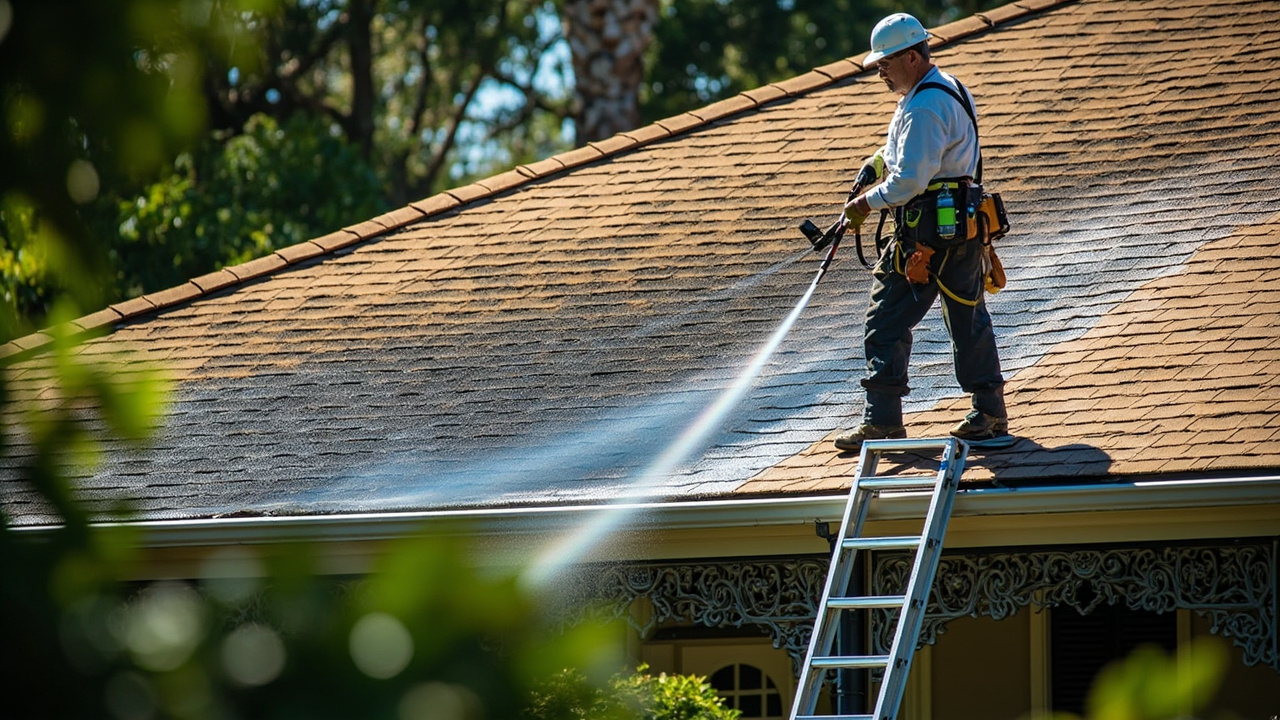
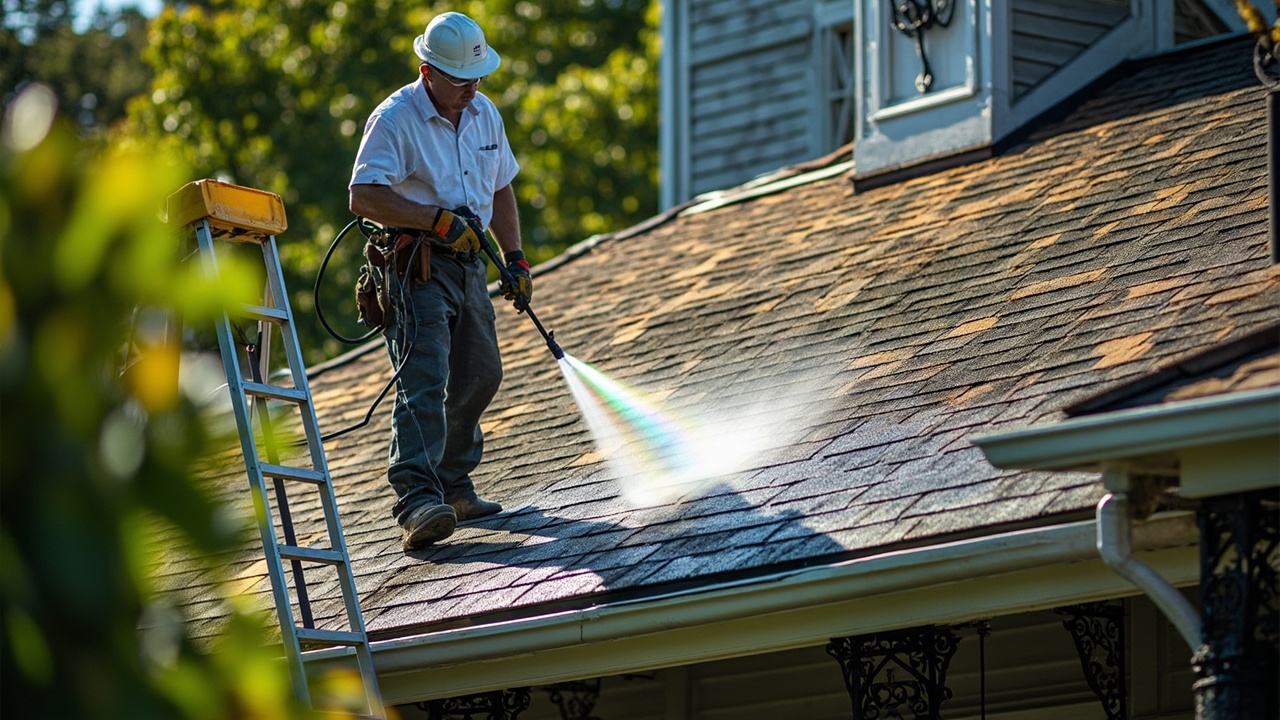
Most property damage from roof cleaning comes from the wrong method, not the algae itself. Pressure washing seems logical but tears off protective granules, voids manufacturer warranties, and forces water under shingles, creating leak points. We use a low-pressure soft wash system specifically formulated for removing organic roof stains without mechanical abrasion.

The process starts with applying a biodegradable surfactant solution that breaks down the algae's cellular structure at the root level. This is not bleach from a hardware store. We use a professionally balanced sodium hypochlorite mixture that kills Gloeocapsa magma, lichen, and moss without corroding metal flashing or damaging landscaping below.

The solution dwells on the surface for 15 to 20 minutes, penetrating the biofilm that anchors algae colonies to the shingle granules. You will see the black streaks begin to lighten as the treatment oxidizes the pigmented organisms. We control runoff with targeted application zones, protecting gutters, soffits, and foundation plantings.

After the dwell time, we rinse with low-pressure water that lifts dead algae without disturbing the shingle surface. The difference between this method and pressure washing is measurable. Soft wash maintains shingle integrity while achieving complete roof fungus cleaning. We inspect flashing around chimneys, vent pipes, and skylights during treatment because these transition points often harbor hidden mold growth that standard cleaning misses.

Post-treatment, we apply a preventative zinc sulfate barrier along roof ridges and peaks. Rainwater carries trace amounts of zinc down the roof plane, creating an environment hostile to future algae colonization. This extends the results of shingle algae treatment by 18 to 24 months in New Orleans's challenging climate.

What Happens During Your Roof Cleaning Appointment

Mold & Algae Stain Removal in New Orleans – Stop Roof Damage Before It Spreads
01

Roof Surface Assessment

We inspect your entire roof from ground level and close-up to identify algae concentration zones, check shingle condition, and document any pre-existing damage. This assessment determines treatment strength and identifies areas requiring extra attention, like north-facing slopes that stay shaded and damp. We also evaluate your gutter system because clogged gutters accelerate algae growth by maintaining constant moisture contact with roof edges.
02

Targeted Soft Wash Application

We apply the cleaning solution in controlled sections, working from bottom to top to prevent streaking and ensure complete coverage. The low-pressure delivery system reaches every shingle without forcing water under sealed edges. We pay special attention to valley areas where debris accumulates and moisture lingers, creating ideal conditions for roof mildew removal. Surrounding vegetation gets pre-wetted and covered to prevent any contact with runoff during the treatment phase.
03

Rinse and Prevention Treatment

After the solution neutralizes the algae, we rinse thoroughly with soft water pressure that removes dead organisms without disturbing shingle granules. The final step involves applying zinc sulfate strips along roof peaks or a liquid zinc treatment that provides ongoing protection against recolonization. You will see immediate improvement, with continued lightening over the next two weeks as residual treatment continues working. We document the results with photos for your records.

Why New Orleans Homeowners Choose Local Roof Cleaning Experts

Generic cleaning companies treat roofs like driveways. They show up with a pressure washer and blast everything in sight. That approach destroys roofs in this climate. You need someone who understands how New Orleans's weather patterns affect roofing materials and how different shingle compositions react to cleaning agents.

We work exclusively with architectural and three-tab asphalt shingles common in this region. We know which products are safe for the older organic-mat shingles still covering homes in Uptown and Mid-City versus the fiberglass-mat shingles installed after Hurricane Katrina's rebuilding phase. This knowledge prevents costly mistakes that void warranties or require emergency repairs.

Our familiarity with local building styles matters during treatment. The steep-pitched roofs on shotgun doubles require different safety rigging than the low-slope sections on ranch homes in New Orleans East. Historic District properties need extra care around original slate accents and copper flashing that cannot tolerate harsh chemicals. We adjust our methods based on your specific roof configuration and the architectural context of your neighborhood.

The company you hire should carry commercial liability coverage specific to roof cleaning operations, not just general contractor insurance. We maintain coverage that protects your property if something goes wrong during treatment. That is not common among pressure washing services that add roof cleaning as a side offering.

Local expertise also means understanding how wind-driven rain from the Gulf affects different roof orientations. South and east-facing slopes take the hardest beating during summer storms, developing algae faster than north-facing sections. We account for these exposure patterns when planning preventative maintenance schedules, so you are not cleaning your roof every 18 months.

Choosing Heritage Roofing New Orleans means working with professionals who see the same climate challenges on every job and have refined their methods specifically for Louisiana's aggressive roof algae conditions.

What You Can Expect From Professional Roof Cleaning Service

Scheduling and Service Speed

Most roof cleaning appointments happen within five to seven business days of your initial call. We schedule during dry weather windows when temperatures stay below 85 degrees, which prevents solution from evaporating before it penetrates the algae colonies. The actual cleaning takes three to five hours for an average single-family home, depending on roof size and algae severity. We avoid scheduling during extreme heat because surface temperatures above 150 degrees reduce treatment effectiveness. If rain appears in the forecast within 24 hours of your appointment, we reschedule to ensure the solution has adequate dwell time before natural rinsing occurs.

Initial Property Evaluation

Before any treatment begins, we walk your property perimeter to identify landscaping that needs protection, check for loose or damaged shingles, and confirm your gutter system can handle the rinse volume. This evaluation includes photographing the current condition of your roof from multiple angles. We discuss any concerning areas we find, like lifted shingle tabs or damaged flashing, because these issues require repair before cleaning. You will receive a detailed explanation of what we found, what condition your roof is in beyond the visible staining, and what our treatment process will involve for your specific situation.

Results and Appearance Improvement

Your roof will look noticeably cleaner immediately after treatment, with black streaks reduced by 70 to 80 percent on day one. The remaining discoloration continues fading over the next 10 to 14 days as dead algae breaks down and washes away with natural rainfall. Expect your roof to return to near-original color within two weeks of service. Some shadows may remain in areas where algae penetrated deeply into porous older shingles, but the active growth will be completely eliminated. The treatment also removes the grippy texture algae creates, which helps your roof shed water more effectively and reduces debris accumulation in valleys.

Ongoing Protection and Maintenance

The zinc sulfate preventative treatment we apply provides 18 to 24 months of protection against algae recolonization in New Orleans's humid climate. We recommend visual inspections every six months, especially after hurricane season when wind-blown debris and extended moisture exposure create new growth opportunities. If you notice new streaking before the two-year mark, we will evaluate whether environmental factors like overhanging tree branches or clogged gutters are accelerating regrowth. Many clients schedule follow-up treatments on a 24-month cycle to maintain consistent roof appearance and maximize shingle lifespan. We keep detailed service records so we can track your roof's response to treatment and adjust our approach if needed.

Frequently Asked Questions

You Have Questions,
We Have Answers

Can algae stains be removed? +

Yes, algae stains can be removed from roofs and exterior surfaces. In New Orleans, the high humidity and frequent rain create perfect conditions for algae growth, especially on north-facing roof slopes. Professional soft washing uses low-pressure cleaning with specialized biocides that kill algae at the root and lift stains without damaging shingles. DIY bleach solutions can lighten stains temporarily, but they often damage plants and fail to prevent regrowth. The black streaks you see on roofs are typically gloeocapsa magma algae. Complete removal requires proper chemical application and technique to restore your roof's appearance and extend its lifespan.

Can active mold stains be removed? +

Active mold stains can be removed, but killing the mold is the priority. On roofs and siding in New Orleans, surface mold thrives in our humid subtropical climate. Professional cleaning targets both the live organism and the discoloration it leaves behind. The process involves antimicrobial treatments that neutralize active growth, followed by gentle cleaning to remove dead spores and staining. Simply scrubbing or pressure washing spreads spores and can drive moisture deeper into materials. For porous surfaces like wood siding or brick, complete stain removal depends on how deep the mold penetrated. Address moisture sources first or the mold returns quickly.

What's the best mold and mildew stain remover? +

The best mold and mildew stain remover for exterior surfaces is sodium hypochlorite mixed with surfactants, applied through soft washing equipment. In New Orleans, professional roof cleaners use commercial-grade solutions designed for organic growth removal without harming shingles or landscaping. Store-bought products often lack the concentration needed for stubborn exterior stains. Hydrogen peroxide-based cleaners work for lighter mildew on siding. Avoid straight bleach, which can strip protective granules from asphalt shingles. The application method matters as much as the chemical. Low-pressure delivery prevents surface damage while ensuring even coverage and proper dwell time for effective stain elimination.

Does mold leave permanent stains? +

Mold typically does not leave permanent stains if treated properly and promptly. On New Orleans roofs, dark streaks from mold and algae penetrate surface layers but rarely cause irreversible damage to asphalt shingles. However, prolonged growth can etch into granules, making complete removal harder. On porous materials like untreated wood or aged brick common in historic New Orleans neighborhoods, mold can leave shadow stains even after the organism dies. The key is addressing growth early. Dead mold still discolors, so removal requires both killing the organism and lifting the residue. Most exterior surfaces respond well to professional treatment.

Will Dawn remove algae? +

Dawn dish soap will not effectively remove algae from roofs or exterior surfaces. While Dawn cuts grease on dishes, it lacks the biocidal properties needed to kill algae spores. In New Orleans, where gloeocapsa magma algae thrives, you need treatments that destroy the organism at a cellular level. Dawn mixed with water might remove light surface dirt, but it leaves algae roots intact, guaranteeing rapid regrowth in our humid climate. Some homeowners add Dawn to bleach solutions as a surfactant to help chemicals cling to surfaces, but this creates runoff risks for landscaping. Professional treatments use purpose-built surfactants safer for plants.

What is the hardest stain to remove from clothes? +

Mold, rust, and blood are the hardest stains to remove from clothes because they bond chemically with fabric fibers. Mold stains are particularly stubborn on natural fibers like cotton and linen. In New Orleans, where humidity causes frequent mildew problems in closets and storage areas, clothes can develop deep-set mold discoloration. Fresh mold stains respond to oxygen bleach and sunlight, but aged stains may be permanent. The proteins in mold penetrate fabric weave similarly to blood. Pre-treatment with enzymatic cleaners before washing helps. This question relates to exterior mold removal in that both require breaking down organic compounds embedded in porous materials.

Will magic eraser remove mold stains? +

Magic Eraser will not effectively remove mold stains from roofs or exterior surfaces. These melamine foam sponges work through abrasion, which can damage shingle granules and painted surfaces. While Magic Erasers might lighten surface mildew on hard, non-porous materials like vinyl siding, they cannot reach mold embedded in porous substrates common on New Orleans homes. The physical scrubbing required is exhausting for large exterior areas and risks spreading spores. Magic Erasers also disintegrate quickly when wet, creating waste. For roof stains, you need chemical treatment that kills organisms and breaks down discoloration without physical contact that compromises protective coatings.

Will OxiClean remove mold stains? +

OxiClean can remove some mold stains from fabrics and hard surfaces but is not designed for exterior roof or siding cleaning. This oxygen bleach breaks down organic stains through oxidation, which works on fresh mildew. However, OxiClean lacks the biocidal strength needed for heavy algae and mold growth common on New Orleans roofs. It also requires scrubbing, which damages shingles. The product works better on flat, washable surfaces than vertical or textured exteriors. For interior mold stains on grout or bathroom surfaces, OxiClean offers a gentler alternative to chlorine bleach. Exterior applications need professional-grade treatments formulated for building materials and weather resistance.

Can white vinegar remove mold stains? +

White vinegar can remove light mold stains from some surfaces but is ineffective for roof cleaning in New Orleans. Vinegar's acidity kills surface mold on non-porous materials like tile or glass, and it works for minor interior mildew. However, vinegar cannot penetrate deep enough to eliminate algae embedded in asphalt shingles or kill spores in porous brick and wood siding common in older New Orleans homes. The acetic acid concentration is too weak for heavy growth. Vinegar also evaporates quickly in heat, reducing effectiveness. For exterior stain removal, you need stronger biocides with residual protection. Vinegar works best for small, contained areas indoors.

Which kills mold better, bleach or vinegar? +

Bleach kills mold faster and more completely than vinegar, but application method matters most. Sodium hypochlorite in bleach destroys mold at the cellular level and removes stains simultaneously. Vinegar kills surface mold but leaves stains and lacks residual protection. In New Orleans, where roof mold and algae grow aggressively, professional cleaners use diluted bleach solutions applied through soft wash systems. Straight bleach damages plants and shingle granules. Vinegar is safer for indoor use on non-porous surfaces but too weak for exterior growth. Neither prevents regrowth without addressing moisture sources. Professional treatments combine biocides with preventative additives for longer-lasting results.

How New Orleans Humidity and Oak Trees Accelerate Roof Algae Growth

New Orleans averages 77 percent relative humidity year-round, with summer months regularly hitting 90 percent. This constant moisture never gives your roof a chance to fully dry. Add the shade from mature live oaks common across neighborhoods like Audubon and Broadmoor, and you create conditions where algae grows faster than almost anywhere else in the country. The organic debris from oak leaves also feeds the bacteria, giving it both moisture and nutrients. North-facing roof sections under tree canopy can develop visible algae within 18 months of installation, even on premium architectural shingles with algae-resistant granules.

Working in this climate requires understanding how Gulf Coast weather patterns affect treatment timing and product selection. We adjust our chemical concentrations based on seasonal humidity levels because solution effectiveness changes when ambient moisture is high. Our crews also understand local building codes regarding runoff management, which matters in neighborhoods with combined sewer systems where storm drains connect directly to treatment plants. This local knowledge ensures your roof gets cleaned properly without creating environmental compliance issues that out-of-town companies often miss.

Roofing Services in The New Orleans Area

Our dedicated team is proud to serve the entire area, bringing our legacy of quality roofing services directly to your neighborhood. Whether you need a simple repair, a full-scale replacement, or an urgent inspection, you can find us easily on the map below. We are committed to being your local roofing partner, delivering expert solutions right where you are. We look forward to working with you to protect your most valuable asset—your home.Our dedicated team is proud to serve the entire area, bringing our legacy of quality roofing services directly to your neighborhood. Whether you need a simple repair, a full-scale replacement, or an urgent inspection, you can find us easily on the map below. We are committed to being your local roofing partner, delivering expert solutions right where you are. We look forward to working with you to protect your most valuable asset—your home.

Address:
Heritage Roofing New Orleans, 3308 Tulane Ave, New Orleans, LA, 70119

Additional Services We Offer

Our news updates

Latest Articles & News from The Blogs

The 10 Critical Questions That Could Save Your New Orleans Home Roofing in New Orleans isn't just about shingles and…

Questions You Must Ask a New Orleans Roofer Before Signing a Contract

The 10 Critical Questions That Could Save Your New Orleans Home Roofing in New Orleans isn't just about shingles and…

Restoring the Intricate Turrets and Gables on Victorian Homes in the Holy Cross District

Restoring the Intricate Turrets and Gables on Victorian Homes in the Holy Cross District The Holy Cross District in New…

Is Stone Coated Steel the Right Choice for Your Slidell Waterfront Property?

Is Stone Coated Steel the Right Choice for Your Slidell Waterfront Property? Living along the water in Slidell comes with…

Contact Us

Stop watching those black streaks spread across your shingles. Call Heritage Roofing New Orleans at (504) 355-3444 to schedule your roof evaluation. We will assess your current algae damage, explain your treatment options, and provide a detailed quote with no pressure to commit.