




menu

Sagging Roof Deck in New Orleans – Expert Diagnosis Stops Structural Damage Before It Spreads

When your roof deck starts to bow or dip, you need precise identification of the root cause and a structural repair plan that addresses New Orleans's humidity, intense heat, and wind-driven rain before minor deflection becomes a collapse risk.

Slider Image 1
Slider Image 2
Slider Image 3
Slider Image 4
Slider Image 5
Slider Image 7
Slider Image 8
Slider Image 9
Slider Image 10
Slider Image 11

Why Your Roof Deck Is Sagging in New Orleans

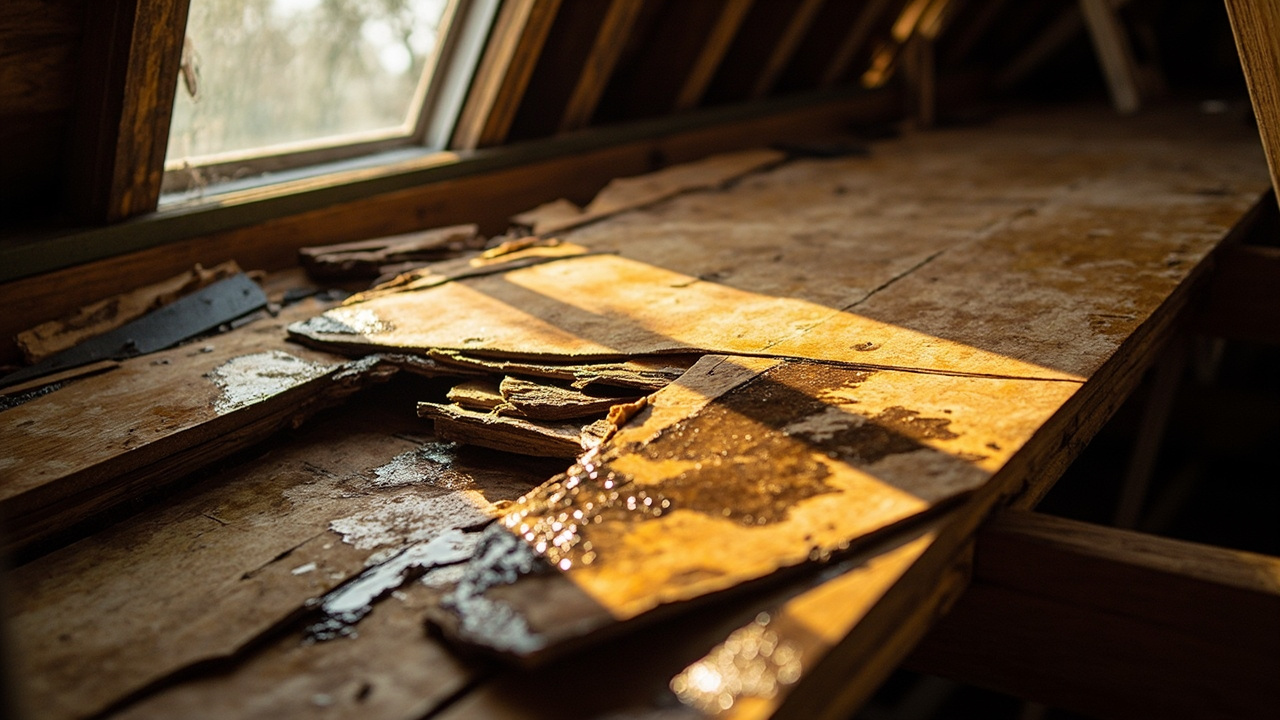
You walk into your attic and notice the plywood above you looks warped. Or you stand in your yard and see a subtle dip in your roofline. That is bowing roof sheathing, and it signals a serious structural problem.

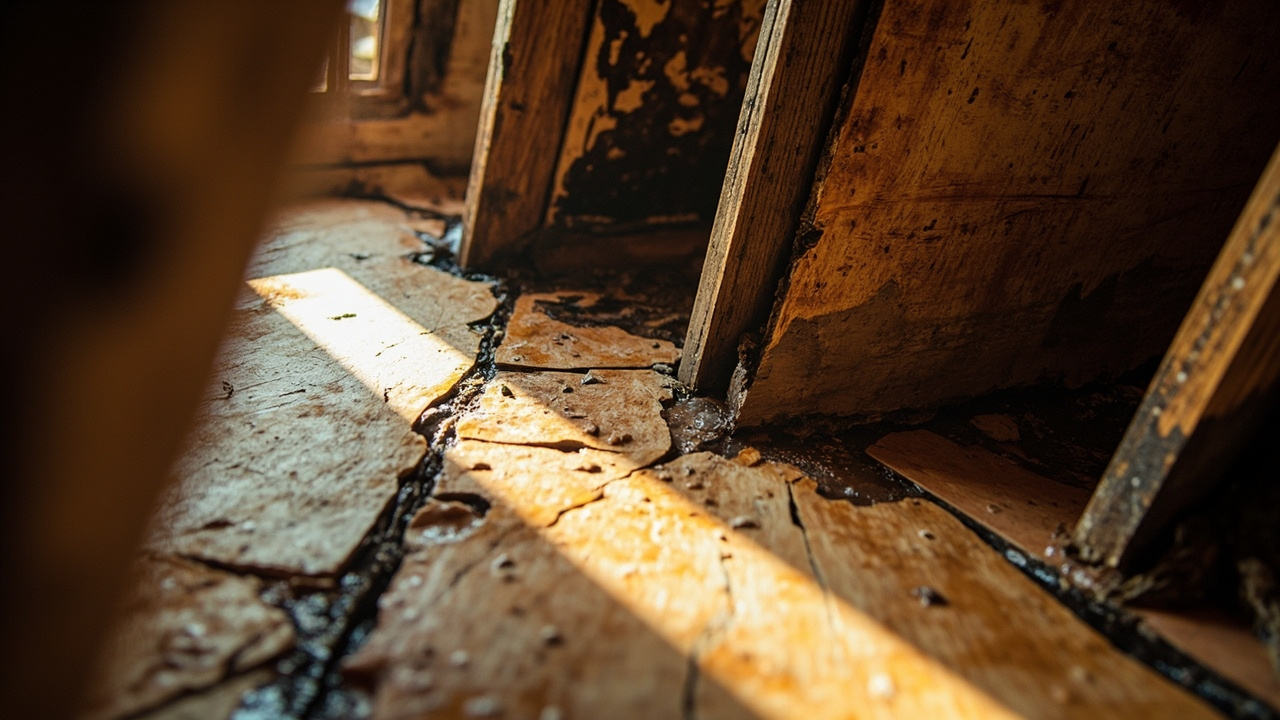
New Orleans homes face a perfect storm of roof deck stressors. The humidity here stays above 75 percent most of the year, which means your roof sheathing absorbs moisture constantly. When plywood swells and contracts over time, it loses rigidity. Add the weight of heavy asphalt shingles during a summer where temperatures hit 95 degrees, and that deflected roof sheathing starts to sag.

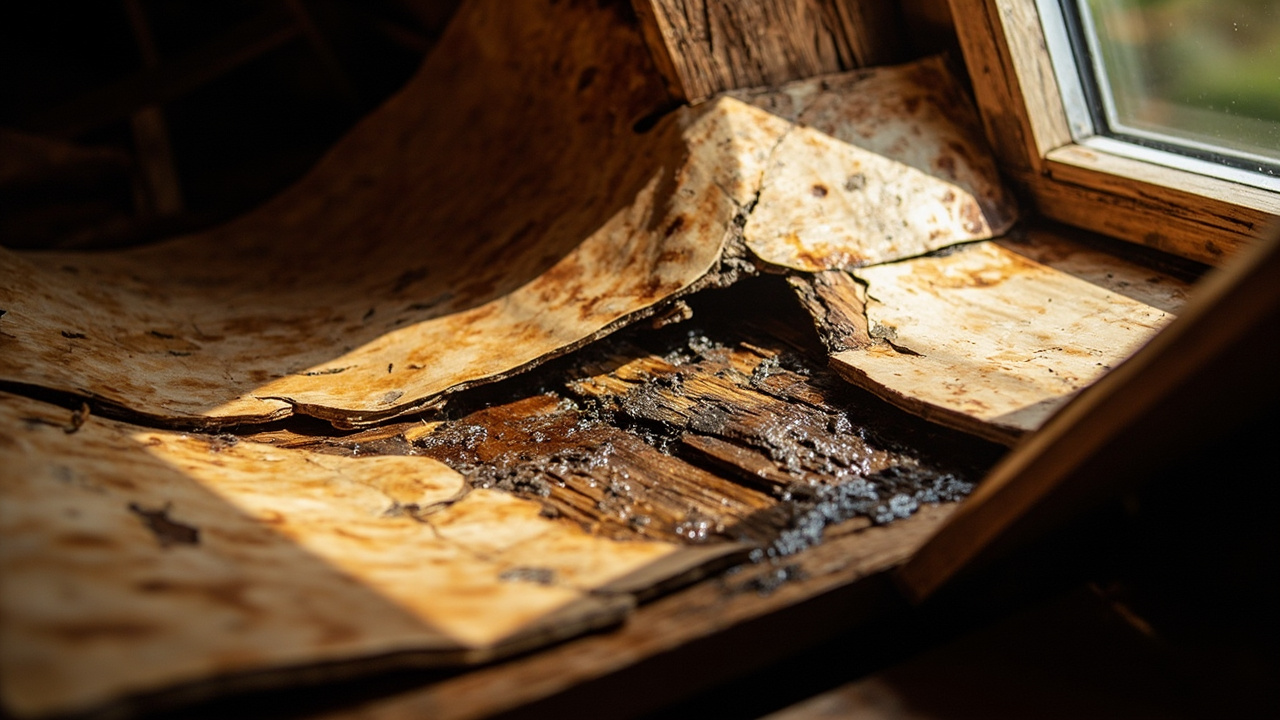
Warped roof plywood also happens when ventilation fails. If your attic does not breathe, heat and moisture get trapped against the underside of your decking. The wood fibers break down. You get dipping roof decking in the center of spans where rafters are spaced too far apart, or where the original builder used thinner material to save cost.

Sunken roof boards also appear after wind-driven rain from tropical storms forces water under shingles and into the deck. Once the plywood delaminates, it loses load-bearing capacity. You might not see a leak inside your home yet, but the structure is failing. The longer you wait, the more likely you face rafter damage, truss failure, or interior ceiling collapse. This is not cosmetic. This is a structural emergency that requires immediate assessment.

Why Your Roof Deck Is Sagging in New Orleans
How We Fix a Sagging Roof Deck the Right Way

How We Fix a Sagging Roof Deck the Right Way

Most roofers will tell you to replace the shingles and call it a day. That does nothing if the sheathing underneath is compromised. We start with a full attic inspection and roof deck load test. We walk your attic to identify every section of bowing roof sheathing, check rafter spacing, measure deflection with a straightedge, and document moisture levels with a calibration-grade moisture meter.

If the plywood is warped but still structurally sound, we sister additional support blocking between rafters to stop further deflection. If the decking has delaminated or cracked, we remove the affected section and install new 5/8-inch CDX or OSB sheathing rated for high wind and moisture exposure. We do not patch over problems. We cut out the rot, reinforce the framing if needed, and install fresh material that meets current Louisiana building code.

We also address the root cause. If your attic ventilation is inadequate, we add ridge vents, soffit vents, or gable vents to create continuous airflow. If your flashing is letting water under the shingles, we rebuild it with ice and water shield and step flashing that channels moisture away from the deck. If your shingles are past their service life and no longer shedding water properly, we replace them with impact-resistant architectural shingles designed for the Gulf Coast.

Every repair includes a moisture barrier upgrade and a final inspection to confirm the deck is level, solid, and dry. You get documentation of the work, photos of the before and after, and a clear explanation of what we found and what we fixed.

What Happens During a Roof Deck Repair

Sagging Roof Deck in New Orleans – Expert Diagnosis Stops Structural Damage Before It Spreads
01

Attic and Roof Inspection

We access your attic and walk the entire span, checking for sagging sections, measuring rafter spacing, and testing plywood integrity with pressure and moisture readings. We also inspect from the roof surface to identify shingle damage, flashing failure, or ventilation blockages. You get a written report with photos, measurements, and a breakdown of what is failing and why.
02

Decking Removal and Reinforcement

We strip the damaged shingles and underlayment, then remove the compromised plywood sections. If rafters or trusses show rot or deflection, we reinforce or replace them. We install new sheathing with proper nailing patterns, ensuring each sheet is fastened to at least three rafters. We upgrade ventilation and moisture barriers during this phase to prevent future warping.
03

Final Roofing and Seal

Once the deck is solid and level, we install ice and water shield in vulnerable zones, lay synthetic underlayment across the entire roof, and install your new shingles. We rebuild all flashing, seal penetrations, and verify that ridge vents and soffit vents are clear. You get a roof that sheds water, breathes properly, and stands up to New Orleans wind and rain.

Why New Orleans Homeowners Choose Heritage Roofing for Roof Deck Repairs

A sagging roof deck is not a DIY project. It requires structural knowledge, the right materials, and familiarity with how New Orleans homes are built. Most homes in the Garden District, Lakeview, and Uptown were framed with 2x6 rafters spaced 24 inches on center. That spacing is fine when the sheathing is solid, but if the plywood warps or delaminates, you get deflection in the middle of the span.

We know the building codes that apply to Orleans Parish. We know which roofing materials hold up to 130 mph wind zones. We know that ventilation is critical in a city where attic temperatures can hit 150 degrees in July. We also know that insurance adjusters in Louisiana look for specific documentation when you file a claim for structural damage. We provide that documentation.

You also work with a local team that understands the realities of living near Lake Pontchartrain or along the Mississippi River. Homes near the lake deal with higher humidity and salt air, which accelerates wood rot. Homes in Mid-City or Gentilly, which flooded during Katrina, often have lingering moisture issues in attic spaces that were never properly dried or ventilated. We have repaired roof decks in every neighborhood in New Orleans, and we know what to look for.

When you call Heritage Roofing, you get a crew that shows up on time, communicates clearly, and does not leave until the job is done right. We do not subcontract our structural work. We do not use cheap plywood. We do not skip steps to save time. You get a roof deck that is flat, solid, and built to last.

What You Can Expect When We Repair Your Roof Deck

Fast Scheduling and Response

We schedule your inspection within 48 hours of your call. If your roof deck is actively sagging or you have visible interior damage, we prioritize your project and can often start the repair within the same week. Most roof deck replacements take two to four days depending on the size of the affected area and weather conditions. We tarp vulnerable sections overnight to protect your home from rain. You get daily updates and a project timeline so you know exactly when we will be on site and when the work will be complete.

Thorough Structural Assessment

Our inspection is not a quick walkthrough. We measure rafter spacing, check for truss uplift, test plywood thickness, and document moisture levels in every suspect area. We take photos from inside the attic and on top of the roof. We identify the cause of the sagging, whether it is poor ventilation, water intrusion, undersized sheathing, or rafter failure. You get a written assessment that explains what is wrong, what needs to be replaced, and what can be reinforced. We also provide a cost breakdown so you can make an informed decision before we start.

Durable, Code-Compliant Results

When we finish, your roof deck is flat, dry, and engineered to handle the wind and rain that New Orleans throws at it. We use 5/8-inch or thicker plywood or OSB rated for high moisture and high wind. We install it with the correct nail pattern and spacing. We upgrade your ventilation to prevent heat and moisture buildup. We rebuild flashing and underlayment so water cannot get under the shingles. You get a roof that passes inspection, qualifies for insurance discounts, and protects your home for decades.

Ongoing Support and Maintenance

We stand behind every roof deck repair. After we finish, we walk you through the work we completed and answer any questions. We also provide guidance on how to maintain your attic ventilation and when to schedule your next roof inspection. If you notice any new issues or have concerns after the project is done, you can call us directly. We are a local company, and we are here when you need us. Many of our clients schedule annual inspections to catch small problems before they become major failures.

Frequently Asked Questions

You Have Questions,
We Have Answers

How to fix a sagging deck roof? +

Fixing a sagging deck roof requires a structural assessment first. A licensed contractor inspects the framing to identify failed rafters, rotted decking, or undersized support beams. In New Orleans, high humidity accelerates wood rot, so expect moisture damage. The fix typically involves sistering new lumber alongside weakened rafters, replacing compromised decking, and reinforcing support posts. Severe cases need complete framing replacement. Do not attempt this yourself. A sagging roof indicates structural failure, and improper repairs risk collapse. Get multiple estimates from local roofers who understand New Orleans building codes and hurricane wind load requirements.

How serious is a sagging roof? +

A sagging roof is extremely serious. It signals structural failure in the framing, decking, or support system. In New Orleans, where heavy rain and wind events stress roofs year-round, a sag means your home is vulnerable to catastrophic collapse. Water infiltration accelerates the damage, rotting wood framing and creating dangerous living conditions. You risk roof cave-in during the next storm. Sagging also indicates potential foundation issues or termite damage, both common in our area. Do not wait. Get a professional inspection immediately. The longer you delay, the more expensive and dangerous the problem becomes.

Is it expensive to fix a sagging roof? +

Repair costs vary widely based on severity. Minor sagging from isolated rafter damage may run a few thousand dollars for sistering repairs and localized decking replacement. Extensive structural failure requiring complete framing rebuild can reach tens of thousands. In New Orleans, factor in potential termite remediation and moisture barrier upgrades due to our humid climate. Insurance may cover storm damage but rarely covers maintenance neglect. Get at least three written estimates from licensed contractors. Costs depend on roof size, access difficulty, material choices, and whether you need emergency shoring before permanent repairs begin.

How much roof sagging is acceptable? +

No roof sagging is acceptable. Any visible sag indicates structural compromise. Your roof should appear straight and level from all angles. Even a slight dip means framing members are failing under load. In New Orleans, where hurricane codes mandate specific wind ratings, any sag signals non-compliance and safety risk. Some homeowners notice gradual sagging over years and assume it is normal aging. It is not. Gravity and moisture damage compound quickly in our climate. If you see a dip, bulge, or uneven roofline, schedule an inspection immediately. Acceptable sagging does not exist.

Will insurance cover a sagging roof? +

Insurance coverage depends on the cause. If storm damage or a sudden event like wind or falling debris caused the sagging, your homeowner policy likely covers repairs. In New Orleans, hurricane and wind damage claims are common, and insurers understand our weather challenges. However, if sagging results from deferred maintenance, termite damage, or gradual deterioration, insurance typically denies the claim. Document everything with photos and get a professional inspection report. Your adjuster needs proof of sudden loss, not years of neglect. Review your policy and file promptly after storm events.

How much does it cost to fix a sagging deck? +

Deck roof repair costs depend on damage extent and structural scope. Replacing rotted decking boards on a small patio cover may cost a few thousand dollars. Full structural rebuild with new rafters, decking, and flashing on a larger deck roof runs significantly higher. New Orleans humidity accelerates wood decay, so expect to address hidden rot once contractors open the structure. Material choice matters. Pressure-treated lumber costs less but cedar or composite decking lasts longer in our wet climate. Get detailed written estimates breaking down labor, materials, and disposal fees before committing to repairs.

How to tell if a roof is about to collapse? +

Warning signs of imminent collapse include visible sagging or dipping, cracks in interior ceilings or walls, doors and windows that suddenly stick or will not close, and popping or cracking sounds from the attic. In New Orleans homes, check for water stains, which indicate ongoing leaks weakening framing. Exterior signs include missing shingles, daylight visible through roof boards, and leaning or bowing exterior walls. If you notice multiple symptoms simultaneously, evacuate immediately and call a structural engineer. Do not enter the attic or upper floors. Roof collapse happens without warning once framing reaches failure point.

How much does it cost to lift a roof? +

Roof lifting or raising involves jacking up sagging framing and installing permanent support. Costs vary dramatically based on roof size, severity, and access. Small residential repairs may cost several thousand dollars. Extensive jacking and structural reinforcement on larger homes runs much higher. In New Orleans, contractors factor in potential termite damage and the need for moisture-resistant framing upgrades. You may also need foundation work if settling caused the sag. This is specialized work requiring engineering calculations and permits. Get multiple bids from contractors experienced in structural repairs, not just standard roofers.

How long does it take to fix a sagging roof? +

Timeline depends on damage severity and weather. Minor repairs replacing a few rafters and decking sections may take three to five days. Extensive structural rebuilds requiring new framing, decking, and shingles can take two to four weeks. In New Orleans, expect delays during hurricane season when contractors book months ahead. Weather impacts outdoor work schedules. If emergency shoring is needed first, add extra days. Permit approval from the city adds time. Contractors must also coordinate inspections at various stages. Discuss realistic timelines upfront and get completion dates in writing before signing contracts.

Is a sagging ceiling covered by insurance? +

Insurance treats sagging ceilings like sagging roofs. Coverage depends on cause. Sudden damage from storms, plumbing leaks, or appliance failures typically qualifies for claims. Gradual sagging from poor construction, deferred maintenance, or settling rarely gets covered. In New Orleans, hurricane damage and sudden roof leaks are common claim triggers. Document the timeline and take photos immediately. Get a professional assessment identifying the cause before filing. Your adjuster needs proof of a covered peril, not long-term neglect. Review your policy exclusions and file promptly if storm or accident damage caused the sagging.

How New Orleans Humidity and Heat Accelerate Roof Deck Failure

New Orleans sits in a subtropical climate zone where relative humidity averages 76 percent year-round and summer attic temperatures routinely exceed 140 degrees. That combination creates a constant cycle of moisture absorption and thermal expansion in roof sheathing. Plywood swells when humid air saturates the wood fibers, then contracts when the sun heats the roof surface. Over time, this cycle weakens the wood grain and causes warping. Add the weight of asphalt shingles and the stress from high wind events, and you get deflected roof sheathing that dips between rafters. Homes built before 2000 often used thinner plywood or wider rafter spacing, which makes them more vulnerable to sagging.

Louisiana Residential Building Code requires roof sheathing to be properly nailed to framing members and rated for the wind zone in Orleans Parish. Many older homes do not meet current standards, and insurance companies now require proof of code compliance before issuing or renewing wind coverage. Heritage Roofing understands these requirements and documents every repair to meet both city inspection standards and insurance underwriting criteria. We also know which neighborhoods have the highest risk for moisture damage due to proximity to Lake Pontchartrain or the Mississippi River, and we adjust our ventilation and moisture barrier strategies accordingly.

Roofing Services in The New Orleans Area

Our dedicated team is proud to serve the entire area, bringing our legacy of quality roofing services directly to your neighborhood. Whether you need a simple repair, a full-scale replacement, or an urgent inspection, you can find us easily on the map below. We are committed to being your local roofing partner, delivering expert solutions right where you are. We look forward to working with you to protect your most valuable asset—your home.Our dedicated team is proud to serve the entire area, bringing our legacy of quality roofing services directly to your neighborhood. Whether you need a simple repair, a full-scale replacement, or an urgent inspection, you can find us easily on the map below. We are committed to being your local roofing partner, delivering expert solutions right where you are. We look forward to working with you to protect your most valuable asset—your home.

Address:
Heritage Roofing New Orleans, 3308 Tulane Ave, New Orleans, LA, 70119

Additional Services We Offer

Our news updates

Latest Articles & News from The Blogs

The 10 Critical Questions That Could Save Your New Orleans Home Roofing in New Orleans isn't just about shingles and…

Questions You Must Ask a New Orleans Roofer Before Signing a Contract

The 10 Critical Questions That Could Save Your New Orleans Home Roofing in New Orleans isn't just about shingles and…

Restoring the Intricate Turrets and Gables on Victorian Homes in the Holy Cross District

Restoring the Intricate Turrets and Gables on Victorian Homes in the Holy Cross District The Holy Cross District in New…

Is Stone Coated Steel the Right Choice for Your Slidell Waterfront Property?

Is Stone Coated Steel the Right Choice for Your Slidell Waterfront Property? Living along the water in Slidell comes with…

Contact Us

If your roof looks uneven or you see sagging from inside your attic, do not wait. Call Heritage Roofing at (504) 355-3444 to schedule your structural inspection. We will assess the damage, explain your options, and give you a clear repair plan.