





menu

Condensation & Moisture Issues in New Orleans | Expert Diagnosis Stops Mold, Wood Rot & Structural Damage

From roof sweating to attic moisture buildup, Heritage Roofing New Orleans identifies the source of trapped moisture and implements permanent ventilation and vapor barrier solutions to protect your investment.

Slider Image 1
Slider Image 2
Slider Image 3
Slider Image 4
Slider Image 5
Slider Image 7
Slider Image 8
Slider Image 9
Slider Image 10
Slider Image 11

Why New Orleans Roofs Sweat More Than Anywhere Else

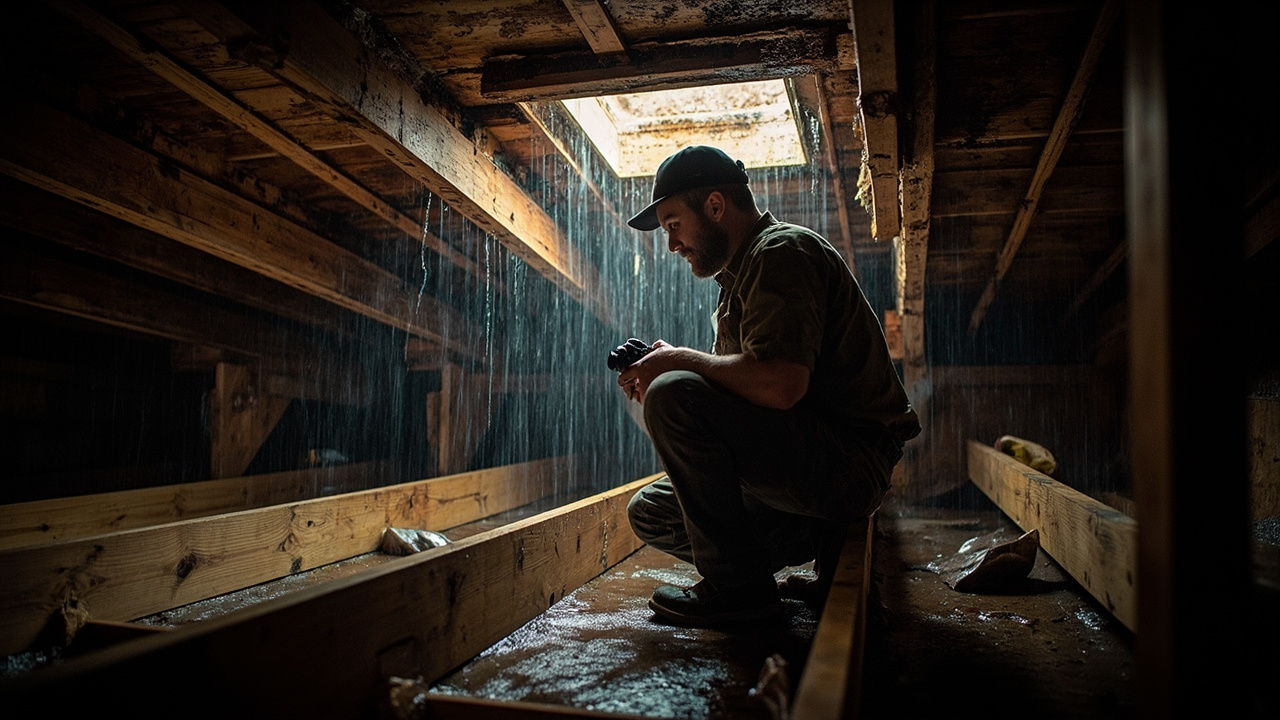
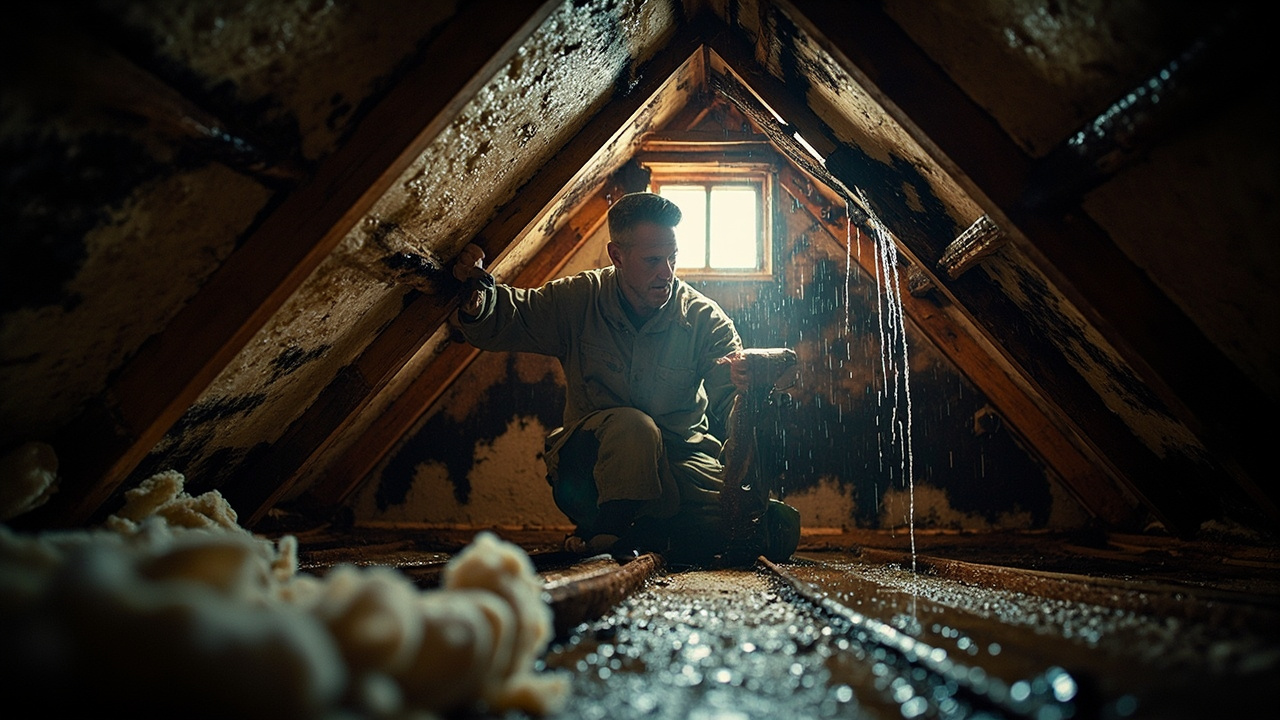
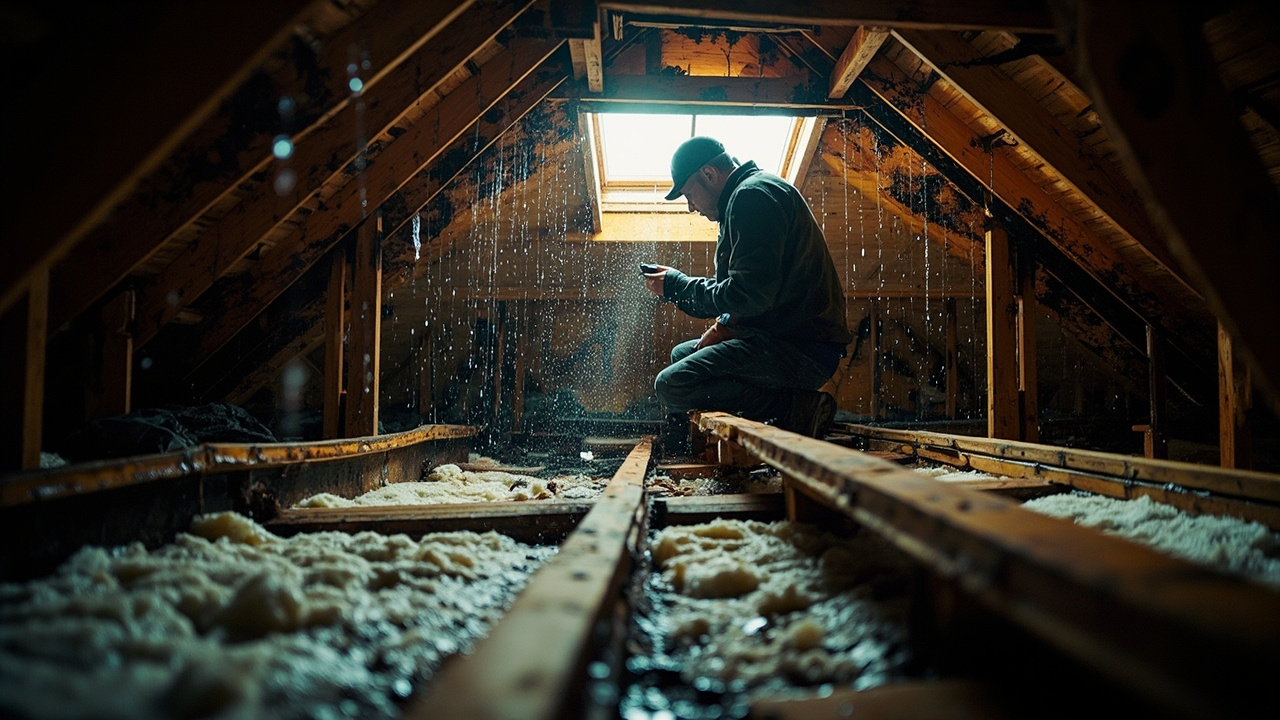
You walk into your attic and the air feels like a wet blanket. Water beads cling to the underside of your roof deck. The insulation sags. That musty smell hits you before you even climb the ladder.

This is roof sweating, and it happens to thousands of New Orleans homes every year.

The culprit? Our subtropical climate creates the perfect storm for attic moisture buildup. When cool conditioned air from your living space meets the superheated attic air, you get condensation. The Gulf humidity magnifies this effect. By July, your attic can hit 140 degrees while your AC struggles to keep the house at 72. That temperature differential creates trapped moisture in your roof assembly.

Most homes in the Greater New Orleans area, from Lakeview to the Lower Garden District, were built before modern ventilation codes. Older Creole cottages and shotgun doubles have minimal ridge venting. Many still have original felt underlayment that traps moisture instead of shedding it.

The damage starts small. First, you see dark stains on the roof deck. Then the plywood delaminates. Mold colonizes. Rafters soften. What began as roof dampness becomes a structural liability.

The longer condensation cycles continue, the worse it gets. Summer rain brings temporary relief, but the root cause remains. Your roof space condensation problem will not fix itself. Without proper diagnosis and ventilation correction, you are looking at premature shingle failure, compromised decking, and thousands in preventable repairs.

Why New Orleans Roofs Sweat More Than Anywhere Else
How We Diagnose and Correct Moisture at the Source

How We Diagnose and Correct Moisture at the Source

Generic ventilation fixes fail because they ignore the root cause. Adding more soffit vents without addressing air sealing creates new problems. We start with thermal imaging and moisture mapping to identify exactly where condensation forms.

Our diagnostic process measures attic temperature differentials, airflow patterns, and dew point calculations. We check for missing or compressed insulation. We inspect the condition of existing vapor barriers. We evaluate soffit and ridge vent ratios against current IRC requirements.

Most New Orleans homes need a balanced ventilation system. That means equal intake at the soffits and exhaust at the ridge. The standard is one square foot of net free ventilation area per 150 square feet of attic space. Homes with cathedral ceilings or complex rooflines require custom solutions.

We address the thermal envelope first. Air sealing penetrations around plumbing stacks, electrical chases, and recessed lights stops conditioned air from escaping into the attic. This single step eliminates 60 percent of moisture intrusion.

Next, we correct the ventilation imbalance. Continuous ridge vents paired with baffled soffit intake create a chimney effect. Hot, moisture-laden air exhausts naturally. Fresh air enters at the eaves. The attic breathes.

For severe cases, we install radiant barriers or spray foam insulation to break the thermal bridge. In historic districts like the French Quarter or Marigny, we work within preservation guidelines while still achieving modern performance standards.

The goal is simple. Drop attic temperatures by 30 to 40 degrees. Eliminate the dew point crossover. Stop the condensation cycle before it destroys your roof deck.

What Happens During Your Moisture Assessment

Condensation & Moisture Issues in New Orleans | Expert Diagnosis Stops Mold, Wood Rot & Structural Damage
01

Attic Inspection and Mapping

We enter your attic with thermal cameras and moisture meters to document existing conditions. Every wet spot, every temperature anomaly, every compromised section of decking gets photographed and logged. You see exactly what we see. This baseline assessment identifies whether you have active leaks, condensation issues, or both. We check insulation depth, ventilation pathways, and vapor barrier integrity across the entire roof assembly.
02

Ventilation Analysis and Testing

We calculate your current ventilation ratio and compare it to code requirements. Using airflow meters, we measure actual intake and exhaust performance. Most homes show significant imbalances. Blocked soffit vents, missing baffles, and undersized ridge vents create dead zones where moisture accumulates. We document these deficiencies and explain how they contribute to roof sweating. You get a written report with clear next steps, not vague recommendations.
03

Solution Design and Implementation

We design a ventilation system specific to your roof geometry and local climate demands. Installation includes air sealing critical penetrations, installing proper baffles, upgrading soffit vents, and adding continuous ridge ventilation. For homes with severe moisture damage, we replace compromised decking before sealing the system. The result is a balanced attic that stays dry year-round. Post-installation, we verify temperature drops and airflow improvement with follow-up measurements.

Why New Orleans Homeowners Choose Heritage Roofing for Moisture Problems

Roof condensation is not a shingle problem. It is a building science problem. That distinction matters.

Most roofers see wet decking and recommend a tearoff. They replace the visible damage but ignore the ventilation deficiency that caused it. Six months later, the problem returns.

Heritage Roofing New Orleans approaches moisture issues differently. We treat the attic as a system. Every component affects every other component. Fix one variable and ignore the others, you waste money.

Our crews understand how New Orleans's geography amplifies moisture risk. Homes near Lake Pontchartrain face higher humidity loads than properties in Algiers. Properties in Gentilly with shallow roof pitches trap heat differently than steep-gabled homes in Uptown. Elevation matters. Orientation matters. Tree canopy coverage matters.

We work with the local building codes and historic preservation requirements that shape this city. Homes in the Vieux Carré Historic District require special consideration. You cannot just slap a ridge vent on a 200-year-old Creole townhouse. We coordinate with the Vieux Carré Commission when needed and design solutions that respect architectural integrity while solving modern performance problems.

Our diagnostic process saves you money. Thermal imaging reveals issues before they become emergencies. Moisture mapping shows you exactly which sections of decking need replacement and which can stay. You pay for repairs you need, not repairs someone guesses at.

We also understand insurance claims. If your moisture damage stems from a covered event like hurricane wind-driven rain, we document it correctly. Our reports include the technical language adjusters expect.

You get solutions built for this climate, this city, and your specific home.

What You Can Expect From Start to Finish

Fast Response and Scheduling

We schedule most attic inspections within 48 hours of your call. You pick the time that works for your schedule. The assessment takes 60 to 90 minutes depending on roof complexity. We bring all diagnostic equipment with us. No need for a second trip. If we find active leaks or severe structural concerns, we flag them immediately. You know the full scope before we leave. Emergency situations get same-day response. For non-urgent moisture issues, we provide a written assessment within 24 hours of the inspection.

Comprehensive Moisture Evaluation

Our inspection covers more than just visible water stains. We measure attic temperature stratification, check insulation R-values, test soffit and ridge vent airflow, inspect all roof penetrations, and photograph moisture damage. Thermal imaging reveals temperature differentials invisible to the naked eye. Moisture meters quantify water content in wood decking. You receive a detailed report with photos, measurements, and our findings. We explain the difference between leak damage and condensation damage. Many homeowners discover they have both. The report includes a prioritized repair plan with separate line items for each correction.

Permanent Ventilation Corrections

We do not patch symptoms. Our solutions address the physics causing condensation. Air sealing stops conditioned air from entering the attic. Balanced ventilation creates continuous airflow from soffit to ridge. Proper baffles maintain insulation contact with the roof deck while preserving airflow channels. Radiant barriers reduce solar heat gain on the underside of the decking. When we replace damaged plywood, we use exterior-grade sheathing rated for high-humidity environments. The completed system lowers attic temperatures by 30 to 50 degrees during summer months. Lower temperatures mean less condensation potential.

Post-Repair Verification and Monitoring

After installation, we return to verify the system performs as designed. Follow-up thermal scans confirm temperature reductions. Airflow testing ensures proper vent balance. We check moisture levels in previously affected areas to confirm drying. You get before-and-after documentation showing measurable improvement. We also provide maintenance guidance specific to your system. Most balanced ventilation systems require minimal upkeep, but we explain what to monitor. If you ever see signs of recurring moisture, we respond quickly. Our work eliminates the conditions that allow condensation, so recurrence is rare when homeowners follow basic maintenance protocols.

Frequently Asked Questions

You Have Questions,
We Have Answers

How do you fix excessive condensation? +

You need to improve ventilation and control indoor humidity. Start by running exhaust fans in bathrooms and kitchens during and after use. Open windows when weather permits to allow air circulation. In New Orleans' humid climate, a whole-house dehumidifier is often necessary to keep indoor humidity below 60%. Check for poor attic ventilation, which traps hot, moist air against your roof deck. Ensure your dryer vents outside properly. If condensation appears on windows or walls, you likely need a professional assessment to identify hidden moisture sources or inadequate insulation that creates cold surfaces where water vapor condenses.

What are signs of excessive condensation? +

Water droplets on windows, especially in the morning, signal excessive condensation. You might notice wet walls, damp spots on ceilings, or a musty smell in closets and bathrooms. Peeling paint or wallpaper indicates trapped moisture behind surfaces. Black mold growth in corners, around windows, or on exterior walls confirms chronic condensation problems. In New Orleans homes, you may see water staining on attic sheathing or dark patches on wood framing. Your windows might fog up frequently, or you may feel dampness when touching walls. These signs worsen during summer months when air conditioning creates temperature differentials that promote condensation.

How to solve moisture problems in a house? +

You must identify the moisture source first. Check for roof leaks, plumbing failures, or foundation seepage. In New Orleans, high groundwater and clay soil create persistent foundation moisture. Install vapor barriers in crawl spaces and ensure proper grading directs water away from your foundation. Fix any roof damage immediately. Run dehumidifiers in problem areas and improve air circulation with fans. Seal gaps around windows and doors. Insulate cold water pipes to prevent surface condensation. Verify your gutters drain properly and downspouts extend at least six feet from your foundation. Sometimes you need crawl space encapsulation or French drain systems for severe moisture intrusion.

What causes excessive condensation in a house? +

Everyday activities generate indoor moisture. Cooking, showering, and breathing release water vapor into your air. In New Orleans' humid climate, poor ventilation traps this moisture inside. Temperature differences between conditioned indoor air and hot outdoor air create condensation on cold surfaces like windows, walls, and ducts. Insufficient attic ventilation lets hot, moist air accumulate. Dryer vents that terminate in crawl spaces or attics add moisture. Leaking pipes, roof damage, or foundation cracks introduce external water. Inadequate insulation creates cold spots where warm, humid air condenses. Too many plants indoors or wet firewood stored inside also contribute to excess humidity.

Does condensation mean my house is too cold? +

Not always. Condensation happens when warm, humid air contacts cold surfaces. Your house temperature matters less than the temperature difference between your indoor air and surface temperatures. In New Orleans, condensation often occurs during summer when cold air conditioning cools walls and windows while outdoor humidity stays high. You can have condensation in a warm house if humidity is too high. Cold surfaces like single-pane windows, uninsulated exterior walls, or cold water pipes attract condensation regardless of room temperature. The real culprit is usually excessive indoor humidity combined with poor insulation creating cold spots where moisture collects.

What draws moisture out of your house? +

Proper ventilation removes moisture most effectively. Exhaust fans in bathrooms and kitchens expel humid air directly outside. Whole-house ventilation systems exchange stale, moist indoor air with fresh outdoor air. In New Orleans, dehumidifiers are essential because outdoor air often carries more moisture than indoor air. Opening windows only helps when outdoor humidity is lower. Attic ventilation through ridge vents and soffit vents allows hot, moist air to escape. Air conditioning removes moisture as it cools, but systems must be sized correctly. Running your HVAC fan continuously improves air circulation and moisture control throughout your home.

Will a dehumidifier reduce condensation? +

Yes. A dehumidifier pulls water vapor from your air before it can condense on cold surfaces. In New Orleans' humid climate, dehumidifiers are often necessary even with air conditioning running. Set your dehumidifier to maintain indoor humidity between 40% and 50%. Portable units work for single rooms, but whole-house dehumidifiers integrated with your HVAC system provide better control. Empty collection tanks regularly or connect a drain hose. Dehumidifiers work best when you also improve ventilation and seal air leaks. They reduce condensation on windows, prevent mold growth, and make your home feel more comfortable without lowering temperatures excessively.

What causes too much moisture in a house? +

High outdoor humidity in New Orleans creates baseline moisture problems. Your daily activities add more. Long showers, boiling water, washing dishes, and doing laundry release water vapor. Poor ventilation traps this moisture inside. Roof leaks, foundation seepage, or plumbing failures introduce external water. Crawl spaces with dirt floors release ground moisture. Inadequate attic ventilation lets humid air accumulate. Oversized air conditioning systems cool rooms quickly but do not run long enough to remove humidity. Ductwork leaks in unconditioned spaces pull in humid air. Wet materials stored indoors like firewood or damp clothing contribute. Plants and aquariums also add moisture.

How to tell if damp is caused by condensation? +

Condensation leaves specific patterns. You see water droplets on windows, walls, or pipes. The moisture appears on cold surfaces first, like exterior walls and corners. Dampness occurs during or after activities that generate moisture, such as cooking or showering. Condensation often appears seasonally when temperature differences are greatest. The pattern is widespread but surface-level. In contrast, rising damp from foundations shows tide marks and starts at floor level moving upward. Penetrating damp from leaks creates isolated wet patches near the water source. Touch the surface. Condensation feels cool and damp. Structural dampness often feels cold and may show efflorescence or mineral deposits.

What absorbs moisture quickly? +

Dehumidifiers remove moisture fastest and most effectively. For immediate absorption, calcium chloride desiccants work better than silica gel in New Orleans' humid climate. Baking soda absorbs minor moisture but requires frequent replacement. Activated charcoal helps with both moisture and odors. Commercial moisture absorbers like DampRid work well in closets and small spaces. However, these are temporary solutions. You cannot absorb your way out of chronic moisture problems. Address the root cause through proper ventilation, dehumidification, and fixing water intrusion sources. Absorbents only mask symptoms. Professional assessment identifies whether you need insulation upgrades, ventilation improvements, or structural repairs.

How Gulf Coast Humidity and Louisiana Building Practices Create Moisture Traps

New Orleans sits 6 feet below sea level in a subtropical climate zone with average relative humidity above 75 percent year-round. Summer dew points regularly hit 75 degrees. When outdoor air at 90 degrees and 80 percent humidity meets an air-conditioned attic space at 110 degrees, condensation forms instantly on any surface below the dew point. Older homes built before the 1980s often lack vapor barriers entirely. Many still have original wood shiplap sheathing with no underlayment. These construction methods worked before central air conditioning became standard, but they fail catastrophically in modern climate-controlled homes. The temperature differential between conditioned space and attic creates constant moisture migration.

Louisiana amended its residential building code in 2005 to require improved attic ventilation, but most New Orleans housing stock predates these standards. Homes in Gentilly, Lakeview, and Mid-City were built in the 1950s and 1960s with minimal ridge venting. Post-Katrina rebuilds often focused on speed over building science, leaving many homes with inadequate moisture management. Heritage Roofing New Orleans works with local building inspectors and understands Orleans Parish permit requirements. We know which solutions pass inspection and which create code violations. Our crews also navigate historic district reviews when your home falls under Vieux Carré Commission or local landmark oversight. Proper moisture control requires both technical expertise and local regulatory knowledge.

Roofing Services in The New Orleans Area

Our dedicated team is proud to serve the entire area, bringing our legacy of quality roofing services directly to your neighborhood. Whether you need a simple repair, a full-scale replacement, or an urgent inspection, you can find us easily on the map below. We are committed to being your local roofing partner, delivering expert solutions right where you are. We look forward to working with you to protect your most valuable asset—your home.Our dedicated team is proud to serve the entire area, bringing our legacy of quality roofing services directly to your neighborhood. Whether you need a simple repair, a full-scale replacement, or an urgent inspection, you can find us easily on the map below. We are committed to being your local roofing partner, delivering expert solutions right where you are. We look forward to working with you to protect your most valuable asset—your home.

Address:
Heritage Roofing New Orleans, 3308 Tulane Ave, New Orleans, LA, 70119

Additional Services We Offer

Our news updates

Latest Articles & News from The Blogs

Why Concrete Tile Is Making a Comeback for Modern Homes in Lake Vista Concrete tile roofing is experiencing a significant…

Why Concrete Tile Is Making a Comeback for Modern Homes in Lake Vista

Why Concrete Tile Is Making a Comeback for Modern Homes in Lake Vista Concrete tile roofing is experiencing a significant…

Navigating the VCC and HDLC Roofing Permit Process Without Losing Your Mind

Understanding VCC and HDLC Roofing Permit Requirements in New Orleans Getting a roofing permit in New Orleans can feel overwhelming.…

Managing Overhanging Live Oak Branches Above Your St. Charles Avenue Roof

Managing Overhanging Live Oak Branches Above Your St. Charles Avenue Roof Live Oak branches hanging over St. Charles Avenue homes…

Contact Us

Moisture damage accelerates every day you wait. Call Heritage Roofing New Orleans at (504) 355-3444 for a comprehensive attic moisture assessment. We diagnose the problem, explain the fix, and implement solutions that last.