





menu

Roof Cricket Drainage Issues in New Orleans – Expert Diagnosis Stops Water Damage Before It Spreads

Our trained technicians identify the exact cause of chimney saddle water pooling, improper cricket pitch, and roof saddle drainage failure, then implement the precise fix to protect your New Orleans home from ongoing moisture damage.

Slider Image 1
Slider Image 2
Slider Image 3
Slider Image 4
Slider Image 5
Slider Image 7
Slider Image 8
Slider Image 9
Slider Image 10
Slider Image 11

Why Water Pools Behind Your Chimney After Every New Orleans Storm

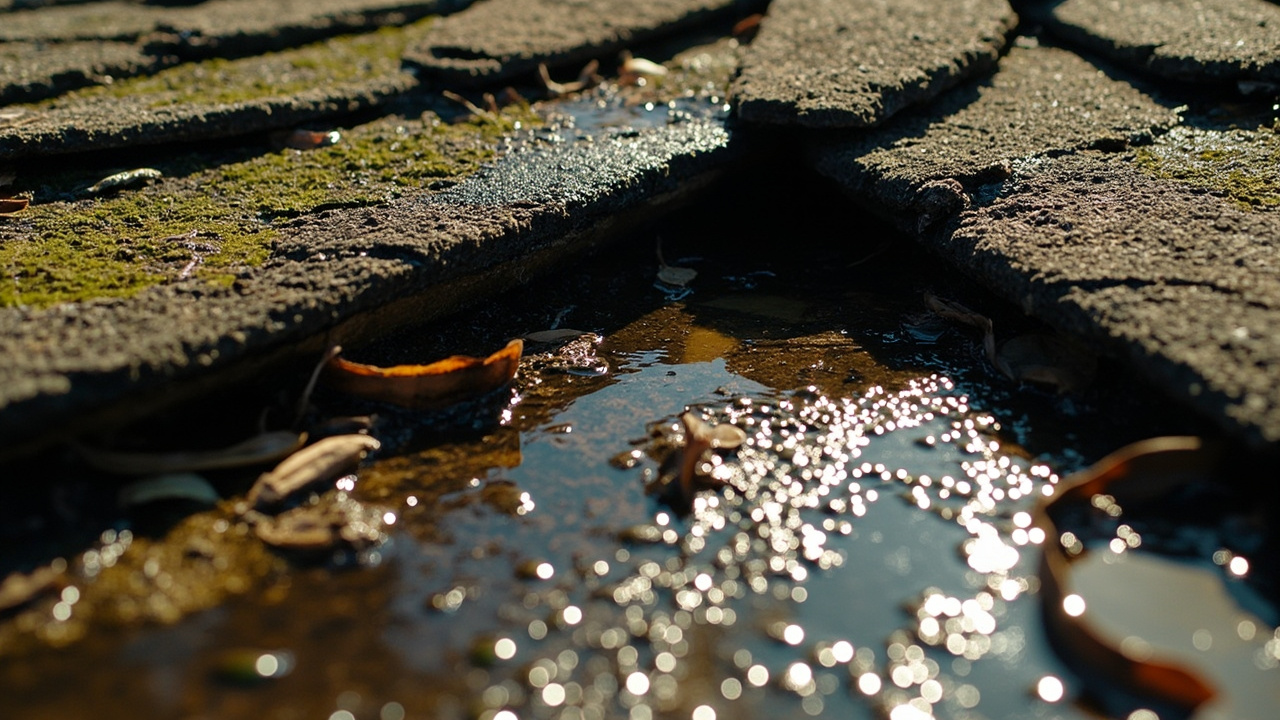
You notice standing water behind your chimney after every heavy rain. The puddle does not drain. Within days, you see staining on your ceiling or feel dampness in the attic. This is chimney saddle water pooling, and it happens when the roof cricket built to divert water around your chimney fails.

New Orleans receives over 60 inches of rain annually, with sudden tropical downpours that overwhelm poorly designed or aging roof crickets. A cricket is the small peaked structure installed on the uphill side of your chimney to redirect water around it. When the cricket pitch is too shallow or the structure has degraded, water pools instead of flowing down the roof slope. That ponding accelerates shingle deterioration, rusts flashing, and seeps into your decking.

Improper cricket pitch is common in older New Orleans homes, especially in neighborhoods like the Garden District and Uptown, where original installations did not account for the region's intense rainfall patterns. Hurricane season compounds the problem. Wind-driven rain forces water under compromised chimney diverter flashing, leading to active leaks during storms.

Roof saddle drainage failure also occurs when debris clogs the valleys created by the cricket, or when the cricket itself was never installed during original construction. Many homes built before stricter code enforcement simply lack this critical drainage feature. The result is chronic moisture intrusion, rotted framing, and mold growth in your attic space.

If you see water marks, feel soft spots in your ceiling near the chimney, or notice shingle granules washing into your gutters from the area behind the chimney, you have a cricket drainage problem that requires immediate professional assessment.

Why Water Pools Behind Your Chimney After Every New Orleans Storm
How We Fix Chimney Diverter Leaks and Restore Proper Drainage

How We Fix Chimney Diverter Leaks and Restore Proper Drainage

We do not patch over symptoms. Our process starts with identifying why water pools in the first place. We inspect the existing cricket structure for adequate pitch, which must be at least 4 inches in 12 inches to ensure proper runoff in New Orleans's heavy rains. Many older crickets were built with insufficient slope, allowing water to pond even when the structure is intact.

We check the valley flashing where the cricket meets the main roof plane. This is a common failure point. Water travels down both sides of the cricket and converges in these valleys. If the flashing is undersized, improperly lapped, or lacks ice and water shield underlayment, leaks are inevitable. We verify that step flashing is correctly integrated with the chimney masonry and that counter flashing is sealed against the chimney face.

When we find improper cricket pitch or a missing saddle entirely, we remove the affected shingles and decking to expose the framing. We then construct a new cricket with the correct slope, using dimensional lumber that matches your roof framing. The new saddle is sheathed with exterior-grade plywood, then waterproofed with a continuous ice and water shield membrane before installing new shingles that match your existing roof.

For homes with metal flashing corrosion, we fabricate custom copper or galvanized steel valley and step flashing. Copper is ideal for New Orleans's humidity because it does not rust. We solder all seams and ensure proper overlap sequences so water cannot migrate backward under the flashing during wind-driven rain events.

Every repair includes a full attic inspection to assess any water damage to the decking, rafters, or insulation. We document moisture intrusion patterns to confirm the cricket was the source, then provide a detailed scope of structural repairs if framing has been compromised.

What Happens During Your Cricket Repair

Roof Cricket Drainage Issues in New Orleans – Expert Diagnosis Stops Water Damage Before It Spreads
01

Detailed Roof Inspection

We access your roof and measure the existing cricket pitch with a digital level. We photograph the flashing condition, check for granule loss on surrounding shingles, and probe the decking for soft spots. We also inspect your attic from the interior to trace water stains and confirm the leak source before quoting any work.
02

Cricket Reconstruction

We remove damaged shingles and flashing, then frame a new saddle with the correct slope. The cricket is sheathed, waterproofed with a self-adhering membrane, and fitted with custom valley and step flashing. We integrate the new structure seamlessly with your existing roof plane to eliminate future ponding and ensure water flows correctly down both sides of the chimney.
03

Final Testing and Cleanup

We perform a controlled water test by running a hose over the repaired area for 15 minutes while monitoring the attic for any moisture intrusion. Once confirmed dry, we clean all debris from your roof and gutters, then provide documentation of the work completed. You receive photos of the new cricket structure and a detailed explanation of how to monitor the area after future storms.

Why New Orleans Homeowners Trust Heritage Roofing for Cricket Repairs

New Orleans's unique climate demands specialized knowledge. Our team understands how seasonal humidity, sudden tropical storms, and aging housing stock create specific roofing challenges. We have repaired crickets on century-old shotgun homes in the Marigny, mid-century ranches in Lakeview, and historic estates in the Garden District. Each project requires different flashing techniques and material choices based on the roof design and chimney construction.

We are familiar with Orleans Parish building codes and the requirements for flashing in high-wind zones. After Hurricane Ida, we saw hundreds of homes with cricket failures caused by improper original installations. Many contractors cut corners by installing crickets with inadequate slope or using standard step flashing instead of the reinforced systems required for chimneys in our climate.

Our approach is different. We use only materials rated for coastal exposure. That means copper or heavy-gauge galvanized flashing, not the thin aluminum that corrodes in three years. We apply ice and water shield even though it is not required by code, because we know wind-driven rain in New Orleans will find any gap in your roof's defenses.

We also take the time to educate you about what caused the failure. If your cricket was missing entirely, we explain why that happens and show you the framing we installed to prevent future ponding. If the pitch was wrong, we demonstrate the correct slope and how it changes water flow patterns. You are not just getting a repair. You are getting a permanent solution backed by our understanding of how New Orleans roofs fail and how to prevent it.

Our crews are trained in both modern roofing techniques and the traditional methods required for historic homes. We know how to work with slate, clay tile, and standing seam metal roofs common in older neighborhoods, and we maintain relationships with local suppliers who stock period-appropriate materials when restoration work is needed.

What to Expect When You Call Us About Cricket Drainage Problems

Rapid Response Time

We schedule roof inspections within 48 hours of your call. If you have an active leak, we prioritize your appointment and can often provide temporary tarping the same day to stop ongoing water intrusion. After the inspection, you receive a written estimate within 24 hours that includes a detailed scope of work, material specifications, and a timeline for completion. Most cricket repairs are completed in one to two days, depending on the extent of decking damage and weather conditions.

Thorough Diagnostic Process

Our inspection includes both exterior and interior assessment. We measure the cricket pitch, inspect all flashing seams, check for proper shingle installation around the chimney, and examine your attic for water stains, mold, or structural damage. We use moisture meters to detect hidden dampness in your decking and framing. You receive a full report with photos and annotations showing exactly what is wrong and why water is pooling. We explain the repair in plain language and answer every question before starting work.

Permanent, Code-Compliant Repair

Our repairs meet or exceed Orleans Parish building codes and manufacturer installation standards. We do not use shortcuts or substandard materials. Every cricket we build has the proper pitch to handle New Orleans rainfall intensity. All flashing is custom-fabricated and properly integrated with your chimney and roof. Shingles are installed with the correct overlap and fastener patterns to resist wind uplift. The finished repair is indistinguishable from your existing roof and will outlast the surrounding shingles because of the superior waterproofing we install underneath.

Post-Repair Documentation and Monitoring

You receive detailed before-and-after photos of the work, plus a written summary of what was replaced and why. We provide specific instructions on what to watch for after heavy rains and offer a complimentary six-month follow-up inspection to verify the repair is performing correctly. If you have any concerns during the first year, we return to assess the area at no charge. Our goal is complete confidence that your chimney drainage problem is solved permanently.

Frequently Asked Questions

You Have Questions,
We Have Answers

What are the signs of a failing roof drain? +

Look for standing water on your roof that does not drain within 48 hours after rain. Water stains on your ceiling or interior walls signal drainage failure. You may notice debris buildup around drain openings or visible rust on metal drain components. In New Orleans, where tropical storms dump heavy rain fast, slow drainage means trouble. Check for sagging roof sections or ponding near the drain. If you smell mold or notice deteriorating roofing material around the drain area, the system is failing. Clogged or corroded drains compromise your entire roof structure and need immediate attention.

What is a drainage cricket? +

A drainage cricket is a small peaked structure built on your roof to divert water away from obstacles like chimneys, HVAC units, or walls. It creates a ridge that channels water around the obstruction instead of letting it pool behind it. Crickets prevent ponding water that leads to leaks and membrane deterioration. In New Orleans, where humidity already stresses roofing materials, standing water accelerates rot and failure. Crickets are common on low-slope commercial roofs and flat residential roofs. They attach to the main roof surface and redirect water toward functioning drains or scuppers.

When should I consider a roof cricket? +

You need a roof cricket when water pools behind chimneys, HVAC units, skylights, or parapet walls. If you see standing water that lingers after rain, a cricket solves the problem. New Orleans receives over 60 inches of rain annually, making proper drainage critical. Install a cricket during new construction around any roof penetration wider than 30 inches. If you notice interior leaks near a chimney or equipment, a cricket redirects water flow and stops the infiltration. Crickets prevent membrane damage and extend roof lifespan. Any flat or low-slope roof with obstructions benefits from cricket installation.

How much does it cost to replace a roof drain? +

Roof drain replacement costs depend on drain type, roof access, and existing damage. Factors include drain size, material choice, membrane repair needs, and labor complexity. In New Orleans, expect higher costs if your roof suffered storm damage requiring structural repair. Basic drain replacement takes a few hours, but extensive water damage increases scope and price. Insurance may cover replacement if storm damage caused the failure. Get multiple estimates from licensed roofers familiar with New Orleans building codes. Do not delay replacement because ongoing leaks cause exponential damage to decking, insulation, and interior finishes.

Does homeowners insurance pay for a leaky roof? +

Homeowners insurance typically covers roof leaks caused by sudden, accidental events like storm damage or falling tree limbs. Policies exclude leaks from poor maintenance, gradual deterioration, or age-related wear. In New Orleans, hurricane damage qualifies, but slow leaks from clogged drains do not. If a drainage cricket failure causes sudden interior damage, file a claim immediately with photo documentation. Insurance adjusters inspect the roof to determine coverage eligibility. Review your policy for wind and water damage clauses. Maintain proof of regular roof inspections and maintenance to support claims.

How often should roof drains be cleaned? +

Clean roof drains quarterly in New Orleans because oak trees, magnolias, and tropical storms create constant debris. After major weather events, inspect and clear drains immediately. Leaves, twigs, and sediment clog drain openings and strainers fast. During spring pollen season and fall leaf drop, monthly cleaning prevents blockages. Standing water breeds mosquitoes and damages roofing membranes. Check drain strainers for visible debris and remove it by hand or with a shop vacuum. Flush drains with water to confirm flow. Schedule professional roof inspections twice yearly to catch problems before they escalate.

How New Orleans's Tropical Rainfall Overwhelms Inadequate Roof Crickets

New Orleans experiences some of the most intense short-duration rainfall events in the continental United States. Afternoon thunderstorms during summer months can dump two inches of rain in 30 minutes. Hurricane season brings sustained downpours that test every weakness in your roof's drainage system. A cricket designed for moderate climates will fail here because the pitch is too shallow to handle the water volume. Roof saddle drainage failure accelerates during tropical storms when debris clogs valleys and wind drives water uphill under shingles. The combination of high humidity and poor drainage also promotes rapid rot in exposed wood framing, turning a simple flashing leak into a structural problem within months.

Heritage Roofing New Orleans has worked in every neighborhood from the French Quarter to Algiers Point. We understand the construction methods used in different eras and how those homes respond to our climate. Older homes often lack the waterproofing membranes standard in modern construction, making proper flashing and cricket design even more critical. Local building inspectors recognize our work because we consistently exceed minimum code requirements. When you choose a contractor familiar with New Orleans's unique roofing challenges, you avoid the trial-and-error approach that leads to repeat repairs and ongoing leaks.

Roofing Services in The New Orleans Area

Our dedicated team is proud to serve the entire area, bringing our legacy of quality roofing services directly to your neighborhood. Whether you need a simple repair, a full-scale replacement, or an urgent inspection, you can find us easily on the map below. We are committed to being your local roofing partner, delivering expert solutions right where you are. We look forward to working with you to protect your most valuable asset—your home.Our dedicated team is proud to serve the entire area, bringing our legacy of quality roofing services directly to your neighborhood. Whether you need a simple repair, a full-scale replacement, or an urgent inspection, you can find us easily on the map below. We are committed to being your local roofing partner, delivering expert solutions right where you are. We look forward to working with you to protect your most valuable asset—your home.

Address:
Heritage Roofing New Orleans, 3308 Tulane Ave, New Orleans, LA, 70119

Additional Services We Offer

Our news updates

Latest Articles & News from The Blogs

The 10 Critical Questions That Could Save Your New Orleans Home Roofing in New Orleans isn't just about shingles and…

Questions You Must Ask a New Orleans Roofer Before Signing a Contract

The 10 Critical Questions That Could Save Your New Orleans Home Roofing in New Orleans isn't just about shingles and…

Restoring the Intricate Turrets and Gables on Victorian Homes in the Holy Cross District

Restoring the Intricate Turrets and Gables on Victorian Homes in the Holy Cross District The Holy Cross District in New…

Is Stone Coated Steel the Right Choice for Your Slidell Waterfront Property?

Is Stone Coated Steel the Right Choice for Your Slidell Waterfront Property? Living along the water in Slidell comes with…

Contact Us

Do not wait for the next storm to confirm your cricket is failing. Call Heritage Roofing New Orleans at (504) 355-3444 now to schedule your inspection. We will diagnose the exact cause of your chimney drainage problem and provide a permanent fix that protects your home.