





menu

Water Stains on Ceiling in New Orleans – Fast Diagnosis and Permanent Roof Repairs Before Mold Takes Hold

Heritage Roofing New Orleans identifies the exact source of water stains on ceiling fast, then fixes the roof leak permanently to protect your home from hidden water damage and dangerous mold growth.

Slider Image 1
Slider Image 2
Slider Image 3
Slider Image 4
Slider Image 5
Slider Image 7
Slider Image 8
Slider Image 9
Slider Image 10
Slider Image 11

Why Water Stains on Your Ceiling Mean Your Roof Already Failed

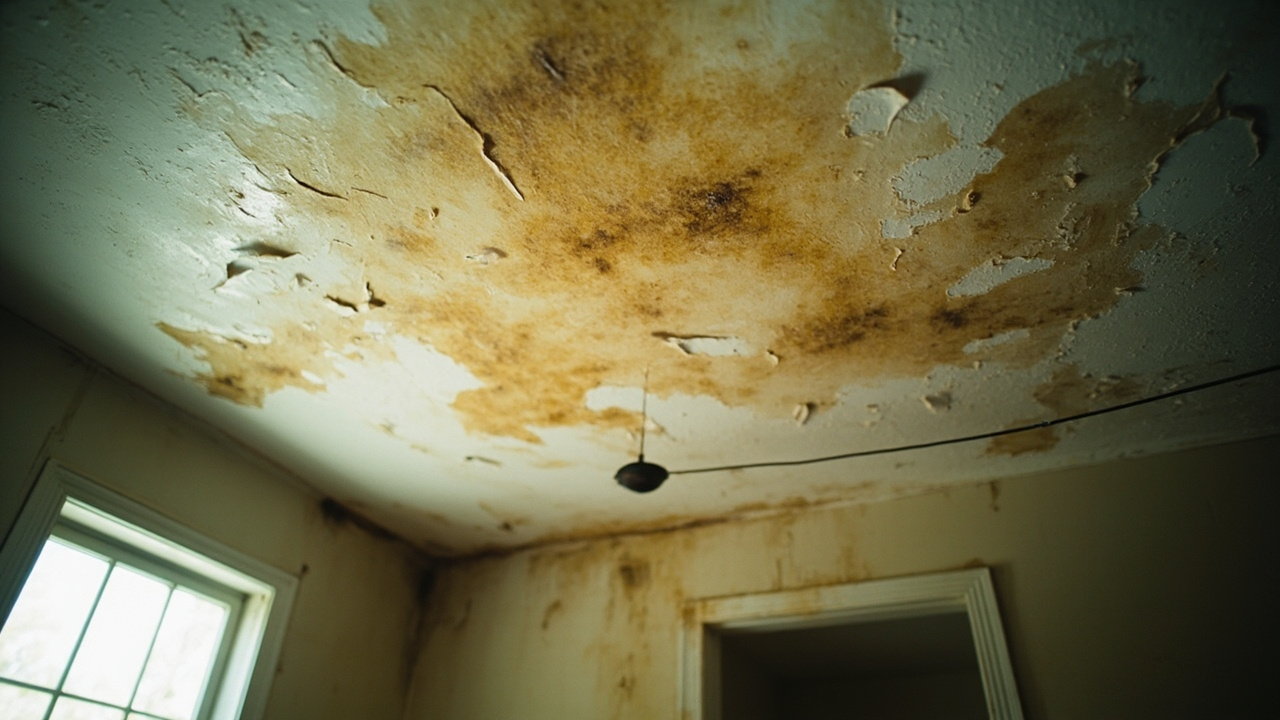
That brown spot on your ceiling did not appear overnight. By the time you see yellow ceiling stains or damp ceiling patches, water has already traveled through your attic, soaked your insulation, and started degrading your interior structure. In New Orleans, where we average over 60 inches of rain annually and face sudden afternoon thunderstorms year-round, even a small roof breach becomes a serious problem within weeks.

New Orleans homes face unique roof stress. Our high humidity does not let wet materials dry out between rain events. Historic homes in the Garden District or Uptown often have outdated flashing around chimneys and dormers. Newer roofs in Lakeview or Gentilly can fail prematurely when installer errors go unnoticed until the first hard rain reveals the mistake. Ceiling water marks you see today mean the leak started months ago.

Ceiling discoloration signals active moisture intrusion. That moisture creates the perfect environment for mold, which thrives in our subtropical climate. The longer water sits in your attic or wall cavities, the more expensive the fix becomes. What starts as a shingle problem turns into a decking replacement, then an insulation overhaul, then a ceiling repair, then a mold remediation job.

You cannot paint over water stains and hope the problem disappears. The stain will return because the source remains active. You need someone to trace the water back to the exact entry point on your roof and fix it correctly the first time.

Why Water Stains on Your Ceiling Mean Your Roof Already Failed
How We Find and Fix the Real Source of Ceiling Water Damage

How We Find and Fix the Real Source of Ceiling Water Damage

Most roofers make the same mistake. They look at your ceiling stain, climb up, and patch the roof directly above it. Two months later, the stain comes back because water does not travel in straight lines. It follows rafters, runs along sheathing seams, and drips wherever gravity takes it. The entry point can be 10 feet away from where the stain appears.

We use a forensic approach. First, we examine the stain pattern inside your home. The shape, color, and spread tell us whether the leak is constant or intermittent, recent or long-term. Then we inspect your attic. We trace the water trail backward along the underside of the roof decking until we find the exact breach point. We check every suspect area: step flashing at sidewalls, counter flashing at chimneys, pipe boot seals, ridge vent installations, and valley intersections where two roof planes meet.

Once we identify the entry point, we inspect the surrounding roofing system. A failed pipe boot usually signals aging shingles nearby. Lifted flashing often means the sealant has dried out across the entire roof. We assess whether you need a targeted repair or if the surrounding materials have reached end-of-life and will fail next.

Our repairs address the root cause, not the symptom. We remove the compromised materials, replace any wet decking, install new underlayment, and integrate new flashing or shingles so the repair blends structurally and visually. We do not slap tar on a hole and call it fixed. We rebuild the roof assembly so water cannot penetrate again.

What Happens When You Call Us About Ceiling Stains

Water Stains on Ceiling in New Orleans – Fast Diagnosis and Permanent Roof Repairs Before Mold Takes Hold
01

Interior and Attic Inspection

We start inside your home, documenting every water mark and damp patch. Then we access your attic to trace the moisture path along the roof decking and framing. This reveals the active leak location, the extent of water intrusion, and whether insulation or structural members sustained damage. We use moisture meters to detect hidden saturation you cannot see with your eyes alone.
02

Roof Surface Diagnosis

After identifying where water enters your attic, we inspect the exterior roof surface. We examine shingle integrity, flashing condition, sealant breakdown, and fastener exposure. We check for storm damage, thermal cycling cracks, and installation errors that compromise the waterproof barrier. This evaluation determines whether you need a localized repair or if adjacent sections require attention to prevent future failures.
03

Permanent Leak Repair

We remove all compromised materials down to sound decking, replace damaged sheathing, and install new underlayment with proper overlap. We integrate new flashing using mechanical fasteners and high-grade sealant rated for our climate. Then we install matching shingles that tie into the existing roof plane. Before we leave, we perform a final attic check to confirm no moisture remains and the repair integrates cleanly.

Why New Orleans Homeowners Trust Heritage Roofing for Leak Diagnosis

New Orleans roof failures differ from other regions. Our homes endure extreme heat, constant humidity, and violent summer storms. Thermal expansion causes shingles to crack. High moisture keeps roof assemblies damp for days after rain. Hurricane-force winds lift shingles and expose fastener lines. A roofer who learned their trade in a dry climate will miss the signs that matter here.

We know which roof details fail first on New Orleans homes. Victorian-era houses in the Irish Channel have complex hips and valleys where flashing corrodes quickly. Mid-century ranches in Gentilly often have inadequate attic ventilation, which traps moisture and accelerates shingle degradation. Post-Katrina rebuilds sometimes used rushed installation methods that only reveal problems years later. We have seen every failure mode and know how to fix each one permanently.

Our work meets the Louisiana State Uniform Construction Code and Orleans Parish building requirements. We understand local inspection expectations and pull permits when structural repairs require them. We know which materials hold up in our climate and which ones fail prematurely despite manufacturer claims.

You will not get a pushy sales pitch from us. We show you exactly what failed, explain why it failed, and give you a clear scope of work with transparent pricing. If you only need a targeted repair, we tell you. If your entire roof approaches end-of-life and patching makes no financial sense, we tell you that too. Our reputation depends on honesty, not upselling.

Heritage Roofing New Orleans has built trust across every neighborhood from Algiers Point to the Lakefront. Homeowners call us because we find leaks other companies miss, fix them correctly the first time, and stand behind our work.

What You Can Expect When We Handle Your Ceiling Leak

Fast Response and Scheduling

We respond to ceiling leak inquiries within 24 hours because we know water damage accelerates quickly in New Orleans humidity. Once you call, we schedule an inspection at your convenience. Most inspections take 60 to 90 minutes, depending on attic access and roof complexity. If your leak actively drips during a storm, we prioritize emergency appointments to minimize interior damage. We do not make you wait a week while water destroys your home.

Thorough Leak Diagnosis

Our inspection covers your interior ceilings, attic space, and exterior roof surface. We use moisture detection tools to reveal hidden saturation. We photograph every relevant area so you see exactly what we see. Then we explain in plain terms what failed, why it failed, and what needs to happen to fix it permanently. You get a written scope of work before we start any repairs, so there are no surprises.

Quality Roof Repair Work

We do not patch leaks with tar and hope for the best. We remove compromised materials, replace damaged decking, install new underlayment, and integrate proper flashing using mechanical fasteners and climate-appropriate sealants. Our shingle installations follow manufacturer specifications for wind resistance and waterproofing. The repair blends with your existing roof and performs as well as the original installation should have. You get a roof that keeps water out, year after year.

Post-Repair Confidence

After we complete your repair, we walk you through the work and answer any questions. We clean up all debris and leave your property as we found it. If additional issues emerge during the repair, like hidden decking rot, we stop and discuss options before proceeding. We provide documentation of the work performed and materials used. If you experience any concerns after the repair, we come back and make it right. Your peace of mind matters.

Frequently Asked Questions

You Have Questions,
We Have Answers

Is a water stain on a ceiling serious? +

Yes, a water stain on your ceiling signals active or past moisture intrusion. In New Orleans, high humidity and frequent storms make roof leaks common. The stain itself is cosmetic, but the underlying cause can lead to structural damage, mold growth, and insulation failure. Moisture trapped in attic spaces or drywall creates ideal conditions for rot and mildew. Even old stains deserve inspection because water follows unpredictable paths through framing. Ignoring stains risks ceiling collapse, electrical hazards, and costly repairs down the line. Address the source immediately to prevent escalation.

How do you get rid of water stains on the ceiling? +

You cannot remove water stains until you fix the leak source. First, identify and repair the roof leak, plumbing issue, or HVAC condensation problem. Once dry, scrub the stain with a bleach solution to kill mold spores. Prime the area with a stain-blocking primer like Kilz or BIN to prevent bleed-through. Finally, repaint the ceiling. New Orleans humidity slows drying time, so use fans and dehumidifiers. Skipping the source repair guarantees the stain returns. If the drywall feels soft or sags, replace it entirely.

Why do I have water spots on my ceiling but no leak? +

Water spots without visible leaks often stem from condensation, attic humidity, or old leaks that self-sealed. In New Orleans, poor attic ventilation traps humid air against cold surfaces, causing condensation rings on ceilings. HVAC ducts running through unconditioned attic spaces sweat heavily. Roof leaks can also intermittently drip during wind-driven rain, then stop when conditions change. Check your attic insulation, ductwork insulation, and roof decking for moisture signs. Even without active dripping, trapped moisture damages materials and promotes mold. A thermal camera inspection reveals hidden problem areas.

How to fix wet spots in a ceiling? +

Wet spots require immediate action. First, place a bucket under any dripping. Identify the moisture source by checking the attic above the spot for roof leaks, plumbing lines, or HVAC condensation. If the drywall feels spongy, poke a small drainage hole to release trapped water. Run fans and dehumidifiers to dry the area completely, typically 48 to 72 hours. New Orleans humidity extends drying time. After repairs, cut out damaged drywall, treat surrounding areas with antimicrobial spray, and patch with new material. Never paint over wet spots.

Should I call a plumber for a ceiling stain? +

Call a plumber if the stain appears near bathroom fixtures, under a second-floor bathroom, or along plumbing runs. However, most ceiling stains in New Orleans stem from roof leaks, not plumbing. Look for stains near exterior walls, under attic spaces, or after heavy rain. Those indicate roofing problems requiring a roofer, not a plumber. If you see stains near water heaters, washing machines, or toilet areas, plumbing is likely. A roofer can quickly rule out roof issues and redirect you if needed. Start with a roof inspection.

What are signs of a serious ceiling issue? +

Serious ceiling issues include sagging or bowing drywall, visible mold growth, peeling paint in expanding areas, musty odors, and stains that darken or spread rapidly. Soft spots indicate structural damage to joists or decking. Multiple stains suggest widespread leaks or ventilation failure. In New Orleans, combined roof and humidity problems accelerate deterioration. Electrical fixtures near wet areas create shock and fire risks. If you see any dripping, hear water sounds inside walls, or notice ceiling texture falling, evacuate the area and call a professional immediately. Delayed response risks collapse.

How New Orleans Climate Turns Minor Roof Damage Into Major Ceiling Stains

New Orleans receives more than 60 inches of rain each year, concentrated in intense afternoon thunderstorms and tropical weather systems. When a small roof breach allows water in, our high humidity prevents it from drying out between rain events. That constant moisture saturates insulation, darkens ceiling drywall, and feeds mold colonies. A roof leak that might stay minor in Arizona becomes a structural threat here within weeks. The brown spots on your ceiling signal that moisture has been cycling through your roof assembly for months, slowly degrading materials every day.

New Orleans homeowners need roofers who understand local construction methods and common failure points. Historic homes in neighborhoods like the Marigny and Bywater use different roof assemblies than modern builds in New Orleans East. Heritage Roofing New Orleans has diagnosed ceiling water marks across every home type and era in this city. We know which flashing details fail first, how thermal cycling affects shingle adhesion in our heat, and which repair methods hold up through hurricane season. Choosing a roofer without local experience means risking a repair that fails again next summer.

Roofing Services in The New Orleans Area

Our dedicated team is proud to serve the entire area, bringing our legacy of quality roofing services directly to your neighborhood. Whether you need a simple repair, a full-scale replacement, or an urgent inspection, you can find us easily on the map below. We are committed to being your local roofing partner, delivering expert solutions right where you are. We look forward to working with you to protect your most valuable asset—your home.Our dedicated team is proud to serve the entire area, bringing our legacy of quality roofing services directly to your neighborhood. Whether you need a simple repair, a full-scale replacement, or an urgent inspection, you can find us easily on the map below. We are committed to being your local roofing partner, delivering expert solutions right where you are. We look forward to working with you to protect your most valuable asset—your home.

Address:
Heritage Roofing New Orleans, 3308 Tulane Ave, New Orleans, LA, 70119

Additional Services We Offer

Our news updates

Latest Articles & News from The Blogs

The 10 Critical Questions That Could Save Your New Orleans Home Roofing in New Orleans isn't just about shingles and…

Questions You Must Ask a New Orleans Roofer Before Signing a Contract

The 10 Critical Questions That Could Save Your New Orleans Home Roofing in New Orleans isn't just about shingles and…

Restoring the Intricate Turrets and Gables on Victorian Homes in the Holy Cross District

Restoring the Intricate Turrets and Gables on Victorian Homes in the Holy Cross District The Holy Cross District in New…

Is Stone Coated Steel the Right Choice for Your Slidell Waterfront Property?

Is Stone Coated Steel the Right Choice for Your Slidell Waterfront Property? Living along the water in Slidell comes with…

Contact Us

Call Heritage Roofing New Orleans at (504) 355-3444 right now for a thorough ceiling leak diagnosis. We will find the exact source of your water stains and fix your roof permanently before mold takes over your home.