




menu

Signs You Need a New Roof in New Orleans – Expert Diagnosis Before Catastrophic Failure

Heritage Roofing New Orleans identifies warning signs of roof failure before water intrusion destroys your ceiling, insulation, and structural framing in signs you need a new roof assessments across the Greater New Orleans metro.

Slider Image 1
Slider Image 2
Slider Image 3
Slider Image 4
Slider Image 5
Slider Image 7
Slider Image 8
Slider Image 9
Slider Image 10
Slider Image 11

How New Orleans Climate Accelerates Roof Deterioration

Your roof does not fail suddenly. It telegraphs distress signals for months, sometimes years, before catastrophic collapse or major water intrusion.

New Orleans roofs face compounding stress from relentless humidity, hurricane wind uplift, and temperature swings that cycle from freezing winter nights to 95-degree summer days. The subtropical climate breeds algae and moss on shingles, degrading protective granules and accelerating UV breakdown. Annual rainfall exceeding 60 inches tests every penetration, valley, and flashing joint.

Most homeowners in the Garden District, Lakeview, and Gentilly neighborhoods miss the early indicators for roof replacement until they discover a ceiling stain or feel a draft near an attic hatch. By that point, hidden damage to decking and underlayment has already progressed.

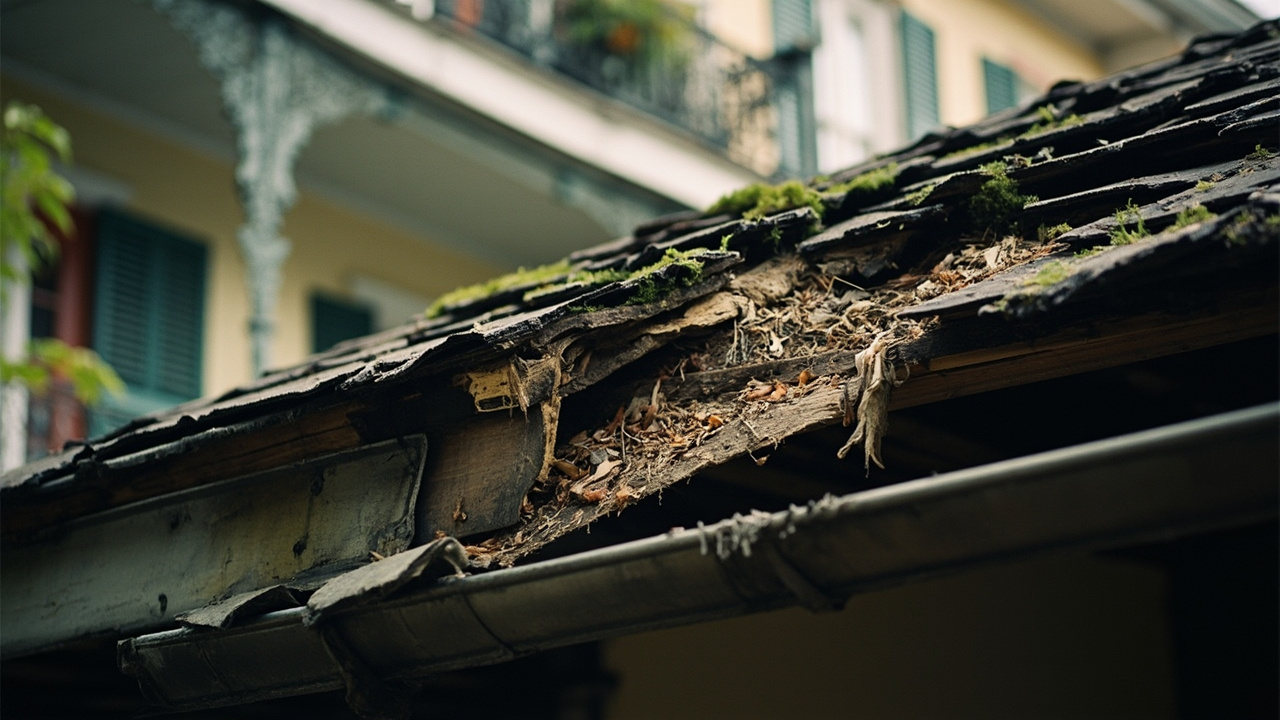
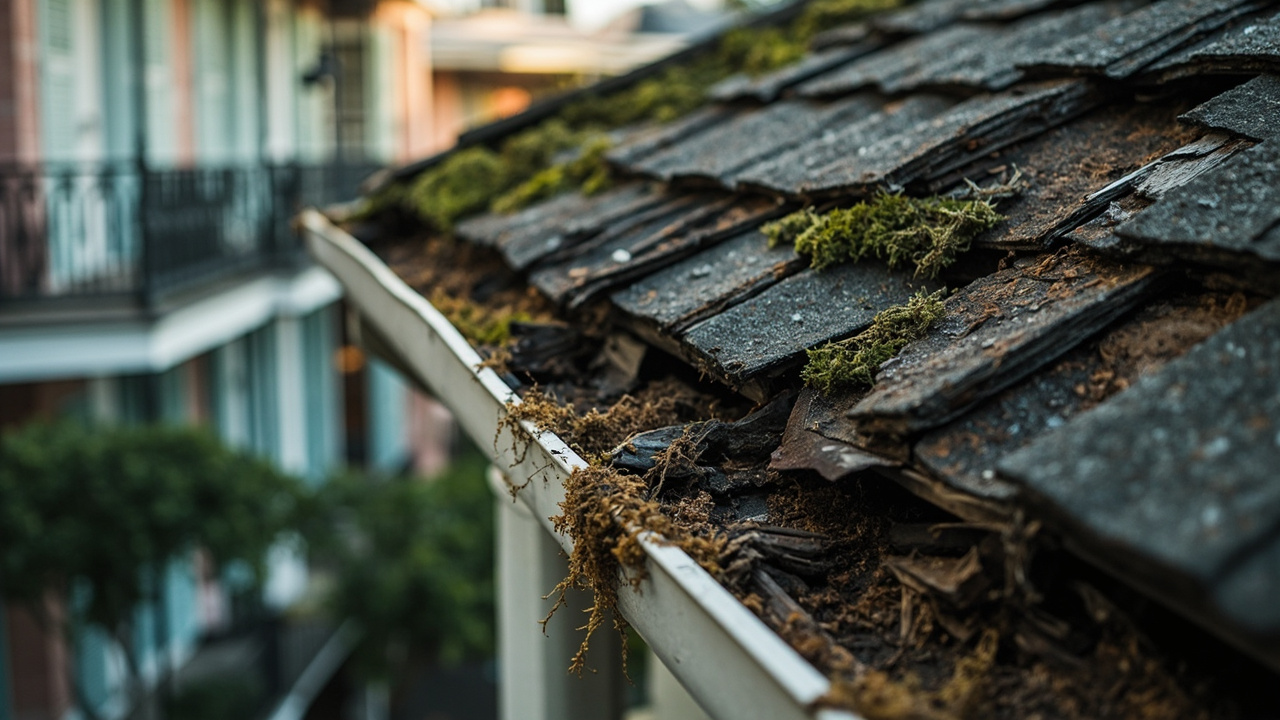
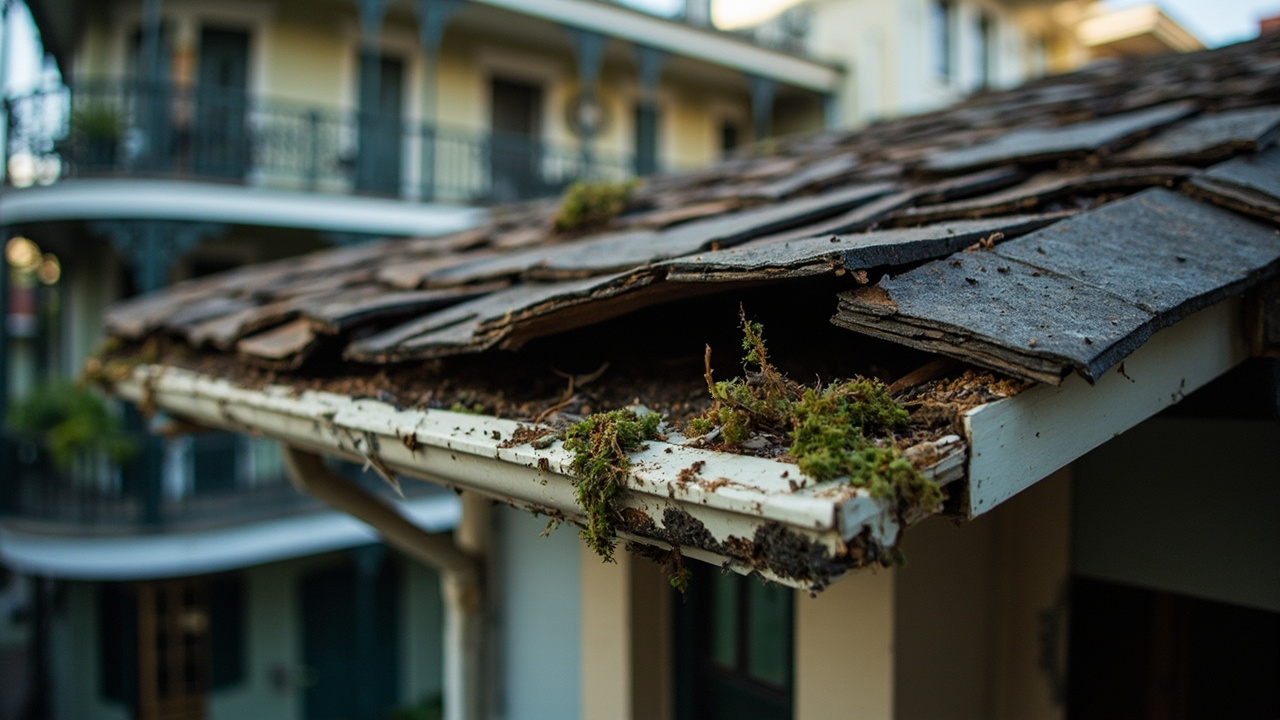
The warning signs of roof failure appear in predictable patterns. Curling shingle edges signal thermal cycling fatigue. Missing granules expose asphalt substrate to direct sunlight, creating brittle, cracked surfaces. Sagging rooflines indicate compromised decking from prolonged moisture exposure. Daylight visible through attic boards confirms structural penetration.

Understanding how to tell if you need a new roof requires differentiating between cosmetic wear and structural compromise. A roof nearing the end of its service life shows symptoms of a failing roof across multiple areas, not isolated damage from a single storm. Evidence for roof replacement becomes undeniable when you find granules accumulating in gutters, flashing pulling away from chimneys, or soft spots when walking across the surface.

Your home's envelope depends on recognizing these distress signals before minor deterioration cascades into emergency repairs.

How New Orleans Climate Accelerates Roof Deterioration
The Diagnostic Process That Prevents Misdiagnosis

The Diagnostic Process That Prevents Misdiagnosis

Surface-level inspections miss hidden failure points. Heritage Roofing New Orleans conducts comprehensive evaluations that examine both visible symptoms and concealed structural conditions.

Our assessment begins with attic access. We inspect the underside of roof decking for water staining, mold growth, and structural sagging. Moisture meters detect elevated readings in sheathing and rafters before visible rot appears. We map ventilation pathways to identify inadequate airflow that traps heat and moisture, shortening shingle lifespan by decades.

Exterior examination follows a systematic grid pattern. We document the condition of each roof plane, noting granule loss percentage, shingle adhesion failure, and thermal cracking. Flashing receives particular scrutiny because improper installation or deteriorated sealants account for 70% of leak sources in homes older than 15 years. We inspect step flashing at sidewalls, counterflashing at chimneys, and valley metal for separation or corrosion.

Penetrations demand close attention. Plumbing vents, exhaust fans, and satellite mounts create vulnerability points where water can bypass the primary waterproofing layer. We check boot seals for cracking and evaluate whether mechanical fasteners have backed out from wind cycling or thermal expansion.

We document findings with photography and generate a condition report that categorizes issues by severity. You receive clear guidance on whether your roof requires immediate replacement, qualifies for targeted repairs, or simply needs monitoring over the next 12 to 24 months.

This methodical approach eliminates guesswork. You make decisions based on empirical evidence, not sales pressure or vague warnings.

What Happens During Your Roof Evaluation

Signs You Need a New Roof in New Orleans – Expert Diagnosis Before Catastrophic Failure
01

Attic and Interior Inspection

We access your attic to examine roof decking from below, checking for water stains, structural sagging, mold growth, and inadequate ventilation. Moisture meters detect elevated readings in sheathing and framing members before visible rot develops. We photograph problem areas and map ventilation pathways that may trap heat and accelerate shingle degradation across your New Orleans home.
02

Exterior Surface Assessment

We conduct a systematic grid inspection of every roof plane, documenting shingle condition, granule loss percentage, flashing integrity, and penetration seals. Particular attention goes to valleys, chimneys, sidewalls, and plumbing boots where water concentration accelerates deterioration. We identify patterns of wear that distinguish normal aging from structural failure requiring immediate intervention in the subtropical New Orleans climate.
03

Condition Report and Recommendations

You receive a detailed condition report with photography, severity classifications, and clear recommendations. We explain whether your roof requires full replacement, targeted repairs, or monitoring over the next year. The report includes estimated remaining service life based on current deterioration rates and local weather patterns. You gain the information needed to make informed decisions without pressure or ambiguity.

Why Local Roof Knowledge Matters in New Orleans

National chain inspectors apply generic checklists. They miss the specific failure modes driven by New Orleans weather, construction methods, and architectural styles.

Heritage Roofing New Orleans understands how Creole cottages, shotgun houses, and raised basements create unique roof challenges. We recognize when original slate or clay tile installations have been improperly overlaid with asphalt shingles, creating ventilation problems and accelerated decking rot. We know which neighborhoods contain homes built during the 1970s construction boom with substandard roof framing that sags under modern shingle weight.

Hurricane exposure requires specialized evaluation. We assess whether your roof sheathing meets current wind uplift standards or relies on outdated spacing that allows panel flexing during tropical systems. We check whether ridge vents have been properly baffled to prevent rain intrusion during wind-driven events common from June through November.

Local building code familiarity prevents costly mistakes. New Orleans requires specific flashing details around chimneys and requires ice and water shield in valleys, even though the city rarely sees freezing temperatures. We ensure replacement recommendations align with permit requirements and inspection protocols enforced by the city.

Insurance claim experience matters when storm damage contributes to roof failure. We document pre-existing wear separately from recent wind or hail damage, providing the detailed evidence adjusters require for accurate claim processing. Our familiarity with local carriers and their inspection standards streamlines approval timelines.

Choosing a contractor who operates exclusively in Southeast Louisiana means working with teams who understand your specific roof challenges, not generic nationwide protocols that miss regional nuances.

What the Inspection Process Delivers

Scheduling and Response Time

Most evaluations occur within 48 to 72 hours of your initial contact. We accommodate your schedule, including weekend appointments for homeowners who work weekday hours. The physical inspection takes 60 to 90 minutes depending on roof size, complexity, and accessibility. You receive preliminary findings onsite and a complete written report within 24 hours. Emergency inspections for active leaks or post-storm damage receive same-day or next-day priority across the Greater New Orleans metro area.

Comprehensive Assessment Methodology

Your evaluation includes both interior attic inspection and exterior surface examination. We use moisture meters, thermal imaging when conditions warrant, and photographic documentation of all problem areas. The assessment covers shingle condition, flashing integrity, ventilation adequacy, structural framing, and decking condition. You receive granule loss percentages, remaining service life estimates, and severity classifications for each identified issue. The process eliminates guesswork and provides empirical evidence for decision making about repair versus replacement.

Detailed Reporting and Clarity

Your condition report includes annotated photography, location maps for problem areas, and clear severity ratings. We explain technical findings in plain language without industry jargon that obscures meaning. You understand exactly what problems exist, why they matter, and what timeline you face for addressing them. The report distinguishes between urgent structural issues requiring immediate action and cosmetic wear that can be monitored. You receive actionable recommendations, not vague warnings designed to create anxiety.

Follow-Up and Maintenance Guidance

If your roof does not require immediate replacement, we provide a maintenance schedule for extending remaining service life. This includes gutter cleaning frequency, flashing seal inspection intervals, and signs that warrant re-evaluation. For roofs nearing end of life, we outline a monitoring timeline so you can budget for replacement on your schedule rather than responding to emergency failure. We remain available for questions about the report and can conduct follow-up inspections as conditions evolve.

Frequently Asked Questions

You Have Questions,
We Have Answers

How do you know when it's time to replace your roof? +

You need a roof replacement when shingles are curling, cracked, or missing across multiple areas. Look for granule loss filling your gutters, visible daylight through roof boards, or water stains on interior ceilings. In New Orleans, high humidity and hurricane-force winds accelerate deterioration. If your roof is over 20 years old and shows widespread damage, patching individual sections wastes money. A roof inspection reveals structural issues like sagging or rotted decking. Multiple leaks during rainstorms signal failure. Trust your eyes and get a professional assessment when damage appears systemic rather than isolated.

What are the signs of a failing roof? +

A failing roof shows curled or buckled shingles, widespread granule loss, and cracked flashing around chimneys or vents. You may notice dark streaks from algae growth, common in New Orleans due to moisture. Interior signs include water stains on ceilings, peeling paint near rooflines, or mold in your attic. Sagging sections indicate structural damage to decking or rafters. Missing shingles after storms expose underlayment to rain. Check for daylight visible through roof boards from inside your attic. When damage spreads across multiple zones rather than one spot, your roof nears the end of its lifespan.

How much should it cost to fix a roof? +

Repair costs vary based on damage extent and materials. Minor fixes like replacing a few shingles or resealing flashing run a few hundred dollars. Moderate repairs addressing leak sources or small sections of damaged decking cost more. Extensive damage requiring structural work or large area replacement approaches the cost of a full roof. New Orleans homes often need hurricane-resistant upgrades, adding expense. Factors include roof pitch, accessibility, and material type. Asphalt shingle repairs cost less than metal or tile. Get multiple estimates and verify the scope addresses underlying causes, not just symptoms.

How do I get a new roof if I can't afford it? +

If you cannot afford a new roof, explore financing options through roofing contractors who offer payment plans. Home equity loans or lines of credit provide lower interest rates than credit cards. FHA Title 1 loans cover home improvements without requiring equity. Some manufacturers offer financing programs for their materials. Check if you qualify for local weatherization assistance programs or nonprofit housing grants in the greater New Orleans area. Filing an insurance claim for storm damage may cover replacement costs minus your deductible. Prioritize urgent repairs to prevent further damage while you arrange full replacement funding.

How old may a roof be before insurance claims it's too old? +

Most insurance carriers consider roofs over 20 years old high risk and may limit coverage. Policies often switch from replacement cost to actual cash value once a roof reaches 15 to 20 years, meaning depreciation reduces your payout. Some insurers in Louisiana require roof inspections for homes with roofs older than 15 years before renewing policies. After major hurricanes, carriers tighten restrictions on aging roofs in coastal areas like New Orleans. Review your policy terms and document your roof age with installation records. Proactive replacement before hitting age limits preserves full coverage and claim eligibility.

What is the most expensive part of replacing a roof? +

Roof decking replacement drives up costs significantly. When moisture penetrates shingles and underlayment, it rots plywood or OSB sheathing underneath. Replacing damaged decking requires removing shingles across affected sections, installing new boards, then re-shingling. In New Orleans, humidity accelerates wood rot when leaks go unaddressed. Labor costs for decking work exceed standard shingle installation. Structural repairs to rafters or trusses add even more expense. The material itself is affordable, but the labor-intensive process of tearing off, replacing, and rebuilding layers makes decking the costliest component of many roof replacements.

Does homeowners insurance pay for a leaky roof? +

Homeowners insurance covers roof leaks caused by sudden, covered events like wind damage or fallen trees. Gradual deterioration from age or lack of maintenance is excluded. If a hurricane tears shingles and rain enters, your policy typically pays for repairs minus your deductible. Document damage immediately with photos and contact your insurer promptly. Adjusters evaluate whether the leak resulted from a covered peril or normal wear. New Orleans homeowners should review their wind and hail coverage limits. Denied claims often stem from maintenance neglect, so keep records of inspections and repairs.

What is the average lifespan of a roof? +

Asphalt shingle roofs last 15 to 25 years depending on quality and climate. Architectural shingles outlast three-tab varieties. Metal roofs reach 40 to 70 years with proper maintenance. Tile roofs can exceed 50 years but require periodic underlayment replacement. In New Orleans, intense sun, humidity, and hurricane exposure shorten lifespans compared to milder climates. Poor attic ventilation traps heat and moisture, accelerating deterioration. Installation quality affects longevity. Regular inspections and prompt repairs extend roof life. Coastal homes near Lake Pontchartrain face harsher conditions. Track your roof age and plan replacement before catastrophic failure occurs.

What does a worn out roof look like? +

A worn roof displays curled, cracked, or missing shingles across large sections. Granules accumulate in gutters, exposing black asphalt underneath. Shingles appear faded or discolored unevenly. Edges lift or curl upward from heat exposure. You may see bald spots where granule loss is severe. Flashing around chimneys and vents shows rust or gaps. Moss or algae streaks cover shaded areas, common in humid New Orleans. Sagging sections indicate structural failure. From inside your attic, look for water stains, mold, or daylight through boards. Widespread deterioration signals replacement time rather than patchwork repairs.

Why Humidity and Storm Exposure Make Roof Failure Unpredictable in New Orleans

New Orleans roofs deteriorate faster than national lifespan averages suggest. The combination of year-round humidity, intense UV exposure, and annual tropical weather systems creates compounding stress that accelerates shingle aging. Moss and algae growth on north-facing slopes trap moisture against the surface, breaking down protective granules and creating brittleness. Hurricane wind uplift tests adhesive bonds and mechanical fasteners every storm season, gradually weakening attachment until complete blow-off occurs. Homes near Lake Pontchartrain face additional salt air exposure that corrodes flashing and fasteners. These localized conditions make signs you need a new roof appear earlier and progress faster than in drier, calmer climates.

Heritage Roofing New Orleans has evaluated thousands of roofs across every neighborhood from the French Quarter to New Orleans East. We understand how different construction eras used varying materials and techniques that age differently under subtropical conditions. Our familiarity with local building codes, permit requirements, and insurance claim protocols ensures your evaluation meets all regulatory and documentation standards. We know which failure patterns indicate manufacturing defects versus storm damage versus normal wear, giving you the accurate diagnosis needed for proper financial and logistical planning. Local expertise eliminates the misdiagnosis common with national chains unfamiliar with Gulf Coast roof performance.

Roofing Services in The New Orleans Area

Our dedicated team is proud to serve the entire area, bringing our legacy of quality roofing services directly to your neighborhood. Whether you need a simple repair, a full-scale replacement, or an urgent inspection, you can find us easily on the map below. We are committed to being your local roofing partner, delivering expert solutions right where you are. We look forward to working with you to protect your most valuable asset—your home.Our dedicated team is proud to serve the entire area, bringing our legacy of quality roofing services directly to your neighborhood. Whether you need a simple repair, a full-scale replacement, or an urgent inspection, you can find us easily on the map below. We are committed to being your local roofing partner, delivering expert solutions right where you are. We look forward to working with you to protect your most valuable asset—your home.

Address:
Heritage Roofing New Orleans, 3308 Tulane Ave, New Orleans, LA, 70119

Additional Services We Offer

Our news updates

Latest Articles & News from The Blogs

The 10 Critical Questions That Could Save Your New Orleans Home Roofing in New Orleans isn't just about shingles and…

Questions You Must Ask a New Orleans Roofer Before Signing a Contract

The 10 Critical Questions That Could Save Your New Orleans Home Roofing in New Orleans isn't just about shingles and…

Restoring the Intricate Turrets and Gables on Victorian Homes in the Holy Cross District

Restoring the Intricate Turrets and Gables on Victorian Homes in the Holy Cross District The Holy Cross District in New…

Is Stone Coated Steel the Right Choice for Your Slidell Waterfront Property?

Is Stone Coated Steel the Right Choice for Your Slidell Waterfront Property? Living along the water in Slidell comes with…

Contact Us

Call Heritage Roofing New Orleans at (504) 355-3444 for a comprehensive roof evaluation. We identify warning signs of roof failure before water intrusion damages ceilings, insulation, and framing. Schedule your inspection today.