





menu

Granules in Gutter New Orleans – Expert Roof Diagnosis to Stop Accelerating Damage

When you spot shingle grit in gutters across your New Orleans property, you are witnessing active roof deterioration that demands immediate professional assessment to prevent leaks and structural damage.

Slider Image 1
Slider Image 2
Slider Image 3
Slider Image 4
Slider Image 5
Slider Image 7
Slider Image 8
Slider Image 9
Slider Image 10
Slider Image 11

Why New Orleans Homeowners Find Asphalt Shingle Particles in Their Gutters

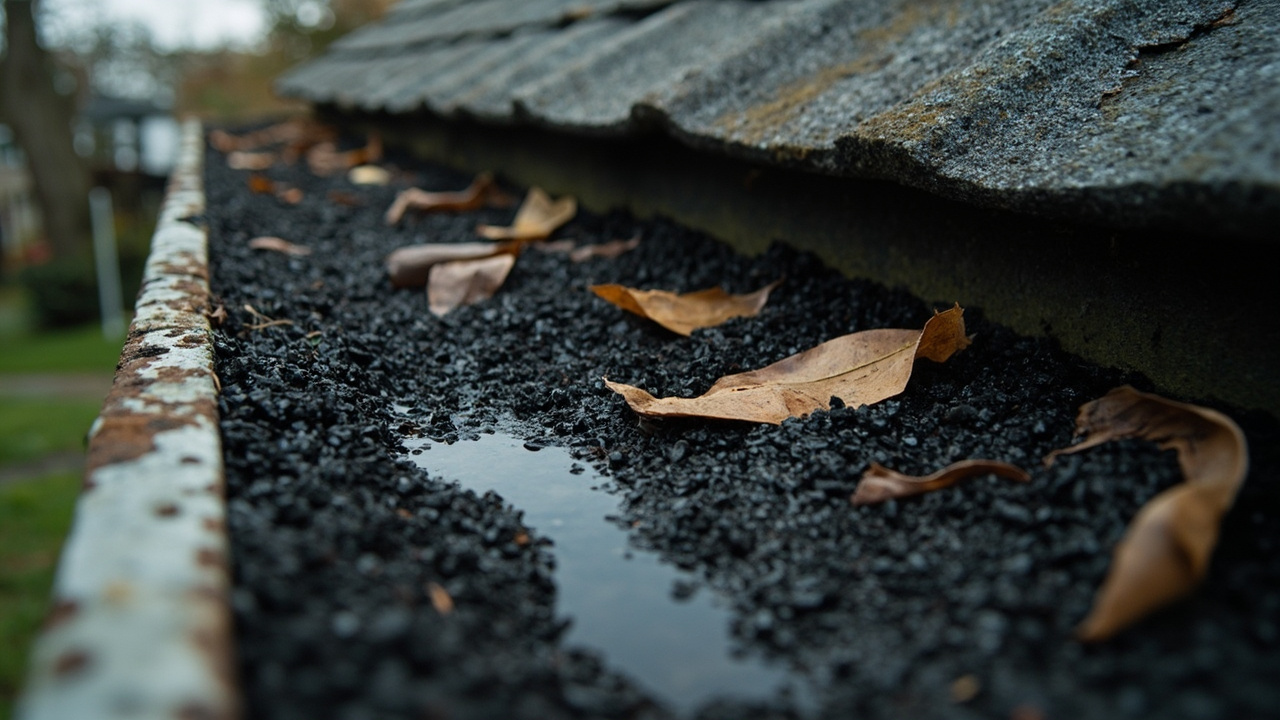
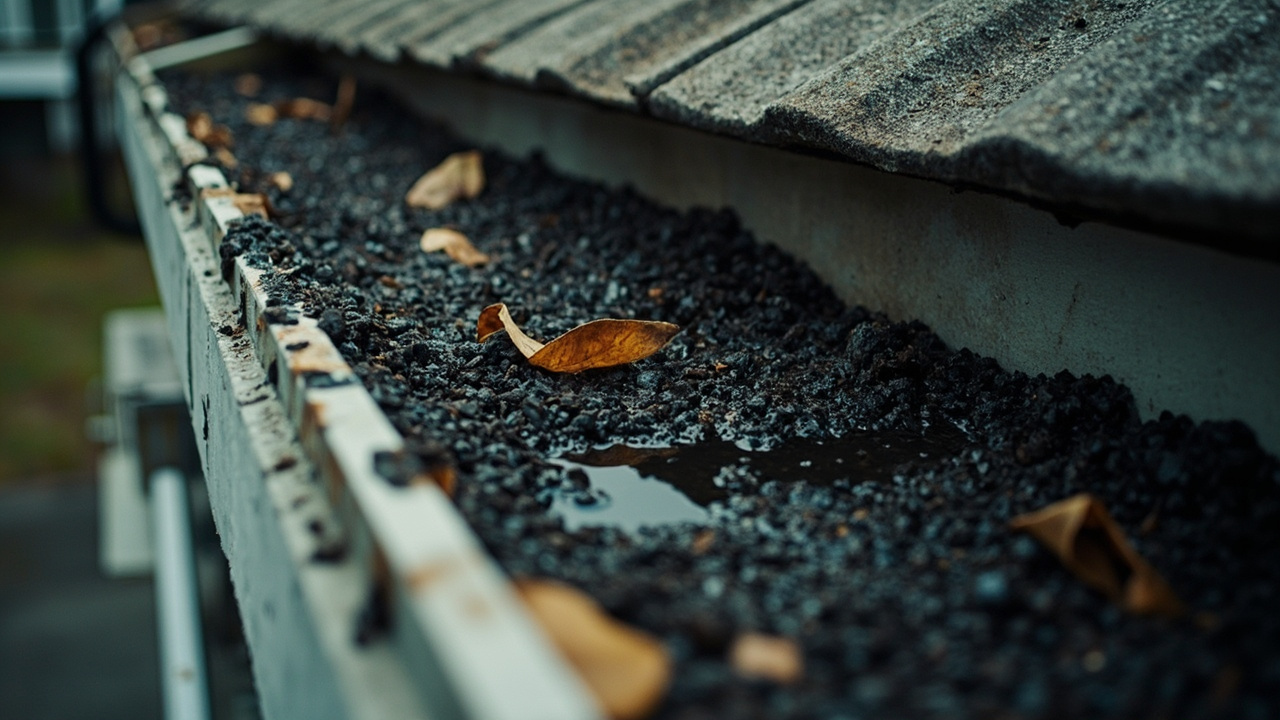
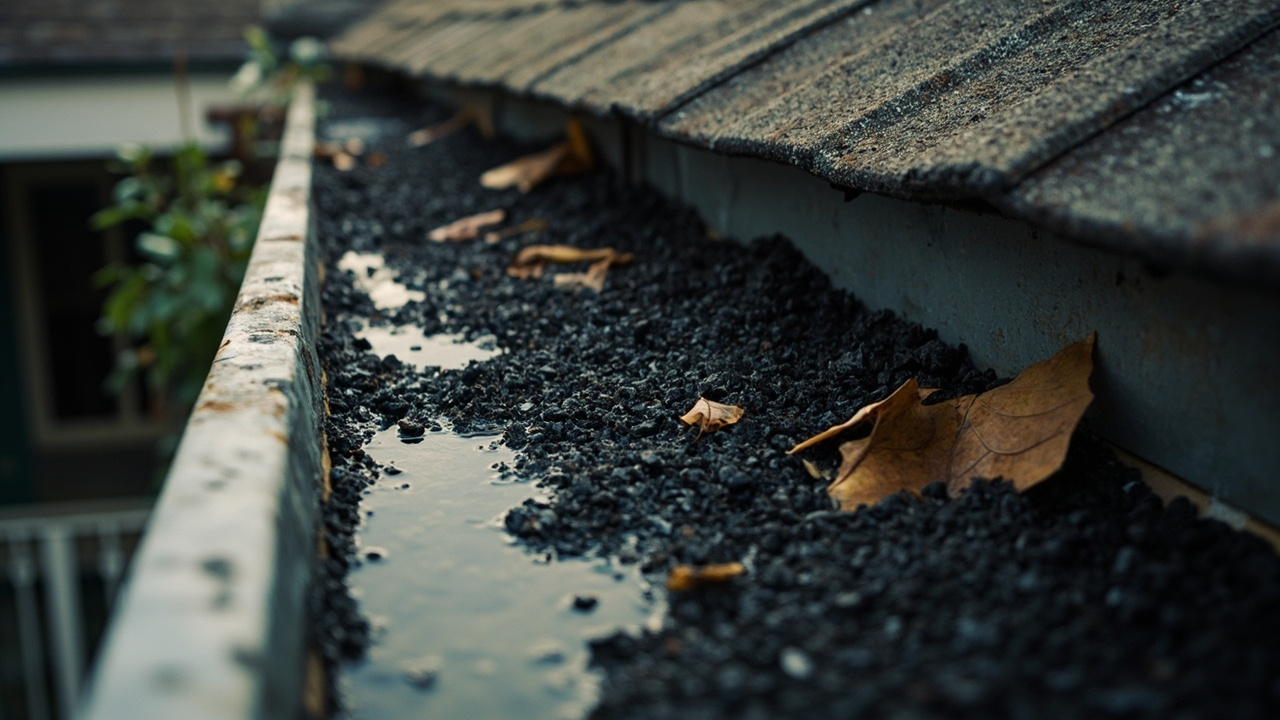
You clean your gutters and find a gritty, sand-like substance pooling at the bottom. That roof sand in gutters is not normal wear. It signals your asphalt shingles are losing their protective granule coating, the mineral layer that shields your roof from UV rays and water penetration.

New Orleans's punishing climate accelerates granule loss faster than in most regions. The combination of intense UV exposure, near-daily temperature swings between morning cool and afternoon heat, and relentless humidity causes the asphalt binder in shingles to break down prematurely. Add in the 60-plus inches of annual rainfall hammering your roof, and granules wash away in sheets during every storm.

Loose granules in downspouts are not just cosmetic. Once granules dislodge, the asphalt mat beneath becomes vulnerable. UV rays bake the exposed asphalt, making it brittle. Water seeps into micro-cracks. Within months, you go from minor granule shedding to active leaks in your attic.

The problem compounds in neighborhoods near Lake Pontchartrain or along the Mississippi River corridor, where salt-laden air accelerates oxidation. Historic districts with aging roofs face even faster deterioration due to original shingle installations now decades past their service life.

When you spot shingle sediment accumulating after a heavy rain, you are looking at a roof sending a distress signal. The question is not if damage will worsen, but how fast it will cascade into interior water intrusion, ceiling stains, and wood rot in your decking.

Why New Orleans Homeowners Find Asphalt Shingle Particles in Their Gutters
How Heritage Roofing New Orleans Diagnoses Granule Loss and Roof Integrity

How Heritage Roofing New Orleans Diagnoses Granule Loss and Roof Integrity

Finding shingle grit in gutters tells you there is a problem, but it does not tell you the severity, the cause, or the correct fix. That requires a methodical roof inspection that goes beyond walking the perimeter.

We start with gutter and downspout analysis. We measure the volume and distribution of loose granules to determine if shedding is uniform (age-related wear) or localized (storm damage, poor installation, or defective shingles). Asymmetric granule loss points to specific failure zones that need targeted repair or replacement.

Next, we perform a comprehensive shingle surface inspection. We check for bald spots where granules have completely eroded, exposing the black asphalt mat. We look for curling, cupping, or clawing at shingle edges, which indicates advanced thermal cycling damage. We test shingle flexibility by hand. Brittle shingles that crack under light pressure have reached end-of-life and will fail catastrophically during the next wind event.

We inspect flashings around chimneys, vents, and roof-to-wall transitions. Granule loss often accelerates near these penetrations due to water concentration and thermal expansion stress. We document nail pops, lifted shingles, and compromised sealant strips that allow wind-driven rain infiltration.

We examine your attic from the interior. Water stains on decking, mold growth on rafters, or damp insulation confirm that granule erosion has already progressed to active leaks. We trace leak paths back to their roof surface origin points to map the full scope of damage.

Only after this diagnostic process do we recommend repair, partial replacement, or full re-roof. Guesswork leads to wasted money and recurring problems.

What Happens During Your Granule Loss Assessment

Granules in Gutter New Orleans – Expert Roof Diagnosis to Stop Accelerating Damage
01

Gutter and Surface Examination

We collect and analyze shingle sediment from your gutters and downspouts to quantify loss severity. We photograph bald spots, measure remaining granule density on affected shingles, and compare wear patterns across roof planes. This data determines whether you are experiencing normal aging or accelerated failure requiring intervention.
02

Shingle Integrity Testing

We physically test shingle flexibility, check for brittleness, and inspect for thermal cracking or UV degradation. We examine sealant strip adhesion, document wind damage, and identify manufacturing defects. We assess flashing condition and penetration seals. This reveals whether your roof can be repaired or needs full replacement to prevent imminent failure.
03

Attic and Interior Inspection

We enter your attic to check for water intrusion evidence, including decking stains, insulation dampness, mold growth, and structural rot. We trace active leaks to their exterior origin points. This interior assessment confirms whether granule loss has already compromised your home's envelope and helps us prioritize repairs based on active damage versus preventive maintenance.

Why New Orleans Homeowners Trust Heritage Roofing New Orleans for Accurate Roof Assessments

When you call a roofer about loose granules in downspouts, you want an honest diagnosis, not a sales pitch for a full tear-off you may not need yet. Heritage Roofing New Orleans built our reputation on transparency and technical accuracy.

We understand New Orleans's unique roofing challenges. We know that homes in Lakeview face different wind exposure than properties in the Garden District. We recognize that the rapid thermal cycling between morning fog and afternoon sun in Mid-City accelerates shingle aging faster than in neighborhoods with more tree canopy. We factor in proximity to salt air when assessing granule erosion rates.

Our inspectors know the difference between normal granule shedding on a 15-year-old roof and catastrophic loss indicating imminent failure. We document findings with high-resolution photos and detailed condition reports. We explain exactly what we found, why it happened, and what your options are, including doing nothing if the roof still has serviceable life.

We also know how to work with insurance adjusters. If recent storm damage caused sudden granule loss, we provide the documentation needed to support your claim. We identify hail impact damage, wind uplift, and other covered perils that many adjusters miss during cursory inspections.

New Orleans building codes require specific wind ratings and installation methods for shingles, especially in flood zones. We stay current on these requirements and ensure any repairs or replacements meet or exceed code minimums. We pull permits when required and coordinate inspections to keep your project compliant.

You are not just hiring someone to look at your roof. You are hiring local expertise that understands how this climate destroys roofing materials and how to extend their life.

What to Expect When You Schedule a Granule Loss Inspection

Rapid Scheduling and Response

We schedule most inspections within 48 hours of your call. If you are experiencing active leaks alongside granule loss, we prioritize your inspection and can often arrive same-day or next-day. The inspection itself takes 60 to 90 minutes depending on roof size and complexity. You receive a preliminary verbal assessment on-site, followed by a detailed written report within 24 hours that includes photos, condition ratings, and recommended actions with transparent cost factors.

Comprehensive Roof and Attic Evaluation

Our inspection covers every component of your roofing system, not just the shingles. We examine flashings, underlayment condition (visible from attic), ventilation adequacy, decking integrity, and gutter function. We check for secondary issues like inadequate attic ventilation that accelerates shingle aging or improper previous repairs that compromise waterproofing. You get a complete picture of your roof's health, not just a surface-level look at granule loss.

Clear Diagnosis and Repair Options

We provide a written diagnosis that explains the cause of your granule loss, the current condition of your roof, and the projected remaining service life. We outline your options, from monitoring and minor repairs to partial replacement or full re-roof. We explain the consequences of each option so you can make an informed decision. We never pressure you into unnecessary work, and we clearly separate urgent repairs from deferred maintenance.

Post-Inspection Support and Documentation

After the inspection, you receive a detailed condition report suitable for insurance claims, pre-sale disclosures, or future reference. If you proceed with repairs, we provide a written scope of work and timeline. If you choose to monitor the roof, we offer follow-up inspections at your request to track degradation over time. We also provide maintenance recommendations to maximize your roof's remaining life, such as gutter cleaning schedules and ventilation improvements.

Frequently Asked Questions

You Have Questions,
We Have Answers

Is it normal to have shingle granules in the gutter? +

Yes, finding some shingle granules in your gutters is normal, especially on new roofs. Fresh shingles shed loose granules during the first few months after installation. You will also see granules after heavy rain or wind events, which New Orleans sees frequently during storm season. However, excessive granule loss indicates accelerated wear. A handful of granules after a storm is expected. Consistent heavy accumulation or bald spots on shingles means your roof is breaking down. Check your gutters quarterly. If you see steady granule buildup between storms, schedule a professional inspection.

How much granule loss is too much? +

Minor granule loss is expected over a roof's lifespan. Too much means you see exposed asphalt or fiberglass matting on your shingles. If you can run your hand across a shingle and collect granules easily, or if you notice dark patches where the protective coating is gone, you have a problem. In New Orleans, the intense sun and humidity accelerate breakdown. A single gutter full of granules after installation is normal. Monthly accumulation or visible bald spots means your shingles are failing. Get a professional roof inspection immediately to prevent leaks.

Why is there gravel in my gutters? +

That gravel is actually protective granules from your asphalt shingles. These ceramic-coated particles shield the underlying asphalt from UV rays and weathering. When shingles age or sustain damage, granules loosen and wash into gutters during rain. New Orleans gets heavy downpours that accelerate this process. Some granule shedding is normal, especially on newer roofs. However, large amounts signal aging shingles, storm damage, or manufacturing defects. The granules you see are a warning sign. Check your roof for bald patches or exposed black asphalt underneath.

Why are granules coming off my roof? +

Granules come off for several reasons. New shingles shed loose granules during the first year. Age causes the asphalt binder to dry out and release granules. In New Orleans, intense UV exposure and high humidity speed up this breakdown. Hail strikes knock granules loose instantly. Poor attic ventilation traps heat and cooks shingles from underneath. Manufacturing defects can cause premature granule loss. Foot traffic during improper maintenance damages the protective layer. If your roof is older than 15 years and shedding heavily, plan for replacement soon.

Is granular loss covered by insurance? +

It depends on the cause. Insurance covers granule loss from sudden storm damage like hail or wind. Adjusters look for impact marks and uniform damage patterns. Gradual wear from age is not covered because it is normal deterioration. In New Orleans, hurricane-related granule loss may qualify if you document damage quickly after the storm. Take photos of bald spots and gutter accumulation. Insurance companies often claim wear and tear to deny claims. Get a professional inspection and detailed report showing storm damage versus aging. Documentation makes the difference.

How to tell if a roofer is lying? +

Ask for proof. Honest roofers provide detailed inspection reports with photos showing specific damage locations. They explain what caused the problem and why repairs are needed. Liars create urgency, claiming your roof will collapse tomorrow or pushing immediate contracts. They avoid written estimates or pressure you to sign before insurance adjusters visit. In New Orleans, storm chasers flood neighborhoods after hurricanes making false claims. Verify licenses through Louisiana State Licensing Board. Check references. Get multiple opinions. Legitimate roofers welcome second inspections and provide transparent documentation.

How to repair granular loss? +

You cannot repair granule loss. Once granules are gone, the underlying asphalt is exposed and vulnerable. The only solution is shingle replacement. For minor isolated damage affecting a few shingles, replace those specific shingles. Widespread granule loss across multiple areas means your roof has reached the end of its service life and needs full replacement. Attempting to patch or coat damaged shingles only delays the inevitable. In New Orleans, exposed shingles deteriorate quickly under intense sun and humidity. Replace failing shingles immediately to prevent water infiltration and structural damage.

How old may a roof be before insurance claims it's too old? +

Most insurance carriers in Louisiana consider roofs over 15 years old high risk. Some companies will not insure homes with roofs older than 20 years or require inspection and certification. After major hurricanes, New Orleans insurers tightened requirements. Policies may cover only actual cash value instead of replacement cost for older roofs, meaning depreciation reduces your payout significantly. Some carriers drop coverage entirely when roofs hit certain ages. If your roof is approaching 15 years and shows wear, consider proactive replacement before insurance becomes difficult to obtain.

What does granular loss look like? +

Granule loss appears as dark patches or streaks on your shingles where the protective coating is missing. Healthy shingles have uniform color and texture. Damaged areas look black or show the underlying fiberglass mat. You may see shiny spots where asphalt is exposed. From the ground, look for inconsistent coloring or bald sections. Check gutters and downspouts for excessive granule accumulation that looks like coarse black sand. In New Orleans, granule loss often concentrates on south-facing slopes getting maximum sun exposure. Severe loss makes shingles look worn and thin.

Is gutter damage covered by insurance? +

Gutter damage from sudden events like falling tree limbs or hail is typically covered. Damage from neglect, rust, or gradual deterioration is not. In New Orleans, hurricane winds often rip gutters from fascia boards, which qualifies as storm damage if documented properly. Insurance companies may argue that poor maintenance caused failure. Clean gutters regularly and photograph them before storm season. After damage occurs, document everything immediately. File claims quickly. Adjusters look for evidence linking damage to a specific covered event rather than aging or deferred maintenance.

How New Orleans's Climate and Hurricane Exposure Accelerate Granule Loss

New Orleans sits in a roofing perfect storm. The subtropical climate delivers year-round UV bombardment that degrades asphalt shingles faster than in northern climates. High humidity keeps shingles perpetually damp, promoting algae growth that loosens granule adhesion. The city's 60-plus annual inches of rain means constant water flow across your roof, physically scrubbing asphalt shingle particles into your gutters. Hurricane season brings wind-driven rain that strips granules in hours, not years. Properties near Lake Pontchartrain or the Gulf face additional salt air exposure that accelerates oxidation and granule detachment.

Choosing a local roofing company means working with professionals who understand these specific challenges. Heritage Roofing New Orleans has assessed thousands of roofs across Orleans Parish, from the shotgun homes in Bywater to the Colonials in Old Metairie. We know which shingle brands hold up best in this climate, which installation methods prevent premature failure, and how to identify storm damage versus normal aging. We understand local building department requirements and can navigate permit processes efficiently. When you spot roof sand in gutters, you need local expertise that has seen this exact problem hundreds of times before.

Roofing Services in The New Orleans Area

Our dedicated team is proud to serve the entire area, bringing our legacy of quality roofing services directly to your neighborhood. Whether you need a simple repair, a full-scale replacement, or an urgent inspection, you can find us easily on the map below. We are committed to being your local roofing partner, delivering expert solutions right where you are. We look forward to working with you to protect your most valuable asset—your home.Our dedicated team is proud to serve the entire area, bringing our legacy of quality roofing services directly to your neighborhood. Whether you need a simple repair, a full-scale replacement, or an urgent inspection, you can find us easily on the map below. We are committed to being your local roofing partner, delivering expert solutions right where you are. We look forward to working with you to protect your most valuable asset—your home.

Address:
Heritage Roofing New Orleans, 3308 Tulane Ave, New Orleans, LA, 70119

Additional Services We Offer

Our news updates

Latest Articles & News from The Blogs

The 10 Critical Questions That Could Save Your New Orleans Home Roofing in New Orleans isn't just about shingles and…

Questions You Must Ask a New Orleans Roofer Before Signing a Contract

The 10 Critical Questions That Could Save Your New Orleans Home Roofing in New Orleans isn't just about shingles and…

Restoring the Intricate Turrets and Gables on Victorian Homes in the Holy Cross District

Restoring the Intricate Turrets and Gables on Victorian Homes in the Holy Cross District The Holy Cross District in New…

Is Stone Coated Steel the Right Choice for Your Slidell Waterfront Property?

Is Stone Coated Steel the Right Choice for Your Slidell Waterfront Property? Living along the water in Slidell comes with…

Contact Us

Shingle sediment in your gutters will not stop accumulating on its own. Call Heritage Roofing New Orleans at (504) 355-3444 today for a comprehensive roof inspection. We provide honest assessments, transparent pricing, and solutions tailored to your roof's condition and your budget.