






menu

Attic Ventilation Systems in New Orleans | Engineered to Combat Extreme Humidity and Heat Buildup

Expert attic venting solutions designed for New Orleans's subtropical climate, protecting your roof deck from moisture damage, extending shingle life, and cutting cooling costs through proper airflow management.

Slider Image 1
Slider Image 2
Slider Image 3
Slider Image 4
Slider Image 5
Slider Image 7
Slider Image 8
Slider Image 9
Slider Image 10
Slider Image 11

Why New Orleans Attics Need More Than Basic Roof Ventilation

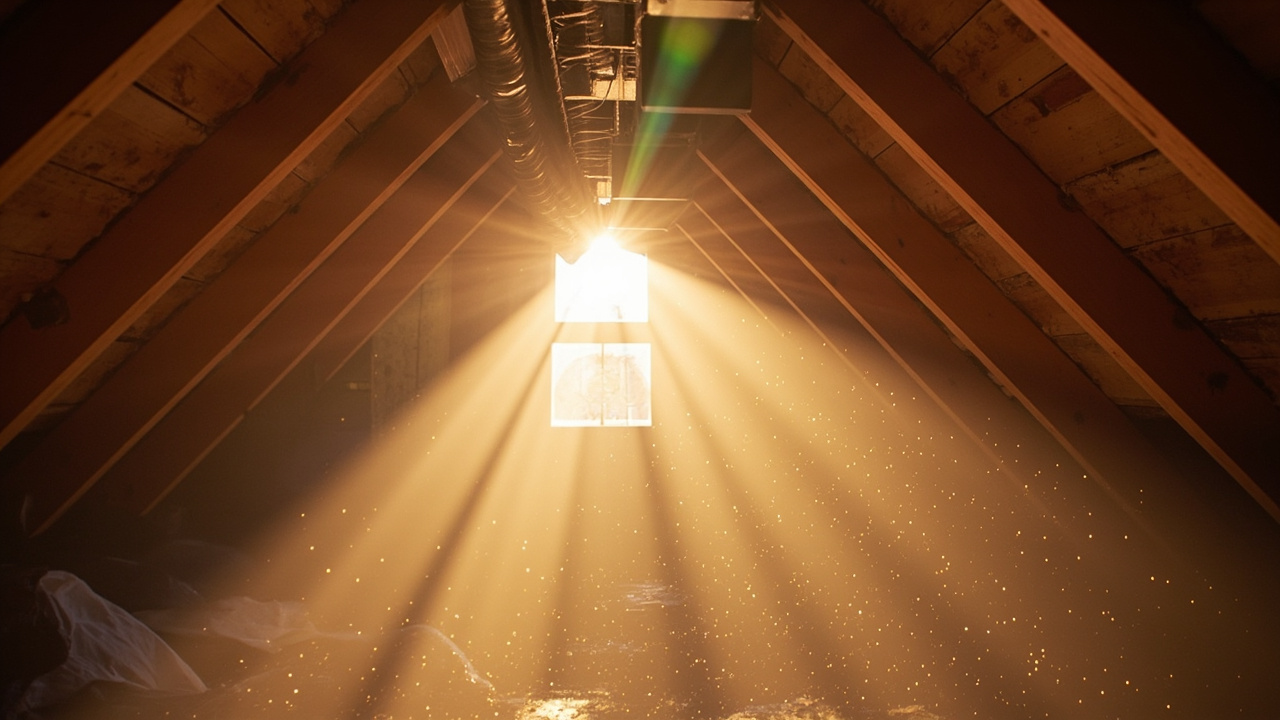
New Orleans sits in a subtropical climate zone where summer heat index readings regularly exceed 105 degrees and relative humidity hovers between 75 and 90 percent year-round. This creates a hostile environment for your attic space. Without proper attic exhaust systems, trapped heat and moisture accelerate roof deck deterioration, turn your attic into a breeding ground for mold, and force your HVAC system to work overtime.

The problem intensifies during hurricane season when wind-driven rain can infiltrate even the smallest gaps in your roof venting systems. Many homes in neighborhoods like the Garden District and Uptown still have original attic airflow systems from the 1940s and 1950s. These outdated configurations cannot handle modern insulation levels or the increased thermal load from today's dark-colored architectural shingles.

You might notice ice dam formation on your air conditioning ducts during summer months, ceiling stains in upper floor rooms, or an attic temperature that exceeds 150 degrees on sunny afternoons. These symptoms point to inadequate roof ventilation. The moisture trapped in your attic condensates on cold surfaces overnight, creating the perfect conditions for wood rot and compromising your roof's structural integrity.

Heritage Roofing New Orleans addresses these challenges through properly engineered attic venting that accounts for your home's specific square footage, roof pitch, and the prevailing south-southeast wind patterns common to the Gulf Coast. We calculate intake and exhaust requirements based on building science, not guesswork.

Why New Orleans Attics Need More Than Basic Roof Ventilation
How Balanced Attic Airflow Systems Actually Work

How Balanced Attic Airflow Systems Actually Work

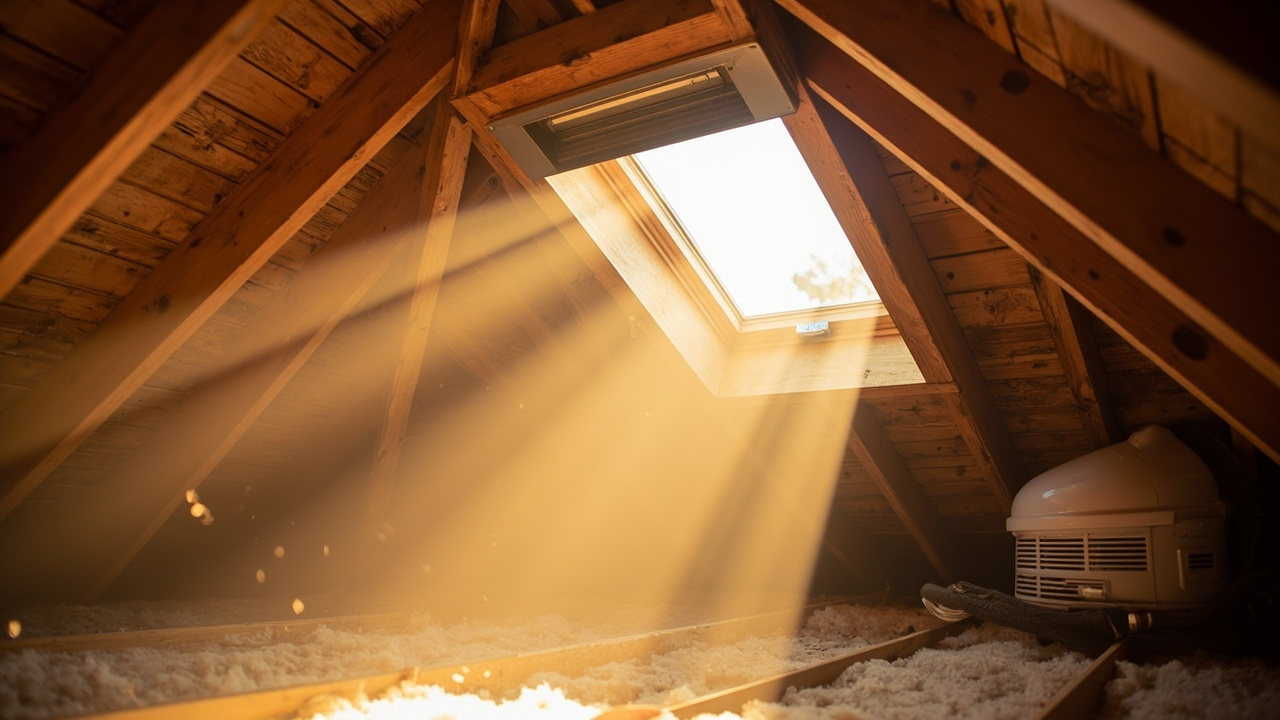
Effective attic ventilation requires a balanced system where cool air enters through soffit vents at the roof's lowest point and hot air exits through ridge vents, gable vents, or powered exhaust fans at the highest point. This creates continuous airflow that removes heat and moisture before they damage your roof deck or insulation.

Most ventilation failures happen because of an imbalanced intake-to-exhaust ratio. Building codes require one square foot of net free ventilation area for every 150 square feet of attic space, split equally between intake and exhaust. In practice, many New Orleans homes have plenty of exhaust vents but blocked or insufficient soffit intake vents. This creates negative pressure that can actually pull conditioned air from your living space into the attic, wasting energy and creating moisture problems.

We start every attic venting project with a thermal imaging survey and airflow calculation. Our crews measure your attic's square footage, identify existing vent locations, and check for insulation blocking soffit vents. We look for cathedral ceiling areas that need specialized baffles to maintain airflow channels between the roof deck and insulation.

For homes with hip roofs common in New Orleans architecture, we often recommend a combination system that pairs continuous ridge vents with supplemental gable or box vents. This compensates for the reduced ridge length on hip roof designs. On flat or low-slope sections, we install turbine vents or powered attic fans with humidistats that activate when moisture levels climb. The goal is always the same: create a continuous flow path that exhausts trapped heat and humidity before they compromise your roof's longevity.

What Happens During Your Attic Ventilation Upgrade

Attic Ventilation Systems in New Orleans | Engineered to Combat Extreme Humidity and Heat Buildup
01

Attic Assessment and Calculation

We measure your attic space and calculate the net free vent area required by current building codes. Our team inspects existing roof venting systems, checks for blocked soffit intakes, and uses thermal imaging to identify hot spots and moisture accumulation areas. This data determines whether you need additional intake vents, exhaust vents, or both to achieve proper balance.
02

Strategic Vent Placement

Based on your roof's configuration, we install ridge vents along the roof peak, add soffit vents for intake, or place gable vents on opposing walls to maximize cross-ventilation. For complex roof lines, we position box vents or turbine vents in calculated locations. Each vent type is selected for your specific roof pitch, shingle type, and architectural style to maintain curb appeal while maximizing airflow efficiency.
03

Sealing and Performance Verification

After installing your new attic exhaust systems, we seal all penetrations with matching flashing and roofing cement to prevent water intrusion. We verify proper airflow by checking for balanced pressure and confirming that all intake paths remain unobstructed. You receive documentation of vent locations, net free area calculations, and maintenance recommendations to keep your roof airflow systems operating at peak efficiency for years.

Why New Orleans Homeowners Choose Heritage Roofing for Attic Ventilation

New Orleans's building environment demands more than cookie-cutter ventilation solutions. Our crews understand how the city's below-sea-level elevation, proximity to Lake Pontchartrain, and exposure to tropical weather systems create unique challenges for roof venting systems. We have worked on everything from shotgun doubles in the Bywater to raised Creole cottages in Treme, and we know how historical architecture requires specialized approaches to attic airflow.

Many national roofing chains install the same vent configuration on every house regardless of roof design or climate factors. That approach fails in New Orleans where intense solar gain, year-round humidity, and sudden temperature swings require engineered solutions. We calculate ventilation requirements based on your attic's actual cubic footage and your roof's sun exposure, not generic templates.

Our familiarity with Orleans Parish building codes means your ventilation upgrade passes inspection the first time. We know which vent styles meet wind rating requirements for hurricane zones and how to integrate new vents with existing roof systems without creating leak points. For homes in historic districts, we source period-appropriate vent covers that satisfy preservation guidelines while delivering modern performance.

Heritage Roofing New Orleans employs certified installers who have completed manufacturer training for ridge vent systems, powered attic fans, and ventilation accessories. We do not subcontract ventilation work to general laborers. The same crew that assesses your attic completes the installation, ensuring continuity and accountability. When we tell you that your home needs 12 square feet of net free area, that figure comes from actual measurements and engineering calculations, not sales quotas.

What to Expect from Your Attic Ventilation Installation

Timeline and Scheduling

Most attic venting upgrades take one to two days depending on your roof's size and complexity. Simple ridge vent installations on a standard gable roof typically finish in four to six hours. Complex projects involving soffit vent additions, multiple gable vents, and powered exhaust fans may require a full day or more. We schedule installations during dry weather to protect your attic space from moisture exposure. Emergency ventilation repairs for storm-damaged vents can often begin within 24 hours of your call.

Initial Inspection Process

Your ventilation assessment includes attic access, measurement of existing vents, insulation inspection, and thermal imaging to identify problem areas. We check your roof deck for moisture staining, examine rafters for mold growth, and document any areas where insulation blocks airflow paths. You receive a written report detailing current ventilation levels, code requirements, and our recommended solution with net free area calculations. This assessment typically takes 45 to 90 minutes depending on attic accessibility and roof complexity.

Installation Quality Standards

Every vent we install receives proper flashing, sealant, and weatherproofing to match your roof system's specifications. Ridge vents are bedded in roofing cement and covered with cap shingles that match your existing roof color. Gable and box vents receive custom-cut openings with reinforced framing. Soffit vents replace solid soffit panels without damaging surrounding trim. We remove all debris from your property and conduct a final inspection to verify balanced intake and exhaust before considering the job complete.

Maintenance and Monitoring

Properly installed attic ventilation systems require minimal maintenance but benefit from annual inspections. We recommend checking soffit vents for wasp nests or debris blockage each spring and verifying that ridge vents remain clear of leaves after fall storms. Powered attic fans should be tested quarterly to confirm the thermostat and humidistat function correctly. Heritage Roofing New Orleans offers maintenance plans that include ventilation system checks as part of comprehensive roof inspections, helping you catch small issues before they escalate into costly repairs.

Frequently Asked Questions

You Have Questions,
We Have Answers

What is the best attic ventilation method? +

Ridge vents paired with continuous soffit vents create the most effective attic ventilation for New Orleans homes. This balanced system uses natural convection to pull hot air out through the ridge while drawing fresh air in through the soffits. The Gulf Coast's heat and humidity demand year-round passive airflow to prevent moisture buildup and heat retention. Ridge vents outperform box vents, turbines, and gable vents because they distribute airflow evenly across the entire roof deck. This prevents hot spots and reduces condensation that damages insulation and structural framing in our subtropical climate.

Why don't people use attic fans anymore? +

Powered attic fans fell out of favor because they often pull conditioned air from your living space through ceiling penetrations, increasing energy bills. They can also create negative pressure that draws humidity into the attic. Many New Orleans homes have older insulation with unsealed light fixtures and access hatches, making this worse. Modern building science shows passive ridge and soffit ventilation systems work more efficiently without electricity costs. Powered fans can also reverse airflow through soffit vents, fighting against natural ventilation patterns. Most contractors now recommend passive systems that rely on temperature differentials and wind movement.

What are the three types of attic ventilation? +

The three types are intake vents, exhaust vents, and powered ventilation. Intake vents like soffit or fascia vents pull fresh air into the attic space. Exhaust vents like ridge vents, gable vents, box vents, or turbines release hot air from the attic. Powered ventilation includes electric fans or solar-powered units that force air movement. New Orleans homes need balanced intake and exhaust to handle extreme summer heat and high humidity. Most local codes require a combination of low intake vents at the eaves and high exhaust vents near the ridge for proper cross-ventilation and moisture control.

How much does it cost to ventilate an attic? +

Attic ventilation costs vary based on roof size, vent type, and existing conditions. Ridge vent installation typically costs more than adding box vents but provides better long-term performance in New Orleans' climate. Soffit vent installation may require cutting into existing eaves or fascia. Homes with blocked soffit bays need additional labor to clear insulation. Historic district properties in neighborhoods like the Garden District or French Quarter may face additional permit requirements or architectural review. Cost factors include roof accessibility, material selection, and whether you need structural repairs before ventilation upgrades. Always prioritize balanced airflow over cheap shortcuts.

How New Orleans's Humidity Levels Make Attic Ventilation Systems Critical

New Orleans averages 77 percent relative humidity year-round, with summer months frequently reaching 90 percent or higher. This moisture-saturated air infiltrates your attic through gaps in ceiling penetrations, around recessed lights, and through attic access hatches. Without adequate roof ventilation to exhaust this humid air, it condenses on cold surfaces like air conditioning ducts and nail points protruding through your roof deck. Over time, this condensation leads to wood rot, mold growth, and compromised structural integrity. The city's lack of freeze-thaw cycles means moisture damage progresses continuously rather than cycling seasonally, making proper attic exhaust systems necessary for roof longevity.

Orleans Parish adopted updated building codes following Hurricane Katrina that specify minimum ventilation requirements for new construction and major renovations. However, many pre-storm homes still operate with outdated attic airflow systems that fail to meet current standards. Heritage Roofing New Orleans stays current with local code requirements and works with city inspectors regularly. Our familiarity with neighborhood-specific challenges, from the tight lot lines in the French Quarter to the expansive ranch homes in Lakeview, means we design ventilation solutions that work for your specific property and comply with local regulations.

Roofing Services in The New Orleans Area

Our dedicated team is proud to serve the entire area, bringing our legacy of quality roofing services directly to your neighborhood. Whether you need a simple repair, a full-scale replacement, or an urgent inspection, you can find us easily on the map below. We are committed to being your local roofing partner, delivering expert solutions right where you are. We look forward to working with you to protect your most valuable asset—your home.Our dedicated team is proud to serve the entire area, bringing our legacy of quality roofing services directly to your neighborhood. Whether you need a simple repair, a full-scale replacement, or an urgent inspection, you can find us easily on the map below. We are committed to being your local roofing partner, delivering expert solutions right where you are. We look forward to working with you to protect your most valuable asset—your home.

Address:
Heritage Roofing New Orleans, 3308 Tulane Ave, New Orleans, LA, 70119

Additional Services We Offer

Our news updates

Latest Articles & News from The Blogs

Why Concrete Tile Is Making a Comeback for Modern Homes in Lake Vista Concrete tile roofing is experiencing a significant…

Why Concrete Tile Is Making a Comeback for Modern Homes in Lake Vista

Why Concrete Tile Is Making a Comeback for Modern Homes in Lake Vista Concrete tile roofing is experiencing a significant…

Navigating the VCC and HDLC Roofing Permit Process Without Losing Your Mind

Understanding VCC and HDLC Roofing Permit Requirements in New Orleans Getting a roofing permit in New Orleans can feel overwhelming.…

Managing Overhanging Live Oak Branches Above Your St. Charles Avenue Roof

Managing Overhanging Live Oak Branches Above Your St. Charles Avenue Roof Live Oak branches hanging over St. Charles Avenue homes…

Contact Us

Stop letting trapped heat and moisture destroy your roof from the inside out. Call Heritage Roofing New Orleans at (504) 355-3444 for a complete attic ventilation assessment. We will calculate your home's requirements and provide a detailed solution that protects your investment.