




menu

Repair vs. Replace Analysis in New Orleans – Expert Roof Assessment That Saves You Money

Get a clear, data-driven roof repair or replace decision guide that eliminates guesswork and prevents costly mistakes on your New Orleans property.

Slider Image 1
Slider Image 2
Slider Image 3
Slider Image 4
Slider Image 5
Slider Image 7
Slider Image 8
Slider Image 9
Slider Image 10
Slider Image 11

Why Most New Orleans Homeowners Struggle With Repair vs. Replace Decisions

You know your roof has issues. Granules in the gutters. Water spots on the ceiling after heavy rain. Missing shingles after a storm. The question keeping you up at night is whether to patch it again or bite the bullet and replace the whole thing.

New Orleans's climate makes this decision harder than anywhere else. The combination of subtropical humidity, intense UV exposure, and hurricane-force winds creates a unique wear pattern on roofing systems. What looks like isolated damage on the surface often masks widespread deterioration underneath. The city's historic architecture adds another layer of complexity, especially in the French Quarter and Garden District where steep pitches and decorative features make simple repairs expensive.

Most contractors push you toward replacement because it pays better. Others slap on cheap patches that fail in six months. Neither approach gives you the roof repair vs replacement cost comparison you need to make an informed choice.

A proper reroof vs repair assessment requires understanding how your specific roof system responds to Gulf Coast weather patterns. Asphalt shingles in New Orleans typically show advanced aging by year 12 due to thermal cycling. Metal roofs corrode faster near the river due to salt air. Clay and slate tiles crack from temperature swings between 95-degree summers and occasional winter freezes.

Without a systematic fix vs replace roof evaluation, you end up throwing money at symptoms instead of addressing the real problem. The goal is simple: spend the minimum amount necessary to get maximum remaining service life from your roof system.

Why Most New Orleans Homeowners Struggle With Repair vs. Replace Decisions
How a Professional Roof Restoration vs Replacement Analysis Works

How a Professional Roof Restoration vs Replacement Analysis Works

A legitimate roof repair or replace decision guide starts with understanding remaining service life. We measure this through three critical assessments that most contractors skip.

First is substrate integrity. We inspect the roof deck from both above and below, looking for sagging between trusses, water staining on sheathing, and fastener pull-through. In New Orleans homes built before 1980, we often find original tongue-and-groove decking that can last another 20 years if the membrane above it gets replaced. Newer homes with OSB sheathing show different failure patterns, typically delamination around penetrations where humidity enters the roof assembly.

Second is membrane condition analysis. For shingle roofs, we count the percentage of shingles showing granule loss, check for curling or cupping, and test seal strips for adhesion failure. We document every penetration, valley, and transition point. Metal roofs get examined for panel fastener integrity and rust bloom at seams. Tile and slate require individual unit testing to determine how many are compromised versus cosmetically damaged.

Third is underlayment assessment, which requires removing test sections of the finish material. The felt or synthetic underlayment is your actual weather barrier. If it is intact and properly lapped, repairs make sense. If it shows brittleness, tears, or widespread degradation, replacement becomes the smarter investment.

We compile this data into a cost-per-year analysis comparing repair scenarios against full replacement, factored for expected remaining life. You get actual numbers, not sales pressure.

What Happens During Your Roof Assessment

Repair vs. Replace Analysis in New Orleans – Expert Roof Assessment That Saves You Money
01

Comprehensive Roof Inspection

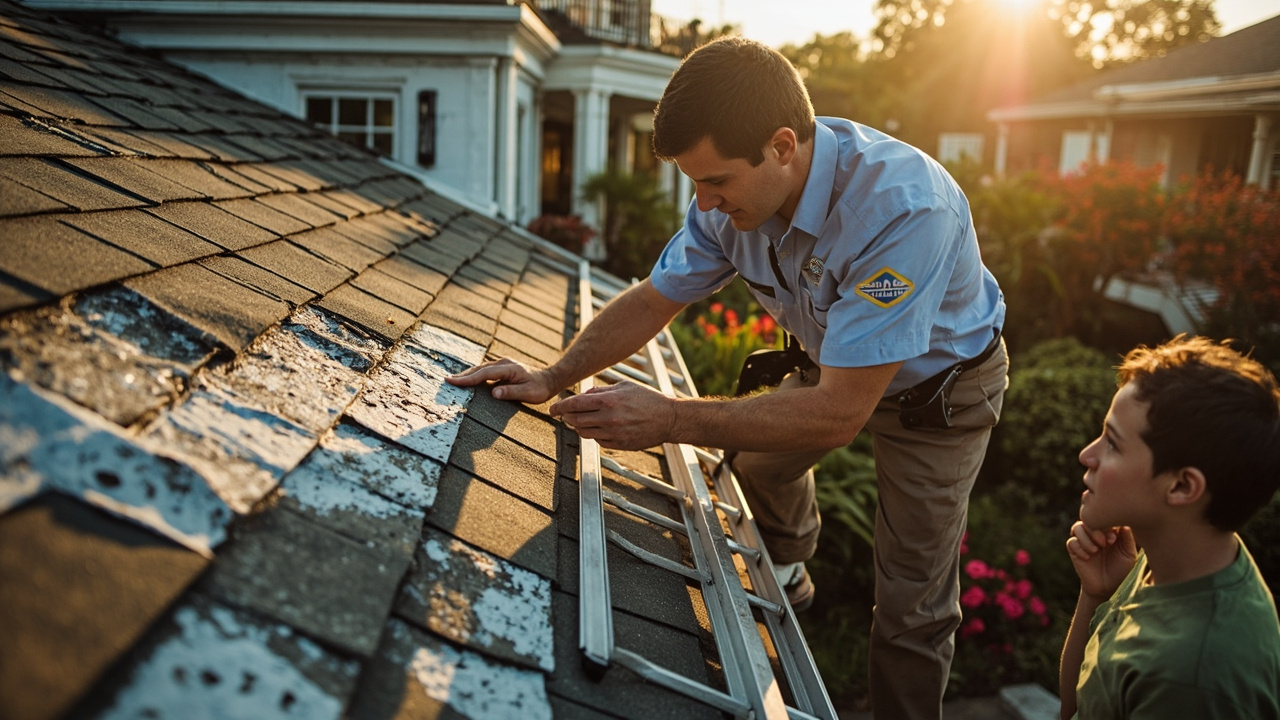
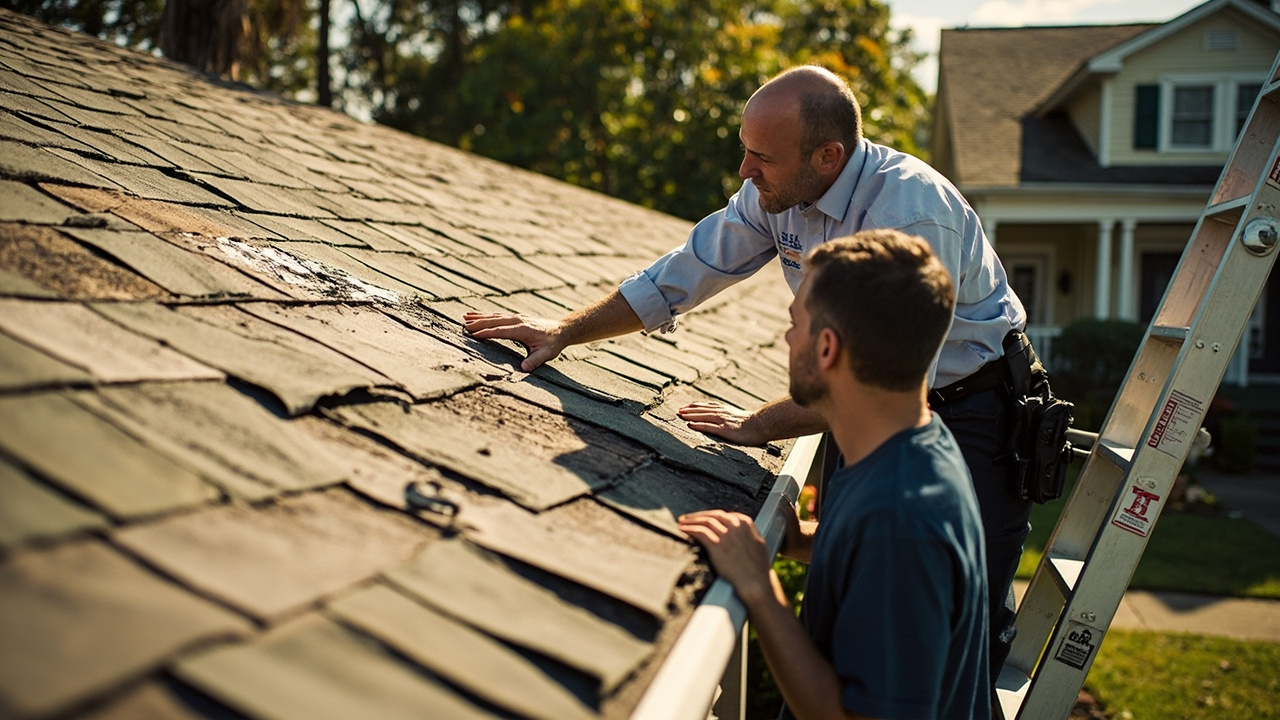
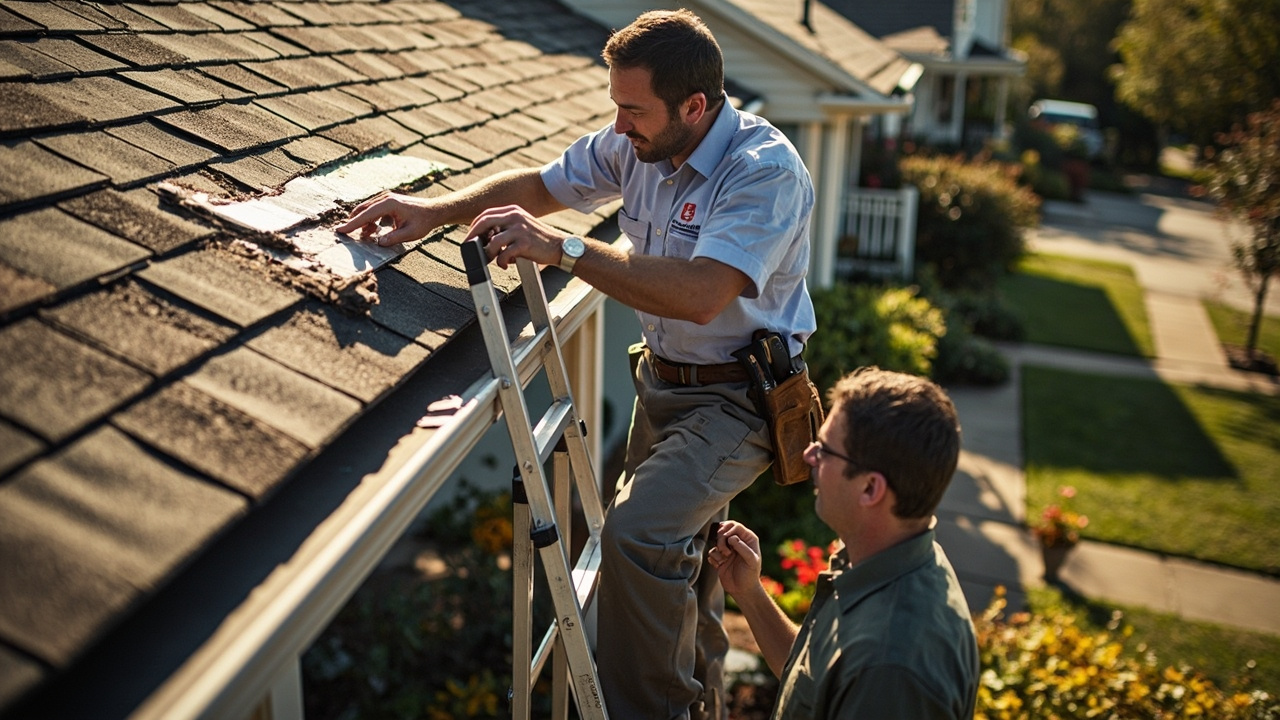
We document every area of your roof using photos and measurements, examining the surface material, flashing details, ventilation components, and interior spaces for leak evidence. This creates a baseline condition report that identifies all current problems and potential failure points specific to how your roof interacts with New Orleans weather patterns.
02

Damage Mapping and Testing

We perform moisture testing on the roof deck, check attic ventilation rates, and remove sample sections to inspect underlayment condition. Each damaged area gets categorized by severity and cause, then mapped to show whether problems are isolated or systemic. This reveals whether your roof is failing in one section or deteriorating throughout the entire assembly.
03

Cost Analysis and Recommendation

You receive a detailed breakdown comparing repair costs against replacement costs, including projected lifespan for each option. We explain which code requirements apply, how insurance might respond, and what timeline makes sense for your situation. The analysis shows cost per year of service life, helping you understand the true financial impact of each path forward.

Why New Orleans Homeowners Trust Heritage Roofing for Honest Assessments

Most roofing companies send salespeople to your home, not experienced roofers. The person inspecting your roof has a quota to meet and gets paid more for selling replacements than repairs. That creates a fundamental conflict of interest.

Heritage Roofing New Orleans built our reputation on accurate assessments that prioritize your financial interest over our short-term profit. We have performed roof evaluations throughout Orleans Parish, from the raised Creole cottages in Tremé to the ranch homes in New Orleans East. We know how different roof systems age in this climate because we have tracked their performance over years, not just looked at them once during a sales call.

Our familiarity with local building codes matters when determining what repairs are permissible. The City of New Orleans requires full replacement if you are altering more than 25 percent of the roof surface in a 12-month period. We know which repairs trigger this threshold and how to phase work to stay compliant. We understand historic district restrictions that limit material choices and require Vieux Carré Commission approval.

We also know the insurance landscape. Louisiana's windstorm coverage has specific documentation requirements for claims. We provide the evidence adjusters need to make fair determinations, whether that supports a repair or validates the need for replacement. Our assessments have helped homeowners recover appropriate claim amounts that other contractors missed.

The difference comes down to incentives. We stay busy through referrals and repeat business, not high-pressure sales tactics. When we tell you a roof can be repaired, you can trust that recommendation. When we say replacement is necessary, you know we exhausted every alternative first.

What to Expect From Your Roof Analysis

Fast Scheduling and Efficient Assessment

We schedule most inspections within 48 hours of your call. The physical assessment takes 90 minutes to three hours depending on roof size and complexity. You receive preliminary findings the same day, with a detailed written analysis delivered within 72 hours. If you have an active leak or storm damage, we prioritize emergency assessments and can provide temporary stabilization while you evaluate long-term options. Our process respects your time and moves at the pace your situation demands.

Thorough Diagnostic Process

Your assessment includes exterior inspection of all roof surfaces, penetrations, and flashing details, plus interior attic inspection to check ventilation, insulation, and deck condition. We use thermal imaging when moisture intrusion is suspected and perform adhesion testing on older shingles. You get high-resolution photos of every problem area with measurements and severity ratings. We explain findings in plain language, showing you exactly what we found and why it matters for your decision.

Clear Recommendations With Options

Your written analysis includes specific repair options with individual costs, full replacement cost with material choices, and a cost-per-year comparison for each scenario. We identify which problems pose immediate risk versus long-term concerns, helping you prioritize if budget is tight. You receive material recommendations specific to New Orleans's climate, with honest assessments of how each option performs in high heat and humidity. The goal is giving you the information to make the right choice for your situation.

Ongoing Support and Documentation

Your assessment report remains valid for insurance claims and future planning. We provide digital copies of all photos and findings that you can share with insurance adjusters or use for future reference. If you choose repair, we track the work completion and update your file for future service needs. If you choose replacement, the assessment data informs our installation process and helps us avoid the problems that caused premature failure. You gain a long-term partner who knows your roof's history.

Frequently Asked Questions

You Have Questions,
We Have Answers

What is the difference between replace and repair? +

Repair means fixing specific damaged components while keeping the existing structure. Replace means removing the entire system and installing a new one. For New Orleans roofs, repairs address isolated issues like missing shingles after storms or fixing flashing around chimneys. Replacement involves tearing off the old roof down to the decking and installing completely new materials. Repairs work when damage is localized and the roof is under 15 years old. Replacement makes sense when you see widespread granule loss, multiple leaks, or structural sagging. The humid subtropical climate here accelerates wear, so age matters more than in drier regions.

How do you determine if you should repair or replace a machine? +

Evaluate three factors: age, extent of damage, and cost ratio. If your roof is past 75 percent of its expected lifespan and repairs exceed 30 percent of replacement cost, replace it. In New Orleans, hurricane damage often looks isolated but hides broader structural compromise from wind uplift. Check for systemic issues like rotted decking, which humid conditions worsen fast. A patch job on a 20-year-old roof with multiple problem areas just delays the inevitable. Get a professional inspection that includes attic moisture assessment and underlayment condition. One major storm season can turn minor issues into catastrophic failure.

What is the rule for repair or replace? +

The industry standard is the 50 percent rule: if repair costs exceed half the replacement cost, replace the system. For roofing in New Orleans, factor in age and storm exposure. A roof over 15 years old with repair costs above 40 percent of replacement value should be replaced. The rule adjusts for climate impact. Constant heat and humidity degrade materials faster here than national averages suggest. Insurance adjusters often use this calculation after hurricane damage. You also need to consider how many previous repairs exist. Patchwork solutions create weak points where wind-driven rain penetrates during summer storms.

What are the 4 types of repair in communication? +

This question relates to communication theory, not roofing systems. The four types are self-initiated repair, other-initiated repair, self-repair, and other-repair. These describe how people correct misunderstandings in conversation. For New Orleans residents researching roof decisions, focus on repair versus replace analysis specific to building systems. Evaluate your roof based on damage extent, material lifespan, and whether isolated fixes address the root problem. Hurricane season demands roofs that withstand 100-plus mph winds and horizontal rain. Communication repairs do not apply to structural decisions. Consult a licensed contractor for roof assessments, not linguistic frameworks.

Why is it better to repair than replace? +

Repair costs less upfront and minimizes waste when damage is localized. For newer roofs under 10 years old with isolated storm damage, repairs make financial sense. You avoid the expense and disruption of full replacement. In New Orleans, quick repairs after spring storms prevent water intrusion that leads to mold in the humid climate. However, repairs only work when the underlying system remains sound. Repeatedly patching an aging roof wastes money and leaves you vulnerable during hurricane season. Repairs buy time but do not extend lifespan significantly. If your roof shows widespread wear or multiple problem areas, replacement provides better long-term value and peace of mind.

What is the 30 60 90 rule for car maintenance? +

This automotive maintenance schedule recommends service intervals at 30,000, 60,000, and 90,000 miles. It does not apply to roofing decisions in New Orleans. For roof maintenance, schedule inspections twice yearly before and after hurricane season. Check for loose shingles, clogged gutters, and flashing damage. The subtropical climate demands proactive upkeep. High humidity and temperature swings cause faster material degradation than cooler regions. After major storms, inspect immediately for wind damage or debris impact. Address small issues before they escalate. Car maintenance intervals follow mileage. Roof maintenance follows weather exposure and material age. Different systems require different approaches.

What are the 3 C's of auto repair? +

The three Cs in auto repair are concern, cause, and correction. This framework helps mechanics diagnose vehicle problems. For roofing in New Orleans, apply similar logic: identify the concern like leaks or missing shingles, determine the cause such as storm damage or age-related wear, then decide on correction through repair or replacement. Hurricane winds and driving rain create unique concerns here. Cause often traces to inadequate wind resistance or compromised flashing. Correction depends on whether the problem is isolated or systemic. A proper inspection reveals the true scope. The diagnostic approach matters, but roofing requires expertise in building envelope science, not automotive systems.

What are the 4 types of maintenance strategies? +

The four maintenance strategies are reactive, preventive, predictive, and reliability-centered. Reactive means fixing failures after they occur. Preventive involves scheduled inspections and upkeep. Predictive uses condition monitoring to anticipate problems. Reliability-centered prioritizes critical system functions. For New Orleans roofs, preventive maintenance works best. Schedule inspections before and after hurricane season to catch minor issues before storms worsen them. The humid climate accelerates deterioration, so you cannot wait for visible failure. Reactive maintenance leaves you exposed during severe weather. Predictive strategies help on commercial buildings with multiple roof systems. Residential roofs benefit most from consistent preventive care and prompt repairs.

Can I demand a replacement rather than repair? +

Your rights depend on warranty terms and state consumer protection laws. For roofing in New Orleans, most warranties specify when replacement is required versus repair. If repeated repairs fail to resolve the problem, you may demand replacement. Louisiana law protects consumers from defective work, but you must document failed repair attempts. Insurance claims after hurricane damage follow adjuster determinations based on damage extent and cost ratios. You cannot simply demand replacement if repairs adequately address the issue. However, if your roof shows systemic failure or the contractor cannot restore proper function, replacement becomes the appropriate remedy. Review your contract terms and consult legal counsel if disputes arise.

What are the 4 P's of maintenance? +

The four Ps are preservation, prediction, prevention, and perfection. This manufacturing framework does not directly translate to roofing, but the concepts apply. Preservation means maintaining what works through regular upkeep. Prediction involves anticipating failure based on age and condition. Prevention addresses small problems before they escalate. Perfection aims for optimal system performance. In New Orleans, focus on prevention through biannual inspections and immediate storm damage repairs. The humid climate and hurricane exposure make prediction critical. Evaluate your roof age against expected lifespan. Preservation through proper ventilation and debris removal extends durability. Perfection means choosing materials rated for coastal wind zones and professional installation.

How New Orleans Humidity and Wind Load Affect Repair Decisions

New Orleans sits in HVHZ (High Velocity Hurricane Zone) territory with wind design requirements that exceed most Gulf Coast cities. This affects repair viability because partial roof repairs must meet current wind uplift standards, which often means upgrading fastening patterns even if you are only replacing a section. The city's 80 percent average humidity accelerates organic growth on shingles and promotes wood rot in roof decking faster than drier climates. These factors mean a roof showing moderate wear in Phoenix might need replacement in New Orleans, while similar damage in Denver could wait years. Your assessment must account for how local conditions accelerate deterioration patterns.

Heritage Roofing New Orleans understands the nuances of Orleans Parish building codes and historic preservation requirements that impact repair versus replacement decisions. We work regularly with the city's inspection department and know which repairs require permits and engineering stamps. Our familiarity with neighborhood-specific challenges, from the sprawling ranch homes in Lakeview susceptible to wind uplift to the tight-spaced shotgun houses in Bywater where adjacent structure access complicates work, ensures your assessment reflects real-world installation constraints. Local expertise produces accurate projections, not generic estimates that fall apart when you try to execute them.

Roofing Services in The New Orleans Area

Our dedicated team is proud to serve the entire area, bringing our legacy of quality roofing services directly to your neighborhood. Whether you need a simple repair, a full-scale replacement, or an urgent inspection, you can find us easily on the map below. We are committed to being your local roofing partner, delivering expert solutions right where you are. We look forward to working with you to protect your most valuable asset—your home.Our dedicated team is proud to serve the entire area, bringing our legacy of quality roofing services directly to your neighborhood. Whether you need a simple repair, a full-scale replacement, or an urgent inspection, you can find us easily on the map below. We are committed to being your local roofing partner, delivering expert solutions right where you are. We look forward to working with you to protect your most valuable asset—your home.

Address:
Heritage Roofing New Orleans, 3308 Tulane Ave, New Orleans, LA, 70119

Additional Services We Offer

Our news updates

Latest Articles & News from The Blogs

Why Concrete Tile Is Making a Comeback for Modern Homes in Lake Vista Concrete tile roofing is experiencing a significant…

Why Concrete Tile Is Making a Comeback for Modern Homes in Lake Vista

Why Concrete Tile Is Making a Comeback for Modern Homes in Lake Vista Concrete tile roofing is experiencing a significant…

Navigating the VCC and HDLC Roofing Permit Process Without Losing Your Mind

Understanding VCC and HDLC Roofing Permit Requirements in New Orleans Getting a roofing permit in New Orleans can feel overwhelming.…

Managing Overhanging Live Oak Branches Above Your St. Charles Avenue Roof

Managing Overhanging Live Oak Branches Above Your St. Charles Avenue Roof Live Oak branches hanging over St. Charles Avenue homes…

Contact Us

Stop guessing about your roof's condition. Call Heritage Roofing New Orleans at (504) 355-3444 for an honest assessment that gives you the facts you need to make a confident decision. We provide clear answers, not sales pressure.