





menu

Valley Leak Repair in New Orleans – Expert Diagnosis and Permanent Fixes for Common Roof Valley Problems

Heritage Roofing New Orleans specializes in identifying and repairing the most common valley leak issues affecting local homes, from failed flashing to debris-clogged joints that threaten your interior during our intense rainstorms.

Slider Image 1
Slider Image 2
Slider Image 3
Slider Image 4
Slider Image 5
Slider Image 7
Slider Image 8
Slider Image 9
Slider Image 10
Slider Image 11

Why Roof Valleys Fail in New Orleans Homes

You notice water stains spreading across your ceiling after a heavy rain. The damage always appears in the same spot, usually near where two roof planes meet. This is a valley leak, and it happens more frequently in New Orleans than in drier climates.

Our subtropical humidity and frequent afternoon thunderstorms create the perfect conditions for valley failure. Water channels through roof valleys at high volume during our torrential downpours. When flashing corrodes or sealant deteriorates in our humid air, those valleys become entry points for thousands of gallons of water.

The live oak canopy shading many neighborhoods in Carrollton, Uptown, and Lakeview drops leaves and debris directly into valleys. This organic material traps moisture against metal flashing and accelerates corrosion. Meanwhile, our temperature swings between air-conditioned interiors and 95-degree exteriors cause expansion and contraction that breaks sealant bonds at valley joints.

Clay tile and slate roofs common in historic districts face additional challenges. The mortar bedding beneath valley tiles cracks from thermal movement. Water migrates under tiles and saturates the underlayment. You see the leak inside your home weeks before you notice exterior damage.

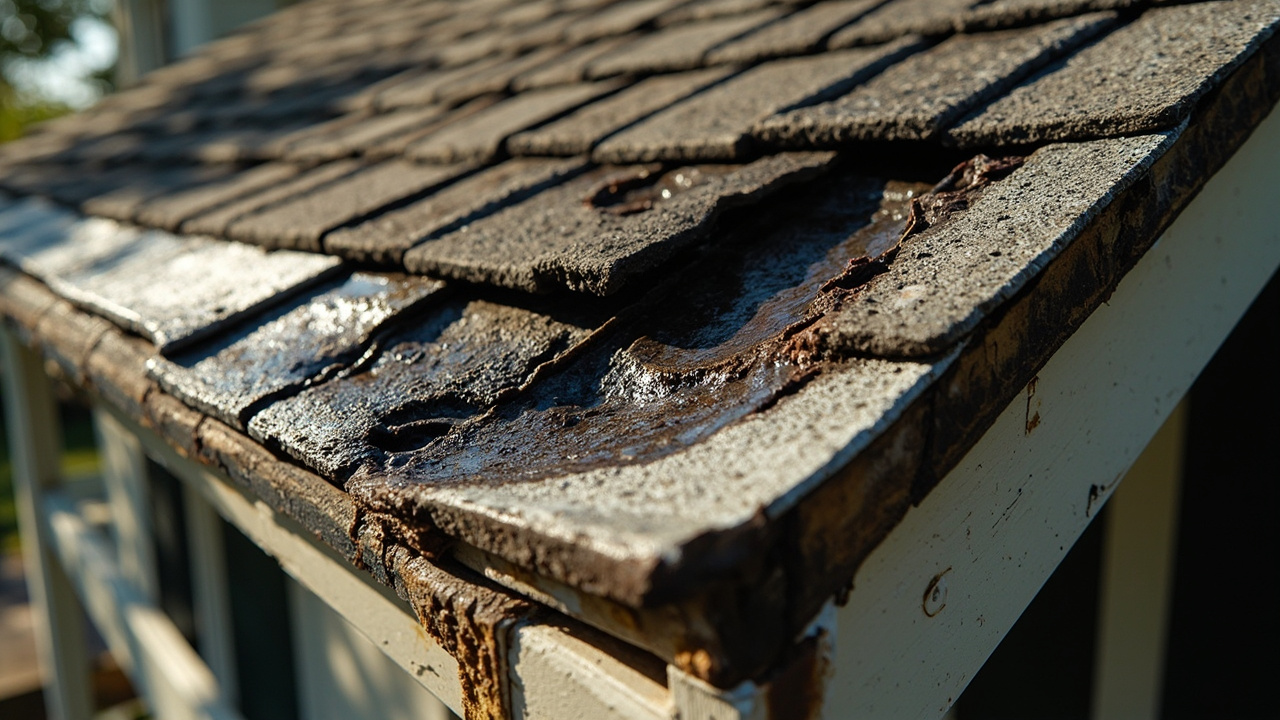
Patching roof valley leaks requires more than caulk. You need proper diagnosis of why the valley failed in the first place. Failed flashing must be replaced, not covered. Debris accumulation patterns tell us if your valley was installed at the correct pitch. Sealing roof valley joints only works after we address the underlying structural issue causing the separation.

Understanding these failure patterns separates temporary fixes from permanent repairs.

Why Roof Valleys Fail in New Orleans Homes
How We Diagnose and Repair Valley Leaks Correctly

How We Diagnose and Repair Valley Leaks Correctly

Most valley leaks stem from three failure points: deteriorated flashing, inadequate underlayment, or improper valley construction. We identify which failure mode affects your roof before recommending repairs.

Our diagnostic process starts with water testing. We use controlled water volume to recreate leak conditions and trace the exact entry point. This matters because water travels along rafters and sheathing before appearing on your ceiling. The stain you see inside rarely sits directly below the actual leak.

We inspect valley flashing for corrosion perforation, lifted edges, and fastener failure. Galvanized steel flashing common in older New Orleans homes corrodes through in 15 to 20 years. Copper flashing lasts longer but develops pinhole leaks at solder joints. We check every seam and lap joint for separation.

Next we evaluate the underlayment condition beneath the flashing. Felt paper deteriorates in our humidity. Ice and water shield performs better but still fails if the decking beneath it has rotted. We probe the sheathing for soft spots indicating water damage that compromises fastener hold.

Valley geometry matters for proper water shedding. We measure valley pitch and compare it to the main roof slope. Valleys must maintain minimum pitch ratios to prevent standing water. We document debris accumulation patterns that indicate insufficient pitch or inadequate cricket installation at the valley head.

Repairing damaged roof valleys means addressing all three components. We remove failed flashing and cut back damaged sheathing. New ice and water shield goes down first, followed by properly lapped metal flashing with sealed joints. We use concealed fasteners to prevent future leak points and ensure thermal movement does not stress the sealant.

The repair restores the valley to original waterproofing performance, not temporary function.

What Happens During Your Valley Repair

Valley Leak Repair in New Orleans – Expert Diagnosis and Permanent Fixes for Common Roof Valley Problems
01

Leak Confirmation and Mapping

We document the interior damage location and photograph all staining patterns. Then we access your attic to trace water paths along rafters back to the valley entry point. This mapping process identifies the precise failure location and prevents unnecessary tear-off. We mark the exterior valley section requiring repair and photograph all conditions before starting work.
02

Flashing Removal and Deck Repair

We carefully remove shingles adjacent to the failed valley section to expose the full flashing run. Failed flashing comes out along with any compromised underlayment. We inspect and repair sheathing damage, replacing rotted sections with exterior-grade plywood matched to your existing deck thickness. All new lumber receives primer before installation to resist future moisture damage.
03

Waterproofing and Flashing Installation

Ice and water shield goes down first, extending 12 inches beyond both sides of the valley centerline. We install new metal flashing with proper lap joints and concealed fasteners. All seams receive polyurethane sealant rated for metal-to-metal bonds. We weave or step-flash the adjacent shingles back into place, ensuring each course sheds water onto the flashing below it.

Why Local Experience Matters for Valley Repairs

Valley leak repair in New Orleans requires familiarity with regional construction methods and material performance in our climate. Homes in different neighborhoods present distinct challenges based on age, architectural style, and original roofing material.

Shotgun houses and Creole cottages in Mid-City and Treme often have minimal attic access. Diagnosing valley leaks on these homes requires experience working in confined spaces and understanding how water travels through historic framing. We know how to trace leaks without damaging original plaster ceilings.

Homes built between 1950 and 1980 in Metairie and New Orleans East typically used galvanized steel valley flashing. This material corrodes predictably in our humidity. We replace it with heavier-gauge pre-painted steel or copper depending on your roof type and budget. We understand the typical failure timeline for these installations.

Greek Revival and Colonial homes in the Garden District and Uptown feature complex roof geometries with multiple valleys. Many retain original slate or clay tile roofing. Repairing valleys on these roofs requires specialty skills in working with fragile historic materials. We salvage and reuse original tiles whenever possible to maintain the historic character.

Post-Katrina reconstruction introduced new building code requirements for wind uplift resistance and flashing attachment. Homes rebuilt after 2005 should have improved valley details, but rushed construction sometimes compromised quality. We verify that repairs meet current code standards for fastener spacing and sealant application.

Our crews understand how New Orleans rainfall intensity affects valley performance. We size valley flashing width based on local drainage requirements, not generic building standards. This attention to regional weather patterns prevents future failures.

Local building officials know our work. We maintain relationships with inspectors across Orleans Parish and surrounding areas. This familiarity streamlines permit processes when structural repairs require inspection and approval.

What to Expect from Your Valley Leak Repair

Repair Timeline and Access

Most valley repairs take one to two days depending on damage extent and roof access. We schedule work during forecasted dry periods to prevent additional water intrusion during the repair process. Our crews arrive early to maximize daylight working hours and minimize the time your roof remains opened. We coordinate attic access requirements with you beforehand and protect your interior spaces with drop cloths and plastic sheeting. If rain threatens before we complete the waterproofing, we install temporary tarps secured to prevent wind uplift.

Inspection and Cost Assessment

We provide free on-site inspections to evaluate your valley condition and diagnose the leak source. This inspection includes attic access to trace water paths and exterior examination of flashing and shingle condition. We document all findings with photographs and explain what we discover in clear terms. You receive a written estimate detailing the specific repairs required, not generic pricing. We break down costs for sheathing replacement, flashing materials, and labor separately so you understand exactly what the repair involves and why each component matters.

Quality of Completed Work

Your repaired valley will match or exceed the waterproofing performance of the original installation. We use heavier-gauge flashing materials than minimum code requirements and apply sealant to all metal joints. Shingle integration follows manufacturer specifications for proper water shedding. We clean your gutters and valleys of all debris before leaving the site. The repair area will be indistinguishable from surrounding roof sections. We conduct a final water test on completed repairs to verify performance before we consider the job finished.

Post-Repair Support and Monitoring

We provide documentation of all repairs including photographs of the work in progress and completed installation. This record proves valuable for insurance claims and future roof maintenance. We recommend scheduling a follow-up inspection after the next significant rain event to verify the repair eliminated the leak. Our crews remain available to address any concerns that arise during the first season after repair. We also provide guidance on valley maintenance, including recommended cleaning frequency to prevent debris accumulation that could compromise the repair.

Frequently Asked Questions

You Have Questions,
We Have Answers

How to fix a leaking valley? +

Fixing a leaking valley requires removing the damaged shingles around the valley, inspecting the flashing underneath, and replacing corroded or improperly installed metal. A professional roofer will strip back shingles on both slopes, install new valley flashing with proper underlayment, and re-shingle using woven or closed-cut methods. In New Orleans, high humidity accelerates metal corrosion, so using galvanized or aluminum flashing is critical. Attempting DIY repairs often worsens the problem because improper flashing angles cause water backup. A qualified contractor ensures water flows freely down the valley without penetrating your roof deck.

How much to repair a valley on a roof? +

Valley repair costs depend on damage extent, roofing material, and accessibility. Minor flashing replacement ranges from a few hundred dollars, while extensive repairs requiring shingle removal and decking work cost more. New Orleans homes with Historic District requirements or multi-story structures face higher labor costs due to access challenges. Factors include valley length, metal type (aluminum versus copper), and whether water damage compromised the roof deck. Request a detailed inspection before accepting estimates. Reputable contractors provide transparent pricing after assessing the specific condition of your valley and surrounding roofing system.

Can heavy rain cause roof valley leaks? +

Yes. Heavy rain overwhelms poorly designed or clogged valleys, forcing water under shingles. New Orleans receives intense downpours, especially during hurricane season, which exposes weak valley flashing or debris buildup. When leaves and branches block water flow, the valley becomes a dam, pushing water sideways into your roof deck. Additionally, wind-driven rain can force water upward beneath shingles if flashing lacks proper overlap. Regular gutter cleaning and valley inspection before storm season prevent most rain-related leaks. If you notice ceiling stains after heavy weather, your valley likely needs immediate professional evaluation.

Is a coolant leak worth fixing? +

This question concerns automotive systems, not roofing. A coolant leak in your vehicle causes engine overheating and potential head gasket failure. Ignoring it leads to expensive engine damage. Small hose leaks cost less to fix than waiting until the radiator or water pump fails. For roofing concerns in New Orleans, focus on valley leaks, which allow water into your home and cause structural damage. If you meant a different type of leak, contact a qualified contractor to assess your specific situation and prevent further property damage.

How to waterproof a valley? +

Waterproofing a valley starts with quality underlayment, such as ice and water shield, extending at least 12 inches on both slopes. Install corrosion-resistant metal flashing (aluminum or galvanized steel) centered in the valley with proper overlap. In New Orleans, moisture and heat demand flashing that resists rust. Apply roofing cement at seams and ensure shingles overlap the flashing correctly without restricting water flow. Never nail through the valley center. Professional installation accounts for roof pitch and drainage patterns specific to your home, preventing future leaks that cheaper shortcuts cannot solve.

Is a roof leak covered by homeowners insurance? +

Coverage depends on your policy and the leak cause. Insurance typically covers sudden damage from storms, fallen trees, or wind-driven rain but excludes wear and neglect. New Orleans homeowners should review wind and hurricane endorsements, as standard policies may limit storm damage coverage. Document damage with photos immediately after discovering leaks. Insurers require proof the roof was maintained and the leak resulted from a covered peril. Valley leaks from deferred maintenance or aging materials are usually excluded. Consult your agent and get a professional inspection report to support your claim.

Why do roof valleys leak? +

Valleys leak because they channel high water volume into a narrow space, exposing installation flaws. Common causes include corroded flashing, improper shingle overlap, missing underlayment, or debris buildup. In New Orleans, humidity accelerates metal deterioration, and heavy rains test every weak point. Roofers who skip ice and water shield or use incorrect nailing patterns create future failure points. Additionally, thermal expansion and contraction stress valley seams over time. Valleys installed during quick roof replacements often lack the meticulous layering required for long-term performance in our wet climate.

What is the best time of year for roof repair? +

Fall offers ideal conditions for roof repair in New Orleans. Temperatures are moderate, humidity drops, and hurricane season winds down by November. Spring is the second-best option before summer heat and afternoon thunderstorms complicate work. Avoid repairs during peak summer when shingles become too soft to walk on safely and adhesives cure improperly. Winter repairs are possible during dry spells but less predictable. Emergency leaks require immediate attention regardless of season. Schedule non-urgent valley repairs in fall to ensure quality workmanship and give contractors time before their busy storm-prep season.

What is the cheapest way to fix a leaking roof? +

The cheapest immediate fix is roofing cement applied to visible cracks, but this is temporary and often fails within months. Real solutions require addressing the root cause. For minor valley leaks, replacing damaged flashing costs less than full re-roofing. However, shortcuts like patching over corroded metal or sealing without proper underlayment lead to recurring leaks and greater expense. In New Orleans, moisture penetrates cheap fixes quickly. Invest in proper flashing replacement and quality materials to avoid repeated repairs. The lowest long-term cost comes from hiring a qualified contractor who fixes it correctly the first time.

What is the average cost to repair a roof leak? +

Average roof leak repair costs vary widely based on location, damage severity, and materials. Simple flashing replacement may cost a few hundred dollars, while extensive valley work requiring shingle removal and decking repair costs more. New Orleans factors include accessibility, roof pitch, and Historic District material requirements. Multiple leaks or water-damaged decking increase expenses. Request itemized estimates from licensed contractors who inspect your attic and roof surface. Avoid unusually low bids that skip underlayment or use substandard materials. Quality repairs protect your investment and prevent compounding damage that leads to premature roof replacement.

How New Orleans Rainfall Intensity Accelerates Valley Failure

New Orleans receives 62 inches of rain annually, significantly more than the national average of 38 inches. Our rainfall comes in intense bursts during afternoon thunderstorms rather than gentle, sustained precipitation. This concentrated water volume overwhelms valleys that might perform adequately in drier climates. A single two-inch rain event in 30 minutes channels hundreds of gallons through each valley on your roof. Any weakness in the flashing or sealant allows water penetration under this pressure. Our subtropical climate keeps humidity above 75 percent year-round, preventing valleys from drying completely between rain events. This constant moisture accelerates metal corrosion and organic growth that degrades sealants.

Heritage Roofing New Orleans has repaired valley leaks across every neighborhood from Algiers to Gentilly. We understand how construction methods vary between the historic districts and post-war suburbs. Our estimators recognize the difference between repairable valley damage and conditions requiring full valley reconstruction. We work directly with insurance adjusters familiar with local claim patterns and know how to document damage for proper coverage. Choosing a roofing contractor with specific New Orleans experience means getting repairs sized correctly for our weather patterns and executed with materials proven to perform in our climate.

Roofing Services in The New Orleans Area

Our dedicated team is proud to serve the entire area, bringing our legacy of quality roofing services directly to your neighborhood. Whether you need a simple repair, a full-scale replacement, or an urgent inspection, you can find us easily on the map below. We are committed to being your local roofing partner, delivering expert solutions right where you are. We look forward to working with you to protect your most valuable asset—your home.Our dedicated team is proud to serve the entire area, bringing our legacy of quality roofing services directly to your neighborhood. Whether you need a simple repair, a full-scale replacement, or an urgent inspection, you can find us easily on the map below. We are committed to being your local roofing partner, delivering expert solutions right where you are. We look forward to working with you to protect your most valuable asset—your home.

Address:
Heritage Roofing New Orleans, 3308 Tulane Ave, New Orleans, LA, 70119

Additional Services We Offer

Our news updates

Latest Articles & News from The Blogs

The 10 Critical Questions That Could Save Your New Orleans Home Roofing in New Orleans isn't just about shingles and…

Questions You Must Ask a New Orleans Roofer Before Signing a Contract

The 10 Critical Questions That Could Save Your New Orleans Home Roofing in New Orleans isn't just about shingles and…

Restoring the Intricate Turrets and Gables on Victorian Homes in the Holy Cross District

Restoring the Intricate Turrets and Gables on Victorian Homes in the Holy Cross District The Holy Cross District in New…

Is Stone Coated Steel the Right Choice for Your Slidell Waterfront Property?

Is Stone Coated Steel the Right Choice for Your Slidell Waterfront Property? Living along the water in Slidell comes with…

Contact Us

Call Heritage Roofing New Orleans at (504) 355-3444 for a free valley inspection. We will diagnose your leak source and provide a detailed repair estimate. Our crews are ready to fix your valley before the next storm.