





menu

Asphalt Shingle Roofing in New Orleans – Built to Survive Hurricane Winds and Torrential Rain

Get expert asphalt shingle roofing designed for New Orleans's volatile weather, from tropical storm wind uplift to relentless UV degradation, with materials and installation methods proven to outlast Gulf Coast conditions.

Slider Image 1
Slider Image 2
Slider Image 3
Slider Image 4
Slider Image 5
Slider Image 7
Slider Image 8
Slider Image 9
Slider Image 10
Slider Image 11

Why New Orleans Roofs Fail Faster Than Most

New Orleans sits in a roofing stress test. You face hurricane-force winds that pry up composition shingles, torrential rain that finds every weak spot in your underlayment, and humidity levels that breed algae and accelerate granule loss on asphalt roof shingles. Add in the occasional freeze that cracks brittle fiberglass shingles and intense UV radiation that cooks your roof year-round, and you understand why roofs here age in dog years.

Most homeowners in Lakeview or Uptown notice the damage too late. You see black streaks running down your roof, which is algae feeding on limestone filler in cheap composition shingles. You spot curling edges or missing tabs after a summer thunderstorm. Or you find water stains in your attic after a passing squall. These are not cosmetic issues. They signal that your roof's first line of defense has failed.

The Gulf Coast climate demands specific shingle profiles. Standard three-tab asphalt shingles buckle under wind uplift. Fiberglass shingles without impact-resistant ratings shatter during hailstorms that roll through from Texas. And composite shingle roofing installed without proper ventilation traps heat and moisture, warping your decking from the inside out.

You need a roof system engineered for this environment. That means architectural-grade asphalt shingles rated for 130 mph winds, copper-infused granules that resist algae growth, and installation techniques that account for thermal expansion in 95-degree heat. Without these specifications, you are replacing your roof every 12 years instead of every 25.

Why New Orleans Roofs Fail Faster Than Most
How We Install Asphalt Shingle Roofs That Last in New Orleans

How We Install Asphalt Shingle Roofs That Last in New Orleans

We do not install roofs the way big-box contractors do. We start with decking inspection. Before a single shingle goes up, we check for soft spots in your plywood sheathing caused by past leaks or termite damage. We replace compromised sections and ensure your nail base is solid. Skip this step and your new shingles will sag within five years.

Next, we install a high-performance underlayment. Standard felt paper disintegrates in New Orleans humidity. We use synthetic underlayment with a perm rating that allows moisture to escape while blocking liquid water. In high-wind zones near Lake Pontchartrain, we add peel-and-stick ice and water shield along eaves and valleys. This creates a watertight seal where wind-driven rain typically penetrates.

Our shingle installation follows strict nailing patterns. We hand-nail every asphalt shingle with six nails, not four. We position nails in the adhesive strip zone to maximize wind resistance. We offset shingle seams to prevent water channeling. And we install drip edge and kick-out flashing at every roof-to-wall transition, which stops water from running behind your siding.

Ventilation is non-negotiable. We calculate your attic's cubic footage and install the correct ratio of intake and exhaust vents. Proper airflow removes heat and moisture that would otherwise cook your fiberglass shingles from below. We see too many roofs with adequate shingles but zero ventilation, which voids your manufacturer's warranty and cuts your roof's lifespan in half.

We finish with ridge cap shingles that resist blow-off and valley metal that channels water away from vulnerable intersections. Every component works together as a system, not just individual parts stapled to your house.

What Happens During Your Roof Installation

Asphalt Shingle Roofing in New Orleans – Built to Survive Hurricane Winds and Torrential Rain
01

Roof Inspection and Estimate

We climb onto your roof and document every defect. You get photos of damaged decking, failed flashing, and worn composition shingles. We measure your roof's square footage, pitch, and complexity. You receive a written estimate that breaks down materials, labor, and disposal costs. No surprises. No pressure. Just honest assessment of what your roof needs to perform in New Orleans weather.
02

Tear-Off and Installation

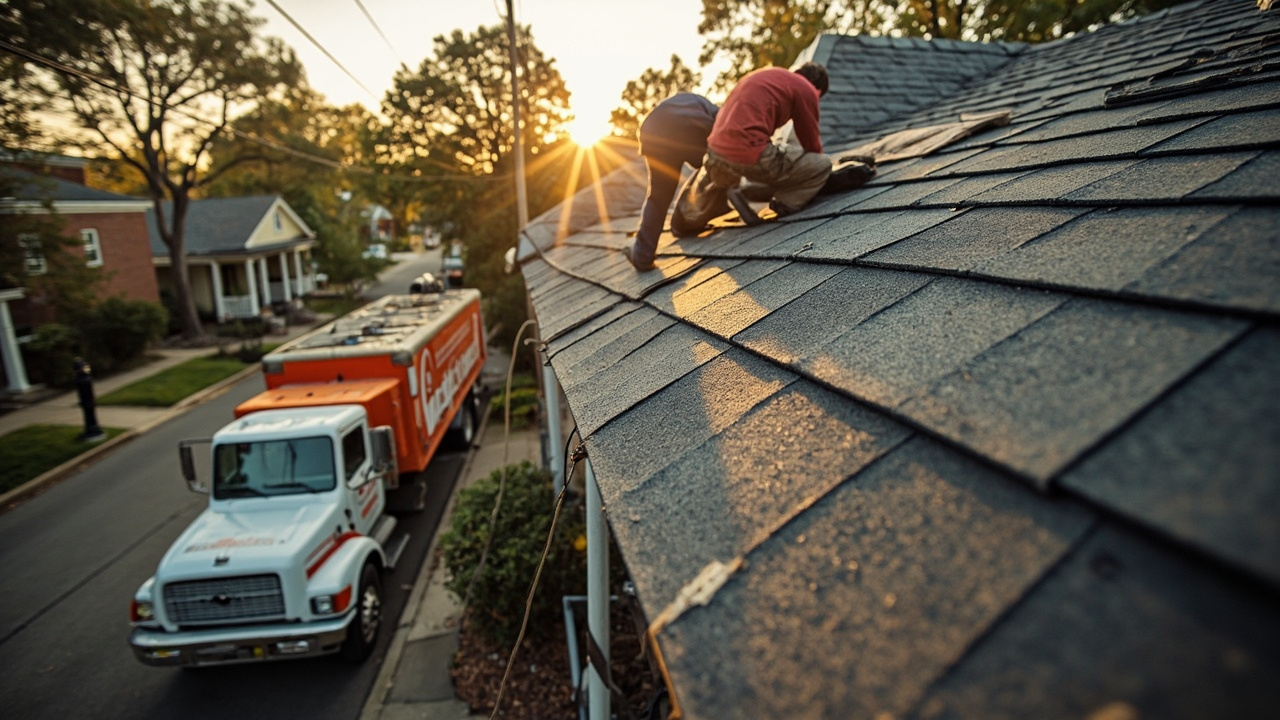
We strip your old roof down to bare decking, haul debris to our trucks throughout the day, and protect your landscaping with tarps. Our crews install underlayment, flashing, and asphalt roof shingles in a coordinated sequence. We use pneumatic nailers calibrated for proper depth. We maintain clean work zones and run magnetic sweepers across your property twice daily to collect stray nails. Most residential roofs finish in two to three days.
03

Final Inspection and Cleanup

Our project manager walks your roof and checks every detail against our quality checklist. We verify straight shingle lines, proper flashing overlap, and correct ridge cap installation. We clean your gutters, remove all debris, and ensure your property looks better than when we arrived. You get documentation for your homeowner's insurance and manufacturer warranty registration. Your roof is ready for the next hurricane season.

Why New Orleans Homeowners Choose Heritage Roofing

We understand the building codes specific to Orleans Parish. We know that roofs in flood zones require specific tie-down methods. We understand that historic homes in the French Quarter need composition shingles that match architectural guidelines. And we know that insurance adjusters in this market scrutinize wind damage claims, so we document every defect with photos and measurements that support your claim.

Our crews have installed thousands of roofs across New Orleans, from shotgun houses in the Bywater to sprawling homes in Lakewood Estates. We know how to navigate narrow streets with our equipment. We know which shingle colors hold up best under oak tree shade. And we know which manufacturers honor their warranties when you file a claim three years later.

You get access to contractor-grade asphalt shingles not available at retail. We partner with manufacturers who offer impact-resistant fiberglass shingles rated Class 4 for hail. We install composite shingle roofing with algae-resistant granules that stay clean in our humid climate. And we offer architectural shingles with dimensional profiles that boost your home's curb appeal and resale value.

We also understand the financial pressure of a roof replacement. We work directly with insurance adjusters to document storm damage and maximize your claim payout. We offer financing options for out-of-pocket expenses. And we schedule installations around your life, not our convenience.

You will not get a bait-and-switch estimate. The price we quote is the price you pay unless you change the scope of work. We do not upsell unnecessary add-ons. We recommend what your roof actually needs based on its condition and your budget. That is how we have built a reputation in this city.

What You Can Expect from Start to Finish

Installation Timeline

Most residential asphalt shingle roofing projects take two to four days depending on your roof's size and complexity. We start early to avoid midday heat and finish one section before moving to the next. Weather delays happen in New Orleans, but we tarp your roof every evening to prevent water intrusion. We communicate daily about progress and any unexpected issues we find. You will know exactly when we arrive and when we finish.

Initial Roof Assessment

We inspect your roof from the exterior and attic. We look for sagging decking, inadequate ventilation, and moisture stains that signal leaks. We test your composition shingles for brittleness and granule loss. We photograph everything and review findings with you on-site. You get a detailed written report that explains what needs immediate repair and what can wait. We answer your questions in plain language, not sales talk.

Final Quality Standards

Your finished roof will have straight shingle courses, uniform color distribution, and no exposed nails. Flashing will extend beyond shingle edges and seal against vertical surfaces. Ridge caps will align symmetrically. Valleys will channel water without pooling. We test our work by running a hose over vulnerable areas and checking your attic for leaks. You get a roof that looks professional and performs through tropical storms, not just normal rain.

Manufacturer Warranty Coverage

We register your asphalt roof shingles with the manufacturer so your warranty stays active. Most fiberglass shingles carry limited lifetime coverage on materials and prorated labor for the first ten years. We provide documentation that shows proper installation, which protects you if you file a defect claim. We also follow up after major storms to inspect your roof and document any damage before it worsens. Your investment stays protected long after we finish.

Frequently Asked Questions

You Have Questions,
We Have Answers

What is asphalt shingle roofing? +

Asphalt shingle roofing is a composite roofing material made of a fiberglass or organic mat base, coated with asphalt, and topped with ceramic granules. It is the most common roofing material in New Orleans because it balances affordability, durability, and wind resistance. The granules protect the asphalt from UV rays and add color. Asphalt shingles come in two main types: three-tab and architectural. Architectural shingles are thicker and perform better in high humidity and hurricane-prone climates. This roofing system sheds water quickly, which matters in our heavy rain environment.

What's the difference between asphalt shingles and regular shingles? +

Asphalt shingles are a specific type of shingle made from fiberglass or organic mat coated with asphalt and mineral granules. The term regular shingles can refer to wood shakes, metal, slate, or tile. Asphalt shingles are lighter, less expensive, and easier to install than alternatives. In New Orleans, asphalt shingles dominate because they handle high winds and moisture better than wood, and cost far less than slate or tile. Other shingle materials require different installation techniques and structural support. Asphalt is the most practical choice for our climate and building stock.

How long do asphalt shingle roofs last? +

Asphalt shingle roofs last 15 to 30 years in New Orleans, depending on the product quality and installation. Three-tab shingles typically last 15 to 20 years, while architectural shingles can reach 25 to 30 years. High humidity, UV exposure, and storm damage shorten lifespan here compared to drier climates. Proper attic ventilation extends roof life by reducing heat buildup and moisture. Regular inspections after hurricanes or tropical storms help catch damage early. Poor installation or inadequate flashing will cut years off any roof. Quality matters as much as the product itself.

How much should a new asphalt shingle roof cost? +

A new asphalt shingle roof cost depends on roof size, pitch, complexity, and shingle type. Costs vary based on whether you choose three-tab or architectural shingles, the number of penetrations like chimneys or skylights, and tear-off requirements. In New Orleans, factors like wind rating requirements and potential for hidden deck damage from moisture add variables. Steep roofs or multi-story homes increase labor costs. Material upgrades like impact-resistant shingles affect pricing. The only way to get an accurate number is a site inspection. Beware any quote given over the phone without seeing your roof.

What are the downsides of asphalt shingles? +

Asphalt shingles have a shorter lifespan than metal, slate, or tile. They are vulnerable to algae growth in New Orleans high humidity, which causes black streaks. Wind-driven rain can lift or damage shingles during hurricanes if installation is poor. Asphalt shingles also absorb heat, raising cooling costs in our hot climate. They are petroleum-based, which makes them less eco-friendly than some alternatives. Granule loss over time reduces UV protection. Despite these downsides, asphalt shingles remain the most cost-effective and practical option for most New Orleans homeowners when installed correctly.

What are the top 3 roofing shingles? +

The top three roofing shingles by market reputation are Owens Corning Duration, GAF Timberline HDZ, and CertainTeed Landmark. All three offer strong wind resistance, which matters in hurricane zones like New Orleans. Owens Corning Duration shingles have excellent granule adhesion and color retention. GAF Timberline HDZ includes LayerLock technology for wind uplift resistance. CertainTeed Landmark offers a thick profile and good warranty coverage. Local availability and contractor familiarity also matter. A quality installation by an experienced roofer is more important than brand alone. Choose a shingle rated for high wind zones.

What are the three types of roof shingles? +

The three main types of roof shingles are asphalt, wood, and slate or tile. Asphalt shingles are composite materials made with fiberglass and asphalt. Wood shingles or shakes are cut from cedar or redwood. Slate and tile shingles are natural stone or clay. In New Orleans, asphalt dominates due to cost and performance in humid, storm-prone conditions. Wood shingles rot quickly here. Slate and tile are expensive and require additional structural support. Metal shingles also exist but are less common. Asphalt remains the most practical choice for our climate and building types.

How much does it cost to put an asphalt roof on a 2000 sq ft house? +

The cost to put an asphalt roof on a 2000 square foot house depends on roof pitch, complexity, shingle type, and existing conditions. A simple gable roof costs less than a complex hip roof with valleys and dormers. Architectural shingles cost more than three-tab. In New Orleans, you must account for potential deck repairs from moisture damage and higher wind-rated materials. Tear-off, disposal, and flashing replacement add to the total. The square footage of the roof surface is often larger than the home footprint due to pitch. Get multiple written estimates after inspections.

How often should I replace my shingles? +

Replace your shingles when you see widespread granule loss, curling edges, cracked or missing shingles, or leaks inside your home. In New Orleans, asphalt shingle roofs typically need replacement every 20 to 25 years for architectural shingles and 15 to 20 years for three-tab. Hurricane damage or poor ventilation can shorten this timeline. Algae stains alone do not require replacement, but they signal the roof is aging. If your roof is over 15 years old and showing multiple issues, replacement is smarter than repeated repairs. Inspect after every major storm.

How much does it cost to replace a roof on a 2200 square foot house? +

The cost to replace a roof on a 2200 square foot house depends on roof complexity, shingle type, pitch, and current deck condition. A single-story ranch costs less to roof than a two-story colonial with steep slopes. In New Orleans, moisture damage to roof decking is common and adds expense if sheathing needs replacement. You also pay for tear-off, disposal, underlayment, and flashing. Architectural shingles cost more than three-tab but last longer. The actual roof area is larger than 2200 square feet due to pitch and overhangs. Request itemized estimates from licensed contractors.

How New Orleans Humidity and Wind Shear Destroy Standard Asphalt Shingles

New Orleans averages 75 percent humidity year-round, which creates ideal conditions for algae and moss growth on composite shingle roofing. You see this as black streaks that start small and spread across your entire roof within two years. The algae feeds on limestone filler in budget asphalt shingles, breaking down the granule bond and exposing the fiberglass mat underneath. Once UV rays hit that mat, your shingles become brittle and crack. Add in wind gusts from Gulf storms that peel up shingle edges, and you face premature failure. You need copper-infused granules and architectural-grade asphalt roof shingles rated for high wind zones to survive here.

Orleans Parish enforces the International Residential Code with amendments for wind speed and flood zones. We stay current on these requirements because improper installation voids your insurance coverage. Local roofers who cut corners on nailing patterns or skip manufacturer specifications leave you exposed when the next named storm hits. We document every phase of your installation to meet code and satisfy insurance inspectors. That is the difference between a roof that passes inspection and one that fails when you need your claim approved most.

Roofing Services in The New Orleans Area

Our dedicated team is proud to serve the entire area, bringing our legacy of quality roofing services directly to your neighborhood. Whether you need a simple repair, a full-scale replacement, or an urgent inspection, you can find us easily on the map below. We are committed to being your local roofing partner, delivering expert solutions right where you are. We look forward to working with you to protect your most valuable asset—your home.Our dedicated team is proud to serve the entire area, bringing our legacy of quality roofing services directly to your neighborhood. Whether you need a simple repair, a full-scale replacement, or an urgent inspection, you can find us easily on the map below. We are committed to being your local roofing partner, delivering expert solutions right where you are. We look forward to working with you to protect your most valuable asset—your home.

Address:
Heritage Roofing New Orleans, 3308 Tulane Ave, New Orleans, LA, 70119

Additional Services We Offer

Our news updates

Latest Articles & News from The Blogs

Living in New Orleans means battling heat that climbs into attics and stays there, driving up cooling costs and creating…

Solar Attic Fans vs Ridge Vents — Which One Fights the New Orleans Heat Better?

Living in New Orleans means battling heat that climbs into attics and stays there, driving up cooling costs and creating…

Affordable Ways to Secure an Exposed Roof on a St. Roch Fixer Upper

Affordable Ways to Secure an Exposed Roof on a St. Roch Fixer Upper \n\n Living in St. Roch means dealing…

Why the Lake Breeze in Bucktown Means You Need Extra Fasteners on Your Shingles

Living in Bucktown Means Constant Wind Off Lake Pontchartrain The steady lake breeze in Bucktown creates unique challenges for homeowners.…

Contact Us

Do not wait until you see water stains on your ceiling. Call Heritage Roofing New Orleans at (504) 355-3444 today for a no-obligation roof inspection. We will show you exactly what your roof needs and give you a written estimate with no pressure. Your roof is too important to gamble on.