




menu

Metal Roofing Systems in New Orleans – Built to Survive Hurricanes and Outlast the Humidity

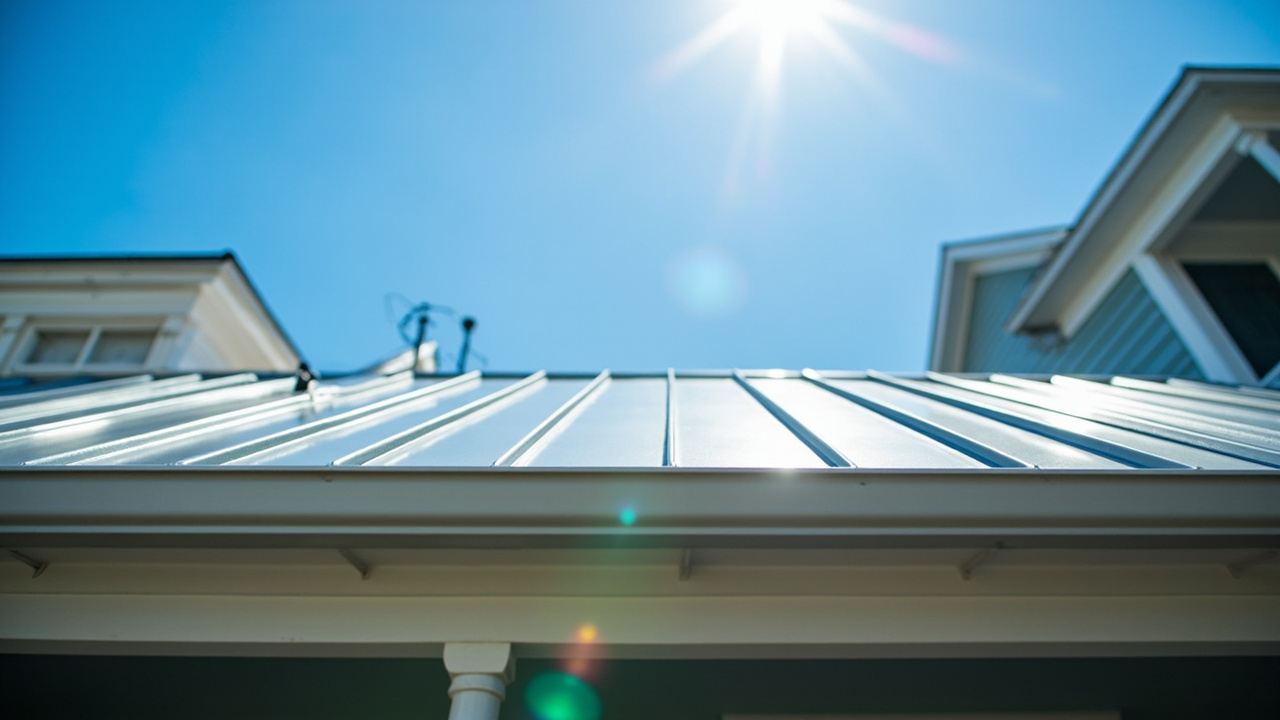
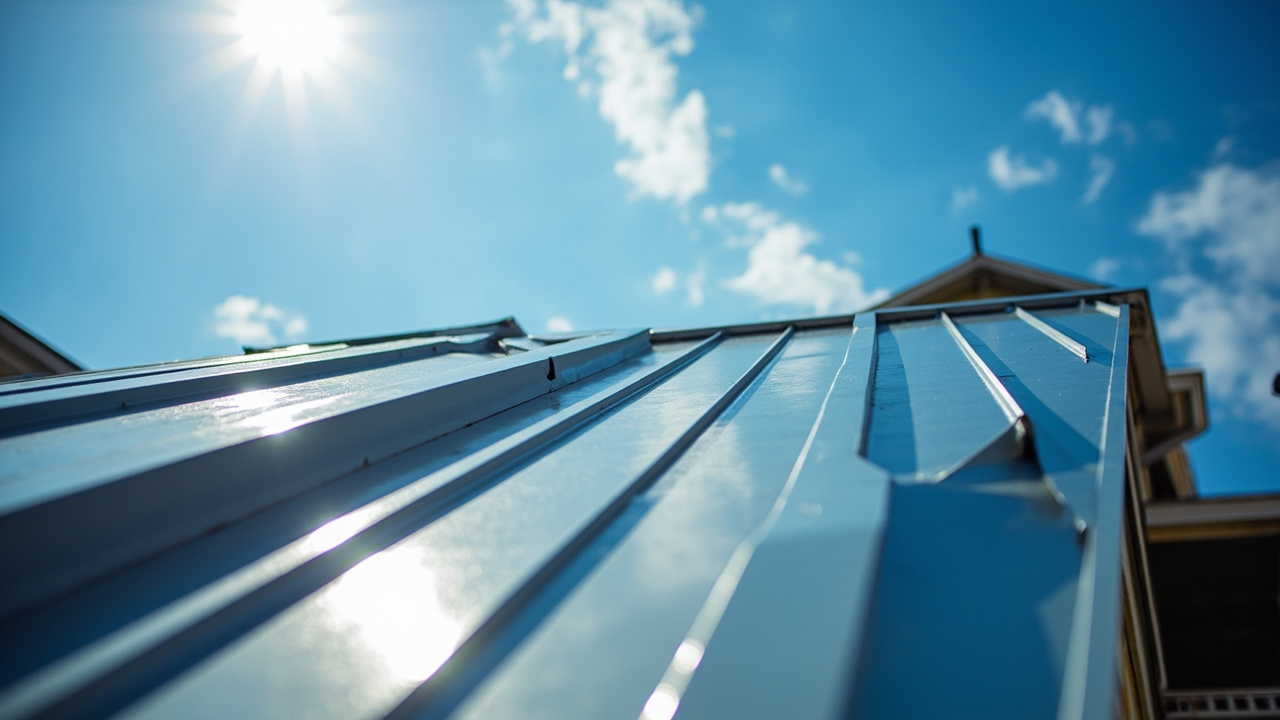
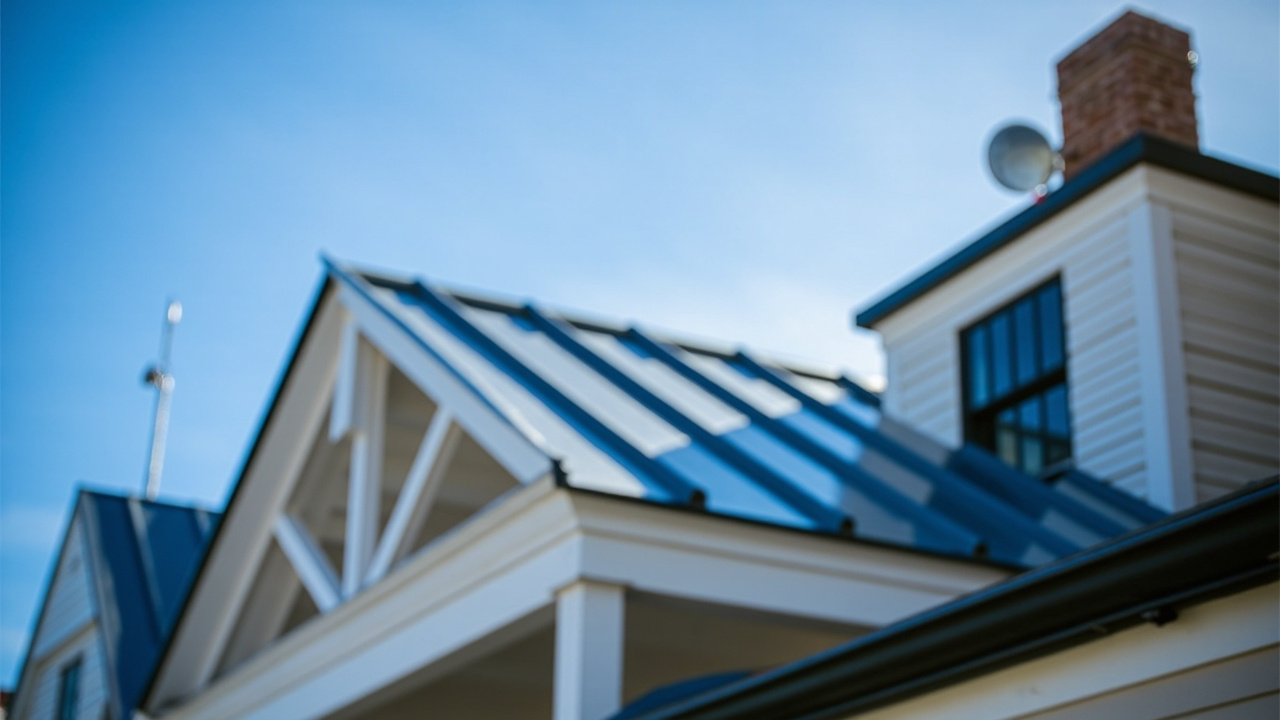
Heritage Roofing New Orleans installs standing seam and metal roofing panels engineered for high wind resistance, corrosion protection, and superior drainage in the subtropical climate of South Louisiana.

Slider Image 1
Slider Image 2
Slider Image 3
Slider Image 4
Slider Image 5
Slider Image 7
Slider Image 8
Slider Image 9
Slider Image 10
Slider Image 11

Why New Orleans Demands Purpose-Built Metal Roofing Solutions

New Orleans sits below sea level in a subtropical zone where annual rainfall exceeds 60 inches, humidity stays above 75 percent for most of the year, and hurricane season brings sustained winds over 100 mph. These conditions destroy traditional asphalt shingles within 15 years and turn wood shake roofs into breeding grounds for mold and rot.

Metal roofing systems solve the core vulnerabilities that plague homes in the Crescent City. Standing seam metal roofs lock together without exposed fasteners, which prevents water infiltration during wind-driven rain events. Metal roofing materials resist corrosion when properly coated with Galvalume or zinc-aluminum alloy finishes, which protects against the salt air drifting inland from Lake Pontchartrain and the Mississippi River. Metal roofing panels shed water instantly, which prevents the ponding that leads to rust and structural decay on flat or low-slope applications common in Creole cottages and shotgun houses throughout Treme and Bywater.

The weight advantage matters in New Orleans. Metal roof sheets weigh 1 to 3 pounds per square foot compared to 8 to 12 pounds for traditional three-tab shingles. This reduced load stress helps older homes with settling foundations, a common issue in neighborhoods built on clay soil and organic fill. Metal roofing products also reflect solar heat, which cuts cooling costs by 10 to 25 percent during the brutal summer months when air conditioning runs nonstop from May through September.

Why New Orleans Demands Purpose-Built Metal Roofing Solutions
How We Install Metal Roofing Systems for Maximum Wind Resistance

How We Install Metal Roofing Systems for Maximum Wind Resistance

Heritage Roofing New Orleans installs metal roofing systems using attachment methods engineered for hurricane-force wind uplift. We anchor every panel with concealed clips rated for 140 mph wind zones, which exceeds the minimum code requirements for Orleans Parish. This clip system allows for thermal expansion and contraction, which prevents buckling when metal roofing panels heat up to 160 degrees under direct sun exposure.

We start every installation by inspecting the roof deck for soft spots, water damage, and structural defects. In older homes with tongue-and-groove wood decking, we reinforce weak sections and install a high-temperature underlayment rated for metal applications. This synthetic barrier prevents moisture migration while allowing the roof deck to breathe, which stops condensation buildup that rots the wood from the inside.

Our fastening pattern follows the rafter layout confirmed during the initial inspection. We never rely on assumptions about where structural support sits beneath the decking. Each clip fastens directly into a rafter with corrosion-resistant screws, which creates a continuous load path from the metal roofing panels down to the wall framing. This engineering principle keeps your roof attached during storm surge events when wind speed increases and atmospheric pressure drops rapidly.

We seal all penetrations with butyl tape and EPDM rubber boots designed for metal roof applications. Ridge caps and hip transitions receive double coverage with sealant and mechanical fasteners, which prevents water intrusion at the most vulnerable roof planes. Every seam gets hand-crimped to manufacturer specifications, which creates a watertight barrier that survives wind-driven rain.

What Happens During Your Metal Roof Installation

Metal Roofing Systems in New Orleans – Built to Survive Hurricanes and Outlast the Humidity
01

Structural Assessment

We inspect your existing roof deck, measure rafter spacing, and check for structural damage caused by previous leaks or termite activity. This inspection determines whether your home needs wood deck reinforcement or complete tear-off before metal roofing panels go down. We document all findings with photos and measurements, which ensures accurate material ordering and prevents delays once installation begins.
02

Panel Fabrication and Delivery

We fabricate standing seam metal roofing panels to your exact roof dimensions using 24-gauge or 26-gauge steel with Galvalume coating. Panels arrive pre-cut to length, which eliminates field cutting and reduces installation time. We stage materials on your property the day before installation to maintain project momentum and protect metal roof sheets from damage during transport. Color-matched trim pieces and flashing components arrive with the panel shipment.
03

Final Inspection and Cleanup

After panel installation, we inspect every seam, fastener, and penetration for proper alignment and weatherproofing. We test drainage flow at gutters and downspouts to confirm water evacuates efficiently during heavy rainfall. All jobsite debris gets removed, and metal scraps get recycled. You receive documentation showing panel warranty registration, fastener torque specifications, and a roof diagram marking penetration locations for future reference during maintenance.

Why New Orleans Homeowners Choose Heritage Roofing for Metal Systems

Heritage Roofing New Orleans understands the specific building challenges in Orleans Parish. We know that homes in Lakeview and Gentilly sit in flood zones where wind uplift ratings determine insurance premiums. We understand that French Quarter properties require metal roofing materials that meet Historic District Design Guidelines, which restrict panel profiles and color options. We work with the Vieux Carre Commission and other preservation boards to secure approvals for metal roof installations on contributing structures.

Our installation crews understand how New Orleans architecture affects metal roof performance. Creole cottages with shallow roof pitches need standing seam systems with concealed fasteners to prevent water backup. Shotgun houses with long roof runs require thermal break clips to manage expansion during temperature swings. Victorian homes with complex hip and valley intersections demand custom flashing fabrication to maintain weathertight integrity.

We source metal roofing products from domestic manufacturers with coating warranties that cover coastal environments. Standard paint systems fail within 10 years when exposed to salt fog and UV radiation near Lake Pontchartrain. We specify PVDF resin coatings with a minimum 0.7 mil thickness, which provides superior fade resistance and chalk resistance compared to polyester coatings sold by big-box retailers.

Our crews complete most residential metal roof installations within 3 to 5 days, weather permitting. We understand that exposed roof decks invite water damage during afternoon thunderstorms, so we tarp all tear-off areas at the end of each workday. We coordinate material deliveries to avoid street parking violations in narrow neighborhoods like Marigny and Bywater, where construction permits require advance notice to residents.

What to Expect When You Install a Metal Roofing System

Project Timeline and Scheduling

Most residential metal roof installations take 3 to 5 days from tear-off to final cleanup. Complex roof geometries with multiple dormers, turrets, or intersecting planes may extend the timeline to 7 days. We schedule installations during dry weather windows and monitor radar for afternoon thunderstorms. If rain threatens during tear-off, we tarp exposed sections and resume work when conditions clear. Commercial metal roofing projects on warehouses or retail buildings follow phased schedules that minimize business disruption and maintain weathertight coverage over occupied spaces.

Initial Roof Inspection Process

We start with a roof deck inspection from inside your attic to identify soft spots, water stains, and inadequate ventilation. We measure rafter spacing and check for proper blocking at roof edges. We document existing penetrations like plumbing vents, electrical masts, and HVAC equipment. We test the structural capacity of roof decking to confirm it can support the weight of metal roofing panels and attachment hardware. You receive a written inspection report with photos showing any defects that need correction before metal roof installation begins.

The Finished Metal Roof

Your completed metal roofing system includes concealed fasteners, hand-crimped seams, and custom-fabricated flashing at all roof transitions. Metal roofing panels interlock with a continuous weather seal that prevents water infiltration during hurricane-force winds. Ridge vents and soffit ventilation create airflow that reduces attic temperatures and prevents condensation buildup. All penetrations receive EPDM rubber boots sealed with butyl tape. You receive documentation showing panel manufacturer warranty, coating specifications, and a roof plan marking all penetration locations for future maintenance reference.

Warranty and Maintenance Guidance

Metal roofing panels carry manufacturer warranties covering paint fade, chalk resistance, and substrate corrosion for 30 to 40 years depending on coating type. Our installation workmanship warranty covers all penetrations, flashing details, and fastener placements for the first 10 years after project completion. We provide maintenance guidance showing how to clear debris from valleys, inspect sealant at penetrations, and check fastener tightness after major storm events. Annual inspections help identify minor issues before they become expensive repairs.

Frequently Asked Questions

You Have Questions,
We Have Answers

What is the downside to a metal roof? +

Metal roofs are noisier during New Orleans' frequent thunderstorms and heavy rain unless you add sound-dampening insulation. Denting can occur from hail or falling branches, common during hurricane season. Initial installation costs run higher than asphalt shingles. Expansion and contraction from temperature swings can loosen fasteners over time if not installed correctly. Some metal panels show oil canning, a wavy appearance that does not affect performance but bothers some homeowners. Color fading happens gradually under intense Louisiana sun exposure. Walking on metal roofs requires care to avoid scratching or damaging the protective coating.

Is it cheaper to put a metal roof or shingles? +

Metal roofs cost more upfront than asphalt shingles in New Orleans. Expect to pay two to three times more for material and installation. Shingles run cheaper initially, making them popular for budget-conscious projects. Metal roofs deliver better value over time because they last 40 to 70 years versus 15 to 25 years for shingles. You avoid multiple replacement cycles, reducing long-term costs. Metal roofs resist hurricane wind damage better, which matters for insurance premiums and storm preparedness. Energy savings from reflective metal panels help offset higher installation costs in our hot climate.

How much would it cost to put a metal roof on a 1000 square foot house? +

This question requests specific pricing, which varies based on metal type, panel profile, roof pitch, and complexity. Costs fluctuate with material availability and contractor demand. Standing seam metal costs more than corrugated or ribbed panels. Removal of existing roofing, decking repairs, and permits add to total expenses. New Orleans homes often have steeper pitches or architectural details that increase labor time. Insurance requirements and wind rating specifications affect material selection. Contact local contractors for accurate estimates based on your specific roof design, metal preference, and current market conditions.

What is the most cost effective metal roof? +

Corrugated metal panels and exposed-fastener systems offer the lowest material and installation costs. These panels attach directly to roof decking with visible screws, reducing labor time compared to standing seam systems. Steel panels cost less than aluminum or copper. Thinner gauge metal reduces material expense but may sacrifice durability in hurricane-prone New Orleans. R-panels and 5V crimp profiles provide good wind resistance at reasonable prices. Galvanized steel offers decent corrosion protection for coastal humidity. Choose lighter colors to reflect heat and reduce cooling costs in our climate.

What do insurance companies say about metal roofs? +

Insurance companies favor metal roofs in hurricane zones like New Orleans. Many insurers offer premium discounts for impact-resistant metal roofing because it withstands wind and debris better than shingles. Metal roofs often qualify for higher wind resistance ratings, which matters for Louisiana's coastal wind requirements. Some carriers require specific attachment methods or underlayment materials. Insurers appreciate metal's fire resistance rating, which reduces claim risk. Document your installation with photos and receipts. Ask your insurance agent about available discounts before choosing your metal roofing material and profile.

Does a metal roof affect WiFi? +

Metal roofs can interfere with WiFi signals, but modern construction techniques minimize this issue. The metal acts as a barrier that weakens radio frequency transmission between floors or from outside towers. Signal degradation depends on metal thickness, panel gaps, and roof design. Most New Orleans homes solve this by placing routers centrally, adding WiFi extenders, or using mesh network systems. Homes with attic-mounted routers see more interference than those with ground-floor equipment. The problem affects cell signals more than WiFi. If you experience weak connectivity, relocate your router or add signal boosters.

Are there tax credits for metal roofs? +

Metal roofs may qualify for federal energy efficiency tax credits under the Inflation Reduction Act if they meet Energy Star reflective coating standards. Credits cover a percentage of material costs for qualifying installations. Louisiana does not currently offer state-specific tax credits for metal roofing. Some utility companies provide rebates for reflective roofing that reduces cooling loads. Credits and incentives change annually, so verify current programs before installation. Keep all receipts and manufacturer certifications. Consult a tax professional to determine your eligibility. Energy savings from reduced air conditioning use provide ongoing financial benefits.

What is the life expectancy of a metal roof? +

Metal roofs last 40 to 70 years in New Orleans, depending on material type and maintenance. Steel roofs with quality coatings typically last 40 to 50 years. Aluminum and zinc roofs push 50 to 60 years. Copper roofs can exceed 70 years. Coastal humidity and salt air affect longevity, requiring periodic inspections and coating touch-ups. Proper installation with correct fasteners and flashing extends lifespan significantly. Hurricane damage and falling branches can shorten roof life if repairs are delayed. Regular cleaning and prompt leak repairs protect your investment. Metal outlasts asphalt shingles by decades.

Why not put metal roof over shingles? +

Installing metal over shingles traps moisture between layers, accelerating rot in New Orleans' humid climate. Building codes in Louisiana often prohibit this practice for structural reasons. The uneven shingle surface creates gaps under metal panels, reducing wind resistance during hurricanes. Trapped heat between layers decreases energy efficiency. You cannot inspect decking for damage before installation, hiding rot or structural problems. Fasteners may not penetrate properly through multiple layers. The added weight stresses roof framing. Proper installation requires removing old shingles, inspecting and repairing decking, then installing metal on clean substrate.

How Hurricane Wind Loads Shape Metal Roofing Specifications in New Orleans

New Orleans sits in a high-velocity hurricane zone where building codes require metal roofing systems to resist wind speeds up to 140 mph. This wind rating affects every installation detail, from fastener spacing to clip strength to panel gauge thickness. Standing seam metal roofs perform better than exposed-fastener systems during hurricanes because concealed clips allow panels to flex under wind pressure without tearing free from the roof deck. Homes in Lakeview, Gentilly, and other areas that flooded during Katrina face additional scrutiny during building permit reviews, which means your metal roofing system must meet elevated wind standards and pass third-party inspections before occupancy approval.

Heritage Roofing New Orleans maintains relationships with local building inspectors and understands permit requirements in Orleans, Jefferson, and St. Bernard parishes. We submit engineered drawings for commercial metal roof projects and provide wind uplift calculations that satisfy code officials. Our familiarity with local inspection procedures prevents delays and ensures your project passes review on the first visit. We also understand how to work within Historic District Guidelines when installing metal roofing materials on properties in the French Quarter, Garden District, and Esplanade Ridge, where preservation standards restrict panel profiles and require color approval before installation begins.

Roofing Services in The New Orleans Area

Our dedicated team is proud to serve the entire area, bringing our legacy of quality roofing services directly to your neighborhood. Whether you need a simple repair, a full-scale replacement, or an urgent inspection, you can find us easily on the map below. We are committed to being your local roofing partner, delivering expert solutions right where you are. We look forward to working with you to protect your most valuable asset—your home.Our dedicated team is proud to serve the entire area, bringing our legacy of quality roofing services directly to your neighborhood. Whether you need a simple repair, a full-scale replacement, or an urgent inspection, you can find us easily on the map below. We are committed to being your local roofing partner, delivering expert solutions right where you are. We look forward to working with you to protect your most valuable asset—your home.

Address:
Heritage Roofing New Orleans, 3308 Tulane Ave, New Orleans, LA, 70119

Additional Services We Offer

Our news updates

Latest Articles & News from The Blogs

The 10 Critical Questions That Could Save Your New Orleans Home Roofing in New Orleans isn't just about shingles and…

Questions You Must Ask a New Orleans Roofer Before Signing a Contract

The 10 Critical Questions That Could Save Your New Orleans Home Roofing in New Orleans isn't just about shingles and…

Restoring the Intricate Turrets and Gables on Victorian Homes in the Holy Cross District

Restoring the Intricate Turrets and Gables on Victorian Homes in the Holy Cross District The Holy Cross District in New…

Is Stone Coated Steel the Right Choice for Your Slidell Waterfront Property?

Is Stone Coated Steel the Right Choice for Your Slidell Waterfront Property? Living along the water in Slidell comes with…

Contact Us

Call Heritage Roofing New Orleans at (504) 355-3444 to schedule a roof inspection and receive a detailed estimate for your metal roofing system. We provide transparent pricing, material specifications, and project timelines before any work begins.