





menu

Chimney Leak Emergency Repair in New Orleans – 24/7 Dispatch Stops Water Damage Fast

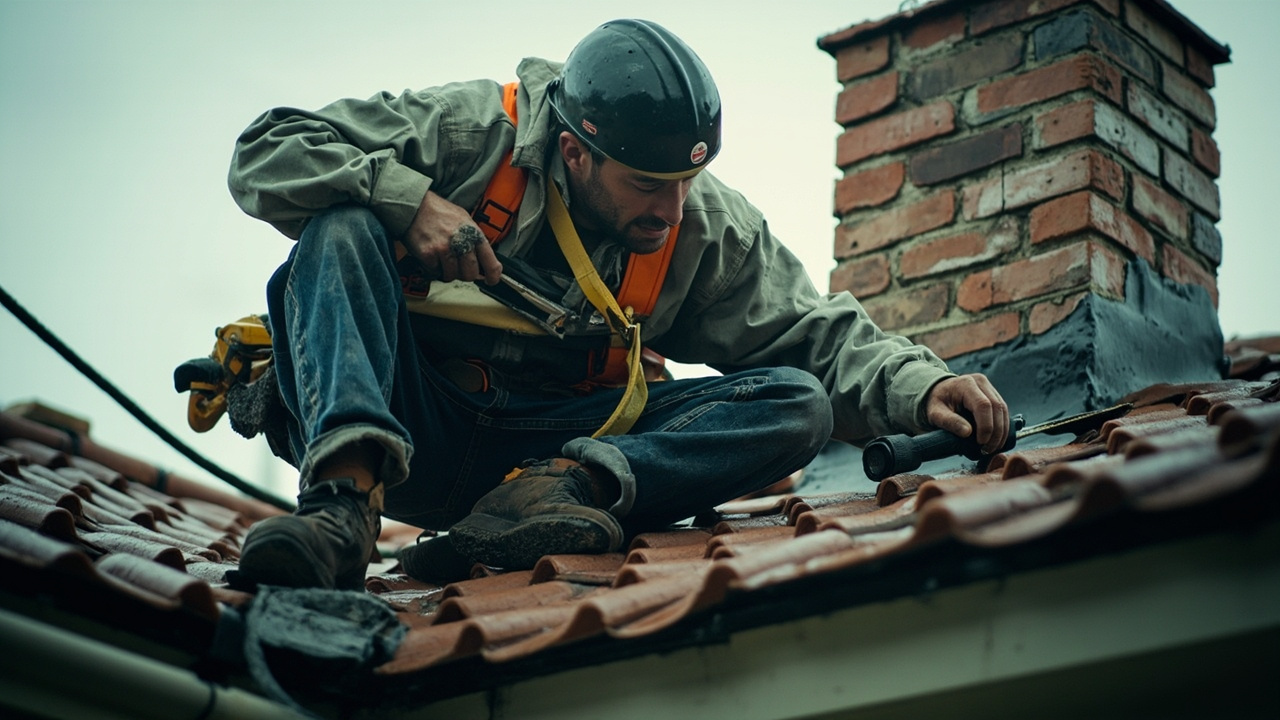
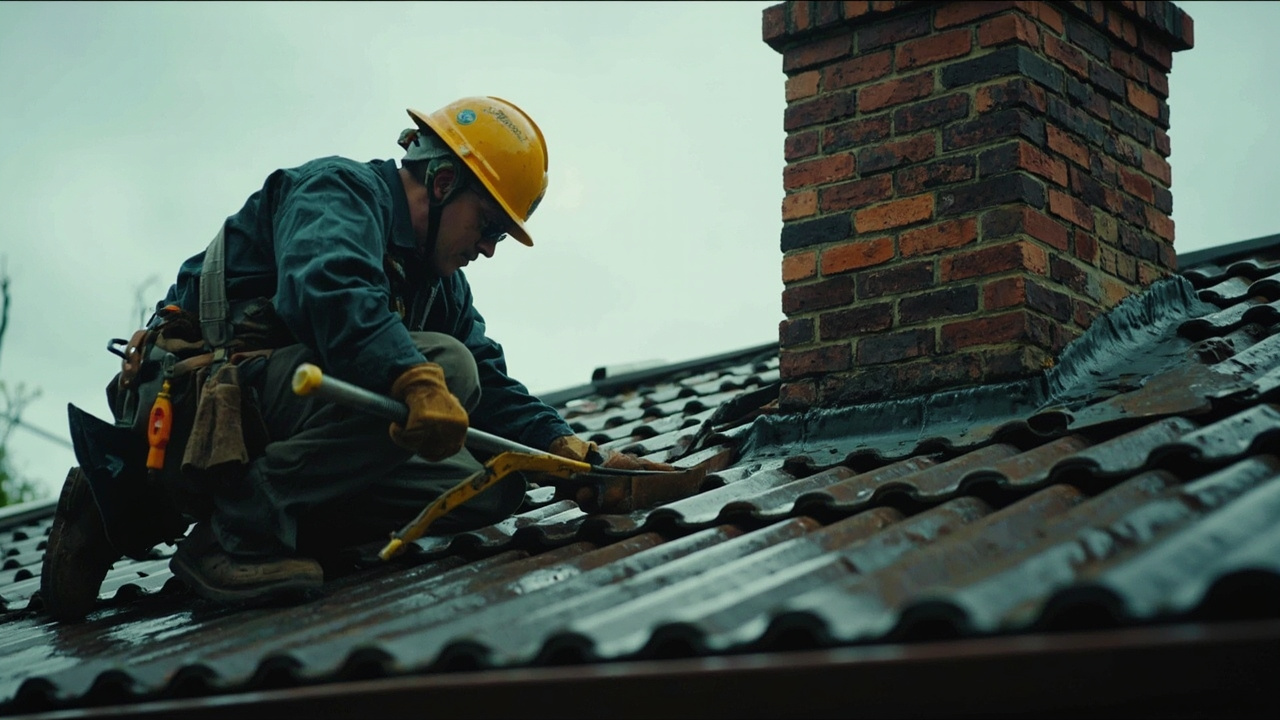
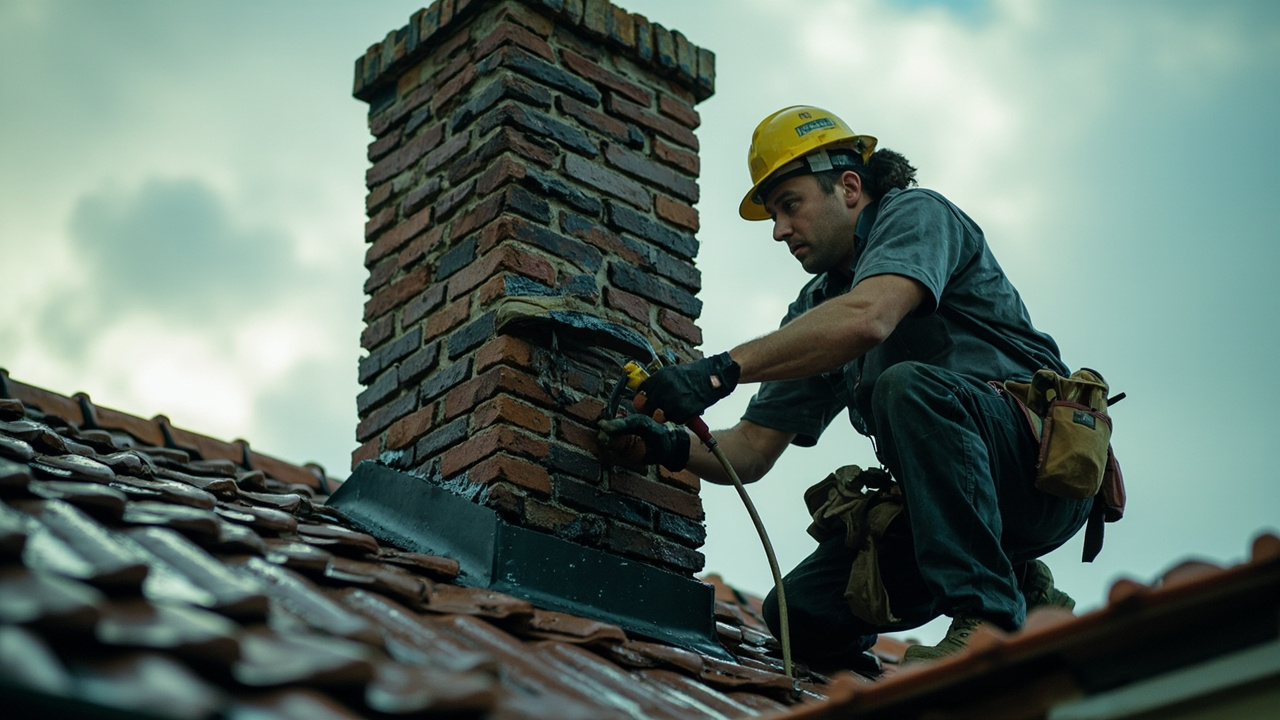
When your chimney is leaking during a storm or after heavy rain, you need immediate chimney leak emergency repair in New Orleans to prevent ceiling damage, mold growth, and structural failure before the next downpour hits.

Slider Image 1
Slider Image 2
Slider Image 3
Slider Image 4
Slider Image 5
Slider Image 7
Slider Image 8
Slider Image 9
Slider Image 10
Slider Image 11

Why Chimney Leaks Turn into Emergencies Fast in New Orleans

You see water stains spreading across your ceiling. You hear dripping inside the walls near the chimney. You smell that sour, musty odor that means water is sitting where it should not be. A leaking chimney is not a problem you can wait on in New Orleans.

Our subtropical climate creates the perfect storm for chimney water intrusion. We get 62 inches of rain per year, most of it dumped in sudden, violent afternoon thunderstorms that test every vulnerable joint in your chimney system. When crown mortar cracks or flashing pulls away from the roofline, water does not trickle in. It pours.

The humidity here compounds the problem. Once water enters through a compromised chimney, it does not evaporate quickly. It soaks into wooden framing members, ceiling drywall, and insulation. Within 48 hours, mold begins colonizing these damp materials. Within a week, you are looking at rotted roof decking and compromised structural integrity around the chimney chase.

Urgent chimney leak repair is critical because every hour of delay allows more water to infiltrate your home. Emergency leaking chimney fix services exist for this exact scenario. You need immediate chimney water leak services the moment you notice active dripping or fresh water stains. Our 24/7 chimney leak repair team responds within 90 minutes because same day leaking chimney repair is not a luxury in this climate. It is damage control.

The longer water sits inside your roof assembly, the more expensive the repair becomes. What starts as a flashing issue becomes a rotten rafter replacement. What begins as a crown crack becomes a full chimney rebuild. Speed matters.

Why Chimney Leaks Turn into Emergencies Fast in New Orleans
How We Stop Chimney Leaks and Prevent Future Water Intrusion

How We Stop Chimney Leaks and Prevent Future Water Intrusion

We do not patch over symptoms. We identify the exact entry point and fix it correctly the first time.

Most chimney leaks originate from one of four failure points. The chimney crown, which caps the masonry structure, develops shrinkage cracks over time. These hairline fissures expand during freeze-thaw cycles and allow water to penetrate directly into the chimney stack. We remove failed crown material and pour a new reinforced concrete crown with proper overhang and drip edge.

Step flashing, which integrates the chimney into the roofline, fails when caulk dries out or when the metal corrodes. We see this constantly in New Orleans because our humid, salt-laden air accelerates metal oxidation. We remove the old flashing system completely, install new corrosion-resistant step flashing, and counterflash it properly into the mortar joints. No caulk. No shortcuts.

The chimney chase cover, common on factory-built fireplaces, rusts through in our climate. Water pools on top and seeps through pinholes in the galvanized metal. We replace these with stainless steel or copper chase covers that will outlast the house.

Mortar joints between bricks deteriorate through a process called spalling. Water enters the porous brick, freezes during our occasional hard freezes, and blows out chunks of mortar. We repoint compromised joints with Type N mortar matched to your existing chimney.

We also inspect the flue cap and damper assembly. A missing or damaged rain cap allows direct water entry down the flue. We install stainless steel multi-flue caps with integrated spark arrestors.

Our process includes thermal imaging to detect hidden moisture inside wall cavities. This technology shows us exactly how far water has traveled so we can address all affected areas during the emergency repair.

What Happens When You Call for Emergency Chimney Leak Repair

Chimney Leak Emergency Repair in New Orleans – 24/7 Dispatch Stops Water Damage Fast
01

Immediate Dispatch and Damage Assessment

We answer your call within three rings and dispatch a crew within 90 minutes. The first priority is stopping active water entry using emergency tarping or temporary flashing until we can execute a permanent repair. Our technician uses moisture meters and thermal imaging to map the full extent of water penetration and documents everything for your insurance claim.
02

Source Identification and Repair Plan

Once the leak is temporarily controlled, we perform a complete chimney inspection from crown to foundation. We identify every point of failure, whether it is deteriorated flashing, spalled mortar joints, or a cracked crown. You receive a detailed repair plan with photos showing exactly what failed and why. We explain the scope before we start permanent repairs.
03

Permanent Repair and Waterproofing

We execute the permanent fix using materials rated for the Gulf Coast climate. New flashing is installed according to NRCA standards with proper lap joints and counterflashing. Crowns are poured with fiber-reinforced concrete and sealed. Mortar joints are repointed to match existing profiles. We finish with breathable masonry sealer that repels water while allowing vapor transmission so your chimney does not trap moisture inside.

Why New Orleans Homeowners Call Heritage Roofing for Chimney Emergencies

When water is actively pouring into your home through a failed chimney, you need a crew that understands both roofing systems and masonry structures. Most roofers do not touch chimneys. Most masons do not understand roof flashing integration. We do both.

Heritage Roofing New Orleans has repaired chimney leak emergencies in every neighborhood from Lakeview to the Garden District. We know the architectural variations across the city. We have repointed mortar on 1890s Creole cottages in the Marigny, replaced chase covers on 1970s ranches in New Orleans East, and rebuilt crowns on mid-century brick chimneys in Metairie.

We understand the local building code requirements for chimney flashing and cricket installation. Orleans Parish requires specific flashing details in high-wind zones, and we follow those standards on every repair. Our work passes inspection the first time because we know what the inspectors are looking for.

Our crews are equipped with the materials this climate demands. We stock stainless steel flashing that will not rust out in three years. We use Type N mortar that matches the compressive strength of historic brick. We carry fiber-reinforced crown mix that can withstand our thermal cycling.

We also understand the insurance claims process. Most chimney leaks involve homeowner policies, and we provide the documentation adjusters need. You get itemized repair scopes, time-stamped photos of the damage, and material specifications that support your claim. We work directly with adjusters to expedite approvals so repairs happen fast.

You also get straight answers. If your chimney crown has failed because of poor original construction, we tell you. If the previous repair used incorrect materials, we explain why it failed. If the leak is coming from the roof valley above the chimney rather than the chimney itself, we identify that and fix the actual source.

What You Can Expect During Emergency Chimney Leak Repair

Response Time and Availability

We operate 24 hours a day, 7 days a week, 365 days a year. When you call our emergency line, you reach a live person who can dispatch a crew immediately. During active storms, we prioritize calls based on severity. If you have water actively entering your home, you move to the front of the queue. Our average response time is 90 minutes from your call to arrival on site. We carry emergency tarps, fasteners, and temporary flashing materials on every truck so we can stop the leak immediately while we prepare for permanent repairs.

Inspection and Diagnosis Process

Our technicians perform a systematic top-to-bottom chimney inspection using moisture meters, thermal imaging cameras, and visual assessment. We check the crown for cracks, the flashing for separation or corrosion, the mortar joints for spalling, and the chase cover for rust-through. We inspect the attic space around the chimney for water stains, mold growth, and structural damage to rafters or decking. You receive a written assessment with photos showing every deficiency. We explain what failed, why it failed, and what needs to happen to fix it permanently.

Quality of Repair Work

We use commercial-grade materials rated for coastal environments. Flashing is installed per NRCA guidelines with proper step and counterflashing integration. Mortar joints are repointed to the correct depth and tooled to match the existing profile. Chimney crowns are poured with fiber-reinforced concrete, minimum 2-inch thickness, with a 2-inch overhang and integral drip edge. Chase covers are fabricated from stainless steel or copper with hemmed edges and soldered corners. Every repair is designed to outlast the next 20 years of Gulf Coast weather.

Follow-Up and Preventive Maintenance

After emergency repairs are complete, we schedule a follow-up inspection after the next significant rain event to verify the leak is fully resolved. We provide a detailed maintenance plan outlining when to reseal the crown, when to inspect flashing, and what warning signs to watch for. Many clients enroll in our annual roof and chimney inspection program, which catches small issues before they become emergency leaks. You also receive care instructions for your specific chimney type, including guidance on when to apply breathable masonry sealer.

Frequently Asked Questions

You Have Questions,
We Have Answers

Who to call if your chimney is leaking? +

Call a licensed roofing contractor who specializes in chimney repairs immediately. Do not wait. Water entering around your chimney damages wood framing, insulation, and ceilings fast, especially in New Orleans where high humidity accelerates rot and mold growth. You need someone who can diagnose if the issue is failed flashing, crown damage, or deteriorated masonry. Look for contractors experienced with heavy rain conditions common to Southeast Louisiana. A qualified roofer will tarps the area, identify the source, and stop water intrusion before structural damage worsens. Get 24/7 emergency service if water is actively dripping inside.

Is it normal for chimneys to leak during heavy rain? +

No. A properly sealed chimney should never leak, even during New Orleans thunderstorms or tropical downpours. If water enters during heavy rain, your chimney flashing is compromised, the crown is cracked, or masonry mortar has failed. New Orleans sees over 60 inches of rain yearly, so chimneys must be watertight. Leaks during storms signal urgent failure points. The longer you ignore it, the worse the damage becomes. Water infiltration leads to attic rot, ceiling stains, and mold colonization in your walls. Stop the leak now before the next storm hits.

Will insurance cover a leak around a chimney? +

It depends on the cause. Homeowners insurance covers chimney leaks caused by sudden, accidental damage like storm winds tearing flashing or fallen tree limbs damaging the crown. Insurance does not cover leaks from deferred maintenance, gradual wear, or aging masonry. Document everything with photos and videos before repairs. In New Orleans, many chimneys suffer wind-driven rain damage during tropical storms, which insurers often cover. Call your adjuster immediately and get a professional inspection report. Do not admit neglect or guess at timelines when filing your claim. Let the evidence speak.

How much does it cost to fix a leak around a chimney? +

Repair costs vary widely based on damage severity and access difficulty. Minor flashing repairs may run a few hundred dollars. Complex jobs involving crown rebuilds, masonry repointing, or structural framing replacement cost significantly more. New Orleans homes, especially older properties near the French Quarter or Uptown, often have multi-story chimneys requiring scaffolding, which increases labor costs. Hidden damage inside walls or attics also drives up final bills. Get a detailed inspection first. Never accept vague estimates. Ask for itemized pricing that breaks down materials, labor, and emergency service fees before authorizing work.

How much does it cost to fix a chimney leak? +

Chimney leak repair costs depend on the failure point. Flashing replacement is less expensive than crown reconstruction or masonry repointing. Emergency service rates apply if you need immediate tarping and water diversion during active leaks. In New Orleans, older homes with brick chimneys often face moisture-related mortar deterioration due to humidity, which requires more extensive repointing work. Hidden interior damage like rotted rafters or soaked insulation adds to repair scope. Get a thorough inspection that identifies all damage, not just surface issues. Fixing only visible problems leaves you vulnerable to repeat failures during the next storm.

How much does it cost to seal up a chimney? +

Chimney sealing costs vary based on the method and chimney height. Professional waterproofing applications, crown sealing, and cap installation each have different price points. New Orleans chimneys endure extreme humidity and salt-laden air from the Gulf, so proper sealing materials matter. Cheap sealants fail quickly in this climate. A complete seal includes crown repair, flashing inspection, masonry waterproofing, and cap replacement if needed. Tall chimneys on multi-story homes near Audubon or the Garden District require scaffolding, increasing costs. Get multiple quotes but prioritize quality materials rated for high-moisture environments over the cheapest bid.

How much does it cost to repair a chimney base? +

Chimney base repair costs depend on damage extent and foundation issues. If the base shows cracks, shifting, or water infiltration, you may need masonry reconstruction, foundation stabilization, or drainage correction. New Orleans sits on clay soil that expands and contracts with moisture changes, causing differential settlement that cracks chimney bases. Homes in Mid-City or Gentilly often face these soil-related issues. Repairs may involve underpinning, mudjacking, or complete base reconstruction. Do not ignore base damage. A compromised foundation destabilizes the entire chimney structure, creating collapse risk and severe water intrusion into your home.

What to do if water leaks around your chimney? +

Act immediately. Place buckets to catch dripping water and move furniture and valuables away from the leak zone. Call an emergency roofing contractor who can tarp your chimney and stop active water intrusion within hours. Do not go on your roof during storms. Document the leak with photos and videos for insurance purposes. In New Orleans, waiting until morning can mean significant additional damage due to high humidity accelerating mold growth. Get professional diagnostics to identify if flashing, crown, or masonry failed. Temporary fixes fail. You need permanent repairs before the next rain event hits.

How serious is a chimney leak? +

Extremely serious. Chimney leaks cause structural damage, mold growth, electrical hazards, and ceiling collapse if ignored. Water travels along framing members, soaking insulation and drywall far from the visible leak point. In New Orleans, high humidity means wet materials never fully dry, creating permanent mold colonies within 48 hours. Leaks also rot roof decking, rafters, and wall studs, requiring costly structural repairs. Electrical wiring in walls becomes a shock and fire hazard when wet. What starts as a small drip becomes a multi-thousand-dollar restoration project fast. Stop the water now.

What not to say during a home insurance claim? +

Never say you knew about the problem for months, that you skipped maintenance, or that damage happened gradually over time. Do not guess at dates or admit you ignored warning signs. Avoid saying the chimney was old or that you expected it to fail eventually. Insurance covers sudden, accidental damage, not neglect. Stick to facts. Report when you first noticed active water intrusion. Provide photos and timeline documentation without speculation. Do not exaggerate or minimize damage. Let your contractor's inspection report provide technical details. Your job is to report the incident accurately without volunteering information that suggests deferred maintenance.

How New Orleans Storms and Humidity Accelerate Chimney Deterioration

New Orleans receives more than 62 inches of rain annually, most of it delivered in intense convective storms that dump several inches in under an hour. These sudden deluges test every vulnerable seam in your chimney system. When crown mortar has hairline cracks or flashing has pulled away even slightly from the roofline, water does not seep in gradually. It floods in. The combination of driving rain and high humidity means materials stay wet longer, accelerating corrosion of metal components and promoting spalling in brick and mortar. Our freeze-thaw cycles, though infrequent, cause additional damage when water trapped in porous masonry expands during hard freezes. This is why urgent chimney leak repair and 24/7 chimney leak repair services are critical in this climate.

Heritage Roofing New Orleans has been repairing chimney leaks across Orleans, Jefferson, and St. Tammany Parishes for years. We understand the specific building codes that govern chimney flashing and cricket installation in high-wind coastal zones. We have worked on the full range of local architectural styles, from historic brick chimneys on Creole cottages to prefabricated metal chimneys on post-Katrina rebuilds. Our crews know which materials hold up in our salt air and which fail prematurely. We maintain relationships with local building inspectors and insurance adjusters, which streamlines approvals and gets your home sealed up faster. When you need immediate chimney water leak services, you need a contractor who knows this city.

Roofing Services in The New Orleans Area

Our dedicated team is proud to serve the entire area, bringing our legacy of quality roofing services directly to your neighborhood. Whether you need a simple repair, a full-scale replacement, or an urgent inspection, you can find us easily on the map below. We are committed to being your local roofing partner, delivering expert solutions right where you are. We look forward to working with you to protect your most valuable asset—your home.Our dedicated team is proud to serve the entire area, bringing our legacy of quality roofing services directly to your neighborhood. Whether you need a simple repair, a full-scale replacement, or an urgent inspection, you can find us easily on the map below. We are committed to being your local roofing partner, delivering expert solutions right where you are. We look forward to working with you to protect your most valuable asset—your home.

Address:
Heritage Roofing New Orleans, 3308 Tulane Ave, New Orleans, LA, 70119

Additional Services We Offer

Our news updates

Latest Articles & News from The Blogs

The 10 Critical Questions That Could Save Your New Orleans Home Roofing in New Orleans isn't just about shingles and…

Questions You Must Ask a New Orleans Roofer Before Signing a Contract

The 10 Critical Questions That Could Save Your New Orleans Home Roofing in New Orleans isn't just about shingles and…

Restoring the Intricate Turrets and Gables on Victorian Homes in the Holy Cross District

Restoring the Intricate Turrets and Gables on Victorian Homes in the Holy Cross District The Holy Cross District in New…

Is Stone Coated Steel the Right Choice for Your Slidell Waterfront Property?

Is Stone Coated Steel the Right Choice for Your Slidell Waterfront Property? Living along the water in Slidell comes with…

Contact Us

Every hour you wait, water spreads deeper into your roof structure. Call Heritage Roofing New Orleans now at (504) 355-3444 for emergency chimney leak repair. We dispatch within 90 minutes and stop the damage immediately.