





menu

TPO Roofing Installation in New Orleans – Zero Downtime, Full Compliance, Built for Gulf Coast Weather

First Choice Roofing Atlanta delivers commercial TPO membrane roofing systems engineered to withstand New Orleans's heat, humidity, and hurricane-force winds while keeping your facility operational throughout installation.

Slider Image 1
Slider Image 2
Slider Image 3
Slider Image 4
Slider Image 5
Slider Image 7
Slider Image 8
Slider Image 9
Slider Image 10
Slider Image 11

Why New Orleans Commercial Buildings Demand Thermoplastic Polyolefin Installation

New Orleans commercial properties face a brutal combination of environmental stressors that destroy conventional flat roofing systems in less than a decade. The subtropical climate delivers relentless UV exposure, thermal cycling that expands and contracts roofing membranes daily, and summer temperatures that exceed 95 degrees for months. Add in the Gulf Coast's hurricane season, torrential rain events that dump inches in hours, and ambient humidity above 75 percent year-round, and you have conditions that accelerate membrane degradation, seam failure, and ponding water issues.

Single-ply TPO roofing solves these problems through heat-welded seams that create watertight bonds stronger than the membrane itself. Unlike adhesive-based systems that fail in high heat or mechanical fasteners that create penetration points, commercial TPO roof systems use hot-air welding to fuse overlapping sheets into a monolithic barrier. The white reflective surface reduces cooling loads by up to 30 percent in buildings without adequate insulation, directly impacting your operating expenses during New Orleans's extended cooling season.

TPO flat roof installation also meets South Louisiana wind uplift requirements when properly ballasted or mechanically attached to the deck. The membrane's flexibility prevents cracking during temperature swings, while its resistance to mold, algae, and bacterial growth addresses the moisture-heavy conditions that plague the greater New Orleans metro. For warehouses, retail centers, and industrial facilities operating on tight margins, Thermoplastic Polyolefin installation delivers the longest service life per dollar invested in roofing infrastructure.

Why New Orleans Commercial Buildings Demand Thermoplastic Polyolefin Installation
How We Execute Commercial TPO Membrane Roofing Without Disrupting Operations

How We Execute Commercial TPO Membrane Roofing Without Disrupting Operations

First Choice Roofing Atlanta stages TPO roof systems to minimize tenant disruption and maintain business continuity. We begin with infrared moisture scanning and core sampling to map wet insulation, then coordinate tear-off schedules around your operational hours. For facilities that cannot shut down, we phase the project into sections, maintaining weathertight protection over active areas while we strip and replace compromised zones.

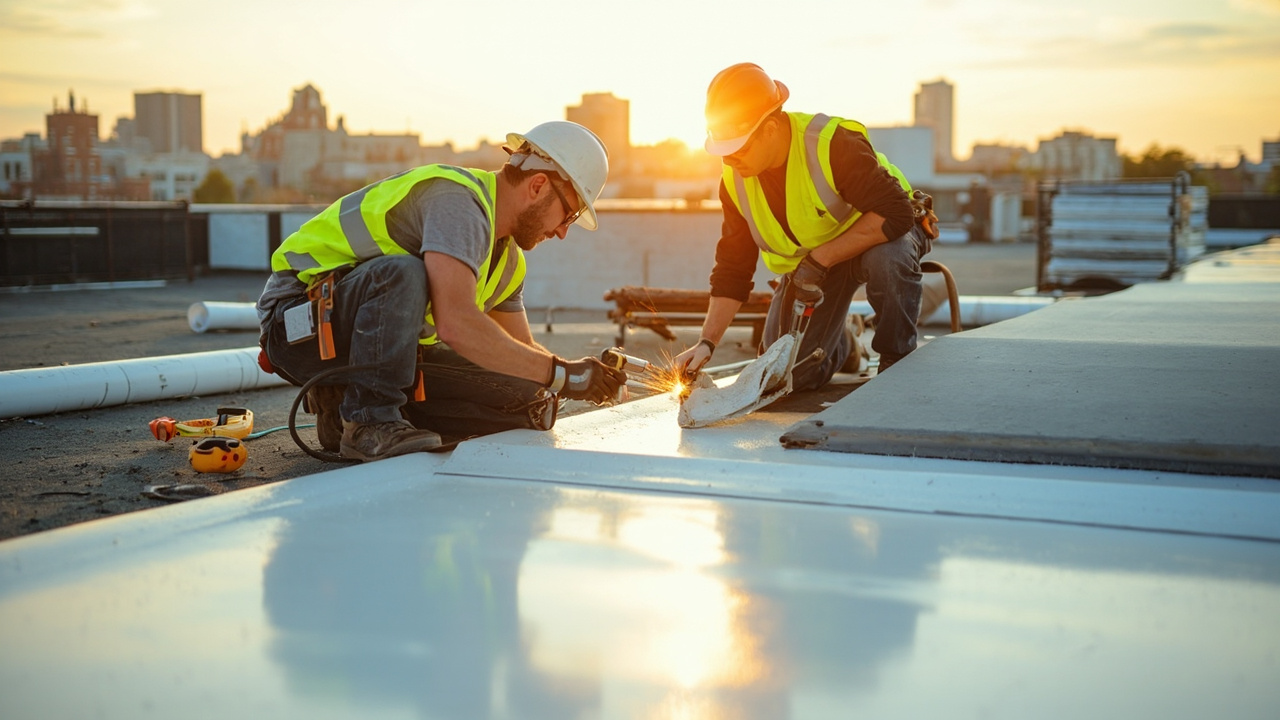
Our crews install rigid polyisocyanurate insulation over the existing deck to meet current energy codes, then mechanically fasten the TPO membrane using plates and fasteners rated for New Orleans's 140 mph wind zone requirements. We space fasteners according to field-of-roof, perimeter, and corner load calculations, not generic spacing charts. Every seam receives a minimum six-inch overlap, welded at 900 degrees Fahrenheit using calibrated hot-air guns, then tested with a probe to verify complete fusion.

Flashing details receive extra attention in our TPO installations. We fabricate custom termination bars for parapet walls, pre-molded inside and outside corners for penetrations, and reinforced boots for HVAC curbs and vent stacks. Each termination point gets mechanically fastened, then sealed with lap sealant compatible with the TPO formulation. We avoid generic caulks that break down under UV exposure or thermal movement.

The final phase includes installing walkway pads at high-traffic areas, tapered crickets to eliminate ponding zones, and overflow scuppers sized to handle New Orleans's intense rainfall rates. We document fastener pull tests, seam weld tests, and provide you with as-built drawings showing insulation R-values, attachment methods, and warranty-required photographs for your facility records.

What Happens During Your TPO Roof Replacement

TPO Roofing Installation in New Orleans – Zero Downtime, Full Compliance, Built for Gulf Coast Weather
01

Pre-Construction Assessment and Staging

We conduct a comprehensive roof survey using infrared thermography to identify saturated insulation, then pull core samples to verify deck condition and existing assembly composition. Our project manager maps your building's operational schedule, loading dock access, and any areas requiring uninterrupted protection. We submit permit applications to the City of New Orleans Department of Safety and Permits, coordinate material deliveries to avoid disrupting your parking or shipping areas, and establish debris chutes and protection protocols before any tear-off begins.
02

Membrane Installation and Welding

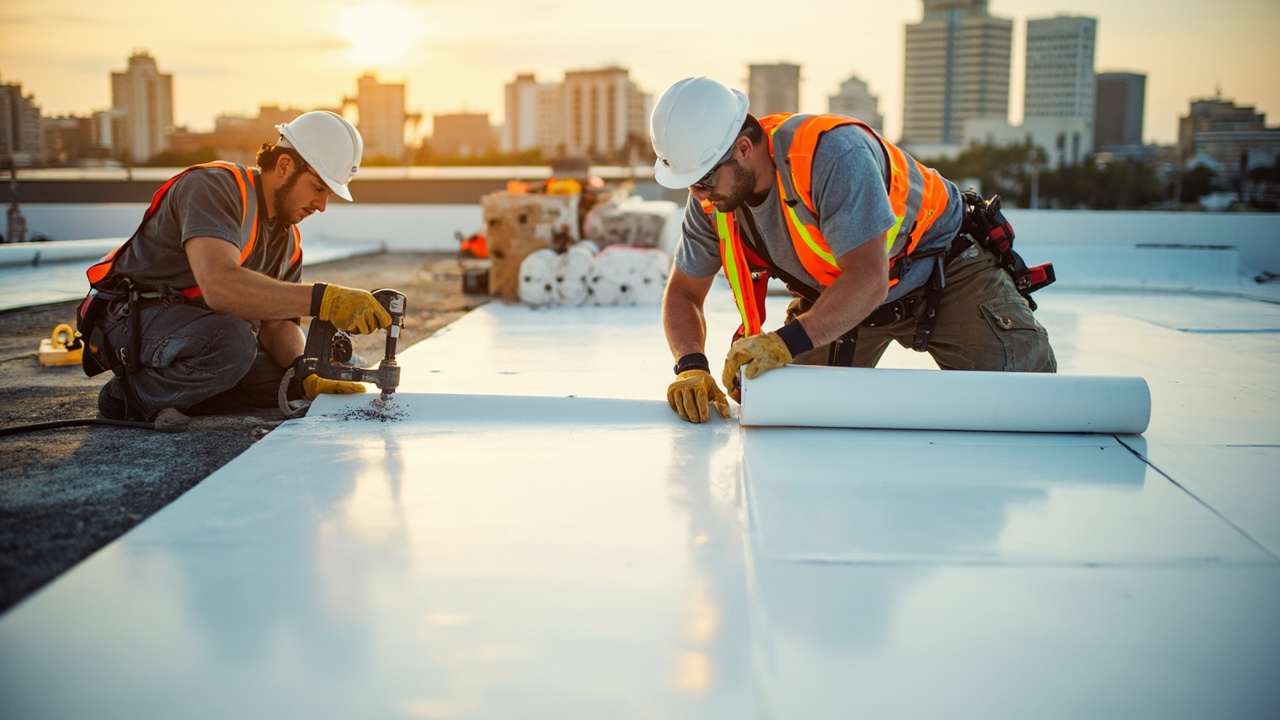
Our certified installers roll out TPO membrane in alignment with your building's layout to minimize seams and reduce potential failure points. We mechanically fasten the membrane using calculated attachment density based on your building height, roof area, and corner zone classifications. Each seam receives hot-air welding at controlled temperatures, followed by immediate probe testing to confirm bond integrity. We install prefabricated accessories at all penetrations, terminate edges with mechanically fastened bars, and apply compatible sealants at every vulnerable transition point to eliminate water intrusion pathways.
03

Quality Verification and Documentation

Before we demobilize, our crew performs a full roof walk to inspect every seam, flashing detail, and drainage path. We conduct water testing on critical areas, verify that all fasteners meet pull-test specifications, and confirm that the completed assembly matches the submitted engineering calculations. You receive a comprehensive closeout package including material certifications, installation photographs keyed to a roof plan, fastener density maps, and the manufacturer's warranty documentation. We also provide a maintenance guide outlining quarterly inspection points and recommended service intervals to maximize your system's lifespan.

Why New Orleans Facility Managers Choose Heritage Roofing for Commercial TPO Projects

Heritage Roofing New Orleans understands the operational realities of commercial properties in Jefferson Parish, Orleans Parish, and St. Tammany Parish. We have installed TPO roof systems on warehouses in the Port of New Orleans industrial corridor, retail centers in Metairie, and distribution facilities in Kenner. We know that your building cannot shut down for weeks while we re-roof, so we schedule work in phases that keep your operations running without compromising installation quality.

Our project managers are familiar with City of New Orleans building permit requirements, including the supplemental documentation needed for structures in flood zones and the wind load calculations required for post-Katrina construction standards. We pull permits, schedule inspections, and ensure that your completed roof meets the International Building Code provisions adopted by Louisiana. This eliminates the risk of failed inspections that delay your certificate of occupancy or create liability issues with your insurer.

We also recognize that New Orleans's below-sea-level elevation and high water table create unique drainage challenges. Our crews design tapered insulation layouts that direct water to scuppers and drains, eliminating the ponding water that accelerates membrane degradation and creates interior leaks. We size overflow drains to handle the city's intense rain events, preventing water backup that can overload your primary drainage system during summer thunderstorms.

First Choice Roofing Atlanta maintains relationships with TPO manufacturers, allowing us to secure material allocations during supply shortages and access technical support when complex details require engineering input. You get the benefit of factory-trained installers who follow manufacturer specifications exactly, protecting your warranty and ensuring that your roof performs as designed throughout its expected service life.

What to Expect from Your Commercial TPO Roof Installation

Project Timeline and Phasing

A typical 20,000 square foot commercial TPO installation takes two to three weeks, depending on the existing roof condition and weather windows. We schedule tear-off and installation in sections to maintain weathertight protection over your facility at all times. For buildings that cannot tolerate any downtime, we work overnight shifts or weekend schedules to complete the project without disrupting your business hours. Our project manager provides a detailed schedule before work begins, with daily updates on progress and any adjustments needed due to weather delays or unforeseen substrate conditions discovered during tear-off.

Pre-Installation Roof Survey

We start every project with a comprehensive roof assessment that includes infrared moisture detection, core sampling to verify deck type and insulation condition, and a structural evaluation to confirm that your building can support the new assembly's weight. Our estimator photographs every penetration, parapet condition, and drainage point, then provides a written scope of work detailing exactly what we will replace, repair, or reuse. This eliminates surprise change orders and ensures that you understand the full scope before we mobilize. We also identify code upgrades required by current building standards, so you can budget for any necessary improvements.

Finished Roof Performance

Your completed TPO roof system will feature heat-welded seams tested to confirm watertight integrity, mechanically fastened membrane attached to meet New Orleans wind uplift requirements, and flashing details that prevent water intrusion at every vulnerable transition. The white reflective surface will reduce your cooling load during summer months, lowering energy costs and improving tenant comfort. Properly installed tapered insulation eliminates ponding water, extending membrane life and preventing the interior leaks that damage inventory and disrupt operations. You receive a roof system engineered to withstand Gulf Coast weather while meeting all current building codes and manufacturer specifications.

Warranty and Maintenance Support

We provide manufacturer warranties on materials and workmanship warranties on installation quality. The specific warranty length depends on the TPO formulation and attachment method you select, with options ranging from 10 to 20 years. We also offer maintenance programs that include biannual inspections, drain cleaning, and minor repairs to address issues before they escalate into major leaks. Our maintenance techs document roof conditions with photographs and written reports, creating a service history that satisfies insurance underwriters and helps you budget for future capital improvements. Regular maintenance also preserves your warranty coverage by demonstrating proper care of the roofing system.

Frequently Asked Questions

You Have Questions,
We Have Answers

What are the disadvantages of TPO roofing? +

TPO roofing has three main disadvantages for commercial properties in New Orleans. First, seam failures occur when installers lack experience with heat-welding techniques, which is common in humid conditions. Second, membrane punctures happen more easily than EPDM during service traffic or hail events. Third, TPO degrades faster under intense UV exposure combined with high humidity, typical in the Gulf Coast climate. The material also becomes brittle over time, particularly in older formulations. Installation quality matters more than material cost. Ensure your contractor has verifiable TPO installation experience in Louisiana's climate before signing contracts.

What goes under a TPO roof? +

A proper TPO roof system in New Orleans requires multiple layers over the structural deck. The base layer is rigid insulation board, typically polyisocyanurate, which provides thermal resistance and creates a stable surface. A cover board, often gypsum or high-density polyiso, sits above the insulation to protect against punctures and distribute loads. The TPO membrane is the final waterproofing layer. This assembly must account for high humidity and frequent wind-driven rain in the New Orleans metro. Some specifications include a vapor retarder below insulation to prevent moisture accumulation in the roof assembly during cooling seasons.

Should TPO roofing be glued down? +

Gluing down TPO roofing depends on building height, wind exposure, and code requirements in New Orleans. Fully adhered systems use bonding adhesive across the entire membrane, providing superior wind uplift resistance for buildings in hurricane zones. This method works well for low-slope commercial buildings near Lake Pontchartrain or exposed waterfront properties. Mechanically attached systems use fasteners and plates, which install faster but create more penetration points. Ballasted systems use gravel or pavers but require stronger structural capacity. For most commercial properties in New Orleans, fully adhered installation offers the best wind performance and meets local building codes.

Can you put TPO directly over plywood? +

You should not install TPO directly over plywood on commercial buildings in New Orleans. Building codes require proper insulation and cover board layers between the structural deck and membrane. Direct application over plywood creates thermal bridging, reducing energy efficiency in air-conditioned spaces. The plywood also expands and contracts with humidity changes, stressing seams and fasteners. Proper installation includes rigid insulation board for thermal performance and a cover board to protect the membrane from deck irregularities. This assembly prevents condensation issues common in humid climates and extends system lifespan. Code compliance requires professional design for commercial roof systems.

How New Orleans's Hurricane Exposure and Humidity Impact TPO Roof System Design

New Orleans sits in a high-velocity hurricane zone that requires commercial roofing systems to meet stringent wind uplift ratings, typically FM 1-90 or higher for buildings near the lakefront or in exposed coastal areas. TPO membrane roofing installed with mechanical fasteners and proper plate spacing can achieve these ratings when the attachment density matches engineered calculations for your specific building height and roof area. The city's extreme humidity also accelerates biological growth on roofing membranes, but TPO's inherent resistance to mold and algae prevents the surface degradation that shortens roof life in South Louisiana's moisture-heavy climate.

First Choice Roofing Atlanta works exclusively in the New Orleans metro and understands the local building department's permit process, inspection requirements, and the supplemental wind load documentation needed for structures in designated flood zones. Our familiarity with Orleans Parish and Jefferson Parish code officials streamlines approvals and prevents the delays that occur when out-of-town contractors submit incomplete applications. We also maintain relationships with local suppliers, ensuring material availability even during the post-storm demand spikes that create shortages and project delays for contractors dependent on national supply chains.

Roofing Services in The New Orleans Area

Our dedicated team is proud to serve the entire area, bringing our legacy of quality roofing services directly to your neighborhood. Whether you need a simple repair, a full-scale replacement, or an urgent inspection, you can find us easily on the map below. We are committed to being your local roofing partner, delivering expert solutions right where you are. We look forward to working with you to protect your most valuable asset—your home.Our dedicated team is proud to serve the entire area, bringing our legacy of quality roofing services directly to your neighborhood. Whether you need a simple repair, a full-scale replacement, or an urgent inspection, you can find us easily on the map below. We are committed to being your local roofing partner, delivering expert solutions right where you are. We look forward to working with you to protect your most valuable asset—your home.

Address:
Heritage Roofing New Orleans, 3308 Tulane Ave, New Orleans, LA, 70119

Additional Services We Offer

Our news updates

Latest Articles & News from The Blogs

The 10 Critical Questions That Could Save Your New Orleans Home Roofing in New Orleans isn't just about shingles and…

Questions You Must Ask a New Orleans Roofer Before Signing a Contract

The 10 Critical Questions That Could Save Your New Orleans Home Roofing in New Orleans isn't just about shingles and…

Restoring the Intricate Turrets and Gables on Victorian Homes in the Holy Cross District

Restoring the Intricate Turrets and Gables on Victorian Homes in the Holy Cross District The Holy Cross District in New…

Is Stone Coated Steel the Right Choice for Your Slidell Waterfront Property?

Is Stone Coated Steel the Right Choice for Your Slidell Waterfront Property? Living along the water in Slidell comes with…

Contact Us

Protect your facility and minimize downtime with a properly engineered TPO roof system. Call Heritage Roofing New Orleans at (504) 355-3444 to schedule a comprehensive roof assessment and receive a detailed proposal within 48 hours.