




menu

Winter Roof Maintenance Tips in New Orleans – Essential Cold Weather Protection for Louisiana's Freeze-Thaw Cycles

Protect your roof from New Orleans's unpredictable winter weather patterns with proven winter roof care strategies designed specifically for Louisiana's humid subtropical climate and occasional hard freezes.

Slider Image 1
Slider Image 2
Slider Image 3
Slider Image 4
Slider Image 5
Slider Image 7
Slider Image 8
Slider Image 9
Slider Image 10
Slider Image 11

Why New Orleans Roofs Face Unique Winter Challenges

Most people assume New Orleans winters are mild. That assumption costs homeowners thousands when temperature swings catch them unprepared.

New Orleans experiences freeze-thaw cycles that create more roof damage than consistent cold. When temperatures drop to freezing at night and climb back to 60 degrees by afternoon, trapped moisture expands and contracts inside roofing materials. This cycle forces water under shingles, separates flashing from chimneys, and cracks existing sealants.

The city's humidity compounds the problem. Moisture absorption during mild periods means your roof holds water when the next freeze arrives. That moisture turns to ice inside microscopic cracks, expanding them into serious leaks.

Preparing your roof for winter in New Orleans requires different strategies than northern climates. You are not defending against constant snow loads. You are protecting against rapid temperature changes that stress roofing materials designed for heat.

Live oak branches add another layer of complexity. Winter storms bring heavy rain and wind that drop limbs onto roofs across neighborhoods like Uptown and Mid-City. A comprehensive winter roof care guide for Louisiana addresses both weather patterns and the physical threats surrounding your home.

Winterizing your roof means examining vulnerable points before the first hard freeze. Once ice damage begins, repairs become exponential. A small crack in your valley flashing becomes a waterfall through your ceiling when freezing rain arrives.

The roof maintenance checklist for winter focuses on preventing moisture infiltration and eliminating stress points that fail during temperature swings. Every hour you spend on cold weather roofing upkeep saves you days of emergency repairs during the next freeze.

Why New Orleans Roofs Face Unique Winter Challenges
The Professional Approach to Winter Roof Preparation

The Professional Approach to Winter Roof Preparation

Effective winter roof maintenance starts with moisture mapping. We examine your attic ventilation to identify condensation patterns that indicate vulnerable areas. Poor ventilation traps warm, humid air that condenses on the underside of roof decking. When temperatures drop, that condensation freezes and damages sheathing.

Ridge vents and soffit vents need clear airflow paths. Spanish moss and debris block these openings across New Orleans roofs. We clear obstructions and verify your intake-to-exhaust ratio meets current building standards for this climate zone.

Flashing inspection requires removing sealant to check the metal condition underneath. Surface caulking often hides corrosion that fails when ice forms. We examine every flashing point around chimneys, skylights, and roof penetrations. Any separation wider than one-eighth inch gets refastened and sealed with cold-weather rated materials.

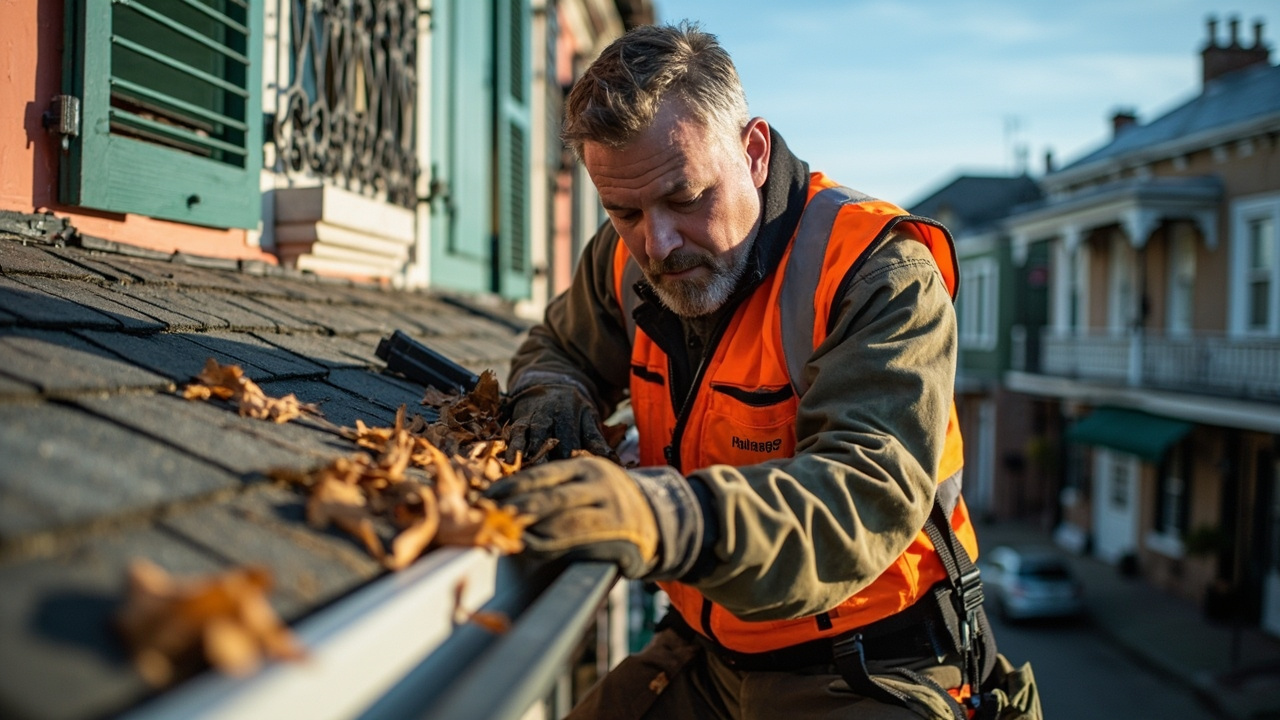
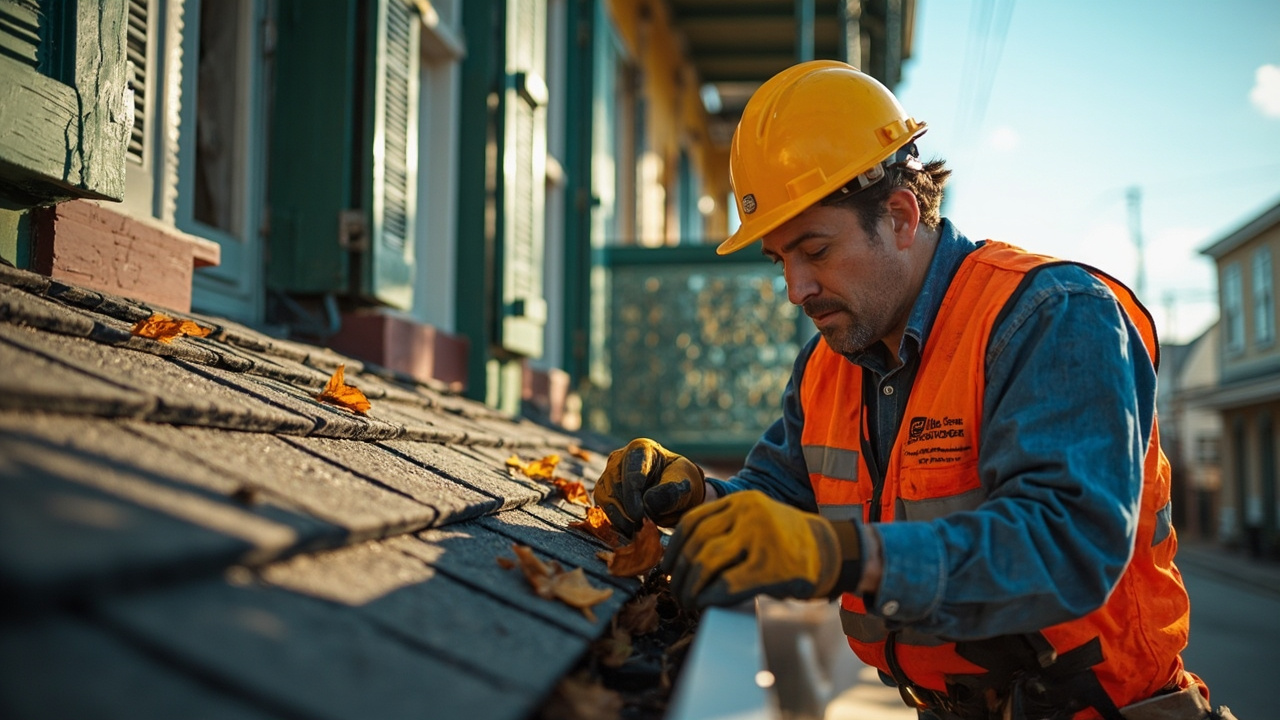
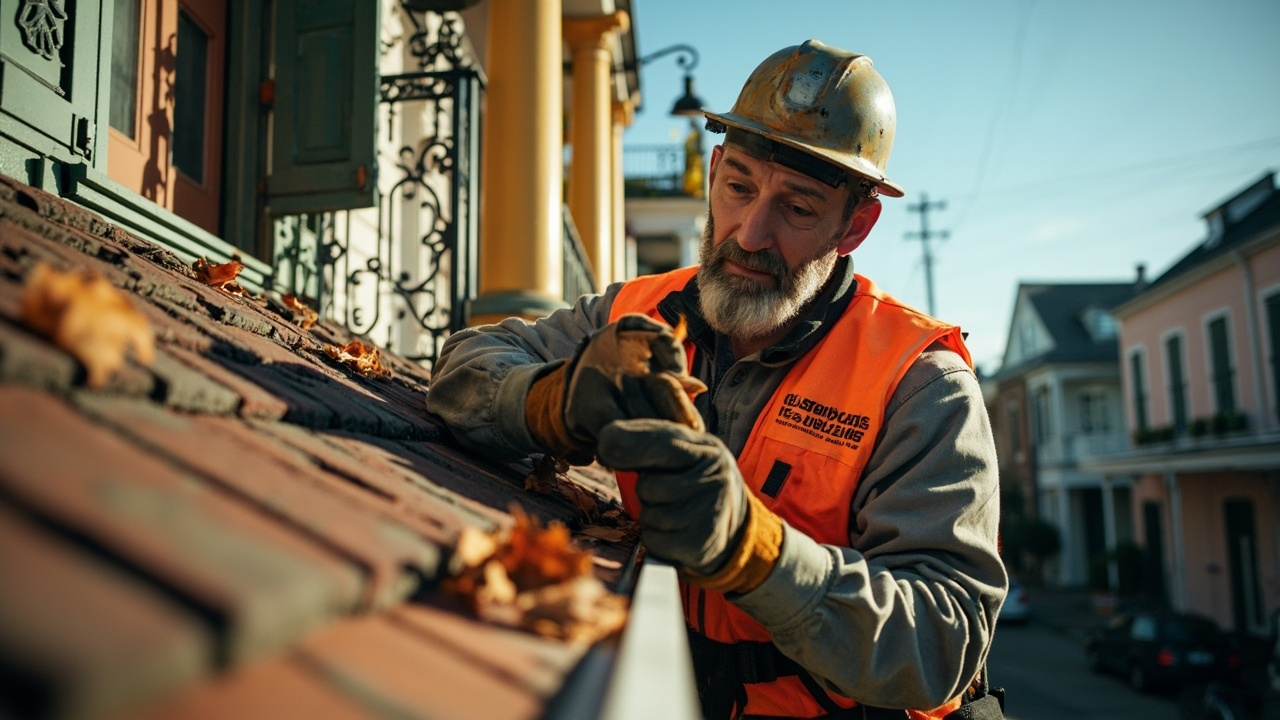
Your gutters and downspouts control water movement during freeze events. A clogged gutter forces water back under shingles where it freezes and expands. We verify downspout discharge points direct water at least six feet from your foundation. Clay soil around New Orleans shifts when saturated, creating settlement that affects roof structure.

Shingle assessment focuses on granule loss and seal integrity. Asphalt shingles rely on factory-applied adhesive strips to resist wind uplift. High heat during summer can prematurely age these seals. We identify shingles with broken seals before winter wind events tear them loose.

Tree trimming belongs in every winter maintenance plan. Branches should clear your roof by at least eight feet. Contact points wear through protective granules and create moisture traps. During inspections across Lakeview and Gentilly, we find most leak sources trace back to branch contact points that went unaddressed.

What Happens During Your Winter Roof Evaluation

Winter Roof Maintenance Tips in New Orleans – Essential Cold Weather Protection for Louisiana's Freeze-Thaw Cycles
01

Attic and Ventilation Analysis

Your evaluation begins inside the attic. We document moisture stains, check insulation condition, and measure ventilation airflow. Thermal imaging identifies temperature differentials that indicate missing insulation or air leaks. This interior assessment reveals problems before they become visible from outside. We photograph conditions and explain what normal attic environments should look like in New Orleans's climate.
02

Exterior Surface Inspection

We physically walk your roof to examine every surface. Binoculars miss the details that matter. Shingle mat integrity, fastener exposure, and sealant condition require hands-on assessment. We test flashing by carefully lifting edges to check fastener condition and underlying metal. Valley integrity gets special attention because these channels handle concentrated water flow. You receive specific documentation of every deficiency we identify during this examination.
03

Prioritized Repair Recommendations

You receive a written report separating urgent repairs from preventive maintenance items. Critical issues that will fail during the next freeze get flagged for immediate attention. Moderate concerns receive timeline recommendations. Minor maintenance items become part of your long-term roof care plan. This prioritization helps you make informed decisions about where to invest your maintenance budget for maximum protection during winter weather.

Why Local Roof Knowledge Matters in New Orleans

Roofing contractors from other regions miss the nuances that define New Orleans roof performance. Our winters require different preparation than Houston or Atlanta. The combination of high humidity, occasional hard freezes, and rapid temperature changes creates unique failure modes.

We understand how New Orleans building codes evolved after Hurricane Katrina. Wind uplift requirements changed. Fastener schedules increased. These code updates affect how we evaluate older roofs and recommend repairs. A roof installed in 2002 needs different maintenance than one built to current standards.

Historic district requirements add complexity to repairs in neighborhoods like the French Quarter and Garden District. Certain shingle profiles and colors require Architectural Review Committee approval. We navigate these requirements regularly and maintain relationships with the Historic District Landmarks Commission.

Local material availability affects repair timelines. We stock cold-weather sealants and fasteners rated for Louisiana's temperature ranges. National chains often carry products designed for different climate zones. Those materials fail prematurely in our humidity.

Our crews work through New Orleans winters. We know which days provide suitable conditions for different repair types. Sealant application requires specific temperature ranges and humidity levels. Shingle installation needs careful timing around precipitation. This local weather knowledge prevents callbacks from premature material failure.

Insurance claim experience matters when winter damage occurs. We document conditions that adjusters recognize as legitimate weather-related damage. Our familiarity with local carriers streamlines the claims process. You get repairs completed faster because we speak the language insurance companies understand.

Heritage Roofing New Orleans maintains relationships with local suppliers who prioritize our orders. When winter storms create material shortages, those relationships get your repairs completed while others wait for backorders.

What to Expect from Professional Winter Roof Maintenance

Service Timeline and Scheduling

Initial assessments take 45 to 90 minutes depending on roof size and complexity. We schedule evaluations during dry conditions when roof surfaces are safe to walk. You receive preliminary findings immediately after inspection. Written reports with photos arrive within 24 hours. Urgent repairs can begin the same week if materials are available. Preventive maintenance gets scheduled around your timeline and weather windows. We track approaching cold fronts and prioritize work ahead of freeze events. Most maintenance packages complete within one to two days of starting work.

The Evaluation Process Details

Your assessment includes interior attic inspection, exterior surface examination, and gutter system evaluation. We test attic ventilation with airflow meters and check insulation depth against current energy code requirements. Exterior inspection covers every flashing point, all penetrations, and complete shingle field assessment. We document granule loss percentages, check for exposed fasteners, and test sealant adhesion. Gutter inspection verifies slope, checks for separations at seams, and confirms downspout discharge points. You receive annotated photos showing exactly what we found and why it matters for winter protection.

Quality of Completed Work

All repairs meet current Louisiana building code requirements for wind resistance and water infiltration protection. Flashing installations use ice and water shield in vulnerable areas even though code does not require it in this climate zone. We apply this northern practice because freeze-thaw cycles create similar risks. Sealant applications use products rated for temperature ranges from 20 to 120 degrees. Shingle replacements match existing profiles and receive proper fastener counts for wind zone requirements. Every repair gets documented with before and after photos. You receive material documentation for insurance records and future reference.

Ongoing Maintenance Support

We provide written maintenance schedules customized to your roof type and condition. These schedules identify seasonal tasks that extend roof life and prevent emergency repairs. You receive reminders before weather events that require preparation steps. Our maintenance programs include annual inspections with priority scheduling during optimal weather windows. Any repairs completed carry documentation that transfers with property ownership. We maintain service records that help future inspections identify changes and track roof condition over time. Storm damage assessments receive priority response for existing maintenance customers.

Frequently Asked Questions

You Have Questions,
We Have Answers

What do roofers do in the winter time? +

Roofers in New Orleans stay busy during winter months performing inspections, repairs, and maintenance work. The milder temperatures make winter ideal for addressing damage from hurricane season, replacing worn shingles, and fixing flashing issues before spring storms arrive. Roofers also install new roofs, as the cooler, less humid conditions help adhesives cure properly. Winter is when many homeowners schedule preventive maintenance like gutter cleaning and debris removal. Commercial projects continue year-round. If you need roof work done, winter offers shorter wait times and flexible scheduling compared to peak storm seasons.

How to prepare your roof for winter? +

Start by clearing gutters and downspouts of leaves and debris to prevent water backup. Inspect shingles for cracks, curling, or missing pieces, especially after hurricane season. Check flashing around chimneys, vents, and skylights for gaps or rust. Trim overhanging oak and magnolia branches that could drop limbs during winter storms. Look for signs of moisture in your attic, which signals ventilation problems common in New Orleans humidity. Schedule a professional inspection to catch issues before our unpredictable winter weather causes leaks. Address small problems now before they become expensive repairs during the rainy season.

Should I put an ice and water shield on my entire roof? +

In New Orleans, you do not need ice and water shield across your entire roof. Our climate rarely produces ice dams, the main reason for full coverage in northern states. However, installing ice and water shield in vulnerable areas makes sense. Focus on valleys, eaves, and around penetrations like chimneys and vents where wind-driven rain can infiltrate during tropical storms. These waterproof membranes add an extra layer of protection against our heavy rainfall and hurricane conditions. Your roofer can recommend the right coverage based on your roof pitch, age, and exposure to severe weather.

What temperature is too cold for roofing? +

Asphalt shingles should not be installed when temperatures drop below 40 degrees Fahrenheit. The adhesive strips require warmth to bond properly. In New Orleans, this is rarely an issue since our winter temperatures typically stay in the 50s and 60s. However, cold snaps can happen. On chilly mornings, experienced roofers may wait until midday when the roof surface warms up. Metal roofing and repairs can often proceed in colder weather. Emergency repairs like tarping happen regardless of temperature. Our mild winters actually provide ideal roofing conditions compared to summer heat and humidity.

How to seal shingles in cold weather? +

In cold weather, shingle adhesive strips need help bonding. Hand-seal shingles by applying a dab of roofing cement under each tab, then pressing down firmly. This method works when temperatures drop below 50 degrees. For New Orleans winter conditions, you can also wait for a warmer afternoon when the sun heats the roof surface. Some roofers use a heat gun to warm the adhesive strip before pressing shingles down. Store shingles in a warm area before installation so they remain pliable. Proper sealing prevents wind uplift during winter storms that can peel back improperly bonded shingles.

Does roof Maxx really work? +

Roof Maxx is a soybean-based treatment that restores flexibility to aging asphalt shingles. It penetrates the shingle and replaces lost petroleum oils. Many homeowners report positive results, gaining 3-5 additional years from older roofs. However, it only works on shingles that still have granules and structural integrity. In New Orleans, where UV exposure and humidity age roofs quickly, Roof Maxx can delay replacement if applied before severe deterioration occurs. It cannot fix cracked, curling, or missing shingles. Consider it a maintenance option for roofs showing early aging signs, not a fix for roofs already failing.

Can I apply roof Maxx myself? +

You should not apply Roof Maxx yourself. The product requires specialized application equipment and training to ensure proper coverage and penetration. Certified applicators know how much product each roof section needs based on shingle age and condition. Improper application wastes money and provides no benefit. Walking on your roof also poses safety risks and can damage brittle shingles. In New Orleans, uneven application in our humid climate can create inconsistent results. Professional applicators also inspect your roof first to determine if the treatment will actually help or if replacement makes more financial sense.

How long can I leave a tarp on my roof? +

A tarp is a temporary emergency fix and should stay on your roof no longer than 90 days. In New Orleans humidity, trapped moisture under tarps can cause wood rot and mold growth quickly. Wind can also work tarps loose, creating more damage. After a hurricane or storm, get a permanent repair scheduled as fast as possible. Insurance companies expect timely repairs. If contractor delays stretch beyond a few months, re-secure or replace the tarp to prevent further damage. Tarps are not weatherproof solutions. They buy you time but should never replace actual roof repairs.

Should I insulate the underside of my roof? +

In New Orleans, insulating the underside of your roof depends on your attic type. For vented attics, insulate the attic floor instead to keep conditioned air inside your living space. This approach works better in our humid climate. For unvented or conditioned attics, spray foam insulation on the roof deck makes sense. It creates a thermal barrier and controls moisture. Proper ventilation matters more than insulation alone here. Trapped heat and humidity cause more problems than cold temperatures. Consult a roofing professional familiar with Louisiana building codes to determine the right insulation strategy for your specific home design.

What damages the roof the most? +

In New Orleans, wind and water cause the most roof damage. Hurricane-force winds lift shingles, tear off flashing, and send debris crashing into roofs. Heavy rainfall exploits even small gaps, causing leaks and wood rot. UV exposure breaks down shingles faster in our intense sun. High humidity promotes algae growth and mold. Falling limbs from oak and magnolia trees puncture shingles and damage gutters. Poor installation and deferred maintenance accelerate all these problems. Regular inspections after storm season help catch damage early. Proper ventilation and prompt repairs extend roof life in our challenging climate.

How New Orleans's Humid Subtropical Climate Affects Winter Roof Preparation

New Orleans sits in USDA hardiness zone 9a, which means average annual minimum temperatures range from 20 to 25 degrees. This temperature range creates deceptive conditions. Roofs absorb moisture during humid periods, then experience sudden freezes that turn that moisture into ice. The expansion forces water under shingles and separates flashing from vertical surfaces. Unlike northern climates where roofs stay frozen for months, New Orleans roofs experience repeated freeze-thaw cycles that accelerate deterioration. Each cycle compounds existing damage. Preparing your roof for winter means eliminating moisture entry points before the first freeze arrives. Once ice damage begins, repairs cost three to five times more than preventive maintenance.

Local building codes in Orleans Parish require specific wind resistance standards that affect maintenance procedures. Post-Katrina updates mandate higher fastener counts and enhanced edge securement. These requirements mean repairs must match current standards even on older roofs. Contractors unfamiliar with local code evolution often under-fasten repairs, creating future failure points. We maintain current certifications with Orleans Parish building officials and understand inspection requirements for permitted work. This local regulatory knowledge ensures repairs pass inspection the first time. For winter maintenance, code compliance matters because proper fastening prevents wind-driven rain infiltration during storms that accompany cold fronts moving through the region.

Roofing Services in The New Orleans Area

Our dedicated team is proud to serve the entire area, bringing our legacy of quality roofing services directly to your neighborhood. Whether you need a simple repair, a full-scale replacement, or an urgent inspection, you can find us easily on the map below. We are committed to being your local roofing partner, delivering expert solutions right where you are. We look forward to working with you to protect your most valuable asset—your home.Our dedicated team is proud to serve the entire area, bringing our legacy of quality roofing services directly to your neighborhood. Whether you need a simple repair, a full-scale replacement, or an urgent inspection, you can find us easily on the map below. We are committed to being your local roofing partner, delivering expert solutions right where you are. We look forward to working with you to protect your most valuable asset—your home.

Address:
Heritage Roofing New Orleans, 3308 Tulane Ave, New Orleans, LA, 70119

Additional Services We Offer

Our news updates

Latest Articles & News from The Blogs

The 10 Critical Questions That Could Save Your New Orleans Home Roofing in New Orleans isn't just about shingles and…

Questions You Must Ask a New Orleans Roofer Before Signing a Contract

The 10 Critical Questions That Could Save Your New Orleans Home Roofing in New Orleans isn't just about shingles and…

Restoring the Intricate Turrets and Gables on Victorian Homes in the Holy Cross District

Restoring the Intricate Turrets and Gables on Victorian Homes in the Holy Cross District The Holy Cross District in New…

Is Stone Coated Steel the Right Choice for Your Slidell Waterfront Property?

Is Stone Coated Steel the Right Choice for Your Slidell Waterfront Property? Living along the water in Slidell comes with…

Contact Us

Temperature swings start in December and continue through February. Every day you wait increases the chance of freeze damage. Call (504) 355-3444 now to schedule your evaluation. We identify problems before they become emergency repairs.