





menu

TPO vs EPDM Roofing Guide for New Orleans – Expert Comparison for Flat and Low-Slope Roofs

Get the technical breakdown you need to choose between thermoplastic polyolefin and rubber roofing systems for your commercial or residential flat roof in New Orleans's humid subtropical climate.

Slider Image 1
Slider Image 2
Slider Image 3
Slider Image 4
Slider Image 5
Slider Image 7
Slider Image 8
Slider Image 9
Slider Image 10
Slider Image 11

Why the TPO or EPDM Decision Matters for New Orleans Flat Roofs

You are standing on your flat roof looking at pooling water after another heavy rain. The contractor quoted you for both TPO and EPDM, but you are not sure which one makes sense for your building in New Orleans.

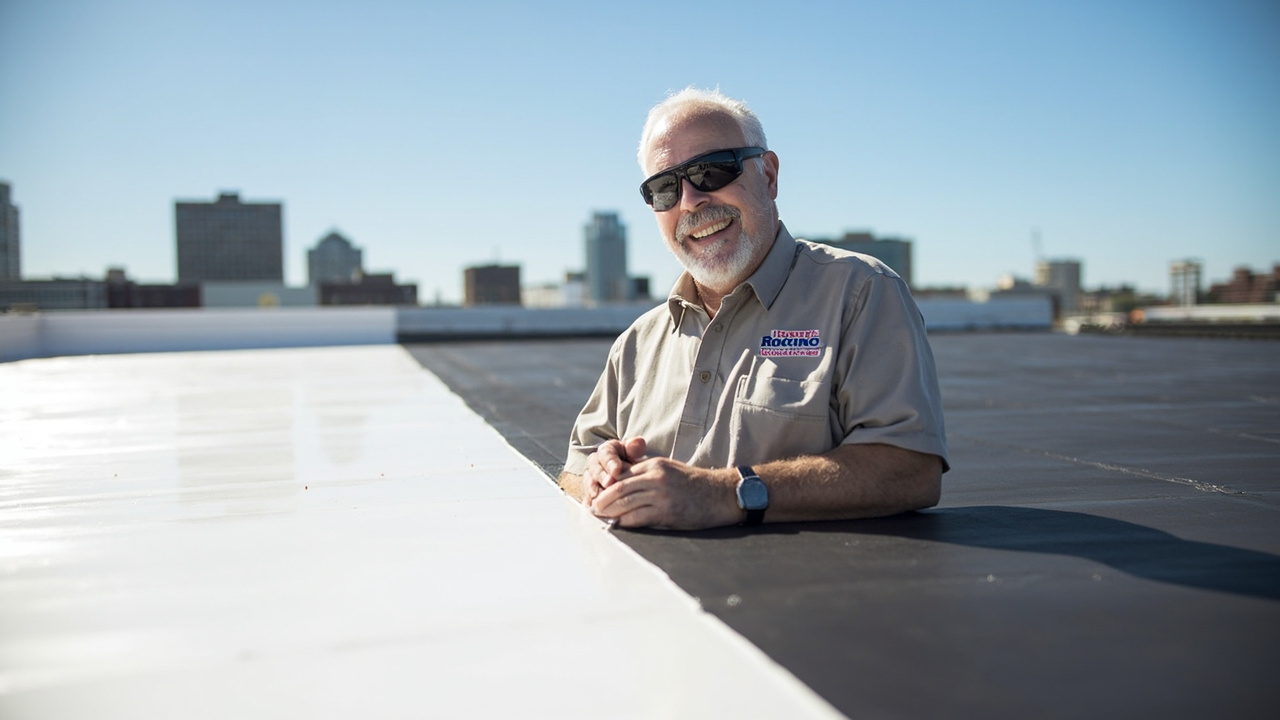
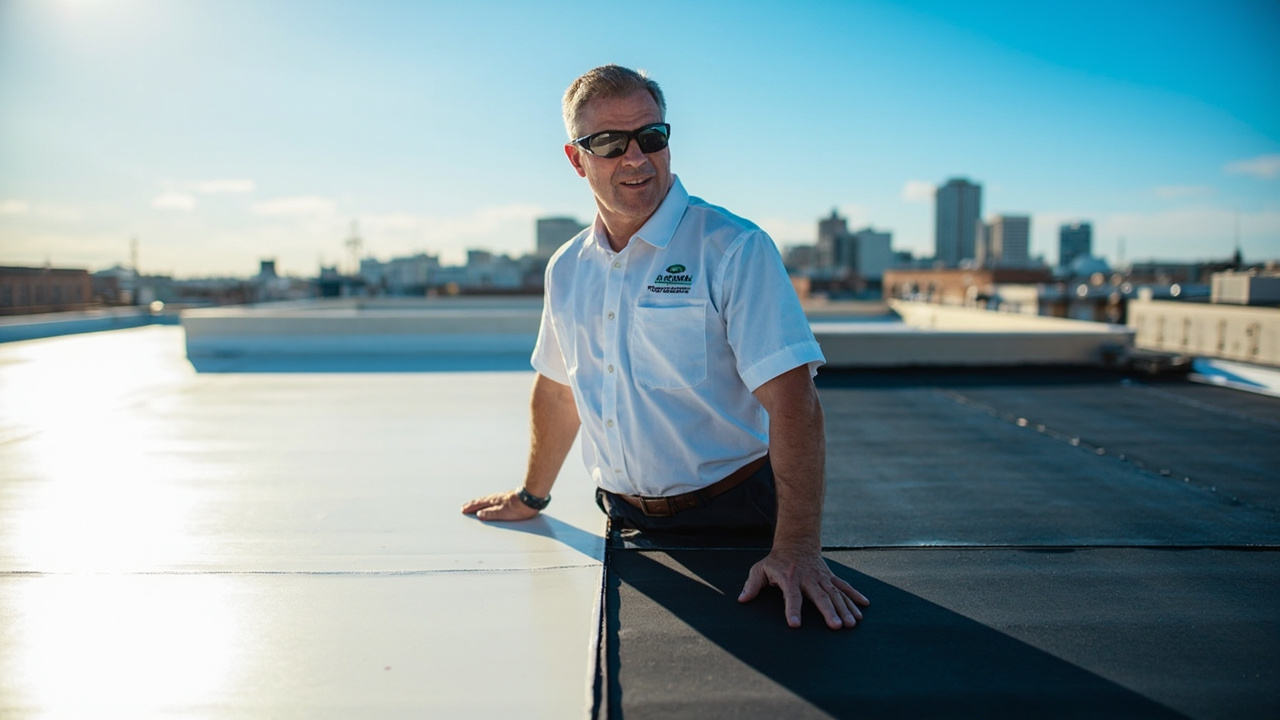
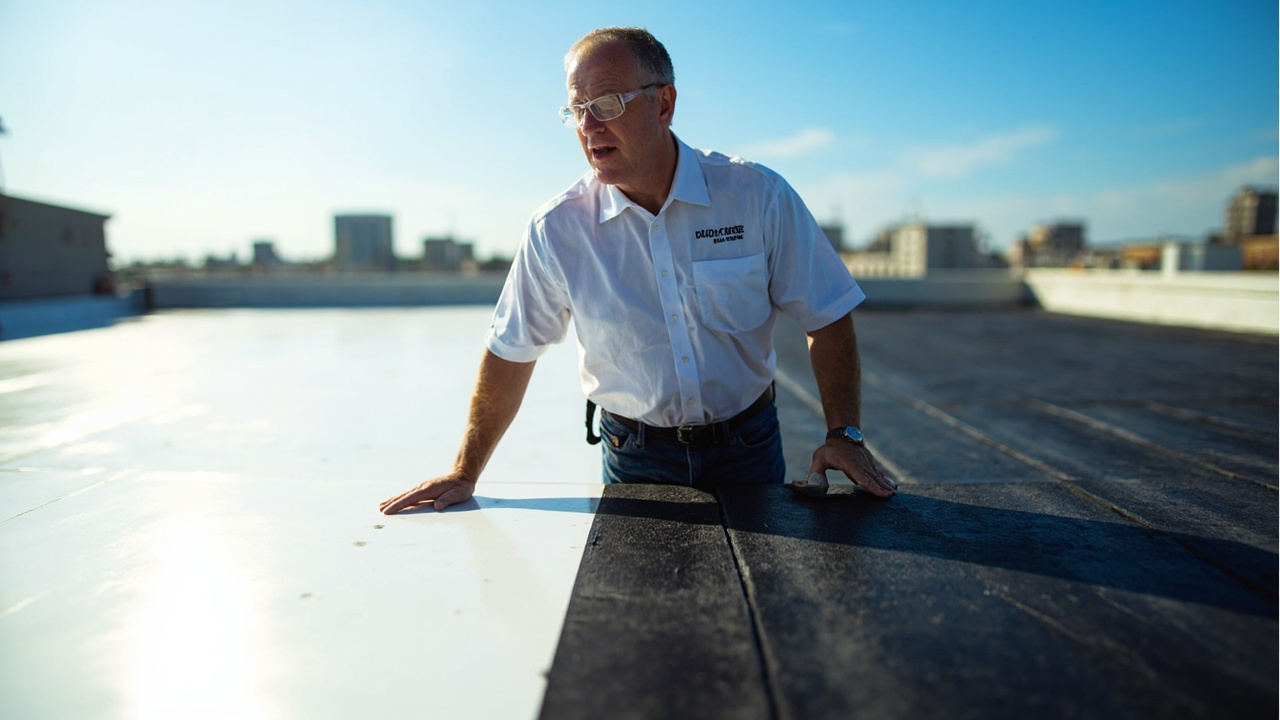
The difference between TPO and EPDM goes beyond just color and texture. TPO (thermoplastic polyolefin) is a white, reflective single-ply membrane that heat-welds at the seams. EPDM (ethylene propylene diene monomer) is a black rubber membrane that adheres with tape or liquid adhesive. That color difference alone has major implications in our climate.

New Orleans averages 218 sunny days per year with summer temperatures regularly hitting 90 degrees and humidity levels above 75 percent. A black EPDM roof absorbs significant heat, which increases cooling loads and accelerates membrane degradation from UV exposure. TPO's white surface reflects up to 80 percent of UV radiation, keeping your building cooler and reducing your energy bills by 10 to 20 percent.

The EPDM vs TPO cost comparison is not straightforward. EPDM typically runs 15 to 25 percent less upfront, but the energy savings from TPO can offset that difference within five to seven years. TPO also resists mold and algae growth better in our humid environment, which means fewer maintenance headaches.

The TPO vs EPDM pros and cons shift based on your roof's specific conditions. Buildings with heavy foot traffic benefit from EPDM's superior puncture resistance. Roofs with minimal shade and high sun exposure favor TPO's reflectivity. The decision depends on your building's use, your budget timeline, and how long you plan to own the property.

Why the TPO or EPDM Decision Matters for New Orleans Flat Roofs
How We Assess Which Membrane System Works for Your Building

How We Assess Which Membrane System Works for Your Building

We do not push one product over the other. We evaluate your roof substrate, drainage patterns, and building use before recommending thermoplastic polyolefin vs rubber roofing.

First, we inspect your existing roof deck. TPO requires a smooth, clean substrate for proper adhesion. If your deck has significant weathering or oil contamination from old asphalt, EPDM may adhere better because it is more forgiving on imperfect surfaces. We also check for ponding water. TPO's heat-welded seams create a more reliable watertight barrier in areas where water sits for more than 48 hours after rain.

Next, we measure your roof's sun exposure throughout the day. Buildings with HVAC units, skylights, or other rooftop equipment casting shadows may not benefit as much from TPO's reflectivity. In those cases, EPDM's lower material cost makes more sense. We also consider your cooling system capacity. If your air conditioning is already undersized, a reflective TPO roof reduces the load and prevents system burnout during July and August.

We examine seam integrity requirements. TPO's hot-air welded seams fuse the membrane into a single waterproof layer, which is critical for commercial buildings where roof leaks cause business interruption. EPDM's tape or adhesive seams work well for smaller residential applications but may fail faster under thermal cycling in our climate.

Finally, we factor in your maintenance plan. TPO resists oil and grease better than EPDM, making it the right choice for restaurant roofs or buildings near commercial kitchens. EPDM handles mechanical damage better, so it works for roofs with regular foot traffic or maintenance access. We match the membrane to your actual use case, not to generic recommendations.

What Happens During Your Flat Roof Membrane Evaluation

TPO vs EPDM Roofing Guide for New Orleans – Expert Comparison for Flat and Low-Slope Roofs
01

Roof Deck Inspection

We start by pulling core samples from your existing roof to examine the substrate condition, moisture levels in the insulation, and structural integrity of the decking. This tells us whether your deck can support a fully adhered TPO system or if a mechanically fastened EPDM installation makes more sense. We also check for active leaks using infrared scanning to map trapped moisture under the current membrane.
02

Performance Analysis

We calculate your building's energy profile using thermal imaging and your utility bills to project cooling cost savings from a reflective TPO roof versus EPDM. We also assess drainage patterns and slope to determine if ponding water creates enough risk to justify TPO's superior seam strength. This analysis includes a 15-year total cost projection factoring in maintenance, repairs, and energy savings for both membrane options.
03

Specification and Budget

We provide written specifications for both TPO and EPDM systems with detailed cost breakdowns, warranty terms, and projected service life based on your building's conditions. You get a side-by-side comparison showing material costs, installation labor, expected maintenance intervals, and long-term performance projections. This lets you make an informed decision based on data, not sales pressure from a contractor pushing one product line.

Why New Orleans Property Owners Trust Our Membrane Recommendations

We have installed both TPO and EPDM roofs across New Orleans for 15 years. We know which buildings in the French Quarter need EPDM because historic preservation rules limit reflective roofing. We know which commercial properties in Metairie benefit most from TPO because their cooling systems are already maxed out. We understand the local building requirements.

New Orleans adopted the 2018 International Building Code with local amendments in 2019. Commercial buildings over 10,000 square feet must meet minimum reflectance standards, which means TPO is often required for code compliance. We handle all permit applications and coordinate inspections with the City of New Orleans Department of Safety and Permits. You do not have to navigate that process alone.

We also understand the insurance implications. After Hurricane Ida in 2021, many commercial property insurers started requiring wind uplift ratings of at least FM 1-90 for flat roofs in Orleans Parish. Both TPO and EPDM can meet that standard, but the installation method matters. We use mechanically fastened systems with proper fastener spacing to meet FM Global standards and keep your insurance valid.

Heritage Roofing New Orleans employs factory-certified installers for both Firestone EPDM and GAF TPO systems. That certification matters because manufacturer warranties are void if the installation does not meet their specifications. We follow the technical bulletins exactly, from substrate prep to seam welding temperatures to flashing details. You get the full material warranty because we do the work right.

We also provide realistic service life projections based on actual New Orleans conditions, not manufacturer marketing. EPDM lasts 20 to 25 years here if properly maintained. TPO lasts 15 to 22 years depending on the formulation and UV exposure. We do not oversell either product's longevity.

What to Expect From Start to Finish

Initial Consultation Timeline

We schedule your roof evaluation within three business days of your call. The inspection takes 60 to 90 minutes depending on roof size and complexity. We use infrared cameras, moisture meters, and core sampling tools to gather data. You receive a written report with photos, moisture maps, and membrane recommendations within 48 hours. The report includes cost estimates for both TPO and EPDM options with detailed scope breakdowns so you can compare the proposals accurately. We do not rush this process because choosing the wrong membrane costs you tens of thousands in premature replacement.

Technical Specification Review

We walk through the technical specifications with you in plain language. You learn what membrane thickness you need, which attachment method works for your substrate, and how we handle penetrations like HVAC curbs and plumbing vents. We explain the difference between fully adhered, mechanically fastened, and ballasted systems. You also get a copy of the manufacturer's installation manual so you can verify we are following proper procedures. We answer questions about seam testing, flashing details, and warranty registration before you sign anything. This transparency prevents surprises during installation.

Installation Quality Standards

Our crews arrive at 7 AM to maximize daylight working hours and avoid afternoon storms. TPO installations use hot-air welders calibrated daily to maintain 500 to 600 degree temperatures for proper seam fusion. We probe-test every seam after welding to verify bond strength. EPDM installations use primer and tape systems applied according to temperature and humidity specifications. We document the entire installation with photos for warranty purposes. Most residential roofs take two to four days. Commercial projects take five to ten days depending on size and complexity. You get daily progress updates and site cleanup before we leave each evening.

Post-Installation Support and Warranty

We register your manufacturer warranty within 30 days and provide you with the certificate. You also receive our workmanship warranty covering installation defects. We schedule a six-month follow-up inspection to check seam integrity and flashing performance after your roof has been through a full seasonal cycle. You get a written maintenance plan outlining how often to clean drains, inspect penetrations, and remove debris. We also provide emergency repair service if storm damage occurs. Most TPO and EPDM repairs can be completed same-day using heat welding or patch kits. You keep our direct contact information for any questions that come up during the life of your roof.

Frequently Asked Questions

You Have Questions,
We Have Answers

Why choose TPO over EPDM? +

TPO reflects heat better than EPDM, which matters in New Orleans. Our intense sun and high cooling costs make TPO's white, reflective surface a smart choice. You save on energy bills during brutal summer months. TPO also heat-welds at the seams, creating watertight bonds that resist ponding water. EPDM uses adhesive seams that can fail in high humidity. TPO handles UV exposure better and resists mold growth, a critical factor in our damp climate. If you run a flat-roofed commercial building in the metro area, TPO typically outperforms EPDM for long-term durability and cost savings.

What are the disadvantages of TPO roofing? +

TPO membranes vary in quality between manufacturers. Some cheaper formulations crack or shrink after five to seven years, especially under constant UV exposure. Seam failures happen when installers rush the heat-welding process or skip proper surface prep. TPO also shows punctures more easily than thicker EPDM during maintenance work. In New Orleans, debris from live oaks and hurricanes can damage thinner membranes. TPO requires skilled installation. Poor workmanship leads to early failure. The membrane also costs more upfront than EPDM, though energy savings often balance that difference over time.

What is the life expectancy of TPO vs EPDM? +

TPO typically lasts 15 to 20 years with proper installation and maintenance. EPDM can reach 25 to 30 years or more. The gap comes down to material thickness and seam integrity. EPDM uses thicker rubber that resists punctures better. TPO degrades faster under intense UV, which we see year-round in New Orleans. However, newer TPO formulations close that gap. Both membranes fail early if ponding water sits too long or if installers cut corners. Regular inspections extend lifespan for either system. Climate stress from humidity and heat affects both materials.

Which is cheaper, EPDM or TPO? +

EPDM costs less upfront in most cases. Material prices run lower, and installation goes faster since EPDM uses adhesive seams instead of heat-welding. TPO requires specialized equipment and trained crews, which increases labor costs. However, TPO can save you money over time through lower cooling bills. The reflective surface reduces heat absorption, which matters in our climate. Factor in energy savings and potential lifespan when comparing total cost. EPDM wins on initial budget. TPO often wins on lifecycle cost, especially for commercial buildings with high AC usage in the New Orleans heat.

Can TPO and EPDM be used together? +

You can transition between TPO and EPDM on the same roof, but you need proper detailing at the junction. The materials do not bond to each other directly. Installers use transition strips or metal termination bars to seal the seam. This approach works for phased re-roofing projects or when adding sections to existing buildings. However, mixing systems complicates future repairs and warranty coverage. Most manufacturers will not cover multi-membrane installations. If you plan to combine materials, hire an experienced commercial roofer who understands flashing details and moisture barriers.

How many years does a TPO roof last? +

A TPO roof lasts 15 to 20 years on average in New Orleans. Lifespan depends on membrane thickness, installation quality, and maintenance. Thicker membranes (60 mil or 80 mil) outlast thinner options (45 mil). Heat and UV exposure degrade TPO faster than in cooler climates. Ponding water from summer downpours shortens lifespan if drainage fails. Regular inspections catch small problems before they escalate. Clean debris from drains and check seams annually. Poor installation cuts years off the roof. Proper attachment and welding techniques matter more than membrane brand in most cases.

Why do insurance companies not like flat roofs? +

Insurance companies worry about ponding water and leak claims on flat roofs. Water sits longer on low-slope systems than pitched roofs, which increases leak risk. Flat roofs also take more abuse from foot traffic and maintenance equipment. In New Orleans, hurricane winds can peel membranes or blow debris onto flat surfaces. Insurers see higher claim frequency and costs. Some carriers charge higher premiums or exclude certain damage types. Proper drainage design and regular maintenance reduce risk. Commercial property owners should document roof inspections and repairs to strengthen their coverage position.

What is better than TPO roofing? +

PVC roofing outperforms TPO in chemical resistance and seam strength. PVC costs more but lasts longer in harsh environments. Modified bitumen offers better puncture resistance for roofs with heavy foot traffic. Metal roofing outlasts both TPO and EPDM if budget allows. For New Orleans, cool-roof coatings over existing systems sometimes make sense as a cost-effective alternative. Each material has trade-offs. TPO balances cost, performance, and energy efficiency better than most options for standard commercial flat roofs. Your building use, budget, and expected lifespan determine the best choice.

Should TPO roofing be glued down? +

TPO can be mechanically attached, fully adhered, or ballasted. Gluing (fully adhering) works well in high-wind zones like New Orleans. Adhesive systems resist uplift during hurricanes better than mechanical fasteners alone. However, mechanically attached systems allow moisture to escape from the deck, which helps in humid climates. Ballasted systems use stone or pavers but add weight and complicate inspections. Your attachment method depends on wind exposure, deck type, and building codes. Local contractors should follow manufacturer specs and New Orleans wind load requirements. Never skip proper substrate prep regardless of attachment method.

What are the common problems with EPDM roofs? +

EPDM seams fail when adhesive breaks down from heat and moisture. Our humidity accelerates this process. Shrinkage pulls the membrane away from edges and penetrations, creating entry points for water. Punctures happen easily during maintenance because the rubber tears under sharp objects. Ponding water degrades EPDM over time, especially in low spots common on New Orleans flat roofs. UV exposure makes the membrane brittle after 15 to 20 years. Poor flashing details around HVAC units and drains cause most leaks. Regular inspections and prompt seam repairs extend EPDM lifespan.

How New Orleans Humidity and Rain Patterns Impact Your TPO or EPDM Choice

New Orleans receives 62 inches of rain annually, concentrated in summer months when afternoon thunderstorms dump two to four inches in an hour. That water has to go somewhere on a flat roof. TPO's heat-welded seams do not degrade from constant wet-dry cycling like EPDM's adhesive seams can. If your roof has inadequate slope or clogged drains, standing water sits in contact with the membrane for days. TPO handles that exposure better because the seams are thermally bonded into a monolithic sheet. EPDM's taped seams can separate after years of submersion, especially in our humid climate where adhesive curing is slower and less reliable.

We work throughout Orleans, Jefferson, and St. Tammany Parishes, which means we understand how different microclimates affect membrane performance. Roofs near Lake Pontchartrain get salt spray that degrades EPDM faster than inland properties. Buildings in the Central Business District surrounded by taller structures get less sun exposure, which reduces TPO's energy benefit. We have relationships with local supply houses that stock both membrane types, so we can start your project within days, not weeks. Our crews are also familiar with the flat-roof construction common in Mid-City and Lakeview, where post-Katrina rebuilds used engineered lumber that requires specific fastening patterns for wind uplift compliance.

Roofing Services in The New Orleans Area

Our dedicated team is proud to serve the entire area, bringing our legacy of quality roofing services directly to your neighborhood. Whether you need a simple repair, a full-scale replacement, or an urgent inspection, you can find us easily on the map below. We are committed to being your local roofing partner, delivering expert solutions right where you are. We look forward to working with you to protect your most valuable asset—your home.Our dedicated team is proud to serve the entire area, bringing our legacy of quality roofing services directly to your neighborhood. Whether you need a simple repair, a full-scale replacement, or an urgent inspection, you can find us easily on the map below. We are committed to being your local roofing partner, delivering expert solutions right where you are. We look forward to working with you to protect your most valuable asset—your home.

Address:
Heritage Roofing New Orleans, 3308 Tulane Ave, New Orleans, LA, 70119

Additional Services We Offer

Our news updates

Latest Articles & News from The Blogs

The 10 Critical Questions That Could Save Your New Orleans Home Roofing in New Orleans isn't just about shingles and…

Questions You Must Ask a New Orleans Roofer Before Signing a Contract

The 10 Critical Questions That Could Save Your New Orleans Home Roofing in New Orleans isn't just about shingles and…

Restoring the Intricate Turrets and Gables on Victorian Homes in the Holy Cross District

Restoring the Intricate Turrets and Gables on Victorian Homes in the Holy Cross District The Holy Cross District in New…

Is Stone Coated Steel the Right Choice for Your Slidell Waterfront Property?

Is Stone Coated Steel the Right Choice for Your Slidell Waterfront Property? Living along the water in Slidell comes with…

Contact Us

Stop guessing which membrane is right for your building. Call (504) 355-3444 now to schedule your inspection with Heritage Roofing New Orleans. We provide written recommendations with cost projections for both options within 48 hours. No pressure, just data.