






menu

PVC Roof Installation in New Orleans – Minimize Downtime with Industrial-Grade Commercial Membrane Systems

When your facility needs a watertight, energy-efficient flat roof that stands up to Gulf Coast heat and hurricane winds, our PVC roofing system installation delivers proven performance with minimal business interruption across the greater New Orleans metro.

Slider Image 1
Slider Image 2
Slider Image 3
Slider Image 4
Slider Image 5
Slider Image 7
Slider Image 8
Slider Image 9
Slider Image 10
Slider Image 11

Why New Orleans Commercial Buildings Require PVC Membrane Roofing

Your facility in New Orleans faces roofing challenges most other markets never see. The combination of intense ultraviolet exposure, sustained 90-degree heat from May through October, and sudden wind-driven rain events from Gulf storms creates extreme stress on flat and low-slope commercial roof systems. Traditional built-up roofing fails prematurely under these conditions. The city's high water table and frequent ponding after heavy rain accelerate membrane degradation on older systems.

Commercial PVC roofing installation solves these problems through heat-welded seams that create a monolithic barrier against water intrusion. Polyvinyl chloride roof installation resists UV breakdown better than modified bitumen or EPDM, maintaining reflectivity and structural integrity for decades in subtropical climates. The white or light-colored membrane surface reflects solar radiation instead of absorbing it, reducing cooling loads in warehouses, distribution centers, and office buildings across Metairie, Kenner, and the Central Business District.

Manufacturing facilities in the Industrial Canal area and retail centers along Veterans Boulevard need roofing systems that meet strict fire codes and wind uplift requirements. A PVC membrane installation achieves Class A fire ratings and can withstand hurricane-force winds when properly attached to the deck. The system performs in environments where grease, oils, and chemical exposure would degrade other single-ply membranes. When your roof protects inventory, equipment, and operations that generate revenue every day, material performance is not negotiable.

Why New Orleans Commercial Buildings Require PVC Membrane Roofing
How Professional PVC Roofing System Installation Protects Your Assets

How Professional PVC Roofing System Installation Protects Your Assets

A PVC flat roof installation begins with comprehensive structural assessment. We evaluate deck condition, existing drainage patterns, and load-bearing capacity before specifying membrane thickness and attachment method. Facilities with HVAC equipment or frequent rooftop access require reinforced membranes in traffic areas. Buildings with parapets or complicated perimeters need custom flashing details to prevent water infiltration at transitions.

Substrate preparation determines long-term performance. We remove failed sections of existing roofing down to the structural deck, identify and repair any moisture-damaged insulation, and install tapered insulation systems that eliminate ponding water. Proper slope ensures water moves to scuppers and drains within 48 hours after rain events. Standing water degrades even the most durable membrane over time.

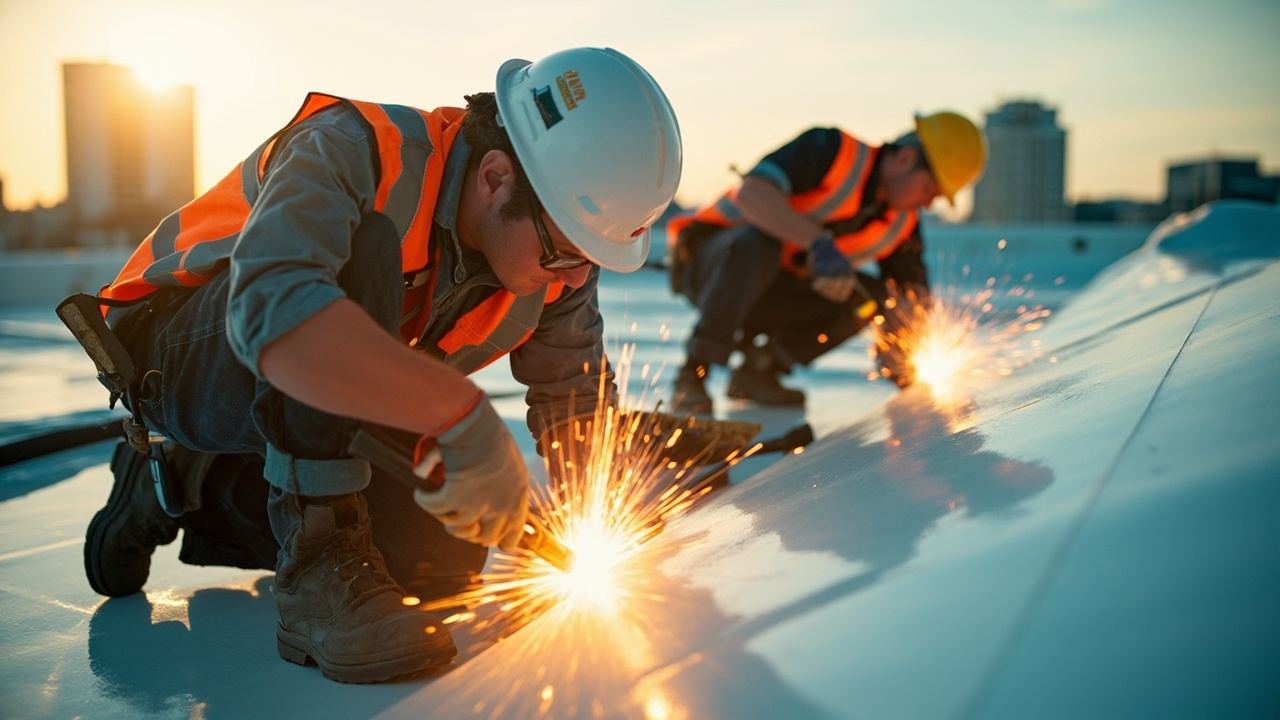
The polyvinyl chloride roof installation process uses hot-air welding to fuse seams at temperatures exceeding 1,000 degrees. This creates a bond stronger than the base material itself. Mechanical attachment to the deck follows engineered specifications based on your building height, roof area, and exposure category per local wind load requirements. We anchor the system with plates and fasteners spaced according to calculations that account for New Orleans's 130-mph design wind speeds in coastal exposure zones.

Quality control includes seam testing with probe tools on every welded joint. Failed seams get re-welded immediately, not after the first leak appears. Final inspection verifies flashing integrity at penetrations, proper termination at edges, and correct installation of walkway pads in equipment access areas.

Your Commercial PVC Membrane Installation Timeline

PVC Roof Installation in New Orleans – Minimize Downtime with Industrial-Grade Commercial Membrane Systems
01

Building Assessment and Planning

We conduct a structural roof survey using infrared scanning to identify wet insulation and measure deck deflection under load. You receive a detailed specification that outlines membrane thickness, insulation R-value, attachment method, and projected installation duration. We schedule work to avoid disrupting your operations, often completing sections during off-hours or weekends. The assessment includes coordination with your facility manager to protect HVAC systems, skylights, and rooftop equipment during installation.
02

Membrane Installation and Welding

Crews remove existing roofing in sections, install new polyisocyanurate insulation with proper taper, then roll out and position PVC membrane sheets. Hot-air welding equipment fuses overlapping seams to create a continuous waterproof barrier. We install custom-fabricated flashing at parapets, penetrations, and terminations. Metal coping caps receive mechanical attachment and sealant at joints. Each completed section undergoes flood testing before moving to the next area, ensuring no water intrusion before final inspection.
03

Testing and Certification

Final quality control includes electronic leak detection on all seams and destructive pull testing on sample welds to verify bond strength exceeds manufacturer specifications. You receive documentation showing compliance with FM Global or UL 580 wind uplift ratings appropriate for your building classification. We provide as-built drawings marking drain locations, seam layout, and fastener patterns for future maintenance planning. The completed PVC roofing system installation meets Louisiana State Uniform Construction Code requirements for commercial structures.

Why New Orleans Facility Managers Choose Local Commercial Roofing Expertise

Commercial PVC roofing installation in coastal Louisiana requires knowledge that out-of-area contractors simply do not possess. We understand the specific wind uplift calculations required for buildings in Jefferson and Orleans parishes, where exposure categories and design pressures differ significantly from inland locations. Your roof system must meet standards that account for hurricane-force winds and wind-driven rain that can penetrate standard flashing details.

Local building departments enforce strict permitting requirements for commercial re-roofing projects. We maintain relationships with plan reviewers and inspectors who evaluate our submittals, which accelerates approval timelines and prevents costly delays to your project schedule. Facilities in historic districts like the Warehouse District face additional architectural review for visible roofing elements. We navigate these requirements while maintaining compliance with both preservation standards and modern building codes.

Material selection matters in this climate. We specify PVC membranes formulated for high-temperature performance, not generic products designed for temperate regions. The difference shows up in five years when inferior membranes shrink, crack, or lose reflectivity. We source from manufacturers who maintain technical support staff in the Gulf South region and stock replacement materials at local distributors for rapid repair response.

Heritage Roofing New Orleans maintains relationships with commercial property management firms, industrial facility operators, and institutional clients who require responsive service when roof issues threaten operations. When a seam fails during a summer thunderstorm, you need a crew on-site within hours, not days. Our proximity to your facility and familiarity with your roof system enables that response capability.

What Your Commercial PVC Roof Installation Includes

Project Duration and Scheduling

Installation timelines depend on roof size, complexity, and weather windows. A typical 20,000-square-foot warehouse roof takes 7 to 10 working days from tear-off through final inspection. Larger facilities get phased installations that keep portions of your building protected while work progresses on other sections. We monitor weather forecasts continuously and adjust crew schedules to avoid starting tear-off ahead of rain events. You receive weekly progress updates and 48-hour advance notice before crews arrive on-site. Emergency temporary weatherproofing materials remain staged throughout the project to protect exposed areas if unexpected storms develop.

Pre-Installation Roof Survey

The assessment process uses infrared thermography to map moisture trapped in existing insulation layers without destructive testing. We core sample suspicious areas to verify deck condition and insulation saturation levels. Structural engineers evaluate deck capacity if you plan to add rooftop equipment or increase insulation thickness beyond original design loads. You receive a written report documenting current roof condition, remaining service life of existing materials, and detailed scope of recommended repairs. The survey identifies code compliance gaps that must be addressed during re-roofing to meet current Louisiana Commercial Building Code standards for fire resistance and wind uplift.

Installed System Performance

A properly installed PVC membrane system delivers a watertight roof with seams stronger than the base sheet material. Heat-welded joints will not separate under thermal cycling or wind uplift forces. The white membrane surface maintains solar reflectance index values above 100, reducing cooling costs by reflecting heat instead of transferring it into your building. Facilities see measurable decreases in rooftop surface temperatures compared to dark-colored built-up roofing. The membrane resists puncture damage, chemical exposure, and biological growth that degrades other roofing materials in humid climates. You get a roof system engineered for decades of service in New Orleans environmental conditions.

Maintenance and Service Plans

Commercial facilities need scheduled roof inspections to identify minor issues before they become expensive problems. We offer quarterly inspection programs that check drain clearance, seam integrity, and flashing condition. Infrared scans conducted annually detect moisture infiltration invisible during visual inspections. You receive detailed reports with photographs documenting roof condition and prioritized repair recommendations. Preventive maintenance extends membrane service life and preserves manufacturer coverage. Emergency repair service responds to storm damage, equipment impact, or unexpected leaks that threaten your operations. Maintaining a relationship with the installation contractor ensures rapid parts sourcing and repair techniques that match original installation methods.

Frequently Asked Questions

You Have Questions,
We Have Answers

How is a PVC roof installed? +

PVC roof installation begins with substrate inspection to ensure the deck is dry and structurally sound. Contractors lay insulation boards over the deck, then roll out PVC membrane sheets. Seams are heat-welded using hot air welders at temperatures between 900-1100°F, creating a monolithic watertight seal. Flashing details around penetrations, edges, and transitions require precise fabrication and welding. In New Orleans, proper drainage design is critical due to heavy rainfall. The membrane is mechanically fastened or fully adhered depending on building height and wind uplift requirements. All seams are tested with a probe to verify weld integrity before final inspection.

What are the disadvantages of PVC roofing? +

PVC roofing faces challenges in commercial applications. Initial material costs run higher than TPO or modified bitumen systems. The membrane can shrink if improperly installed, causing edge pull and seam stress. While puncture-resistant, PVC is vulnerable to certain solvents and petroleum-based products, requiring careful coordination with HVAC maintenance. In New Orleans humidity, plasticizer migration can occur over time, making the membrane less flexible. The white surface shows dirt accumulation more visibly than darker membranes. Installation demands skilled labor familiar with heat-welding techniques. Improper seam welds represent the primary failure point, requiring experienced contractors and third-party inspections.

How much does it cost to install a PVC roof? +

PVC roof installation costs vary based on building configuration, access, existing roof removal, insulation requirements, and warranty terms. Material quality ranges significantly. Building height affects labor rates due to safety equipment needs. In New Orleans, hurricane-rated attachment schedules increase fastener density and installation time. Expect variables including roof penetrations, edge details, drainage modifications, and parapet conditions to impact pricing. Insulation upgrades, tapered systems for positive drainage, and walkway pads add to base costs. Multi-building campuses may offer economies of scale. Request detailed proposals that itemize materials, labor, warranty coverage, and project timeline to compare contractor bids accurately.

How long will a PVC roof last? +

PVC roofing systems typically last 20-30 years under proper maintenance protocols. Service life depends on installation quality, membrane thickness, UV exposure, and routine inspections. In New Orleans, high heat and UV intensity accelerate plasticizer loss, potentially shortening lifespan without preventive maintenance. Heat-welded seams outlast adhesive-bonded systems. Ponding water from inadequate drainage degrades membranes faster. Regular inspections identify early signs of seam failure, punctures, or shrinkage before leaks develop. Commercial buildings with HVAC equipment require walkway pads to prevent foot traffic damage. Documentation of maintenance extends warranty coverage. Quality installation by experienced contractors directly correlates with longevity and return on investment.

How much should a 2000 sq ft roof cost? +

Commercial roof costs per square foot vary widely based on system type, insulation, existing conditions, and building complexity. A 2000 square foot commercial building represents a smaller project where mobilization costs impact per-unit pricing more significantly. Removal and disposal of existing roofing, structural repairs, code-required insulation upgrades, and drainage improvements all affect total investment. In New Orleans, wind uplift requirements may necessitate higher attachment densities. Edge metal, flashing details, and penetration treatments add labor intensity. Request itemized proposals comparing PVC, TPO, and modified bitumen options. Focus on lifecycle cost analysis rather than initial price alone when evaluating commercial roofing investments.

Do you need to rough up PVC before gluing? +

Yes. PVC membrane surfaces require abrading before solvent-welding or adhesive bonding to create mechanical tooth for proper adhesion. Contractors use abrasive pads or grinders to remove the glossy factory finish and oxidation layer. This step is critical for patch repairs, detail work, and any non-heat-welded connections. New Orleans humidity can create surface contamination that further necessitates preparation. Heat-welding, the primary seaming method for PVC roofing, does not require surface abrading because the welding process melts both membrane layers together. However, repair patches and flashing terminations often use bonding adhesives where surface preparation directly affects long-term adhesion and waterproofing performance.

What is the life expectancy of a PVC ceiling? +

PVC ceiling panels and roofing membranes are different products with distinct lifespans. PVC roofing membranes last 20-30 years on commercial buildings. Interior PVC ceiling panels face no UV exposure, temperature cycling, or weather stress, potentially lasting 50+ years in climate-controlled environments. However, in New Orleans commercial buildings without proper HVAC control, humidity and temperature fluctuations accelerate degradation. PVC ceiling products used in exterior soffits or exposed applications degrade faster due to UV radiation and moisture. The question conflates roofing membranes with architectural panels. For commercial roofing decisions, focus on membrane-specific performance data rather than interior ceiling product specifications.

What is better, PVC or polycarbonate roof? +

PVC and polycarbonate serve different roofing applications. PVC membrane roofing provides waterproofing for low-slope commercial buildings, offering heat-welded seams and proven durability. Polycarbonate panels are translucent rigid sheets used for skylights, canopies, and daylighting applications where light transmission matters. For commercial flat roof waterproofing in New Orleans, PVC membrane is the appropriate choice. Polycarbonate cannot provide the monolithic waterproof barrier required for occupied buildings. If your project requires daylighting, polycarbonate skylights can integrate into a PVC roof system. The comparison reflects confusion between roofing membranes and glazing materials. Define your performance requirements first, whether waterproofing, light transmission, or both.

Does PVC get brittle with age? +

Yes. PVC membranes become more brittle as plasticizers migrate out over time, particularly under high UV exposure and heat cycling. In New Orleans, intense sun and temperature extremes accelerate this process. Quality PVC formulations include UV stabilizers and plasticizer retention technology to slow degradation. Thicker membranes resist embrittlement better than thin products. Regular inspections identify early signs of reduced flexibility before cracking occurs. Proper installation with adequate attachment prevents stress concentration. While newer PVC formulations demonstrate improved aging characteristics compared to legacy products, all thermoplastic membranes experience some plasticizer loss. Maintenance programs and timely repairs extend functional lifespan despite gradual material changes.

Which is better EPDM or PVC roofing? +

EPDM and PVC suit different commercial applications. EPDM costs less initially and resists punctures well but relies on seam tape that can fail over time. PVC heat-welded seams create superior watertight integrity, critical for occupied buildings where leak risk carries high liability. In New Orleans, PVC reflects heat better, reducing cooling loads. EPDM absorbs heat, increasing HVAC costs. PVC resists grease and oils from rooftop equipment better. EPDM offers better cold-weather flexibility. For commercial buildings prioritizing long-term waterproofing integrity, energy efficiency, and minimal maintenance, PVC typically delivers better lifecycle value despite higher upfront investment. Building use, equipment loads, and budget determine optimal selection.

How Gulf Coast Humidity and Wind Patterns Affect PVC Flat Roof Installation in New Orleans

New Orleans sits 15 feet below sea level at the Mississippi River, creating a bowl that traps heat and moisture year-round. Commercial buildings experience constant high humidity that accelerates corrosion on metal roof components and promotes mold growth on organic materials. PVC membrane installation eliminates these vulnerabilities through inorganic materials that will not support biological growth. The city's position at 30 degrees north latitude means intense solar radiation that degrades hydrocarbon-based roofing materials within 10 to 15 years. Polyvinyl chloride formulations resist UV breakdown far longer, maintaining flexibility and waterproofing integrity through decades of subtropical sun exposure. Buildings near Lake Pontchartrain face additional wind exposure from storms that track across open water before making landfall.

Louisiana Commercial Building Code adoption of International Building Code standards means commercial roofing systems must meet specific wind uplift ratings based on building height and exposure category. Facilities in Jefferson Parish coastal zones require higher-rated assemblies than similar buildings 20 miles inland. We maintain current certification with roofing manufacturers and attend regional technical training that covers Gulf Coast installation requirements. Our crews understand the difference between code-minimum installations and systems engineered for actual hurricane performance. That knowledge protects your facility when tropical systems enter the Gulf of Mexico and threaten the greater New Orleans metro area with sustained winds and torrential rain.

Roofing Services in The New Orleans Area

Our dedicated team is proud to serve the entire area, bringing our legacy of quality roofing services directly to your neighborhood. Whether you need a simple repair, a full-scale replacement, or an urgent inspection, you can find us easily on the map below. We are committed to being your local roofing partner, delivering expert solutions right where you are. We look forward to working with you to protect your most valuable asset—your home.Our dedicated team is proud to serve the entire area, bringing our legacy of quality roofing services directly to your neighborhood. Whether you need a simple repair, a full-scale replacement, or an urgent inspection, you can find us easily on the map below. We are committed to being your local roofing partner, delivering expert solutions right where you are. We look forward to working with you to protect your most valuable asset—your home.

Address:
Heritage Roofing New Orleans, 3308 Tulane Ave, New Orleans, LA, 70119

Additional Services We Offer

Our news updates

Latest Articles & News from The Blogs

The 10 Critical Questions That Could Save Your New Orleans Home Roofing in New Orleans isn't just about shingles and…

Questions You Must Ask a New Orleans Roofer Before Signing a Contract

The 10 Critical Questions That Could Save Your New Orleans Home Roofing in New Orleans isn't just about shingles and…

Restoring the Intricate Turrets and Gables on Victorian Homes in the Holy Cross District

Restoring the Intricate Turrets and Gables on Victorian Homes in the Holy Cross District The Holy Cross District in New…

Is Stone Coated Steel the Right Choice for Your Slidell Waterfront Property?

Is Stone Coated Steel the Right Choice for Your Slidell Waterfront Property? Living along the water in Slidell comes with…

Contact Us

Protect your operations with a PVC roofing system built for Gulf Coast conditions. Call (504) 355-3444 now to schedule a roof survey and receive a detailed installation proposal. Our team responds to commercial inquiries within 24 hours.