




menu

Benefits of Cool Roofs in New Orleans – Cut Energy Bills by 30% in the Crescent City's Subtropical Heat

Reflective roofing systems reduce attic temperatures by up to 50 degrees in New Orleans's humid subtropical climate, slashing cooling costs while extending roof lifespan against intense UV exposure and afternoon thunderstorms.

Slider Image 1
Slider Image 2
Slider Image 3
Slider Image 4
Slider Image 5
Slider Image 7
Slider Image 8
Slider Image 9
Slider Image 10
Slider Image 11

Why New Orleans Roofs Need Reflective Technology

New Orleans sits in a subtropical climate zone where summer heat indices regularly exceed 100 degrees. Your roof absorbs this punishing solar radiation for 8 to 10 hours daily from May through September. Traditional dark asphalt shingles reach surface temperatures of 170 degrees, turning attics into convection ovens that force air conditioning systems to run continuously.

The advantages of cool roofing become clear when you compare thermal performance. Reflective coatings and light-colored materials bounce 65 to 85 percent of solar energy back into the atmosphere instead of transferring it through your decking into living spaces. This simple physics translates to measurable relief for homeowners in Gentilly, Lakeview, and Uptown neighborhoods where HVAC systems battle against heat gain from above.

Cool roof pros extend beyond comfort. The constant thermal cycling in New Orleans accelerates shingle deterioration. When your roof heats to 170 degrees in afternoon sun and cools to 80 degrees overnight, expansion and contraction stress granule adhesion and asphalt flexibility. Reflective roofing maintains lower peak temperatures, reducing this daily stress cycle by 40 to 50 degrees. The result is slower aging and fewer repairs over the roof's service life.

The benefits of reflective roofing also address New Orleans's unique position near Lake Pontchartrain and the Mississippi River. High humidity combines with heat to create ideal conditions for algae growth on north-facing roof planes. Light-colored cool roofing materials resist algae colonization better than dark surfaces, maintaining appearance and performance longer in our moisture-heavy air.

Why New Orleans Roofs Need Reflective Technology
How Reflective Roofing Systems Deliver Measurable Savings

How Reflective Roofing Systems Deliver Measurable Savings

Cool roofing system advantages start with Solar Reflectance Index ratings. This metric combines reflectivity and emissivity to show how well a material rejects solar heat. Standard gray asphalt shingles score 22 on the SRI scale. Cool roof products score 78 to 107, representing a dramatic reduction in heat absorption.

We install cool roofing through three primary methods depending on your existing roof condition and budget. Reflective coatings apply directly over clean, sound substrate. These acrylic or silicone formulations create a seamless membrane that reflects up to 85 percent of UV radiation. We use them on flat commercial roofs throughout the Central Business District and on low-slope residential applications in Mid-City.

For steep-slope homes, we install factory-manufactured cool shingles or metal roofing with reflective pigments. Modern cool shingles use specially formulated granules that reflect infrared wavelengths invisible to the human eye. This technology allows dark colors like charcoal or bronze to perform like white surfaces thermally while matching your home's aesthetic in historic neighborhoods like the Garden District or Esplanade Ridge.

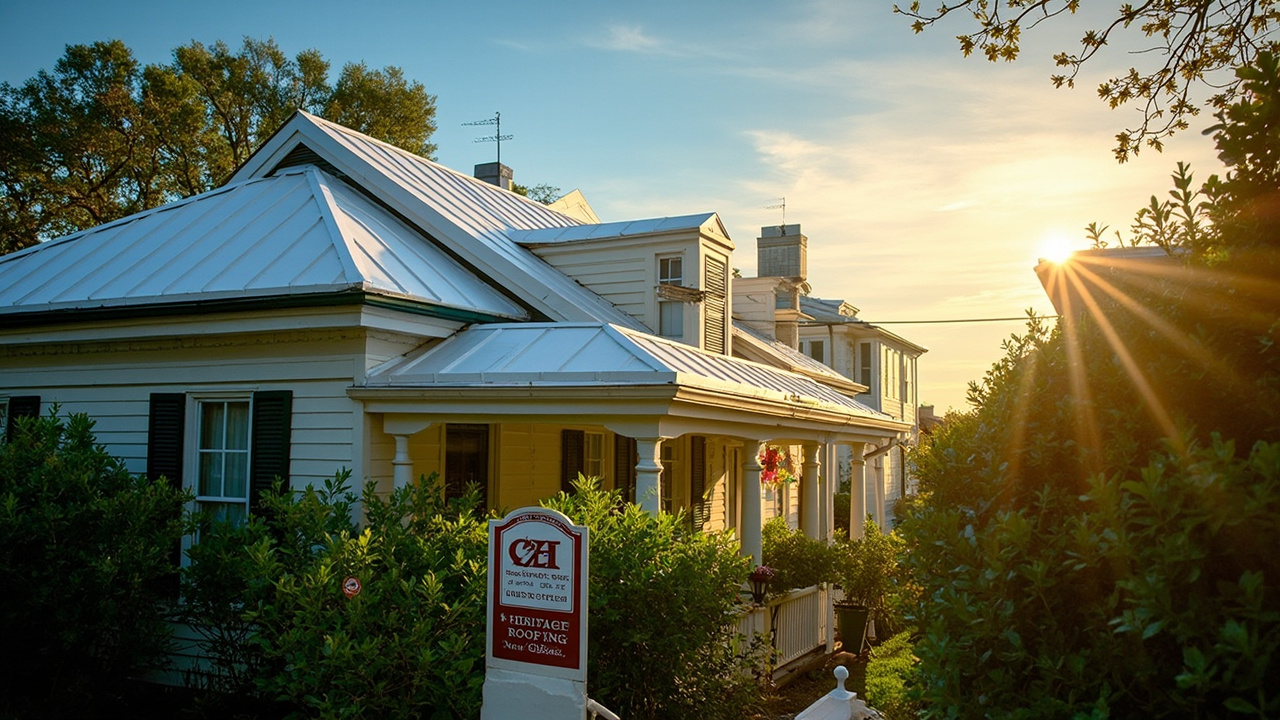
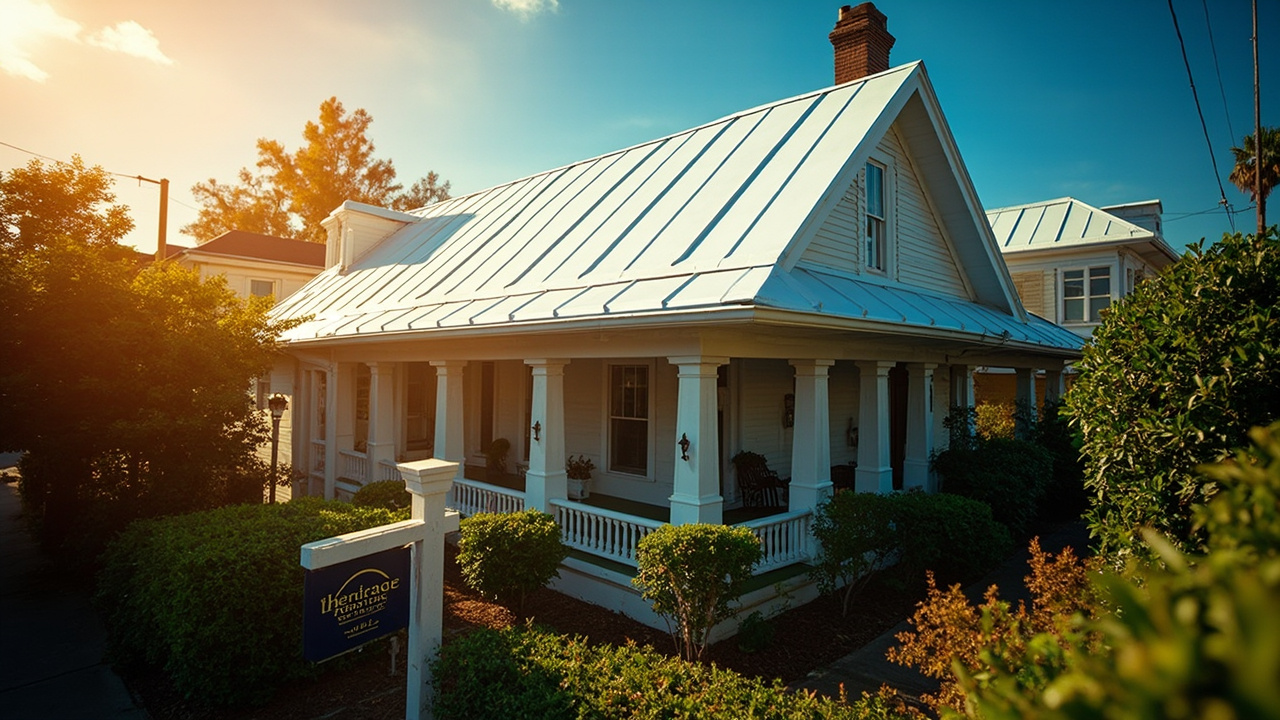
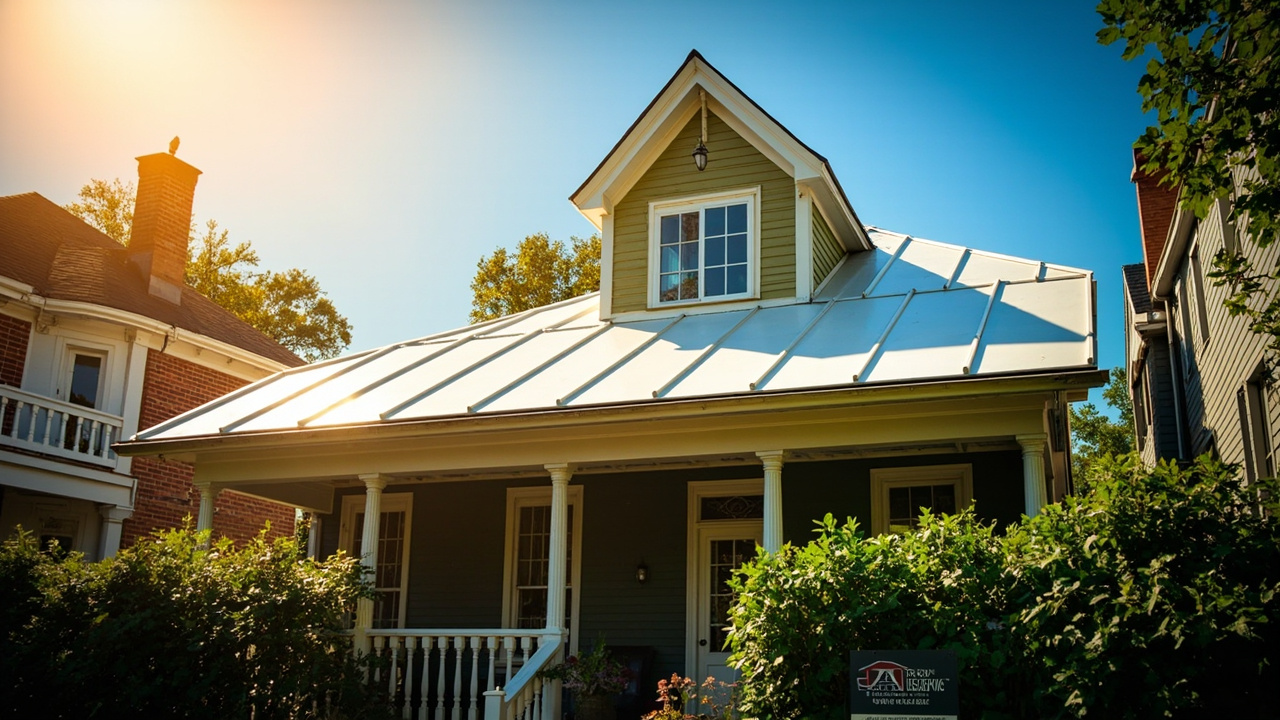
Metal roofing offers the highest cool roof energy savings in New Orleans. Standing seam panels with reflective finishes shed rain efficiently during afternoon thunderstorms while maintaining surface temperatures 50 to 70 degrees cooler than asphalt. We install concealed fastener systems that resist wind uplift during tropical weather events while providing superior ventilation through raised profiles.

The thermal barrier created by reflective roofing reduces radiant heat transfer through attic spaces. This means your insulation works more efficiently because it faces a cooler upper boundary layer. The compounding effect can drop attic temperatures from 150 degrees to 100 degrees, fundamentally changing how your home manages heat.

Your Cool Roof Installation Timeline

Benefits of Cool Roofs in New Orleans – Cut Energy Bills by 30% in the Crescent City's Subtropical Heat
01

Thermal Assessment

We measure your current roof's solar reflectance and document attic temperatures during peak heat hours. This baseline data shows exactly how much thermal load your existing roof transfers into living spaces. We photograph hot spots with thermal imaging cameras and calculate potential energy savings based on your roof's square footage, pitch, and orientation to solar paths over New Orleans.
02

Material Selection and Prep

We recommend specific cool roofing products rated for New Orleans's wind zone and humidity levels. Your existing substrate determines whether we tear off old materials or apply coatings directly. We inspect decking for moisture damage common in poorly ventilated attics, replace compromised sections, and ensure proper ventilation ratios meet Louisiana code requirements. All flashing details get upgraded to accommodate the new roofing profile.
03

Installation and Performance Verification

Installation follows manufacturer specifications for fastener placement, overlap, and sealing to maintain reflective performance and wind resistance. We complete most residential cool roof installations in two to four days depending on complexity and weather windows. After installation, we return during peak sun exposure to verify surface temperatures dropped by the projected amount and provide documentation of your roof's new SRI rating for energy efficiency records.

Why New Orleans Homeowners Trust Local Cool Roofing Expertise

Cool roofing performance depends on proper installation in New Orleans's specific climate challenges. We understand how afternoon thunderstorms test flashing details and how high humidity affects coating cure times. Our crews schedule installations around weather patterns, avoiding application during high moisture periods that compromise adhesion.

Heritage Roofing New Orleans has installed reflective roofing systems throughout Orleans Parish since the post-Katrina rebuilding period. We know which products withstand the thermal stress of Carrollton summer heat and which coatings resist mildew growth in shaded areas near Audubon Park's oak canopy. This local knowledge prevents the material failures we see from contractors who apply generic solutions without understanding subtropical performance requirements.

New Orleans building codes have evolved to encourage cool roofing through energy efficiency provisions. We navigate these requirements daily, ensuring your installation meets Orleans Parish standards while maximizing available tax credits and utility rebates. Entergy New Orleans offers incentives for cool roof installations that meet specific SRI thresholds. We handle the documentation and verification process, securing your rebates without additional effort on your part.

The advantages of cool roofing multiply when integrated with proper attic ventilation. Many New Orleans homes have inadequate ridge vents or blocked soffit intakes. We assess your complete thermal envelope, recommending ventilation improvements that work synergistically with reflective roofing to create measurable temperature reductions. This systems approach delivers better results than simply changing roof color without addressing airflow deficiencies.

We also understand architectural considerations in historic districts. The Vieux Carré Commission and other preservation bodies regulate roof colors and materials. We work within these guidelines, selecting cool roofing products that meet aesthetic requirements while delivering thermal performance benefits.

What Your Cool Roof Installation Includes

Project Timeline

Most residential cool roof installations complete in two to four days from tear-off to final cleanup. We schedule around New Orleans's weather patterns, monitoring tropical systems and afternoon thunderstorm forecasts. Large commercial projects require phased installation to maintain business operations. We work in sections, ensuring watertight coverage each evening before leaving the site. Material delivery happens one day prior, with staging areas protected from moisture exposure in our humid climate.

Initial Evaluation Process

Your assessment begins with a comprehensive roof inspection documenting current conditions, thermal performance, and ventilation adequacy. We use infrared thermography to identify heat transfer patterns and moisture intrusion that would compromise cool roofing performance. You receive a detailed report showing your roof's current solar reflectance index, projected temperature reductions with cool roofing, and estimated energy savings based on your home's square footage and typical cooling season duration in New Orleans.

Performance Outcomes

Your completed cool roof will reduce surface temperatures by 50 to 70 degrees compared to traditional dark shingles. Attic temperatures typically drop 30 to 50 degrees, measurably reducing the thermal load on your air conditioning system. You will notice cooler upstairs rooms and longer compressor cycle times as your HVAC system works less to offset heat gain from above. These changes translate to 20 to 35 percent reductions in cooling energy consumption during New Orleans's extended summer season.

Long-Term Performance Support

Cool roofing materials maintain reflective properties for 10 to 15 years before requiring recoating or replacement. We provide maintenance guidelines specific to your installed system, including cleaning schedules that preserve solar reflectance and inspection intervals that catch minor issues before they compromise performance. Manufacturer material warranties cover defects, while our installation warranty protects against workmanship issues. We offer annual inspection services that verify your cool roof continues delivering projected energy savings.

Frequently Asked Questions

You Have Questions,
We Have Answers

What are the benefits of a cool roof? +

Cool roofs reflect more sunlight and absorb less heat than standard roofs. In New Orleans, where temperatures hit 90°F for months, this reduces cooling costs by 10-30%. You stay more comfortable indoors without overworking your air conditioner. Cool roofs also extend roof lifespan by reducing thermal expansion and contraction damage. They lower urban heat island effects in dense neighborhoods like the French Quarter and Marigny. If you rely on attic fans or struggle with high electric bills during summer, a cool roof cuts both problems. The energy savings pay back the small upfront cost difference within a few years.

What are the benefits of a cold roof? +

A cold roof (also called a cool roof) uses reflective materials to minimize heat absorption. The term describes the same technology. In New Orleans' humid subtropical climate, cold roofs prevent attic temperatures from reaching 150°F on summer afternoons. This keeps your living space cooler and reduces AC runtime. Cold roofs work well on both residential and commercial buildings across the metro area. They perform better than dark asphalt shingles, which trap heat. The reflective surface stays cooler to the touch, reducing thermal stress on underlayment and decking. You get lower energy bills and a longer-lasting roof system.

Are cool roof tiles good or bad? +

Cool roof tiles are good for New Orleans. They reflect sunlight, reducing heat gain in your home. Clay and concrete tiles with light colors or reflective coatings perform well in our heat and humidity. They resist algae growth better than asphalt shingles and handle hurricane-force winds when installed correctly. The downside is higher upfront cost and weight, which requires proper structural support. If your home has the framing to handle tile, you gain durability, energy savings, and lower cooling costs. Avoid dark-colored tiles unless you want higher attic temperatures. Light or white tiles deliver the best performance.

What are the benefits of cool roof and cool pavement? +

Cool roofs and cool pavements both reflect sunlight, reducing heat absorption. Together, they lower neighborhood temperatures in urban areas like Mid-City and Uptown. Cool roofs cut your cooling costs directly. Cool pavements reduce ground-level heat, making sidewalks and parking lots more comfortable in summer. This combination fights the urban heat island effect that makes New Orleans feel hotter than surrounding areas. You breathe easier when surrounding surfaces stay cooler. Streets and roofs working together create measurable temperature drops of 2-5°F in dense blocks. Both technologies reduce energy demand across the grid during peak summer load.

What is better, a warm or cold roof? +

In New Orleans, a cold roof is better. Our climate demands maximum heat reflection to reduce cooling costs. A warm roof (used in northern climates) traps heat intentionally to prevent ice dams and keep buildings warmer in winter. We do not face ice dam problems. You need a roof that reflects heat, not one that holds it. A cold roof reduces attic temperatures by 30-50°F on summer days. This cuts AC strain, lowers electric bills, and extends equipment life. Warm roofs make sense in Minnesota. Cold roofs make sense here.

How long do cool roofs last? +

Cool roofs last 20-30 years with proper maintenance, similar to traditional roofing materials. Reflective coatings may need reapplication every 10-15 years to maintain peak performance. In New Orleans, exposure to intense UV, humidity, and occasional hurricanes affects all roofing systems. Cool roofs actually last longer than dark roofs because they experience less thermal stress. Heat cycling cracks and warps materials over time. A cooler surface reduces expansion and contraction damage. Clean your roof annually to remove debris and algae. Inspect after storms. With care, you get decades of energy savings and protection.

Does a cold roof need venting? +

Yes, a cold roof needs proper ventilation. Ventilation removes moisture and heat from the attic space, preventing mold and wood rot. In New Orleans' humid climate, moisture control is critical. Even with a reflective roof surface, attic ventilation prevents condensation buildup during temperature swings. Use ridge vents, soffit vents, or gable vents to create airflow. Proper ventilation also helps your cool roof perform better by exhausting trapped heat. Neglecting ventilation causes sheathing damage, insulation problems, and indoor air quality issues. Ventilate every attic, whether you install a cool roof or traditional shingles.

Why do insurance companies not like flat roofs? +

Insurance companies worry about flat roofs because they drain slower and hold standing water. Water pooling leads to leaks, membrane damage, and claims. In New Orleans, heavy rain from Gulf storms makes drainage critical. Flat roofs require more maintenance than pitched roofs. Insurers see higher claim frequency for flat roof properties. Commercial buildings often have flat roofs, but residential flat roofs raise red flags. Some carriers charge higher premiums or exclude coverage. Proper drainage systems, regular inspections, and quality installation reduce risk. If you have a flat roof, document maintenance to negotiate better rates.

Where are cool roofs being used? +

Cool roofs are used across the southern United States, California, and urban heat islands nationwide. In New Orleans, you see them on commercial buildings downtown, schools, and newer residential construction. Warehouses in Gentilly and hospitals use reflective membranes to cut cooling costs. Cities like Los Angeles, Phoenix, and Atlanta mandate cool roofs for certain building types. Globally, they appear in hot climates from India to Australia. Any location with high cooling demand benefits. New Orleans residents increasingly choose cool roofs during reroofing projects to lower energy bills and improve comfort during long, humid summers.

What qualifies as a cool roof? +

A cool roof qualifies by meeting specific reflectivity and emissivity standards. The Cool Roof Rating Council measures solar reflectance (how much sunlight bounces off) and thermal emittance (how well it releases absorbed heat). Roofs with high ratings in both categories qualify. In New Orleans, look for products with a Solar Reflectance Index (SRI) of 29 or higher for steep-slope roofs. White or light-colored coatings, tiles, and metal roofing typically qualify. Reflective membranes work for flat roofs. Verify product ratings before purchase. Qualified cool roofs earn energy tax credits and reduce cooling costs immediately.

How New Orleans's Subtropical Climate Amplifies Cool Roof Energy Savings

New Orleans experiences 180 to 200 days annually with temperatures exceeding 80 degrees, creating an extended cooling season that runs from April through October. This subtropical pattern means your roof absorbs intense solar radiation for seven months each year, generating constant thermal load on air conditioning systems. Cool roofing system advantages become particularly significant in this climate because the cooling season dominates your annual energy consumption. While northern cities might see modest savings from reflective roofing, New Orleans homeowners document 25 to 35 percent reductions in summer electrical bills because cooling represents 60 to 70 percent of total energy use during our hottest months.

Louisiana's energy code has adopted provisions encouraging cool roofing in new construction and major renovations. These standards recognize that reflective roofing delivers measurable public benefits through reduced peak electrical demand during summer afternoons when Entergy's grid faces maximum stress. Heritage Roofing New Orleans stays current with these evolving requirements, ensuring your installation meets code while qualifying for available incentives. Our familiarity with local building inspectors and preservation committees streamlines the permitting process in both standard residential areas and historic districts where additional approvals apply.

Roofing Services in The New Orleans Area

Our dedicated team is proud to serve the entire area, bringing our legacy of quality roofing services directly to your neighborhood. Whether you need a simple repair, a full-scale replacement, or an urgent inspection, you can find us easily on the map below. We are committed to being your local roofing partner, delivering expert solutions right where you are. We look forward to working with you to protect your most valuable asset—your home.Our dedicated team is proud to serve the entire area, bringing our legacy of quality roofing services directly to your neighborhood. Whether you need a simple repair, a full-scale replacement, or an urgent inspection, you can find us easily on the map below. We are committed to being your local roofing partner, delivering expert solutions right where you are. We look forward to working with you to protect your most valuable asset—your home.

Address:
Heritage Roofing New Orleans, 3308 Tulane Ave, New Orleans, LA, 70119

Additional Services We Offer

Our news updates

Latest Articles & News from The Blogs

The 10 Critical Questions That Could Save Your New Orleans Home Roofing in New Orleans isn't just about shingles and…

Questions You Must Ask a New Orleans Roofer Before Signing a Contract

The 10 Critical Questions That Could Save Your New Orleans Home Roofing in New Orleans isn't just about shingles and…

Restoring the Intricate Turrets and Gables on Victorian Homes in the Holy Cross District

Restoring the Intricate Turrets and Gables on Victorian Homes in the Holy Cross District The Holy Cross District in New…

Is Stone Coated Steel the Right Choice for Your Slidell Waterfront Property?

Is Stone Coated Steel the Right Choice for Your Slidell Waterfront Property? Living along the water in Slidell comes with…

Contact Us

Stop paying for wasted energy that heats your attic instead of cooling your home. Call Heritage Roofing New Orleans at (504) 355-3444 for a free thermal assessment. We will measure your current roof temperature, calculate your potential savings, and show you exactly how cool roofing will reduce your energy bills.