




menu

Roof Inspection Checklist New Orleans – Protect Your Investment From Gulf Coast Weather Damage

Get a comprehensive roof assessment form designed specifically for New Orleans homes facing high humidity, heavy rainfall, and hurricane-force winds. Our residential roof inspection guide helps you identify problems before they become expensive disasters.

Slider Image 1
Slider Image 2
Slider Image 3
Slider Image 4
Slider Image 5
Slider Image 7
Slider Image 8
Slider Image 9
Slider Image 10
Slider Image 11

Why New Orleans Roofs Need a Different Inspection Approach

Your roof faces challenges most other cities never see. The combination of Gulf Coast humidity, tropical storms, and near-constant rainfall creates a perfect storm for roof deterioration. Asphalt shingles soften in the intense heat, flashing corrodes faster from salt air, and algae growth damages protective granules year-round.

A standard roof maintenance checklist from a national template misses the specific vulnerabilities unique to this region. Your inspection needs to focus on hurricane strap integrity, not just surface shingle condition. You need to check for wind uplift damage patterns, moisture intrusion from driving rain, and the biological growth that thrives in our 80% average humidity.

The clay soil throughout the Greater New Orleans area shifts constantly, causing subtle foundation movement that stresses roof structures differently than homes on stable ground. This movement creates small gaps in flashing, loosens fasteners, and opens seams that would remain tight elsewhere. A proper roofing inspection template for this area must account for these soil-related stress points.

Most homeowners wait until they spot a ceiling stain or missing shingles. By then, the damage has already spread through decking, insulation, and sometimes into structural framing. A residential roof inspection guide specific to our climate helps you catch problems during the early stages, when repairs cost hundreds instead of thousands. The roof check sheet approach gives you a systematic way to evaluate every critical component before small issues escalate into insurance claims.

Why New Orleans Roofs Need a Different Inspection Approach
What a Professional New Orleans Roof Assessment Should Include

What a Professional New Orleans Roof Assessment Should Include

A thorough roof assessment form goes far beyond walking around and looking for obvious damage. The inspection starts with attic ventilation analysis, because inadequate airflow in our humid climate causes premature shingle failure and decking rot. We measure temperature differentials and check for proper soffit and ridge vent function.

The exterior inspection examines every penetration point where water can enter. This means inspecting pipe boot seals, chimney cricket installation, skylight flashing integration, and HVAC curb mounting. Each of these areas fails differently in high-wind, high-moisture environments. We document the condition of step flashing along wall intersections and valley flashing where two roof planes meet, because these are the first failure points during heavy rain events.

Granule loss assessment is critical here because UV intensity and thermal cycling degrade asphalt shingles faster than in northern climates. We check gutters for excessive granule accumulation, which signals the end of effective shingle life. The inspection includes fastener evaluation, checking for nail pops, overdriven fasteners, and proper placement according to wind zone requirements.

We use a roof maintenance checklist that documents decking condition from below, looking for sagging between rafters, water staining, and delamination. This interior assessment reveals problems invisible from above. The structural inspection includes rafter condition, truss connections, and hurricane strap integrity, all documented with photos and specific location notes. You receive a detailed report that prioritizes repairs by urgency, helping you plan maintenance strategically instead of reactively.

How the Roof Check Process Works

Roof Inspection Checklist New Orleans – Protect Your Investment From Gulf Coast Weather Damage
01

Initial Documentation Review

We start by reviewing your roof age, previous repair history, and any insurance claims. This background tells us what problems to expect and which areas need extra attention. We check permit records to verify installation compliance with current wind load requirements for your specific neighborhood. This documentation phase establishes a baseline for the physical inspection.
02

Comprehensive Physical Assessment

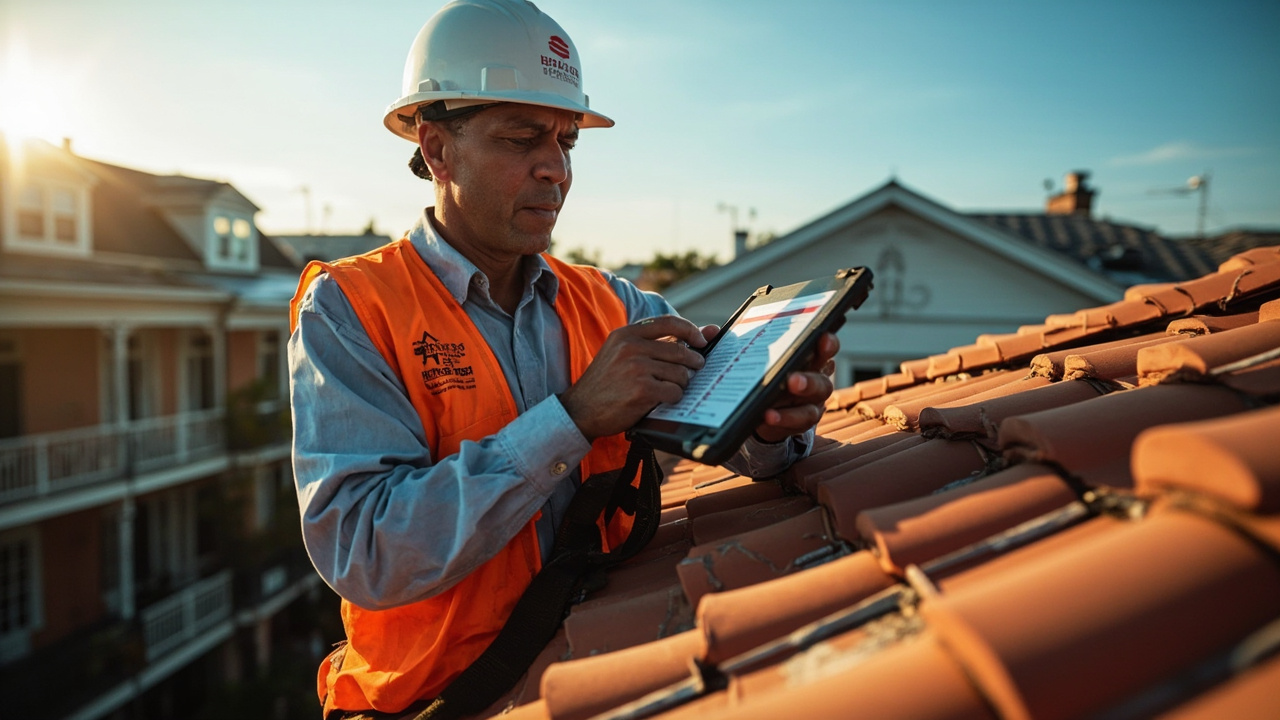
The physical inspection covers attic space, roof surface, and all transition points where different materials meet. We use moisture meters to detect hidden water intrusion, thermal imaging to find insulation gaps, and detailed photography to document every concern. Each component gets rated on a standardized scale, creating an objective condition assessment you can use for insurance documentation or sale preparation.
03

Detailed Report Delivery

You receive a comprehensive roof assessment form with photos, condition ratings, and prioritized repair recommendations. The report includes estimated remaining lifespan for major components and maintenance suggestions to extend roof life. We explain which issues need immediate attention and which can wait, giving you the information to make informed decisions about your property investment.

Why Local Expertise Matters for Roof Inspections

National roofing chains use generic inspection checklists that miss the vulnerabilities specific to our region. An inspector from a company based elsewhere does not understand how tropical storm remnants cause uplift damage patterns different from tornado damage. They miss the subtle signs of wind-driven rain intrusion that locals recognize immediately.

Heritage Roofing New Orleans has inspected thousands of roofs across Lakeview, Mid-City, Uptown, and Metairie. We know the installation practices common during different construction booms and which shortcuts builders took during rapid post-storm rebuilding. This historical knowledge helps us identify problems before they become obvious to untrained eyes.

Our inspectors understand local building code requirements and how they have changed over the years. We know which older homes need retrofitting to meet current hurricane standards and which have grandfathered exceptions. This knowledge protects you from unexpected compliance issues if you decide to make repairs or additions.

We are familiar with the specific roofing materials that perform well here and which ones fail prematurely despite manufacturer promises. Some synthetic underlayments degrade rapidly in high heat and humidity. Certain shingle brands have known adhesive failures in our climate. Our roofing inspection template flags these material-specific concerns based on real-world local performance, not just product specifications.

Insurance adjusters in this area respect thorough documentation from local contractors who understand regional damage patterns. When you need to file a claim, having an assessment from a company familiar with local conditions strengthens your case. We know what adjusters look for and how to document damage in ways that support legitimate claims.

What You Get With a Professional Roof Inspection

Scheduling and Timing

Most inspections schedule within three to five business days of your call. The physical assessment takes two to four hours depending on roof size, complexity, and accessibility. We inspect during dry conditions to safely access all roof areas and get accurate moisture readings. Emergency inspections after storm events can often schedule within 24 hours. You receive the written report within 48 hours of the inspection, giving you documentation while observations are fresh and photos clearly show current conditions.

The Inspection Process Details

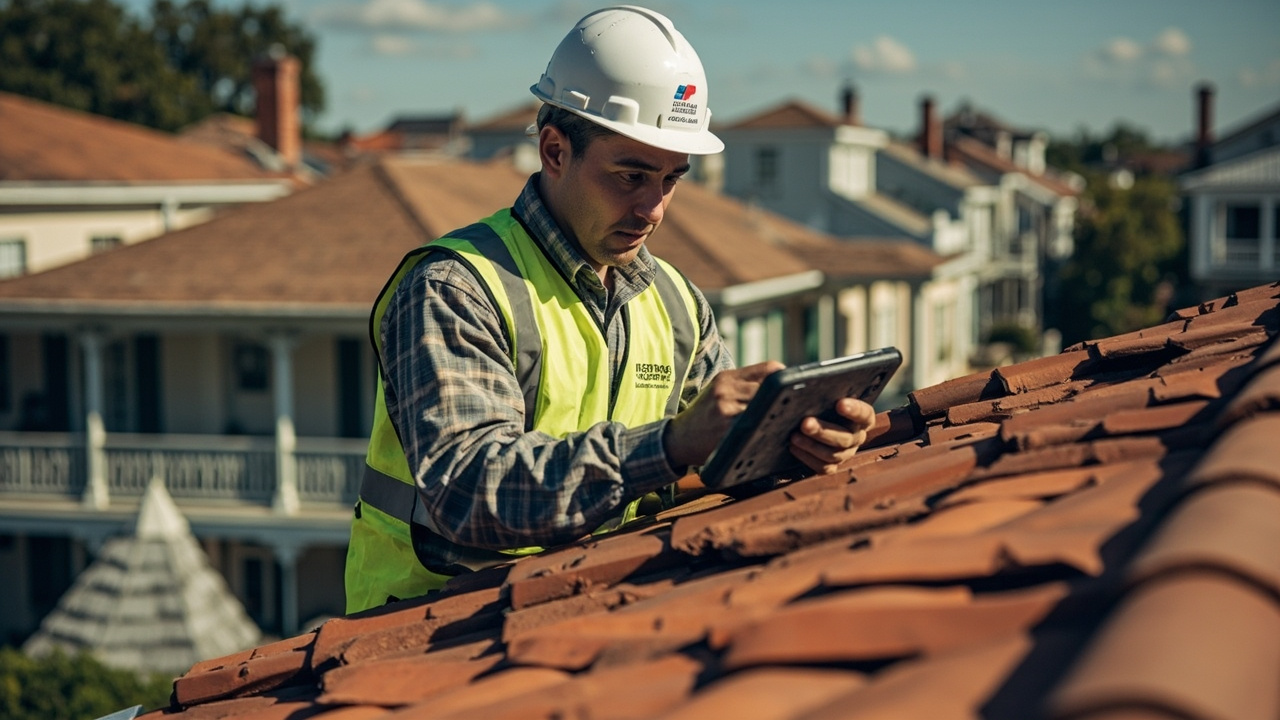
We start inside your attic, checking ventilation, insulation, and decking condition from below. The exterior inspection covers every roof plane, examining shingles, flashing, penetrations, and transitions. We check gutters and downspouts for proper drainage and signs of granule loss. The inspector takes dozens of photos documenting both problems and areas in good condition. We test suspect areas with moisture meters and examine any interior ceiling stains to trace water entry points. You can accompany us for the ground-level portions if you want to understand what we are evaluating.

The Documentation You Receive

Your roof assessment form includes high-resolution photos with annotations pointing out specific concerns. Each major roof component receives a condition rating and estimated remaining lifespan. The report separates urgent repairs from maintenance items you can address over time. We provide material specifications for any recommended repairs, ensuring contractors know exactly what needs replacement. This documentation works for insurance claims, real estate transactions, or simply planning your home maintenance budget. The report becomes part of your property records, useful for future reference or resale.

Follow-Up and Maintenance Planning

After delivering your inspection report, we remain available to answer questions about findings and recommendations. If you need repair estimates, we provide detailed quotes based on the documented conditions. We can create a multi-year maintenance schedule that spreads costs over time while addressing the most critical issues first. Many clients use our roof maintenance checklist for annual self-inspections between professional assessments, catching small problems early. We keep your inspection records on file, making future assessments faster because we have baseline documentation showing how conditions have changed over time.

Frequently Asked Questions

You Have Questions,
We Have Answers

What does a roof inspection include? +

A roof inspection includes a thorough examination of shingles, flashing, underlayment, and structural components. The inspector checks for missing or damaged shingles, cracked flashing around chimneys and vents, and signs of water intrusion. In New Orleans, inspectors pay close attention to wind damage from tropical storms and moisture issues caused by high humidity. They examine gutters, downspouts, and ventilation systems. The attic is inspected for leaks, mold, and proper insulation. Inspectors also assess the roof deck for sagging or rot. A complete report documents all findings with photos and recommends repairs or replacement.

What to look for on a roof inspection? +

Look for curled, cracked, or missing shingles. Check flashing around chimneys, skylights, and vent pipes for gaps or rust. Inspect for moss or algae growth, which is common in New Orleans due to humidity. Examine gutters for granule buildup from deteriorating shingles. Check for sagging areas that indicate structural damage. Look at soffit and fascia boards for rot or water stains. In the attic, search for daylight coming through the roof deck or water stains on rafters. Inspect seals around roof penetrations. Document any blistering, buckling, or dark streaks on shingles.

What are the 5 functional requirements of a roof? +

A roof must provide weather protection by blocking rain, wind, and sun. It needs structural support to bear its own weight, plus snow, wind loads, and equipment. Drainage is critical to move water off quickly and prevent pooling, especially during New Orleans downpours. The roof must offer thermal insulation to reduce energy costs in the hot, humid climate. Finally, it requires durability to withstand years of exposure to UV rays, high winds from tropical weather, and temperature fluctuations. These five requirements work together to protect your home and extend the roof's lifespan.

What are the red flags for roofing contractors? +

Watch for contractors who demand full payment upfront or push for cash-only deals. Avoid anyone who shows up unsolicited after storms, a common tactic in New Orleans post-hurricane. Red flags include no physical address, missing references, or refusal to provide proof of insurance and licensing. Be wary of pressure tactics or deals that expire immediately. Contractors who skip written contracts or avoid discussing warranties are risky. Watch for unusually low bids that seem too good to be true. Anyone reluctant to pull permits or who suggests insurance fraud should be avoided immediately.

How much does a basic roof inspection cost? +

Basic roof inspections in New Orleans range based on roof size, pitch, and accessibility. Factors that affect price include home height, roof complexity, and whether the inspector needs special equipment for steep slopes. Simple visual inspections cost less than comprehensive assessments with moisture meters and infrared cameras. Many insurance companies require annual inspections in hurricane-prone areas, so some homeowners bundle inspections with maintenance plans. Emergency inspections after storms may carry premium pricing due to high demand. Always get a detailed scope of work before scheduling to understand what the inspection covers.

What is the biggest red flag in a home inspection? +

Water damage is the biggest red flag in home inspections. Water intrusion indicates active leaks, poor drainage, or systemic failures that can lead to mold, rot, and structural decay. In New Orleans, high humidity and heavy rainfall make water issues especially concerning. Look for stains on ceilings, walls, or around windows. Musty odors, warped flooring, or peeling paint signal moisture problems. Water damage often reveals multiple underlying issues like failed flashing, clogged gutters, or inadequate ventilation. Addressing water intrusion quickly prevents expensive repairs and protects your home's structural integrity and indoor air quality.

How long does a roof inspection take? +

A standard roof inspection takes one to two hours, depending on roof size and complexity. Simple single-story homes with straightforward rooflines take less time than multi-story homes with steep pitches, multiple valleys, and chimneys. Post-storm inspections in New Orleans may take longer due to thorough damage assessment requirements for insurance claims. The inspector examines exterior shingles, flashing, and gutters, then moves to the attic for interior checks. Complex roofs with skylights, dormers, or multiple penetrations require more time. Detailed reports with photos and recommendations add 30 minutes to the process.

What is the first thing an inspector wants to see? +

Inspectors want to see your roof from ground level first. This initial visual assessment reveals obvious damage like missing shingles, sagging ridgelines, or visible wear patterns. They look at the overall roof plane for unevenness or dips. From the ground, they can spot damaged flashing, clogged gutters, or vegetation growth. In New Orleans, inspectors check for wind damage patterns common after tropical storms. This preliminary view helps them plan their approach and identify areas needing closer examination. It also reveals safety concerns before climbing. The ground-level assessment sets the stage for the detailed roof-level inspection.

What are the 4 types of inspection? +

The four inspection types are visual, moisture, infrared, and drone inspections. Visual inspections involve walking the roof to examine shingles, flashing, and penetrations up close. Moisture inspections use meters to detect hidden water in the roof deck or insulation. Infrared inspections employ thermal cameras to identify temperature differences indicating leaks or missing insulation. Drone inspections capture high-resolution images of hard-to-reach areas without risking inspector safety on steep or tall roofs. In New Orleans, combination approaches work best because high humidity and frequent storms create complex moisture challenges that benefit from multiple detection methods.

What is the most important part of a roof? +

The roof deck is the most important part. This structural layer supports everything above it, including underlayment, shingles, and snow or wind loads. Without a solid deck, your entire roofing system fails. In New Orleans, humidity and occasional roof leaks can cause deck rot, compromising structural integrity. The deck must be properly installed and ventilated to prevent moisture buildup. During inspections, signs of sagging, soft spots, or water damage indicate deck problems requiring immediate attention. While shingles and flashing are visible and important, the deck provides the foundation that keeps your entire roof functional and safe.

How New Orleans Climate Accelerates Roof Deterioration

The average New Orleans roof experiences conditions that age materials twice as fast as roofs in moderate climates. Your shingles endure 90-degree temperatures with 80% humidity, creating constant thermal expansion and contraction cycles. This cycling loosens fasteners and breaks down asphalt adhesives. The combination of intense UV exposure and biological growth from moss, algae, and lichen physically damages shingle protective layers. A roof check sheet for this region must account for deterioration patterns most national standards ignore. Storm frequency means even minor wind events cause cumulative damage that compounds over seasons.

Local building codes require specific hurricane-resistant installation methods that generic roof inspection templates overlook. Inspectors need to verify proper fastener patterns, adequate flashing integration, and code-compliant underlayment installation. Heritage Roofing New Orleans stays current with Orleans Parish building requirements and understands the inspection standards local code officials enforce. Our residential roof inspection guide reflects these regional compliance factors, protecting you from problems during permitting or insurance underwriting. Choosing a local company means getting an assessment that accounts for the unique challenges your property actually faces.

Roofing Services in The New Orleans Area

Our dedicated team is proud to serve the entire area, bringing our legacy of quality roofing services directly to your neighborhood. Whether you need a simple repair, a full-scale replacement, or an urgent inspection, you can find us easily on the map below. We are committed to being your local roofing partner, delivering expert solutions right where you are. We look forward to working with you to protect your most valuable asset—your home.Our dedicated team is proud to serve the entire area, bringing our legacy of quality roofing services directly to your neighborhood. Whether you need a simple repair, a full-scale replacement, or an urgent inspection, you can find us easily on the map below. We are committed to being your local roofing partner, delivering expert solutions right where you are. We look forward to working with you to protect your most valuable asset—your home.

Address:
Heritage Roofing New Orleans, 3308 Tulane Ave, New Orleans, LA, 70119

Additional Services We Offer

Our news updates

Latest Articles & News from The Blogs

The 10 Critical Questions That Could Save Your New Orleans Home Roofing in New Orleans isn't just about shingles and…

Questions You Must Ask a New Orleans Roofer Before Signing a Contract

The 10 Critical Questions That Could Save Your New Orleans Home Roofing in New Orleans isn't just about shingles and…

Restoring the Intricate Turrets and Gables on Victorian Homes in the Holy Cross District

Restoring the Intricate Turrets and Gables on Victorian Homes in the Holy Cross District The Holy Cross District in New…

Is Stone Coated Steel the Right Choice for Your Slidell Waterfront Property?

Is Stone Coated Steel the Right Choice for Your Slidell Waterfront Property? Living along the water in Slidell comes with…

Contact Us

Do not wait for a leak to discover roof problems. Call Heritage Roofing New Orleans at (504) 355-3444 for a thorough assessment using our specialized roof inspection checklist. We will document your roof condition, identify potential failures, and give you a clear maintenance plan to protect your investment.