





menu

Tile Roofing Services in New Orleans | Built to Survive Hurricane-Force Winds and Gulf Coast Humidity

Heritage Roofing New Orleans delivers tile roofing services engineered for the city's extreme weather, from Category 4 wind loads to year-round moisture exposure, protecting homes across Uptown, Lakeview, and the French Quarter.

Slider Image 1
Slider Image 2
Slider Image 3
Slider Image 4
Slider Image 5
Slider Image 7
Slider Image 8
Slider Image 9
Slider Image 10
Slider Image 11

Why Clay and Concrete Tile Roofs Are Your Best Defense Against New Orleans Weather

New Orleans sits in a bullseye for some of the harshest roofing conditions in America. You face average annual rainfall over 60 inches, sustained humidity levels above 75 percent, and hurricane season threats that can generate winds exceeding 140 mph. Your roof takes a beating that most Northern climates never see.

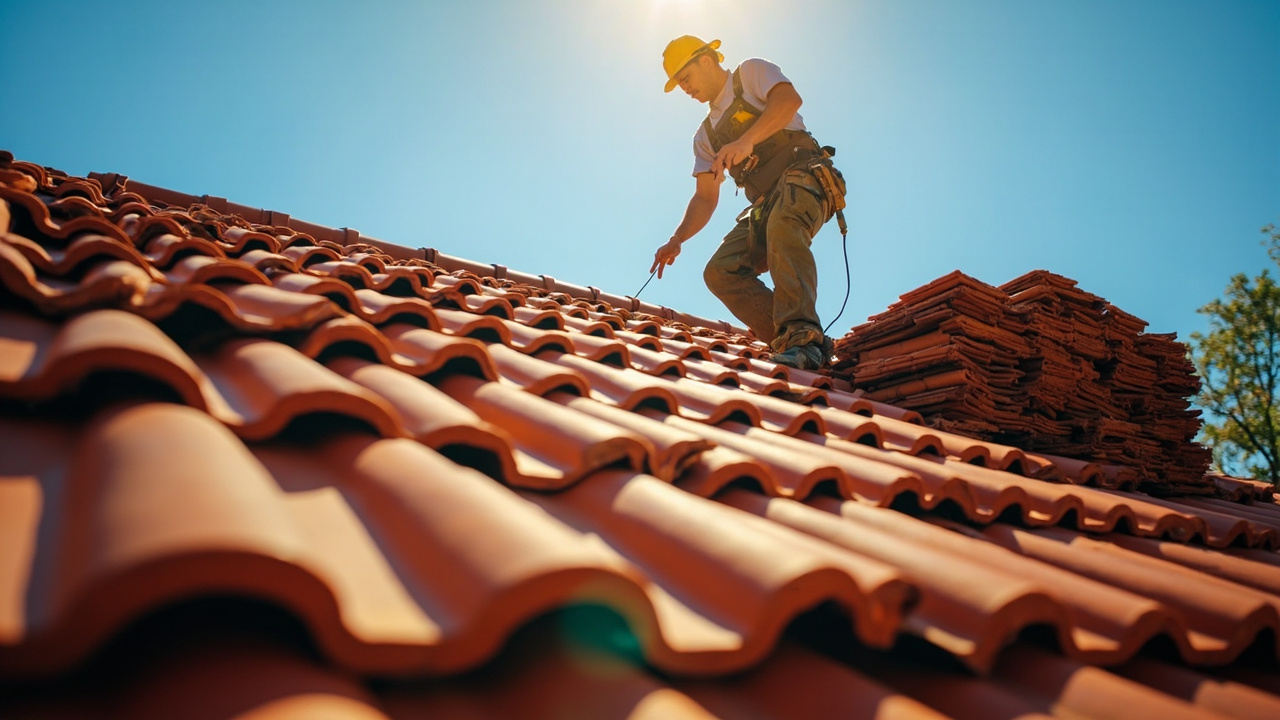
Tile roofing installation solves these problems better than asphalt, wood, or metal. Concrete and clay tiles resist the fungal growth and organic decay caused by year-round moisture. They do not curl, crack, or deteriorate under the UV radiation that pounds down during our long summers. When installed correctly with stainless steel fasteners and proper batten systems, tile roofs can withstand wind uplift forces that tear off lighter materials.

The choice between tile roofing contractors matters because installation quality determines performance. A tile roof improperly attached to the deck becomes a liability during tropical storms. Underlayment failures allow water infiltration that rots the sheathing and grows mold inside your attic. Flashing details around chimneys, valleys, and dormers require precision work that many tile roofing companies skip to save time.

You also need someone who understands Orleans Parish building codes and the specific wind zone classifications for different neighborhoods. A tile roof repair in the Garden District requires different engineering considerations than a replacement in Algiers Point. The substrate beneath your tiles, the batten spacing, and the fastener schedule all change based on your exact location and exposure category.

Tile roofing replacement is not a quick flip project. It requires structural assessment to verify your deck can handle the additional load, proper ventilation design to prevent moisture accumulation, and meticulous attention to manufacturer specifications that void warranties when ignored.

Why Clay and Concrete Tile Roofs Are Your Best Defense Against New Orleans Weather
How We Engineer Tile Roof Systems for Maximum Storm Protection

How We Engineer Tile Roof Systems for Maximum Storm Protection

Heritage Roofing New Orleans approaches tile roofing services with a structural engineering mindset, not a cosmetic one. We start every project with load analysis. Clay and concrete tiles weigh between 600 and 1,000 pounds per square, depending on profile and thickness. Your existing roof deck may need reinforcement before we install a single tile.

We evaluate rafter spacing, sheathing thickness, and truss capacity. If you have an older home with original framing, we often sister additional rafters or upgrade the sheathing to three-quarter-inch plywood. This is not optional work. It is code-required in many cases and absolutely necessary for life safety during wind events.

Our underlayment systems use multi-layer protection. We install high-temperature synthetic underlayment rated for the heat buildup that occurs under concrete and clay tiles. In areas prone to wind-driven rain, we add self-adhering membrane along eaves, valleys, and rake edges. Every penetration gets sealed with compatible flashing materials that will not corrode in salt air.

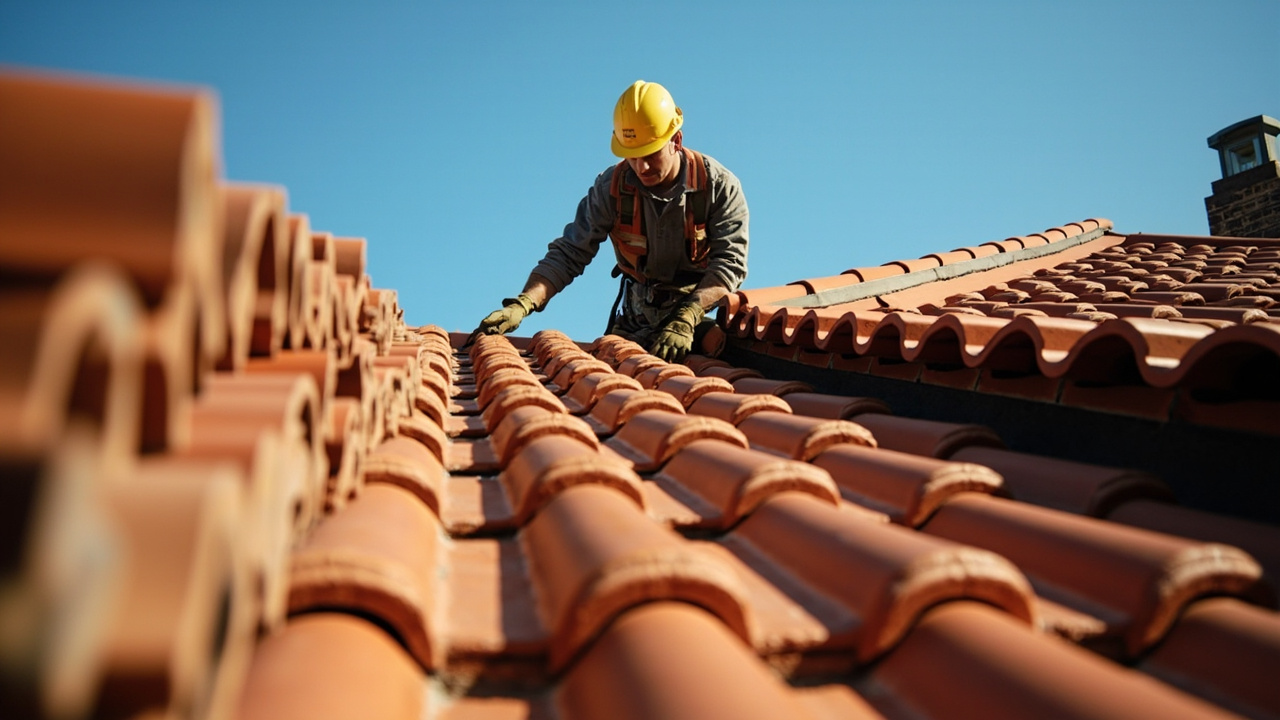
We space battens according to tile profile and manufacturer specifications, securing them with corrosion-resistant fasteners driven into solid decking. This creates the ventilation cavity that prevents moisture accumulation and extends the life of both the tiles and the substrate. Each tile gets mechanically attached, not just friction-fit. We use stainless steel or copper nails that will not rust out after five years of exposure.

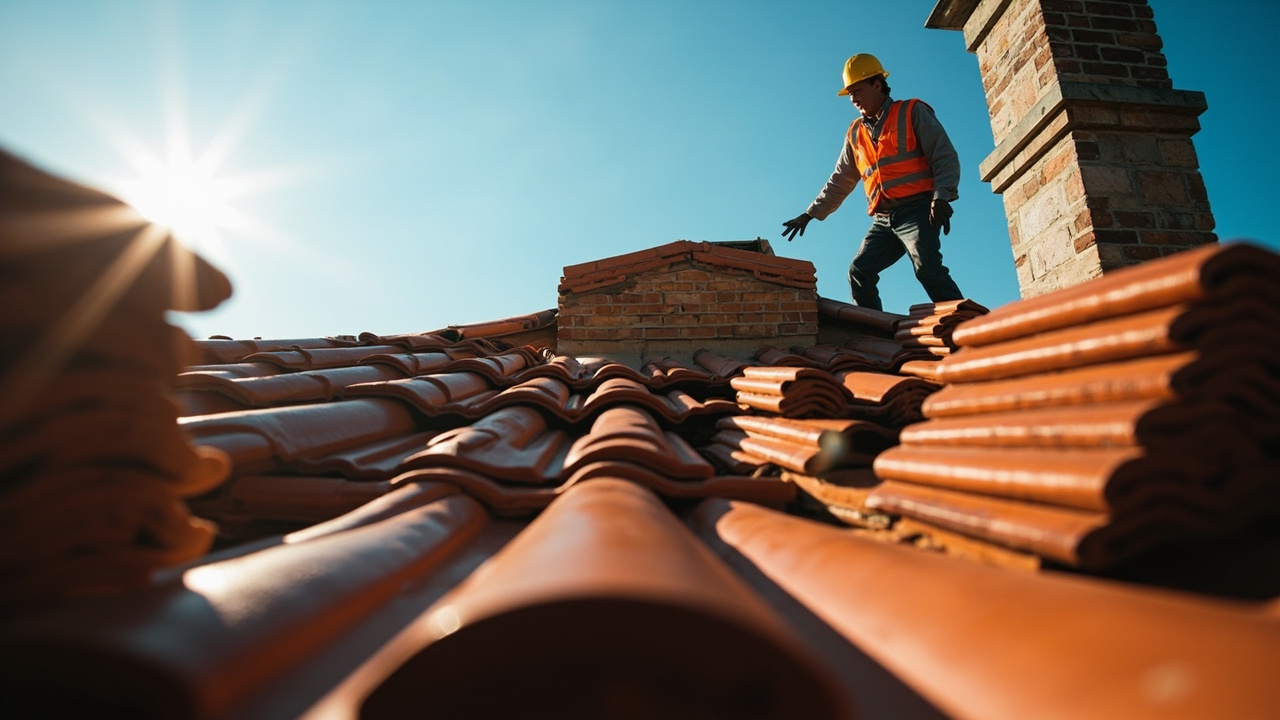
Valley construction receives special attention. We form metal valleys with minimum 24-gauge galvanized or copper material, ensuring adequate width for water flow during heavy rain. Hip and ridge details get mortar-set with breathable systems that allow moisture escape while blocking water entry. Every termination point, every transition, every flashing detail gets executed to prevent the weak points where most tile roofs fail.

What Happens During Your Tile Roof Project

Tile Roofing Services in New Orleans | Built to Survive Hurricane-Force Winds and Gulf Coast Humidity
01

Structural Assessment and Planning

We begin with a detailed roof inspection that examines your existing structure, measures spans and slopes, and identifies any framing weaknesses. You receive a written assessment that outlines necessary structural upgrades, tile options suitable for your home, and a timeline for completion. We pull permits and coordinate engineering calculations if required by the scope of work or building department.
02

Deck Preparation and Installation

Our crews remove old roofing material down to the deck, inspect and repair sheathing, then install underlayment and batten systems according to engineering specifications. We set up safety rigging and material hoists to protect your property and ensure efficient workflow. Each layer gets inspected before we proceed to the next phase, with quality checkpoints documented throughout the installation process.
03

Final Installation and Inspection

We install tiles starting from the eaves and working upward, ensuring proper overlap and fastener placement on every piece. Ridge caps, hips, and valleys receive hand-set mortar work for weathertight performance. After installation, we conduct a final walk-through with you, complete city inspections, and provide documentation of materials and workmanship for your records and future reference.

Why New Orleans Homeowners Choose Local Tile Roofing Experts

You need tile roofing contractors who understand what happens when a roof sits 15 feet below sea level in a subtropical climate zone. We work in this environment every day. We know how moisture moves through attic spaces when outdoor humidity exceeds indoor levels. We understand the mold litigation risks you face if water enters your living space through poor flashing details.

Heritage Roofing New Orleans has rebuilt roofs after Katrina, Isaac, and Ida. We have seen what survives and what fails when sustained winds hit 120 mph. That experience informs every fastener choice, every batten spacing decision, and every flashing detail we install. You get the benefit of hard-won knowledge that out-of-town tile roofing companies simply do not possess.

We maintain relationships with local building inspectors and know the specific requirements for different neighborhoods. The Vieux Carré Commission has strict guidelines for tile profiles and colors in the French Quarter. Lakeview rebuilds often require engineer-stamped drawings due to flood zone classifications. We navigate these requirements daily and keep your project moving forward without delays or rejected inspections.

Our material suppliers stock tiles suited for Gulf Coast conditions. We use products tested for salt air exposure, thermal cycling, and impact resistance from wind-borne debris. When you need a tile roof repair years after installation, we can source matching materials because we work with consistent suppliers who maintain inventory for legacy products.

You also get accountability. We are not a crew that rolls into town after a storm, collects insurance checks, and disappears when problems surface. Our reputation depends on long-term performance. We return calls, honor commitments, and fix problems because we live and work in this community. Your neighbor's referral matters more to us than any advertising budget.

What You Can Expect From Start to Finish

Project Timeline and Scheduling

Most tile roofing replacement projects take two to four weeks from contract signing to final inspection, depending on home size and complexity. Weather delays add time during summer storm season. We schedule material deliveries to minimize lawn damage and coordinate dumpster placement to protect your driveway. You receive a detailed timeline before work begins, with updates if conditions change. We understand you need to plan around noise, disruption, and access limitations.

Initial Evaluation and Proposal

Your consultation includes a roof inspection, attic examination, and discussion of tile options that fit your home style and budget. We measure slopes, identify ventilation issues, and photograph existing conditions. You receive a written proposal that breaks down structural work, material costs, and labor separately. We explain what your insurance may cover if you are filing a storm damage claim. No pressure tactics, no same-day signing requirements. You get time to compare options and make an informed decision.

Installation Quality and Standards

Every tile gets installed according to manufacturer specifications and local building codes. We do not cut corners on fastener counts or skip steps in underlayment installation. Our crews clean your property daily and use tarps to protect landscaping from falling debris. You can inspect work at any phase and ask questions about methods or materials. We want you to understand what you are paying for and feel confident in the quality you receive.

Post-Installation Support and Maintenance

Tile roofs require minimal maintenance but benefit from periodic inspections. We recommend annual checks after hurricane season to identify any displaced tiles or damaged flashing before small problems become big ones. You receive documentation of all materials used, including tile manufacturer, underlayment brand, and fastener specifications. This information proves valuable for insurance purposes and future tile roof repair needs. We remain available to answer questions and address concerns long after your final payment clears.

Frequently Asked Questions

You Have Questions,
We Have Answers

How much does it cost to do a tile roof? +

Tile roof installation in New Orleans varies based on tile type, roof complexity, and structural reinforcement needs. Clay tiles typically cost more than concrete tiles. Your roof pitch, accessibility, and whether you need decking repairs also impact the total. Hurricane-rated underlayment and fastening systems add expense but are critical in our Gulf Coast climate. Most New Orleans homes with tile roofs require structural evaluation first because tile weighs significantly more than asphalt shingles. Labor costs reflect the skill required for proper installation, especially around chimneys and valleys common in historic districts. Request detailed estimates that break down materials, labor, and structural upgrades separately.

How much does it cost to get a roof tiled? +

Getting your roof tiled in New Orleans depends on material choice, roof size, and preparation work. Concrete tiles offer durability at a lower entry point than clay. Your existing roof structure may need reinforcement to handle tile weight, which adds to the project scope. High humidity and hurricane exposure in Southeast Louisiana require specific underlayment and flashing details that resist moisture and wind uplift. Removal of old roofing, disposal fees, and permit costs factor into your total investment. Homes in the French Quarter or Garden District may face additional requirements due to historic preservation standards. Get multiple quotes that specify tile grade and installation warranty coverage.

How much should a 2000 sq ft roof cost? +

A 2000 square foot roof in New Orleans requires careful assessment beyond just area measurement. Tile roofing costs more per square foot than composition shingles but offers superior longevity in our humid subtropical climate. Your roof complexity matters. Multiple valleys, dormers, and steep pitches increase labor time. Structural reinforcement is common because many older New Orleans homes were built for lighter roofing materials. Hurricane straps, upgraded underlayment, and proper ventilation add necessary expenses. The tile type you select, clay versus concrete, significantly affects your bottom line. Most projects also include flashing replacement around penetrations and edges to prevent water intrusion during heavy Gulf storms.

How much does it cost to roof a 20x20 garage? +

Tiling a 20x20 garage roof (400 square feet) in New Orleans is more than a simple calculation. Small roofs often cost more per square foot because setup, mobilization, and minimum material orders do not scale down proportionally. Your garage structure may need bracing to support tile weight, especially if it was originally designed for asphalt shingles. Concrete tiles work well for detached structures and resist our high winds. Factor in underlayment, ridge caps, and edge treatments. Access difficulty affects labor time. If your garage sits close to property lines or has limited staging space, expect higher installation costs. Get itemized quotes that separate materials from labor and structural work.

How much does it cost to install 1000 sq ft of tile? +

Installing 1000 square feet of tile roofing in New Orleans depends on tile material, roof pitch, and substrate condition. Concrete tiles generally cost less than clay but both resist our intense UV exposure and hurricane winds effectively. Your existing decking condition matters. Water damage from past leaks requires repair before tile installation. Steeper pitches demand more labor and safety equipment. Proper underlayment is non-negotiable in our climate where wind-driven rain penetrates weak points. Include costs for hip and ridge tiles, which differ from field tiles. New Orleans humidity requires adequate attic ventilation to prevent moisture buildup under tiles. Material delivery and staging also factor into smaller projects.

How many years will a tile roof last? +

Clay and concrete tile roofs in New Orleans routinely last 50 to 75 years when properly installed and maintained. Clay tiles can exceed 100 years, as evidenced by historic homes throughout the French Quarter and Uptown. Our humid climate and intense sun exposure do not degrade quality tiles like freeze-thaw cycles damage roofs up north. Hurricane winds test fastening systems more than the tiles themselves. Underlayment typically needs replacement every 20 to 30 years, but tiles get reused. Regular inspections after major storms catch displaced or cracked tiles early. Proper attic ventilation prevents moisture damage to the roof deck, which extends the entire system lifespan significantly.

Do tile roofs increase home value? +

Tile roofs increase home value in New Orleans, particularly in established neighborhoods like Lakeview, Old Metairie, and Audubon. Buyers recognize the longevity, hurricane resistance, and lower maintenance compared to asphalt shingles. Tile roofs often reduce insurance premiums because they meet higher wind ratings and resist fire better. Clay tiles add authentic character to Mediterranean, Spanish Colonial, and some Creole Cottage styles common here. Energy efficiency improves because tile creates an air gap that reduces heat transfer in our brutal summers. Appraisers factor in remaining roof life, and a 50-year tile roof versus a 15-year shingle roof significantly impacts comparable sales analysis and resale confidence.

How long should it take to tile a roof? +

Tile roof installation in New Orleans typically takes one to three weeks depending on roof size, complexity, and weather delays. A straightforward 2000 square foot home might complete in five to seven working days. Larger homes or those with multiple valleys, dormers, and turrets require more time for proper flashing and tile cutting. Structural reinforcement adds days before tile installation begins. Summer afternoon thunderstorms interrupt work schedules frequently. Removal and disposal of old roofing takes one to two days. Underlayment and battening require dry conditions. Ridge and hip details demand careful craftsmanship and cannot be rushed. Experienced crews work efficiently but shortcuts compromise performance during our severe weather events.

What is the most expensive part of replacing a roof? +

For tile roofs in New Orleans, structural reinforcement often represents the most expensive component beyond the tiles themselves. Many older homes require additional framing to support tile weight, which demands engineering analysis and carpentry work. Decking replacement runs high when water damage has compromised plywood or boards underneath. Quality underlayment designed for our climate and hurricane exposure costs more but prevents catastrophic failures. Labor for proper tile installation exceeds basic roofing because it requires specialized skills. Disposal fees for old roofing materials add up quickly. Flashing replacement around chimneys, skylights, and wall intersections uses expensive materials but prevents leaks that cause interior damage far exceeding initial savings.

Will roofing prices go down in 2025? +

Roofing prices in 2025 remain difficult to predict given material costs, labor availability, and insurance claim volumes after hurricane seasons. New Orleans experiences price volatility after major storms when demand surges and contractors come from out of state. Tile roofing materials see less price fluctuation than asphalt shingles because clay and concrete production stays relatively stable. Skilled labor shortages keep installation costs elevated. Inflation affects everything from fuel for material delivery to workers compensation insurance. Hurricane preparedness drives steady demand regardless of national trends. Focus on value rather than timing the market. A quality tile roof installation protects your home for decades, making short-term price movements less relevant to your long-term investment.

How New Orleans Humidity and Salt Air Impact Tile Roof Longevity

New Orleans sits just 110 miles from the Gulf of Mexico, which means your roof gets exposed to salt-laden air that accelerates corrosion of metal components. Standard galvanized flashing and steel fasteners rust out in 10 to 15 years, creating leak points long before the tiles themselves fail. We specify stainless steel or copper fasteners for tile roofing installation because they resist this corrosion. The constant humidity also creates ideal conditions for algae and moss growth on north-facing slopes. Concrete tiles with factory-applied fungicide coatings resist this biological growth better than untreated materials.

Orleans Parish building codes require specific wind load calculations based on your distance from Lake Pontchartrain and exposure category. A tile roof in Lakeview faces different engineering requirements than one in Mid-City because wind speeds vary based on terrain and proximity to open water. Local tile roofing companies familiar with these zone classifications ensure your roof gets built to the correct standard. This is not just about passing inspection. It is about whether your roof stays attached during the next major hurricane. Experience with local conditions matters when your property and safety depend on performance under extreme stress.

Roofing Services in The New Orleans Area

Our dedicated team is proud to serve the entire area, bringing our legacy of quality roofing services directly to your neighborhood. Whether you need a simple repair, a full-scale replacement, or an urgent inspection, you can find us easily on the map below. We are committed to being your local roofing partner, delivering expert solutions right where you are. We look forward to working with you to protect your most valuable asset—your home.Our dedicated team is proud to serve the entire area, bringing our legacy of quality roofing services directly to your neighborhood. Whether you need a simple repair, a full-scale replacement, or an urgent inspection, you can find us easily on the map below. We are committed to being your local roofing partner, delivering expert solutions right where you are. We look forward to working with you to protect your most valuable asset—your home.

Address:
Heritage Roofing New Orleans, 3308 Tulane Ave, New Orleans, LA, 70119

Additional Services We Offer

Our news updates

Latest Articles & News from The Blogs

The 10 Critical Questions That Could Save Your New Orleans Home Roofing in New Orleans isn't just about shingles and…

Questions You Must Ask a New Orleans Roofer Before Signing a Contract

The 10 Critical Questions That Could Save Your New Orleans Home Roofing in New Orleans isn't just about shingles and…

Restoring the Intricate Turrets and Gables on Victorian Homes in the Holy Cross District

Restoring the Intricate Turrets and Gables on Victorian Homes in the Holy Cross District The Holy Cross District in New…

Is Stone Coated Steel the Right Choice for Your Slidell Waterfront Property?

Is Stone Coated Steel the Right Choice for Your Slidell Waterfront Property? Living along the water in Slidell comes with…

Contact Us

Call Heritage Roofing New Orleans at (504) 355-3444 for a detailed roof evaluation and written proposal. We provide honest assessments, accurate timelines, and quality work that protects your home through the next storm season.