





menu

Flat Roofing Services in New Orleans – Built to Handle Heavy Rain and Hurricane Winds

Heritage Roofing New Orleans delivers expert flat roofing services engineered for the intense weather conditions of Southeast Louisiana, from torrential downpours to Category 3 wind loads, protecting your property when traditional sloped systems fail.

Slider Image 1
Slider Image 2
Slider Image 3
Slider Image 4
Slider Image 5
Slider Image 7
Slider Image 8
Slider Image 9
Slider Image 10
Slider Image 11

Why Flat Roofs Fail Faster in New Orleans Than Almost Anywhere Else

New Orleans sits below sea level in a subtropical climate where annual rainfall exceeds 60 inches. Your flat roof faces challenges most other cities never see. Water does not run off a flat surface the way it does on a pitched roof. It pools. It sits. It finds every microscopic crack in your membrane and turns it into a leak.

The heat index regularly hits triple digits from May through September. That constant thermal expansion and contraction breaks down roofing membranes faster than in drier climates. Add sudden temperature drops during winter cold snaps, and you create a cycle that fatigues materials in just a few years.

Hurricane season brings another level of stress. Wind uplift on a flat roof is extreme. The larger the surface area, the more force acts like a giant suction cup trying to peel your roof off the building. Poor installation or aging adhesives mean catastrophic failure during a storm.

Flat roof contractors in New Orleans must account for these specific conditions. Generic flat roofing solutions designed for Phoenix or Denver will not survive here. You need low slope roofing services that address standing water drainage, UV degradation, and wind-rated fastening systems. Flat roofing companies that understand the difference between a 10-year roof in Colorado and a 10-year roof in Louisiana are the only ones you should trust. Flat roof specialists who skip proper slope calculations or use the wrong membrane type are setting you up for expensive emergency repairs within 24 months.

Your building deserves better than that.

Why Flat Roofs Fail Faster in New Orleans Than Almost Anywhere Else
How We Engineer Flat Roofing Systems That Survive New Orleans Weather

How We Engineer Flat Roofing Systems That Survive New Orleans Weather

We do not install flat roofs the way most contractors do. We start with a slope analysis using laser levels to identify where water will naturally travel. True flat roofs do not exist in professional construction. Every low slope roof needs a minimum pitch of one-quarter inch per foot to move water toward drains and scuppers.

We evaluate your existing drainage infrastructure before we touch the membrane. Clogged drains and undersized scuppers cause more flat roof failures than bad materials. If your building has internal drains, we inspect the entire plumbing system for backups that could reverse-flow during heavy rain. We have seen roofs fail because a blocked drain on the third floor caused water to rise six inches deep during a thunderstorm.

Material selection depends on your building type and exposure. TPO membranes offer excellent UV resistance and heat reflectivity, critical for reducing cooling costs in our climate. EPDM rubber membranes handle thermal movement better and cost less, but they absorb more heat. Modified bitumen systems with granulated surfaces provide impact resistance against hail and wind-blown debris, common during tropical weather events.

We use fully adhered installation methods on buildings taller than two stories or in high-wind zones near Lake Pontchartrain. Mechanically fastened systems work for smaller structures, but adhesive coverage must meet Miami-Dade wind uplift ratings to survive hurricane conditions. We also install tapered insulation systems that create positive drainage where structural decks lack proper slope. This prevents ponding water, the number one cause of premature membrane failure in low slope roofing services.

Every seam gets tested. Every penetration gets properly flashed. Every detail gets engineered for worst-case scenarios.

What Happens During Your Flat Roof Installation

Flat Roofing Services in New Orleans – Built to Handle Heavy Rain and Hurricane Winds
01

Roof Assessment and Planning

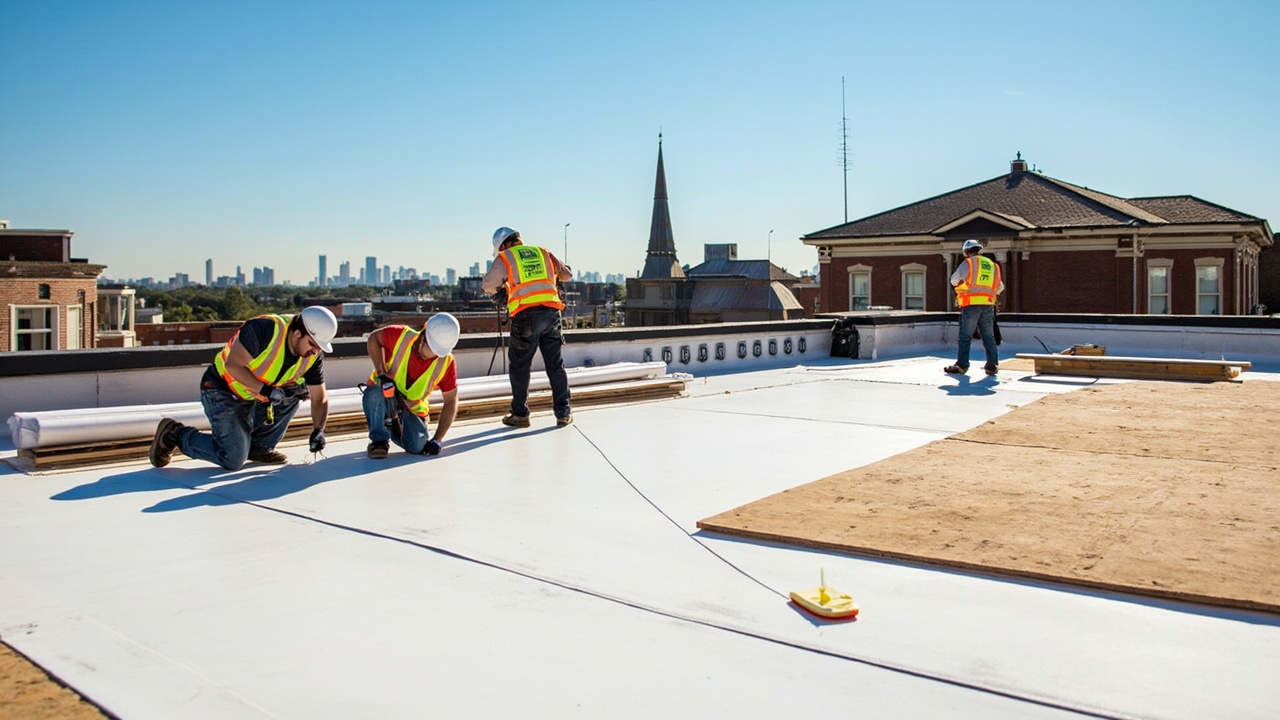
We conduct a detailed structural inspection to determine if your existing decking can support new roofing materials and identify any compromised areas. Using moisture meters and infrared scanning, we map wet insulation that must be removed. We measure existing slope, document all penetrations, and design a drainage plan that meets New Orleans building codes. You receive a written scope of work before any materials arrive on site.
02

Tear-Off and Deck Repair

Our crews remove the existing membrane and all saturated insulation down to the structural deck. We inspect every square foot of plywood or concrete for damage. Rotted sections get replaced with properly fastened sheathing. We verify the deck is clean, dry, and structurally sound before installing new materials. This phase determines whether your new roof will last 10 years or 25 years. Shortcuts here cost you thousands later.
03

Membrane Installation and Testing

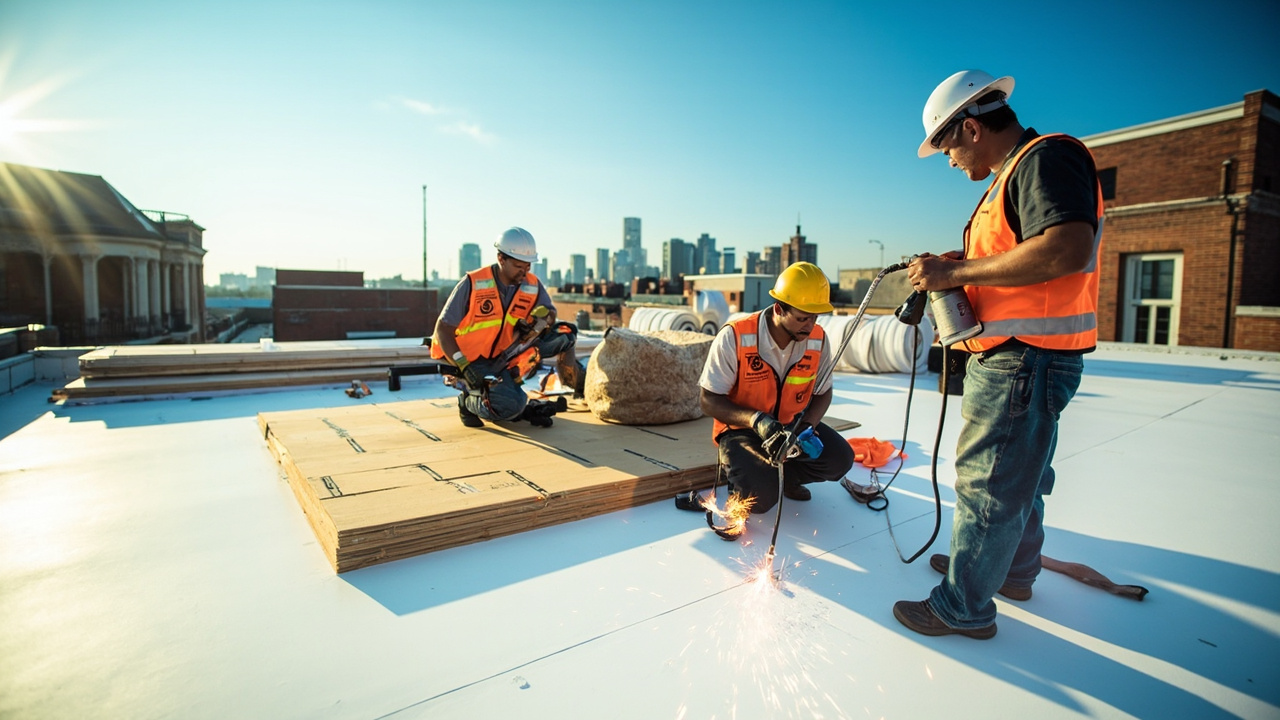
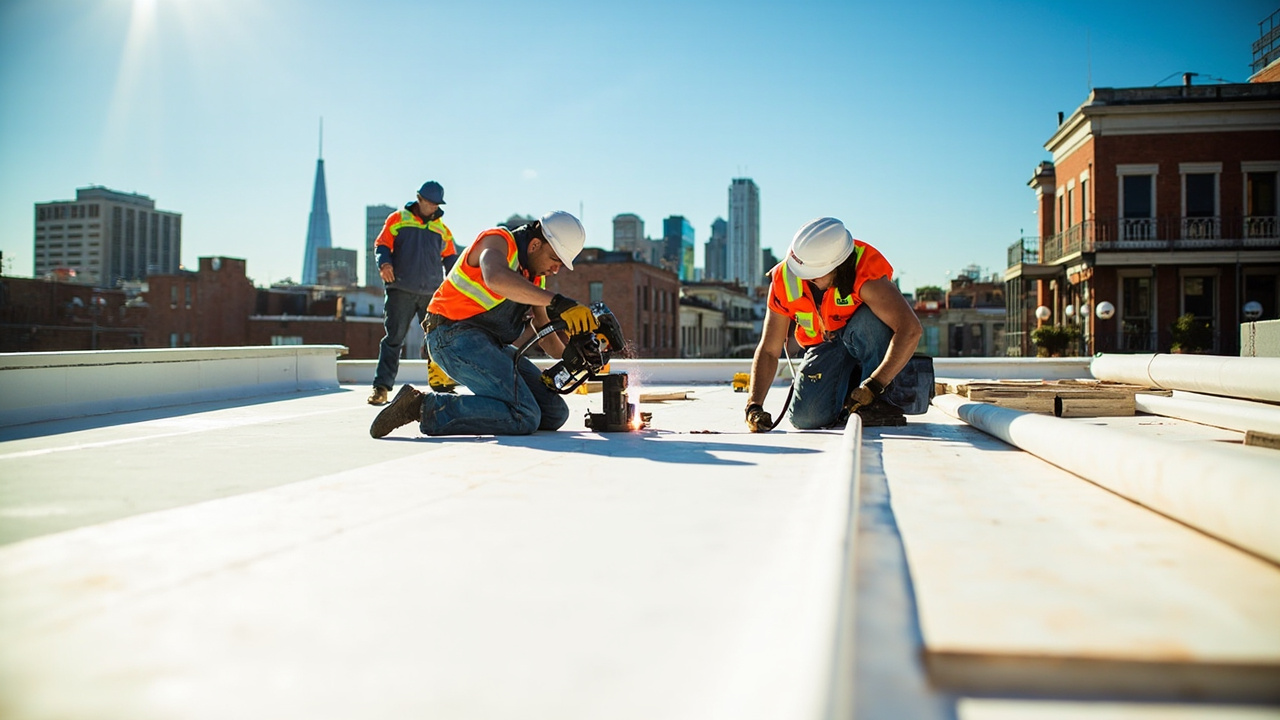
We install base insulation layers with offset seams to prevent thermal bridging, then apply the roofing membrane according to manufacturer specifications for high-wind coastal zones. All seams get heat-welded or chemically bonded depending on material type. We flood-test drains and conduct a final walkthrough to verify proper slope and flashing details. You get documentation required for warranty activation and insurance compliance in hurricane-prone regions.

Why New Orleans Property Owners Choose Heritage Roofing for Flat Roof Projects

We have installed and repaired flat roofing systems across every neighborhood in Orleans Parish, from the commercial corridors along Airline Highway to the mixed-use buildings in the Warehouse District. We understand how different building types respond to our climate. A flat roof on a 1920s masonry building in the Garden District requires different detailing than a modern steel-frame structure in New Orleans East.

Local building codes in New Orleans require specific wind uplift ratings and attachment methods that differ from surrounding parishes. We stay current on those requirements and maintain relationships with city inspectors who know our work. That means faster permit approval and fewer delays on your project.

We also know which material suppliers stock products rated for coastal wind zones. Not every TPO membrane or EPDM system meets the testing standards required for buildings within 10 miles of the Gulf Coast. We source membranes with factory-certified wind ratings and maintain detailed installation records that satisfy both manufacturer warranty requirements and insurance underwriting standards.

Our crews work year-round in New Orleans weather. We know how to schedule around afternoon thunderstorms and how to protect open roof decks when sudden squalls roll in from the lake. We carry the equipment needed to handle emergency tarping if weather turns severe mid-project.

You also get transparent communication. We explain what we find during tear-off and why certain repairs matter. We do not upsell unnecessary work, but we will not hide structural problems that compromise your roof system. You need to know if your decking is failing or if your parapet walls need repointing before we seal everything under a new membrane.

That honesty keeps buildings dry and owners informed.

What to Expect When You Hire Heritage Roofing for Flat Roofing Services

Project Timeline and Scheduling

Most residential flat roof replacements take three to five days depending on size and weather. Commercial projects vary based on square footage and building height. We schedule work to minimize disruption to your operations and coordinate with property managers on building access. If you need emergency repairs after storm damage, we respond within hours to tarp and stabilize your roof, then schedule permanent repairs within days. We monitor weather forecasts constantly and adjust schedules to avoid working during heavy rain or high wind events that could compromise installation quality.

Initial Inspection and Estimate Process

We conduct a thorough roof inspection that includes accessing the roof surface, checking drainage systems, examining flashing details, and evaluating the condition of existing membranes and insulation. You receive a detailed written estimate that breaks down material costs, labor, and any structural repairs needed. We explain your options for different membrane types and insulation upgrades. We also photograph problem areas and explain how current damage developed so you understand what failed and why. This inspection typically takes 45 minutes to an hour for most buildings.

Quality of Completed Work

Your finished roof will have properly sloped drainage that moves water off the surface within 48 hours of rainfall, heat-welded seams that will not separate under thermal stress, and flashing details designed to handle wind-driven rain during tropical storms. All penetrations get custom-fabricated metal counterflashing or prefabricated pipe boots rated for the membrane type. We install edge metal and coping caps that resist wind uplift and prevent water infiltration at parapet walls. You get a roof system engineered to meet or exceed New Orleans wind load requirements and manufacturer installation standards.

Maintenance and Long-Term Performance

We provide detailed maintenance guidelines specific to your membrane type and building exposure. You learn what to inspect after major storms, how often to clear drains and gutters, and which minor issues you can address yourself versus when to call a professional. We offer annual inspection services that catch small problems before they become expensive failures. These inspections also maintain manufacturer warranty compliance and provide documentation for insurance purposes. We keep records of all work performed and can provide historical reports if you sell the property or refinance.

Frequently Asked Questions

You Have Questions,
We Have Answers

How much does it cost to have a flat roof done? +

Flat roof costs depend on roof size, material choice, and existing damage. New Orleans properties face unique challenges from high humidity and hurricane exposure. TPO and EPDM installations typically run lower than modified bitumen or PVC systems. Your square footage matters. A 1,000-square-foot commercial roof costs less than a 3,000-square-foot residential project. Tear-off requirements, drainage upgrades, and structural repairs add to the total. Always get three local estimates. Watch for roofers who quote without inspecting your roof. New Orleans contractors familiar with local building codes provide the most accurate pricing.

What's the average price for a flat roof? +

Flat roof pricing varies based on membrane type, roof size, and project complexity. In New Orleans, expect material and installation to differ widely. TPO and rolled roofing sit at the lower end. Modified bitumen falls mid-range. PVC and built-up roofing cost more but handle our intense UV exposure and heavy rain better. Your existing roof condition matters. A simple overlay costs less than a complete tear-off. Factor in drainage improvements, which New Orleans flat roofs need to handle torrential downpours. Get itemized quotes from licensed contractors who understand our climate demands.

How to tell if a roofer is lying? +

Red flags include vague estimates without roof measurements, pressure to decide immediately, or cash-only demands. A lying roofer skips the attic inspection or claims you need a full replacement without showing you the damage. In New Orleans, watch for contractors who ignore local building codes or hurricane wind load requirements. Ask for references from recent jobs. Verify their license with the Louisiana State Licensing Board. A honest roofer provides a written estimate, explains material options, and documents existing damage with photos. Trust your gut. If something feels off, it probably is.

What does a new flat roof cost? +

New flat roof costs depend on material selection, roof size, and removal requirements. In New Orleans, factor in hurricane-rated installations and proper drainage systems. EPDM rubber and TPO are budget-friendly options. Modified bitumen offers mid-range pricing with good performance. PVC costs more but resists our high humidity and algae growth. A complete tear-off adds labor costs compared to an overlay. Expect additional expenses for fascia repairs, new flashing, and upgraded ventilation. Local contractors who understand New Orleans weather patterns give the most accurate project estimates. Always budget for unexpected decking repairs.

What is the cheapest option for a flat roof? +

Rolled roofing is the cheapest flat roof option, but it rarely works for New Orleans conditions. You get what you pay for. EPDM rubber membrane offers better value for residential flat roofs. It handles our heat and humidity at a lower cost than PVC or modified bitumen. TPO provides another budget-friendly choice with decent UV resistance. Skip the temptation to cut corners. New Orleans weather destroys cheap installations fast. A mid-grade material installed correctly outlasts bargain options that fail in three years. Focus on longevity, not just upfront cost. Poor drainage will wreck any cheap system.

How much does it cost to roof a 3 bedroom flat? +

A flat roof for a three-bedroom property depends on actual square footage, not bedroom count. New Orleans homes vary widely in size. A compact 1,200-square-foot Uptown shotgun costs less than a sprawling 2,500-square-foot ranch in Lakeview. Material choice drives pricing. EPDM rubber runs less than PVC or modified bitumen systems. Factor in tear-off requirements, structural repairs, and drainage improvements. High humidity and hurricane exposure demand quality installations. Get quotes based on measured square footage. Beware contractors who estimate without climbing on your roof. Proper assessment requires physical inspection.

What are common flat roof problems? +

Ponding water tops the list for New Orleans flat roofs. Poor drainage leads to membrane deterioration and leaks. Our intense sun causes blistering and cracking in lower-grade materials. Seam failures happen when installation cuts corners. Flashing problems around HVAC units and parapet walls create entry points for water. Alligator cracking signals age and UV damage. Vegetation growth thrives in our humid climate, damaging membranes. Inadequate slope causes standing water after heavy rain. Regular inspections catch these problems early. New Orleans flat roofs need maintenance every six months to handle our weather extremes.

How much is a roof for a 2000 sq foot house? +

A 2,000-square-foot flat roof cost depends on material type and installation complexity. New Orleans properties need hurricane-rated installations and proper drainage systems. Expect different pricing for EPDM, TPO, modified bitumen, or PVC membranes. A complete tear-off costs more than an overlay. Factor in fascia repairs, new flashing, and upgraded ventilation. Structural repairs add to the total if decking shows water damage. Local contractors who understand our building codes and climate provide accurate estimates. Always get three written quotes. Watch for unusually low bids that skip critical waterproofing steps our weather demands.

What is the cheapest flat roof system? +

EPDM rubber membrane offers the most affordable flat roof system with decent performance. It handles New Orleans heat and humidity better than rolled roofing. TPO provides another budget-friendly option with good UV resistance. Both cost less than PVC or modified bitumen. Installation simplicity keeps labor costs down. The trade-off? Shorter lifespan than premium systems. EPDM typically lasts 15 to 20 years in our climate. Proper installation matters more than rock-bottom pricing. A cheap system installed poorly fails fast in New Orleans weather. Focus on value, not just the lowest upfront cost.

What should you not say to a contractor? +

Never tell a contractor you have insurance money to spend. This inflates quotes. Skip mentioning you got other estimates, it creates negotiating games. Do not say you are in a rush or need work done immediately. Desperate homeowners pay more. Avoid sharing your budget ceiling. Let the contractor quote the job honestly. Never admit you do not understand roofing terms. Ask questions instead. Do not bad-mouth previous contractors, it makes you look difficult. In New Orleans, never suggest skipping permits or inspections. This creates liability and code violations that haunt you later.

How New Orleans Rainfall Patterns Make Professional Flat Roof Installation Critical

New Orleans receives more rainfall than Seattle, but it comes in intense bursts rather than steady drizzle. A single afternoon thunderstorm can dump three inches of rain in 90 minutes. Your flat roof must handle that volume without allowing water to back up at drains or pond in low spots. Poor drainage design causes standing water that accelerates membrane deterioration and leads to leaks within months. The high water table and below-sea-level elevation also mean roof leaks can introduce significant moisture into buildings that already struggle with humidity control. Professional flat roof contractors design systems that account for these extreme rainfall events and prevent the catastrophic failures common with improperly installed low slope roofing solutions.

Heritage Roofing New Orleans maintains relationships with local building inspectors and understands the specific code requirements for flat roofing systems in Orleans Parish. We know which streets require additional wind uplift protection due to exposure near the lakefront or river. We source materials from suppliers who stock products rated for coastal wind zones and maintain inventory during hurricane season when supply chains get disrupted. Our crews live and work in New Orleans year-round. We understand the rhythm of the weather and how to schedule installations around afternoon storms. That local expertise translates into roofs that perform correctly from day one and continue protecting your property for decades.

Roofing Services in The New Orleans Area

Our dedicated team is proud to serve the entire area, bringing our legacy of quality roofing services directly to your neighborhood. Whether you need a simple repair, a full-scale replacement, or an urgent inspection, you can find us easily on the map below. We are committed to being your local roofing partner, delivering expert solutions right where you are. We look forward to working with you to protect your most valuable asset—your home.Our dedicated team is proud to serve the entire area, bringing our legacy of quality roofing services directly to your neighborhood. Whether you need a simple repair, a full-scale replacement, or an urgent inspection, you can find us easily on the map below. We are committed to being your local roofing partner, delivering expert solutions right where you are. We look forward to working with you to protect your most valuable asset—your home.

Address:
Heritage Roofing New Orleans, 3308 Tulane Ave, New Orleans, LA, 70119

Additional Services We Offer

Our news updates

Latest Articles & News from The Blogs

Why Concrete Tile Is Making a Comeback for Modern Homes in Lake Vista Concrete tile roofing is experiencing a significant…

Why Concrete Tile Is Making a Comeback for Modern Homes in Lake Vista

Why Concrete Tile Is Making a Comeback for Modern Homes in Lake Vista Concrete tile roofing is experiencing a significant…

Navigating the VCC and HDLC Roofing Permit Process Without Losing Your Mind

Understanding VCC and HDLC Roofing Permit Requirements in New Orleans Getting a roofing permit in New Orleans can feel overwhelming.…

Managing Overhanging Live Oak Branches Above Your St. Charles Avenue Roof

Managing Overhanging Live Oak Branches Above Your St. Charles Avenue Roof Live Oak branches hanging over St. Charles Avenue homes…

Contact Us

Call Heritage Roofing New Orleans at (504) 355-3444 for a detailed inspection and written estimate. We respond to emergency roof damage within hours and schedule new installations within days. Your building deserves a flat roofing system engineered for New Orleans weather.