





menu

Rotting Fascia Boards in New Orleans – Stop Wood Rot Before It Spreads to Your Roof Deck

Catch decaying fascia wood early to prevent structural damage and gutter failure. Heritage Roofing New Orleans diagnoses rotting fascia boards fast and replaces them with rot-resistant materials engineered for our humid subtropical climate.

Slider Image 1
Slider Image 2
Slider Image 3
Slider Image 4
Slider Image 5
Slider Image 7
Slider Image 8
Slider Image 9
Slider Image 10
Slider Image 11

Why Fascia Boards Rot Faster in New Orleans

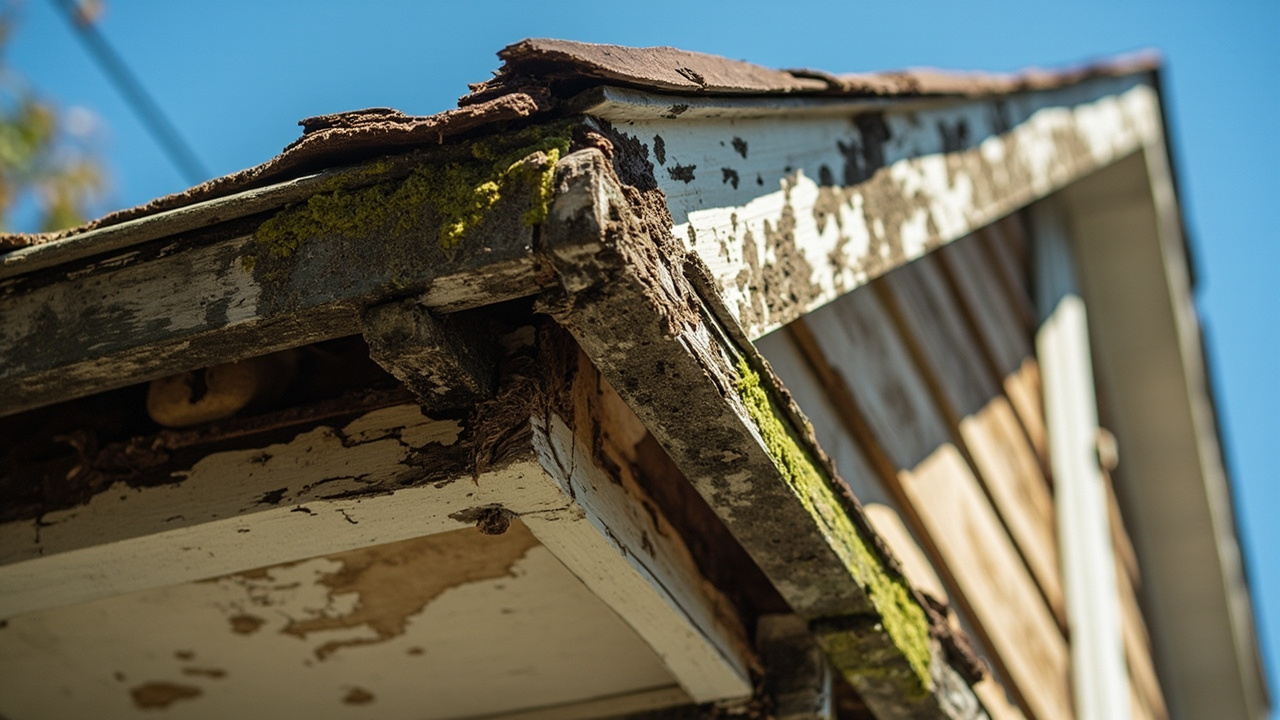
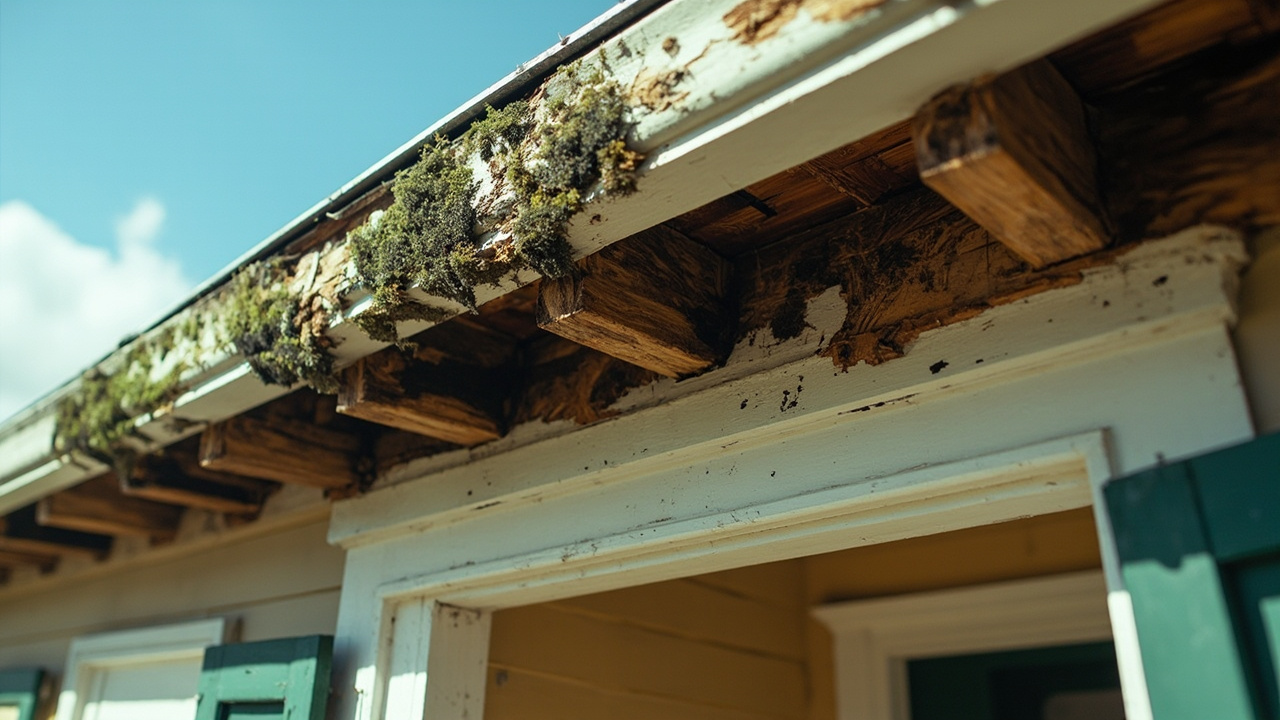
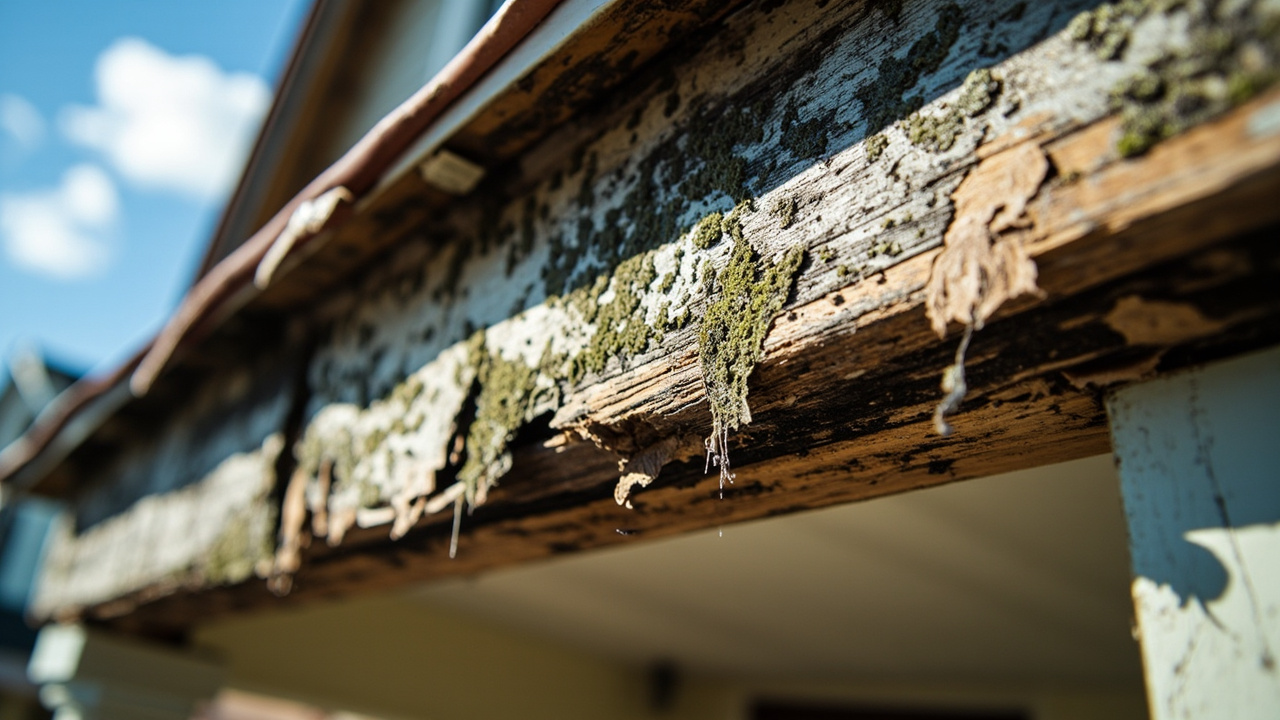
You notice paint peeling along your roofline. You see streaks running down the trim. You pull away a section of gutter, and the wood behind it crumbles like wet cardboard. This is fascia board rot, and it happens faster here than almost anywhere else in the country.

New Orleans averages 64 inches of rain each year. Our humidity rarely drops below 70 percent, even in winter. That constant moisture saturates exposed wood, creating the perfect breeding ground for fungal decay. When gutters clog or overflow during summer thunderstorms, water pools against the fascia instead of draining away. The wood stays wet for days. Rot spreads from the surface into the grain, weakening the structural connection between your roof edge and your home.

Older homes in neighborhoods like the Garden District, Lakeview, and Gentilly were often built with untreated pine fascia boards. These boards were never meant to handle our climate. Once water penetrates the paint or stain, the wood absorbs moisture like a sponge. Decaying fascia wood compromises your gutter system first. The fascia can no longer hold the weight of full gutters, causing sagging or complete detachment. Rotted roof trim also exposes the tail ends of your roof rafters to moisture, which can lead to rafter rot and interior ceiling damage.

Ignoring water damaged fascia means the rot migrates inward. You might see soft spots on your soffits, stains on interior walls near the roofline, or even mold growth in your attic. Wood rot on fascia is not cosmetic. It is structural, and it accelerates every month you wait.

Why Fascia Boards Rot Faster in New Orleans
How We Stop Rot and Restore Your Roofline

How We Stop Rot and Restore Your Roofline

We do not patch rotted wood with putty and repaint. That approach fails within six months in New Orleans. We remove every compromised section down to solid wood or the rafter tail, then install pressure-treated or fiber cement fascia designed to resist moisture infiltration.

Our process starts with a full perimeter inspection from a ladder, not the ground. We probe every linear foot of fascia with an awl to test for soft spots. We check the back side of the fascia where it meets the roof deck, because that is where hidden rot often starts. We inspect gutter attachment points, drip edge alignment, and soffit ventilation. If your gutters have been leaking or overflowing, we trace the source and fix it before replacing the fascia. Installing new wood under a broken gutter system wastes your money.

We remove the old fascia board in sections, preserving the gutter brackets and drip edge where possible. If the rafter tails show early rot, we treat them with a borate wood preservative that penetrates deep into the grain and kills existing fungal colonies. We cut new fascia boards to exact dimensions, prime all six sides before installation, and fasten them with corrosion-resistant screws, not nails. Nails back out over time as the wood expands and contracts. Screws stay locked.

We reinstall the drip edge so it channels water into the gutter, not behind the fascia. We caulk every seam with a high-grade polyurethane sealant that flexes with temperature swings. Finally, we apply two coats of exterior paint rated for high-humidity climates. The goal is a sealed system that sheds water instead of absorbing it.

What Happens During Your Fascia Board Replacement

Rotting Fascia Boards in New Orleans – Stop Wood Rot Before It Spreads to Your Roof Deck
01

Full Perimeter Assessment

We inspect every foot of your fascia and soffit from a ladder, probing for soft spots with a hand tool. We photograph damage, measure affected sections, and check whether rot has spread to rafter tails or roof sheathing. You get a detailed breakdown of what needs replacement, what can be treated, and what caused the rot in the first place. No surprises, no upselling.
02

Surgical Removal and Treatment

We remove only the rotted sections, cutting back to solid wood. If rafter tails show early decay, we apply a borate solution that stops fungal growth and hardens the remaining wood fibers. We prep the surface, install pre-primed fascia boards, and secure them with stainless steel screws. Every cut end gets sealed before installation to prevent future moisture intrusion at the joints.
03

Weather Sealing and Finish

We reinstall drip edge and gutters with proper flashing to direct water away from the new fascia. We caulk seams, prime exposed wood, and apply two coats of exterior-grade paint. Before we leave, we clean up all debris and show you exactly what we replaced. Your fascia is now a sealed barrier that resists New Orleans humidity, not a sponge waiting to rot again.

Why New Orleans Homeowners Choose Heritage Roofing for Fascia Repairs

You need a roofer who understands the difference between cosmetic carpentry and roofline structural repair. Fascia boards are not trim. They hold your gutter system, protect your roof deck, and prevent water intrusion at one of the most vulnerable points on your home. A handyman can replace wood. A roofing contractor ensures the replacement lasts in our climate.

We have worked on homes across New Orleans, from raised shotgun doubles in Mid-City to historic Creoles in the French Quarter. We know which materials hold up and which fail. We know that untreated pine rots in three years here. We know that improper flashing causes more fascia rot than bad gutters. We know how to integrate new fascia with existing roof structures without compromising the drip edge or creating new leak points.

We also understand local building practices. Many older homes in New Orleans were built with minimal roof overhangs, which means the fascia takes a direct hit during every rainstorm. We account for that when selecting materials and fastening methods. If your home has original wood siding or historic architectural details, we match the profile and finish so the repair blends seamlessly.

Our crews arrive on time, work efficiently, and leave your property cleaner than we found it. We do not leave tarps flapping for weeks or half-finished repairs exposed to the next storm. We complete fascia replacements in one to three days, depending on the scope. You get a written scope of work before we start, progress photos during the job, and a final walkthrough when we finish.

We are not the cheapest option. We are the correct option. Fascia rot is a warning sign. Fixing it right the first time costs less than replacing rotted rafters and ceiling joists later.

What to Expect When You Call Heritage Roofing New Orleans

Fast Scheduling and Response

We schedule inspections within three business days of your call. If you have active water intrusion or gutter detachment, we prioritize your appointment. Most fascia inspections take 30 to 45 minutes. You get a written estimate the same day or within 24 hours. We do not require deposits for inspections. Once you approve the scope, we schedule the work within one to two weeks, weather permitting. Emergency repairs for storm damage or structural concerns get handled faster.

Thorough Damage Assessment

Our inspection covers fascia, soffit, drip edge, gutter attachment, and the first three feet of roof decking adjacent to the fascia board. We use a moisture meter and an awl to test for hidden rot. We take photos of every problem area and mark damaged sections with measurements. You see exactly what we see. If rot has spread beyond the fascia into rafter tails or sheathing, we explain the scope and cost before proceeding. No hidden fees, no scope creep.

Quality Materials and Clean Finish

We install pressure-treated or fiber cement fascia boards rated for coastal climates. Both resist rot, insect damage, and moisture absorption better than standard pine. We prime all six sides of each board before installation and apply two finish coats after fastening. The result looks factory-finished, not job-site painted. We match your existing paint color or recommend a high-durability exterior coating if you are repainting the entire roofline. You get a clean, sealed system that looks sharp and performs for years.

Follow-Up and Maintenance Guidance

After installation, we walk you through what we replaced and why. We point out areas to monitor, like gutter corners or roof valleys that shed heavy water flow. We recommend an annual fascia inspection as part of routine roof maintenance. Catching early paint failure or minor caulk separation prevents another rot cycle. If you have questions or concerns in the months after the repair, you call the same number and speak to someone who knows your job. We stand behind our work because we do it right the first time.

Frequently Asked Questions

You Have Questions,
We Have Answers

Why is my fascia board rotting? +

Your fascia board rots because water gets trapped where it should not. In New Orleans, chronic humidity and heavy rainfall accelerate the problem. Clogged gutters overflow and soak the fascia constantly. Missing or damaged roof flashing lets water run behind the board instead of into the gutter. Termites and carpenter ants thrive in our wet climate and chew through wood undetected. Poor ventilation in the soffit area traps moisture. Once water penetrates the wood grain, decay spreads fast. The fascia stays wet longer here than in drier climates, which speeds rot.

How much does it cost to replace a rotted fascia board? +

Replacing rotted fascia in New Orleans depends on linear footage, wood type, and access difficulty. Expect material and labor costs to vary based on whether you need standard pine or rot-resistant composite. Homes with two-story rooflines or historic architectural details cost more because of scaffolding and custom millwork. If the rot spread to rafters or roof decking, structural repairs add expense. Most replacements involve gutter removal and reinstallation. Get three written estimates from local contractors. Ask what is included because some quote fascia only while others bundle soffit repair and painting.

Does homeowners insurance cover fascia damage? +

Homeowners insurance typically covers fascia damage only if a covered peril caused it. Sudden wind damage from a hurricane or fallen tree qualifies. Gradual rot from neglected maintenance does not. New Orleans insurers scrutinize claims closely after storms. If your adjuster finds pre-existing decay, they will deny the claim. Document your roof and fascia condition with photos annually. After a storm, file quickly and point to specific wind or impact damage. If rot existed before the storm but the storm made it worse, you may get partial coverage. Review your policy declarations page.

What is the average cost of replacing fascia boards? +

The average cost for fascia board replacement in the New Orleans metro ranges based on home size and material choice. A single-story home with standard wood fascia costs less than a two-story with composite materials. Historic homes in the Garden District or French Quarter often require custom milling to match original profiles, which increases expense. Add costs for soffit work, gutter removal, and repainting. If structural damage extends to rafter tails, expect higher bills. Most contractors charge per linear foot. Always get itemized quotes that separate materials, labor, and disposal fees.

What is the life expectancy of a fascia board? +

Fascia board life expectancy in New Orleans is shorter than national averages because of heat and humidity. Standard pine fascia lasts 10 to 15 years if maintained properly. Composite or PVC fascia can last 25 years or more. Our subtropical climate accelerates wood decay. Fascia exposed to afternoon sun on west-facing elevations deteriorates faster. Regular gutter cleaning and roof inspections extend lifespan. Paint or sealant must be refreshed every few years to block moisture. Homes near Lake Pontchartrain or the Mississippi River face higher humidity and shorter fascia life.

Does home insurance cover rotted wood? +

Home insurance rarely covers rotted wood because insurers classify it as maintenance neglect. Policies exclude damage from wear, tear, deterioration, or insect infestation. If a covered event like hurricane winds tore your fascia and water entered, causing subsequent rot, you might get coverage for the initial damage only. New Orleans insurers expect you to inspect your roof annually and address minor issues before they worsen. If you file a claim and the adjuster finds long-term rot, they will deny it. Keep maintenance records and photos to prove any rot happened suddenly after a storm.

Can you replace fascia without removing the roof? +

You can replace fascia without removing the roof in most cases. The fascia attaches to rafter tails at the roofline edge, not under the shingles. A contractor removes gutters, pries off the old fascia board, inspects the rafter tails for rot, then installs new boards. If rot damaged the roof decking edge or drip edge flashing, some shingle removal may be necessary. Homes with complex rooflines or tile roofs require more care. In New Orleans, older homes sometimes have fascia tucked under metal roofing, which complicates removal. A skilled roofer assesses your specific situation first.

What are the signs I need to replace my fascia? +

You need fascia replacement when you see visible rot, sagging sections, or peeling paint that exposes bare wood. Watch for water stains on the fascia face or soffit. If gutters pull away from the roofline, the fascia behind them may be too soft to hold fasteners. Carpenter bees drilling holes or termite mud tubes signal insect damage. After heavy rain, check for dripping or water pooling along the roofline. In New Orleans, inspect fascia twice yearly, especially after hurricane season. Soft or spongy wood when you press it means decay has started inside the board.

Is fascia repair expensive? +

Fascia repair costs depend on damage extent and accessibility. Spot repairs for a few rotted sections are less expensive than full-board replacement. If only paint is failing and wood remains solid, repainting costs less than replacement. New Orleans homes with steep roof pitches or second-story elevations need scaffolding, which raises labor costs. If rot spread to soffits or rafter tails, expect higher bills. Simple fascia board swaps on single-story ranch homes cost less. Always address fascia damage quickly because delaying lets water infiltrate the roof structure, turning a simple repair into major reconstruction.

What is the most common damage to your home that insurance does not cover? +

Insurance does not cover damage from maintenance neglect, wear and tear, or gradual deterioration. This includes rotted fascia, termite damage, mold from chronic leaks, and foundation settling. New Orleans homeowners face denied claims for storm surge flooding unless they carry separate flood insurance. Insurers exclude roof damage if your roof exceeded its lifespan or you skipped repairs. They will not pay for cosmetic issues or code upgrades required during repairs. Earth movement, including subsidence common in our clay soils, is excluded. Always read your policy exclusions page and maintain your home to avoid denied claims.

How New Orleans Humidity and Rainfall Accelerate Fascia Board Decay

New Orleans sits at or below sea level, surrounded by Lake Pontchartrain, the Mississippi River, and countless drainage canals. Our air stays humid year-round, rarely dropping below 60 percent even in winter. When wood fascia boards are exposed to constant moisture, they never fully dry out. Fungal spores colonize the damp wood, breaking down lignin and cellulose. Once rot starts, it spreads fast. A small soft spot in May becomes a crumbling six-foot section by September. Our summer thunderstorms drop two inches of rain in an hour, overwhelming gutters and soaking fascia boards. Historic neighborhoods with mature live oaks face additional challenges, because shade and leaf debris keep fascia damp longer. Ignoring water damaged fascia in this climate is a costly mistake.

Heritage Roofing New Orleans has repaired fascia rot on homes across every neighborhood in the city. We understand the construction methods used in different eras, from 1920s bungalows in Broadmoor to post-Katrina rebuilds in Lakeview. We know which materials hold up in our climate and which fail. We source lumber from suppliers who stock pressure-treated and marine-grade options, not just standard pine. Our crews are trained to integrate fascia repairs with existing roof systems without compromising flashing or creating new leak points. Choosing a local roofer who understands New Orleans construction and climate means your repair lasts, not just looks good for six months.

Roofing Services in The New Orleans Area

Our dedicated team is proud to serve the entire area, bringing our legacy of quality roofing services directly to your neighborhood. Whether you need a simple repair, a full-scale replacement, or an urgent inspection, you can find us easily on the map below. We are committed to being your local roofing partner, delivering expert solutions right where you are. We look forward to working with you to protect your most valuable asset—your home.Our dedicated team is proud to serve the entire area, bringing our legacy of quality roofing services directly to your neighborhood. Whether you need a simple repair, a full-scale replacement, or an urgent inspection, you can find us easily on the map below. We are committed to being your local roofing partner, delivering expert solutions right where you are. We look forward to working with you to protect your most valuable asset—your home.

Address:
Heritage Roofing New Orleans, 3308 Tulane Ave, New Orleans, LA, 70119

Additional Services We Offer

Our news updates

Latest Articles & News from The Blogs

The 10 Critical Questions That Could Save Your New Orleans Home Roofing in New Orleans isn't just about shingles and…

Questions You Must Ask a New Orleans Roofer Before Signing a Contract

The 10 Critical Questions That Could Save Your New Orleans Home Roofing in New Orleans isn't just about shingles and…

Restoring the Intricate Turrets and Gables on Victorian Homes in the Holy Cross District

Restoring the Intricate Turrets and Gables on Victorian Homes in the Holy Cross District The Holy Cross District in New…

Is Stone Coated Steel the Right Choice for Your Slidell Waterfront Property?

Is Stone Coated Steel the Right Choice for Your Slidell Waterfront Property? Living along the water in Slidell comes with…

Contact Us

Rotting fascia boards do not heal themselves. Every day you wait, the damage spreads deeper into your roofline. Call Heritage Roofing New Orleans at (504) 355-3444 for a free fascia inspection. We will show you exactly what is rotted, what caused it, and how to fix it permanently.