





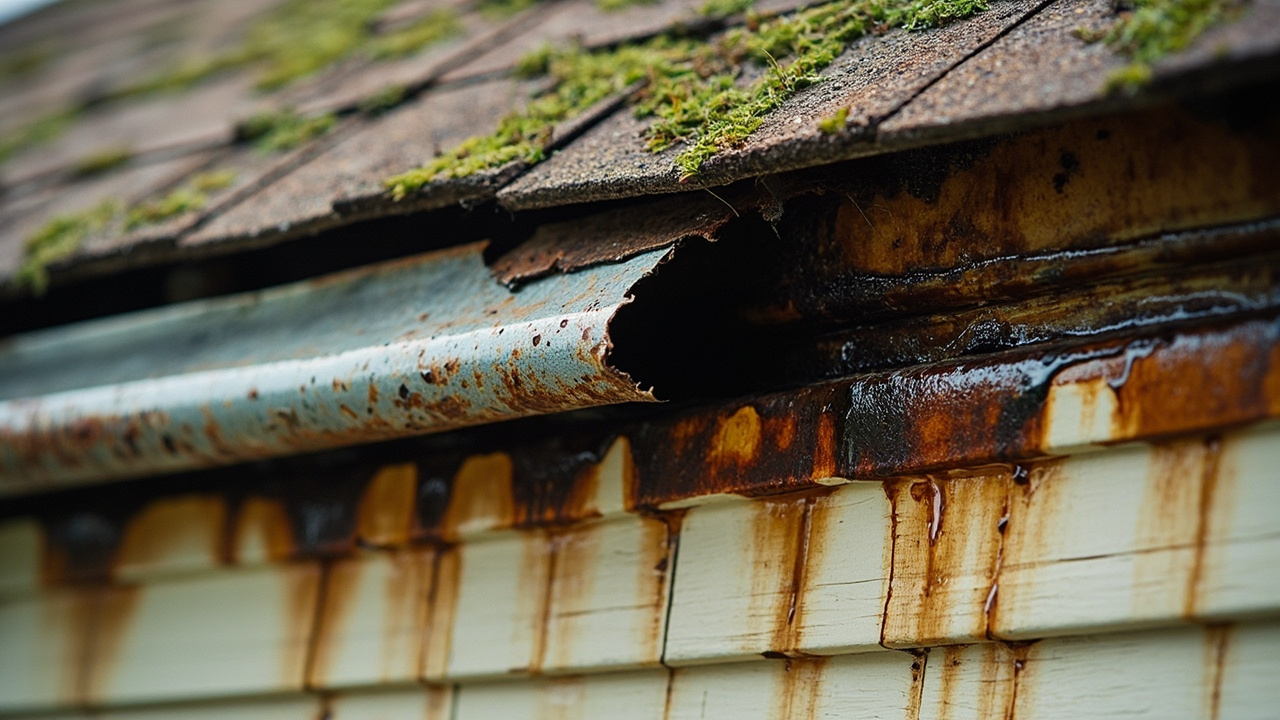
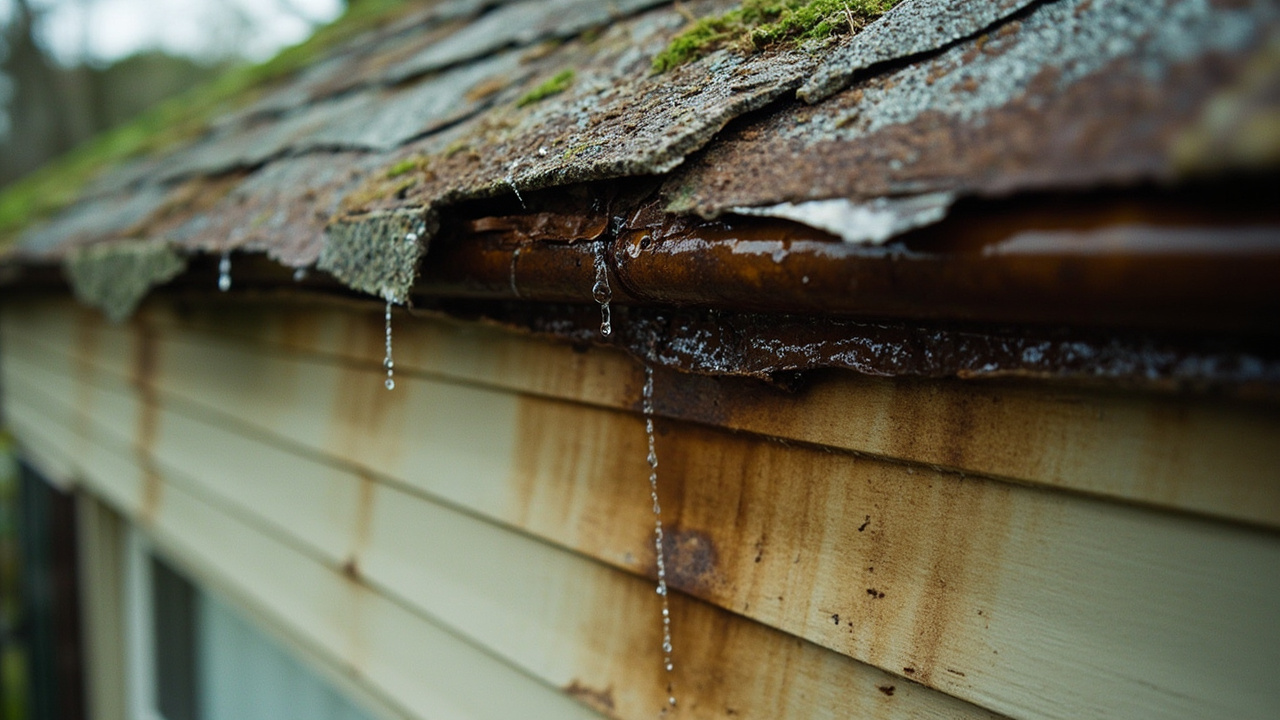
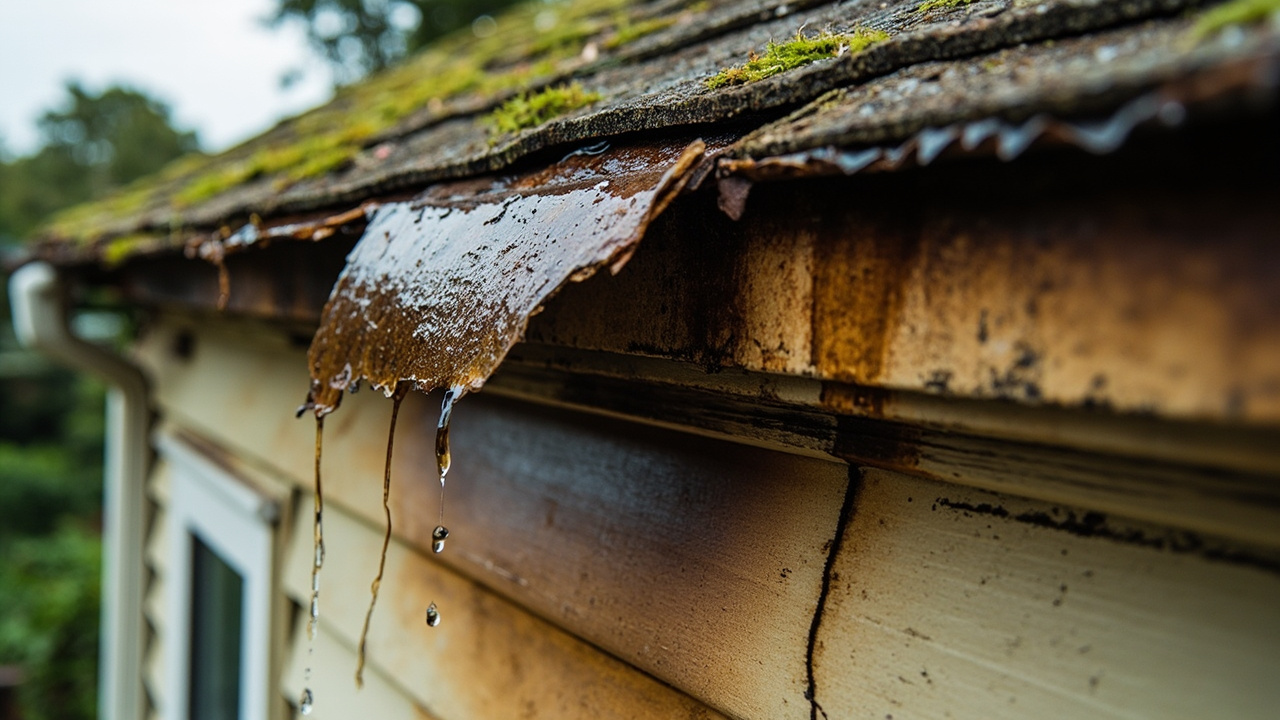
New Orleans receives over 60 inches of rain annually, much of it in violent afternoon thunderstorms that drive water sideways under shingles and into any gap in your flashing. The wind-driven rain during tropical systems pushes water uphill against normal gravity flow, exploiting every loose seal and rusted flashing edge. Your roof also stays wet longer after rain because humidity prevents fast drying. This extended moisture exposure accelerates corrosion on galvanized flashing and breaks down sealant bonds faster than in drier climates. A flashing leak that would be minor in Phoenix becomes a structural emergency here within one storm season.
Heritage Roofing understands the specific flashing challenges in New Orleans's historic neighborhoods. We have repaired chimneys in the Garden District where original 1920s flashing finally corroded through, and we have re-flashed modern vent arrays in Lakeview where post-Katrina rebuilds used substandard materials. We know which valleys fail first on hip roofs common in Mid-City, and we know how to detail wall flashing on the mixed-material exteriors found in Gentilly. Local knowledge prevents repeat failures. You need a crew that has seen your exact roof style and knows what works long-term in this climate.


