





menu

Leaking Pipe Boot & Vents in New Orleans – Expert Diagnosis and Permanent Repair

Heritage Roofing New Orleans identifies and repairs cracked plumbing vent boots, deteriorated rubber roof collars, and damaged pipe flashing seals before minor leaks turn into major interior damage across the metro.

Slider Image 1
Slider Image 2
Slider Image 3
Slider Image 4
Slider Image 5
Slider Image 7
Slider Image 8
Slider Image 9
Slider Image 10
Slider Image 11

Why Pipe Boots and Roof Vents Fail Fast in the New Orleans Climate

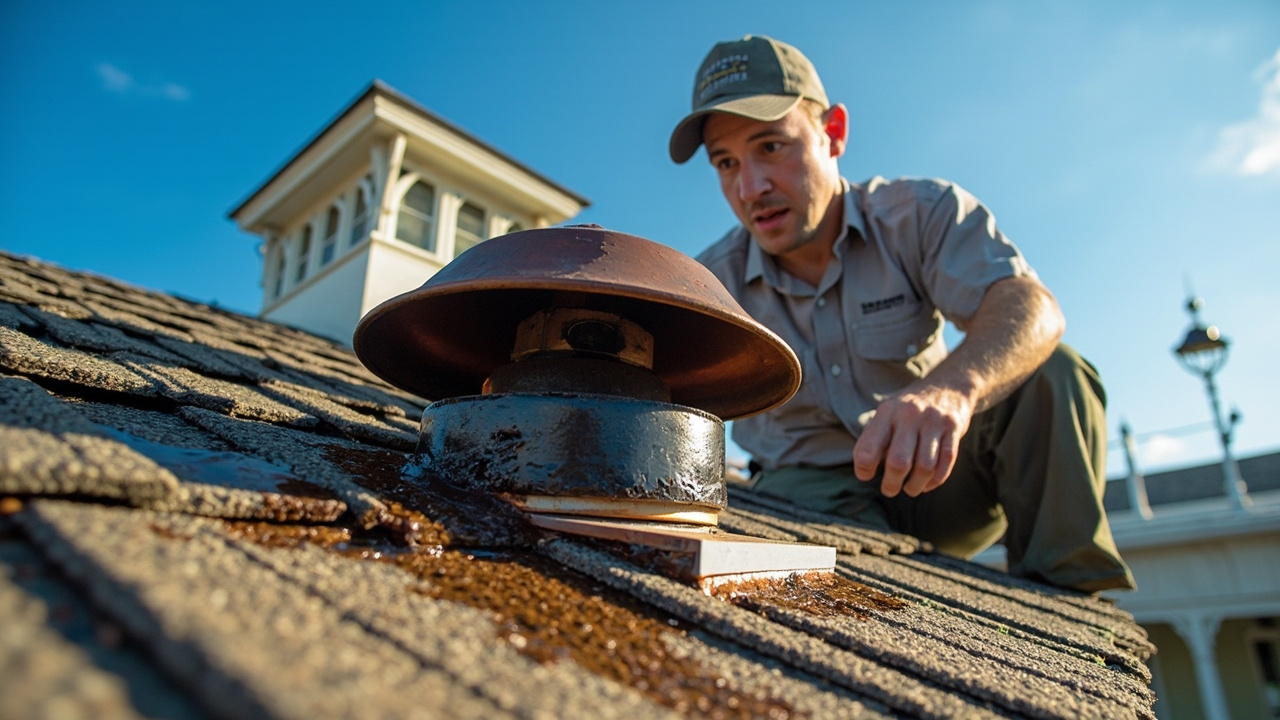
You notice a small water stain on your ceiling near a bathroom or kitchen. It appears after heavy rain, disappears when it dries, then comes back the next storm. The culprit is often a cracked plumbing vent boot or deteriorated rubber roof collar around your roof stack.

New Orleans's brutal combination of intense UV exposure, high humidity, and temperature swings accelerates rubber degradation faster than almost anywhere in the country. A neoprene gasket or rubber boot that might last 15 years in a mild climate can dry rot and crack in seven to eight years here. The constant moisture in our air prevents these seals from ever fully drying out, which speeds up material breakdown.

Most homes in the Lakeview, Uptown, and Mid-City neighborhoods have multiple plumbing vents penetrating the roof. Each one is a potential leak point. The rubber collar around these pipes becomes brittle from UV damage, cracks along the edges, and allows water to seep underneath the flashing and into your attic space. By the time you see a ceiling stain, water has been infiltrating your roof deck and insulation for weeks or months.

A damaged pipe flashing seal does not just cause cosmetic damage. Water intrusion leads to wood rot in your decking, mold growth in your attic insulation, and eventual structural compromise if ignored. The longer you wait, the more expensive the repair becomes because the damage spreads from a simple boot replacement to full decking replacement and mold remediation.

The key is catching these failures early and addressing them correctly.

Why Pipe Boots and Roof Vents Fail Fast in the New Orleans Climate
How We Repair Pipe Boot and Vent Flashing Leaks Correctly

How We Repair Pipe Boot and Vent Flashing Leaks Correctly

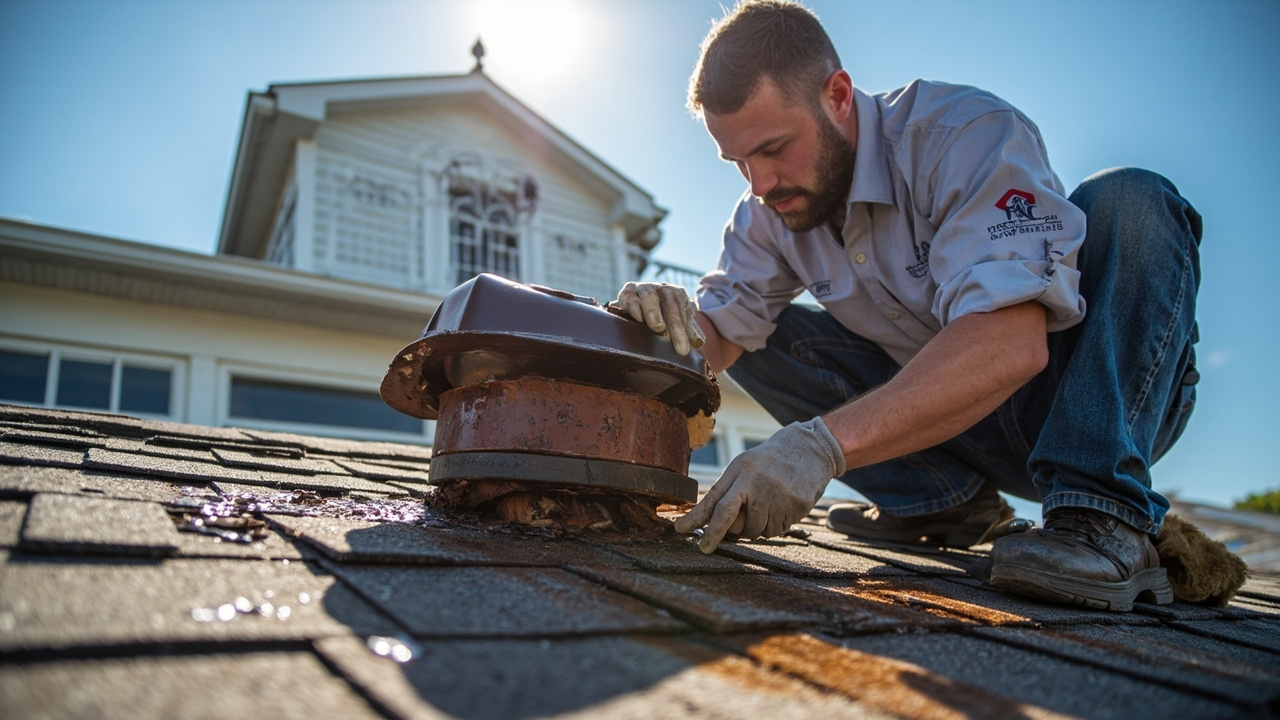
A proper pipe boot repair is not a caulk job or a temporary patch. We completely remove the failed component and install a replacement system designed to outlast the original.

When we arrive, we inspect every roof penetration, not just the one you called about. A broken roof stack flashing on one vent usually means the others are close behind. We check for cracks in the rubber collar, separation between the boot base and the shingle surface, and any signs of water intrusion underneath the flashing.

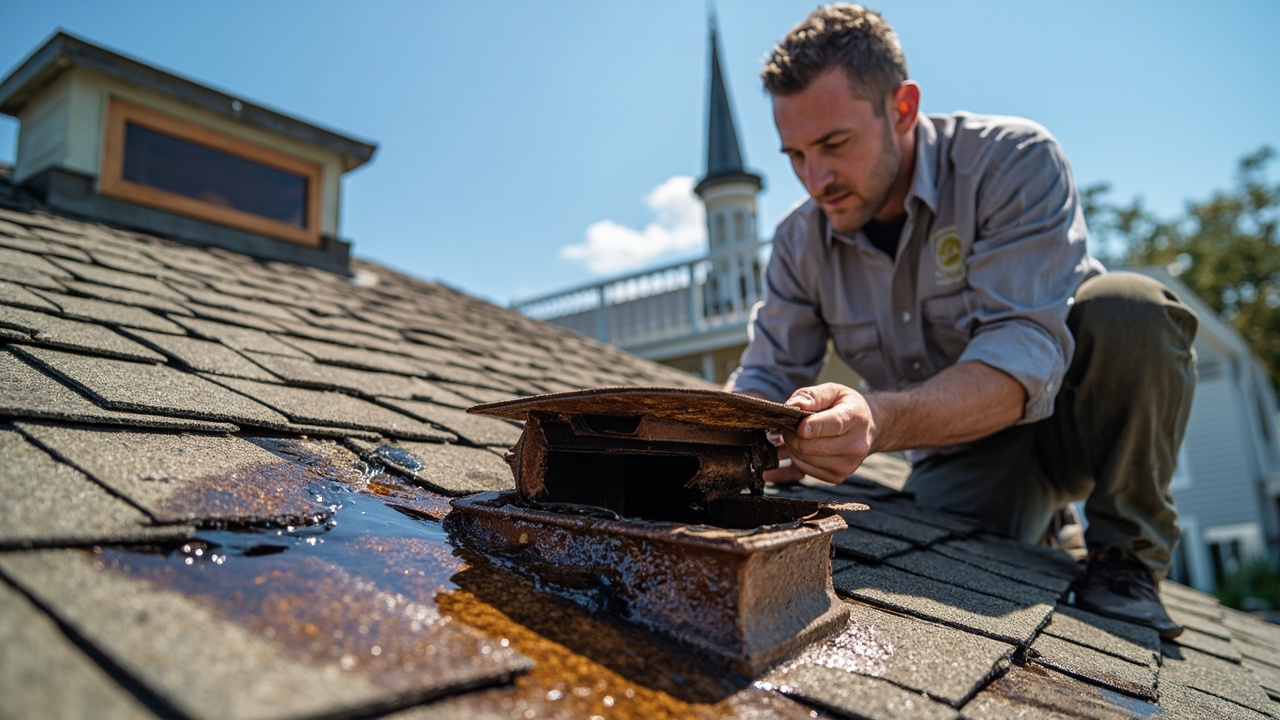
We remove the shingles surrounding the failed boot to expose the underlying flashing system. Many roofers try to slide a new boot over the old one or just caulk around the edges. That approach fails within a year because the problem is not the surface seal, it is the underlying base flashing and integration with the shingle layers.

We install a new base flashing that integrates properly with your shingle courses. The new rubber boot sits on top of this base and gets mechanically fastened, not just glued. We use high-grade EPDM or silicone boots rated for our climate, not the cheap neoprene products that fail quickly. The shingles get reinstalled with proper overlap and sealed to prevent wind-driven rain from getting underneath.

For flat or low-slope sections common on Creole cottages and shotgun additions, we use a different approach with lead or retrofit metal collars because rubber boots do not perform well on slopes under 4:12 pitch. The repair method depends on your roof type, pitch, and the specific failure mode we identify during inspection.

What Happens During Your Pipe Boot Repair

Leaking Pipe Boot & Vents in New Orleans – Expert Diagnosis and Permanent Repair
01

Complete Roof Inspection

We examine all roof penetrations, not just the leaking one you identified. Most roofs have four to eight plumbing vents, and if one boot has failed, the others are aging at the same rate. We document each penetration's condition with photos, check attic spaces for existing water damage, and identify any secondary issues like lifted shingles or damaged counterflashing around chimneys and walls that could be contributing to your leak.
02

Proper Component Removal

We carefully remove the shingles around each failed boot to expose the base flashing underneath. This step reveals whether water has already damaged your roof decking or if we caught it early. We inspect the pipe itself for any damage or movement that could compromise a new seal. If the decking shows soft spots or rot, we cut out the compromised section and sister in new plywood before proceeding with flashing replacement.
03

Weathertight Reinstallation

We install new base flashing integrated with your shingle layers, then mount a climate-appropriate boot with mechanical fasteners. Every shingle gets reinstalled with proper overlap and sealed against wind-driven rain. We perform a final water test if conditions allow, soaking the repair area to confirm no water penetrates the seal. You get documentation of the work completed and recommendations for monitoring other roof penetrations that may need attention in the next few years.

Why New Orleans Homeowners Choose Heritage Roofing for Pipe Boot Repairs

Pipe boot replacement seems simple until you understand how many variables affect long-term performance in our climate. We have repaired thousands of failed boots across Orleans Parish, and we know which products hold up and which fail within two years.

Most national roofing chains and handyman services use universal rubber boots purchased in bulk from big-box suppliers. Those boots are designed for moderate climates with less UV intensity and lower humidity. They crack and fail quickly here. We source commercial-grade EPDM and silicone products rated for extreme weather exposure because we have watched cheap alternatives fail repeatedly on our own service calls.

Our crews understand the architectural diversity across New Orleans neighborhoods. A pipe boot repair on a steep 8:12 pitch Victorian in the Garden District requires a different approach than a low-slope built-up roof on a Mid-City shotgun double. We match the repair method to your specific roof system rather than using a one-size-fits-all approach that leads to callback leaks.

We also understand the insurance claim process. If your pipe boot failure has caused interior damage, we provide detailed documentation and moisture mapping that helps you file a successful claim. We work directly with adjusters to explain the scope of damage and the necessary repairs, which increases your approval odds and ensures you get adequate coverage for both the roof repair and interior restoration.

You are not just getting a new rubber boot. You are getting a repair engineered for New Orleans weather, installed by crews who understand our building codes and construction methods, backed by a company that has built its reputation on solving problems correctly the first time.

What to Expect When We Fix Your Leaking Pipe Boot

Same-Week Service Availability

Pipe boot leaks cause progressive damage every time it rains, so we prioritize these repairs over non-urgent work. Most inspections happen within two business days of your call. If we identify active rot or imminent storm weather, we can often schedule emergency temporary protection the same day and complete permanent repairs within the week. Our crews work six days a week during peak leak season, which in New Orleans means basically year-round. You get fast response without the emergency markup that some companies charge for standard service calls.

Thorough Leak Source Identification

Water does not always travel straight down. A ceiling stain near a bathroom might come from a failed pipe boot, but it could also originate from damaged valley flashing, a lifted shingle, or a separate penetration 10 feet away. We trace the leak path through your attic to identify the exact entry point before we start tearing up your roof. We use moisture meters and thermal imaging when necessary to map hidden water intrusion that has not yet caused visible staining. You get an accurate diagnosis, not guesswork that leads to unnecessary repairs.

Long-Lasting Material Selection

We install boots and flashing components rated for our climate conditions. That means EPDM rubber or silicone boots with UV inhibitors, not basic neoprene that degrades in five years. For low-slope applications, we use lead or powder-coated metal retrofit collars that outlast rubber by decades. The base flashing gets installed with proper step-flashing integration on steep roofs or full membrane integration on low-slope sections. The materials cost more than hardware store alternatives, but they perform three times longer, which saves you money over the life of your roof.

Documentation and Future Monitoring

After we complete your repair, you receive photos of the work, material specifications, and a written assessment of your other roof penetrations. If we identified boots that are aging but not yet failed, we document their condition so you can plan proactive replacement before they start leaking. We offer annual inspection services that catch these failures early, before water damages your interior. Many of our customers schedule a full roof inspection every three years to identify aging components across the entire system, which prevents emergency leaks and extends roof life significantly.

Frequently Asked Questions

You Have Questions,
We Have Answers

How much does it cost to replace a vent pipe boot? +

Replacing a vent pipe boot in New Orleans typically costs between material type and labor factors. Rubber boots are cheaper but degrade faster in our intense UV and heat. Neoprene or EPDM lasts longer. A professional replacement includes removing old caulk, inspecting the flashing collar, installing the new boot, and sealing properly. Prices vary based on roof pitch, accessibility, and whether the flashing needs replacement too. High humidity here accelerates boot deterioration, so budget for replacement every 5 to 7 years. Always get a written estimate that includes warranty on workmanship.

How to fix a leak around a vent pipe? +

Stop the leak by first locating the source around the vent pipe. Check if the rubber boot has cracked, shrunk, or pulled away from the pipe. Remove old caulk and debris. If the boot is damaged, replace it entirely. If the flashing is loose, reseal it with roofing cement compatible with your shingle type. In New Orleans, UV damage and thermal expansion cause boots to fail fast. Apply a bead of high-quality sealant around the pipe base and press the boot down firmly. This is a temporary fix. Call a roofer for permanent repair if flashing is compromised.

How to seal a vent boot? +

Sealing a vent boot starts with cleaning the area completely. Remove old sealant, dirt, and algae common on New Orleans roofs. Inspect the rubber boot for cracks or hardening. If intact, apply roofing cement or polyurethane sealant around the pipe where the boot meets it. Press the boot edges down against the flashing. Some roofers use metal clamps for extra hold. Avoid silicone caulk, it does not adhere well to roofing materials long-term. Proper sealing prevents water intrusion during our heavy downpours. If the boot is brittle or torn, replace it instead of sealing.

How to fix a leaking boot? +

Fixing a leaking boot requires identifying whether the boot itself or the flashing failed. Remove shingles around the base if needed. Pull off the old boot and inspect the metal flashing collar for rust or separation. Replace the boot with a neoprene or EPDM model rated for high heat. Slide it over the pipe and seat it against the flashing. Apply roofing cement under the edges. Reinstall shingles, overlapping correctly. New Orleans humidity and sun destroy boots quickly, so use UV-resistant materials. If flashing is damaged, that needs replacing too. This is not a DIY job for steep roofs.

Will homeowners insurance cover a leaky roof? +

Homeowners insurance usually covers roof leaks from sudden, accidental damage like storm wind or hail. If your pipe boot failed due to age, wear, or lack of maintenance, most policies exclude it. Insurers consider that normal deterioration. If a hurricane tore the boot loose or debris punctured it, you have a stronger claim. Document the damage with photos immediately. New Orleans sees frequent storm activity, so review your policy for wind and water damage clauses. File claims quickly after events. A roofer's inspection report helps prove the cause was sudden, not gradual neglect.

How long do pipe boots last? +

Pipe boots last 5 to 10 years depending on material and climate. In New Orleans, expect the lower end. Rubber boots degrade faster here due to extreme heat, UV exposure, and high humidity. Neoprene and EPDM boots last longer but still crack over time. Thermal expansion from our temperature swings stresses the seal. Algae and moss growth can trap moisture against the boot, accelerating rot. Inspect boots annually, especially after hurricane season. If you see cracking, hardening, or gaps around the pipe, replace immediately. Waiting leads to interior water damage and mold growth in your attic.

Does homeowners insurance cover water pipe repair? +

Homeowners insurance generally does not cover water pipe repairs unless the damage resulted from a covered peril like freezing or sudden rupture. Gradual leaks from corrosion or age are excluded as maintenance issues. If a pipe bursts due to a storm or freezing event, the pipe repair and resulting water damage may be covered. Check your policy's water damage exclusions carefully. New Orleans rarely sees freezing, but high water pressure and old cast iron pipes can fail suddenly. Document the failure cause and timeline. Some policies offer optional water backup coverage, which helps with sewer line issues but not standard leaks.

Why is my air vent leaking water when it rains? +

Your air vent leaks water when it rains because the boot seal has failed or the flashing is not properly integrated with your shingles. Water runs down the vent pipe or seeps under the flashing. In New Orleans, wind-driven rain pushes water horizontally under loose boots. Check if the rubber boot has cracked or pulled away from the pipe. Inspect the metal flashing for rust or improper overlap with shingles. Attic vents without rain caps can also allow direct water entry. A roofer needs to reseal or replace the boot and flashing to stop the leak before it damages your ceiling.

How do I fix a leaky pipe without replacing it? +

You cannot fix a leaky pipe boot without replacing it if the rubber is cracked or deteriorated. Temporary fixes include applying roofing cement around the base and using hose clamps to tighten the boot against the pipe. This buys time but will not last through New Orleans storm seasons. If the leak is minor and the boot is still pliable, clean the area and reseal with polyurethane sealant. Spray foam is not appropriate for this application. Long-term, you need a new boot and possibly new flashing. Ignoring it leads to rotted decking, mold, and expensive interior repairs.

Does rain water get into a vent pipe? +

Rain water should not get into a vent pipe if the boot and flashing are installed correctly. Plumbing vent pipes are open at the top to allow sewer gases to escape, but the boot creates a seal around the pipe where it penetrates the roof. Water runs down the outside of the pipe and onto the flashing, then off the roof. If water enters your attic around the vent, the boot has failed. New Orleans experiences heavy, wind-driven rain that exploits any gap. A properly sealed boot with intact flashing keeps water out. Regular inspection prevents leaks before they start.

How New Orleans Humidity Accelerates Pipe Boot Deterioration

New Orleans averages 75% relative humidity year-round, which means rubber and neoprene components never fully dry out between rain events. This constant moisture exposure breaks down the plasticizers in rubber compounds, causing accelerated aging and cracking. Add in our intense summer UV index and the fact that most pipe boots sit on south or west-facing roof planes with maximum sun exposure, and you create perfect conditions for rapid deterioration. A plumbing vent boot that might last 20 years in a dry climate like Phoenix will crack and fail in seven to 10 years here. The deteriorated rubber roof collar around your vents is not a manufacturing defect, it is a predictable result of our environmental conditions.

Heritage Roofing New Orleans has been repairing pipe boot failures across Orleans, Jefferson, and St. Tammany parishes for years. We understand the specific failure patterns on different roof types common to our area, from the steep-pitch Victorian roofs in Uptown to the low-slope modified bitumen systems on Mid-City commercial buildings. We work within local building codes and understand the specific flashing requirements for hurricane wind zones. When you hire a local roofing company with deep experience in New Orleans construction, you get repairs engineered for our specific challenges, not generic solutions that fail in two years.

Roofing Services in The New Orleans Area

Our dedicated team is proud to serve the entire area, bringing our legacy of quality roofing services directly to your neighborhood. Whether you need a simple repair, a full-scale replacement, or an urgent inspection, you can find us easily on the map below. We are committed to being your local roofing partner, delivering expert solutions right where you are. We look forward to working with you to protect your most valuable asset—your home.Our dedicated team is proud to serve the entire area, bringing our legacy of quality roofing services directly to your neighborhood. Whether you need a simple repair, a full-scale replacement, or an urgent inspection, you can find us easily on the map below. We are committed to being your local roofing partner, delivering expert solutions right where you are. We look forward to working with you to protect your most valuable asset—your home.

Address:
Heritage Roofing New Orleans, 3308 Tulane Ave, New Orleans, LA, 70119

Additional Services We Offer

Our news updates

Latest Articles & News from The Blogs

The 10 Critical Questions That Could Save Your New Orleans Home Roofing in New Orleans isn't just about shingles and…

Questions You Must Ask a New Orleans Roofer Before Signing a Contract

The 10 Critical Questions That Could Save Your New Orleans Home Roofing in New Orleans isn't just about shingles and…

Restoring the Intricate Turrets and Gables on Victorian Homes in the Holy Cross District

Restoring the Intricate Turrets and Gables on Victorian Homes in the Holy Cross District The Holy Cross District in New…

Is Stone Coated Steel the Right Choice for Your Slidell Waterfront Property?

Is Stone Coated Steel the Right Choice for Your Slidell Waterfront Property? Living along the water in Slidell comes with…

Contact Us

Every rain event causes more hidden damage. Call Heritage Roofing New Orleans at (504) 355-3444 for a thorough inspection and permanent repair. We identify all failing penetrations, not just the obvious leak, and fix them right the first time.