





menu

Blistering Shingles in New Orleans – Expert Diagnosis and Permanent Repair Solutions

We identify the root cause of asphalt shingle blisters and bubbling roof shingles, then apply targeted repairs that prevent recurrence in New Orleans's punishing heat and humidity.

Slider Image 1
Slider Image 2
Slider Image 3
Slider Image 4
Slider Image 5
Slider Image 7
Slider Image 8
Slider Image 9
Slider Image 10
Slider Image 11

Why Your Shingles Are Bubbling in New Orleans's Climate

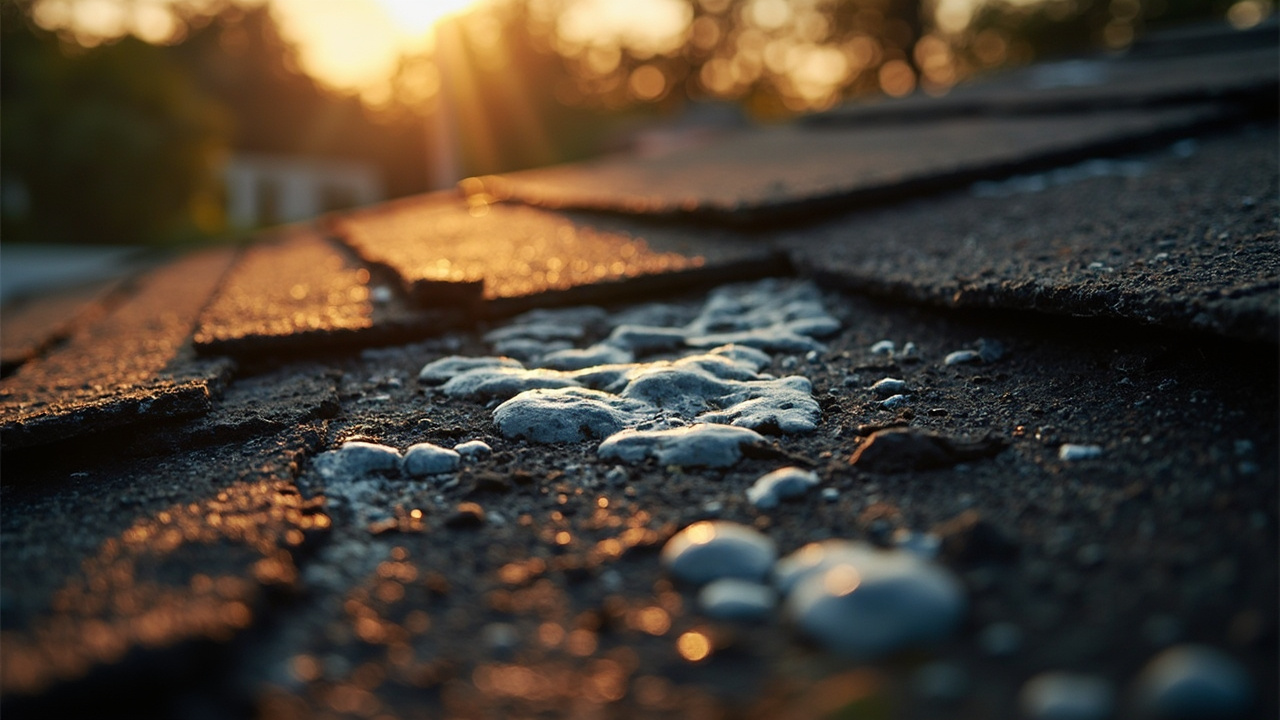
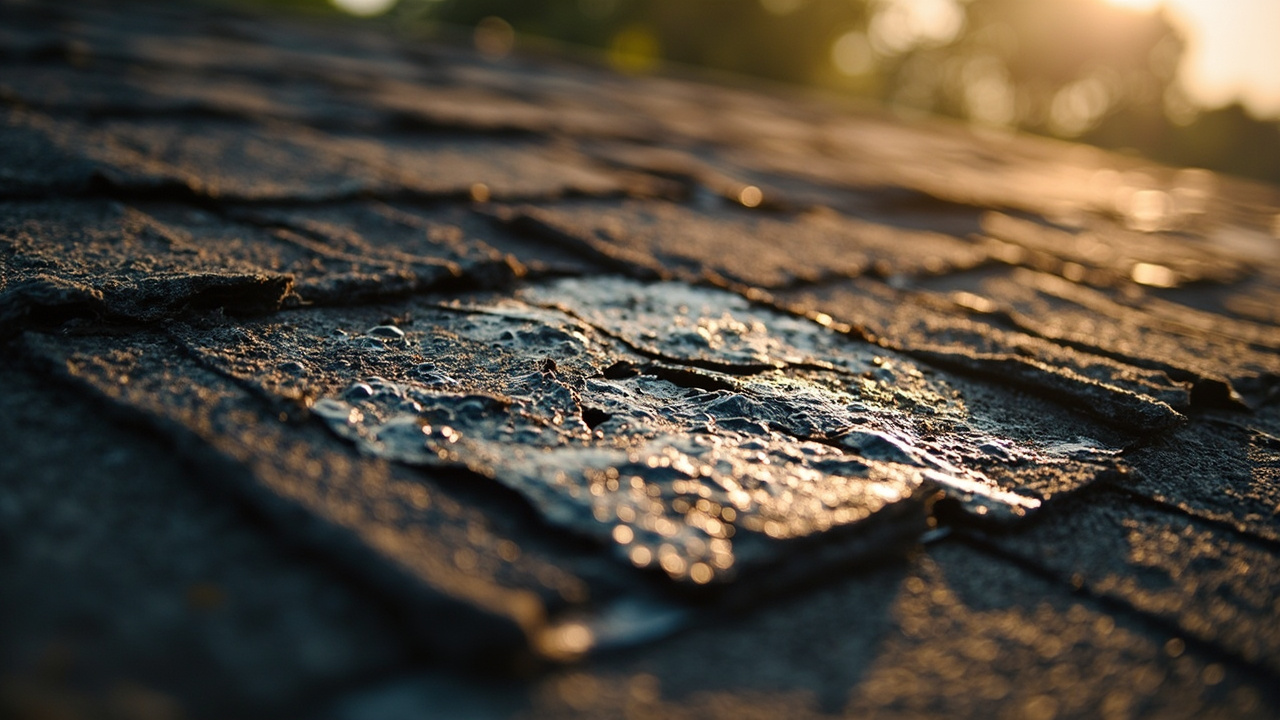
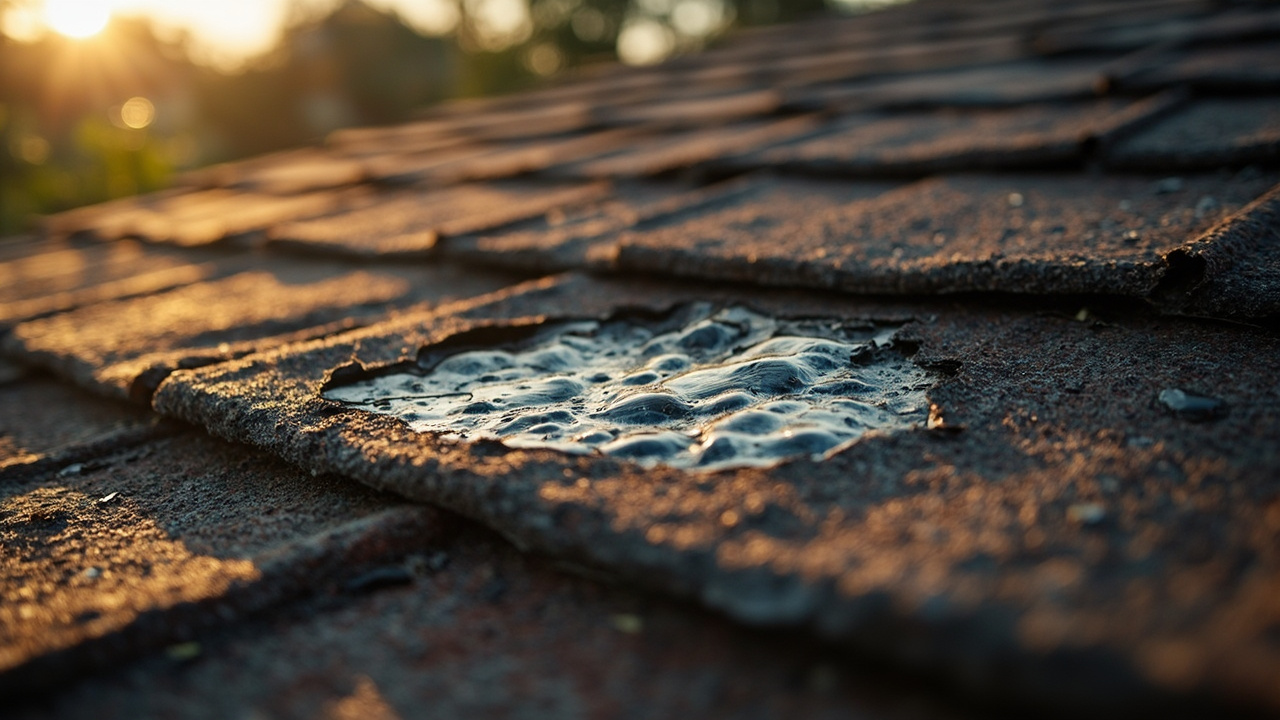
You notice raised, blister-like bubbles on your roof. They look like small pockets of air trapped under the surface. This is not normal wear. These asphalt shingle blisters form when moisture or air becomes trapped in the shingle layers during manufacturing or installation. Once the New Orleans sun heats your roof to 150 degrees or higher, that trapped moisture expands. The shingle膨胀s, creating a bubble. Eventually, the blister ruptures, exposing the underlayment and accelerating water damage.

New Orleans creates the perfect storm for roof blisters. Our summer heat is relentless. Our humidity hovers near 80 percent year-round. Afternoon thunderstorms dump rain, then the sun bakes your roof dry within hours. This cycle repeats daily from May through September. If your shingles were installed over damp decking, or if moisture penetrated the shingle during a humid installation day, heat blisters on shingles will form within the first year.

You might see just a few bubbling roof shingles now. But each blister weakens the granule layer. Once the protective granules wear away, UV rays degrade the asphalt. Water seeps through the cracks. What started as cosmetic damage becomes structural decay. Shingle bubbles are not just ugly. They are failure points. They invite leaks, rot, and mold growth into your attic and ceilings.

Why Your Shingles Are Bubbling in New Orleans's Climate
How We Fix Blistering Shingles the Right Way

How We Fix Blistering Shingles the Right Way

We do not slap sealant over bubbles and call it fixed. That is a temporary patch that fails within months. We diagnose why the blisters formed in the first place. Our process starts with a thermal scan of your roof deck. We use infrared imaging to detect trapped moisture under the shingles. This tells us if the problem is localized or systemic. If moisture is present in multiple areas, we know your ventilation system is failing or your installation was done in high humidity without proper drying time.

Next, we inspect the underlayment. If the felt paper or synthetic underlayment was installed wet, or if it absorbed moisture from rain exposure during construction, that moisture is now trapped. We remove the affected shingles and check for water staining on the decking. If the decking shows signs of rot or swelling, we replace those sections before installing new shingles.

We also evaluate your attic ventilation. Inadequate ridge vents or blocked soffit vents trap hot, moist air in your attic. That heat radiates upward, heating the underside of your roof deck and creating the perfect environment for shingle blisters. We calculate your net free ventilation area and compare it to your attic square footage. If you are deficient, we add intake and exhaust vents to balance airflow. Proper ventilation keeps your roof deck cool and dry, preventing future blistering.

For isolated bubbles, we carefully cut out the damaged shingle, inspect the underlayment, and replace the shingle with a matching product. For widespread blistering, we recommend a full tear-off and reinstallation with proper moisture barriers and ventilation upgrades.

What Happens When You Call Us About Roof Blisters

Blistering Shingles in New Orleans – Expert Diagnosis and Permanent Repair Solutions
01

Roof Deck Assessment

We schedule a same-day or next-day inspection. Our technician climbs onto your roof and photographs every blister. We document the size, location, and severity of each bubble. We check the surrounding shingles for cracking or granule loss. We use a moisture meter to test the decking under the blisters. This tells us if active moisture is present or if the blister is an old manufacturing defect.
02

Ventilation and Moisture Analysis

We enter your attic and measure temperature and humidity levels. We inspect your soffit vents, ridge vents, and gable vents for blockages or improper installation. We look for water stains on the underside of the roof deck. We calculate whether your attic has sufficient net free ventilation area. If your ventilation is inadequate, we explain exactly what upgrades are needed to prevent future blistering and extend shingle life.
03

Targeted Repair or Replacement

For localized damage, we remove and replace the blistered shingles with matching materials. For widespread issues, we provide a detailed estimate for tear-off, ventilation upgrades, and reinstallation. We source shingles that match your existing roof color and style. Once repairs are complete, we clean up all debris and conduct a final walkthrough. You receive documentation of the work and recommendations for ongoing roof maintenance.

Why New Orleans Homeowners Trust Us With Blister Repairs

We have repaired blistering shingles on hundreds of roofs across New Orleans, from Uptown shotgun doubles to Mid-City Craftsman homes. We understand the specific challenges of roofing in this climate. Our crews know that summer installations require extra caution. We do not install shingles in the middle of a 95-degree afternoon when the adhesive strip is already melting. We start early, before the heat peaks, and we store shingles in the shade until we are ready to nail them down.

We also know that New Orleans building codes require specific wind ratings for shingle installations. After Hurricane Katrina, the Louisiana State Uniform Construction Code adopted stricter wind resistance standards. Shingles must meet ASTM D3161 Class F wind resistance or higher. We install every shingle with six nails instead of four, and we use high-wind starter strips along the eaves and rakes. This prevents blow-offs during tropical storms and reduces the risk of water infiltration that can cause future blistering.

Our experience with historic homes in the Garden District and Faubourg Marigny gives us insight into older roof decks and unconventional framing. Many of these homes have tongue-and-groove decking or skip sheathing. We adapt our repair techniques to preserve the structural integrity of these older systems while addressing modern moisture and ventilation issues.

We also work directly with insurance adjusters when storm damage causes or worsens blister formation. If a severe thunderstorm with hail impact ruptures existing blisters, we document the damage with detailed photos and moisture readings. We provide written reports that support your claim and ensure you receive fair compensation for necessary repairs.

What You Can Expect From Our Blister Repair Process

Fast Response and Scheduling

We respond to blister repair requests within 24 hours. If you call in the morning, we often schedule your inspection for the same afternoon. Our goal is to assess the damage quickly so you understand the scope of the problem before it worsens. Emergency repairs for ruptured blisters that are actively leaking take priority. We arrive with tarps and temporary sealants to stop water intrusion while we prepare a permanent fix. Most single-shingle replacements take less than two hours. Full section repairs can take one to two days depending on the size of the affected area.

Detailed Inspection and Diagnosis

Our inspection includes a full roof walk, thermal imaging if needed, and attic ventilation analysis. We do not guess. We measure. We use a moisture meter to test the decking under every blister. We photograph the damage from multiple angles. We provide you with a written report that explains what caused the blisters, whether the damage is cosmetic or structural, and what repairs are necessary. You receive this report within 24 hours of the inspection. We also explain what is covered under your shingle warranty and what is considered installation or maintenance related.

Quality Materials and Workmanship

We use manufacturer-approved shingles that match your existing roof. If your shingles are discontinued, we source the closest color and style match available. We install new shingles with the correct nailing pattern and adhesive activation. We seal all edges with roofing cement to prevent water infiltration. If we replace underlayment, we use synthetic felt or ice-and-water shield, which provides superior moisture protection compared to traditional felt paper. Every repair is inspected before we leave your property. You will not see lifted edges, exposed nails, or mismatched shingles.

Post-Repair Guidance and Monitoring

After we complete the repair, we provide you with a care sheet that explains how to monitor your roof for future issues. We recommend annual inspections, especially after hurricane season. If we upgraded your ventilation, we explain how the new system works and what signs to watch for that indicate blockages or damage. If your blisters were caused by a manufacturing defect, we help you file a warranty claim with the shingle manufacturer. We document the defect with photos and written descriptions. We stay involved through the claim process to ensure you receive replacement materials or reimbursement.

Frequently Asked Questions

You Have Questions,
We Have Answers

What does shingle blistering look like? +

Shingle blistering appears as raised, bubble-like formations on the surface of asphalt shingles. These blisters look like small domes or bumps, often ranging from dime-sized to several inches across. The blisters may remain intact or rupture, leaving crater-like voids that expose the darker substrate beneath. In New Orleans, the intense sun and humidity accelerate this defect, making blisters more visible on south-facing roof slopes. You might notice discoloration around the affected areas. Intact blisters feel soft when pressed, while ruptured ones reveal a hollowed-out pocket. This cosmetic issue signals trapped moisture or gases within the shingle layers, compromising your roof's protective granule layer.

What does it mean when shingles blister? +

Shingle blistering means trapped moisture or air expanded within the asphalt layers during manufacturing or installation. When heat from New Orleans' scorching summers hits the roof, these pockets expand and push upward, creating visible bubbles. This damages the granule surface that protects against UV rays. Blistering weakens the shingle structure, reducing its lifespan and making it vulnerable to water infiltration. The high humidity in the greater New Orleans metro compounds this problem, as moisture gets trapped between shingle layers during installation or from attic condensation. Blistering does not always mean immediate failure, but it signals accelerated aging. Left unaddressed, ruptured blisters expose the mat beneath to weather damage.

Is shingles contagious when blistering? +

No, roof shingle blistering is not contagious. This question likely confuses roofing terminology with the medical condition called shingles, which causes painful skin blisters from the varicella-zoster virus. Roof shingles are building materials made from asphalt, fiberglass, and granules. When we talk about blistering shingles on your New Orleans home, we mean a manufacturing or installation defect where moisture or gas pockets form bubbles on the shingle surface. This roofing problem does not spread from person to person or from one shingle to another like an infection. However, the conditions that caused blistering on one section of your roof may affect adjacent areas if the same installation issues existed throughout.

How do you know if shingles are blistering or hail damage? +

Blistering and hail damage look different under close inspection. Blisters form raised bumps that may rupture into hollow craters, typically appearing in random patterns across the shingle surface. Hail damage creates distinct impact marks with sharp edges, often exposing the black asphalt mat in a concentrated spatter pattern. Hail strikes remove granules completely, leaving shiny bruised spots or fractures. After severe New Orleans thunderstorms with hail, you will see uniform distribution across the roof, especially on vulnerable slopes. Blisters feel soft when intact, while hail damage shows firm indentations. Check metal roof vents and flashing for dents, which confirms hail. A professional inspection helps determine the cause for insurance claims.

How New Orleans Heat and Humidity Accelerate Shingle Blistering

New Orleans sits in USDA Hardiness Zone 9a, where summer roof surface temperatures exceed 160 degrees. This extreme heat, combined with our 80 percent average humidity, creates ideal conditions for asphalt shingle blisters. When shingles are installed during humid mornings and the sun heats the roof by midday, any trapped moisture expands rapidly. The result is widespread bubbling roof shingles within the first year. Our subtropical climate also means your roof never gets a break. Even winter temperatures stay mild, keeping moisture active in the underlayment year-round.

We follow Orleans Parish building codes and the Louisiana State Uniform Construction Code, which mandate specific ventilation ratios and wind resistance standards. Many contractors skip proper ventilation calculations, leading to heat buildup that accelerates shingle failure. We calculate your net free ventilation area during every inspection and upgrade systems that do not meet code. Our familiarity with New Orleans construction styles, from raised Creole cottages to slab-on-grade ranch homes, allows us to adapt ventilation solutions to each unique structure. Local expertise matters when preventing roof blisters in this climate.

Roofing Services in The New Orleans Area

Our dedicated team is proud to serve the entire area, bringing our legacy of quality roofing services directly to your neighborhood. Whether you need a simple repair, a full-scale replacement, or an urgent inspection, you can find us easily on the map below. We are committed to being your local roofing partner, delivering expert solutions right where you are. We look forward to working with you to protect your most valuable asset—your home.Our dedicated team is proud to serve the entire area, bringing our legacy of quality roofing services directly to your neighborhood. Whether you need a simple repair, a full-scale replacement, or an urgent inspection, you can find us easily on the map below. We are committed to being your local roofing partner, delivering expert solutions right where you are. We look forward to working with you to protect your most valuable asset—your home.

Address:
Heritage Roofing New Orleans, 3308 Tulane Ave, New Orleans, LA, 70119

Additional Services We Offer

Our news updates

Latest Articles & News from The Blogs

Why Concrete Tile Is Making a Comeback for Modern Homes in Lake Vista Concrete tile roofing is experiencing a significant…

Why Concrete Tile Is Making a Comeback for Modern Homes in Lake Vista

Why Concrete Tile Is Making a Comeback for Modern Homes in Lake Vista Concrete tile roofing is experiencing a significant…

Navigating the VCC and HDLC Roofing Permit Process Without Losing Your Mind

Understanding VCC and HDLC Roofing Permit Requirements in New Orleans Getting a roofing permit in New Orleans can feel overwhelming.…

Managing Overhanging Live Oak Branches Above Your St. Charles Avenue Roof

Managing Overhanging Live Oak Branches Above Your St. Charles Avenue Roof Live Oak branches hanging over St. Charles Avenue homes…

Contact Us

Call (504) 355-3444 now to schedule your blister inspection. We respond within 24 hours and provide same-day emergency repairs for active leaks. Do not wait for the blisters to rupture.