
What Metairie Homeowners Need to Do for Emergency Storm Damage and Tarping
When high winds and heavy rain hit Metairie, your roof is the first line of defense. If you’re reading this after a storm, you’re likely dealing with leaks, missing shingles, or water damage. The first 24 hours are critical to prevent further structural damage and mold growth. This guide walks you through the exact steps Metairie homeowners should take, from emergency tarping to navigating insurance claims with Jefferson Parish-specific requirements. Jefferson Parish Government.
Immediate Steps After Storm Damage in Metairie
Safety comes first. If water is actively pouring into your home, move valuables away from the affected area and shut off power to any rooms with standing water. Document everything with photos and videos before touching anything. This visual evidence becomes crucial when filing your insurance claim.
Metairie’s flat terrain and proximity to Lake Pontchartrain mean drainage can be slow after heavy rainfall. Water pooling on your roof can seep under shingles within hours. The longer you wait, the more extensive the damage becomes.. Read more about The Best Shingles to Withstand New Orleans Heat and Humidity.
Emergency Tarping: Your First Defense
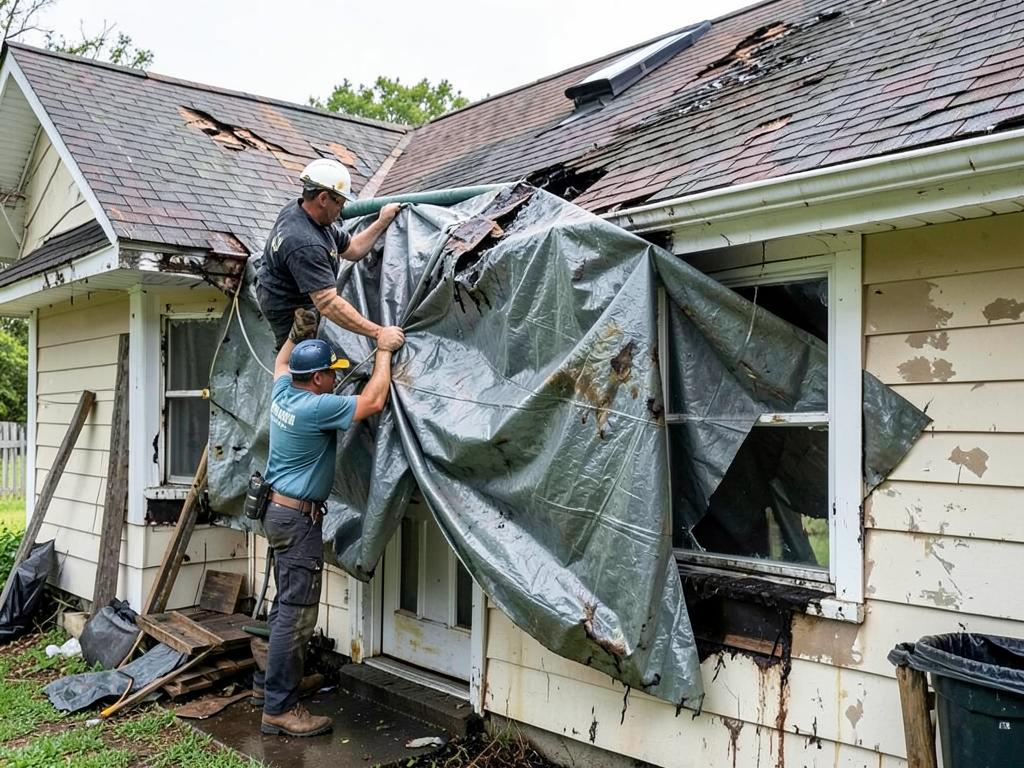
Emergency tarping involves covering damaged areas with heavy-duty polyethylene sheeting to prevent water intrusion. A proper tarp should extend at least 4 feet beyond the damaged area on all sides and be secured with 2×4 boards nailed through the tarp into the roof decking. This creates a waterproof barrier that can withstand winds up to 70 mph.. Read more about Hurricane Proof Roofing Options That New Orleans Homeowners Swear By.
DIY tarping can be dangerous. Wet roofs are slippery, and damaged structures may be unstable. Professional tarping crews use safety harnesses and know how to identify hidden structural damage that could collapse under weight.
Common Storm Damage Types in Metairie
Metairie experiences specific storm patterns that create predictable damage types. Understanding these helps you identify problems quickly.
Hail Damage: The Hidden Threat
Hail impacts create circular bruises on shingles where the protective granules are knocked away. These spots appear as dark, shiny circles on asphalt shingles. Without granules, the underlying asphalt deteriorates rapidly in Louisiana’s intense UV exposure. Louisiana State Licensing Board for Contractors.
Walk around your property after a hailstorm and look for these signs:
- Dark spots on shingles that feel soft when pressed
- Granules collecting in gutters and downspouts
- Dented metal vents, flashing, or ridge caps
- Cracked or broken tile edges
Wind Damage: The Most Common Problem
Metairie regularly experiences winds exceeding 60 mph during summer thunderstorms. These winds create uplift forces that can tear shingles from the roof deck. Look for:
- Missing or curled shingle tabs
- Lifted flashing around chimneys and vents
- Exposed underlayment or decking
- Debris impact damage from flying objects
Wind damage often starts at roof edges and ridge lines where uplift forces are strongest. A single missing shingle can lead to a cascade of failures as wind gets underneath adjacent materials.. Read more about What to Do When Your New Orleans Roof Starts Leaking During a Downpour.
Jefferson Parish Building Code Requirements
Metairie falls under Jefferson Parish jurisdiction, which follows the Louisiana State Uniform Construction Code with local amendments. Post-2020 homes must meet enhanced wind resistance standards due to increasing storm severity.
According to Jefferson Parish Code Section 8-11-301, roofs in Wind Zone III (which includes Metairie) must withstand uplift forces of 140 psf at the perimeter and 180 psf at corners. This requires specific nailing patterns and underlayment installation that many out-of-state contractors don’t understand.
Permits are required for any repair exceeding $5,000 in value. The parish requires documentation of material specifications and installation methods before issuing permits. This protects homeowners from substandard repairs that fail during the next storm.
Insurance Claims Process for Metairie Homeowners
Louisiana law requires insurance companies to respond to storm damage claims within 30 days. However, the claims process involves several steps that many homeowners find confusing.
Step-by-Step Insurance Navigation
- Initial Documentation
Take comprehensive photos and videos of all damage. Include date stamps if possible. Document interior damage, exterior damage, and any water intrusion points.
- Emergency Mitigation
Perform temporary repairs to prevent further damage. Keep all receipts for materials and labor. Insurance covers reasonable mitigation costs.
- Professional Inspection
Hire a licensed Louisiana roofing contractor to provide a detailed damage assessment. This report should include specific measurements, material recommendations, and code compliance statements.
- Adjuster Meeting
Be present when the insurance adjuster inspects your property. Point out all damage and provide your contractor’s assessment. Adjusters often miss hidden damage.
- Claim Review
Review the adjuster’s report carefully. Common issues include underestimating repair costs or missing code upgrade requirements.
- Supplement Filing
If the initial offer seems low, your contractor can file a supplement with additional documentation and Xactimate estimates.
Many Metairie homeowners don’t realize that insurance policies cover code upgrades when repairs exceed certain thresholds. If your home was built before 2010, repairs may require bringing the entire roof up to current wind resistance standards.
Emergency Response Services in Metairie
Professional emergency response teams in Metairie understand the unique challenges of working in this area. They know that:
- Traffic on Veterans Memorial Boulevard can delay response times
- Many homes in Old Metairie have historic architectural features requiring special handling
- High humidity accelerates mold growth, making 24-hour response critical
- Local building inspectors require specific documentation for permits
24/7 emergency services should include:
- Immediate tarping within 2-4 hours of call
- Moisture mapping to identify hidden water intrusion
- Structural assessment for compromised decking
- Coordination with insurance adjusters
- Permit acquisition assistance
Material Selection for Gulf Coast Conditions
Not all roofing materials perform equally in Metairie’s climate. The combination of high winds, intense UV exposure, and salt air requires specific specifications.
| Material Type | Wind Rating | UV Resistance | Lifespan in Metairie |
|---|---|---|---|
| Asphalt Architectural | 130 mph | Moderate | 15-20 years |
| Concrete Tile | 150 mph | High | 30-50 years |
| Metal Standing Seam | 180 mph | Very High | 40-70 years |
| Synthetic Slate | 170 mph | High | 25-35 years |
Class 4 impact-resistant shingles earn insurance discounts in Jefferson Parish and provide superior protection against hail damage. These shingles have a rubber-like polymer backing that prevents cracking from impact.
Preventing Future Damage
Once your immediate damage is addressed, consider these preventive measures to reduce future storm vulnerability.
Tree Management
Metairie’s mature oak trees provide shade but create storm hazards. Branches overhanging your roof can break during high winds, and falling leaves clog gutters causing water backup.
Professional tree trimming should maintain a 10-foot clearance from your roof. This prevents branch contact during wind events and allows proper airflow to dry the roof surface after rain.
Gutter System Upgrades
Standard 5-inch gutters often cannot handle Metairie’s intense rainfall rates. Oversized 6-inch gutters with larger downspouts prevent overflow during tropical downpours.
Consider adding gutter guards to prevent debris accumulation. Clean gutters at least twice yearly, more often if you have many trees nearby.
Attic Ventilation Improvements
Proper ventilation prevents heat buildup that weakens shingles and creates condensation that rots roof decking. In Metairie’s humid climate, inadequate ventilation can reduce shingle lifespan by 50%.
Attic temperatures should not exceed 15 degrees above outside air temperature. Ridge vents, soffit vents, and powered attic fans work together to maintain proper airflow.
Choosing the Right Contractor
Louisiana requires all roofing contractors to hold a state license from the Louisiana State Licensing Board for Contractors. Verify license status and insurance coverage before signing any agreements.
Red flags to watch for:
- Contractors who show up immediately after a storm without prior contact
- Requests for large upfront payments
- Pressure to sign documents before insurance assessment
- Lack of physical business address in Louisiana
- No written contract or warranty documentation
Reputable contractors provide:
- Detailed written estimates with material specifications
- Proof of insurance and licensing
- References from local Metairie projects
- Clear payment schedules tied to completion milestones
- Warranty documentation in writing
Cost Factors and Insurance Coverage
Storm damage repairs in Metairie typically range from $3,000 to $15,000 depending on severity. Insurance policies generally cover:
- Wind and hail damage
- Water intrusion from roof failures
- Code upgrade requirements
- Temporary repairs and tarping
- Debris removal
However, policies often exclude:
- Wear and tear from age
- Maintenance-related failures
- Flood damage (requires separate policy)
- Earth movement or settling
Your deductible applies to all covered claims. Many Metairie homeowners choose higher deductibles to reduce premium costs, which means you’ll pay more out-of-pocket for repairs.
Emergency Contact Information
Keep these numbers handy during storm season:
- Emergency Tarping Services: (504) 355-3444
- Jefferson Parish Building Permits: (504) 736-6200
- Louisiana State Licensing Board: (866) 783-5567
- FEMA Disaster Assistance: 1-800-621-3362
Document all communications with contractors and insurance representatives. Keep copies of all permits, estimates, and payment receipts.
Frequently Asked Questions
How long can I wait before repairing storm damage?
Address active leaks within 24-48 hours to prevent mold growth and structural damage. Non-leaking damage should be inspected within 7 days as insurance claims have filing deadlines.
Will my insurance cover the full replacement cost?
Most policies provide Replacement Cost Value (RCV) coverage, which pays for full replacement minus your deductible. Some policies offer Actual Cash Value (ACV), which deducts depreciation from the payout.
Do I need permits for emergency tarping?
Temporary tarping typically doesn’t require permits, but permanent repairs exceeding $5,000 do. Your contractor should handle permit acquisition as part of the repair process.
How can I tell if my roof has structural damage?
Signs include sagging decking, cracked rafters, water stains on interior walls, and doors that suddenly stick or won’t close properly. Professional inspection with moisture meters can detect hidden damage.
What’s the difference between repair and replacement?
Repairs address specific damaged areas while replacement involves installing a complete new roofing system. Insurance may cover full replacement if damage exceeds 50% of the roof area or if code upgrades are required.
Take Action Now
Don’t wait for the next storm to test your roof’s integrity. Call (504) 355-3444 today for a comprehensive inspection. Our local experts understand Metairie’s unique weather patterns and building code requirements. We’ll help you protect your home and navigate the insurance process with confidence.
Pick up the phone and call (504) 355-3444 before the next storm hits. Your home deserves professional protection from contractors who understand the Gulf Coast’s unique challenges.
You may also find this helpful. Finding a Roofer in Harahan Who Offers Easy Financing Plans.
{
“@context”: “https://schema.org”,
“@type”: “BlogPosting”,
“headline”: “What Metairie Homeowners Need to Do for Emergency Storm Damage and Tarping”,
“description”: “Metairie storm damage? Learn immediate steps for emergency tarping, insurance claims, and 24/7 roof repair from local experts serving Jefferson Parish.”,
“wordCount”: 1650,
“datePublished”: “2026-02-15T10:29:00.000Z”,
“dateModified”: “2026-02-15T10:29:00.000Z”,
“inLanguage”: “en-US”,
“mainEntityOfPage”: {
“@type”: “WebPage”,
“@id”: “https://heritageroofingneworleans.com”
},
“publisher”: {
“@type”: “LocalBusiness”,
“name”: “Heritage Roofing New Orleans”,
“url”: “https://heritageroofingneworleans.com”
},
“author”: {
“@type”: “Organization”,
“name”: “Heritage Roofing New Orleans”,
“url”: “https://heritageroofingneworleans.com”
},
“image”: {
“@type”: “ImageObject”,
“url”: “https://heritageroofingneworleans.com/wp-content/uploads/2026/03/what-metairie-homeowners-need-to-do-for-emergency-1.png”
}
}
{
“@context”: “https://schema.org”,
“@type”: “RoofingContractor”,
“name”: “Heritage Roofing New Orleans”,
“url”: “https://heritageroofingneworleans.com”,
“address”: {
“@type”: “PostalAddress”,
“addressLocality”: “New Orleans”
},
“areaServed”: {
“@type”: “City”,
“name”: “New Orleans”
}
}
{
“@context”: “https://schema.org”,
“@type”: “FAQPage”,
“mainEntity”: [
{
“@type”: “Question”,
“name”: “How long can I wait before repairing storm damage?”,
“acceptedAnswer”: {
“@type”: “Answer”,
“text”: “Address active leaks within 24-48 hours to prevent mold growth and structural damage. Non-leaking damage should be inspected within 7 days as insurance claims have filing deadlines.”
}
},
{
“@type”: “Question”,
“name”: “Will my insurance cover the full replacement cost?”,
“acceptedAnswer”: {
“@type”: “Answer”,
“text”: “Most policies provide Replacement Cost Value (RCV) coverage, which pays for full replacement minus your deductible. Some policies offer Actual Cash Value (ACV), which deducts depreciation from the payout.”
}
},
{
“@type”: “Question”,
“name”: “How can I tell if my roof has structural damage?”,
“acceptedAnswer”: {
“@type”: “Answer”,
“text”: “Signs include sagging decking, cracked rafters, water stains on interior walls, and doors that suddenly stick or won’t close properly. Professional inspection with moisture meters can detect hidden damage.”
}
},
{
“@type”: “Question”,
“name”: “What’s the difference between repair and replacement?”,
“acceptedAnswer”: {
“@type”: “Answer”,
“text”: “Repairs address specific damaged areas while replacement involves installing a complete new roofing system. Insurance may cover full replacement if damage exceeds 50% of the roof area or if code upgrades are required.”
}
}
]
}
{
“@context”: “https://schema.org”,
“@type”: “HowTo”,
“name”: “Insurance Claims Process”,
“step”: [
{
“@type”: “HowToStep”,
“position”: 1,
“name”: “Initial Documentation”,
“text”: “Take comprehensive photos and videos of all damage. Include date stamps if possible. Document interior damage, exterior damage, and any water intrusion points.”
},
{
“@type”: “HowToStep”,
“position”: 2,
“name”: “Emergency Mitigation”,
“text”: “Perform temporary repairs to prevent further damage. Keep all receipts for materials and labor. Insurance covers reasonable mitigation costs.”
},
{
“@type”: “HowToStep”,
“position”: 3,
“name”: “Professional Inspection”,
“text”: “Hire a licensed Louisiana roofing contractor to provide a detailed damage assessment. This report should include specific measurements, material recommendations, and code compliance statements.”
},
{
“@type”: “HowToStep”,
“position”: 4,
“name”: “Adjuster Meeting”,
“text”: “Be present when the insurance adjuster inspects your property. Point out all damage and provide your contractor’s assessment. Adjusters often miss hidden damage.”
},
{
“@type”: “HowToStep”,
“position”: 5,
“name”: “Claim Review”,
“text”: “Review the adjuster’s report carefully. Common issues include underestimating repair costs or missing code upgrade requirements.”
},
{
“@type”: “HowToStep”,
“position”: 6,
“name”: “Supplement Filing”,
“text”: “If the initial offer seems low, your contractor can file a supplement with additional documentation and Xactimate estimates.”
}
],
“image”: “https://heritageroofingneworleans.com/wp-content/uploads/2026/03/what-metairie-homeowners-need-to-do-for-emergency-1.png”
}
{
“@context”: “https://schema.org”,
“@type”: “BreadcrumbList”,
“itemListElement”: [
{
“@type”: “ListItem”,
“position”: 1,
“name”: “Home”,
“item”: “https://heritageroofingneworleans.com”
},
{
“@type”: “ListItem”,
“position”: 2,
“name”: “Blog”,
“item”: “https://heritageroofingneworleans.com/blog”
},
{
“@type”: “ListItem”,
“position”: 3,
“name”: “What Metairie Homeowners Need to Do for Emergency Storm Damage and Tarping”
}
]
}
{
“@context”: “https://schema.org”,
“@type”: “Service”,
“serviceType”: “Roofing”,
“provider”: {
“@type”: “LocalBusiness”,
“name”: “Heritage Roofing New Orleans”,
“url”: “https://heritageroofingneworleans.com”
},
“areaServed”: {
“@type”: “City”,
“name”: “New Orleans”
},
“description”: “Metairie storm damage? Learn immediate steps for emergency tarping, insurance claims, and 24/7 roof repair from local experts serving Jefferson Parish.”
}