Hurricane Proof Roofing Options That New Orleans Homeowners Swear By
Living in New Orleans means preparing for hurricane season every year. The right roofing system can mean the difference between minor repairs and catastrophic damage when storms hit. This guide breaks down the hurricane-proof roofing options that actually work in our unique Gulf Coast environment. Roofing Kenner.
New Orleans homeowners face wind speeds up to 150 mph during major storms. Our combination of high humidity, intense UV exposure, and sudden tropical downpours creates specific challenges that generic roofing solutions simply cannot handle. The materials and installation methods that perform well in other parts of the country often fail here. What Metairie Homeowners Need to Do for Emergency Storm Damage and Tarping.
The good news is that several proven roofing systems have emerged that can withstand our harshest weather conditions. These options not only protect your home but may also qualify you for insurance premium discounts mandated by Louisiana law. Roofing Timberlane.
Understanding New Orleans Wind Requirements
New Orleans falls within the High-Velocity Hurricane Zone (HVHZ) under ASCE 7-16 wind load standards. The current code requires roofs to withstand sustained winds of 130-140 mph, with gusts reaching 150-160 mph in some areas. However, many homes in older neighborhoods were built to pre-Katrina standards and may not meet these requirements.. Read more about The Best Shingles to Withstand New Orleans Heat and Humidity.
The difference between a standard roof and a hurricane-proof roof often comes down to uplift resistance. During a hurricane, wind creates negative pressure on the roof surface, attempting to lift it off the structure. A properly engineered hurricane-proof roof can resist uplift forces of 30-40 pounds per square foot.
Jefferson Parish and Orleans Parish have adopted the International Building Code with additional hurricane provisions. These include requirements for enhanced nailing patterns, secondary water barriers, and specific underlayment specifications that many out-of-state contractors are unfamiliar with.. Read more about What to Do When Your New Orleans Roof Starts Leaking During a Downpour.
The FORTIFIED Roof™ Standard
The Insurance Institute for Business & Home Safety (IBHS) developed the FORTIFIED Roof™ standard specifically for hurricane-prone regions. This certification goes beyond basic building codes by requiring six-nail fastening patterns instead of the standard four, sealed roof decks, and enhanced flashing details.
A FORTIFIED Roof™ includes a secondary water barrier that prevents water intrusion even if the primary roof covering fails. This typically consists of self-adhering polymer-modified bitumen applied to the roof deck along the eaves and in valleys. The barrier creates a continuous waterproof membrane beneath your shingles or metal panels.
The enhanced nailing pattern requires ring-shank nails placed every six inches along the roof deck edges and every twelve inches in the field. This creates a mechanical connection that can resist uplift forces up to 50% stronger than standard installations.
Learn more about FORTIFIED Roof™ standards from IBHS to understand the specific requirements that make these roofs so much more resistant to hurricane damage.
Top Materials for NOLA Storms
Standing Seam Metal Roofing
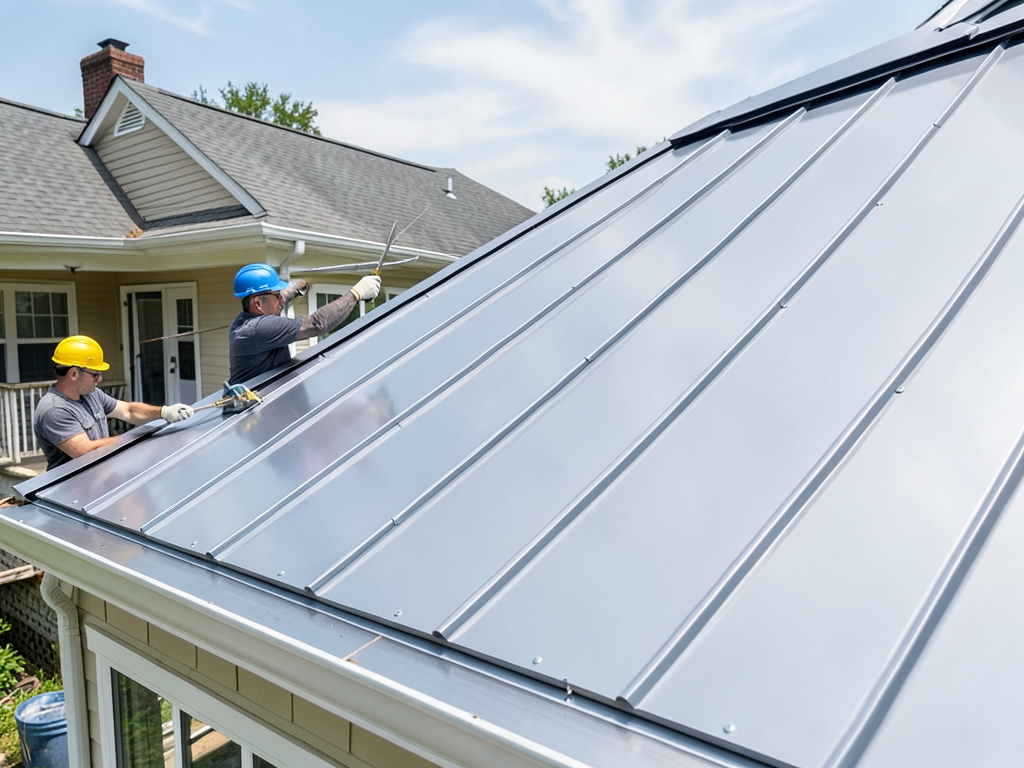
Standing seam metal roofing represents the gold standard for hurricane resistance. These systems use interlocking panels that mechanically fasten to the roof deck, creating a continuous surface that wind cannot penetrate. High-quality systems can withstand winds up to 180 mph when properly installed.
The panels typically come in 24- or 26-gauge steel with a Galvalume or aluminum-zinc coating. The standing seam design eliminates exposed fasteners, preventing water intrusion through screw holes that commonly fail in traditional metal roofs. The concealed fastening system also allows for thermal expansion without compromising the seal.
Metal roofing offers additional benefits in our climate. The reflective surface reduces heat gain by up to 40%, lowering cooling costs during our long summer season. The non-porous surface also resists algae and moss growth that commonly plague asphalt shingles in our high-humidity environment.
High-Impact Asphalt Shingles
Class 4 impact-resistant shingles provide excellent hurricane protection at a more affordable price point. These shingles undergo Underwriters Laboratories testing where steel balls are dropped from various heights to simulate hail impact. Class 4 shingles must withstand impacts without cracking.. Read more about Where to Get a Reliable Roof Inspection in New Orleans East.
Modern architectural shingles use a fiberglass mat base with modified asphalt and ceramic granules. The best options include a polymer-modified backing that adds flexibility and impact resistance. When installed with the proper six-nail pattern and enhanced underlayment, these systems can withstand winds up to 150 mph.
Look for shingles with a UL 2218 Class 4 rating and a wind warranty of at least 130 mph. Some manufacturers now offer products specifically engineered for the Gulf Coast with enhanced adhesive strips and reinforced nailing zones.
Synthetic Slate and Composite Materials
Synthetic slate roofing offers the aesthetic appeal of natural slate with significantly improved impact resistance. These systems use engineered polymers or recycled rubber compounds to create tiles that weigh about one-third as much as natural slate but provide similar wind resistance.
Quality synthetic slate systems can withstand winds up to 180 mph and resist impacts from debris traveling at high velocities. The interlocking design creates a continuous surface that prevents wind-driven rain from penetrating beneath the tiles.
Composite roofing materials combine recycled plastics, rubber, and polymers to create products that mimic traditional materials while offering superior performance. These systems typically carry Class 4 impact ratings and wind warranties up to 200 mph.
Louisiana Insurance Incentives
Louisiana law mandates that insurance companies offer premium discounts for hurricane-resistant roofing improvements. The Louisiana Department of Insurance requires discounts of 10-35% depending on the specific improvements and the insurer’s loss history in your area.
The most common credits apply to Class 4 impact-resistant shingles, FORTIFIED Roof™ certification, and secondary water barriers. Some insurers also offer credits for enhanced nailing patterns, sealed roof decks, and specific underlayment products that exceed code requirements.
To qualify for these discounts, you must provide documentation of the improvements. This typically includes receipts, manufacturer specifications, and inspection reports. Some insurance companies require certification from a licensed roofing contractor or third-party inspector.. Read more about How a Wind Mitigation Inspection Can Save You Money on Insurance in Arabi.
The credits can be substantial. A typical 2,500-square-foot home might save $400-800 annually on homeowners insurance premiums. Over a 20-year roof life, these savings can offset 30-50% of the initial investment in premium materials and installation.
Check current Louisiana insurance roofing credits through the Louisiana Department of Insurance to see what specific discounts apply in your area.
Our Local Portfolio: Storm-Tested Results
After Hurricane Ida in 2021, we inspected dozens of homes in Kenner, Harvey, and Timberlane to assess which roofing systems performed best. The results were clear: homes with FORTIFIED Roof™ certification or premium metal roofing sustained minimal damage while neighboring properties suffered significant losses.
One Kenner homeowner installed a standing seam metal roof with a secondary water barrier two years before Ida. When we inspected the property after the storm, the roof showed no visible damage despite winds exceeding 140 mph. The homeowner’s insurance company credited the premium discount and waived the deductible for wind damage.
In contrast, several homes in the same neighborhood with standard three-tab shingles lost significant portions of their roofing. The uplift forces tore the shingles from the nails, allowing wind-driven rain to penetrate the underlayment and cause extensive interior damage.
The difference often came down to installation details. Homes with proper enhanced nailing patterns, sealed roof decks, and quality underlayment fared dramatically better than those with code-minimum installations. The extra cost for premium installation typically added 15-20% to the project but prevented thousands in damage.
Cost-Benefit Analysis of Hurricane-Proof Options
Material Comparison Table
| Material Type | Initial Cost per Square | Wind Rating | Insurance Credit | Expected Lifespan |
|---|---|---|---|---|
| Standard Asphalt | $350-450 | 90-110 mph | 0-5% | 15-20 years |
| Class 4 Asphalt | $450-600 | 130-150 mph | 10-20% | 25-30 years |
| Standing Seam Metal | $800-1,200 | 180+ mph | 20-35% | 40-50 years |
| Synthetic Slate | $600-900 | 180+ mph | 20-30% | 30-40 years |
The initial cost difference between standard and hurricane-proof roofing can be substantial. However, when you factor in insurance savings, reduced maintenance, and the potential to avoid major repairs after a storm, the premium options often provide better long-term value. Repair vs. Replace Analysis.
A Class 4 asphalt roof might cost $5,000-8,000 more than standard shingles but could save $5,000-10,000 in insurance premiums over its lifetime while providing superior storm protection. The metal roof premium is higher but offers the best combination of durability, energy efficiency, and insurance savings.
Installation Best Practices for Maximum Protection
Proper installation makes the difference between a roof that survives a hurricane and one that fails. The most critical elements include enhanced nailing patterns, quality underlayment, and proper flashing details.
Enhanced Nailing Pattern: Use six nails per shingle instead of four, with ring-shank nails placed every six inches along edges and every twelve inches in the field. This creates a mechanical connection that resists uplift forces.
Secondary Water Barrier: Apply self-adhering polymer-modified bitumen to the roof deck along eaves, rakes, and in valleys. This creates a continuous waterproof membrane that prevents water intrusion if the primary covering fails.
Enhanced Underlayment: Use synthetic underlayment with a minimum 30-pound felt equivalent. This provides better tear resistance and UV protection than standard felt paper.
Proper Flashing: Install step flashing at all roof-to-wall intersections and use continuous metal flashing rather than individual pieces. This prevents water from penetrating behind the roofing at these vulnerable points.
The installation process should include a thorough inspection of the roof deck for damage or deterioration. Any rotten or damaged decking must be replaced before installing new roofing. This is also the time to address ventilation issues that can cause premature roof failure.
Maintenance Requirements for Hurricane-Proof Roofs
Even the best hurricane-proof roofing systems require regular maintenance to perform optimally. Annual inspections should check for loose fasteners, damaged flashing, and debris accumulation in valleys and around penetrations.
Metal roofs need inspection of the sealant at panel overlaps and around penetrations. The sealant should be replaced every 5-7 years or if it shows signs of cracking or separation. Fasteners should be checked for proper torque and replaced if they show signs of corrosion.
Asphalt shingles require inspection for granule loss, curling, and missing pieces. The adhesive strips should be checked to ensure they remain bonded. Any damaged or missing shingles should be replaced immediately to prevent water intrusion. Curling & Buckling Shingles.
All roofing systems benefit from keeping gutters and downspouts clear of debris. Clogged drainage systems can cause water to back up under roofing materials, leading to leaks and premature failure.
Choosing the Right Contractor
The success of any hurricane-proof roofing system depends heavily on the contractor’s expertise. Look for companies with specific experience in hurricane-prone regions and certifications from manufacturers of premium roofing products.
Verify that the contractor carries proper insurance, including workers’ compensation and general liability coverage. Ask for references from recent projects in your area and contact those homeowners to discuss their experiences.
A reputable contractor should provide a detailed written estimate that includes the specific materials, installation methods, and warranty information. Be wary of contractors who cannot explain the technical details of their proposed installation or who offer prices significantly below market rates.. Read more about Getting a Fast and Honest Estimate for Your Next Gretna Roof Repair.
The best contractors will conduct a thorough inspection before providing recommendations. They should identify any underlying issues with the roof structure, ventilation, or decking that need to be addressed as part of the project.
Frequently Asked Questions
What makes a roof hurricane-proof?
A hurricane-proof roof combines impact-resistant materials, enhanced installation methods, and proper engineering to withstand high winds and flying debris. Key elements include Class 4 impact ratings, six-nail fastening patterns, secondary water barriers, and quality underlayment.
How much more does hurricane-proof roofing cost?
Hurricane-proof roofing typically costs 20-50% more than standard roofing, depending on the materials chosen. However, insurance premium discounts and potential damage avoidance often offset much of this additional cost over the roof’s lifetime.
Will insurance pay for hurricane-proof upgrades?
Insurance companies do not typically pay for upgrades, but Louisiana law requires them to offer premium discounts for hurricane-resistant improvements. These discounts can range from 10-35% and may cover a significant portion of the upgrade cost over time.
How long does installation take?
Most residential hurricane-proof roofing installations take 2-5 days, depending on the size of the home and weather conditions. Premium materials like metal may require additional time for custom fabrication and precise installation.
Can I install hurricane-proof roofing myself?
Hurricane-proof roofing requires specialized knowledge, tools, and installation techniques. Improper installation can void warranties and compromise the roof’s performance in a storm. Professional installation by experienced contractors is strongly recommended.
Ready to Protect Your Home?
Don’t wait until hurricane season is here to upgrade your roof. The best time to install hurricane-proof roofing is during the off-season when contractors have more availability and materials are readily available.
Our team has installed hundreds of hurricane-resistant roofs throughout the New Orleans area. We understand the specific challenges of our climate and can recommend the best system for your home’s architecture and your budget.
Call (504) 355-3444 today to schedule your free inspection and estimate. We’ll evaluate your current roof, discuss your options, and show you exactly how hurricane-proof roofing can protect your home and potentially save you money on insurance premiums.
Pick up the phone and call (504) 355-3444 before the next storm hits. Your family’s safety and your home’s protection are worth the investment.
You may also find this helpful. Is Your Gentilly Roof Ready for the Next Big Wind Storm?.
{
“@context”: “https://schema.org”,
“@type”: “BlogPosting”,
“headline”: “Hurricane Proof Roofing Options That New Orleans Homeowners Swear By”,
“description”: “Discover hurricane-proof roofing options for New Orleans homes. Learn about FORTIFIED standards, Class 4 shingles, metal roofing, and insurance savings for storm-resistant upgrades.”,
“wordCount”: 2170,
“datePublished”: “2026-02-28T12:23:00.000Z”,
“dateModified”: “2026-02-28T12:23:00.000Z”,
“inLanguage”: “en-US”,
“mainEntityOfPage”: {
“@type”: “WebPage”,
“@id”: “https://heritageroofingneworleans.com”
},
“publisher”: {
“@type”: “LocalBusiness”,
“name”: “Heritage Roofing New Orleans”,
“url”: “https://heritageroofingneworleans.com”
},
“author”: {
“@type”: “Organization”,
“name”: “Heritage Roofing New Orleans”,
“url”: “https://heritageroofingneworleans.com”
},
“image”: {
“@type”: “ImageObject”,
“url”: “https://heritageroofingneworleans.com/wp-content/uploads/2026/03/hurricane-proof-roofing-options-that-new-orleans-h-1.png”
}
}
{
“@context”: “https://schema.org”,
“@type”: “RoofingContractor”,
“name”: “Heritage Roofing New Orleans”,
“url”: “https://heritageroofingneworleans.com”,
“address”: {
“@type”: “PostalAddress”,
“addressLocality”: “New Orleans”
},
“areaServed”: {
“@type”: “City”,
“name”: “New Orleans”
}
}
{
“@context”: “https://schema.org”,
“@type”: “FAQPage”,
“mainEntity”: [
{
“@type”: “Question”,
“name”: “What makes a roof hurricane-proof?”,
“acceptedAnswer”: {
“@type”: “Answer”,
“text”: “A hurricane-proof roof combines impact-resistant materials, enhanced installation methods, and proper engineering to withstand high winds and flying debris. Key elements include Class 4 impact ratings, six-nail fastening patterns, secondary water barriers, and quality underlayment.”
}
},
{
“@type”: “Question”,
“name”: “How much more does hurricane-proof roofing cost?”,
“acceptedAnswer”: {
“@type”: “Answer”,
“text”: “Hurricane-proof roofing typically costs 20-50% more than standard roofing, depending on the materials chosen. However, insurance premium discounts and potential damage avoidance often offset much of this additional cost over the roof’s lifetime.”
}
},
{
“@type”: “Question”,
“name”: “Will insurance pay for hurricane-proof upgrades?”,
“acceptedAnswer”: {
“@type”: “Answer”,
“text”: “Insurance companies do not typically pay for upgrades, but Louisiana law requires them to offer premium discounts for hurricane-resistant improvements. These discounts can range from 10-35% and may cover a significant portion of the upgrade cost over time.”
}
},
{
“@type”: “Question”,
“name”: “How long does installation take?”,
“acceptedAnswer”: {
“@type”: “Answer”,
“text”: “Most residential hurricane-proof roofing installations take 2-5 days, depending on the size of the home and weather conditions. Premium materials like metal may require additional time for custom fabrication and precise installation.”
}
},
{
“@type”: “Question”,
“name”: “Can I install hurricane-proof roofing myself?”,
“acceptedAnswer”: {
“@type”: “Answer”,
“text”: “Hurricane-proof roofing requires specialized knowledge, tools, and installation techniques. Improper installation can void warranties and compromise the roof’s performance in a storm. Professional installation by experienced contractors is strongly recommended.”
}
},
{
“@type”: “Question”,
“name”: “Ready to Protect Your Home?”,
“acceptedAnswer”: {
“@type”: “Answer”,
“text”: “Don’t wait until hurricane season is here to upgrade your roof. The best time to install hurricane-proof roofing is during the off-season when contractors have more availability and materials are readily available.”
}
}
]
}
{
“@context”: “https://schema.org”,
“@type”: “BreadcrumbList”,
“itemListElement”: [
{
“@type”: “ListItem”,
“position”: 1,
“name”: “Home”,
“item”: “https://heritageroofingneworleans.com”
},
{
“@type”: “ListItem”,
“position”: 2,
“name”: “Blog”,
“item”: “https://heritageroofingneworleans.com/blog”
},
{
“@type”: “ListItem”,
“position”: 3,
“name”: “Hurricane Proof Roofing Options That New Orleans Homeowners Swear By”
}
]
}
{
“@context”: “https://schema.org”,
“@type”: “Service”,
“serviceType”: “Roofing”,
“provider”: {
“@type”: “LocalBusiness”,
“name”: “Heritage Roofing New Orleans”,
“url”: “https://heritageroofingneworleans.com”
},
“areaServed”: {
“@type”: “City”,
“name”: “New Orleans”
},
“description”: “Discover hurricane-proof roofing options for New Orleans homes. Learn about FORTIFIED standards, Class 4 shingles, metal roofing, and insurance savings for storm-resistant upgrades.”
}