
Dealing With Leaky Parapet Walls on Historic Marigny Row Houses
Parapet walls on Marigny row houses fail when salt-laden Gulf air meets porous brick, creating efflorescence and hairline cracks that let water seep into living spaces. In 2026, New Orleans’ subtropical climate means 85% humidity accelerates mortar deterioration, while thermal expansion from summer heat causes 1/8-inch gaps between coping stones and flashing. This guide shows you how to identify, diagnose, and fix parapet failures before they compromise your historic property’s structural integrity. What to Do When Your New Orleans Roof Starts Leaking During a Downpour.
Why Marigny Parapet Walls Leak More Than Other Neighborhoods
The Marigny’s 19th-century brick parapets face unique challenges. Built with soft-fired Louisiana clay bricks and lime mortar, these walls lack the weather resistance of modern materials. When Gulf moisture penetrates, it reacts with salt deposits in the mortar, causing spalling that widens cracks. The French Quarter’s proximity means higher pedestrian traffic vibrations, while nearby industrial areas contribute airborne pollutants that degrade masonry surfaces.
Common failure points include deteriorated coping stones where water pools, corroded flashing at parapet base connections, and cracked scupper openings that direct rainwater into wall cavities. The Vieux Carré Commission mandates specific repair methods for historic properties, requiring lime-based mortars that match original materials rather than modern Portland cement alternatives. Vieux Carré Commission.
Diagnostic Signs of Parapet Failure
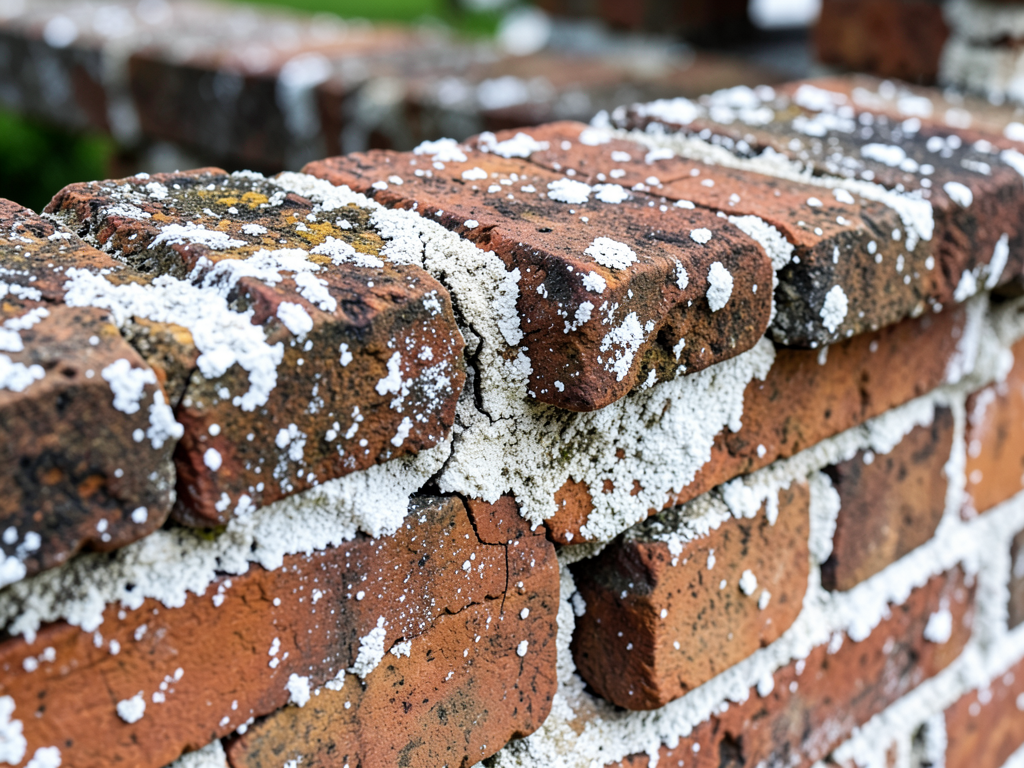
Efflorescence appears as white powdery deposits on brick surfaces, indicating water movement through masonry. Sound the wall with a rubber mallet; hollow areas suggest delaminated brick or mortar. Check interior ceilings for water stains directly below parapet edges, as water follows gravity paths through wall cavities.
Visual inspection reveals cracked coping stones with 1/4-inch or wider gaps, rusted metal flashing visible through mortar joints, and spalled brick faces where water has frozen and expanded. Use a moisture meter at 1/4-inch depth to confirm active water infiltration in suspect areas.
Structural movement shows as leaning parapet walls, typically 1-2 degrees off vertical, indicating foundation settlement or inadequate anchoring. In Marigny’s soft alluvial soil, this movement accelerates during rainy seasons when soil expands.
Common Causes of Parapet Wall Leaks in Marigny
High humidity creates constant moisture exposure, while hurricane-force winds drive rain horizontally into wall joints. Thermal cycling causes 15-20 degree temperature swings between day and night, expanding and contracting materials at different rates. Salt air accelerates metal flashing corrosion, typically reducing lifespan from 30 years to 15-20 years in coastal areas.
Poor original construction methods, such as inadequate flashing integration or missing weep holes, compound these issues. Many Marigny buildings lack proper expansion joints, forcing walls to crack when temperature changes create internal stress.
Tree roots from nearby oaks can lift foundations, creating uneven parapet settlement. Hurricane debris impact can crack coping stones, creating entry points for water infiltration.
Repair Methods That Meet VCC and HDLC Standards
VCC guidelines require matching original materials and techniques. This means using Type N lime mortar with 1:1:6 cement-lime-sand ratio rather than modern Type S mortar. The commission prohibits power washing, which can damage soft historic brick, instead recommending gentle hand cleaning with mild detergents.
HDLC permits tuckpointing for deteriorated mortar joints, but only after testing original mortar composition. A mortar analysis lab identifies exact lime content and aggregate size, ensuring repairs blend seamlessly with existing masonry. Repair vs. Replace Analysis.
Waterproofing membranes must be vapor-permeable to prevent trapped moisture damage. Products like Kemperol or Carlisle coatings allow walls to breathe while repelling liquid water, meeting historic preservation standards. Specialized Roofing Solutions for Properties in the French Quarter.
Step-by-Step Parapet Repair Process
- Comprehensive Inspection
Document all visible damage, moisture readings, and structural movement using laser levels and thermal imaging cameras. Create a detailed report for VCC/HDLC permit applications.
- Permit Acquisition
Submit repair plans showing exact materials, methods, and color matching. VCC approval typically takes 2-3 weeks for simple repairs, 6-8 weeks for structural modifications.
- Protection Setup
Install scaffolding with protective barriers to prevent damage to surrounding structures. Cover windows and doorways with plastic sheeting during demolition phases.
- Deteriorated Material Removal
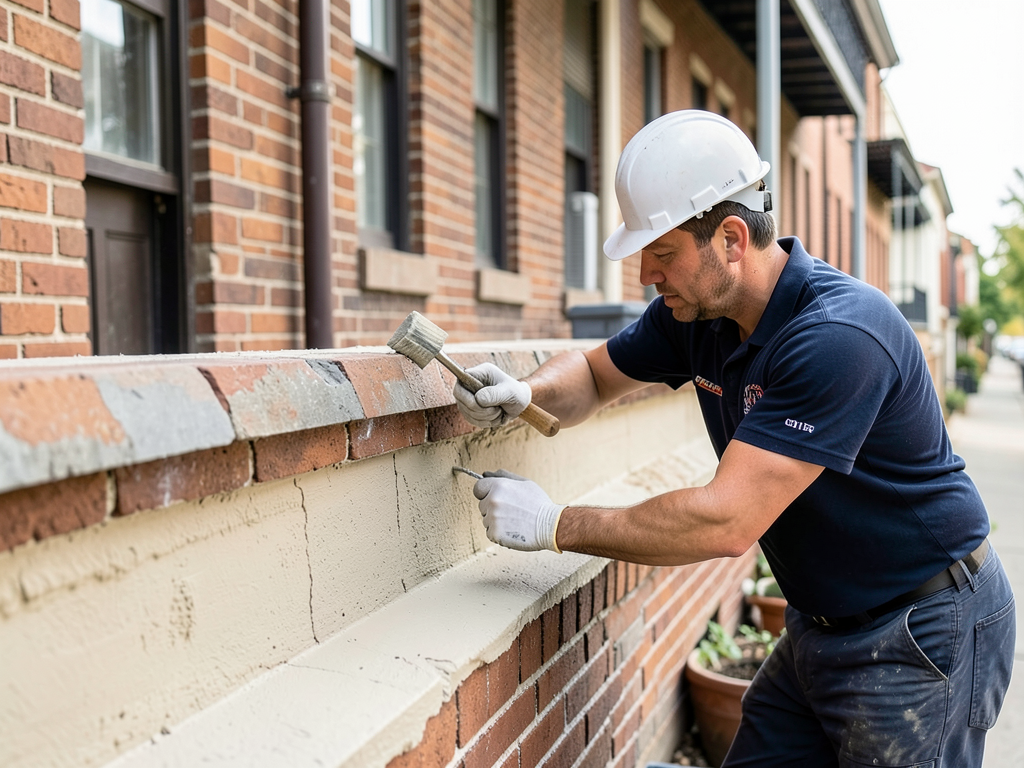
Carefully remove damaged bricks and mortar using hand tools to prevent vibration damage to adjacent masonry. Save reusable bricks for reinstallation.
- Structural Reinforcement
Install stainless steel anchors at 24-inch intervals to stabilize leaning walls. Use epoxy injection for hairline cracks wider than 1/16 inch.
- Repointing and Masonry Work
Apply new lime mortar in 3/8-inch joints, tooling to match original finish. Allow 72-hour cure time before proceeding.
- Flashing and Waterproofing
Install copper counter-flashing extending 4 inches into wall cavities. Apply vapor-permeable waterproofing membrane to entire parapet surface. Roofing Kenner.
- Coping Stone Replacement
Set new limestone or granite coping stones with 1/4-inch expansion joints. Seal joints with polyurethane caulk rated for 50-year lifespan.
- Scupper Maintenance
Clean existing scuppers or install new ones at 10-foot intervals. Ensure proper slope toward drainage points.
- Final Inspection and Documentation
Schedule VCC/HDLC final inspection. Provide property owner with maintenance manual and warranty documentation.
Cost Factors for Marigny Parapet Repairs
| Repair Type | Typical Cost Range | Timeline | Notes |
|---|---|---|---|
| Simple Repointing | $15-25 per square foot | 3-5 days | Limited to mortar replacement only |
| Partial Rebuild | $35-50 per square foot | 1-2 weeks | Includes brick replacement and structural work |
| Full Restoration | $60-85 per square foot | 2-4 weeks | Complete disassembly and rebuild |
| Structural Stabilization | $8,000-15,000 | 1 week | Anchor installation and foundation work |
Preventing Future Parapet Wall Failures
Annual inspections catch problems early. Look for efflorescence, cracked mortar, and water stains each spring before hurricane season. Clean gutters and downspouts to prevent overflow onto parapet surfaces.
Install copper lightning protection systems to prevent electrical damage from strikes. Apply silane-based water repellents every 5-7 years to enhance moisture resistance without trapping vapor.
Monitor foundation movement through seasonal changes. Install expansion joints where parapet meets building walls to accommodate thermal movement without cracking.
Emergency Response for Active Leaks
When water actively enters through parapet walls, immediate temporary measures prevent interior damage. Apply waterproof tarps extending 3 feet beyond visible damage, securing with battens to prevent wind uplift.
Place buckets under active leaks and use moisture meters to track water spread through walls. Document damage with photos for insurance claims and VCC/HDLC permit applications.
Emergency repairs focus on stopping water entry rather than permanent solutions. Use hydraulic cement to plug active leaks, but plan complete repairs within 30-60 days.
Insurance Considerations for Historic Properties
Most homeowner policies cover sudden water damage but exclude gradual deterioration. Document parapet condition annually with photos to establish baseline for claims.
VCC/HDLC approval may be required for insurance-covered repairs. Some policies offer historic property riders covering specialized materials and craftsmanship required for authentic restoration.
Wind damage from hurricanes typically falls under separate windstorm coverage. Document pre-storm condition to prove damage extent for claims.
Choosing the Right Contractor
Verify Louisiana State Licensing Board credentials and VCC/HDLC experience. Request references from similar Marigny projects and review before/after photos showing matching mortar colors and textures.
Contractors should provide detailed scope documents listing specific materials, including mortar type, waterproofing products, and metal flashing specifications. Avoid vague proposals that don’t specify historic preservation compliance.
Ask about warranty coverage for both materials and workmanship. Quality contractors offer 5-10 year warranties on parapet repairs, longer for structural stabilization work.
Frequently Asked Questions
How long do parapet wall repairs typically take?
Simple repointing takes 3-5 days, while full restorations require 2-4 weeks depending on weather and permit approvals. Emergency repairs can begin within 24-48 hours.
Will repairs change the appearance of my historic building?
Properly executed repairs should be invisible, matching original materials and techniques. VCC/HDLC guidelines ensure visual continuity with existing architecture.
How much do parapet repairs cost in Marigny?
Costs range from $15-85 per square foot depending on damage extent and repair complexity. Structural stabilization adds $8,000-15,000 to basic repair costs.
Can I do parapet repairs myself?
DIY repairs risk code violations and structural damage. VCC/HDLC permits require licensed contractors experienced in historic preservation techniques.
What causes parapet walls to lean?
Foundation settlement, inadequate anchoring, or soil expansion causes leaning. Marigny’s alluvial soil is particularly prone to movement during rainy seasons.
How often should parapet walls be inspected?
Annual inspections are recommended, with additional checks after major storms or hurricanes. Early detection prevents costly structural damage.
Are permits required for parapet repairs?
Yes, VCC/HDLC permits are mandatory for any parapet modifications in historic districts. Simple maintenance may qualify for expedited approvals.
What materials work best for Marigny’s climate?
Lime-based mortars, copper flashing, and vapor-permeable waterproofing membranes perform best in New Orleans’ humid subtropical conditions.
How do I know if my parapet needs repair?
Look for efflorescence, cracked mortar joints, water stains on interior ceilings, and leaning walls. Professional inspection confirms damage extent.
Will insurance cover parapet repairs?
Insurance covers sudden damage but not gradual deterioration. Document pre-existing conditions and maintain records of regular maintenance.
Protect Your Marigny Investment Today
Parapet wall leaks don’t fix themselves. Each rainy season causes more damage, potentially leading to structural failure that threatens your entire building. The longer you wait, the more expensive repairs become.
Call (504) 355-3444 today to schedule your parapet inspection. Our team understands VCC/HDLC requirements and uses proper historic preservation techniques that protect your investment while maintaining architectural integrity.
Don’t let another storm damage your property. Pick up the phone and call (504) 355-3444 before the next downpour hits. We’re ready to help protect your historic Marigny row house with expert parapet wall repair services. For more information, visit National Park Service preservation guidelines.
{
“@context”: “https://schema.org”,
“@type”: “BlogPosting”,
“headline”: “Dealing With Leaky Parapet Walls on Historic Marigny Row Houses”,
“description”: “Expert parapet wall repair for historic Marigny row houses. Learn how New Orleans’ humidity and VCC/HDLC codes affect masonry integrity. Call (504) 355-3444 for inspection.”,
“wordCount”: 1570,
“datePublished”: “2026-03-28T14:33:00.000Z”,
“dateModified”: “2026-03-28T14:33:00.000Z”,
“inLanguage”: “en-US”,
“mainEntityOfPage”: {
“@type”: “WebPage”,
“@id”: “https://heritageroofingneworleans.com”
},
“publisher”: {
“@type”: “LocalBusiness”,
“name”: “Heritage Roofing New Orleans”,
“url”: “https://heritageroofingneworleans.com”
},
“author”: {
“@type”: “Organization”,
“name”: “Heritage Roofing New Orleans”,
“url”: “https://heritageroofingneworleans.com”
},
“image”: {
“@type”: “ImageObject”,
“url”: “https://heritageroofingneworleans.com/wp-content/uploads/2026/03/dealing-with-leaky-parapet-walls-on-historic-marig-1.png”
}
}
{
“@context”: “https://schema.org”,
“@type”: “RoofingContractor”,
“name”: “Heritage Roofing New Orleans”,
“url”: “https://heritageroofingneworleans.com”,
“address”: {
“@type”: “PostalAddress”,
“addressLocality”: “New Orleans”
},
“areaServed”: {
“@type”: “City”,
“name”: “New Orleans”
}
}
{
“@context”: “https://schema.org”,
“@type”: “FAQPage”,
“mainEntity”: [
{
“@type”: “Question”,
“name”: “How long do parapet wall repairs typically take?”,
“acceptedAnswer”: {
“@type”: “Answer”,
“text”: “Simple repointing takes 3-5 days, while full restorations require 2-4 weeks depending on weather and permit approvals. Emergency repairs can begin within 24-48 hours.”
}
},
{
“@type”: “Question”,
“name”: “Will repairs change the appearance of my historic building?”,
“acceptedAnswer”: {
“@type”: “Answer”,
“text”: “Properly executed repairs should be invisible, matching original materials and techniques. VCC/HDLC guidelines ensure visual continuity with existing architecture.”
}
},
{
“@type”: “Question”,
“name”: “How much do parapet repairs cost in Marigny?”,
“acceptedAnswer”: {
“@type”: “Answer”,
“text”: “Costs range from $15-85 per square foot depending on damage extent and repair complexity. Structural stabilization adds $8,000-15,000 to basic repair costs.”
}
},
{
“@type”: “Question”,
“name”: “Can I do parapet repairs myself?”,
“acceptedAnswer”: {
“@type”: “Answer”,
“text”: “DIY repairs risk code violations and structural damage. VCC/HDLC permits require licensed contractors experienced in historic preservation techniques.”
}
},
{
“@type”: “Question”,
“name”: “What causes parapet walls to lean?”,
“acceptedAnswer”: {
“@type”: “Answer”,
“text”: “Foundation settlement, inadequate anchoring, or soil expansion causes leaning. Marigny’s alluvial soil is particularly prone to movement during rainy seasons.”
}
},
{
“@type”: “Question”,
“name”: “How often should parapet walls be inspected?”,
“acceptedAnswer”: {
“@type”: “Answer”,
“text”: “Annual inspections are recommended, with additional checks after major storms or hurricanes. Early detection prevents costly structural damage.”
}
},
{
“@type”: “Question”,
“name”: “Are permits required for parapet repairs?”,
“acceptedAnswer”: {
“@type”: “Answer”,
“text”: “Yes, VCC/HDLC permits are mandatory for any parapet modifications in historic districts. Simple maintenance may qualify for expedited approvals.”
}
},
{
“@type”: “Question”,
“name”: “What materials work best for Marigny’s climate?”,
“acceptedAnswer”: {
“@type”: “Answer”,
“text”: “Lime-based mortars, copper flashing, and vapor-permeable waterproofing membranes perform best in New Orleans’ humid subtropical conditions.”
}
},
{
“@type”: “Question”,
“name”: “How do I know if my parapet needs repair?”,
“acceptedAnswer”: {
“@type”: “Answer”,
“text”: “Look for efflorescence, cracked mortar joints, water stains on interior ceilings, and leaning walls. Professional inspection confirms damage extent.”
}
},
{
“@type”: “Question”,
“name”: “Will insurance cover parapet repairs?”,
“acceptedAnswer”: {
“@type”: “Answer”,
“text”: “Insurance covers sudden damage but not gradual deterioration. Document pre-existing conditions and maintain records of regular maintenance.”
}
}
]
}
{
“@context”: “https://schema.org”,
“@type”: “HowTo”,
“name”: “Parapet Wall Repair Process”,
“step”: [
{
“@type”: “HowToStep”,
“position”: 1,
“name”: “Comprehensive Inspection”,
“text”: “Document all visible damage, moisture readings, and structural movement using laser levels and thermal imaging cameras. Create a detailed report for VCC/HDLC permit applications.”
},
{
“@type”: “HowToStep”,
“position”: 2,
“name”: “Permit Acquisition”,
“text”: “Submit repair plans showing exact materials, methods, and color matching. VCC approval typically takes 2-3 weeks for simple repairs, 6-8 weeks for structural modifications.”
},
{
“@type”: “HowToStep”,
“position”: 3,
“name”: “Protection Setup”,
“text”: “Install scaffolding with protective barriers to prevent damage to surrounding structures. Cover windows and doorways with plastic sheeting during demolition phases.”
},
{
“@type”: “HowToStep”,
“position”: 4,
“name”: “Deteriorated Material Removal”,
“text”: “Carefully remove damaged bricks and mortar using hand tools to prevent vibration damage to adjacent masonry. Save reusable bricks for reinstallation.”
},
{
“@type”: “HowToStep”,
“position”: 5,
“name”: “Structural Reinforcement”,
“text”: “Install stainless steel anchors at 24-inch intervals to stabilize leaning walls. Use epoxy injection for hairline cracks wider than 1/16 inch.”
},
{
“@type”: “HowToStep”,
“position”: 6,
“name”: “Repointing and Masonry Work”,
“text”: “Apply new lime mortar in 3/8-inch joints, tooling to match original finish. Allow 72-hour cure time before proceeding.”
},
{
“@type”: “HowToStep”,
“position”: 7,
“name”: “Flashing and Waterproofing”,
“text”: “Install copper counter-flashing extending 4 inches into wall cavities. Apply vapor-permeable waterproofing membrane to entire parapet surface. Roofing Kenner.”
},
{
“@type”: “HowToStep”,
“position”: 8,
“name”: “Coping Stone Replacement”,
“text”: “Set new limestone or granite coping stones with 1/4-inch expansion joints. Seal joints with polyurethane caulk rated for 50-year lifespan.”
},
{
“@type”: “HowToStep”,
“position”: 9,
“name”: “Scupper Maintenance”,
“text”: “Clean existing scuppers or install new ones at 10-foot intervals. Ensure proper slope toward drainage points.”
},
{
“@type”: “HowToStep”,
“position”: 10,
“name”: “Final Inspection and Documentation”,
“text”: “Schedule VCC/HDLC final inspection. Provide property owner with maintenance manual and warranty documentation.”
}
],
“image”: “https://heritageroofingneworleans.com/wp-content/uploads/2026/03/dealing-with-leaky-parapet-walls-on-historic-marig-1.png”
}
{
“@context”: “https://schema.org”,
“@type”: “BreadcrumbList”,
“itemListElement”: [
{
“@type”: “ListItem”,
“position”: 1,
“name”: “Home”,
“item”: “https://heritageroofingneworleans.com”
},
{
“@type”: “ListItem”,
“position”: 2,
“name”: “Blog”,
“item”: “https://heritageroofingneworleans.com/blog”
},
{
“@type”: “ListItem”,
“position”: 3,
“name”: “Dealing With Leaky Parapet Walls on Historic Marigny Row Houses”
}
]
}
{
“@context”: “https://schema.org”,
“@type”: “Service”,
“serviceType”: “Roofing”,
“provider”: {
“@type”: “LocalBusiness”,
“name”: “Heritage Roofing New Orleans”,
“url”: “https://heritageroofingneworleans.com”
},
“areaServed”: {
“@type”: “City”,
“name”: “New Orleans”
},
“description”: “Expert parapet wall repair for historic Marigny row houses. Learn how New Orleans’ humidity and VCC/HDLC codes affect masonry integrity. Call (504) 355-3444 for inspection.”
}