
Your Spring Roofing Checklist to Prepare for the New Orleans Rainy Season
Spring in New Orleans means preparing your roof for the brutal hurricane season ahead. With over 60 inches of annual rainfall and humidity levels consistently above 75%, your roof faces unique challenges that require specific attention. This checklist walks you through the essential steps to protect your home before the first tropical storm hits. What to Do When Your New Orleans Roof Starts Leaking During a Downpour.
Starting early gives you the advantage of identifying small problems before they become expensive disasters. The intense UV exposure from our 100+ degree summer days accelerates shingle deterioration, while the high humidity creates perfect conditions for algae growth that can compromise your roof’s integrity. By following this spring maintenance routine, you can extend your roof’s lifespan by 5-7 years and potentially lower your homeowners insurance premiums through the Louisiana Fortified Roof program. Louisiana State Uniform Construction Code.
Why New Orleans Roofs Need Special Spring Attention
The New Orleans climate creates a perfect storm for roof damage. Our subtropical environment means constant moisture exposure, which leads to specific failure patterns you won’t see in drier climates. Shingles in New Orleans typically show signs of deterioration 2-3 years earlier than the same products in northern states. The Best Shingles to Withstand New Orleans Heat and Humidity.
During spring, you need to check for three critical issues unique to our area: algae growth (Gloeocapsa magma) that creates black streaks on north-facing slopes, moisture trapped in attic spaces that causes shingle blistering, and the impact of our highly expansive clay soil that shifts foundations and stresses roof joints. These factors combine to create a maintenance schedule that’s different from what you’d follow in Atlanta or Houston.

Diagram showing common New Orleans roof failure patterns including algae streaks, moisture blisters, and foundation stress points.
Essential Spring Inspection Points
Before you climb onto your roof, understand what you’re looking for. New Orleans roofs typically show specific wear patterns that indicate either normal aging or serious problems requiring immediate attention. The inspection process should take about 30-45 minutes for a standard ranch-style home in Kenner or Harvey. Roofing Kenner.
Start with safety. Never walk on a roof when it’s wet or immediately after rain. The humidity creates slick conditions that can be dangerous even on mild slopes. Use a sturdy ladder placed on solid ground, and consider wearing rubber-soled shoes for better traction. If you’re uncomfortable with heights or unsure about your roof’s condition, call (504) 355-3444 for a professional inspection before the rainy season begins.
Shingle Condition Assessment
Examine your shingles for signs of heat damage. New Orleans summers can push roof surface temperatures above 150 degrees, causing shingles to curl, crack, or lose their protective granules. Look for shingles that appear wavy or have edges that are turning up. These are early warning signs that your attic ventilation may be inadequate.
Check for missing granules by looking in your gutters. If you see large amounts of sandy material, your shingles are deteriorating faster than normal. This is especially common in homes near Lake Pontchartrain where the reflected UV radiation is more intense. Granule loss exposes the asphalt layer to direct sunlight, accelerating the aging process.
Flashing and Sealant Inspection
Examine all roof penetrations including chimneys, vents, and skylights. New Orleans experiences wind-driven rain that can force water under improperly sealed flashing. Look for cracked or missing sealant around these areas. The constant expansion and contraction from temperature swings causes sealant to fail faster here than in more moderate climates.
Pay special attention to the valley areas where two roof planes meet. These spots collect debris and experience the highest water flow during our intense afternoon thunderstorms. If you see cracked or missing sealant in these areas, water can penetrate beneath the shingles and cause rot in the roof decking.
The 10-Point Inspection Checklist
This comprehensive checklist covers every critical area of your roof. Work through each item systematically, and mark any problems that need professional attention. If you find more than three issues, it’s time to call (504) 355-3444 for a detailed assessment.
- Gutter Clearance
Remove all debris from gutters and downspouts. New Orleans trees like Live Oaks drop leaves, acorns, and small branches year-round. Clogged gutters cause water to back up under shingles during heavy rains.
- Shingle Integrity
Check for cracked, curled, or missing shingles. Look for dark spots that might indicate algae growth or water damage. Replace any damaged shingles before the rainy season starts.
- Flashing Condition
Inspect all metal flashing around chimneys, vents, and roof edges. Look for rust, separation, or missing pieces. Flashing failures are the leading cause of roof leaks in New Orleans.
- Attic Ventilation
Check attic vents for blockage. Proper ventilation prevents heat buildup that causes shingle blistering. Look for signs of moisture or mold in the attic space.
- Roof Deck Soundness
Walk carefully on the roof and feel for soft spots. A spongy feel indicates water damage to the decking beneath the shingles.
- Chimney and Skylight Seals
Examine all seals around roof penetrations. Look for gaps, cracks, or missing sealant that could allow water entry.
- Drainage Patterns
Check that water flows freely off the roof. Look for areas where water might pond or flow toward the house instead of away from it.
- Moss and Algae Growth
Identify any green or black growth on shingles. This is common on north-facing slopes and can trap moisture against the roof surface.
- Tree Branch Clearance
Trim any branches within 6 feet of the roof. During hurricanes, these become dangerous projectiles that can puncture shingles.
- Structural Integrity
Look for sagging areas or uneven roof lines that might indicate structural problems requiring immediate attention.
New Orleans-Specific Material Considerations
The architectural styles common in Jefferson Parish and the West Bank influence the roofing materials used and the maintenance they require. Understanding these differences helps you identify problems specific to your home’s construction. Specialized Roofing Solutions for Properties in the French Quarter.
Spanish slate roofs, common in older Garden District homes, require different inspection techniques than asphalt shingles. Slate can crack from thermal shock when cold rain hits a hot surface. Look for missing pieces or cracks that run parallel to the roof slope. These roofs often have copper flashing that develops a protective patina but can still fail at the seams.
Asphalt shingles dominate suburban areas like Kenner and Harvey. These roofs need inspection for granule loss, which appears as bald spots on the shingle surface. In our high-humidity climate, you’ll also need to check for algae growth that creates black streaks on north-facing slopes. This Gloeocapsa magma growth doesn’t just look bad—it holds moisture against the shingle surface, accelerating deterioration.
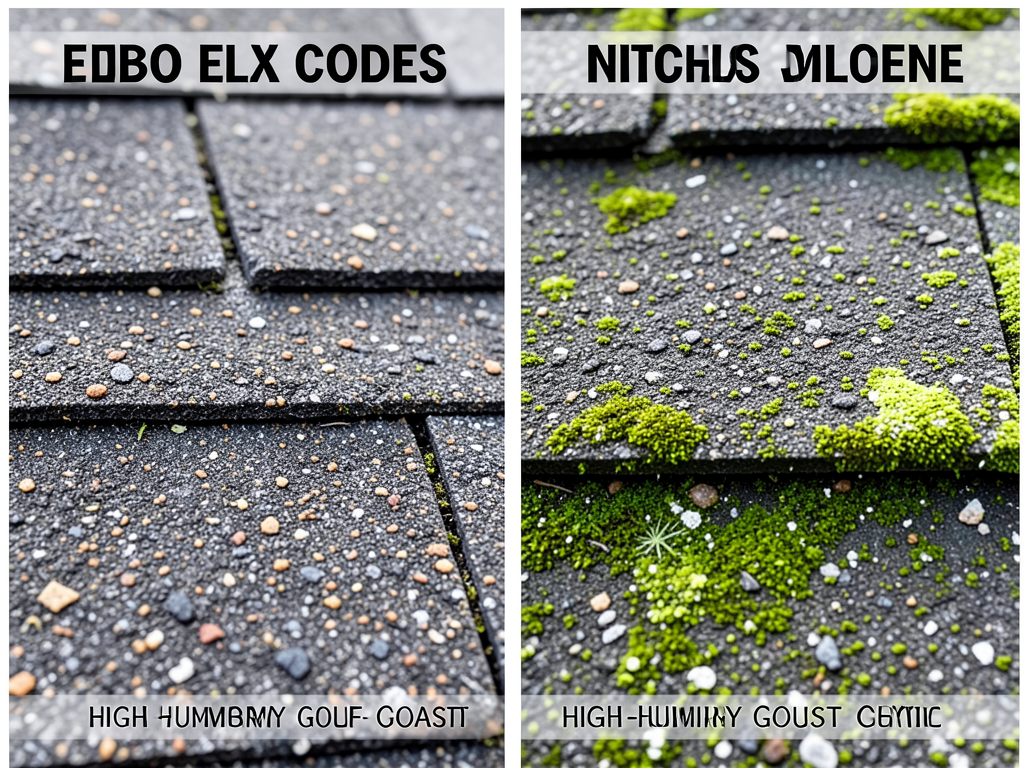
Photo showing the difference between healthy asphalt shingles and those with algae growth and granule loss.
Attic Ventilation: The Hidden Problem
Most homeowners don’t realize that attic ventilation problems cause more roof damage in New Orleans than actual storm damage. Our combination of high heat and humidity creates a perfect environment for moisture-related problems that start in the attic and work their way down to the shingles. What Metairie Homeowners Need to Do for Emergency Storm Damage and Tarping.
During spring inspection, check your attic for signs of moisture problems. Look for water stains on the underside of the roof deck, rust on metal components, or mold growth on rafters. These indicate that warm, moist air is condensing on the cooler underside of the roof deck. This moisture can cause shingles to blister from underneath, a problem that’s invisible from the roof surface.
Proper ventilation requires both intake vents (usually in the soffits) and exhaust vents (at or near the ridge). In New Orleans, the building code requires one square foot of net free ventilation area for every 150 square feet of attic floor space. If your attic doesn’t meet this standard, your shingles will age faster regardless of their quality.
When to Call a Professional
DIY inspections are valuable for catching obvious problems, but some issues require professional expertise. If you discover any of these conditions during your spring inspection, call (504) 355-3444 immediately for a comprehensive evaluation.
Structural problems are the most urgent. If you notice sagging areas, uneven roof lines, or interior ceiling stains, these indicate serious issues that could lead to roof collapse during a tropical storm. These problems often stem from water damage to the roof decking that’s invisible from the surface.
Age is another critical factor. Most asphalt shingle roofs in New Orleans need replacement after 15-20 years due to our harsh climate. If your roof is approaching this age, a professional inspection can identify whether repair or replacement makes more financial sense. The Louisiana Fortified Roof program offers insurance discounts that can offset up to 30% of replacement costs for qualifying upgrades.
Storm damage requires immediate professional assessment. After any severe weather event, have your roof inspected for wind damage, hail impact, or debris punctures. Insurance companies often require prompt reporting of storm damage, and waiting can result in claim denials.
Cost-Benefit Analysis of Spring Maintenance
Investing a few hours in spring roof maintenance can save thousands in repair costs. A complete professional inspection typically costs $150-300, while emergency repairs after a major leak can exceed $5,000. The math is simple: prevention costs far less than cure.
Consider this comparison: cleaning your gutters and checking your flashing might take 2-3 hours of your time. If this prevents one major leak during hurricane season, you’ve potentially saved $3,000-8,000 in water damage repairs to your ceiling, walls, and personal belongings. Plus, maintaining your roof helps preserve your home’s value and can prevent insurance premium increases.
The moisture meter test we use during professional inspections can detect water intrusion before it becomes visible. This diagnostic tool measures moisture content in the roof deck at multiple depths, identifying problems while they’re still small and inexpensive to fix. DIY inspections can’t provide this level of technical assessment.
Preparing for Hurricane Season
Hurricane season officially begins June 1, but severe storms can hit as early as May in New Orleans. Your spring maintenance should be completed by early May to ensure your roof is ready for whatever the Gulf throws our way.
Create a storm preparation checklist that includes securing loose items around your property that could become airborne projectiles. Patio furniture, garden tools, and even children’s toys can damage your roof if picked up by high winds. Trim any tree branches that overhang your roof, as these are responsible for about 30% of roof damage during storms.
Document your roof’s condition with photos before storm season begins. This creates a baseline for insurance claims if damage occurs. Pay special attention to any existing problems you’ve identified during your spring inspection, as these areas are most vulnerable during high winds and heavy rain.
Local Building Code Compliance
New Orleans roofing must comply with specific local requirements that differ from national standards. The Louisiana State Uniform Construction Code incorporates the International Building Code but adds hurricane-specific provisions for our region.
For roofs in Jefferson Parish, the wind load requirements are higher than in many other parts of the country. Your roof must be designed to withstand winds up to 130 mph in most areas, with some zones requiring resistance to 140 mph winds. This affects everything from nail spacing to the type of underlayment used beneath your shingles.
The Vieux Carré Commission has additional requirements for roofs in historic districts, including material restrictions and installation methods that preserve the architectural character of the French Quarter and surrounding areas. If your home is in a historic district, always verify that your roofing contractor understands these specialized requirements.
Frequently Asked Questions
How often should I inspect my roof in New Orleans?
Professional inspections should be conducted annually, with DIY checks every six months. Spring and fall are the ideal times, as they bracket our extreme weather seasons. After any major storm, additional inspections are recommended to catch damage early.
What are the signs that my roof needs replacement rather than repair?
If your roof is over 15 years old, has widespread granule loss, shows multiple leak points, or has decking that feels soft when walked on, replacement is usually more cost-effective than repair. The presence of mold or rot in the attic also indicates that repairs won’t address the underlying problems.
Can I claim roof maintenance on my homeowners insurance?
Routine maintenance is not covered by insurance, but damage discovered during maintenance that’s related to a covered peril (like storm damage) can be claimed. Document everything with photos and professional assessments to support any claims you file.
How does the Louisiana Fortified Roof program work?
The Fortified Roof program sets standards above basic building codes for hurricane resistance. Roofs meeting these standards can qualify for insurance premium discounts of 20-30%. The program requires specific upgrades like enhanced underlayment, improved fastening methods, and sealed roof decks.
What’s the best time of year for roof replacement in New Orleans?
Late fall through early spring offers the best weather conditions for roof replacement. Summer heat can make installation difficult and affect material performance. However, if you have active leaks or significant damage, don’t wait—emergency replacement can be done year-round.
Take Action Before the Next Storm
Your roof is your home’s first line of defense against New Orleans weather. The spring maintenance you perform now could be the difference between a dry, comfortable home and thousands of dollars in water damage when the next tropical system rolls through.
If you discovered any problems during your inspection or if your roof is approaching the 15-year mark, don’t wait until you see water spots on your ceiling. Call (504) 355-3444 today to schedule a comprehensive professional inspection. Our team understands the unique challenges of New Orleans roofing and can provide honest recommendations about whether repair or replacement makes the most sense for your situation.
Remember, a small investment in spring maintenance can prevent major expenses later. The peace of mind that comes from knowing your roof is ready for hurricane season is worth every minute you spend on this checklist. Don’t let another storm season catch you unprepared—your home and your family deserve better protection than that.
Pick up the phone and call (504) 355-3444 before the next storm hits. We’re here to help New Orleans homeowners protect what matters most. For more information, visit FEMA hurricane preparedness guidelines.
You may also find this helpful. Fixing Leaky Sunroom and Patio Roofs in Luling and Destrehan.
{
“@context”: “https://schema.org”,
“@type”: “BlogPosting”,
“headline”: “Your Spring Roofing Checklist to Prepare for the New Orleans Rainy Season”,
“description”: “Prepare your New Orleans roof for hurricane season with this essential spring maintenance checklist. Learn local climate-specific tips to protect your home.”,
“wordCount”: 2403,
“datePublished”: “2026-04-05T06:49:00.000Z”,
“dateModified”: “2026-04-05T06:49:00.000Z”,
“inLanguage”: “en-US”,
“mainEntityOfPage”: {
“@type”: “WebPage”,
“@id”: “https://heritageroofingneworleans.com”
},
“publisher”: {
“@type”: “LocalBusiness”,
“name”: “Heritage Roofing New Orleans”,
“url”: “https://heritageroofingneworleans.com”
},
“author”: {
“@type”: “Organization”,
“name”: “Heritage Roofing New Orleans”,
“url”: “https://heritageroofingneworleans.com”
},
“image”: {
“@type”: “ImageObject”,
“url”: “https://heritageroofingneworleans.com/wp-content/uploads/2026/03/your-spring-roofing-checklist-to-prepare-for-the-n-1.png”
}
}
{
“@context”: “https://schema.org”,
“@type”: “RoofingContractor”,
“name”: “Heritage Roofing New Orleans”,
“url”: “https://heritageroofingneworleans.com”,
“address”: {
“@type”: “PostalAddress”,
“addressLocality”: “New Orleans”
},
“areaServed”: {
“@type”: “City”,
“name”: “New Orleans”
}
}
{
“@context”: “https://schema.org”,
“@type”: “FAQPage”,
“mainEntity”: [
{
“@type”: “Question”,
“name”: “How often should I inspect my roof in New Orleans?”,
“acceptedAnswer”: {
“@type”: “Answer”,
“text”: “Professional inspections should be conducted annually, with DIY checks every six months. Spring and fall are the ideal times, as they bracket our extreme weather seasons. After any major storm, additional inspections are recommended to catch damage early.”
}
},
{
“@type”: “Question”,
“name”: “What are the signs that my roof needs replacement rather than repair?”,
“acceptedAnswer”: {
“@type”: “Answer”,
“text”: “If your roof is over 15 years old, has widespread granule loss, shows multiple leak points, or has decking that feels soft when walked on, replacement is usually more cost-effective than repair. The presence of mold or rot in the attic also indicates that repairs won’t address the underlying problems.”
}
},
{
“@type”: “Question”,
“name”: “Can I claim roof maintenance on my homeowners insurance?”,
“acceptedAnswer”: {
“@type”: “Answer”,
“text”: “Routine maintenance is not covered by insurance, but damage discovered during maintenance that’s related to a covered peril (like storm damage) can be claimed. Document everything with photos and professional assessments to support any claims you file.”
}
},
{
“@type”: “Question”,
“name”: “How does the Louisiana Fortified Roof program work?”,
“acceptedAnswer”: {
“@type”: “Answer”,
“text”: “The Fortified Roof program sets standards above basic building codes for hurricane resistance. Roofs meeting these standards can qualify for insurance premium discounts of 20-30%. The program requires specific upgrades like enhanced underlayment, improved fastening methods, and sealed roof decks.”
}
},
{
“@type”: “Question”,
“name”: “What’s the best time of year for roof replacement in New Orleans?”,
“acceptedAnswer”: {
“@type”: “Answer”,
“text”: “Late fall through early spring offers the best weather conditions for roof replacement. Summer heat can make installation difficult and affect material performance. However, if you have active leaks or significant damage, don’t wait—emergency replacement can be done year-round.”
}
}
]
}
{
“@context”: “https://schema.org”,
“@type”: “HowTo”,
“name”: “10-Point Roof Inspection Checklist”,
“step”: [
{
“@type”: “HowToStep”,
“position”: 1,
“name”: “Gutter Clearance”,
“text”: “Remove all debris from gutters and downspouts. New Orleans trees like Live Oaks drop leaves, acorns, and small branches year-round. Clogged gutters cause water to back up under shingles during heavy rains.”
},
{
“@type”: “HowToStep”,
“position”: 2,
“name”: “Shingle Integrity”,
“text”: “Check for cracked, curled, or missing shingles. Look for dark spots that might indicate algae growth or water damage. Replace any damaged shingles before the rainy season starts.”
},
{
“@type”: “HowToStep”,
“position”: 3,
“name”: “Flashing Condition”,
“text”: “Inspect all metal flashing around chimneys, vents, and roof edges. Look for rust, separation, or missing pieces. Flashing failures are the leading cause of roof leaks in New Orleans.”
},
{
“@type”: “HowToStep”,
“position”: 4,
“name”: “Attic Ventilation”,
“text”: “Check attic vents for blockage. Proper ventilation prevents heat buildup that causes shingle blistering. Look for signs of moisture or mold in the attic space.”
},
{
“@type”: “HowToStep”,
“position”: 5,
“name”: “Roof Deck Soundness”,
“text”: “Walk carefully on the roof and feel for soft spots. A spongy feel indicates water damage to the decking beneath the shingles.”
},
{
“@type”: “HowToStep”,
“position”: 6,
“name”: “Chimney and Skylight Seals”,
“text”: “Examine all seals around roof penetrations. Look for gaps, cracks, or missing sealant that could allow water entry.”
},
{
“@type”: “HowToStep”,
“position”: 7,
“name”: “Drainage Patterns”,
“text”: “Check that water flows freely off the roof. Look for areas where water might pond or flow toward the house instead of away from it.”
},
{
“@type”: “HowToStep”,
“position”: 8,
“name”: “Moss and Algae Growth”,
“text”: “Identify any green or black growth on shingles. This is common on north-facing slopes and can trap moisture against the roof surface.”
},
{
“@type”: “HowToStep”,
“position”: 9,
“name”: “Tree Branch Clearance”,
“text”: “Trim any branches within 6 feet of the roof. During hurricanes, these become dangerous projectiles that can puncture shingles.”
},
{
“@type”: “HowToStep”,
“position”: 10,
“name”: “Structural Integrity”,
“text”: “Look for sagging areas or uneven roof lines that might indicate structural problems requiring immediate attention.”
}
],
“image”: “https://heritageroofingneworleans.com/wp-content/uploads/2026/03/your-spring-roofing-checklist-to-prepare-for-the-n-1.png”
}
{
“@context”: “https://schema.org”,
“@type”: “BreadcrumbList”,
“itemListElement”: [
{
“@type”: “ListItem”,
“position”: 1,
“name”: “Home”,
“item”: “https://heritageroofingneworleans.com”
},
{
“@type”: “ListItem”,
“position”: 2,
“name”: “Blog”,
“item”: “https://heritageroofingneworleans.com/blog”
},
{
“@type”: “ListItem”,
“position”: 3,
“name”: “Your Spring Roofing Checklist to Prepare for the New Orleans Rainy Season”
}
]
}
{
“@context”: “https://schema.org”,
“@type”: “Service”,
“serviceType”: “Roofing”,
“provider”: {
“@type”: “LocalBusiness”,
“name”: “Heritage Roofing New Orleans”,
“url”: “https://heritageroofingneworleans.com”
},
“areaServed”: {
“@type”: “City”,
“name”: “New Orleans”
},
“description”: “Prepare your New Orleans roof for hurricane season with this essential spring maintenance checklist. Learn local climate-specific tips to protect your home.”
}