
Roofing Challenges for Mid-Century Modern Homes in Lake Terrace and Lake Oaks
Mid-century modern homes in Lake Terrace and Lake Oaks face unique roofing challenges due to their distinctive flat and low-slope designs combined with New Orleans’ harsh subtropical climate. These neighborhoods, built primarily in the 1950s and 1960s, feature architectural elements like butterfly roofs, large overhangs, and extensive glass walls that require specialized roofing knowledge to maintain properly. What to Do When Your New Orleans Roof Starts Leaking During a Downpour.
The combination of hurricane-force winds, intense UV exposure, and heavy rainfall creates specific vulnerabilities for MCM roof systems that differ significantly from traditional pitched roofs. Understanding these challenges is essential for preserving both the aesthetic integrity and structural performance of these iconic homes.. Read more about Why EPDM Is the Best Choice for Flat Roofs on Elmwood Commercial Buildings.
Common Mid-Century Modern Roof Profiles in New Orleans
MCM homes in Lake Terrace and Lake Oaks typically feature several distinctive roof profiles that present unique maintenance challenges. The most common is the flat roof, which appears simple but requires precise drainage engineering to prevent water pooling and structural damage.
Butterfly roofs create dramatic architectural statements but concentrate water at their center valleys, requiring oversized scuppers and internal drainage systems. Shed roofs with minimal pitch can shed water effectively but may not meet current hurricane wind ratings without additional reinforcement.
Low-gable designs with very shallow pitches offer better drainage than flat roofs but still face challenges with wind uplift and moisture infiltration. Each profile requires different waterproofing strategies and material choices to perform well in New Orleans’ climate. Specialized Roofing Solutions for Properties in the French Quarter.

Material Selection for MCM Homes in the Gulf South
Choosing appropriate roofing materials for MCM homes requires balancing historical accuracy with modern performance requirements. TPO (thermoplastic polyolefin) membranes have become the standard for flat roofs in New Orleans due to their heat reflectivity and hurricane resistance. Roofing Kenner.
EPDM rubber remains popular for its cost-effectiveness but can degrade faster under intense UV exposure. Modified bitumen offers excellent durability for low-slope applications but requires professional installation to prevent seam failures.
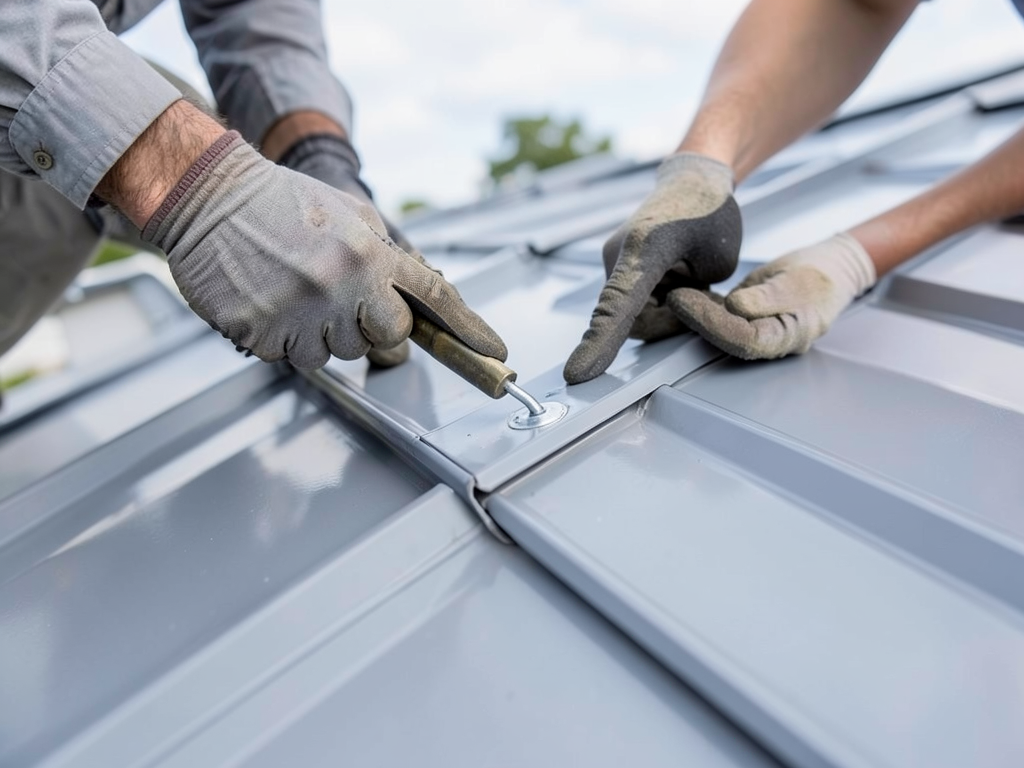
Standing seam metal provides exceptional longevity and can be installed on very low slopes, making it ideal for MCM homes seeking modern performance without sacrificing the clean roofline aesthetic. The material’s thermal properties also help reduce cooling costs in New Orleans’ hot climate.
Climate Challenges for Low-Slope MCM Roofs
New Orleans’ subtropical climate creates specific challenges for MCM roof systems. Hurricane-force winds can lift flat roof membranes at their edges, requiring specialized fastening systems and wind-rated materials that meet Louisiana’s stringent building codes.
High humidity levels promote algae growth and can cause moisture to penetrate even small membrane defects, leading to interior damage. The intense UV radiation breaks down roofing materials faster than in northern climates, reducing the lifespan of standard roofing systems.
Sudden tropical downpours can overwhelm inadequate drainage systems, causing ponding that stresses roof structures and accelerates material degradation. The combination of heat and moisture creates an environment where even minor installation errors can lead to significant failures within years rather than decades.
Energy Efficiency and Insulation Strategies
Many MCM homes in Lake Terrace and Lake Oaks were built with minimal roof insulation, creating what roofers call “hot roofs” that transfer heat directly into living spaces. Modern building codes require significantly higher R-values, but achieving these standards without altering the home’s distinctive profile presents challenges.. Read more about Finding a Reliable Roofer in Old Jefferson for Older Home Renovations.
Adding rigid foam insulation over existing roof decks can improve thermal performance while maintaining the original roofline. However, this approach requires careful integration with existing drainage systems and may necessitate modifications to roof penetrations and edge details.
Cool roof technologies using reflective coatings or light-colored membranes can reduce heat absorption by up to 30%, significantly lowering cooling costs in New Orleans’ climate. These systems work particularly well on MCM homes where the roof is often visible from the street and contributes to the home’s overall aesthetic.
Local Building Code Requirements and Permits
Roofing work on MCM homes in Lake Terrace and Lake Oaks must comply with Jefferson Parish building codes and Louisiana’s uniform construction standards. The International Building Code requires specific wind uplift ratings for roofing systems in hurricane-prone areas. National Roofing Contractors Association.
Louisiana’s Fortified Roof standards, developed after Hurricane Katrina, mandate enhanced fastening systems, sealed roof decks, and impact-resistant materials for new installations. These requirements can affect material choices and installation methods for MCM roof replacements. Repair vs. Replace Analysis.
Historic preservation guidelines may apply to certain MCM homes, particularly those with distinctive architectural features. While most MCM homes in Lake Terrace and Lake Oaks are not officially designated historic, any visible modifications must maintain the neighborhood’s mid-century character.
Diagnostic Testing and Maintenance Protocols
Regular diagnostic testing is essential for maintaining MCM roof systems. Moisture meters can detect water intrusion beneath membrane surfaces before visible damage appears. Infrared thermography identifies areas of heat loss or moisture accumulation that indicate potential problems.
The “screwdriver test” involves probing roof deck areas for soft spots that indicate rot or water damage. This simple diagnostic tool can reveal structural issues that might not be visible from the surface. Checking roof drains and scuppers for debris is critical, as clogged drainage systems are a leading cause of flat roof failures.
Annual inspections should include checking membrane seams, examining flashing details around penetrations, and verifying that drainage systems are functioning properly. These preventive measures can extend roof life by 5-10 years compared to reactive maintenance approaches.
Case Studies: Successful MCM Roof Restorations
A recent project in Lake Terrace involved replacing a 1960s butterfly roof with a modern TPO system while preserving the home’s distinctive profile. The restoration included upgrading drainage systems and adding insulation without altering the roof’s visual appearance from street level.
In Lake Oaks, a standing seam metal installation on a 1950s ranch-style home demonstrated how modern materials can enhance both performance and aesthetics. The metal roof’s longevity and wind resistance addressed the homeowner’s concerns about hurricane damage while maintaining the home’s clean lines.
These successful restorations show that with proper planning and execution, MCM homes can achieve modern performance standards while preserving their architectural heritage. The key is working with contractors who understand both the technical requirements and the aesthetic considerations of mid-century design.
Cost Considerations and Investment Value
Roofing a MCM home typically costs 15-25% more than standard residential roofing due to the specialized materials, installation techniques, and attention to detail required. However, the investment often pays dividends through improved energy efficiency and enhanced property values.
Energy savings from modern cool roof systems can offset 10-15% of the initial investment over the roof’s lifetime. Additionally, properly maintained MCM homes in Lake Terrace and Lake Oaks command premium prices in the New Orleans real estate market.
Insurance companies may offer discounts for roofs that meet Fortified Roof standards or include impact-resistant materials, further improving the return on investment. These financial considerations make professional roofing services a valuable investment for MCM homeowners. What Metairie Homeowners Need to Do for Emergency Storm Damage and Tarping.
Finding Qualified MCM Roofing Specialists
Not all roofing contractors have experience with MCM homes and their unique requirements. Look for companies with specific experience in flat roof installations, hurricane-rated materials, and historic preservation principles.
Certifications from manufacturers like GAF or CertainTeed indicate specialized training in modern roofing systems. Membership in professional organizations such as the National Roofing Contractors Association demonstrates commitment to industry standards and continuing education.
Ask potential contractors about their experience with similar homes in your area and request references from previous MCM projects. A qualified specialist should be able to explain the specific challenges of your roof design and recommend appropriate solutions.
Emergency Response and Storm Damage Assessment
MCM homes require specific protocols for storm damage assessment following hurricanes or severe weather. The low-profile nature of flat roofs can make damage difficult to spot from ground level, requiring professional inspection to identify issues like lifted membranes or damaged flashing.
Emergency tarping for MCM homes must account for the unique drainage patterns and structural considerations of flat roof systems. Improper tarp installation can trap water and cause more damage than the original storm.
Insurance claims for MCM roof damage often require detailed documentation of the roof’s condition before the storm. Maintaining records of inspections, repairs, and material specifications can simplify the claims process and ensure proper compensation.
Future-Proofing Your MCM Roof
Planning for future upgrades during roof replacement can save significant time and expense. Installing additional roof drains or upgrading to larger capacity systems can prevent ponding issues as the roof ages.
Solar-ready designs allow for easy integration of photovoltaic systems without compromising the roof’s structural integrity. Many MCM homeowners are incorporating solar technology while maintaining the home’s mid-century aesthetic.
Smart monitoring systems can track roof performance, detecting moisture intrusion or drainage issues before they become major problems. These technologies represent the next evolution in MCM roof maintenance and preservation.
Frequently Asked Questions
How long should a roof on a MCM home in New Orleans last?
Modern roofing materials properly installed on MCM homes typically last 20-30 years in New Orleans’ climate. TPO membranes and standing seam metal often exceed 25 years with proper maintenance, while modified bitumen systems may need replacement after 15-20 years due to UV exposure.
Can I install solar panels on my flat MCM roof?
Yes, solar panels can be installed on flat MCM roofs using specialized mounting systems that don’t penetrate the roof membrane. These systems typically use weighted ballasts to secure panels while maintaining the roof’s waterproofing integrity and preserving its clean aesthetic lines.
What permits are required for roofing work in Lake Terrace?
Roofing work in Lake Terrace requires permits from Jefferson Parish, including building permits for structural modifications and electrical permits if adding solar components. Some projects may also need drainage permits to ensure proper water management in the neighborhood’s flat terrain.
Conclusion
Roofing MCM homes in Lake Terrace and Lake Oaks requires specialized knowledge of both mid-century design principles and New Orleans’ unique climate challenges. The combination of flat roof profiles, hurricane-force winds, and intense humidity creates specific vulnerabilities that demand professional expertise to address properly.
By understanding the unique requirements of MCM roof systems and working with qualified specialists, homeowners can preserve their home’s architectural heritage while achieving modern performance standards. The investment in proper roofing not only protects your home but also maintains the distinctive character of these beloved New Orleans neighborhoods.
Don’t wait for the next storm to discover your roof’s vulnerabilities. Call (504) 355-3444 today to schedule your MCM roof inspection and ensure your home is protected for years to come. For more information, visit FEMA building codes.
{
“@context”: “https://schema.org”,
“@type”: “BlogPosting”,
“headline”: “Roofing Challenges for Mid-Century Modern Homes in Lake Terrace and Lake Oaks”,
“description”: “Expert roofing solutions for Lake Terrace and Lake Oaks MCM homes. Learn about flat roofs, hurricane materials, and preservation in New Orleans’ unique climate.”,
“wordCount”: 1769,
“datePublished”: “2026-04-04T11:59:00.000Z”,
“dateModified”: “2026-04-04T11:59:00.000Z”,
“inLanguage”: “en-US”,
“mainEntityOfPage”: {
“@type”: “WebPage”,
“@id”: “https://heritageroofingneworleans.com”
},
“publisher”: {
“@type”: “LocalBusiness”,
“name”: “Heritage Roofing New Orleans”,
“url”: “https://heritageroofingneworleans.com”
},
“author”: {
“@type”: “Organization”,
“name”: “Heritage Roofing New Orleans”,
“url”: “https://heritageroofingneworleans.com”
},
“image”: {
“@type”: “ImageObject”,
“url”: “https://heritageroofingneworleans.com/wp-content/uploads/2026/03/roofing-challenges-for-mid-century-modern-homes-in-1.png”
}
}
{
“@context”: “https://schema.org”,
“@type”: “RoofingContractor”,
“name”: “Heritage Roofing New Orleans”,
“url”: “https://heritageroofingneworleans.com”,
“address”: {
“@type”: “PostalAddress”,
“addressLocality”: “New Orleans”
},
“areaServed”: {
“@type”: “City”,
“name”: “New Orleans”
}
}
{
“@context”: “https://schema.org”,
“@type”: “FAQPage”,
“mainEntity”: [
{
“@type”: “Question”,
“name”: “How long should a roof on a MCM home in New Orleans last?”,
“acceptedAnswer”: {
“@type”: “Answer”,
“text”: “Modern roofing materials properly installed on MCM homes typically last 20-30 years in New Orleans’ climate. TPO membranes and standing seam metal often exceed 25 years with proper maintenance, while modified bitumen systems may need replacement after 15-20 years due to UV exposure.”
}
},
{
“@type”: “Question”,
“name”: “Can I install solar panels on my flat MCM roof?”,
“acceptedAnswer”: {
“@type”: “Answer”,
“text”: “Yes, solar panels can be installed on flat MCM roofs using specialized mounting systems that don’t penetrate the roof membrane. These systems typically use weighted ballasts to secure panels while maintaining the roof’s waterproofing integrity and preserving its clean aesthetic lines.”
}
},
{
“@type”: “Question”,
“name”: “What permits are required for roofing work in Lake Terrace?”,
“acceptedAnswer”: {
“@type”: “Answer”,
“text”: “Roofing work in Lake Terrace requires permits from Jefferson Parish, including building permits for structural modifications and electrical permits if adding solar components. Some projects may also need drainage permits to ensure proper water management in the neighborhood’s flat terrain.”
}
}
]
}
{
“@context”: “https://schema.org”,
“@type”: “BreadcrumbList”,
“itemListElement”: [
{
“@type”: “ListItem”,
“position”: 1,
“name”: “Home”,
“item”: “https://heritageroofingneworleans.com”
},
{
“@type”: “ListItem”,
“position”: 2,
“name”: “Blog”,
“item”: “https://heritageroofingneworleans.com/blog”
},
{
“@type”: “ListItem”,
“position”: 3,
“name”: “Roofing Challenges for Mid-Century Modern Homes in Lake Terrace and Lake Oaks”
}
]
}
{
“@context”: “https://schema.org”,
“@type”: “Service”,
“serviceType”: “Roofing”,
“provider”: {
“@type”: “LocalBusiness”,
“name”: “Heritage Roofing New Orleans”,
“url”: “https://heritageroofingneworleans.com”
},
“areaServed”: {
“@type”: “City”,
“name”: “New Orleans”
},
“description”: “Expert roofing solutions for Lake Terrace and Lake Oaks MCM homes. Learn about flat roofs, hurricane materials, and preservation in New Orleans’ unique climate.”
}