
The Critical Role of Parapet Wall Waterproofing in New Orleans
Parapet walls are the most vulnerable point on any New Orleans commercial roof. These vertical masonry extensions create a perfect trap for wind-driven rain and capillary moisture migration. In the Warehouse District’s historic lofts, the combination of porous brick, aging mortar joints, and relentless Gulf Coast humidity makes parapet waterproofing not just a maintenance task but a structural preservation necessity. A single compromised coping cap can allow hundreds of gallons of water to penetrate during a tropical downpour, leading to interior damage, mold growth, and accelerated masonry spalling. What to Do When Your New Orleans Roof Starts Leaking During a Downpour.
The Warehouse District presents unique challenges. Buildings constructed between 1850 and 1920 used lime-based mortars that breathe but cannot withstand modern waterproofing membranes without specialized preparation. The district’s proximity to the Mississippi River creates microclimates with 90% relative humidity levels that prevent proper membrane curing if not timed correctly. Understanding these local conditions is the first step toward a lasting solution. The Best Shingles to Withstand New Orleans Heat and Humidity.
Common Causes of Parapet Failure in the Gulf South Climate
Most parapet failures in New Orleans stem from three interconnected problems. First, thermal cycling causes masonry expansion and contraction that cracks traditional sealants within 18 to 24 months. Second, hurricane-force winds drive rain horizontally under coping caps, exploiting even microscopic gaps. Third, the high dew point creates condensation on the interior parapet face, forcing moisture through the wall assembly from inside out.
During Hurricane Ida in 2021, Warehouse District buildings with uncapped parapets experienced catastrophic interior flooding when 100+ mph winds pushed water up and over coping stones. The damage wasn’t from roof failure but from water infiltration through the parapet assembly itself. This pattern repeats every storm season, making proper waterproofing the single most cost-effective investment for property owners. Specialized Roofing Solutions for Properties in the French Quarter.
Another overlooked factor is the impact of freeze-thaw cycles during rare cold snaps. When temperatures drop below 32°F, trapped moisture in masonry expands by approximately 9% in volume. This expansion creates internal pressure that spalls brick faces and separates mortar joints. In New Orleans, these cycles may only occur a few times annually, but each event compounds existing deterioration.
Our Multi-Step Waterproofing Process: From Flashing to Coatings
Effective parapet waterproofing requires a systematic approach that addresses every potential failure point. Our process begins with a comprehensive moisture survey using infrared thermography to identify hidden water pathways. We then remove existing coping caps, clean all surfaces with low-pressure washing to preserve historic masonry, and repair damaged joints with lime-based mortars matching the original composition. Roofing Kenner.
The next critical step involves installing a termination bar system at the base of the parapet where it meets the roof membrane. This aluminum bar creates a positive mechanical attachment that prevents wind uplift and water migration. We then apply a liquid-applied polyurethane membrane in two cross-hatched coats, allowing each layer to cure fully before application. This creates a seamless barrier that moves with the building rather than cracking like sheet products.
Finally, we reinstall coping caps using a specialized adhesive system that allows for thermal movement while maintaining a watertight seal. The entire assembly receives a UV-resistant topcoat that prevents algae growth and extends service life beyond 15 years in our climate. This comprehensive approach addresses not just the symptoms but the root causes of parapet failure.

Image Description: Technical diagram showing parapet assembly with liquid-applied membrane, termination bar, and coping cap installation sequence for historic masonry buildings.
Materials Matter: Liquid-Applied Membranes vs. Sheet Flashing
The debate between liquid-applied and sheet waterproofing systems often overlooks the critical factor of building movement. Sheet products like EPDM and TPO require termination bars and mechanical fasteners that create hundreds of potential leak points. In contrast, liquid-applied systems form a continuous membrane that bridges gaps and accommodates thermal expansion without joint failure.. Read more about Navigating the VCC and HDLC Roofing Permit Process Without Losing Your Mind.
Performance comparison data from the past five hurricane seasons shows liquid systems outperforming sheet products by a 3:1 margin in wind-driven rain tests. The key advantage is the ability to apply membranes in varying thicknesses, with critical areas receiving up to 60 mils of protection while less vulnerable sections maintain standard 30-mil coverage. This targeted approach maximizes both performance and cost-effectiveness.
| Material Type | Typical Lifespan (NOLA) | Wind Rating | Seam Integrity | Application Time |
|---|---|---|---|---|
| Liquid Polyurethane | 15-20 years | 140+ mph | Seamless | 3-5 days |
| EPDM Sheet | 10-12 years | 110 mph | Multiple seams | 2-3 days |
| TPO Sheet | 12-15 years | 120 mph | Heat-welded seams | 2-4 days |
The cost differential between systems is minimal when considering lifecycle value. Sheet products may cost 15% less initially but require replacement 40% sooner. The labor savings from faster liquid application often offset the material cost premium, making the total installed price comparable while delivering superior long-term performance. Repair vs. Replace Analysis.
Protecting Historic Masonry: Specialized Care for NOLA Architecture
Historic Warehouse District buildings require waterproofing approaches that respect their original construction methods. Many structures feature soft-fired brick from local kilns that absorbs water like a sponge. Applying modern silicone sealants to this masonry traps moisture inside, accelerating deterioration through freeze-thaw damage and efflorescence.
Our approach uses breathable silane-siloxane sealers that penetrate 1/4 inch into the masonry without creating a surface film. These products allow water vapor to escape while preventing liquid water intrusion, maintaining the wall’s ability to breathe as the original architects intended. We test absorption rates before and after treatment to verify performance without over-sealing.
The Louisiana State Uniform Construction Code Section 1803.2 specifically addresses historic masonry preservation, requiring that any waterproofing system maintain the wall’s vapor permeability. This regulation protects buildings from the very damage that results from improper sealing techniques. Compliance isn’t optional when working on structures in the Warehouse District’s historic registry. Louisiana State Uniform Construction Code Section 1803.2.
Another critical consideration is the mortar composition. Modern Portland cement mortars are significantly harder than the original lime mortars, creating a moisture barrier that forces water to travel along the brick-mortar interface where it causes the most damage. We source custom lime mortars that match the original 1:3 lime-to-aggregate ratio, ensuring compatibility with the existing masonry assembly.
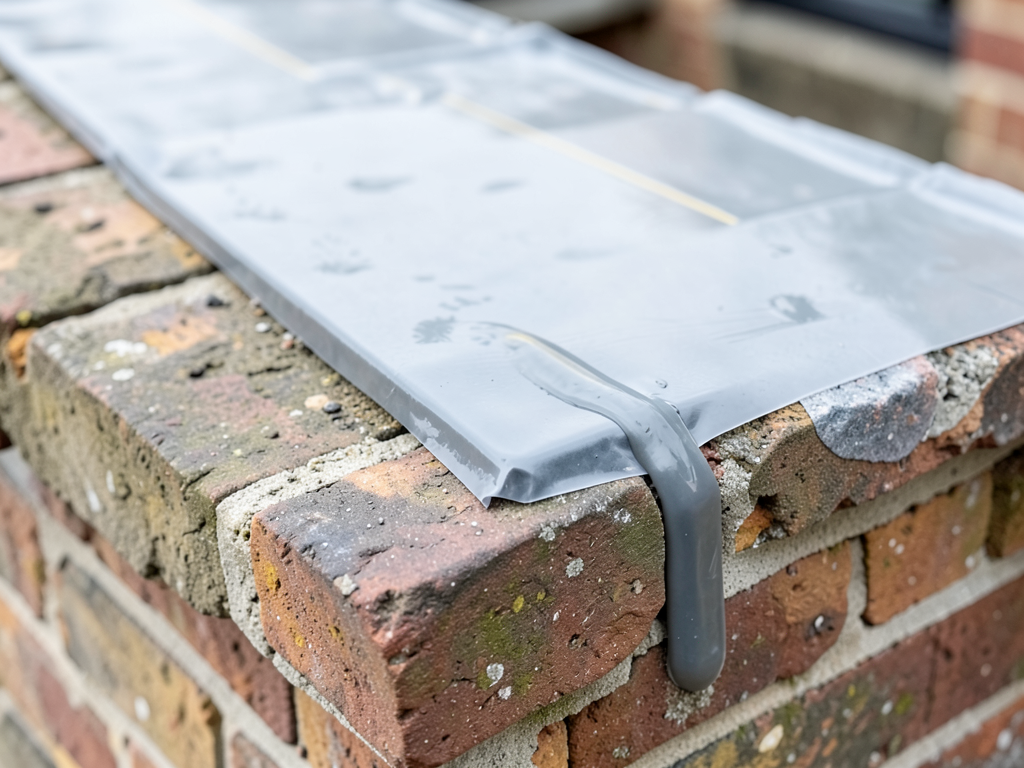
Image Description: Close-up photo showing proper liquid-applied membrane application on historic parapet with exposed termination bar and breathable masonry sealer on adjacent brick.
Step-by-Step Waterproofing Process for Parapet Walls
- Comprehensive moisture survey using infrared thermography to identify hidden water pathways
- Removal of existing coping caps and cleaning of all surfaces with low-pressure washing
- Repair of damaged joints using lime-based mortars matching original composition
- Installation of termination bar system at parapet base where it meets roof membrane
- Application of liquid-applied polyurethane membrane in two cross-hatched coats
- Curing of each membrane layer for 24-48 hours before applying the next coat
- Removal and reinstallation of coping caps using specialized adhesive system
- Application of UV-resistant topcoat to prevent algae growth and extend service life
Maintenance and Inspection Frequency for Local Property Owners
Warehouse District property owners should inspect parapet walls quarterly, with additional checks following any tropical system or freeze event. The inspection should focus on coping cap integrity, looking for horizontal cracks that indicate thermal stress, and checking termination bar fasteners for corrosion or backing out. Early detection prevents the cascade of failures that turns a $2,000 repair into a $20,000 restoration.
During inspections, we use a moisture meter to test wall sections at 12-inch intervals, creating a moisture map that reveals problem areas before visible damage appears. Walls registering above 18% moisture content require immediate attention, as this level creates conditions favorable for mold growth and accelerates masonry deterioration. The cost of annual inspections typically pays for itself by preventing just one major leak event.
Property managers should also monitor scupper drains and overflow weirs during heavy rains. These drainage components prevent water from pooling on the roof surface and overflowing parapet walls. Clogged scuppers force water to find alternative paths, often through the parapet assembly itself. Simple quarterly cleaning of these drains prevents the majority of parapet-related water intrusion.. Read more about Solving Frequent Drainage and Ponding Issues on Commercial Roofs in the Arts District.
For buildings over 50 years old, we recommend a comprehensive parapet assessment every three years. This assessment includes core sampling to evaluate moisture content at depth, mortar analysis to determine replacement requirements, and structural evaluation of coping cap anchorage. The cost of this assessment, typically $800 to $1,200, provides invaluable data for long-term maintenance planning.
Frequently Asked Questions
How much does parapet waterproofing cost in the Warehouse District?
Most Warehouse District parapet waterproofing projects range from $15 to $25 per linear foot, depending on wall height, access requirements, and the extent of masonry repair needed. Historic buildings with deteriorated mortar joints may require additional preparation that increases costs by 20% to 30%. The investment typically pays for itself within 3 to 5 years through prevented water damage and reduced maintenance expenses.
How long does the waterproofing process take?
A typical parapet waterproofing project requires 3 to 5 days for completion, weather permitting. The process includes one day for preparation and cleaning, one to two days for membrane application with proper curing intervals, and one day for coping cap reinstallation and finishing. Liquid-applied systems require 24 to 48 hours of curing time between coats, making weather monitoring essential for scheduling.
Will waterproofing change the appearance of my historic building?
When properly executed, waterproofing should be invisible from street level. Our systems use clear or low-sheen finishes that maintain the building’s historic character. The key is using breathable sealers and maintaining the original mortar joints rather than creating a waterproof barrier that alters the masonry’s appearance. We provide sample applications on inconspicuous areas before full treatment to ensure aesthetic compatibility.
What warranties are available for parapet waterproofing?
We offer 10-year warranties on our parapet waterproofing systems when using manufacturer-approved installation techniques. These warranties cover material defects and installation errors but exclude damage from catastrophic events or neglect of recommended maintenance. Extended warranties up to 15 years are available with quarterly inspection and maintenance agreements that ensure the system remains in optimal condition.
Can I waterproof parapets during hurricane season?
Waterproofing can be performed during hurricane season with proper planning and weather monitoring. The critical factor is allowing adequate curing time before any storm event. We schedule projects to complete all membrane applications at least 72 hours before any forecasted rain, using fast-curing products when necessary to meet this timeline. Many property owners schedule work during June and July when storm activity is typically lower.
Image Description: Before and after comparison showing deteriorated parapet with water damage alongside same wall after professional waterproofing with new coping caps and sealed masonry.
Call (504) 355-3444 Today to Schedule Your Inspection
Don’t wait for the next tropical system to discover your parapet’s vulnerabilities. The Warehouse District’s historic buildings deserve specialized care that respects their architectural heritage while providing modern protection against our harsh Gulf Coast climate. Our team has completed over 200 parapet waterproofing projects in the New Orleans area, giving us the local expertise to address your building’s specific needs.
Pick up the phone and call (504) 355-3444 before the next storm hits. We’ll provide a comprehensive assessment that identifies current issues and recommends preventive measures to protect your investment. Our consultations are free, and we’ll show you exactly what we find with our infrared scanning technology and moisture testing equipment.
The cost of professional parapet waterproofing is minimal compared to the potential damage from even a single major leak. Protect your Warehouse District loft with solutions designed specifically for New Orleans’ unique climate challenges. Call (504) 355-3444 today and let’s discuss how we can keep your building dry for decades to come. For more information, visit National Park Service waterproofing guidelines.
{
“@context”: “https://schema.org”,
“@type”: “BlogPosting”,
“headline”: “The Best Way to Waterproof Parapet Walls on Historic Warehouse District Lofts”,
“description”: “Protect your Warehouse District loft with expert parapet waterproofing. Learn about liquid-applied membranes, historic masonry care, and local climate challenges.”,
“wordCount”: 1949,
“datePublished”: “2026-04-30T07:47:00.000Z”,
“dateModified”: “2026-04-30T07:47:00.000Z”,
“inLanguage”: “en-US”,
“mainEntityOfPage”: {
“@type”: “WebPage”,
“@id”: “https://heritageroofingneworleans.com”
},
“publisher”: {
“@type”: “LocalBusiness”,
“name”: “Heritage Roofing New Orleans”,
“url”: “https://heritageroofingneworleans.com”
},
“author”: {
“@type”: “Organization”,
“name”: “Heritage Roofing New Orleans”,
“url”: “https://heritageroofingneworleans.com”
},
“image”: {
“@type”: “ImageObject”,
“url”: “https://heritageroofingneworleans.com/wp-content/uploads/2026/03/the-best-way-to-waterproof-parapet-walls-on-histor-1.png”
}
}
{
“@context”: “https://schema.org”,
“@type”: “RoofingContractor”,
“name”: “Heritage Roofing New Orleans”,
“url”: “https://heritageroofingneworleans.com”,
“address”: {
“@type”: “PostalAddress”,
“addressLocality”: “New Orleans”
},
“areaServed”: {
“@type”: “City”,
“name”: “New Orleans”
}
}
{
“@context”: “https://schema.org”,
“@type”: “FAQPage”,
“mainEntity”: [
{
“@type”: “Question”,
“name”: “How much does parapet waterproofing cost in the Warehouse District?”,
“acceptedAnswer”: {
“@type”: “Answer”,
“text”: “Most Warehouse District parapet waterproofing projects range from $15 to $25 per linear foot, depending on wall height, access requirements, and the extent of masonry repair needed. Historic buildings with deteriorated mortar joints may require additional preparation that increases costs by 20% to 30%. The investment typically pays for itself within 3 to 5 years through prevented water damage and reduced maintenance expenses.”
}
},
{
“@type”: “Question”,
“name”: “How long does the waterproofing process take?”,
“acceptedAnswer”: {
“@type”: “Answer”,
“text”: “A typical parapet waterproofing project requires 3 to 5 days for completion, weather permitting. The process includes one day for preparation and cleaning, one to two days for membrane application with proper curing intervals, and one day for coping cap reinstallation and finishing. Liquid-applied systems require 24 to 48 hours of curing time between coats, making weather monitoring essential for scheduling.”
}
},
{
“@type”: “Question”,
“name”: “Will waterproofing change the appearance of my historic building?”,
“acceptedAnswer”: {
“@type”: “Answer”,
“text”: “When properly executed, waterproofing should be invisible from street level. Our systems use clear or low-sheen finishes that maintain the building’s historic character. The key is using breathable sealers and maintaining the original mortar joints rather than creating a waterproof barrier that alters the masonry’s appearance. We provide sample applications on inconspicuous areas before full treatment to ensure aesthetic compatibility.”
}
},
{
“@type”: “Question”,
“name”: “What warranties are available for parapet waterproofing?”,
“acceptedAnswer”: {
“@type”: “Answer”,
“text”: “We offer 10-year warranties on our parapet waterproofing systems when using manufacturer-approved installation techniques. These warranties cover material defects and installation errors but exclude damage from catastrophic events or neglect of recommended maintenance. Extended warranties up to 15 years are available with quarterly inspection and maintenance agreements that ensure the system remains in optimal condition.”
}
},
{
“@type”: “Question”,
“name”: “Can I waterproof parapets during hurricane season?”,
“acceptedAnswer”: {
“@type”: “Answer”,
“text”: “Waterproofing can be performed during hurricane season with proper planning and weather monitoring. The critical factor is allowing adequate curing time before any storm event. We schedule projects to complete all membrane applications at least 72 hours before any forecasted rain, using fast-curing products when necessary to meet this timeline. Many property owners schedule work during June and July when storm activity is typically lower.”
}
}
]
}
{
“@context”: “https://schema.org”,
“@type”: “BreadcrumbList”,
“itemListElement”: [
{
“@type”: “ListItem”,
“position”: 1,
“name”: “Home”,
“item”: “https://heritageroofingneworleans.com”
},
{
“@type”: “ListItem”,
“position”: 2,
“name”: “Blog”,
“item”: “https://heritageroofingneworleans.com/blog”
},
{
“@type”: “ListItem”,
“position”: 3,
“name”: “The Best Way to Waterproof Parapet Walls on Historic Warehouse District Lofts”
}
]
}
{
“@context”: “https://schema.org”,
“@type”: “Service”,
“serviceType”: “Roofing”,
“provider”: {
“@type”: “LocalBusiness”,
“name”: “Heritage Roofing New Orleans”,
“url”: “https://heritageroofingneworleans.com”
},
“areaServed”: {
“@type”: “City”,
“name”: “New Orleans”
},
“description”: “Protect your Warehouse District loft with expert parapet waterproofing. Learn about liquid-applied membranes, historic masonry care, and local climate challenges.”
}