
What Homeowners in Gentilly Need to Know About Safely Removing Old Asbestos Roof Tiles
If you live in a Gentilly home built before 1980 and notice gray or off-white roofing shingles that look like slate but feel lighter than stone, you may be dealing with asbestos cement tiles. These materials were common in New Orleans construction through the 1970s, particularly in Gentilly’s post-war housing boom. The good news is that intact asbestos tiles pose minimal risk, but once they begin to crack, crumble, or release dust, professional abatement becomes mandatory under Louisiana law. Louisiana DEQ asbestos regulations.
Asbestos-containing materials in roofing require specialized handling because the fibers can become airborne and cause serious respiratory diseases including mesothelioma and asbestosis. The Louisiana Department of Environmental Quality (LDEQ) strictly regulates removal and disposal of these materials. Homeowners in Gentilly need to understand the legal requirements, safety protocols, and proper contractor selection before beginning any roof work on these older structures. EPA asbestos information.
Identifying Asbestos Roof Tiles in Gentilly Homes
Astute homeowners in Gentilly can often spot potential asbestos roofing by examining several key characteristics. The tiles typically measure 12 inches by 24 inches and have a smooth, uniform surface with a slight sheen. Unlike traditional slate, these tiles feel lighter when lifted and produce a dull sound when tapped rather than the ringing tone of natural stone. What Metairie Homeowners Need to Do for Emergency Storm Damage and Tarping.
Common manufacturers found in New Orleans homes include Johns-Manville, Keasbey & Mattison, and various Transite products. These companies produced what became known as “asbestos cement” or “transite” roofing from the 1920s through the 1970s. The material contains chrysotile asbestos fibers bound in cement, creating a durable but hazardous product when disturbed. What to Do When Your New Orleans Roof Starts Leaking During a Downpour.
Visual identification alone cannot confirm asbestos presence. Laboratory testing of a small sample by an accredited environmental testing laboratory provides definitive results. Many Gentilly homes near the London Avenue Canal and along Press Drive exhibit these characteristic roofing materials, particularly in the bungalow and ranch-style homes built between 1945 and 1970. Specialized Roofing Solutions for Properties in the French Quarter.

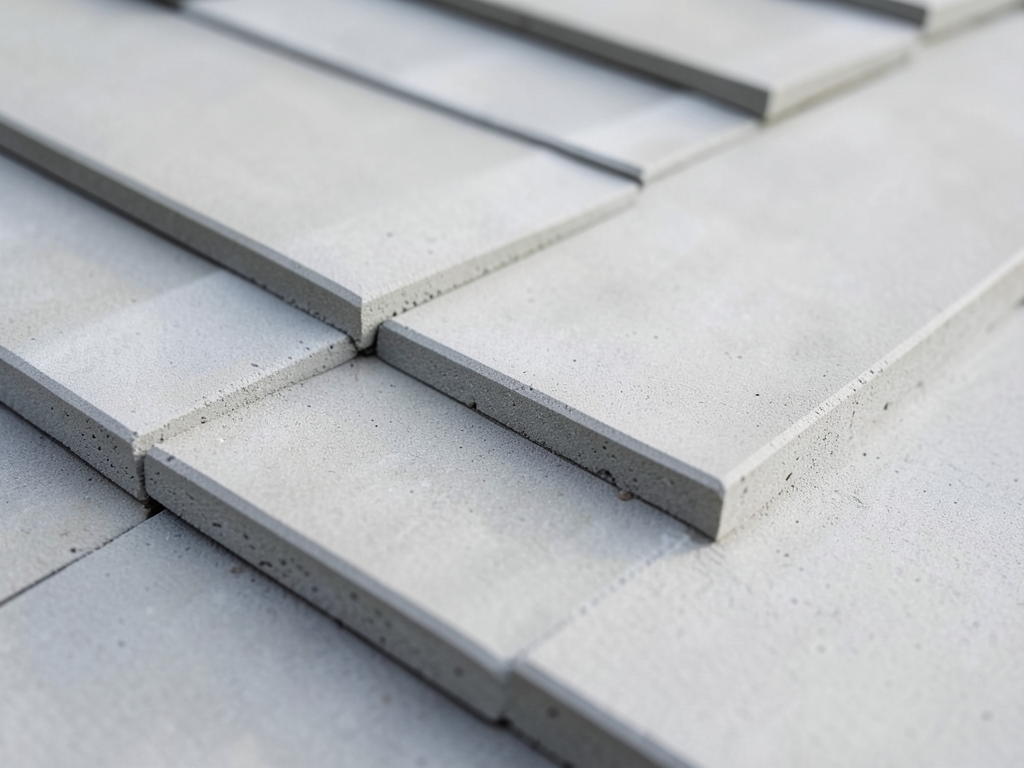
– Close-up photograph showing characteristic gray asbestos cement roofing tiles with smooth surface texture and uniform dimensions commonly found on Gentilly homes built before 1980. Roofing Kenner.
LDEQ-Certified Removal Process and Safety Protocols
Professional asbestos abatement follows strict protocols established by the Louisiana Department of Environmental Quality and the Environmental Protection Agency. The process begins with proper notification to LDEQ at least ten business days before work begins. This notification includes project details, location, and the name of the certified asbestos abatement contractor performing the work.
Containment represents the first critical step. Technicians construct airtight barriers using heavy-duty plastic sheeting and negative air pressure machines. This prevents asbestos fibers from escaping the work area. All HVAC systems must be sealed off, and workers enter through decontamination chambers equipped with showers and clothing disposal units.
Wet removal methods prevent fiber release during the actual tile removal. Workers keep the roofing surface saturated with amended water or amended surfactants throughout the process. This technique, called “keeping materials wet,” ensures fibers remain bound in the cement matrix rather than becoming airborne.
HEPA filtration systems with 99.97% efficiency capture any airborne particles. Workers wear full-face respirators with P100 filters and disposable coveralls. Every piece of removed material gets double-bagged in 6-mil polyethylene bags with proper warning labels before leaving the containment area.
Louisiana Regulations and Legal Disposal Requirements
The Louisiana Department of Environmental Quality enforces strict regulations for asbestos waste handling under Title 33 of the Louisiana Administrative Code. All asbestos-containing waste must be transported to authorized disposal facilities that accept hazardous materials. In the New Orleans area, the Jefferson Parish Sanitary Landfill operates a designated hazardous waste cell for asbestos disposal.
Transportation requires specific manifests documenting the waste’s origin, quantity, and destination. Licensed hazardous waste haulers must transport the material using vehicles equipped with spill containment systems. The manifest creates a chain of custody that tracks the waste from removal through final disposal.
Air monitoring during and after removal ensures the containment area meets clearance standards. Independent third-party inspectors conduct visual inspections and air sampling using PCM (Phase Contrast Microscopy) or TEM (Transmission Electron Microscopy) analysis. The area must show fiber concentrations below the EPA clearance level of 0.01 fibers per cubic centimeter before containment barriers can be removed.
Local building permits through the New Orleans Department of Safety and Permits must accompany the LDEQ notification. The combined permitting process ensures both environmental compliance and building code adherence for the subsequent roof replacement.
Cost Factors for Gentilly Homeowners
Several factors influence asbestos roof removal costs in Gentilly. Roof pitch significantly affects pricing since steeper roofs require additional safety equipment and slower removal processes. A 6:12 pitch or greater increases labor time and equipment needs compared to a standard 4:12 residential pitch.
The condition of the existing tiles impacts removal complexity. Intact tiles in good condition require less containment preparation than deteriorated materials that may release fibers more easily. Multiple layers of roofing material compound the removal challenge and disposal volume.
Access considerations also affect pricing. Homes with limited driveway access or those requiring special equipment to reach the roof may incur additional costs. Gentilly’s mix of raised homes and slab foundations creates varying access scenarios that contractors must evaluate during initial inspections.
Disposal fees at authorized landfills represent a significant cost component. These fees vary based on weight and the specific landfill’s current rates for hazardous materials. Most Gentilly homeowners find that professional abatement costs between $15 and $25 per square foot of roofing area, though actual quotes depend on the specific conditions of each property.
– Interior view of a negative pressure containment area during asbestos abatement showing plastic sheeting barriers, HEPA filtration units, and decontamination chamber setup used by certified contractors in New Orleans.
Roof Replacement Options After Asbestos Abatement
Once asbestos removal completes and clearance testing passes, homeowners face important decisions about replacement roofing. Modern architectural shingles offer excellent durability and can be installed over new synthetic underlayment that provides superior moisture protection compared to older felt paper systems. The Best Shingles to Withstand New Orleans Heat and Humidity.
For Gentilly homes seeking to maintain historical character, slate-look synthetic tiles provide the aesthetic of traditional slate without the weight or cost. These polymer-based products resist hurricane-force winds and withstand New Orleans’ intense UV exposure while offering Class A fire ratings.
Metal roofing represents another durable option for Gentilly’s climate. Standing seam metal systems with proper underlayment can last 40-50 years with minimal maintenance. The reflective properties help reduce cooling costs during Louisiana’s long summer season.
Energy-efficient options include cool roofing shingles with reflective granules that meet Energy Star requirements. These products can reduce attic temperatures by 20-30 degrees Fahrenheit, directly impacting cooling costs in Gentilly’s humid subtropical climate.
Health Risks and Why Professional Handling Matters
Asbestos fibers measure 0.1 to 10 micrometers in diameter, making them invisible to the naked eye yet easily inhaled into lung tissue. Once lodged in lung tissue, these fibers can cause asbestosis, lung cancer, and mesothelioma. The latency period between exposure and disease development often spans 20 to 50 years.. Read more about Why Concrete Tile Is Making a Comeback for Modern Homes in Lake Vista.
Friable asbestos materials pose the greatest risk because they can be crumbled by hand pressure, releasing fibers into the air. While asbestos cement roofing is generally considered non-friable when intact, any damage, weathering, or improper removal can create friable conditions.
DIY removal attempts frequently create more hazards than they solve. Without proper containment, wetting techniques, and personal protective equipment, homeowners risk contaminating their entire property. The cost of professional environmental cleanup far exceeds professional abatement costs.
Children and elderly residents face heightened vulnerability to asbestos-related diseases. Gentilly families with young children or multi-generational households should prioritize professional assessment and removal to protect all occupants from potential exposure.
Insurance and Liability Considerations
Standard homeowners insurance policies typically exclude coverage for asbestos abatement and removal. However, some policies may cover damage that necessitates asbestos removal as part of a covered peril, such as storm damage requiring roof replacement.
Homeowners selling properties with known asbestos must disclose this information to potential buyers. Failure to disclose can result in legal liability and potential lawsuits years after the sale. Professional abatement with proper documentation protects sellers from future liability claims.
Contractor selection requires verification of proper licensing and insurance. Reputable asbestos abatement contractors carry specialized pollution liability insurance covering accidental releases during removal operations. Request copies of current licenses from both LDEQ and the Louisiana State Licensing Board for Contractors.
Permits and documentation from the abatement process become important records for future property transactions. Keep all manifests, air clearance reports, and contractor licenses in a permanent file for the property.
Frequently Asked Questions
How can I tell if my Gentilly roof contains asbestos?
Visual inspection cannot definitively identify asbestos. If your home was built before 1980 and has gray, smooth-surfaced roofing tiles that feel lighter than slate, professional testing is recommended. Laboratory analysis of a small sample provides conclusive results.
Is it safe to live in my home during asbestos removal?
Most asbestos roof removal projects require occupants to vacate the home during work and for a short period after completion. This ensures safety during containment setup, removal, and air clearance testing. Your contractor will provide specific guidance based on your home’s layout.
How long does asbestos roof removal take in Gentilly?
Typical residential asbestos roof removal projects in Gentilly require 2-5 days for the actual removal work, plus additional time for containment setup and breakdown. The complete process including testing and permitting often spans 2-3 weeks from start to finish.
What happens if I discover asbestos during a DIY roofing project?
Immediately stop work and contact a certified asbestos professional. Disturbing asbestos materials without proper training and equipment creates serious health hazards. Professional assessment and proper abatement procedures become mandatory once asbestos is discovered.
Do I need permits for asbestos roof removal in New Orleans?
Yes, you need both LDEQ notification and approval plus building permits through the New Orleans Department of Safety and Permits. The permitting process ensures environmental compliance and proper disposal of hazardous materials.
Protecting Your Gentilly Home and Family
Living in a historic Gentilly home brings character and charm, but also responsibilities regarding older building materials. If your roof shows signs of age or deterioration, professional inspection becomes essential before any repair or replacement work begins.
The combination of Gentilly’s humid climate and aging housing stock creates conditions where asbestos cement roofing may be deteriorating without obvious external signs. Moisture infiltration through cracked tiles can accelerate material breakdown from within.
Professional roofing contractors familiar with Gentilly’s specific housing stock can identify potential asbestos-containing materials during routine inspections. This early identification prevents accidental disturbance and allows for proper planning of any necessary roof work.
Modern replacement options can maintain or enhance your home’s appearance while providing superior weather protection and energy efficiency. The investment in professional asbestos abatement protects your family’s health and your property’s value for decades to come.
Next Steps for Gentilly Homeowners
If you suspect your Gentilly home may have asbestos-containing roofing materials, the first step involves professional inspection and testing. Contact a certified asbestos inspector who can collect samples following proper safety protocols and submit them to an accredited laboratory.
Once testing confirms asbestos presence, obtain quotes from multiple LDEQ-licensed abatement contractors. Compare their experience with Gentilly homes, safety protocols, and disposal methods. Request references from previous local projects and verify current licensing and insurance coverage.
Schedule your abatement work during favorable weather conditions when possible. While contractors can work in various conditions, dry weather simplifies containment setup and removal processes. Plan for temporary housing if your family needs to relocate during the work.
After successful abatement and roof replacement, maintain documentation of all work performed. This documentation proves valuable for insurance purposes, future property sales, and peace of mind knowing your home meets current safety standards.
Call (504) 355-3444 today to schedule your inspection. Our LDEQ-certified team understands Gentilly’s unique housing stock and can safely handle your asbestos roof removal needs. Don’t wait until deterioration creates a health hazard for your family.
– Exterior view of a Gentilly home during professional asbestos roof removal showing containment setup with plastic sheeting, warning signs, and abatement crew wearing proper personal protective equipment.
{
“@context”: “https://schema.org”,
“@type”: “BlogPosting”,
“headline”: “What Homeowners in Gentilly Need to Know About Safely Removing Old Asbestos Roof Tiles”,
“description”: “Learn how to identify and safely remove asbestos roof tiles in Gentilly homes. Discover LDEQ regulations, removal costs, and licensed abatement services for New Orleans homeowners.”,
“wordCount”: 2068,
“datePublished”: “2026-05-01T06:35:00.000Z”,
“dateModified”: “2026-05-01T06:35:00.000Z”,
“inLanguage”: “en-US”,
“mainEntityOfPage”: {
“@type”: “WebPage”,
“@id”: “https://heritageroofingneworleans.com”
},
“publisher”: {
“@type”: “LocalBusiness”,
“name”: “Heritage Roofing New Orleans”,
“url”: “https://heritageroofingneworleans.com”
},
“author”: {
“@type”: “Organization”,
“name”: “Heritage Roofing New Orleans”,
“url”: “https://heritageroofingneworleans.com”
},
“image”: {
“@type”: “ImageObject”,
“url”: “https://heritageroofingneworleans.com/wp-content/uploads/2026/03/what-homeowners-in-gentilly-need-to-know-about-saf-1.png”
}
}
{
“@context”: “https://schema.org”,
“@type”: “RoofingContractor”,
“name”: “Heritage Roofing New Orleans”,
“url”: “https://heritageroofingneworleans.com”,
“address”: {
“@type”: “PostalAddress”,
“addressLocality”: “New Orleans”
},
“areaServed”: {
“@type”: “City”,
“name”: “New Orleans”
}
}
{
“@context”: “https://schema.org”,
“@type”: “FAQPage”,
“mainEntity”: [
{
“@type”: “Question”,
“name”: “How can I tell if my Gentilly roof contains asbestos?”,
“acceptedAnswer”: {
“@type”: “Answer”,
“text”: “Visual inspection cannot definitively identify asbestos. If your home was built before 1980 and has gray, smooth-surfaced roofing tiles that feel lighter than slate, professional testing is recommended. Laboratory analysis of a small sample provides conclusive results.”
}
},
{
“@type”: “Question”,
“name”: “Is it safe to live in my home during asbestos removal?”,
“acceptedAnswer”: {
“@type”: “Answer”,
“text”: “Most asbestos roof removal projects require occupants to vacate the home during work and for a short period after completion. This ensures safety during containment setup, removal, and air clearance testing. Your contractor will provide specific guidance based on your home’s layout.”
}
},
{
“@type”: “Question”,
“name”: “How long does asbestos roof removal take in Gentilly?”,
“acceptedAnswer”: {
“@type”: “Answer”,
“text”: “Typical residential asbestos roof removal projects in Gentilly require 2-5 days for the actual removal work, plus additional time for containment setup and breakdown. The complete process including testing and permitting often spans 2-3 weeks from start to finish.”
}
},
{
“@type”: “Question”,
“name”: “What happens if I discover asbestos during a DIY roofing project?”,
“acceptedAnswer”: {
“@type”: “Answer”,
“text”: “Immediately stop work and contact a certified asbestos professional. Disturbing asbestos materials without proper training and equipment creates serious health hazards. Professional assessment and proper abatement procedures become mandatory once asbestos is discovered.”
}
},
{
“@type”: “Question”,
“name”: “Do I need permits for asbestos roof removal in New Orleans?”,
“acceptedAnswer”: {
“@type”: “Answer”,
“text”: “Yes, you need both LDEQ notification and approval plus building permits through the New Orleans Department of Safety and Permits. The permitting process ensures environmental compliance and proper disposal of hazardous materials.”
}
}
]
}
{
“@context”: “https://schema.org”,
“@type”: “BreadcrumbList”,
“itemListElement”: [
{
“@type”: “ListItem”,
“position”: 1,
“name”: “Home”,
“item”: “https://heritageroofingneworleans.com”
},
{
“@type”: “ListItem”,
“position”: 2,
“name”: “Blog”,
“item”: “https://heritageroofingneworleans.com/blog”
},
{
“@type”: “ListItem”,
“position”: 3,
“name”: “What Homeowners in Gentilly Need to Know About Safely Removing Old Asbestos Roof Tiles”
}
]
}
{
“@context”: “https://schema.org”,
“@type”: “Service”,
“serviceType”: “Roofing”,
“provider”: {
“@type”: “LocalBusiness”,
“name”: “Heritage Roofing New Orleans”,
“url”: “https://heritageroofingneworleans.com”
},
“areaServed”: {
“@type”: “City”,
“name”: “New Orleans”
},
“description”: “Learn how to identify and safely remove asbestos roof tiles in Gentilly homes. Discover LDEQ regulations, removal costs, and licensed abatement services for New Orleans homeowners.”
}