
Special Roofing Challenges for New Orleans Camelback Additions
Roofing a Camelback addition in New Orleans presents unique structural and preservation challenges that require specialized expertise. These distinctive homes feature a traditional shotgun front that transitions to a two-story rear addition, creating complex rooflines where water management, historic compliance, and hurricane resistance intersect. Understanding these challenges is essential for protecting your investment and maintaining the architectural integrity of your home. Historic District Landmarks Commission.
Understanding the Unique Anatomy of a Camelback Roof
A Camelback home’s roof structure creates a distinctive “hump” where the single-story shotgun front meets the two-story addition. This transition point becomes the most vulnerable area for water infiltration and structural stress. The step-up creates natural valleys where debris collects, and the different roof pitches can cause water to pool rather than drain properly.

The original construction methods used in many New Orleans Camelbacks, particularly those built before 1950, often employed balloon framing with minimal hurricane strapping. This means the roof structure may not meet current wind load requirements without significant reinforcement. The age of these homes also means the sheathing may have deteriorated over decades of humidity exposure, creating weak points that modern materials can’t compensate for. What to Do When Your New Orleans Roof Starts Leaking During a Downpour.
Challenges of Roofing Camelback Additions in NOLA
The most critical challenge in Camelback roofing is managing water flow across multiple roof planes. When heavy tropical downpours hit, water accelerates down the steeper rear roof section and impacts the transition area with tremendous force. Without proper cricket flashing and valley drainage systems, this creates pressure points that lead to leaks and structural damage. Specialized Roofing Solutions for Properties in the French Quarter.
New Orleans’ high water table and expansive clay soil create foundation movement that stresses roof joints. As the foundation shifts seasonally, the Camelback transition point experiences constant micro-movement, breaking seals and causing flashing to separate. This is particularly problematic in neighborhoods like Mid-City and Gentilly where soil composition varies dramatically.
According to the New Orleans Building Code Section 15-2-105, all roofing in Orleans Parish must meet specific wind resistance ratings, with Camelback structures requiring additional reinforcement at transition points. The code mandates hurricane clips rated for 130+ mph winds, but many older Camelbacks were built before these requirements existed. Roofing Kenner.
Material Recommendations for Historic Preservation
Selecting appropriate roofing materials for Camelback additions requires balancing historic preservation with modern performance. The Historic District Landmarks Commission (HDLC) maintains strict guidelines for visible roofing materials in historic districts, often requiring materials that match the original construction period.
For homes in the Garden District or Uptown, natural slate remains the gold standard for historic preservation. A 100-year-old slate roof provides unmatched durability in New Orleans’ humid climate and meets HDLC requirements. However, slate’s weight requires structural assessment before installation, as many Camelback additions have aging framing that can’t support the additional load.
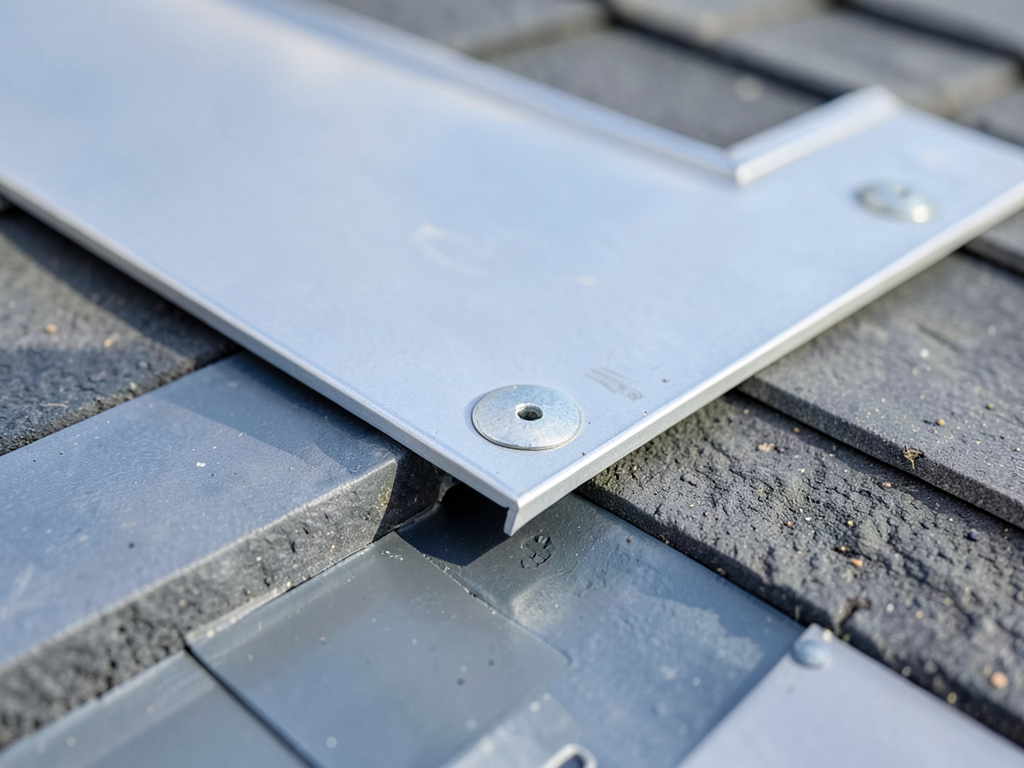
Modern architectural asphalt shingles offer a practical alternative that can achieve Class 4 impact resistance while maintaining aesthetic appeal. Products like GAF’s Timberline HDZ or CertainTeed’s Landmark Premium provide the dimensional look of wood shakes without the fire hazard or maintenance requirements. These materials typically carry 130+ mph wind warranties when properly installed with enhanced underlayment. The Best Shingles to Withstand New Orleans Heat and Humidity.
Synthetic slate provides another option for historic districts, offering the appearance of natural slate at one-third the weight. Products from manufacturers like DaVinci Roofscapes meet both HDLC aesthetic requirements and modern wind resistance standards, making them ideal for Camelback transitions where weight is a concern.
Navigating HDLC and VCC Requirements
Working on a Camelback addition in a historic district requires navigating complex regulatory requirements. The HDLC and Vieux Carré Commission (VCC) have jurisdiction over roofing modifications that affect a building’s historic character. Before any work begins, you’ll need to submit detailed drawings showing how the new roofing will integrate with the existing structure.
The application process typically requires: 1) Color samples of proposed materials, 2) Photos of the existing roof from multiple angles, 3) Structural engineer’s assessment if modifications are proposed, and 4) Proof that all work meets current building codes. The review process can take 30-60 days, so plan accordingly.
In the French Quarter, the VCC has even stricter requirements. Any visible roofing material must match the predominant materials in the immediate area. This often means natural slate or clay tiles, even if these materials aren’t the most practical for hurricane resistance. Working with a contractor experienced in historic preservation is essential for navigating these requirements.
Hurricane Proofing Your Camelback Home
New Orleans’ location in hurricane alley makes wind resistance a critical consideration for Camelback roofing. The stepped roofline creates additional vulnerability at the transition point, where wind uplift forces are concentrated. Proper installation techniques become even more critical in these areas.
According to FEMA’s Hurricane Retrofit Guide, Camelback structures require enhanced fastening at all ridge and hip intersections. This means using six nails per shingle instead of the standard four, and installing additional hurricane straps at the roof-to-wall connection points. The cost increase is typically 15-20%, but the added protection is invaluable.
Ice and water shield underlayment becomes essential in the valleys and transition areas of Camelback roofs. This self-adhering membrane provides a secondary water barrier that remains intact even if shingles are damaged or blown off during a storm. In New Orleans’ climate, extending this protection 6 feet up from all eaves provides crucial defense against wind-driven rain.
Proper flashing installation makes the difference between a roof that survives a hurricane and one that fails. Step flashing must be interwoven with each course of shingles, and counter-flashing should extend at least 4 inches into the mortar joint of any brick or stucco walls. These details prevent water from penetrating the transition areas where different roof planes meet.
Ventilation Strategies for Humid Climates
New Orleans’ 90%+ humidity creates unique ventilation challenges for Camelback homes. The stepped roof design often results in compartmentalized attic spaces that trap moisture, leading to mold growth and premature material degradation. Proper ventilation becomes critical for both structural preservation and indoor air quality.
Continuous ridge vents provide the most effective ventilation for Camelback structures, allowing hot, humid air to escape uniformly across the entire roof peak. This passive system works in conjunction with soffit vents to create natural airflow that removes moisture year-round. The result is attic temperatures 20-30 degrees cooler than unventilated spaces.
For homes with limited ridge length, power-assisted ventilation may be necessary. Solar-powered attic fans can move 1,200+ cubic feet of air per minute, significantly reducing humidity levels in the attic space. This is particularly important in Camelback additions where the rear section often has minimal natural ventilation due to its two-story configuration.
Proper insulation complements ventilation by preventing heat transfer from the living space into the attic. In New Orleans’ climate, spray foam insulation applied to the underside of the roof deck can create a conditioned attic space that maintains consistent temperatures and prevents condensation on the underside of the roofing materials.
Cost-Benefit Analysis of Cool Roof Technologies
New Orleans’ intense summer heat makes energy efficiency a significant consideration for Camelback roofing. Cool roof technologies can reduce attic temperatures by 50+ degrees, lowering cooling costs by 15-25% annually. For Camelback homes, where the rear addition often contains bedrooms or living spaces, this temperature reduction directly impacts comfort and energy bills.
Reflective shingles with solar reflectance values above 0.25 can significantly reduce heat absorption while maintaining traditional aesthetics. Many manufacturers now offer “cool” versions of popular architectural shingles that meet Energy Star requirements without the stark appearance of pure white roofing.
The initial cost premium for cool roof materials typically ranges from 10-15% over standard shingles, but the energy savings often provide payback within 5-7 years. For Camelback homes, where the rear addition often has larger, sun-exposed roof areas, the cooling benefits are particularly pronounced.
Beyond energy savings, cool roofs extend the life of roofing materials by reducing thermal cycling. In New Orleans’ climate, where afternoon temperatures can exceed 95°F and drop to 70°F at night, this temperature fluctuation causes expansion and contraction that breaks down roofing materials. Cool roofs minimize this stress, potentially adding 5-10 years to the roof’s service life.. Read more about The Real Cost of Adding a Dormer to Your Broadmoor Bungalow During a Roof Replacement.
Maintenance Requirements for Multi-Level Rooflines
Camelback rooflines require more frequent maintenance than single-plane roofs due to their complexity. The transition areas and valleys collect debris that can trap moisture and accelerate deterioration. Annual inspections should focus on these high-risk areas, checking for loose flashing, damaged seals, and signs of water infiltration.
Gutter systems for Camelback homes require special consideration. The stepped roof design creates multiple drainage points that must be properly connected to prevent overflow. Oversized downspouts (minimum 3×4 inches) and additional downspout locations help manage the intense rainfall New Orleans experiences during summer thunderstorms.
Professional cleaning of roof valleys and transition areas should occur at least twice yearly, typically in spring and fall. This prevents the accumulation of leaves, pine needles, and other debris that can hold moisture against the roofing materials. In neighborhoods with mature trees, more frequent cleaning may be necessary.
Checking and maintaining sealants around flashing and transition points is critical for Camelback roofs. Silicone sealants typically last 5-7 years in New Orleans’ UV exposure before requiring replacement. Neglecting this maintenance can lead to water infiltration that damages both the roof structure and the interior of your home.
Insurance Considerations for Historic Camelback Homes
Insurance companies often view Camelback homes as higher risk due to their age and complexity. Many insurers require documentation of recent roofing work, particularly if the home is in a historic district where specialized materials and installation methods were used. Understanding these requirements before beginning work can prevent coverage issues.
The Fortified Roof certification, offered through the Insurance Institute for Business & Home Safety (IBHS), can reduce insurance premiums by 15-30% for Camelback homes. This certification requires specific installation techniques and materials that exceed standard building codes, providing both premium discounts and enhanced storm protection. IBHS Fortified Roof Certification.
When filing insurance claims for Camelback roof damage, documentation becomes critical. Before-and-after photos, material specifications, and contractor invoices should be retained for the life of the roof. Many insurers now use satellite imagery to verify roof condition, making it essential to address even minor damage promptly.
Some historic districts have agreements with specific insurers who understand the unique requirements of preserving these structures. Working with these companies can simplify the claims process and ensure that repairs meet both insurance and historic preservation standards.
Frequently Asked Questions
How much does it cost to replace a roof on a Camelback home in New Orleans?
Roof replacement for Camelback homes typically costs 20-30% more than standard single-story homes due to the complex transition areas and additional flashing requirements. For a 2,000 square foot Camelback in New Orleans, expect to invest $12,000-$18,000 for quality materials and installation, with historic district requirements potentially increasing costs by 15-25%.
Can I install solar panels on my Camelback roof?
Yes, but the stepped roof design creates unique challenges. The transition areas often can’t support panel mounting hardware, and historic district regulations may restrict visible installations. South-facing rear additions typically provide the best solar exposure, but a structural engineer should evaluate the framing before installation to ensure it can support the additional weight.
How long does a roof last on a Camelback home in New Orleans?
With proper installation and maintenance, architectural asphalt shingles typically last 20-25 years in New Orleans’ climate. Premium materials like slate or metal can last 50+ years. The transition areas often show wear first, so annual inspections of these high-risk zones can extend the overall roof life by identifying and addressing minor issues before they cause major damage.
Do I need permits for roofing work on a historic Camelback?
Yes, permits are required for all roofing work in New Orleans, and historic district properties need additional HDLC or VCC approval. The permit process includes structural reviews for Camelback homes due to their age and construction methods. Working with a contractor familiar with historic preservation can streamline this process and ensure compliance with all regulations.
What’s the best time of year to replace a roof on a Camelback home?
Late fall through early spring offers the most favorable conditions for roofing in New Orleans. The cooler temperatures allow adhesives to set properly, and the lower humidity reduces the risk of moisture-related issues. However, scheduling during this period may require 4-6 weeks advance notice due to high demand from homeowners preparing for hurricane season. What Metairie Homeowners Need to Do for Emergency Storm Damage and Tarping.
Protecting Your Camelback Investment
Your Camelback home represents both a significant financial investment and a piece of New Orleans architectural heritage. The unique roof structure that gives these homes their distinctive character also creates vulnerabilities that require specialized knowledge to address properly. From navigating historic district regulations to ensuring hurricane resistance, every aspect of Camelback roofing demands expertise that goes beyond standard roofing practices.
The consequences of improper roofing work on a Camelback structure can be severe. Water infiltration through transition areas can damage interior walls, compromise structural framing, and create mold conditions that affect indoor air quality. The cost of repairing these secondary damages often exceeds the original roofing investment, making quality installation essential from the start.
Heritage Roofing brings over 15 years of experience specifically working with New Orleans’ unique architectural styles, including Camelback additions. Our team understands the structural nuances of these homes, from the balloon framing common in pre-1950 construction to the modern code requirements that ensure hurricane resistance. We don’t just install roofing; we preserve the architectural integrity of your home while providing the protection modern materials and techniques offer.
Don’t wait for the next tropical system to discover vulnerabilities in your Camelback roof. Call (504) 355-3444 today to schedule your comprehensive inspection. Our detailed assessment will identify potential problem areas and provide clear recommendations for protecting your home. Whether you need minor repairs, complete replacement, or guidance on navigating historic district requirements, Heritage Roofing has the expertise to ensure your Camelback home remains both beautiful and secure for decades to come.
Pick up the phone and call (504) 355-3444 before the next storm hits. Your Camelback home deserves the specialized care that only comes from understanding its unique challenges and architectural significance. Let Heritage Roofing be your partner in preserving New Orleans’ distinctive architectural heritage while protecting your family from the elements.
{
“@context”: “https://schema.org”,
“@type”: “BlogPosting”,
“headline”: “Special Roofing Challenges for New Orleans Camelback Additions”,
“description”: “Discover the unique roofing challenges of New Orleans Camelback homes. Learn about historic preservation, hurricane-proofing, and expert solutions from Heritage Roofing.”,
“wordCount”: 2411,
“datePublished”: “2026-06-13T12:45:00.000Z”,
“dateModified”: “2026-06-13T12:45:00.000Z”,
“inLanguage”: “en-US”,
“mainEntityOfPage”: {
“@type”: “WebPage”,
“@id”: “https://heritageroofingneworleans.com”
},
“publisher”: {
“@type”: “LocalBusiness”,
“name”: “Heritage Roofing New Orleans”,
“url”: “https://heritageroofingneworleans.com”
},
“author”: {
“@type”: “Organization”,
“name”: “Heritage Roofing New Orleans”,
“url”: “https://heritageroofingneworleans.com”
},
“image”: {
“@type”: “ImageObject”,
“url”: “https://heritageroofingneworleans.com/wp-content/uploads/2026/03/special-roofing-challenges-for-new-orleans-camelba-1.png”
}
}
{
“@context”: “https://schema.org”,
“@type”: “RoofingContractor”,
“name”: “Heritage Roofing New Orleans”,
“url”: “https://heritageroofingneworleans.com”,
“address”: {
“@type”: “PostalAddress”,
“addressLocality”: “New Orleans”
},
“areaServed”: {
“@type”: “City”,
“name”: “New Orleans”
}
}
{
“@context”: “https://schema.org”,
“@type”: “FAQPage”,
“mainEntity”: [
{
“@type”: “Question”,
“name”: “How much does it cost to replace a roof on a Camelback home in New Orleans?”,
“acceptedAnswer”: {
“@type”: “Answer”,
“text”: “Roof replacement for Camelback homes typically costs 20-30% more than standard single-story homes due to the complex transition areas and additional flashing requirements. For a 2,000 square foot Camelback in New Orleans, expect to invest $12,000-$18,000 for quality materials and installation, with historic district requirements potentially increasing costs by 15-25%.”
}
},
{
“@type”: “Question”,
“name”: “Can I install solar panels on my Camelback roof?”,
“acceptedAnswer”: {
“@type”: “Answer”,
“text”: “Yes, but the stepped roof design creates unique challenges. The transition areas often can’t support panel mounting hardware, and historic district regulations may restrict visible installations. South-facing rear additions typically provide the best solar exposure, but a structural engineer should evaluate the framing before installation to ensure it can support the additional weight.”
}
},
{
“@type”: “Question”,
“name”: “How long does a roof last on a Camelback home in New Orleans?”,
“acceptedAnswer”: {
“@type”: “Answer”,
“text”: “With proper installation and maintenance, architectural asphalt shingles typically last 20-25 years in New Orleans’ climate. Premium materials like slate or metal can last 50+ years. The transition areas often show wear first, so annual inspections of these high-risk zones can extend the overall roof life by identifying and addressing minor issues before they cause major damage.”
}
},
{
“@type”: “Question”,
“name”: “Do I need permits for roofing work on a historic Camelback?”,
“acceptedAnswer”: {
“@type”: “Answer”,
“text”: “Yes, permits are required for all roofing work in New Orleans, and historic district properties need additional HDLC or VCC approval. The permit process includes structural reviews for Camelback homes due to their age and construction methods. Working with a contractor familiar with historic preservation can streamline this process and ensure compliance with all regulations.”
}
},
{
“@type”: “Question”,
“name”: “What’s the best time of year to replace a roof on a Camelback home?”,
“acceptedAnswer”: {
“@type”: “Answer”,
“text”: “Late fall through early spring offers the most favorable conditions for roofing in New Orleans. The cooler temperatures allow adhesives to set properly, and the lower humidity reduces the risk of moisture-related issues. However, scheduling during this period may require 4-6 weeks advance notice due to high demand from homeowners preparing for hurricane season. What Metairie Homeowners Need to Do for Emergency Storm Damage and Tarping.”
}
}
]
}
{
“@context”: “https://schema.org”,
“@type”: “BreadcrumbList”,
“itemListElement”: [
{
“@type”: “ListItem”,
“position”: 1,
“name”: “Home”,
“item”: “https://heritageroofingneworleans.com”
},
{
“@type”: “ListItem”,
“position”: 2,
“name”: “Blog”,
“item”: “https://heritageroofingneworleans.com/blog”
},
{
“@type”: “ListItem”,
“position”: 3,
“name”: “Special Roofing Challenges for New Orleans Camelback Additions”
}
]
}
{
“@context”: “https://schema.org”,
“@type”: “Service”,
“serviceType”: “Roofing”,
“provider”: {
“@type”: “LocalBusiness”,
“name”: “Heritage Roofing New Orleans”,
“url”: “https://heritageroofingneworleans.com”
},
“areaServed”: {
“@type”: “City”,
“name”: “New Orleans”
},
“description”: “Discover the unique roofing challenges of New Orleans Camelback homes. Learn about historic preservation, hurricane-proofing, and expert solutions from Heritage Roofing.”
}