
Why Your West Bank Home Needs the Right Metal Roof System
West Bank homeowners face a unique decision when choosing a metal roof. The humid Gulf Coast climate with hurricane-force winds and salt-laden air demands careful consideration of standing seam versus exposed fastener systems. Understanding the differences between these two popular options will help you make the right investment for your home’s protection and longevity. What Metairie Homeowners Need to Do for Emergency Storm Damage and Tarping.
Understanding Exposed Fastener Roofing (Screw-Down Metal)
Exposed fastener metal roofing uses screws that penetrate the metal panels to attach directly to the roof deck. These screws have rubber washers that compress against the metal to create a seal. This system has been a popular choice for decades due to its lower initial cost and straightforward installation process. Specialized Roofing Solutions for Properties in the French Quarter.
The exposed fastener system works well for simple roof designs and offers a cost-effective solution for many homeowners. However, the rubber washers around each screw deteriorate over time due to UV exposure and temperature fluctuations common in New Orleans. When these washers fail, water can penetrate through the screw holes, leading to leaks. What to Do When Your New Orleans Roof Starts Leaking During a Downpour.
Exposed fastener systems typically use 29-gauge steel panels with a galvanized or Galvalume coating. The panels overlap at the seams, creating potential entry points for water if not properly sealed. This design works adequately in moderate climates but faces challenges in Louisiana’s extreme weather conditions.

Image: Close-up of exposed fastener metal roofing showing screw heads with rubber washers, demonstrating the penetration points that require maintenance in humid climates. Roofing Kenner.
The Benefits of Standing Seam Metal Roofing
Standing seam metal roofing features concealed fasteners that attach clips to the roof deck without penetrating the metal panels themselves. The panels snap or slide into place over these clips, creating a continuous water-shedding surface. This design eliminates the primary failure point found in exposed fastener systems.
The concealed fastener design provides superior protection against water infiltration. Without screw penetrations through the panels, there are fewer opportunities for leaks to develop. The raised seams also create channels that help direct water flow, making standing seam ideal for the heavy rainfall common during New Orleans’ hurricane season.
Standing seam systems typically use thicker 24 or 26-gauge steel with premium finishes like Kynar 500 or Hylar 5000 coatings. These finishes provide excellent UV resistance and color retention, crucial for Louisiana’s intense sun exposure. The panels can also expand and contract more freely due to the clip system, reducing stress on the roof structure.
Head-to-Head Comparison: Cost, Lifespan, and Maintenance
| Feature | Exposed Fastener | Standing Seam |
|---|---|---|
| Initial Cost per Square | $300-$400 | $600-$900 |
| Expected Lifespan | 15-20 years | 40-50 years |
| Maintenance Frequency | Every 5-7 years | Minimal |
| Wind Rating | Up to 110 mph | Up to 180 mph |
| Energy Efficiency | Good | Excellent |
The cost difference reflects the superior materials and installation complexity of standing seam systems. While exposed fastener offers immediate savings, standing seam provides better long-term value through extended lifespan and reduced maintenance requirements.
Why New Orleans Weather Matters: Wind Uplift and Humidity
New Orleans’ location in the Gulf Coast exposes homes to extreme weather conditions that significantly impact metal roof performance. The Jefferson Parish building code requires roofs to withstand specific wind loads, with many West Bank areas falling under High-Velocity Hurricane Zone (HVHZ) classifications. The Best Shingles to Withstand New Orleans Heat and Humidity.
Wind uplift creates powerful forces that can lift improperly secured roofing materials. Standing seam systems excel in high-wind conditions because the concealed clips distribute uplift forces across the entire roof surface. The panels interlock to create a unified surface that resists wind penetration.
Louisiana’s 90%+ humidity levels accelerate the degradation of rubber washers in exposed fastener systems. The constant moisture exposure causes these washers to swell, crack, and eventually fail. Standing seam systems avoid this issue entirely since no penetrations exist through the metal panels.
Thermal expansion also plays a crucial role in roof performance. New Orleans experiences temperature swings from near-freezing winter nights to 95+ degree summer days. Standing seam systems accommodate this expansion through their clip design, while exposed fastener systems can develop stress cracks as panels expand against fixed screws.
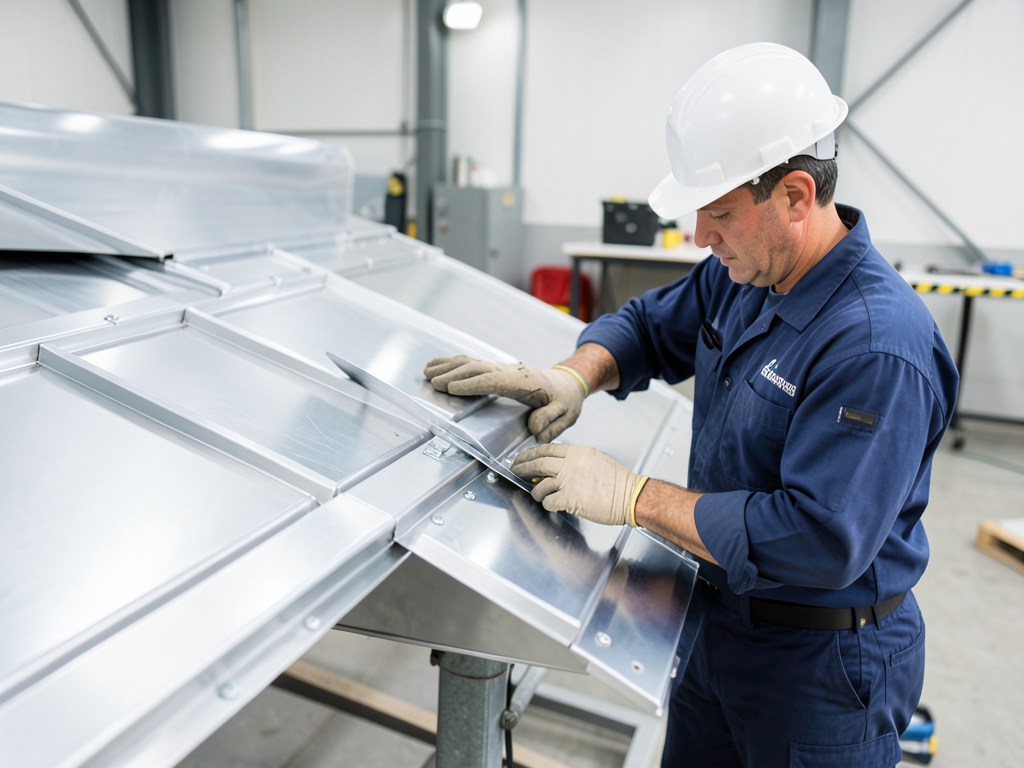
Image: Technician performing wind uplift test on metal roof samples, demonstrating the structural differences between exposed fastener and standing seam systems in high-wind conditions.
Aesthetics: Curb Appeal in Historic vs. Modern NOLA Neighborhoods
The visual impact of your metal roof choice extends beyond simple functionality. Standing seam roofs offer clean, modern lines that complement contemporary architecture popular in newer West Bank developments. The concealed fasteners create a smooth surface that many homeowners find more attractive.
Exposed fastener systems have a more traditional appearance that works well with certain architectural styles. The visible screws create a textured look that some homeowners prefer, particularly for barn-style or rustic designs. However, this aesthetic comes with the trade-off of visible maintenance requirements as screws age and washers deteriorate.
Historic districts in the greater New Orleans area may have specific requirements for roofing materials. While neither system is inherently historic, standing seam often receives preference due to its cleaner appearance and superior weather resistance. Always check with local preservation boards before making your final decision.
Final Verdict: Making the Right Investment for Your Roof
Choosing between standing seam and exposed fastener metal roofing ultimately depends on your budget, home design, and long-term goals. For West Bank homeowners planning to stay in their homes for more than 15 years, standing seam typically provides the best value despite the higher upfront cost.
Consider your specific situation carefully. If you need immediate roof replacement with budget constraints, exposed fastener offers a functional solution. However, if you can invest more upfront, standing seam eliminates many of the maintenance headaches and weather vulnerabilities that plague exposed fastener systems in Louisiana’s harsh climate.
The right choice protects your home from New Orleans’ unique weather challenges while providing peace of mind for years to come. A properly installed metal roof, whether standing seam or exposed fastener, represents a significant improvement over traditional asphalt shingles in our climate.
Call (504) 355-3444 today to schedule your inspection and get a personalized recommendation for your West Bank home. Our team will evaluate your specific needs and help you choose the metal roofing system that provides the best protection for your investment.
Frequently Asked Questions
How long does a metal roof last in New Orleans?
A quality metal roof in New Orleans typically lasts 20-50 years depending on the system. Standing seam roofs with proper installation often exceed 40 years, while exposed fastener systems generally need replacement after 15-20 years due to washer degradation and fastener back-out.
Can I install a metal roof over my existing shingles?
Yes, metal roofing can often be installed over existing shingles if the roof structure can support the additional weight. This approach saves on tear-off costs but requires careful evaluation of ventilation and existing roof condition. A professional inspection determines if this option works for your home.
Will a metal roof affect my homeowners insurance in Louisiana?
Metal roofs often qualify for insurance discounts in Louisiana due to their superior wind resistance and fire safety. Standing seam systems particularly excel in wind mitigation, potentially lowering premiums by 10-20%. Check with your insurance provider about specific metal roof credits available in your area.
How do metal roofs perform during hurricanes?
Metal roofs perform excellently during hurricanes when properly installed. Standing seam systems can withstand winds up to 180 mph, while exposed fastener systems typically handle up to 110 mph. Both systems far exceed traditional asphalt shingles in hurricane resistance, making them popular choices in coastal Louisiana.
What maintenance does a metal roof require?
Standing seam roofs require minimal maintenance beyond occasional cleaning and inspection. Exposed fastener systems need regular maintenance every 5-7 years, including checking and replacing rubber washers, tightening loose screws, and inspecting for corrosion. The specific maintenance schedule depends on your roof’s exposure to salt air and UV radiation.
Is metal roofing noisy during rain?
Modern metal roofing installed over solid decking with proper underlayment is no louder than other roofing materials during rain. The combination of solid sheathing and attic insulation effectively dampens sound. Many homeowners find the sound of rain on metal roofs soothing rather than disruptive.
How energy efficient are metal roofs in Louisiana’s heat?
Metal roofs excel in energy efficiency, particularly in hot climates like Louisiana. Light-colored metal roofs reflect solar radiation, reducing cooling costs by 20-30%. Standing seam systems with proper ventilation can create additional cooling benefits by allowing air circulation under the panels.
What’s the difference between galvanized and Galvalume coatings?
Galvanized steel has a zinc coating that provides basic corrosion protection. Galvalume adds aluminum to the zinc coating, creating superior protection against salt air and humidity. For West Bank homes near Lake Pontchartrain or the Mississippi River, Galvalume offers significantly better longevity in our coastal environment.
How do I know if my roof needs replacement or repair?
Signs indicating replacement need include widespread curling or buckling, multiple active leaks, sagging decking, or age exceeding 20 years. Isolated damage or minor leaks often indicate repair needs. A professional inspection using moisture meters and thermal imaging provides definitive answers about your roof’s condition.
Ready to protect your West Bank home with the right metal roofing system? Call (504) 355-3444 to schedule your free consultation. Our experts will assess your specific needs and provide a detailed recommendation for your home’s protection. For more information, visit FEMA building codes. For more information, visit National Fire Protection Association.
{
“@context”: “https://schema.org”,
“@type”: “BlogPosting”,
“headline”: “Choosing Between Standing Seam and Exposed Fastener Metal Roofs for Your West Bank Home”,
“description”: “Compare standing seam vs exposed fastener metal roofs for your West Bank home. Learn about durability, cost, and hurricane resistance specific to New Orleans weather.”,
“wordCount”: 1606,
“datePublished”: “2026-05-03T15:39:00.000Z”,
“dateModified”: “2026-05-03T15:39:00.000Z”,
“inLanguage”: “en-US”,
“mainEntityOfPage”: {
“@type”: “WebPage”,
“@id”: “https://heritageroofingneworleans.com”
},
“publisher”: {
“@type”: “LocalBusiness”,
“name”: “Heritage Roofing New Orleans”,
“url”: “https://heritageroofingneworleans.com”
},
“author”: {
“@type”: “Organization”,
“name”: “Heritage Roofing New Orleans”,
“url”: “https://heritageroofingneworleans.com”
},
“image”: {
“@type”: “ImageObject”,
“url”: “https://heritageroofingneworleans.com/wp-content/uploads/2026/03/choosing-between-standing-seam-and-exposed-fastene-1.png”
}
}
{
“@context”: “https://schema.org”,
“@type”: “RoofingContractor”,
“name”: “Heritage Roofing New Orleans”,
“url”: “https://heritageroofingneworleans.com”,
“address”: {
“@type”: “PostalAddress”,
“addressLocality”: “New Orleans”
},
“areaServed”: {
“@type”: “City”,
“name”: “New Orleans”
}
}
{
“@context”: “https://schema.org”,
“@type”: “FAQPage”,
“mainEntity”: [
{
“@type”: “Question”,
“name”: “How long does a metal roof last in New Orleans?”,
“acceptedAnswer”: {
“@type”: “Answer”,
“text”: “A quality metal roof in New Orleans typically lasts 20-50 years depending on the system. Standing seam roofs with proper installation often exceed 40 years, while exposed fastener systems generally need replacement after 15-20 years due to washer degradation and fastener back-out.”
}
},
{
“@type”: “Question”,
“name”: “Can I install a metal roof over my existing shingles?”,
“acceptedAnswer”: {
“@type”: “Answer”,
“text”: “Yes, metal roofing can often be installed over existing shingles if the roof structure can support the additional weight. This approach saves on tear-off costs but requires careful evaluation of ventilation and existing roof condition. A professional inspection determines if this option works for your home.”
}
},
{
“@type”: “Question”,
“name”: “Will a metal roof affect my homeowners insurance in Louisiana?”,
“acceptedAnswer”: {
“@type”: “Answer”,
“text”: “Metal roofs often qualify for insurance discounts in Louisiana due to their superior wind resistance and fire safety. Standing seam systems particularly excel in wind mitigation, potentially lowering premiums by 10-20%. Check with your insurance provider about specific metal roof credits available in your area.”
}
},
{
“@type”: “Question”,
“name”: “How do metal roofs perform during hurricanes?”,
“acceptedAnswer”: {
“@type”: “Answer”,
“text”: “Metal roofs perform excellently during hurricanes when properly installed. Standing seam systems can withstand winds up to 180 mph, while exposed fastener systems typically handle up to 110 mph. Both systems far exceed traditional asphalt shingles in hurricane resistance, making them popular choices in coastal Louisiana.”
}
},
{
“@type”: “Question”,
“name”: “What maintenance does a metal roof require?”,
“acceptedAnswer”: {
“@type”: “Answer”,
“text”: “Standing seam roofs require minimal maintenance beyond occasional cleaning and inspection. Exposed fastener systems need regular maintenance every 5-7 years, including checking and replacing rubber washers, tightening loose screws, and inspecting for corrosion. The specific maintenance schedule depends on your roof’s exposure to salt air and UV radiation.”
}
},
{
“@type”: “Question”,
“name”: “Is metal roofing noisy during rain?”,
“acceptedAnswer”: {
“@type”: “Answer”,
“text”: “Modern metal roofing installed over solid decking with proper underlayment is no louder than other roofing materials during rain. The combination of solid sheathing and attic insulation effectively dampens sound. Many homeowners find the sound of rain on metal roofs soothing rather than disruptive.”
}
},
{
“@type”: “Question”,
“name”: “How energy efficient are metal roofs in Louisiana’s heat?”,
“acceptedAnswer”: {
“@type”: “Answer”,
“text”: “Metal roofs excel in energy efficiency, particularly in hot climates like Louisiana. Light-colored metal roofs reflect solar radiation, reducing cooling costs by 20-30%. Standing seam systems with proper ventilation can create additional cooling benefits by allowing air circulation under the panels.”
}
},
{
“@type”: “Question”,
“name”: “What’s the difference between galvanized and Galvalume coatings?”,
“acceptedAnswer”: {
“@type”: “Answer”,
“text”: “Galvanized steel has a zinc coating that provides basic corrosion protection. Galvalume adds aluminum to the zinc coating, creating superior protection against salt air and humidity. For West Bank homes near Lake Pontchartrain or the Mississippi River, Galvalume offers significantly better longevity in our coastal environment.”
}
},
{
“@type”: “Question”,
“name”: “How do I know if my roof needs replacement or repair?”,
“acceptedAnswer”: {
“@type”: “Answer”,
“text”: “Signs indicating replacement need include widespread curling or buckling, multiple active leaks, sagging decking, or age exceeding 20 years. Isolated damage or minor leaks often indicate repair needs. A professional inspection using moisture meters and thermal imaging provides definitive answers about your roof’s condition.”
}
}
]
}
{
“@context”: “https://schema.org”,
“@type”: “BreadcrumbList”,
“itemListElement”: [
{
“@type”: “ListItem”,
“position”: 1,
“name”: “Home”,
“item”: “https://heritageroofingneworleans.com”
},
{
“@type”: “ListItem”,
“position”: 2,
“name”: “Blog”,
“item”: “https://heritageroofingneworleans.com/blog”
},
{
“@type”: “ListItem”,
“position”: 3,
“name”: “Choosing Between Standing Seam and Exposed Fastener Metal Roofs for Your West Bank Home”
}
]
}
{
“@context”: “https://schema.org”,
“@type”: “Service”,
“serviceType”: “Roofing”,
“provider”: {
“@type”: “LocalBusiness”,
“name”: “Heritage Roofing New Orleans”,
“url”: “https://heritageroofingneworleans.com”
},
“areaServed”: {
“@type”: “City”,
“name”: “New Orleans”
},
“description”: “Compare standing seam vs exposed fastener metal roofs for your West Bank home. Learn about durability, cost, and hurricane resistance specific to New Orleans weather.”
}