Choosing Shingle Colors That Fit the Historic Aesthetic of Audubon Park Homes
Audubon Park homeowners face a unique challenge when selecting roof shingles. You need materials that protect against New Orleans’ intense heat and hurricane-force winds while honoring the historic character of your home. The right shingle color can enhance your property’s architectural details and potentially increase its value. However, getting approval from the Historic District Landmarks Commission (HDLC) requires understanding both aesthetic guidelines and modern performance standards. Historic District Landmarks Commission guidelines.
Historic Audubon Park homes feature architectural styles ranging from Craftsman bungalows to Mediterranean Revival. Each style has specific color palettes that complement its design elements. The neighborhood’s mature oak canopy creates dappled shade patterns that affect how shingle colors appear throughout the day. Additionally, the area’s proximity to the Mississippi River means higher humidity levels that can impact material longevity.
Before selecting any shingle color, homeowners must navigate HDLC requirements. The commission evaluates proposed changes based on historical accuracy, visual compatibility, and neighborhood character. Colors that might work perfectly in newer developments could face rejection in Audubon Park’s historic district. What Metairie Homeowners Need to Do for Emergency Storm Damage and Tarping.
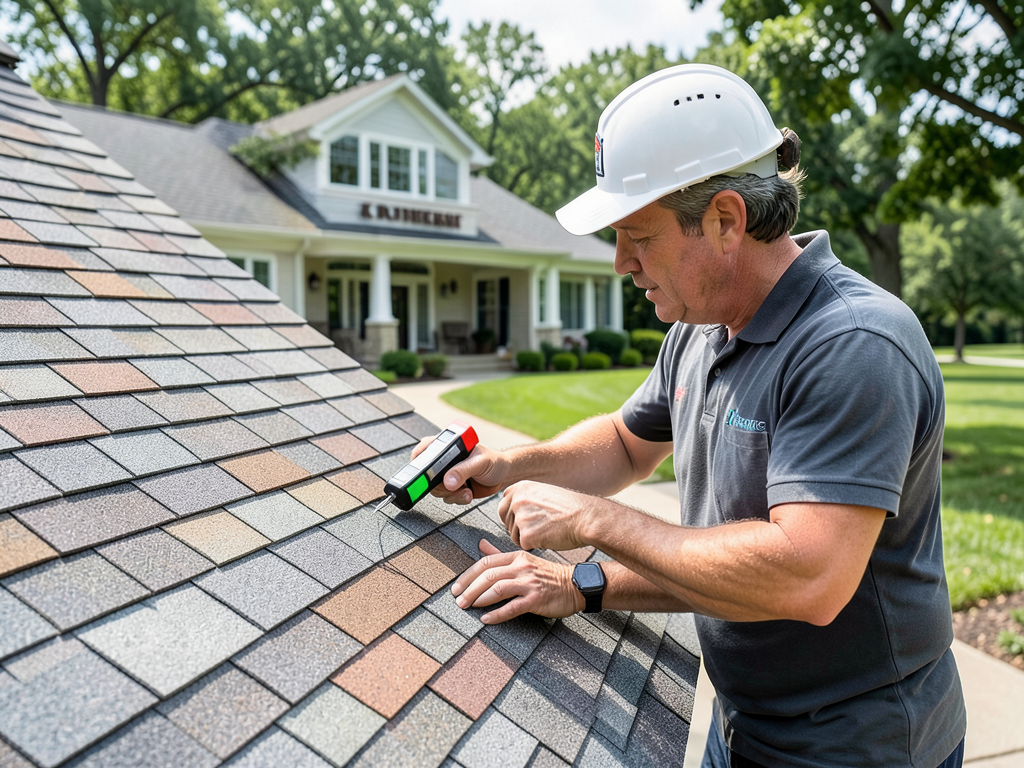
A side-by-side comparison of historic Audubon Park homes showing approved shingle color schemes for different architectural styles.
Understanding HDLC Guidelines for Audubon Park
The Historic District Landmarks Commission oversees all exterior modifications in Audubon Park. Their guidelines prioritize maintaining the neighborhood’s historic character while allowing for necessary modern improvements. When it comes to roofing, HDLC focuses on color compatibility with existing architectural elements and surrounding properties. Specialized Roofing Solutions for Properties in the French Quarter.
HDLC approval requires submitting detailed documentation including color samples, manufacturer specifications, and installation plans. The commission particularly scrutinizes proposals for homes built before 1945, when many Audubon Park residences were constructed. They evaluate how proposed colors will age over time and interact with the neighborhood’s established aesthetic.
According to HDLC guidelines, neutral earth tones generally receive favorable consideration. However, the commission also recognizes that some historic homes featured more vibrant colors than many homeowners realize. The key is selecting shades that existed during your home’s construction period.
HDLC also considers practical factors like heat reflectivity and material durability. In New Orleans’ subtropical climate, darker colors absorb more heat, potentially affecting attic temperatures and energy efficiency. The commission may approve lighter shades of traditionally dark colors to balance historic accuracy with modern performance needs. What to Do When Your New Orleans Roof Starts Leaking During a Downpour.
Popular Color Palettes by Architectural Style
Audubon Park features several distinct architectural styles, each with historically appropriate color schemes. Understanding your home’s architectural classification is the first step toward selecting an approved shingle color.
Craftsman Bungalows: Warm Earth Tones
Craftsman-style homes in Audubon Park typically feature low-pitched roofs with wide eaves. These homes historically used shingles in warm browns, muted greens, and soft grays. The earthy palette complements the style’s emphasis on natural materials and horizontal lines. The Best Shingles to Withstand New Orleans Heat and Humidity.
Popular Craftsman shingle colors include weathered wood, driftwood gray, and autumn brown. These shades work well with the style’s characteristic stone or brick porch supports and exposed rafter tails. HDLC generally approves these colors since they maintain the bungalow’s organic connection to the landscape.
For modern Craftsman homes, consider shingles with subtle color variations that mimic natural wood aging. These dimensional shingles add visual interest while staying within approved color ranges. The slight color variation also helps hide minor imperfections and weathering.
Mediterranean Revival: Terracotta and Clay Tones
Mediterranean Revival homes feature distinctive clay tile roofs, but many homeowners opt for asphalt shingles that mimic this look. The goal is capturing the warm, sun-baked appearance of traditional Mediterranean architecture.. Read more about Maintaining the Distinctive Mansard Roofs Found Throughout Uptown New Orleans.
HDLC-approved alternatives include shingles in terracotta, adobe red, and warm brown tones. These colors should have a matte or low-sheen finish to replicate the authentic clay tile appearance. The commission particularly values proposals that maintain the style’s characteristic roof pitch and overhang.
Modern manufacturing allows for shingles that closely resemble clay tiles in both color and texture. These products offer better wind resistance and lower weight than actual clay tiles, addressing practical concerns while maintaining aesthetic integrity.
Colonial Revival: Classic Grays and Charcoals
Colonial Revival homes in Audubon Park feature symmetrical facades and formal proportions. These homes traditionally used gray or black shingles that complement their classical architectural details.
HDLC generally approves charcoal gray, slate gray, and dark brown shingles for Colonial Revival homes. These colors should be relatively uniform rather than heavily variegated, maintaining the style’s formal appearance. The commission also considers how these colors will appear against white or light-colored siding.
For homes with copper gutters or downspouts, consider how the shingle color will age alongside these metallic elements. HDLC evaluates the entire exterior composition, not just individual components.
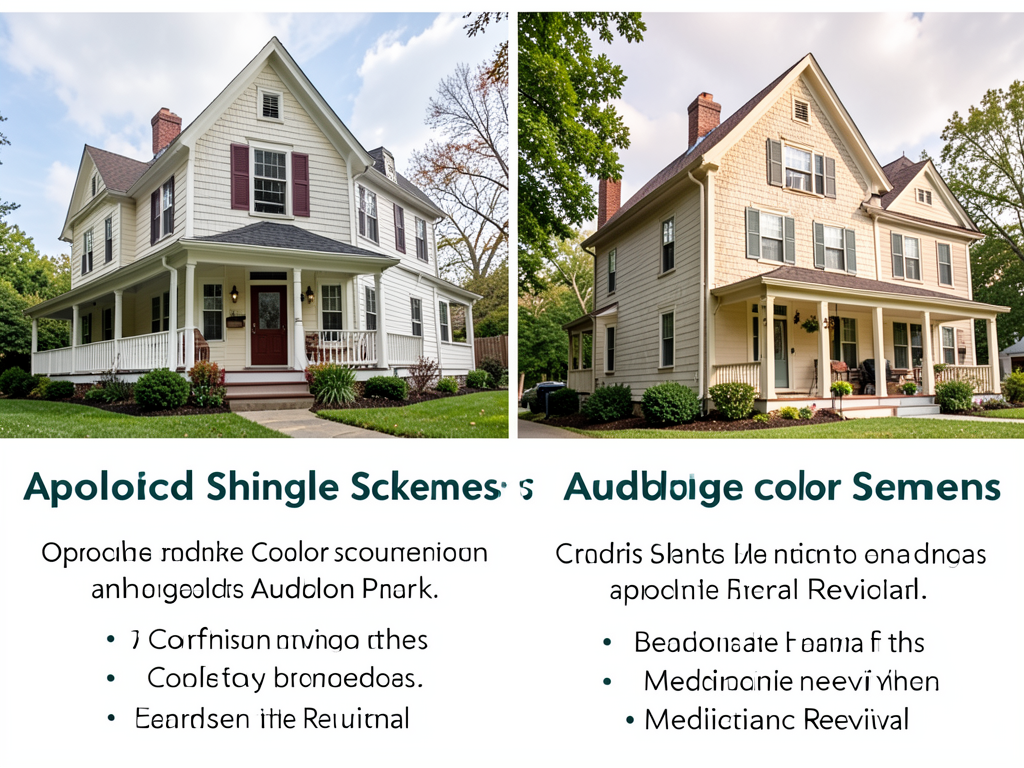
A technician using a digital colorimeter to match historic shingle samples with modern manufacturing options.
Material Considerations for New Orleans Climate
Selecting the right material is as important as choosing the correct color. New Orleans’ climate presents unique challenges including high humidity, intense UV exposure, and hurricane-force winds.
Asphalt architectural shingles dominate the market due to their balance of durability, cost, and aesthetic flexibility. Modern architectural shingles feature multiple layers and dimensional profiles that create depth and shadow similar to natural materials. They also offer better wind resistance than traditional three-tab shingles.
Synthetic slate shingles provide another option for homeowners seeking historic authenticity. These products mimic natural slate’s appearance while offering superior impact resistance and lighter weight. However, they typically come at a premium price point and may have more limited color options.
Metal roofing, while less common in historic districts, can be appropriate for certain architectural styles. Standing seam metal in dark bronze or charcoal can work well for modern interpretations of historic homes. The key is ensuring the profile and finish align with HDLC guidelines. Roofing Kenner.
Regardless of material choice, New Orleans homeowners should prioritize products with high Solar Reflectance Index (SRI) ratings. These materials help reduce heat absorption, potentially lowering cooling costs and extending roof lifespan in our intense summer heat.
Practical Considerations: Heat and Hurricane Resistance
Audubon Park’s subtropical climate creates specific performance requirements for roofing materials. The area experiences over 60 inches of annual rainfall and temperatures regularly exceeding 90 degrees Fahrenheit during summer months.
Heat absorption becomes a critical factor when selecting shingle colors. Dark colors like black and dark brown can reach surface temperatures exceeding 150 degrees on sunny days. This heat transfers to the attic space, potentially increasing cooling costs by 15-20%.
According to Louisiana State Uniform Construction Code, roofs in hurricane-prone areas must meet specific wind resistance standards. Most architectural shingles carry ratings between 110-130 mph, but premium products offer enhanced wind warranties up to 150 mph. Louisiana State Uniform Construction Code.
Algae resistance represents another important consideration in New Orleans’ humid climate. Many premium shingles include copper or zinc granules that inhibit algae growth, preventing the black streaks common on roofs in high-humidity areas. This feature helps maintain the roof’s appearance over time.
Impact resistance becomes crucial during hurricane season. Class 4 impact-rated shingles can withstand hail up to 2 inches in diameter. While not required by code in New Orleans, these products provide additional protection against storm damage.
The Approval Process for Historic Roof Color Changes
Navigating HDLC approval requires understanding the application process and preparing comprehensive documentation. The commission meets monthly to review proposals, so timing your submission correctly is essential.
Start by obtaining your home’s historical documentation from the New Orleans Notarial Archives or the Preservation Resource Center. This information helps establish your home’s original color scheme and architectural significance. HDLC particularly values proposals that restore historic accuracy.
Prepare detailed drawings showing existing conditions and proposed changes. Include manufacturer color chips, product specifications, and installation methods. HDLC staff can provide pre-application consultations to identify potential issues before formal submission.
The commission evaluates proposals based on seven criteria: historic significance, visual compatibility, scale and proportion, materials, color, relationship to surroundings, and impact on the district. Each criterion must receive satisfactory consideration for approval.
Common reasons for denial include colors that are too bright or modern, materials that don’t match the architectural style, or proposals that would significantly alter the home’s historic character. HDLC may suggest alternative colors or materials that better align with their guidelines.
Once approved, you’ll receive a Certificate of Appropriateness allowing you to proceed with the roofing project. Keep this document on file, as it may be required for future permit applications or insurance purposes.
Comparing Modern Shingle Options for Historic Homes
Today’s roofing manufacturers offer numerous products designed to balance historic aesthetics with modern performance. Understanding the differences helps homeowners make informed decisions.
| Shingle Type | Historic Accuracy | Climate Performance | HDLC Approval Likelihood | Cost Range |
|---|---|---|---|---|
| Architectural Asphalt | Moderate | Excellent | High | $$ |
| Synthetic Slate | High | Very Good | Moderate | $$$ |
| Premium Dimensional | High | Excellent | High | $$$ |
| Standard Three-Tab | Low | Good | Low | $ |
Architectural asphalt shingles represent the most practical choice for most Audubon Park homeowners. They offer excellent durability, wide color selection, and proven performance in Gulf Coast conditions. Premium brands like GAF Timberline HDZ and CertainTeed Landmark provide enhanced wind resistance and longer warranties.
Synthetic slate products appeal to homeowners seeking maximum historic authenticity. These materials accurately reproduce slate’s natural color variations and texture while weighing significantly less than natural stone. However, their higher cost and limited color selection may restrict options for some architectural styles.
Premium dimensional shingles combine the benefits of architectural shingles with enhanced color depth and texture. These products feature multiple color granules and varied tab shapes that create a more natural, hand-crafted appearance. They work particularly well for homes where subtle color variation adds visual interest.
Color Selection Strategies for Maximum Approval
Successful color selection requires balancing personal preference with HDLC guidelines and practical considerations. Start by examining your home’s existing color scheme, including siding, trim, and accent colors.
Consider how your roof color will interact with seasonal changes. Audubon Park’s mature oak trees create different lighting conditions throughout the year. A color that looks perfect in summer might appear too dark during winter when leaves fall.
HDLC typically approves colors that maintain the neighborhood’s overall character while allowing for individual expression. Neutral tones with subtle variations generally receive favorable consideration. Avoid extremely bright or saturated colors unless they can be historically justified.
Test color samples on your roof before making final decisions. Many manufacturers offer small sample shingles that can be temporarily installed. View these samples at different times of day to understand how lighting affects the appearance.
Consider your home’s orientation when selecting colors. South-facing roofs receive more direct sunlight, potentially making colors appear lighter than expected. North-facing roofs may show colors as darker or more muted.
Finally, think about long-term maintenance. Some colors show dirt and algae growth more readily than others. While algae-resistant shingles help, selecting colors that naturally camouflage minor staining can reduce maintenance requirements.
Working with Qualified Roofing Professionals
Selecting and installing historic-appropriate roofing requires specialized knowledge. Look for contractors with experience in historic districts and understanding of HDLC requirements.
Qualified professionals should provide detailed proposals including color renderings, material specifications, and installation methods. They should also have experience preparing HDLC applications and navigating the approval process.
Ask potential contractors about their experience with similar projects in Audubon Park or other historic districts. Request references and examples of successfully completed projects. A reputable contractor should be willing to discuss both successful approvals and any challenges encountered.
Professional roofers should also provide detailed warranties covering both materials and workmanship. Many premium shingle manufacturers require certified installation for their full warranty coverage. Ensure your contractor maintains the necessary certifications.
Finally, verify that your chosen contractor carries appropriate insurance and licensing. Louisiana State Licensing Board for Contractors requires specific credentials for roofing work, particularly in historic districts where additional regulations may apply.
Before and after images of an Audubon Park home showing the transformation from faded shingles to historically appropriate color selection.
Frequently Asked Questions
What is the most historically accurate shingle color for a Craftsman home in Audubon Park?
Warm earth tones like weathered wood, driftwood gray, and autumn brown are most historically accurate for Craftsman homes. These colors complement the style’s emphasis on natural materials and typically receive HDLC approval.
How long does HDLC approval take for roof color changes?
The HDLC review process typically takes 30-45 days from submission to approval. However, complex proposals or those requiring additional documentation may take longer. Plan your project timeline accordingly.
Can I use dark colors in Audubon Park’s hot climate?
Yes, but consider the trade-offs. Dark colors absorb more heat, potentially increasing cooling costs. Many homeowners choose medium tones that balance historic accuracy with heat reflectivity. Some manufacturers offer dark colors with reflective granules to mitigate heat absorption.
What happens if HDLC rejects my color choice?
HDLC will provide specific reasons for rejection and may suggest alternative colors or materials. You can revise your proposal and resubmit, or appeal the decision through the commission’s established process.
Are synthetic slate shingles approved in Audubon Park?
Synthetic slate shingles can receive HDLC approval, particularly for homes where natural slate would be historically appropriate. The commission evaluates each proposal based on the specific architectural style and neighborhood context.
Making Your Final Decision
Choosing the right shingle color for your Audubon Park home requires balancing multiple factors: historic accuracy, HDLC approval, climate performance, and personal preference. Start by understanding your home’s architectural style and historical context.
Research approved color palettes for your specific architectural classification. Visit the HDLC office or website to review their guidelines and see examples of approved projects. Consider consulting with a historic preservation specialist if you’re unsure about your home’s classification.
Evaluate practical considerations like heat reflectivity, wind resistance, and maintenance requirements. New Orleans’ climate demands materials that can withstand extreme conditions while maintaining their appearance over time.
Finally, work with qualified professionals who understand both the technical aspects of roofing installation and the regulatory requirements of historic districts. Their expertise can help you navigate the approval process and ensure a successful outcome.
Remember that your roof represents a significant investment in your home’s protection and appearance. Taking time to make an informed decision will pay dividends in both satisfaction and property value.
Ready to Transform Your Audubon Park Home?
Selecting the perfect shingle color that honors your home’s historic character while meeting modern performance standards doesn’t have to be overwhelming. Our team specializes in historic district roofing projects throughout Audubon Park and understands the unique challenges these homes present.
We’ll help you navigate HDLC requirements, select historically appropriate colors, and ensure your new roof provides the protection your family deserves. Our experience with Craftsman bungalows, Mediterranean Revivals, and Colonial Revival homes means we understand the nuances of each architectural style.
Call (504) 355-3444 today to schedule your consultation. We’ll assess your home’s specific needs, discuss color options, and create a comprehensive plan that satisfies both your aesthetic goals and HDLC requirements. Don’t wait until the next storm season to address your roofing needs.
Your Audubon Park home deserves a roof that honors its historic character while providing modern protection. Let’s work together to make that vision a reality.
{
“@context”: “https://schema.org”,
“@type”: “BlogPosting”,
“headline”: “Choosing Shingle Colors That Fit the Historic Aesthetic of Audubon Park Homes”,
“description”: “Discover how to select shingle colors that honor Audubon Park’s historic architecture while meeting modern durability and HDLC approval standards.”,
“wordCount”: 2542,
“datePublished”: “2026-06-05T09:12:00.000Z”,
“dateModified”: “2026-06-05T09:12:00.000Z”,
“inLanguage”: “en-US”,
“mainEntityOfPage”: {
“@type”: “WebPage”,
“@id”: “https://heritageroofingneworleans.com”
},
“publisher”: {
“@type”: “LocalBusiness”,
“name”: “Heritage Roofing New Orleans”,
“url”: “https://heritageroofingneworleans.com”
},
“author”: {
“@type”: “Organization”,
“name”: “Heritage Roofing New Orleans”,
“url”: “https://heritageroofingneworleans.com”
},
“image”: {
“@type”: “ImageObject”,
“url”: “https://heritageroofingneworleans.com/wp-content/uploads/2026/03/choosing-shingle-colors-that-fit-the-historic-aest-1.png”
}
}
{
“@context”: “https://schema.org”,
“@type”: “RoofingContractor”,
“name”: “Heritage Roofing New Orleans”,
“url”: “https://heritageroofingneworleans.com”,
“address”: {
“@type”: “PostalAddress”,
“addressLocality”: “New Orleans”
},
“areaServed”: {
“@type”: “City”,
“name”: “New Orleans”
}
}
{
“@context”: “https://schema.org”,
“@type”: “FAQPage”,
“mainEntity”: [
{
“@type”: “Question”,
“name”: “What is the most historically accurate shingle color for a Craftsman home in Audubon Park?”,
“acceptedAnswer”: {
“@type”: “Answer”,
“text”: “Warm earth tones like weathered wood, driftwood gray, and autumn brown are most historically accurate for Craftsman homes. These colors complement the style’s emphasis on natural materials and typically receive HDLC approval.”
}
},
{
“@type”: “Question”,
“name”: “How long does HDLC approval take for roof color changes?”,
“acceptedAnswer”: {
“@type”: “Answer”,
“text”: “The HDLC review process typically takes 30-45 days from submission to approval. However, complex proposals or those requiring additional documentation may take longer. Plan your project timeline accordingly.”
}
},
{
“@type”: “Question”,
“name”: “Can I use dark colors in Audubon Park’s hot climate?”,
“acceptedAnswer”: {
“@type”: “Answer”,
“text”: “Yes, but consider the trade-offs. Dark colors absorb more heat, potentially increasing cooling costs. Many homeowners choose medium tones that balance historic accuracy with heat reflectivity. Some manufacturers offer dark colors with reflective granules to mitigate heat absorption.”
}
},
{
“@type”: “Question”,
“name”: “Are synthetic slate shingles approved in Audubon Park?”,
“acceptedAnswer”: {
“@type”: “Answer”,
“text”: “Synthetic slate shingles can receive HDLC approval, particularly for homes where natural slate would be historically appropriate. The commission evaluates each proposal based on the specific architectural style and neighborhood context.”
}
},
{
“@type”: “Question”,
“name”: “Ready to Transform Your Audubon Park Home?”,
“acceptedAnswer”: {
“@type”: “Answer”,
“text”: “Selecting the perfect shingle color that honors your home’s historic character while meeting modern performance standards doesn’t have to be overwhelming. Our team specializes in historic district roofing projects throughout Audubon Park and understands the unique challenges these homes present.”
}
}
]
}
{
“@context”: “https://schema.org”,
“@type”: “BreadcrumbList”,
“itemListElement”: [
{
“@type”: “ListItem”,
“position”: 1,
“name”: “Home”,
“item”: “https://heritageroofingneworleans.com”
},
{
“@type”: “ListItem”,
“position”: 2,
“name”: “Blog”,
“item”: “https://heritageroofingneworleans.com/blog”
},
{
“@type”: “ListItem”,
“position”: 3,
“name”: “Choosing Shingle Colors That Fit the Historic Aesthetic of Audubon Park Homes”
}
]
}
{
“@context”: “https://schema.org”,
“@type”: “Service”,
“serviceType”: “Roofing”,
“provider”: {
“@type”: “LocalBusiness”,
“name”: “Heritage Roofing New Orleans”,
“url”: “https://heritageroofingneworleans.com”
},
“areaServed”: {
“@type”: “City”,
“name”: “New Orleans”
},
“description”: “Discover how to select shingle colors that honor Audubon Park’s historic architecture while meeting modern durability and HDLC approval standards.”
}