
Expert Restoration for Clay Tile Roofs on Historic New Orleans Homes
Clay tile roofs define the architectural character of New Orleans’ historic neighborhoods from the Garden District to the French Quarter. These beautiful terracotta systems require specialized knowledge of local weather patterns, historic preservation guidelines, and traditional installation methods. Our team understands the unique challenges of maintaining these roofs in Louisiana’s humid subtropical climate while preserving their historic integrity. What to Do When Your New Orleans Roof Starts Leaking During a Downpour.
Historic clay tile restoration in New Orleans demands expertise in Vieux Carré Commission regulations, hurricane-resistant installation techniques, and authentic material sourcing. We work with homeowners to protect their investment while maintaining the architectural heritage that makes our city unique. Vieux Carré Commission guidelines.
Common Clay Tile Issues in the New Orleans Climate
New Orleans’ weather creates specific challenges for clay tile roofs that require specialized knowledge to address properly. Understanding these regional issues helps homeowners recognize problems early and prevent costly damage. What Metairie Homeowners Need to Do for Emergency Storm Damage and Tarping.
Hurricane and Wind Damage
Category 3 hurricane winds exceeding 111 mph can lift and displace clay tiles even when properly installed. The high humidity in New Orleans creates additional suction forces that stress tile fasteners during storms. We’ve documented cases where wind uplift causes entire sections of roof to lift, breaking mortar beds and damaging underlayment beneath.
Post-storm inspections should check for cracked tiles, displaced mortar, and compromised flashing systems. Missing tiles create entry points for water that can cause structural damage before visible leaks appear inside the home.
Moss and Algae Growth
Louisiana’s humidity levels averaging 75% year-round create perfect conditions for biological growth on clay tiles. Moss retains moisture against tile surfaces, accelerating deterioration of both the clay and underlying structures. Black algae streaks commonly appear on north-facing slopes where sunlight exposure is limited.
Professional cleaning requires gentle methods that don’t damage the tile surface or remove protective glazing. Harsh pressure washing can erode the tile face and create microscopic cracks that allow water penetration during freeze-thaw cycles.
Cracked Tiles and Mortar Deterioration
Thermal expansion and contraction from New Orleans’ temperature swings cause stress at mortar joints. Clay tiles expand when wet and contract when dry, creating pressure that cracks mortar over time. Older installations using traditional lime-based mortars are particularly vulnerable to this cycle.
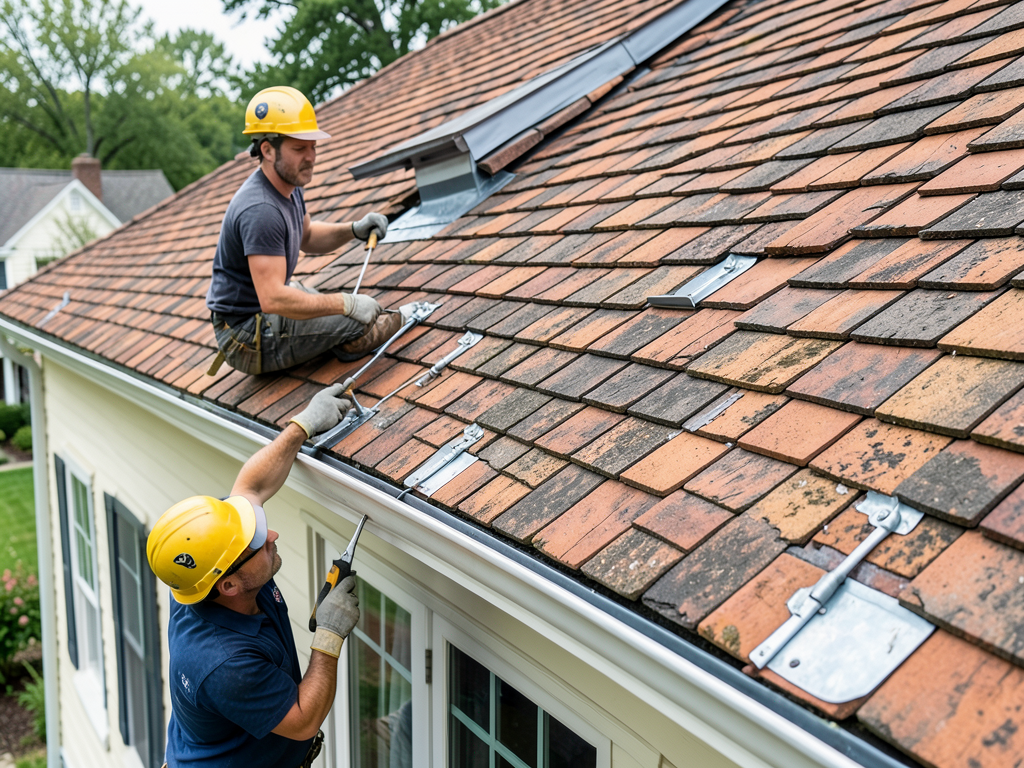
Walking on clay tile roofs requires specialized techniques to avoid breaking tiles. Many damage incidents occur during routine maintenance when workers step on unsupported tile edges or apply uneven pressure to aged materials. Specialized Roofing Solutions for Properties in the French Quarter.
Our Specialized Repair Process for NOLA Homes
Clay tile restoration requires a methodical approach that addresses both visible damage and underlying structural issues. Our process combines historic preservation techniques with modern weatherproofing technology. Roofing Kenner.
Initial Inspection and Leak Detection
We conduct comprehensive roof surveys using moisture meters and thermal imaging to identify hidden water intrusion points. Our technicians document each damaged tile’s location, type, and condition using digital photography and mapping software. This creates a baseline for restoration planning and helps track deterioration patterns over time.
Critical inspection points include valley areas where water concentrates, ridge caps where wind uplift occurs, and flashing intersections where different materials meet. We also check attic spaces for signs of moisture damage that may not be visible from the roof surface.
Sourcing Authentic Replacement Tiles
Matching historic clay tiles requires relationships with specialty suppliers and salvage yards across the Southeast. We maintain inventories of common New Orleans profiles including Spanish S-tiles, French flat tiles, and Mission barrel tiles. When original tiles are unavailable, we work with manufacturers who can recreate discontinued profiles using traditional firing methods.
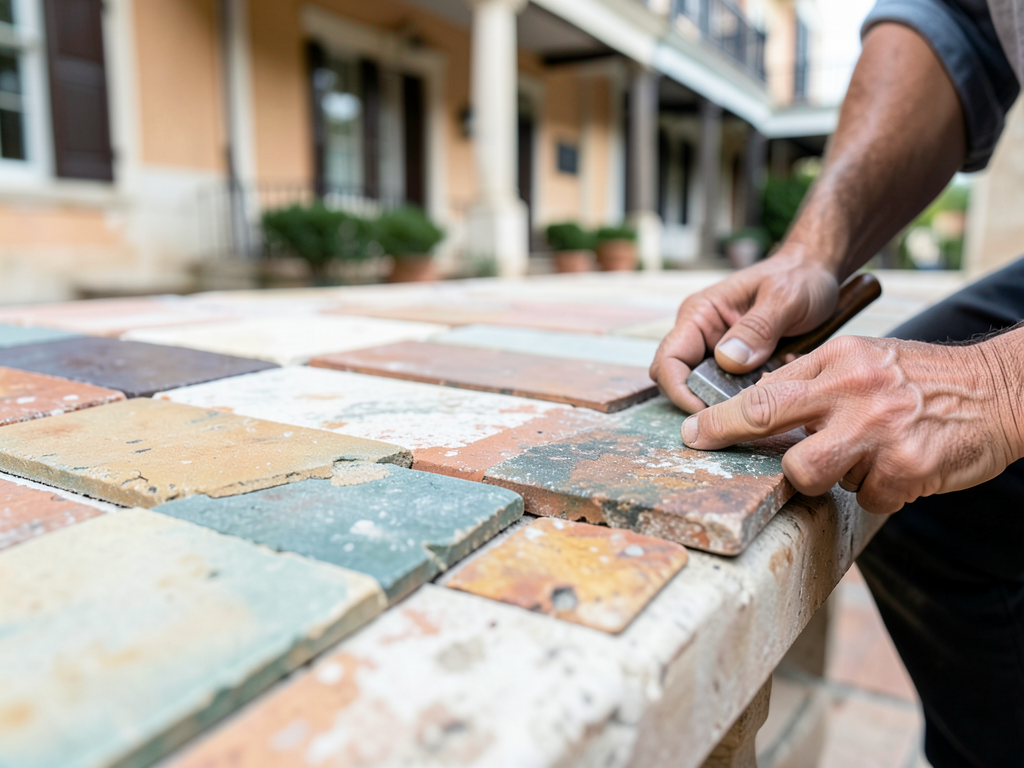
Color matching is critical for maintaining historic appearance. We test multiple samples in natural light conditions before installation to ensure new tiles blend with existing weathered surfaces. This attention to detail prevents the patchwork appearance that results from improper matching.
Underlayment Replacement for High-Moisture Environments
Modern synthetic underlayments provide superior moisture protection compared to traditional felt paper. We install self-adhering ice and water shield in critical areas including valleys, eaves, and around penetrations. This material remains flexible in Louisiana’s heat while providing a secondary water barrier if tiles are damaged.
Proper ventilation is essential for clay tile longevity. We upgrade soffit and ridge ventilation systems to reduce attic temperatures and moisture accumulation that can damage both the roof structure and interior finishes.
Historic District Compliance (VCC & HDLC)
Working in New Orleans’ historic districts requires understanding and following specific guidelines from the Vieux Carré Commission and Historic District Landmarks Commission. These agencies protect the architectural character of our city while allowing necessary maintenance and repair. Repair vs. Replace Analysis.
Permit applications must include detailed documentation of existing conditions, proposed work, and material specifications. We prepare comprehensive submittals that demonstrate how our restoration work maintains or enhances the historic character of each property. This includes submitting tile samples, mortar color matches, and installation details for review.
The VCC requires that any visible roof work maintain the existing roof line, pitch, and material profile. We cannot increase roof height or change the visual appearance from public rights-of-way without special approval. Our experience with these requirements helps navigate the approval process efficiently.
Clay Tile Maintenance for Gulf Coast Weather
Regular maintenance extends the life of clay tile roofs and prevents costly emergency repairs. We recommend annual inspections and specific seasonal maintenance tasks based on Louisiana’s weather patterns.
Spring inspections should check for winter damage and prepare for hurricane season. This includes securing loose tiles, cleaning debris from valleys, and testing flashing seals. Summer maintenance focuses on ventilation and moisture control as humidity peaks. Fall preparation includes gutter cleaning and checking for storm damage from tropical systems.
Professional cleaning every 3-5 years removes damaging biological growth without harming tile surfaces. We use low-pressure washing systems with specialized cleaning solutions that kill moss and algae while preserving the tile’s protective finish.
- Annual Inspection
Professional inspection to identify loose tiles, damaged flashing, and moisture intrusion points before they cause structural damage.
- Bi-Annual Cleaning
Remove moss, algae, and debris that retain moisture and accelerate tile deterioration in humid conditions.
- Seasonal Gutter Maintenance
Clean gutters and downspouts quarterly to prevent water backup that can damage roof edges and fascia boards.
- Post-Storm Assessment
Inspect for wind damage, displaced tiles, and compromised flashing after every tropical system or severe weather event.
Cost-Benefit Analysis of Repair vs. Replacement
Many homeowners assume that visible tile damage requires complete roof replacement. However, targeted restoration often provides better value while preserving historic character. Understanding the factors that influence this decision helps homeowners make informed choices.
Well-maintained clay tile roofs in New Orleans typically last 50-75 years. The underlayment system usually requires replacement before the tiles themselves fail. This allows for cost-effective restoration that preserves the historic tile surface while upgrading the waterproofing system.
Replacement costs for clay tile roofs often exceed $30,000 for average homes due to material and labor expenses. Restoration work targeting specific problem areas typically costs 40-60% less while extending roof life by 15-20 years.
Insurance Considerations for Clay Tile Roofs
Insurance claims for clay tile damage require specific documentation and expertise to process successfully. Many homeowners discover that standard roofing contractors lack the knowledge to properly assess and document clay tile damage for insurance purposes.
We provide detailed damage assessments that include thermal imaging, moisture mapping, and structural evaluation. This documentation meets insurance carrier requirements for historic material claims. Our experience with New Orleans weather patterns helps establish the cause of damage and appropriate repair methods.
Documentation should include pre-storm photographs, material specifications, and compliance with local building codes. This preparation streamlines the claims process and helps ensure proper compensation for restoration work.
Frequently Asked Questions
Can I walk on my clay tile roof to clean gutters?
No. Walking on clay tile requires specialized techniques and equipment. The weight distribution and pressure points from normal walking can crack tiles, especially older ones. Professional roofers use roof jacks and walk boards to distribute weight safely. DIY attempts often cause more damage than they prevent.
How do I know if my clay tiles need replacement or just repair?
Professional inspection using moisture meters and thermal imaging can determine the extent of damage. Individual cracked or broken tiles can be replaced without affecting surrounding tiles. However, if underlayment damage is widespread or if tiles show extensive spalling and surface deterioration, replacement may be more cost-effective.
Are clay tile roofs more expensive to insure?
Insurance costs depend on the roof’s condition and local building code compliance. Well-maintained clay tile roofs meeting current wind uplift requirements may qualify for wind mitigation discounts. However, older installations without proper fastening may face higher premiums due to replacement cost considerations.
How long does clay tile roof restoration take?
Most restoration projects take 2-4 weeks depending on weather conditions and scope of work. This includes inspection, material sourcing, permit acquisition, and actual repair work. Complex projects requiring custom tile matching or extensive structural repairs may take longer.
Can I install solar panels on my clay tile roof?
Yes, but it requires specialized mounting systems that don’t penetrate tile surfaces. Tile replacement mounts install beneath tiles to create attachment points. This prevents water intrusion while maintaining the roof’s integrity. Not all solar contractors have experience with clay tile installations.
Clay tile roofs represent significant investments in both property value and architectural heritage. Proper restoration requires understanding local weather patterns, historic preservation requirements, and traditional installation methods. Our team combines this specialized knowledge with modern restoration techniques to protect your home while preserving its historic character.
Don’t wait for minor issues to become major problems. Call (504) 355-3444 today to schedule your comprehensive clay tile roof inspection. Our experts will assess your roof’s condition and provide detailed recommendations for restoration or maintenance. Protect your investment and preserve your home’s historic beauty with professional clay tile restoration services.
Pick up the phone and call (504) 355-3444 before the next storm hits. Our team is ready to help you protect your historic New Orleans home with expert clay tile restoration services. For more information, visit FEMA wind uplift requirements.
{
“@context”: “https://schema.org”,
“@type”: “BlogPosting”,
“headline”: “Expert Restoration for Clay Tile Roofs on Historic New Orleans Homes”,
“description”: “Preserve your historic New Orleans home with expert clay tile roof restoration. Learn about VCC compliance, hurricane damage repair, and authentic tile matching.”,
“wordCount”: 1701,
“datePublished”: “2026-02-24T15:28:00.000Z”,
“dateModified”: “2026-02-24T15:28:00.000Z”,
“inLanguage”: “en-US”,
“mainEntityOfPage”: {
“@type”: “WebPage”,
“@id”: “https://heritageroofingneworleans.com”
},
“publisher”: {
“@type”: “LocalBusiness”,
“name”: “Heritage Roofing New Orleans”,
“url”: “https://heritageroofingneworleans.com”
},
“author”: {
“@type”: “Organization”,
“name”: “Heritage Roofing New Orleans”,
“url”: “https://heritageroofingneworleans.com”
},
“image”: {
“@type”: “ImageObject”,
“url”: “https://heritageroofingneworleans.com/wp-content/uploads/2026/03/expert-restoration-for-clay-tile-roofs-on-historic-1.png”
}
}
{
“@context”: “https://schema.org”,
“@type”: “RoofingContractor”,
“name”: “Heritage Roofing New Orleans”,
“url”: “https://heritageroofingneworleans.com”,
“address”: {
“@type”: “PostalAddress”,
“addressLocality”: “New Orleans”
},
“areaServed”: {
“@type”: “City”,
“name”: “New Orleans”
}
}
{
“@context”: “https://schema.org”,
“@type”: “FAQPage”,
“mainEntity”: [
{
“@type”: “Question”,
“name”: “Can I walk on my clay tile roof to clean gutters?”,
“acceptedAnswer”: {
“@type”: “Answer”,
“text”: “No. Walking on clay tile requires specialized techniques and equipment. The weight distribution and pressure points from normal walking can crack tiles, especially older ones. Professional roofers use roof jacks and walk boards to distribute weight safely. DIY attempts often cause more damage than they prevent.”
}
},
{
“@type”: “Question”,
“name”: “How do I know if my clay tiles need replacement or just repair?”,
“acceptedAnswer”: {
“@type”: “Answer”,
“text”: “Professional inspection using moisture meters and thermal imaging can determine the extent of damage. Individual cracked or broken tiles can be replaced without affecting surrounding tiles. However, if underlayment damage is widespread or if tiles show extensive spalling and surface deterioration, replacement may be more cost-effective.”
}
},
{
“@type”: “Question”,
“name”: “Are clay tile roofs more expensive to insure?”,
“acceptedAnswer”: {
“@type”: “Answer”,
“text”: “Insurance costs depend on the roof’s condition and local building code compliance. Well-maintained clay tile roofs meeting current wind uplift requirements may qualify for wind mitigation discounts. However, older installations without proper fastening may face higher premiums due to replacement cost considerations.”
}
},
{
“@type”: “Question”,
“name”: “How long does clay tile roof restoration take?”,
“acceptedAnswer”: {
“@type”: “Answer”,
“text”: “Most restoration projects take 2-4 weeks depending on weather conditions and scope of work. This includes inspection, material sourcing, permit acquisition, and actual repair work. Complex projects requiring custom tile matching or extensive structural repairs may take longer.”
}
},
{
“@type”: “Question”,
“name”: “Can I install solar panels on my clay tile roof?”,
“acceptedAnswer”: {
“@type”: “Answer”,
“text”: “Yes, but it requires specialized mounting systems that don’t penetrate tile surfaces. Tile replacement mounts install beneath tiles to create attachment points. This prevents water intrusion while maintaining the roof’s integrity. Not all solar contractors have experience with clay tile installations.”
}
}
]
}
{
“@context”: “https://schema.org”,
“@type”: “HowTo”,
“name”: “Clay Tile Maintenance Schedule”,
“step”: [
{
“@type”: “HowToStep”,
“position”: 1,
“name”: “Annual Inspection”,
“text”: “Professional inspection to identify loose tiles, damaged flashing, and moisture intrusion points before they cause structural damage.”
},
{
“@type”: “HowToStep”,
“position”: 2,
“name”: “Bi-Annual Cleaning”,
“text”: “Remove moss, algae, and debris that retain moisture and accelerate tile deterioration in humid conditions.”
},
{
“@type”: “HowToStep”,
“position”: 3,
“name”: “Seasonal Gutter Maintenance”,
“text”: “Clean gutters and downspouts quarterly to prevent water backup that can damage roof edges and fascia boards.”
},
{
“@type”: “HowToStep”,
“position”: 4,
“name”: “Post-Storm Assessment”,
“text”: “Inspect for wind damage, displaced tiles, and compromised flashing after every tropical system or severe weather event.”
}
],
“image”: “https://heritageroofingneworleans.com/wp-content/uploads/2026/03/expert-restoration-for-clay-tile-roofs-on-historic-1.png”
}
{
“@context”: “https://schema.org”,
“@type”: “BreadcrumbList”,
“itemListElement”: [
{
“@type”: “ListItem”,
“position”: 1,
“name”: “Home”,
“item”: “https://heritageroofingneworleans.com”
},
{
“@type”: “ListItem”,
“position”: 2,
“name”: “Blog”,
“item”: “https://heritageroofingneworleans.com/blog”
},
{
“@type”: “ListItem”,
“position”: 3,
“name”: “Expert Restoration for Clay Tile Roofs on Historic New Orleans Homes”
}
]
}
{
“@context”: “https://schema.org”,
“@type”: “Service”,
“serviceType”: “Roofing”,
“provider”: {
“@type”: “LocalBusiness”,
“name”: “Heritage Roofing New Orleans”,
“url”: “https://heritageroofingneworleans.com”
},
“areaServed”: {
“@type”: “City”,
“name”: “New Orleans”
},
“description”: “Preserve your historic New Orleans home with expert clay tile roof restoration. Learn about VCC compliance, hurricane damage repair, and authentic tile matching.”
}