
Finding a Reliable Roofer in the Garden District Who Understands Historic Homes
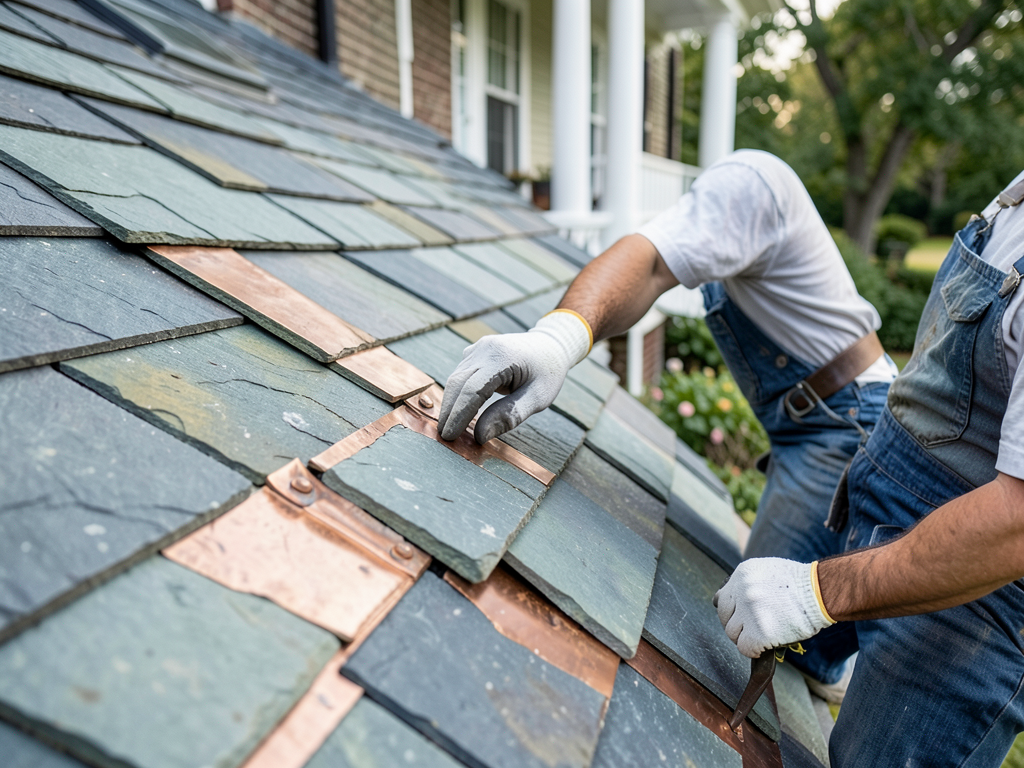
The Garden District’s 19th-century mansions demand more than standard roofing skills. These historic homes with their intricate slate patterns, copper flashing, and delicate terracotta tiles require specialized knowledge of both preservation techniques and local regulations. When water seeps through century-old materials or storm damage threatens irreplaceable architectural details, you need a contractor who understands the unique challenges of maintaining New Orleans’ most treasured neighborhood.. Read more about Specialized Roofing Solutions for Properties in the French Quarter.
Historic preservation in the Garden District means navigating the Historic District Landmarks Commission (HDLC) guidelines while protecting structures that have weathered over a century of Gulf Coast storms. The narrow streets lined with live oaks, the proximity to St. Charles Avenue’s streetcar line, and the architectural significance of each property create a complex environment where experience matters more than price.
Understanding HDLC Requirements for Garden District Roofing
The HDLC enforces strict guidelines for any exterior modifications in the Garden District. Before touching a single shingle on a property between First Street and Louisiana Avenue, contractors must submit detailed plans showing material specifications, color matching, and installation methods. The commission reviews proposals to ensure repairs maintain the historic character while meeting modern building code requirements.
Common HDLC requirements include using period-appropriate materials like natural slate from Vermont quarries, clay tiles matching 19th-century manufacturing techniques, and copper flashing that develops the characteristic green patina over time. The commission also mandates specific installation patterns that replicate original construction methods, preventing the use of modern shortcuts that could compromise historic integrity.
Working within these constraints requires relationships with suppliers who stock authentic materials and crews trained in traditional installation techniques. Many Garden District homes feature complex roof geometries with multiple dormers, turrets, and decorative elements that demand precision craftsmanship beyond what standard roofing companies provide.. Read more about Hurricane Proof Roofing Options That New Orleans Homeowners Swear By.
Specialized Materials for Historic Garden District Homes
Natural slate represents the gold standard for Garden District roofing, offering durability that can exceed 100 years when properly installed. Vermont Buckingham slate, commonly found on St. Charles Avenue mansions, features distinctive color variations and a texture that develops character over decades. Unlike synthetic alternatives, genuine slate requires specific underlayment systems and nailing patterns that experienced contractors understand instinctively.
Terracotta and Spanish tiles present unique challenges in the humid New Orleans climate. These materials expand and contract with temperature changes, requiring precise installation techniques that account for the region’s 90% humidity levels. The weight of clay tiles also demands structural assessment of historic roof decks, many of which were built to different engineering standards than modern construction.
Copper components play a crucial role in historic roof systems. Valley flashing, chimney caps, and decorative elements develop a protective patina that prevents corrosion while maintaining aesthetic appeal. The thermal properties of copper help manage water flow during heavy tropical downpours, a critical feature when Lafayette Cemetery No. 1’s massive oak trees drop debris onto roof surfaces.
Storm Damage Assessment for Historic Properties
Louisiana’s hurricane season creates unique challenges for Garden District homeowners. The combination of high winds, driving rain, and falling debris can damage historic roofing materials in ways that aren’t immediately visible. A missing slate tile might seem minor, but it can allow water infiltration that damages the original wood decking beneath, leading to costly repairs that extend far beyond the roof surface.
Professional assessment requires understanding how historic materials behave under stress. Natural slate can crack along cleavage planes without visible external damage, while terracotta tiles might develop hairline fractures that allow water penetration during subsequent storms. Experienced contractors use moisture meters and thermal imaging to detect these hidden issues before they escalate into major problems.
The narrow streets of the Garden District complicate emergency repairs. Equipment must be maneuvered carefully to avoid damaging mature oak canopies, and material staging requires coordination with neighbors and local authorities. Quick response times matter, but not at the expense of proper assessment and planning that protects both the property and its historic character.
Navigating Garden District Logistics and Access
The Garden District’s layout creates logistical challenges that affect every roofing project. St. Charles Avenue’s streetcar line limits delivery windows and equipment access, while the neighborhood’s popularity with tourists means work must be scheduled around peak visiting hours. Prytania Street’s one-way sections and Coliseum Square’s limited parking require careful planning for material deliveries and crew parking.
Many Garden District homes feature rear access through alleys barely wide enough for modern vehicles. This constraint affects everything from dumpster placement to the size of equipment that can be used on site. Contractors must develop creative solutions for material handling that protect both the property and the surrounding historic district.
Local noise ordinances and historic preservation guidelines often limit work hours, extending project timelines compared to suburban installations. The presence of mature trees throughout the district also requires specialized equipment for safe debris removal and protection of landscaping that has been cultivated for generations.
Maintenance Strategies for Historic Roofing Systems
Preventive maintenance proves more cost-effective than emergency repairs for Garden District properties. Annual inspections should focus on identifying loose or damaged slate, checking copper flashing for signs of deterioration, and ensuring box gutters remain clear of debris from the neighborhood’s abundant tree canopy. The high humidity levels in New Orleans accelerate organic growth on roof surfaces, requiring specialized cleaning methods that won’t damage historic materials.
Termite activity poses a particular threat to historic roof structures. The combination of Louisiana’s climate and the age of many Garden District homes creates conditions where wood rot and insect damage can compromise structural integrity before visible signs appear. Regular attic inspections and moisture monitoring help detect these issues early.
Ventilation systems in historic homes often require upgrades to meet modern energy efficiency standards while preserving architectural integrity. The challenge lies in improving airflow without installing visible vents that would detract from historic character. Creative solutions might include integrating ventilation into existing decorative elements or using materials that weather to match surrounding surfaces.
Comparing Modern FORTIFIED Standards with Historic Preservation
The Insurance Institute for Business & Home Safety’s FORTIFIED Roof™ standards offer enhanced protection against hurricane damage, but implementing these standards in historic districts requires careful balancing of modern requirements with preservation guidelines. While FORTIFIED Gold certification demands specific wind mitigation features, the HDLC may restrict visible modifications that would compromise historic character. FORTIFIED Roof standards.
Successful projects often achieve a middle ground by incorporating FORTIFIED principles into hidden elements while maintaining visible historic features. This might include upgrading underlayment systems, improving fastener patterns within historic material constraints, or adding secondary water barriers that don’t alter the roof’s appearance from street level.
The cost differential between standard roofing and historic preservation work reflects the specialized knowledge, materials, and labor required. While initial investment may be higher, the longevity of properly restored historic roofing often proves more economical over decades compared to repeated replacements of lower-quality materials.
Customer Reviews from Garden District Neighbors
Homeowners throughout the Garden District consistently praise contractors who demonstrate both technical expertise and respect for historic properties. Reviews frequently mention the importance of clear communication about HDLC requirements, the quality of craftsmanship visible in intricate slate patterns, and the professionalism shown in protecting mature landscaping during installation.
Many reviews highlight the value of contractors who provide detailed documentation of work performed, including photographs of historic features before and after restoration. This documentation proves valuable for insurance purposes and helps maintain accurate records of a property’s maintenance history for future owners.
The most satisfied customers often mention contractors who go beyond basic roofing to address related issues like gutter restoration, fascia repair, and ventilation improvements. This comprehensive approach recognizes that historic roof systems function as integrated components rather than isolated elements.
Frequently Asked Questions
Do I need HDLC approval for roof repairs in the Garden District?
Yes, most exterior modifications including roof repairs require HDLC approval to ensure work maintains historic character. Minor repairs might qualify for expedited review, but major replacements or material changes need full commission approval before work begins.
How long does a typical Garden District roof restoration take?
Historic roof restoration typically requires 2-4 weeks depending on project complexity, weather conditions, and HDLC approval timelines. The process includes detailed assessment, material sourcing, permit acquisition, and careful installation that protects surrounding property and landscaping.
What makes Garden District roofing more expensive than standard installations?
Historic roofing costs more due to specialized materials, HDLC compliance requirements, skilled craftsmanship needed for intricate patterns, and logistical challenges of working in a dense urban historic district. The investment protects irreplaceable architectural features and often exceeds the lifespan of standard roofing by decades.
Can modern roofing materials be used on historic homes?
While some modern materials can be incorporated, most HDLC guidelines require period-appropriate materials to maintain historic character. Modern underlayment systems and fasteners can be used beneath visible historic materials, providing enhanced protection while preserving the home’s architectural integrity.
How do I know if my Garden District home needs roof restoration?
Signs include missing or damaged slate tiles, visible water stains on interior ceilings, deteriorating copper flashing, or attic moisture problems. Professional assessment using moisture meters and thermal imaging can detect hidden issues before they cause extensive damage to historic structures.
Call (504) 355-3444 for Expert Garden District Roofing Assessment
Historic homes deserve specialized care that balances modern performance requirements with preservation of irreplaceable architectural features. The Garden District’s unique combination of historic significance, regulatory requirements, and environmental challenges demands contractors with proven experience in both HDLC compliance and traditional roofing techniques.
Don’t wait for the next storm to reveal vulnerabilities in your historic roof system. Professional assessment can identify potential issues before they escalate into costly emergency repairs that might compromise your home’s historic character. Our team understands the delicate balance between protection and preservation that Garden District homeowners require.
Call (504) 355-3444 today to schedule your comprehensive roof inspection. We’ll evaluate your historic roofing system, explain HDLC requirements specific to your property, and provide transparent recommendations that protect your investment while maintaining the architectural integrity that makes the Garden District so special.
Protecting New Orleans’ Architectural Heritage One Roof at a Time
The Garden District represents more than just a neighborhood—it’s a living museum of 19th-century American architecture that continues to inspire residents and visitors alike. Each restored roof contributes to preserving this irreplaceable heritage for future generations while providing modern protection against Louisiana’s challenging climate.
Whether you’re dealing with storm damage, planning a restoration project, or seeking preventive maintenance for your historic home, choosing the right contractor makes all the difference. Experience with HDLC requirements, knowledge of historic materials, and understanding of Garden District logistics separate true preservation specialists from standard roofing companies.
Your Garden District home deserves nothing less than expert care that respects its history while preparing it for the future. Call (504) 355-3444 now to connect with specialists who understand what makes historic roofing in New Orleans unique. For more information, visit National Park Service preservation guidelines.
{
“@context”: “https://schema.org”,
“@type”: “BlogPosting”,
“headline”: “Finding a Reliable Roofer in the Garden District Who Understands Historic Homes”,
“description”: “Discover expert Garden District roofing contractors who navigate HDLC compliance and restore historic slate, tile, and copper roofs. Call (504) 355-3444 for trusted preservation.”,
“wordCount”: 1818,
“datePublished”: “2026-02-14T09:56:00.000Z”,
“dateModified”: “2026-02-14T09:56:00.000Z”,
“inLanguage”: “en-US”,
“mainEntityOfPage”: {
“@type”: “WebPage”,
“@id”: “https://heritageroofingneworleans.com”
},
“publisher”: {
“@type”: “LocalBusiness”,
“name”: “Heritage Roofing New Orleans”,
“url”: “https://heritageroofingneworleans.com”
},
“author”: {
“@type”: “Organization”,
“name”: “Heritage Roofing New Orleans”,
“url”: “https://heritageroofingneworleans.com”
},
“image”: {
“@type”: “ImageObject”,
“url”: “https://heritageroofingneworleans.com/wp-content/uploads/2026/03/finding-a-reliable-roofer-in-the-garden-district-w-1.png”
}
}
{
“@context”: “https://schema.org”,
“@type”: “RoofingContractor”,
“name”: “Heritage Roofing New Orleans”,
“url”: “https://heritageroofingneworleans.com”,
“address”: {
“@type”: “PostalAddress”,
“addressLocality”: “New Orleans”
},
“areaServed”: {
“@type”: “City”,
“name”: “New Orleans”
}
}
{
“@context”: “https://schema.org”,
“@type”: “FAQPage”,
“mainEntity”: [
{
“@type”: “Question”,
“name”: “Do I need HDLC approval for roof repairs in the Garden District?”,
“acceptedAnswer”: {
“@type”: “Answer”,
“text”: “Yes, most exterior modifications including roof repairs require HDLC approval to ensure work maintains historic character. Minor repairs might qualify for expedited review, but major replacements or material changes need full commission approval before work begins.”
}
},
{
“@type”: “Question”,
“name”: “How long does a typical Garden District roof restoration take?”,
“acceptedAnswer”: {
“@type”: “Answer”,
“text”: “Historic roof restoration typically requires 2-4 weeks depending on project complexity, weather conditions, and HDLC approval timelines. The process includes detailed assessment, material sourcing, permit acquisition, and careful installation that protects surrounding property and landscaping.”
}
},
{
“@type”: “Question”,
“name”: “What makes Garden District roofing more expensive than standard installations?”,
“acceptedAnswer”: {
“@type”: “Answer”,
“text”: “Historic roofing costs more due to specialized materials, HDLC compliance requirements, skilled craftsmanship needed for intricate patterns, and logistical challenges of working in a dense urban historic district. The investment protects irreplaceable architectural features and often exceeds the lifespan of standard roofing by decades.”
}
},
{
“@type”: “Question”,
“name”: “Can modern roofing materials be used on historic homes?”,
“acceptedAnswer”: {
“@type”: “Answer”,
“text”: “While some modern materials can be incorporated, most HDLC guidelines require period-appropriate materials to maintain historic character. Modern underlayment systems and fasteners can be used beneath visible historic materials, providing enhanced protection while preserving the home’s architectural integrity.”
}
},
{
“@type”: “Question”,
“name”: “How do I know if my Garden District home needs roof restoration?”,
“acceptedAnswer”: {
“@type”: “Answer”,
“text”: “Signs include missing or damaged slate tiles, visible water stains on interior ceilings, deteriorating copper flashing, or attic moisture problems. Professional assessment using moisture meters and thermal imaging can detect hidden issues before they cause extensive damage to historic structures.”
}
}
]
}
{
“@context”: “https://schema.org”,
“@type”: “BreadcrumbList”,
“itemListElement”: [
{
“@type”: “ListItem”,
“position”: 1,
“name”: “Home”,
“item”: “https://heritageroofingneworleans.com”
},
{
“@type”: “ListItem”,
“position”: 2,
“name”: “Blog”,
“item”: “https://heritageroofingneworleans.com/blog”
},
{
“@type”: “ListItem”,
“position”: 3,
“name”: “Finding a Reliable Roofer in the Garden District Who Understands Historic Homes”
}
]
}
{
“@context”: “https://schema.org”,
“@type”: “Service”,
“serviceType”: “Roofing”,
“provider”: {
“@type”: “LocalBusiness”,
“name”: “Heritage Roofing New Orleans”,
“url”: “https://heritageroofingneworleans.com”
},
“areaServed”: {
“@type”: “City”,
“name”: “New Orleans”
},
“description”: “Discover expert Garden District roofing contractors who navigate HDLC compliance and restore historic slate, tile, and copper roofs. Call (504) 355-3444 for trusted preservation.”
}