How Dense Tree Canopy in Folsom Leads to Accelerated Roof Decay
Living in Folsom means enjoying lush pine and oak forests that create a peaceful, shaded environment. But those same trees that provide beauty and privacy can quietly destroy your roof. The combination of dense canopy, constant leaf litter, and Folsom’s high humidity creates perfect conditions for accelerated roof decay that many homeowners don’t notice until it’s too late. What Metairie Homeowners Need to Do for Emergency Storm Damage and Tarping.
Heritage Roofing has worked extensively in Folsom and surrounding Northshore communities, where we’ve seen firsthand how tree canopy affects roof longevity. The constant shade prevents proper drying, while falling debris traps moisture against shingles. This leads to premature rot, algae growth, and structural damage that can cut your roof’s lifespan in half. The Best Shingles to Withstand New Orleans Heat and Humidity.
Why Folsom’s Tree Canopy Creates Unique Roofing Challenges
The Northshore’s pine and oak forests create a microclimate that differs significantly from other parts of New Orleans. Folsom homes sit in USDA Plant Hardiness Zone 8b, where annual rainfall averages 65 inches and humidity rarely drops below 70%. These conditions, combined with dense tree coverage, create specific problems that require targeted solutions. What to Do When Your New Orleans Roof Starts Leaking During a Downpour.
Live oaks in Folsom drop massive amounts of leaves and acorns throughout the year. Unlike deciduous trees that shed all at once, these oaks create a constant debris stream. Pine needles from the abundant Loblolly pines add another layer of organic material that decomposes slowly, creating acidic pockets that eat away at roofing materials. Specialized Roofing Solutions for Properties in the French Quarter.
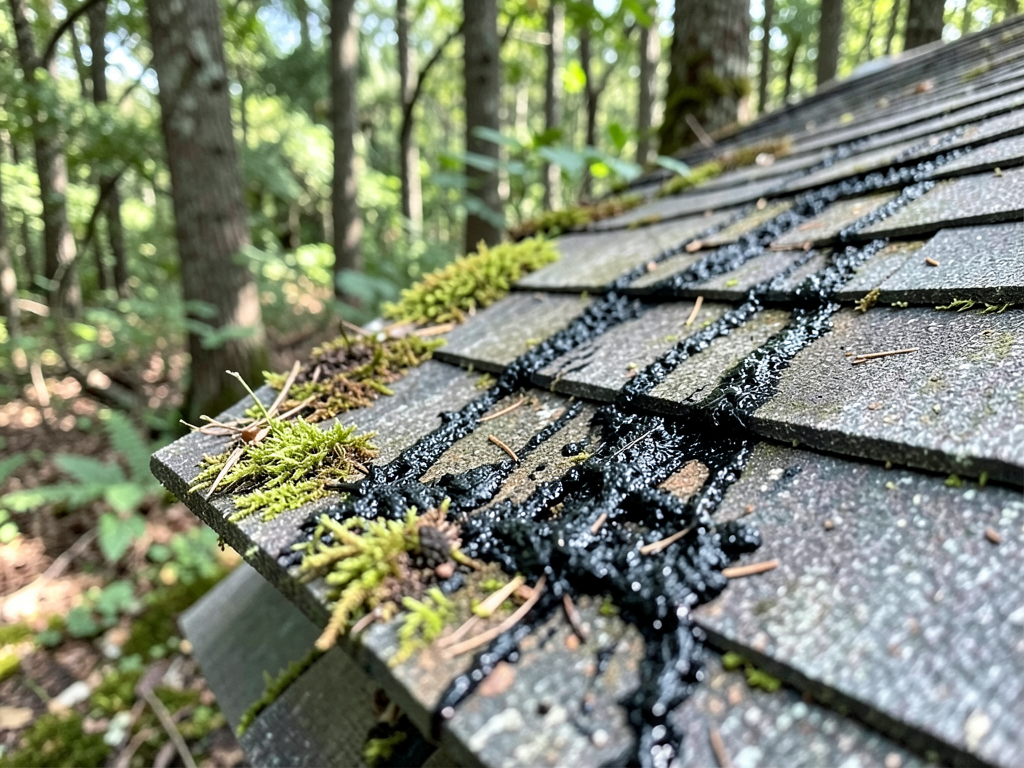
The canopy also blocks UV radiation that naturally helps kill mold and algae. Without sunlight exposure, moisture lingers on roof surfaces for days instead of hours. This creates ideal conditions for Gloeocapsa magma, the black algae that causes those dark streaks on shingles. Once established, this algae holds even more moisture against the roof surface.
Understanding the Biological Attack on Your Roof
Roof decay in Folsom isn’t just about water damage. It’s a biological process where living organisms break down roofing materials. The constant supply of organic debris feeds moss, lichen, and fungi that literally eat away at your shingles from the surface inward. Roofing Kenner.
Spanish moss, common in Folsom’s oak trees, is particularly problematic. While beautiful, it traps massive amounts of water during rainstorms. When it falls onto roofs, it creates wet spots that don’t dry for days. The moss also carries spores from tree to roof, introducing new species of decay-causing organisms.. Read more about Using Zinc and Copper Strips to Naturally Kill Algae on Shaded Covington Roofs.
Termites and carpenter ants use tree branches that overhang roofs as highways to your home. These pests don’t just damage wood structures; they create entry points for water. A single branch touching your roof can provide access for thousands of insects over a single season.
Diagnostic Signs of Tree-Related Roof Damage
Knowing what to look for can save you thousands in premature replacement costs. Here are the diagnostic signs Heritage Roofing technicians check during Folsom area inspections:
- Moisture Meter Readings
Using a moisture meter at multiple depths shows hidden water pockets under shingles. Readings above 15% indicate active decay.
- Visual Algae Patterns
Black streaks running parallel to roof ridges indicate Gloeocapsa magma growth. These patterns worsen under dense canopy.
- Shingle Granule Loss
Check gutters for excessive granules. Tree debris accelerates granule loss by creating abrasive surfaces.. Read more about Dealing With Sticky Pine Sap and Oak Debris on Your Mandeville Roof.
- Soft Spots Detection
Walking the roof reveals soft areas where moisture has compromised the decking. These feel noticeably different underfoot.
The screwdriver test is particularly revealing in Folsom. When you press a screwdriver into suspect areas, healthy wood resists firmly. Decayed wood allows the screwdriver to sink in with minimal pressure. This simple test often reveals damage hidden beneath intact-looking shingles.. Read more about The Dangers of Pressure Washing Your Roof in Mandeville (And Why Soft Washing Is Better).
Local Building Codes and Insurance Requirements
Jefferson Parish and St. Tammany Parish have specific requirements for homes in wooded areas. The Louisiana State Uniform Construction Code mandates Class A fire-rated shingles for homes within 30 feet of heavy tree coverage. This requirement protects against fire spread during drought conditions.
Insurance companies have taken notice of the increased claims from Folsom and similar communities. Many now require documentation of tree maintenance and roof inspections every two years for coverage renewal. Some insurers offer premium discounts for homes that maintain specific clearances between trees and roof surfaces.
The Fortified Roof standard, promoted by the Insurance Institute for Business & Home Safety, includes specific provisions for homes in wooded areas. These include enhanced underlayment in valleys where debris collects and sealed roof deck requirements to prevent water intrusion from minor damage.
Prevention Strategies That Actually Work
Effective tree management requires more than occasional trimming. Heritage Roofing recommends a comprehensive approach that addresses the unique challenges of Folsom’s environment. Here’s what actually works:
- Maintain a 10-foot clearance between tree branches and roof surfaces
- Install zinc or copper strips near roof peaks to inhibit algae growth
- Use professional soft washing rather than pressure washing to clean roofs
- Install gutter guards designed for heavy debris loads
- Schedule quarterly debris removal during peak leaf seasons
Soft washing uses biodegradable chemicals that kill algae, moss, and lichen without damaging shingles. This process is particularly important in Folsom where high-pressure washing can strip protective granules and create new entry points for water.
Gutter guards need special consideration in wooded areas. Standard guards clog quickly with pine needles and oak tassels. Micro-mesh guards with openings smaller than 50 microns prevent even the smallest debris from entering while allowing water to flow freely.
Seasonal Maintenance Calendar for Folsom Homes
Timing is everything when maintaining a roof in a wooded area. Here’s the maintenance schedule that Heritage Roofing recommends for Folsom homeowners:
| Season | Key Tasks | Why It Matters |
|---|---|---|
| Early Spring | Remove winter debris, inspect for ice damage | Clears path for spring rains, identifies winter damage |
| Late Spring | Apply algae treatment, check ventilation | Prevents algae bloom during humid months |
| Early Summer | Trim overhanging branches, clean gutters | Reduces debris load during hurricane season |
| Fall | Remove leaf litter, inspect flashing | Prepares for winter moisture, checks seals |
The hurricane season preparation in Folsom requires special attention. With trees surrounding most properties, the risk of branch impact is higher than in more open areas. Professional trimming should focus on creating safe distances while maintaining the aesthetic appeal of wooded properties. EPA.
Material Selection for Wooded Properties
Not all roofing materials perform equally well under constant tree coverage. Heritage Roofing recommends specific products based on Folsom’s unique conditions:
| Material | Lifespan in Shade | Algae Resistance | Best Use Case |
|---|---|---|---|
| Architectural Shingles | 15-20 years | Moderate | Most homes, cost-effective |
| Impact-Resistant Shingles | 18-22 years | High | Homes near large trees |
| Metal Roofing | 40+ years | Excellent | Premium homes, long-term value |
| Tile Roofing | 30-50 years | Excellent | Hispanic-style homes |
Impact-resistant shingles carry a Class 4 rating, the highest available for impact resistance. These shingles use polymer-modified asphalt that flexes rather than cracks when struck by falling branches. The added cost typically pays for itself through extended lifespan and insurance discounts.
Metal roofing offers superior performance in wooded areas but requires professional installation to prevent noise issues during rainstorms. Modern metal roofs include sound-deadening underlayment that reduces rain noise by up to 70% compared to older installations.
When to Call a Professional
DIY roof maintenance carries significant risks, especially in wooded areas. The combination of heights, moisture, and biological growth creates hazardous conditions that require professional equipment and expertise.
Call Heritage Roofing immediately if you notice:
- Water stains on interior ceilings or walls
- Curling or buckling shingles
- Excessive granule loss in gutters
- Visible moss or lichen growth
- Soft spots when walking on the roof
Professional inspections use thermal imaging to detect moisture that isn’t visible to the naked eye. This technology identifies problem areas before they cause structural damage, potentially saving thousands in repair costs.
The Cost of Inaction
Ignoring tree-related roof damage follows a predictable and expensive pattern. Small issues that cost a few hundred dollars to address can escalate into major problems requiring complete roof replacement.
Stage one involves algae and moss growth that reduces shingle effectiveness by 15-20%. Stage two sees moisture penetrate underlayment, causing decking rot that affects 10-15% of the roof surface. Stage three involves structural damage requiring partial replacement of decking and supporting structures.
The average Folsom homeowner spends $8,000-$12,000 on premature roof replacement due to tree-related damage that could have been prevented with proper maintenance. Regular professional inspections and maintenance typically cost $300-$500 annually, representing significant savings over replacement costs.
Environmental Considerations
Managing tree canopy for roof protection doesn’t mean destroying the natural beauty that makes Folsom special. Heritage Roofing works with certified arborists to develop tree management plans that protect both your home and the environment.
Selective pruning maintains tree health while reducing roof impact. This approach removes problematic branches while preserving the tree’s natural shape and ecological benefits. Healthy trees provide better wind resistance during storms and continue supporting local wildlife.
Native tree species like Live Oak and Loblolly Pine have evolved to withstand Louisiana’s climate. Working with these species rather than removing them entirely maintains property values and environmental benefits while addressing roofing concerns.
Frequently Asked Questions
How often should I have my roof inspected in Folsom?
Heritage Roofing recommends professional inspections twice yearly for homes in wooded areas. Spring inspections identify winter damage, while fall inspections prepare for the rainy season and hurricane threats.
Can I pressure wash my roof to remove algae?
Pressure washing damages shingles and voids most manufacturer warranties. Soft washing with appropriate chemicals is the only recommended method for algae removal in Folsom’s humid climate.
Will trimming trees solve all my roof problems?
Trimming helps significantly but isn’t a complete solution. Even with proper clearance, humidity and organic debris will continue to affect your roof. A comprehensive maintenance plan is essential.
How much does professional roof cleaning cost in Folsom?
Professional soft washing for an average Folsom home costs $400-$600. This includes algae treatment, debris removal, and inspection of potential problem areas.
Should I install gutter guards if I have lots of trees?
Yes, but choose guards designed for heavy debris loads. Standard guards clog quickly with pine needles and oak tassels. Micro-mesh guards with openings under 50 microns provide the best performance.
Take Action Before It’s Too Late
Your roof protects everything you value, but it can’t protect itself from Folsom’s dense tree canopy. The humid Louisiana climate accelerates damage that might take decades in drier regions, turning small problems into expensive emergencies.
Heritage Roofing understands the unique challenges Folsom homeowners face. Our technicians know exactly what to look for and how to address problems before they require costly replacement. We’ve saved countless homeowners thousands by catching issues early and providing targeted solutions.
Don’t wait until water stains appear on your ceiling or shingles start falling off. The cost of prevention is always less than the cost of repair. Call (504) 355-3444 today to schedule your comprehensive roof inspection. Our team will evaluate your specific situation and provide a clear plan to protect your investment.
Pick up the phone and call (504) 355-3444 before the next storm hits. Your roof can’t wait, and neither should you. Heritage Roofing is ready to help Folsom homeowners protect their homes from the very trees that make this area so beautiful.
Heritage Roofing serves Folsom and all Northshore communities with expert roofing solutions tailored to our unique Louisiana environment. Trust local experience to protect your most valuable asset. For more information, visit FEMA.
{
“@context”: “https://schema.org”,
“@type”: “BlogPosting”,
“headline”: “How Dense Tree Canopy in Folsom Leads to Accelerated Roof Decay”,
“description”: “Discover why Folsom’s thick tree canopy causes faster roof damage in New Orleans’ humid climate. Learn prevention, maintenance, and when to call Heritage Roofing.”,
“wordCount”: 1916,
“datePublished”: “2026-05-28T15:36:00.000Z”,
“dateModified”: “2026-05-28T15:36:00.000Z”,
“inLanguage”: “en-US”,
“mainEntityOfPage”: {
“@type”: “WebPage”,
“@id”: “https://heritageroofingneworleans.com”
},
“publisher”: {
“@type”: “LocalBusiness”,
“name”: “Heritage Roofing New Orleans”,
“url”: “https://heritageroofingneworleans.com”
},
“author”: {
“@type”: “Organization”,
“name”: “Heritage Roofing New Orleans”,
“url”: “https://heritageroofingneworleans.com”
}
}
{
“@context”: “https://schema.org”,
“@type”: “RoofingContractor”,
“name”: “Heritage Roofing New Orleans”,
“url”: “https://heritageroofingneworleans.com”,
“address”: {
“@type”: “PostalAddress”,
“addressLocality”: “New Orleans”
},
“areaServed”: {
“@type”: “City”,
“name”: “New Orleans”
}
}
{
“@context”: “https://schema.org”,
“@type”: “FAQPage”,
“mainEntity”: [
{
“@type”: “Question”,
“name”: “How often should I have my roof inspected in Folsom?”,
“acceptedAnswer”: {
“@type”: “Answer”,
“text”: “Heritage Roofing recommends professional inspections twice yearly for homes in wooded areas. Spring inspections identify winter damage, while fall inspections prepare for the rainy season and hurricane threats.”
}
},
{
“@type”: “Question”,
“name”: “Can I pressure wash my roof to remove algae?”,
“acceptedAnswer”: {
“@type”: “Answer”,
“text”: “Pressure washing damages shingles and voids most manufacturer warranties. Soft washing with appropriate chemicals is the only recommended method for algae removal in Folsom’s humid climate.”
}
},
{
“@type”: “Question”,
“name”: “Will trimming trees solve all my roof problems?”,
“acceptedAnswer”: {
“@type”: “Answer”,
“text”: “Trimming helps significantly but isn’t a complete solution. Even with proper clearance, humidity and organic debris will continue to affect your roof. A comprehensive maintenance plan is essential.”
}
},
{
“@type”: “Question”,
“name”: “How much does professional roof cleaning cost in Folsom?”,
“acceptedAnswer”: {
“@type”: “Answer”,
“text”: “Professional soft washing for an average Folsom home costs $400-$600. This includes algae treatment, debris removal, and inspection of potential problem areas.”
}
},
{
“@type”: “Question”,
“name”: “Should I install gutter guards if I have lots of trees?”,
“acceptedAnswer”: {
“@type”: “Answer”,
“text”: “Yes, but choose guards designed for heavy debris loads. Standard guards clog quickly with pine needles and oak tassels. Micro-mesh guards with openings under 50 microns provide the best performance.”
}
}
]
}
{
“@context”: “https://schema.org”,
“@type”: “HowTo”,
“name”: “Diagnosing Tree Canopy Roof Damage”,
“step”: [
{
“@type”: “HowToStep”,
“position”: 1,
“name”: “Moisture Meter Readings”,
“text”: “Using a moisture meter at multiple depths shows hidden water pockets under shingles. Readings above 15% indicate active decay.”
},
{
“@type”: “HowToStep”,
“position”: 2,
“name”: “Visual Algae Patterns”,
“text”: “Black streaks running parallel to roof ridges indicate Gloeocapsa magma growth. These patterns worsen under dense canopy.”
},
{
“@type”: “HowToStep”,
“position”: 3,
“name”: “Shingle Granule Loss”,
“text”: “Check gutters for excessive granules. Tree debris accelerates granule loss by creating abrasive surfaces.”
},
{
“@type”: “HowToStep”,
“position”: 4,
“name”: “Soft Spots Detection”,
“text”: “Walking the roof reveals soft areas where moisture has compromised the decking. These feel noticeably different underfoot.”
}
]
}
{
“@context”: “https://schema.org”,
“@type”: “BreadcrumbList”,
“itemListElement”: [
{
“@type”: “ListItem”,
“position”: 1,
“name”: “Home”,
“item”: “https://heritageroofingneworleans.com”
},
{
“@type”: “ListItem”,
“position”: 2,
“name”: “Blog”,
“item”: “https://heritageroofingneworleans.com/blog”
},
{
“@type”: “ListItem”,
“position”: 3,
“name”: “How Dense Tree Canopy in Folsom Leads to Accelerated Roof Decay”
}
]
}
{
“@context”: “https://schema.org”,
“@type”: “Service”,
“serviceType”: “Roofing”,
“provider”: {
“@type”: “LocalBusiness”,
“name”: “Heritage Roofing New Orleans”,
“url”: “https://heritageroofingneworleans.com”
},
“areaServed”: {
“@type”: “City”,
“name”: “New Orleans”
},
“description”: “Discover why Folsom’s thick tree canopy causes faster roof damage in New Orleans’ humid climate. Learn prevention, maintenance, and when to call Heritage Roofing.”
}