
How the Humble Drip Edge Keeps New Orleans Rain From Rotting Your Siding
Water running off your roof doesn’t just disappear. In New Orleans’ 90% humidity and frequent tropical downpours, that water seeks the path of least resistance—often behind your siding, into your fascia boards, and straight toward your attic. The drip edge is a simple L-shaped metal strip installed along your roof’s perimeter that channels water into gutters and away from your home’s most vulnerable areas. Without it, capillary action pulls water under shingles, humidity accelerates wood rot, and termites find their way inside. This small component prevents thousands in damage by managing the relentless Gulf Coast moisture that defines our climate. What to Do When Your New Orleans Roof Starts Leaking During a Downpour.
What Exactly Is a Roof Drip Edge and How Does It Function?
A drip edge is a corrosion-resistant metal flashing—typically aluminum, galvanized steel, or copper—bent into an L-shape with a flange that extends beyond your roof deck. It sits beneath the underlayment at the eaves and over the underlayment on rakes. The horizontal leg extends 1/4 to 3/8 inch past your fascia board, creating a controlled water path that prevents wind-driven rain from seeping behind your siding. This simple geometry interrupts water’s surface tension, breaking the molecular bond that would otherwise draw moisture back under your shingles and into your home’s wooden structure. The Best Shingles to Withstand New Orleans Heat and Humidity.
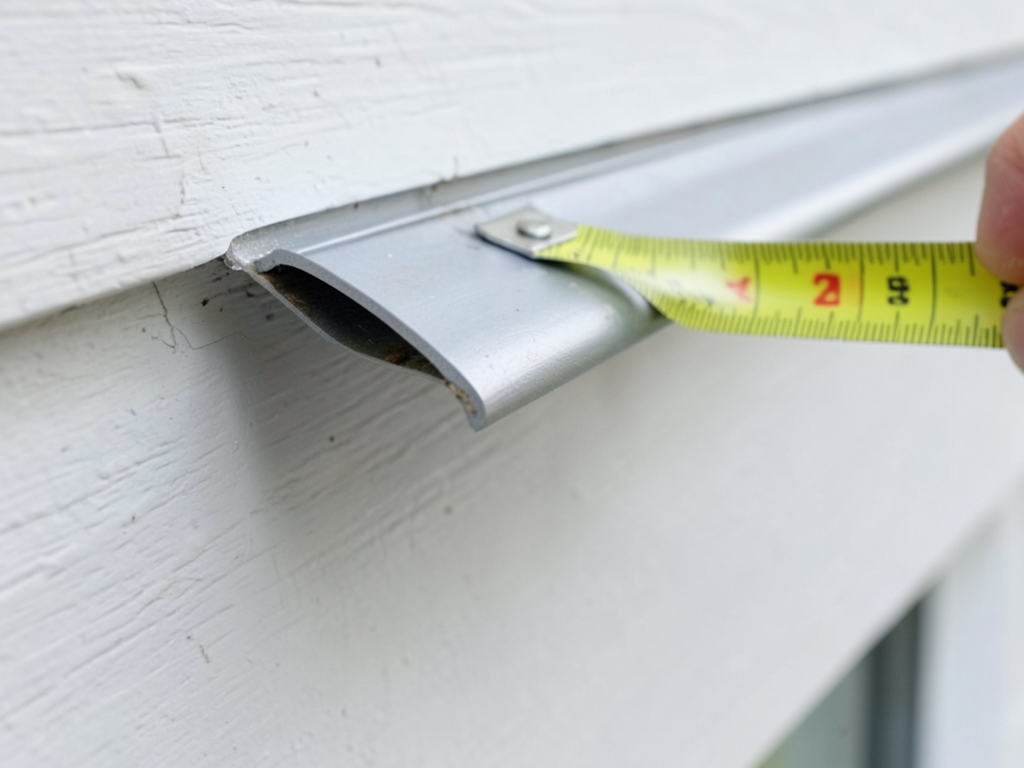
Visual: Close-up technical diagram showing drip edge installation with measurements: 2-inch overlap at seams, 1/4-inch overhang past fascia, proper nailing pattern every 12 inches.
Four Critical Reasons Drip Edges Are Non-Negotiable in New Orleans
1. Preventing Fascia Board Rot in Our High Humidity Climate
New Orleans averages 64 inches of rain annually with humidity levels consistently above 75%. When water constantly saturates your fascia boards, the moisture content creates perfect conditions for wood rot fungi. The drip edge’s extended flange creates an air gap that allows the fascia to dry between storms. Without this gap, trapped moisture causes the wood to swell, crack, and eventually disintegrate. During our humid summers, a missing drip edge can reduce fascia lifespan from 20+ years to less than 5 years.
2. Hurricane and Wind-Driven Rain Protection
When tropical storm winds exceed 70 mph, they create positive pressure under shingles and negative pressure above, essentially trying to lift your roof off. The drip edge secures the first course of shingles and prevents wind-driven rain from being forced up and under the roofing material. During Hurricane Ida in 2021, homes with properly installed drip edges experienced significantly less water intrusion than those without. The metal flange acts as a continuous barrier that shingles alone cannot provide. Specialized Roofing Solutions for Properties in the French Quarter.
3. Formosan Termite Deterrence
Subterranean termites thrive in New Orleans’ warm, moist soil and constantly search for wood-to-ground contact points. When water seeps behind your siding and keeps the fascia damp, it creates an ideal environment for these destructive pests. The drip edge eliminates this moisture source by directing water away from the structure. Formosan termites cause over $300 million in damage annually in Louisiana, and most infestations start where moisture accumulates against wood. A properly installed drip edge removes one of their primary attractants. Louisiana Formosan Termite Information.
4. Gutter System Protection and Foundation Preservation
Your gutters can only handle water they receive. Without a drip edge, water sheets off the roof edge, overshoots your gutters during heavy rain, and pounds directly against your foundation. This creates hydrostatic pressure that can crack your foundation walls and cause basement flooding. The drip edge ensures water flows predictably into your gutter system, protecting both your roof edge and your home’s structural base. It also prevents the “tiger striping” staining that occurs when dirty roof runoff flows directly down siding.. Read more about Why Standard Gutters Overflow During New Orleans Summer Squalls (And What Sizes Actually Work).
Louisiana Building Code Requirements for Drip Edges
The International Residential Code (IRC) Section R905.2.8.5 mandates drip edges for shingle roofs in all jurisdictions that have adopted the IRC, including Jefferson Parish and Orleans Parish. The code requires a minimum 36-gauge (0.0179-inch) corrosion-resistant edge strip along eaves and rakes. At eaves, the drip edge must extend at least 1/4 inch beyond the fascia and be installed under the underlayment. On rakes, it installs over the underlayment. Local amendments often require aluminum or galvanized steel due to our coastal salt air exposure. These requirements aren’t optional suggestions—they’re minimum safety standards designed specifically for climates like ours. International Residential Code Section R905.2.8.5.

Visual: Photo of a New Orleans shotgun house showing proper drip edge installation with clearly visible metal flashing along the roof edge directing water into gutters.
Comparing Drip Edge Materials and Profiles for New Orleans Homes
| Material/Profile | Corrosion Resistance | Wind Uplift Rating | Cost per Linear Foot | Best For | Aluminum F-Style | Excellent (powder-coated) | 90+ mph | $1.50-$2.00 | Most residential roofs |
|---|---|---|---|---|
| Galvanized Steel D-Style | Good (galvanized coating) | 110+ mph | $2.00-$2.50 | Hurricane zones |
| Copper C-Style | Excellent (develops patina) | 100+ mph | $4.00-$6.00 | Historic districts |
The “F-Style” profile (flat with a short vertical leg) works well for most New Orleans homes with standard roof pitches. The “D-Style” (taller with a hemmed edge) provides superior wind resistance for homes in flood zones or areas prone to tropical storms. The “C-Style” (with a curved edge) offers the best water deflection but costs significantly more. For our coastal environment, galvanized steel provides the best balance of durability and cost, while copper offers unmatched longevity for historic properties in the French Quarter or Garden District.
Professional Installation: The Difference Between Protection and Failure
Proper drip edge installation requires specific techniques that separate professional work from DIY failures. The horizontal flange must extend exactly 1/4 to 3/8 inch past the fascia—too short and water still reaches the wood, too long and it becomes a wind sail during storms. Seams between sections require 2-inch overlaps with the upper piece overlapping the lower to prevent water infiltration. Fasteners must penetrate both the drip edge and the roof deck every 12 inches, using corrosion-resistant nails or screws. The underlayment must be installed correctly—over the drip edge at rakes, under at eaves—to create the proper water-shedding hierarchy.
Visual: Photo sequence showing the diagnostic process: moisture meter readings on fascia boards showing elevated moisture content where drip edge is missing versus normal readings where properly installed.
The Cost of Neglect: Real Damage We See in New Orleans
We regularly inspect homes where missing drip edges have caused thousands in preventable damage. One Kenner home had fascia boards so rotted that squirrels had nested inside the roof structure. The repair cost exceeded $8,000—far more than the $500 drip edge installation would have cost. In Harvey, we found water damage extending from the roof edge down to the foundation, with mold growing in the wall cavities. The homeowner faced a $12,000 repair bill for what started as a $200 component failure. In our humid climate, water damage compounds rapidly—what begins as minor wood rot becomes structural failure within 2-3 rainy seasons. Roofing Kenner.
Frequently Asked Questions
Can I install a drip edge on my existing roof?
Retrofitting a drip edge on an existing roof requires removing the first row of shingles and potentially the fascia boards if they’re already damaged. While possible, it’s more expensive than installing during a roof replacement. If your fascia shows signs of rot or water damage, replacement becomes necessary anyway. Repair vs. Replace Analysis.
How long should a quality drip edge last in New Orleans?
Aluminum drip edges typically last 20-25 years in our climate, while galvanized steel can last 30-40 years with proper coating. Copper drip edges can last 50+ years and actually improve with age as they develop a protective patina. The limiting factor is usually the fasteners rather than the metal itself.
Will my shingle warranty require a drip edge?
Most major shingle manufacturers require drip edges for warranty validity. Without it, you risk voiding your warranty if water damage occurs along the roof edge. This requirement exists because manufacturers understand that proper water management at the roof perimeter is essential for system performance.
What’s the difference between a drip edge and gutter apron?
A drip edge is a complete roofing component that protects the roof edge and fascia. A gutter apron is a simpler flashing that only extends over the back of the gutter. While gutter aprons help with water flow into gutters, they don’t provide the same level of protection against wind-driven rain or prevent water from reaching the fascia boards.
Call (504) 355-3444 Before the Next Storm Hits
Water damage doesn’t wait for convenient timing. In New Orleans, the next heavy rain or tropical system is always approaching. A missing or damaged drip edge today means thousands in repairs tomorrow. Our team provides free roof inspections that include checking your drip edge condition, fascia board moisture levels, and overall water management system. We’ll show you exactly what we find with moisture readings and photos, then explain your options clearly with no high-pressure sales tactics. Most inspections take under an hour, but they can save you from emergency repairs during the next hurricane season. Pick up the phone and call (504) 355-3444 today to schedule your inspection. Your home’s first line of defense against our relentless Gulf Coast moisture deserves professional attention now, not after the damage is done.
Heritage Roofing has served New Orleans homeowners for over 15 years, specializing in the complex moisture management challenges unique to our climate. We’re not storm chasers—we’re your neighbors who understand that protecting your home from water damage requires expertise, honesty, and attention to the small details that make big differences.
You may also find this helpful. The One Critical Part Your Roofer Might Forget During Your Repair in Arabi.
You may also find this helpful. Stopping Leaks Where Your Porch Roof Meets Your Main House in Holy Cross.
{
“@context”: “https://schema.org”,
“@type”: “BlogPosting”,
“headline”: “How the Humble Drip Edge Keeps New Orleans Rain From Rotting Your Siding”,
“description”: “Discover how drip edges protect New Orleans homes from humidity rot, termites, and hurricane winds. Learn local code requirements and why this small detail matters.”,
“wordCount”: 1604,
“datePublished”: “2026-05-15T06:29:00.000Z”,
“dateModified”: “2026-05-15T06:29:00.000Z”,
“inLanguage”: “en-US”,
“mainEntityOfPage”: {
“@type”: “WebPage”,
“@id”: “https://heritageroofingneworleans.com”
},
“publisher”: {
“@type”: “LocalBusiness”,
“name”: “Heritage Roofing New Orleans”,
“url”: “https://heritageroofingneworleans.com”
},
“author”: {
“@type”: “Organization”,
“name”: “Heritage Roofing New Orleans”,
“url”: “https://heritageroofingneworleans.com”
},
“image”: {
“@type”: “ImageObject”,
“url”: “https://heritageroofingneworleans.com/wp-content/uploads/2026/03/how-the-humble-drip-edge-keeps-new-orleans-rain-fr-1.png”
}
}
{
“@context”: “https://schema.org”,
“@type”: “RoofingContractor”,
“name”: “Heritage Roofing New Orleans”,
“url”: “https://heritageroofingneworleans.com”,
“address”: {
“@type”: “PostalAddress”,
“addressLocality”: “New Orleans”
},
“areaServed”: {
“@type”: “City”,
“name”: “New Orleans”
}
}
{
“@context”: “https://schema.org”,
“@type”: “FAQPage”,
“mainEntity”: [
{
“@type”: “Question”,
“name”: “What Exactly Is a Roof Drip Edge and How Does It Function?”,
“acceptedAnswer”: {
“@type”: “Answer”,
“text”: “A drip edge is a corrosion-resistant metal flashing—typically aluminum, galvanized steel, or copper—bent into an L-shape with a flange that extends beyond your roof deck. It sits beneath the underlayment at the eaves and over the underlayment on rakes. The horizontal leg extends 1/4 to 3/8 inch past your fascia board, creating a controlled water path that prevents wind-driven rain from seeping behind your siding. This simple geometry interrupts water’s surface tension, breaking the molecular bond that would otherwise draw moisture back under your shingles and into your home’s wooden structure. The Best Shingles to Withstand New Orleans Heat and Humidity.”
}
},
{
“@type”: “Question”,
“name”: “Can I install a drip edge on my existing roof?”,
“acceptedAnswer”: {
“@type”: “Answer”,
“text”: “Retrofitting a drip edge on an existing roof requires removing the first row of shingles and potentially the fascia boards if they’re already damaged. While possible, it’s more expensive than installing during a roof replacement. If your fascia shows signs of rot or water damage, replacement becomes necessary anyway. Repair vs. Replace Analysis.”
}
},
{
“@type”: “Question”,
“name”: “How long should a quality drip edge last in New Orleans?”,
“acceptedAnswer”: {
“@type”: “Answer”,
“text”: “Aluminum drip edges typically last 20-25 years in our climate, while galvanized steel can last 30-40 years with proper coating. Copper drip edges can last 50+ years and actually improve with age as they develop a protective patina. The limiting factor is usually the fasteners rather than the metal itself.”
}
},
{
“@type”: “Question”,
“name”: “Will my shingle warranty require a drip edge?”,
“acceptedAnswer”: {
“@type”: “Answer”,
“text”: “Most major shingle manufacturers require drip edges for warranty validity. Without it, you risk voiding your warranty if water damage occurs along the roof edge. This requirement exists because manufacturers understand that proper water management at the roof perimeter is essential for system performance.”
}
},
{
“@type”: “Question”,
“name”: “What’s the difference between a drip edge and gutter apron?”,
“acceptedAnswer”: {
“@type”: “Answer”,
“text”: “A drip edge is a complete roofing component that protects the roof edge and fascia. A gutter apron is a simpler flashing that only extends over the back of the gutter. While gutter aprons help with water flow into gutters, they don’t provide the same level of protection against wind-driven rain or prevent water from reaching the fascia boards.”
}
}
]
}
{
“@context”: “https://schema.org”,
“@type”: “BreadcrumbList”,
“itemListElement”: [
{
“@type”: “ListItem”,
“position”: 1,
“name”: “Home”,
“item”: “https://heritageroofingneworleans.com”
},
{
“@type”: “ListItem”,
“position”: 2,
“name”: “Blog”,
“item”: “https://heritageroofingneworleans.com/blog”
},
{
“@type”: “ListItem”,
“position”: 3,
“name”: “How the Humble Drip Edge Keeps New Orleans Rain From Rotting Your Siding”
}
]
}
{
“@context”: “https://schema.org”,
“@type”: “Service”,
“serviceType”: “Roofing”,
“provider”: {
“@type”: “LocalBusiness”,
“name”: “Heritage Roofing New Orleans”,
“url”: “https://heritageroofingneworleans.com”
},
“areaServed”: {
“@type”: “City”,
“name”: “New Orleans”
},
“description”: “Discover how drip edges protect New Orleans homes from humidity rot, termites, and hurricane winds. Learn local code requirements and why this small detail matters.”
}