
Industrial Strength TPO Roofing for New Orleans Warehouses and Businesses
Commercial property owners in New Orleans face unique roofing challenges from extreme heat and humidity to hurricane-force winds. TPO (Thermoplastic Polyolefin) roofing delivers the industrial strength protection your warehouse or business needs while cutting energy costs through superior reflectivity. This single-ply membrane system withstands Louisiana’s punishing climate while meeting strict building code requirements for wind uplift and fire resistance. What to Do When Your New Orleans Roof Starts Leaking During a Downpour.
Why TPO is the Ideal Choice for New Orleans Commercial Properties
TPO roofing systems offer exceptional energy efficiency for New Orleans’ hot climate. The white reflective surface achieves Solar Reflectivity Index (SRI) values above 100 reducing heat absorption by up to 80% compared to traditional dark roofing materials. This translates to lower cooling costs during our long summer months when warehouse temperatures can soar. Cool Roof Rating Council.
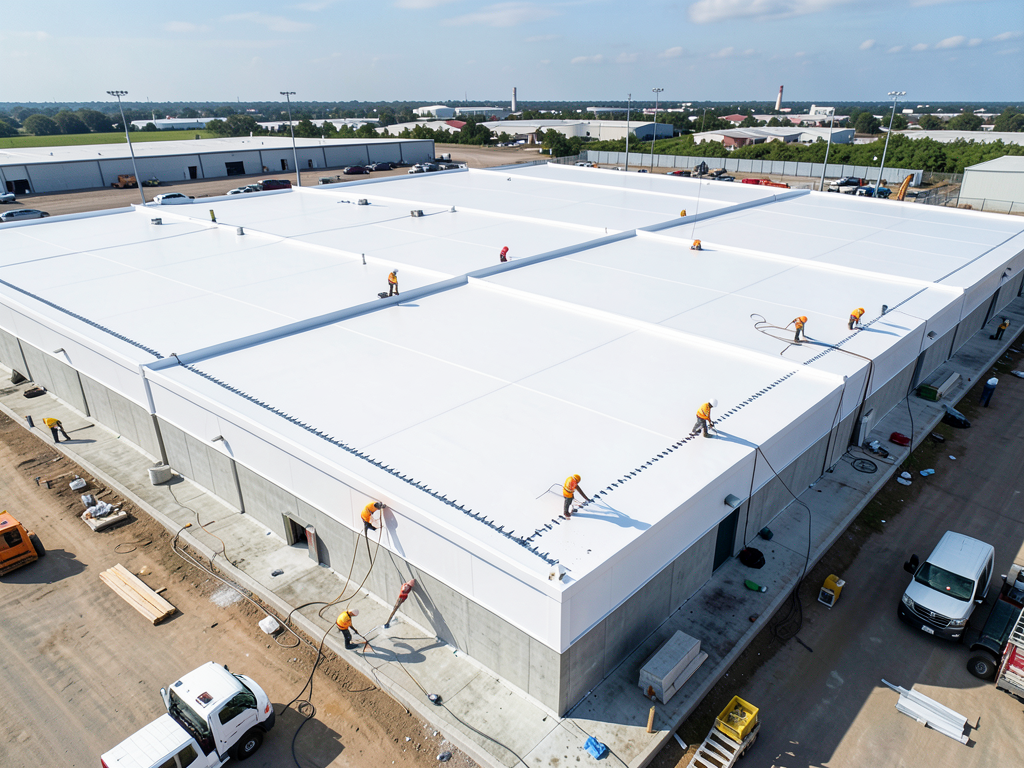
The membrane resists UV radiation algae growth and chemical exposure common in industrial settings. TPO’s heat-welded seams create a monolithic barrier that prevents water infiltration even during our frequent tropical downpours. The material expands and contracts with temperature changes without cracking making it perfect for Louisiana’s 40-degree seasonal swings.
Local warehouses benefit from TPO’s lightweight construction which reduces structural load on existing buildings. The system installs quickly over most flat roof substrates minimizing business interruption during replacement projects.
Hurricane Resistance and Wind Uplift Ratings
New Orleans building codes require commercial roofs to withstand sustained winds of 130+ mph. TPO systems meet or exceed these requirements when properly installed with enhanced perimeter fastening and full mechanical attachment. The thermoplastic seams remain flexible under stress preventing the seam separation common in older modified bitumen roofs. The Best Shingles to Withstand New Orleans Heat and Humidity.
Wind uplift testing shows TPO membranes maintain integrity at pressures exceeding 90 pounds per square foot. This performance exceeds the International Building Code’s Category D requirements for hurricane-prone regions. The membrane’s flexibility allows it to move with wind gusts without tearing.
Installation methods include mechanically fastened systems using #12 screws with 3-inch stress plates every 12 inches along the perimeter. Fully adhered systems use low-rise adhesives that create a strong bond without penetrating the roof deck. Both methods provide the redundancy needed for storm resistance.
Our TPO Installation and Repair Process
- Roof Assessment
Inspect existing roof deck for damage moisture and structural integrity. Test for proper slope and drainage using laser levels to ensure 1/4 inch per foot minimum pitch.
- Surface Preparation
Clean deck remove loose materials and repair damaged substrate. Install cover board if needed for added insulation and smooth surface.
- Insulation Installation
Install polyisocyanurate insulation boards achieving R-values of 20-30 for energy efficiency. Secure with fasteners or adhesives per manufacturer specifications.
- Membrane Layout
Roll out TPO sheets allowing for proper overlap at seams. Cut sheets to fit roof perimeter and penetrations.
- Heat Welding
Use automatic hot-air welders to create seams stronger than the membrane itself. Maintain 400-500°F temperature and 2-inch overlap width.
- Flashing Installation
Install TPO flashings around roof edges HVAC units and penetrations using preformed corners and boots.
- Final Inspection
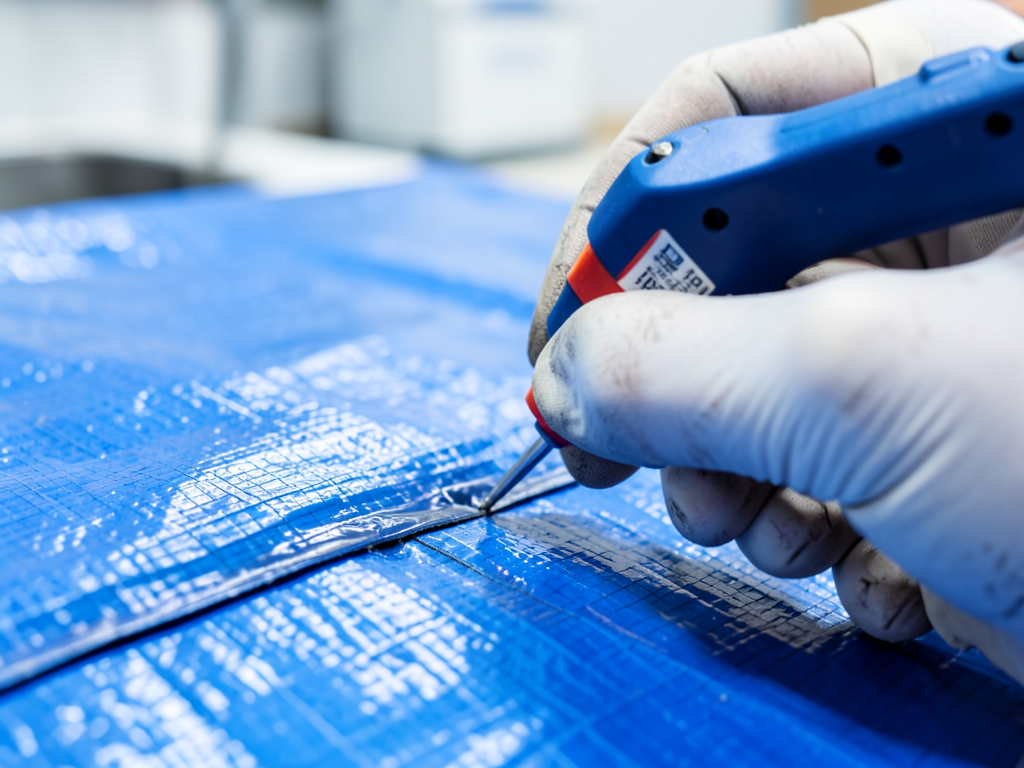
Test all seams with seam probe tool. Verify proper adhesion and check for any membrane damage.
Repair processes follow similar precision. Small punctures receive patch kits with matching membrane material. Larger damage requires removing affected sections and heat-welding new material. All repairs include seam testing to ensure watertight integrity.
TPO vs EPDM vs PVC: Which is Best for Louisiana?
| Material | Heat Resistance | Cost per Square | Best For |
|---|---|---|---|
| TPO | Excellent | $400-550 | Energy efficiency warehouses |
| EPDM | Good | $350-450 | Budget projects low traffic |
| PVC | Excellent | $500-650 | Chemical exposure restaurants |
TPO outperforms EPDM in New Orleans’ heat due to superior reflectivity and UV resistance. While EPDM costs less initially its black surface absorbs heat increasing cooling costs by 15-20% annually. EPDM also becomes brittle over time in our intense UV exposure.
PVC offers similar benefits to TPO but costs 15-20% more. PVC excels in chemical resistance making it ideal for restaurants or facilities with exhaust emissions. However TPO provides better value for most warehouse applications while meeting all code requirements.
Local Case Studies and Testimonials
A 50,000-square-foot warehouse in Kenner reduced cooling costs by 28% after installing TPO roofing with 80-mil thickness. The facility manager reported improved worker comfort and eliminated condensation issues that plagued the old modified bitumen roof. Specialized Roofing Solutions for Properties in the French Quarter.
In Metairie a distribution center required emergency repairs after Hurricane Ida. The TPO system survived with only minor seam damage while neighboring buildings lost entire roof sections. The heat-welded seams prevented wind-driven rain from entering the building. What Metairie Homeowners Need to Do for Emergency Storm Damage and Tarping.
A manufacturing plant in Harvey chose TPO for its chemical resistance to cleaning agents and oils used in production. The 60-mil membrane has performed flawlessly for five years with only routine maintenance.
Energy Efficiency and Cool Roof Tax Incentives
TPO roofing qualifies for Energy Star certification when achieving minimum reflectivity ratings. Louisiana offers tax incentives for cool roof installations including potential credits up to $0.30 per square foot through local utility programs. Roofing Kenner.
The Cool Roof Rating Council (CRRC) tests TPO membranes for solar reflectance and thermal emittance. Top-rated products maintain 70% reflectivity after three years of weathering exceeding Energy Star requirements. This performance reduces urban heat island effects in dense commercial areas.
Building owners may qualify for additional incentives through Entergy New Orleans energy efficiency programs. These programs often require third-party verification of installed system performance.
Maintenance Requirements for Gulf Coast Conditions
Louisiana’s heavy rainfall and humidity create specific maintenance needs. Annual inspections should check for ponding water debris accumulation and seam integrity. Remove leaves and branches that trap moisture against the membrane.
Clean TPO surfaces every 2-3 years using low-pressure washing and approved cleaners. This maintains reflectivity and prevents algae buildup common in our humid climate. Avoid abrasive cleaning methods that could damage the membrane surface.
Inspect flashings and penetrations quarterly as these areas experience the most stress. Check HVAC curbs and pipe boots for proper sealing. Address small issues before they become major leaks during storm season.
Commercial Roofing Warranties in Louisiana
Manufacturers offer 20-30 year warranties on TPO systems when installed by certified contractors. These warranties cover material defects and sometimes include labor for repairs. Full system warranties require specific installation methods and approved accessories.
Enhanced warranties may include wind damage coverage up to 130 mph when installed to FM Global 4470 standards. These premium warranties require enhanced fastening patterns and specific membrane thicknesses.
Regular maintenance preserves warranty coverage. Most manufacturers require annual inspections by certified technicians and prompt repair of any damage. Keep detailed maintenance records to support warranty claims.
Building Code Compliance and Safety Standards
New Orleans commercial roofing must comply with Louisiana State Uniform Construction Code and local amendments. The International Building Code requires minimum wind uplift ratings of 90 psf for most commercial buildings in hurricane zones.
ASTM D6878 governs TPO membrane manufacturing standards. This specification ensures consistent thickness tensile strength and weathering resistance. Only membranes meeting ASTM D6878 Class I or II should be used for commercial applications. ASTM D6878 TPO Standards.
Fire resistance ratings require TPO systems to achieve Class A or B ratings per ASTM E108 testing. This protects buildings from external fire exposure and prevents flame spread across the roof surface.
Cost Factors and ROI Analysis
TPO installation costs vary based on roof size accessibility and existing conditions. Simple replacements on accessible roofs run $400-550 per square while complex projects with tear-off or structural repairs may reach $600-750 per square.
Energy savings typically provide 5-7 year payback on TPO installations. A 100,000-square-foot warehouse can save $8,000-12,000 annually in cooling costs compared to traditional roofing. These savings increase with rising energy costs.
Insurance premiums may decrease with impact-resistant roofing systems. Some carriers offer 5-10% discounts for buildings with enhanced wind uplift ratings and fire-resistant roofing.
Emergency Repair Services and Storm Response
Storm damage requires immediate attention to prevent interior damage. Our emergency response team provides 24/7 tarping services and temporary repairs to protect your inventory and equipment.
Post-storm inspections identify damage not visible from the ground. We use moisture meters and infrared scanning to detect water infiltration beneath the membrane surface. Early detection prevents costly interior repairs.
Insurance claims assistance helps navigate the complex process of commercial roof damage assessment. We provide detailed documentation and repair estimates that insurance adjusters accept without question.
Environmental Benefits and Sustainability
TPO roofing contains no chlorine or plasticizers making it more environmentally friendly than PVC alternatives. The material is fully recyclable at end of life reducing landfill impact. Many manufacturers use recycled content in new membrane production.
Reduced energy consumption lowers carbon emissions from power generation. A typical 50,000-square-foot warehouse saves 50-75 tons of CO2 annually with TPO compared to traditional roofing.
Stormwater management improves with cool roof surfaces. Reduced heat absorption minimizes thermal expansion and contraction that can damage drainage systems and cause leaks.
Frequently Asked Questions
How long does TPO roofing last in New Orleans?
Quality TPO systems last 25-30 years in our climate when properly installed and maintained. The UV resistance and flexibility of the material prevent the degradation common in older roofing types.
Can TPO be installed over existing roofing?
Yes in many cases. TPO can install over single layers of existing roofing if the surface is smooth and dry. This saves tear-off costs but requires careful inspection to ensure proper adhesion.
What thickness should I choose for my warehouse?
60-mil thickness provides the best balance of durability and cost for most warehouses. 80-mil offers enhanced puncture resistance for high-traffic roofs or areas with heavy equipment.
How does TPO handle standing water?
TPO resists ponding water better than many materials but proper drainage remains essential. The membrane won’t degrade from occasional standing water but chronic ponding indicates drainage issues requiring correction.
Are there color options besides white?
White provides maximum reflectivity and energy savings. Tan and gray options offer moderate reflectivity while meeting cool roof standards. Darker colors absorb more heat and may not qualify for energy incentives.
Ready to Upgrade Your Commercial Roof?
Don’t wait for the next hurricane or heat wave to damage your existing roof. TPO provides the industrial strength protection your New Orleans business needs while cutting energy costs immediately. Our certified installation team ensures your roof meets all local building codes and manufacturer specifications.
Call (504) 355-3444 today to schedule your free roof inspection and estimate. We’ll show you exactly how TPO can protect your investment and improve your bottom line. Our team serves warehouses businesses and industrial facilities throughout the greater New Orleans area.
Pick up the phone and call (504) 355-3444 before the next storm hits. Your building deserves industrial strength protection that only TPO roofing provides.
{
“@context”: “https://schema.org”,
“@type”: “BlogPosting”,
“headline”: “Industrial Strength TPO Roofing for New Orleans Warehouses and Businesses”,
“description”: “Durable TPO roofing systems built for New Orleans heat humidity and hurricane winds. Get energy-efficient commercial roofing with 20+ year warranties. Call (504) 355-3444.”,
“wordCount”: 1803,
“datePublished”: “2026-03-05T07:23:00.000Z”,
“dateModified”: “2026-03-05T07:23:00.000Z”,
“inLanguage”: “en-US”,
“mainEntityOfPage”: {
“@type”: “WebPage”,
“@id”: “https://heritageroofingneworleans.com”
},
“publisher”: {
“@type”: “LocalBusiness”,
“name”: “Heritage Roofing New Orleans”,
“url”: “https://heritageroofingneworleans.com”
},
“author”: {
“@type”: “Organization”,
“name”: “Heritage Roofing New Orleans”,
“url”: “https://heritageroofingneworleans.com”
},
“image”: {
“@type”: “ImageObject”,
“url”: “https://heritageroofingneworleans.com/wp-content/uploads/2026/03/industrial-strength-tpo-roofing-for-new-orleans-wa-1.png”
}
}
{
“@context”: “https://schema.org”,
“@type”: “RoofingContractor”,
“name”: “Heritage Roofing New Orleans”,
“url”: “https://heritageroofingneworleans.com”,
“address”: {
“@type”: “PostalAddress”,
“addressLocality”: “New Orleans”
},
“areaServed”: {
“@type”: “City”,
“name”: “New Orleans”
}
}
{
“@context”: “https://schema.org”,
“@type”: “FAQPage”,
“mainEntity”: [
{
“@type”: “Question”,
“name”: “How long does TPO roofing last in New Orleans?”,
“acceptedAnswer”: {
“@type”: “Answer”,
“text”: “Quality TPO systems last 25-30 years in our climate when properly installed and maintained. The UV resistance and flexibility of the material prevent the degradation common in older roofing types.”
}
},
{
“@type”: “Question”,
“name”: “Can TPO be installed over existing roofing?”,
“acceptedAnswer”: {
“@type”: “Answer”,
“text”: “Yes in many cases. TPO can install over single layers of existing roofing if the surface is smooth and dry. This saves tear-off costs but requires careful inspection to ensure proper adhesion.”
}
},
{
“@type”: “Question”,
“name”: “What thickness should I choose for my warehouse?”,
“acceptedAnswer”: {
“@type”: “Answer”,
“text”: “60-mil thickness provides the best balance of durability and cost for most warehouses. 80-mil offers enhanced puncture resistance for high-traffic roofs or areas with heavy equipment.”
}
},
{
“@type”: “Question”,
“name”: “How does TPO handle standing water?”,
“acceptedAnswer”: {
“@type”: “Answer”,
“text”: “TPO resists ponding water better than many materials but proper drainage remains essential. The membrane won’t degrade from occasional standing water but chronic ponding indicates drainage issues requiring correction.”
}
},
{
“@type”: “Question”,
“name”: “Ready to Upgrade Your Commercial Roof?”,
“acceptedAnswer”: {
“@type”: “Answer”,
“text”: “Don’t wait for the next hurricane or heat wave to damage your existing roof. TPO provides the industrial strength protection your New Orleans business needs while cutting energy costs immediately. Our certified installation team ensures your roof meets all local building codes and manufacturer specifications.”
}
}
]
}
{
“@context”: “https://schema.org”,
“@type”: “HowTo”,
“name”: “TPO Roofing Installation Process”,
“step”: [
{
“@type”: “HowToStep”,
“position”: 1,
“name”: “Roof Assessment”,
“text”: “Inspect existing roof deck for damage moisture and structural integrity. Test for proper slope and drainage using laser levels to ensure 1/4 inch per foot minimum pitch.”
},
{
“@type”: “HowToStep”,
“position”: 2,
“name”: “Surface Preparation”,
“text”: “Clean deck remove loose materials and repair damaged substrate. Install cover board if needed for added insulation and smooth surface.”
},
{
“@type”: “HowToStep”,
“position”: 3,
“name”: “Insulation Installation”,
“text”: “Install polyisocyanurate insulation boards achieving R-values of 20-30 for energy efficiency. Secure with fasteners or adhesives per manufacturer specifications.”
},
{
“@type”: “HowToStep”,
“position”: 4,
“name”: “Membrane Layout”,
“text”: “Roll out TPO sheets allowing for proper overlap at seams. Cut sheets to fit roof perimeter and penetrations.”
},
{
“@type”: “HowToStep”,
“position”: 5,
“name”: “Heat Welding”,
“text”: “Use automatic hot-air welders to create seams stronger than the membrane itself. Maintain 400-500°F temperature and 2-inch overlap width.”
},
{
“@type”: “HowToStep”,
“position”: 6,
“name”: “Flashing Installation”,
“text”: “Install TPO flashings around roof edges HVAC units and penetrations using preformed corners and boots.”
},
{
“@type”: “HowToStep”,
“position”: 7,
“name”: “Final Inspection”,
“text”: “Test all seams with seam probe tool. Verify proper adhesion and check for any membrane damage.”
}
],
“image”: “https://heritageroofingneworleans.com/wp-content/uploads/2026/03/industrial-strength-tpo-roofing-for-new-orleans-wa-1.png”
}
{
“@context”: “https://schema.org”,
“@type”: “BreadcrumbList”,
“itemListElement”: [
{
“@type”: “ListItem”,
“position”: 1,
“name”: “Home”,
“item”: “https://heritageroofingneworleans.com”
},
{
“@type”: “ListItem”,
“position”: 2,
“name”: “Blog”,
“item”: “https://heritageroofingneworleans.com/blog”
},
{
“@type”: “ListItem”,
“position”: 3,
“name”: “Industrial Strength TPO Roofing for New Orleans Warehouses and Businesses”
}
]
}
{
“@context”: “https://schema.org”,
“@type”: “Service”,
“serviceType”: “Roofing”,
“provider”: {
“@type”: “LocalBusiness”,
“name”: “Heritage Roofing New Orleans”,
“url”: “https://heritageroofingneworleans.com”
},
“areaServed”: {
“@type”: “City”,
“name”: “New Orleans”
},
“description”: “Durable TPO roofing systems built for New Orleans heat humidity and hurricane winds. Get energy-efficient commercial roofing with 20+ year warranties. Call (504) 355-3444.”
}