
The Difference Between Wear and Tear and Storm Damage for New Orleans Roofs
Roof damage in New Orleans comes in two forms. Natural aging happens slowly over years through sun exposure and humidity. Storm damage strikes suddenly with wind and hail. Understanding the difference helps you decide if you need repairs now or can plan for replacement later. What to Do When Your New Orleans Roof Starts Leaking During a Downpour.
Living in the Gulf South means your roof faces constant moisture, intense UV rays, and occasional hurricane-force winds. These conditions create unique wear patterns that can look like storm damage. Wind uplift tears shingles at the edges while thermal expansion causes cracking in the middle. Hail leaves circular bruises with crushed granules. Age-related granule loss appears more scattered and uniform. The Best Shingles to Withstand New Orleans Heat and Humidity.
Insurance companies look for sudden damage from specific weather events. They deny claims showing gradual deterioration. The key is knowing what physical signs point to each type of damage. This guide shows you how to spot the differences and document what you see for your insurance adjuster.. Read more about How to Identify Wind Uplift Damage on Your Roof After a Storm in Boutte.
Key Differences How to Tell the Difference at a Glance
Storm damage creates distinct patterns. Wind damage typically affects roof edges and corners first. You will see shingles creased or torn where uplift forces were strongest. Hail damage appears as circular spots where granules are knocked away leaving dark, shiny patches on the shingle surface.
Natural wear develops differently. Heat and humidity cause shingles to curl upward at the tabs. You will notice widespread granule loss that looks like sandy debris in gutters. Algae growth creates dark streaks down the roof slope. These changes happen across the entire roof surface not just in isolated spots.
Age also affects roof components differently than storms. Flashing around chimneys and vents may pull away from walls gradually. Underlayment can become brittle and crack. These failures typically do not occur after a single weather event.
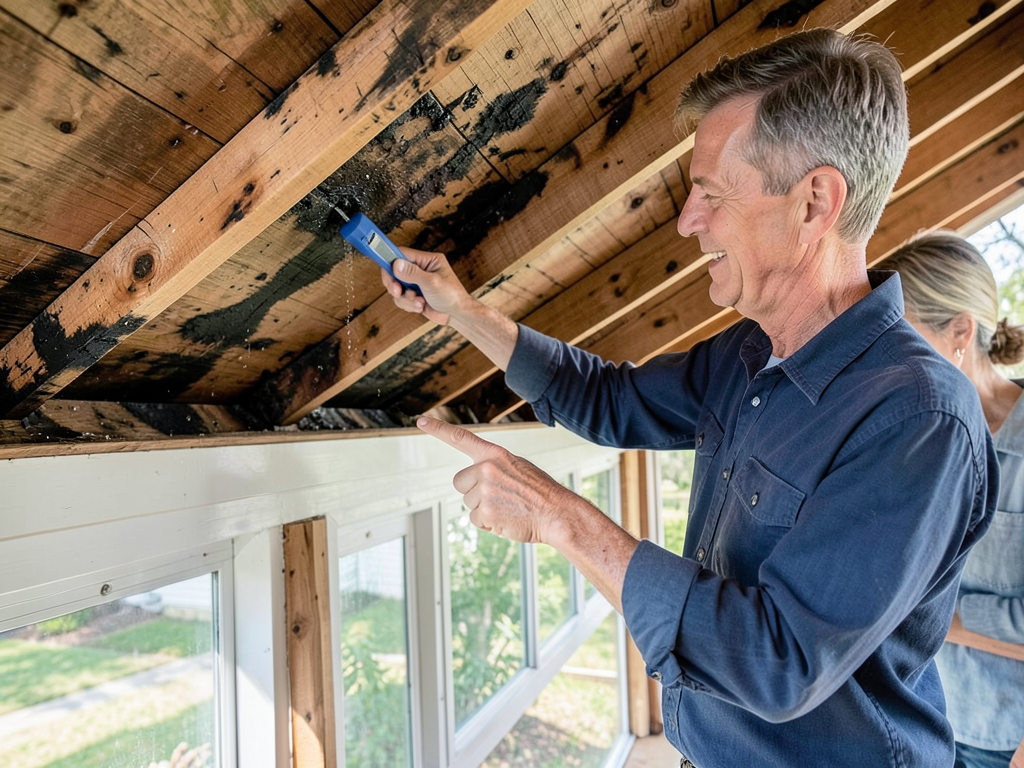
Diagram showing side-by-side comparison of wind uplift damage versus thermal curling with close-up views of granule patterns.
Common Signs of Storm Damage in Louisiana Wind and Hail
Louisiana storms bring specific damage signatures. Hurricane-force winds above 75 mph create pressure differentials that lift shingle tabs. You will see the sealing strips break and shingles lift at the corners. The damage often follows the wind path across the roof. Louisiana Department of Insurance.
Hail damage depends on stone size and wind speed. Pea-sized hail may only dislodge a few granules. Golf ball-sized stones leave deep bruises that compromise the fiberglass mat underneath. You can feel these soft spots by running your hand across the shingle surface.
Wind-driven rain during tropical systems can exploit existing vulnerabilities. If flashing is already loose, water penetrates around chimneys and skylights. The damage appears as water stains on ceilings below these penetrations.
After a storm, check these specific areas:
- Ridge cap shingles for lifting or tearing
- Dormer flashing for separation
- Gutter spikes for loosening
- Valley areas where debris accumulates
Signs of Natural Roof Aging and Wear in the Gulf South
New Orleans humidity accelerates certain wear patterns. The constant moisture promotes algae growth on north-facing slopes. These black streaks are Gloeocapsa magma bacteria that feed on limestone in shingles. They do not cause structural damage but indicate high moisture levels.
Heat cycles in Louisiana create thermal shock. Daytime temperatures above 95 degrees cause shingles to expand. Nighttime cooling makes them contract. This movement breaks down the adhesive bonds over time. You will see widespread cracking that follows the shingle pattern not random impact points.
Salt air from Lake Pontchartrain affects metal components. Fasteners and flashing near the lake corrode faster than inland. The corrosion appears as white powder on aluminum or reddish rust on steel. This weakens attachment points for shingles and accessories.
UV radiation in the Gulf South is intense year-round. Shingles lose flexibility and become brittle. When you walk on an aged roof, shingles crack rather than bend. This differs from storm damage where shingles tear along their length.

Close-up photos showing algae streaking versus hail bruise marks with magnifying glass view of granule displacement patterns.
The Insurance Factor What Is Covered and What Is Not
Louisiana insurance policies distinguish between sudden damage and gradual deterioration. Sudden damage from covered perils like wind or hail typically receives full replacement cost value. Gradual wear from age, sun, or poor maintenance falls under the homeowner’s responsibility.
The Louisiana Department of Insurance requires insurers to prove damage existed before a claimed loss. They look for mismatched repairs, pre-existing conditions, or lack of maintenance. Missing shingles from age look different than torn shingles from wind uplift.
Depreciation affects claim payments. An older roof receives less compensation than a newer one. The Actual Cash Value calculation considers remaining useful life. A 15-year-old roof might only qualify for 30 percent of replacement cost.
Maintenance clauses in policies can void coverage. Clogged gutters causing water backup or missing shingles from neglect may lead to denied claims. Insurance expects homeowners to perform reasonable upkeep. What Metairie Homeowners Need to Do for Emergency Storm Damage and Tarping.
Document everything after a storm. Take date-stamped photos before making temporary repairs. Keep receipts for emergency tarping. This documentation proves the damage timeline to your adjuster.
Why New Orleans Weather Accelerates Roof Deterioration
The Gulf South climate creates unique roof stress. High humidity levels above 80 percent keep roofs damp for extended periods. This moisture promotes algae growth and accelerates wood rot in roof decking. The constant dampness weakens adhesive bonds in shingles.
Temperature swings in New Orleans are extreme. Summer highs above 95 degrees and winter lows in the 30s cause materials to expand and contract. This movement breaks down sealants and creates gaps where water penetrates.
Salt air affects the entire metropolitan area. Even properties 10 miles inland experience accelerated corrosion of metal components. Fasteners lose strength and flashing separates from walls. This creates entry points for wind-driven rain.
Intense UV exposure in southern Louisiana degrades asphalt faster than northern climates. The sun breaks down the oils in shingles making them brittle. You will notice shingles that crack when bent rather than flexing.
Heavy rainfall from tropical systems overwhelms drainage systems. Water backs up under shingles and finds entry through small gaps. The damage appears as ceiling stains days after the storm passes.
How to Document Damage for Your Insurance Adjuster
Proper documentation determines claim success. Start with wide-angle photos showing the entire roof slope. Then take close-ups of specific damage areas. Include something for scale like a ruler or coin next to impact marks.
Document the date and time of your photos. Note recent weather events that could have caused the damage. Check local news or the National Weather Service for storm reports with wind speeds and hail size. National Weather Service hail safety.
Look for patterns in the damage. Wind damage typically starts at roof edges and progresses inward. Hail damage appears random but follows the storm path. Age-related wear affects the entire surface uniformly.
Check your attic for water intrusion signs. Dark spots on rafters or insulation indicate active leaks. Water follows the path of least resistance so stains may appear away from the actual roof penetration.
Keep all receipts for temporary repairs. Emergency tarping prevents further damage but insurance requires documentation. Take photos before and after tarp installation.
Consider hiring a local roofing inspector before the insurance adjuster arrives. They can identify damage you might miss and provide a professional assessment. This expertise often strengthens your claim. Specialized Roofing Solutions for Properties in the French Quarter.
Photo series showing proper documentation technique with wide shots, close-ups, and attic inspection findings with moisture meter readings.
Conclusion Schedule a Professional Local Inspection
Roof damage assessment requires experience with local conditions. A New Orleans roofing professional understands how Gulf South weather affects different materials. They can distinguish between storm damage needing immediate attention and wear patterns requiring future planning. Roofing Kenner.
Insurance claims have strict timelines. Most policies require reporting damage within days of discovery. Waiting too long can result in denied claims regardless of the actual damage extent.
Professional inspections include more than visual checks. Technicians use moisture meters to detect hidden water intrusion. They inspect attic ventilation which affects roof longevity. They check for code compliance with current Louisiana building standards.
Emergency situations need immediate attention. Active leaks can destroy ceilings, walls, and personal belongings within hours. Temporary tarping prevents further damage while you arrange permanent repairs.
Call (504) 355-3444 today to schedule your inspection. Our local experts will assess your roof damage and provide honest recommendations. We serve homeowners throughout Jefferson Parish and the West Bank. Do not wait until small problems become major expenses.
Frequently Asked Questions
How can I tell if my roof damage is from a recent storm or just old age?
Storm damage creates sudden, isolated patterns like torn shingles at edges or circular hail bruises. Age-related wear appears uniform across the entire roof with curling tabs, widespread granule loss, and algae streaking. Check for patterns and recent weather events to determine the cause.
Will my insurance cover roof replacement if I have storm damage?
Insurance covers sudden damage from covered perils like wind or hail. They will pay for repairs or replacement if the damage affects functionality. Gradual deterioration from age or lack of maintenance is not covered. Document the damage and file promptly after storms.
How soon after a storm should I have my roof inspected?
Schedule an inspection within 48-72 hours after severe weather. Insurance companies have strict reporting deadlines. Early inspection catches damage before it worsens and provides documentation for claims. Temporary repairs may be needed to prevent further water intrusion.
{
“@context”: “https://schema.org”,
“@type”: “BlogPosting”,
“headline”: “The Difference Between Wear and Tear and Storm Damage for New Orleans Roofs”,
“description”: “Learn to identify storm damage vs. natural roof aging in New Orleans. Get expert tips on insurance claims, local weather impact, and when to call for a professional inspection.”,
“wordCount”: 1625,
“datePublished”: “2026-04-11T08:31:00.000Z”,
“dateModified”: “2026-04-11T08:31:00.000Z”,
“inLanguage”: “en-US”,
“mainEntityOfPage”: {
“@type”: “WebPage”,
“@id”: “https://heritageroofingneworleans.com”
},
“publisher”: {
“@type”: “LocalBusiness”,
“name”: “Heritage Roofing New Orleans”,
“url”: “https://heritageroofingneworleans.com”
},
“author”: {
“@type”: “Organization”,
“name”: “Heritage Roofing New Orleans”,
“url”: “https://heritageroofingneworleans.com”
},
“image”: {
“@type”: “ImageObject”,
“url”: “https://heritageroofingneworleans.com/wp-content/uploads/2026/03/the-difference-between-wear-and-tear-and-storm-dam-1.png”
}
}
{
“@context”: “https://schema.org”,
“@type”: “RoofingContractor”,
“name”: “Heritage Roofing New Orleans”,
“url”: “https://heritageroofingneworleans.com”,
“address”: {
“@type”: “PostalAddress”,
“addressLocality”: “New Orleans”
},
“areaServed”: {
“@type”: “City”,
“name”: “New Orleans”
}
}
{
“@context”: “https://schema.org”,
“@type”: “FAQPage”,
“mainEntity”: [
{
“@type”: “Question”,
“name”: “How can I tell if my roof damage is from a recent storm or just old age?”,
“acceptedAnswer”: {
“@type”: “Answer”,
“text”: “Storm damage creates sudden, isolated patterns like torn shingles at edges or circular hail bruises. Age-related wear appears uniform across the entire roof with curling tabs, widespread granule loss, and algae streaking. Check for patterns and recent weather events to determine the cause.”
}
},
{
“@type”: “Question”,
“name”: “Will my insurance cover roof replacement if I have storm damage?”,
“acceptedAnswer”: {
“@type”: “Answer”,
“text”: “Insurance covers sudden damage from covered perils like wind or hail. They will pay for repairs or replacement if the damage affects functionality. Gradual deterioration from age or lack of maintenance is not covered. Document the damage and file promptly after storms.”
}
},
{
“@type”: “Question”,
“name”: “How soon after a storm should I have my roof inspected?”,
“acceptedAnswer”: {
“@type”: “Answer”,
“text”: “Schedule an inspection within 48-72 hours after severe weather. Insurance companies have strict reporting deadlines. Early inspection catches damage before it worsens and provides documentation for claims. Temporary repairs may be needed to prevent further water intrusion.”
}
}
]
}
{
“@context”: “https://schema.org”,
“@type”: “BreadcrumbList”,
“itemListElement”: [
{
“@type”: “ListItem”,
“position”: 1,
“name”: “Home”,
“item”: “https://heritageroofingneworleans.com”
},
{
“@type”: “ListItem”,
“position”: 2,
“name”: “Blog”,
“item”: “https://heritageroofingneworleans.com/blog”
},
{
“@type”: “ListItem”,
“position”: 3,
“name”: “The Difference Between Wear and Tear and Storm Damage for New Orleans Roofs”
}
]
}
{
“@context”: “https://schema.org”,
“@type”: “Service”,
“serviceType”: “Roofing”,
“provider”: {
“@type”: “LocalBusiness”,
“name”: “Heritage Roofing New Orleans”,
“url”: “https://heritageroofingneworleans.com”
},
“areaServed”: {
“@type”: “City”,
“name”: “New Orleans”
},
“description”: “Learn to identify storm damage vs. natural roof aging in New Orleans. Get expert tips on insurance claims, local weather impact, and when to call for a professional inspection.”
}