
The Truth About Gutter Guards for Homes Under Large Oaks in the University District
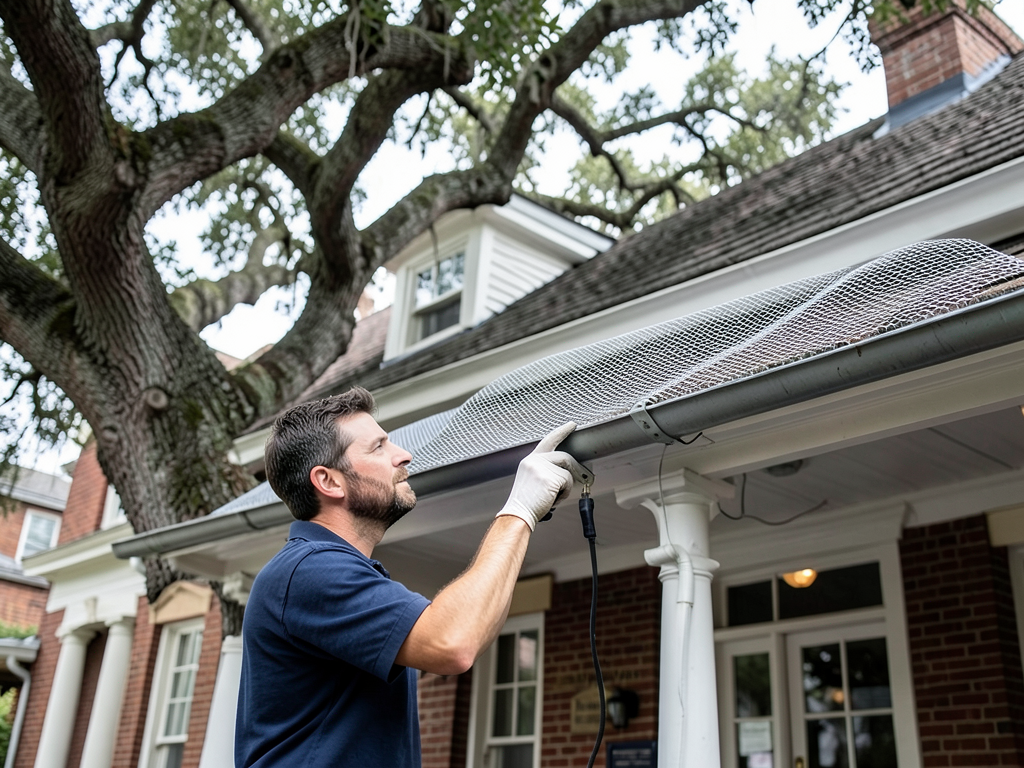
Large oak trees in the University District drop an enormous volume of leaves, twigs, and pollen into gutters each season. This debris combines with New Orleans’ heavy rainfall to create constant clogs and overflows that threaten roofs and foundations. Professional gutter guards designed for oak-heavy areas stop debris before it enters the system, reducing maintenance and preventing water damage. The right guard system can handle both fine particles and large leaves while standing up to hurricane-force winds and the humid Gulf Coast climate. What to Do When Your New Orleans Roof Starts Leaking During a Downpour.
Why Large Oaks Create Unique Gutter Problems in the University District
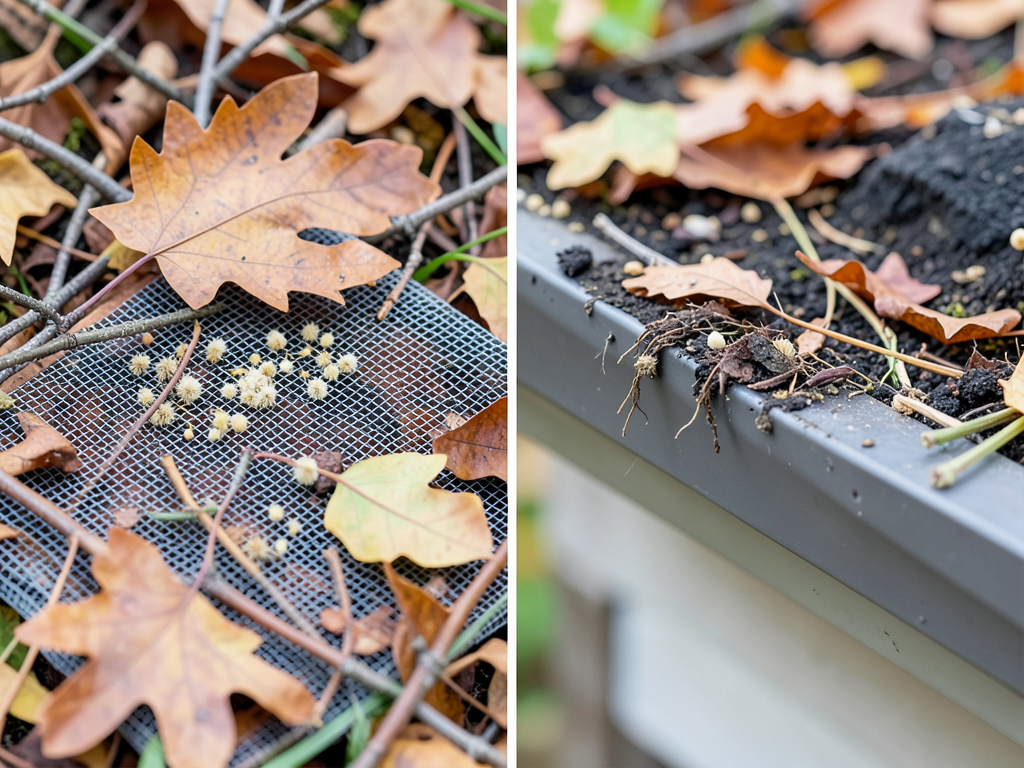
University District homes sit under mature live oaks that produce three distinct debris types throughout the year. Spring brings oak tassels and pollen that slip through standard screens. Summer delivers small leaves and twigs that accumulate in corners. Fall drops large, leathery leaves that mat together when wet. This constant debris flow means gutters here need cleaning three to four times per year instead of once or twice elsewhere.
The problem worsens because many University District homes were built between 1920 and 1960 with narrower K-style gutters that hold less water. When debris blocks even a small portion of the gutter, overflow happens quickly during New Orleans’ intense thunderstorms that can drop several inches of rain in an hour.
According to the Jefferson Parish Unified Development Code Section 6.8.3, residential roofs in the area must handle a minimum 2-inch-per-hour rainfall rate. That translates to about 3,000 gallons per hour on an average 2,000-square-foot roof. Without proper gutter guards, that water has nowhere to go when debris blocks the flow. Jefferson Parish Unified Development Code Section 6.8.3.
How Different Gutter Guard Types Handle Oak Debris
Screen guards represent the most basic option. They install directly into the gutter and block large leaves but allow smaller debris through. In oak-heavy areas, screen guards often trap pollen and small twigs on their surface, creating a secondary clog layer that still requires seasonal cleaning.
Surface tension guards curve over the gutter edge, letting water cling to the curve while debris falls off. These work well for large leaves but struggle with oak tassels and pine needles common in the University District. Water can also overshoot the guard during heavy downpours.
Micromesh guards feature holes smaller than 50 microns that block everything from oak leaves to pollen. Water passes through while debris stays on top where wind and gravity remove it. This type handles the University District’s mixed debris load most effectively, though the fine mesh requires stronger support to withstand wind uplift. The Best Shingles to Withstand New Orleans Heat and Humidity.
Installation Factors That Affect Performance
Guard performance depends heavily on proper installation angle and fastening. Guards installed at the wrong pitch can cause water to sheet off rather than flow into gutters. Fasteners that penetrate the roof edge void many shingle warranties and create leak points. Professional installers use bracket systems that attach to fascia boards without damaging roofing materials. Specialized Roofing Solutions for Properties in the French Quarter.
Seamless gutters integrate best with micromesh guards because they eliminate corner seams where debris collects. The University District’s many historic homes with complex rooflines need custom-fabricated corners and downspout transitions to maintain continuous water flow.
Material choice matters for Gulf Coast durability. Aluminum guards resist corrosion but can dent in hailstorms. Stainless steel mesh lasts longer but costs more upfront. Both must be rated for at least 110 mph wind loads to meet Louisiana State Uniform Construction Code requirements for the area. Louisiana State Uniform Construction Code.
Cost Comparison: Guards vs. Ongoing Cleaning
| Option | First Year Cost | 5-Year Cost | Maintenance Required |
|---|---|---|---|
| Screen Guards | $800 – $1,200 | $1,600 – $2,400 | Bi-annual cleaning |
| Micromesh Guards | $1,500 – $2,500 | $1,500 – $2,500 | Annual inspection |
| Professional Cleaning Only | $300 – $500 | $1,500 – $2,500 | Quarterly cleaning |
Professional gutter cleaning in the University District costs $150 to $250 per visit due to the area’s older homes and taller trees. Over five years, cleaning-only maintenance often equals or exceeds the cost of quality micromesh guards while providing no protection against overflow damage.
Performance During New Orleans Weather Events
During tropical systems, gutter guards face extreme tests. Micromesh systems maintain flow rates above 10 gallons per minute per linear foot, handling peak rainfall from tropical downpours. Surface tension guards can lose effectiveness when overwhelmed, while screen guards may collapse under debris weight.
Wind uplift poses another challenge. University District homes near Audubon Park experience gusts over 70 mph during summer thunderstorms. Guards must fasten with corrosion-resistant screws at maximum manufacturer spacing to prevent blow-off. Some systems include wind clips for additional security.
Humidity affects all guard types by promoting algae and mildew growth on debris trapped on guard surfaces. Micromesh allows better airflow underneath, reducing moisture retention compared to solid surface guards where debris can stay wet for days.
Foundation Protection Benefits
Overflowing gutters near oak trees cause foundation issues specific to the University District’s clay soil. When water pools against foundations, it creates pressure that can crack basement walls and cause slab movement. This area’s high water table means excess surface water takes longer to drain away.
Proper gutter guards direct water to downspouts with extensions that carry it at least five feet from the foundation. This prevents the soil expansion and contraction cycle that damages foundations over time. Some University District homes with historic pier-and-beam foundations need additional splash blocks to protect wooden supports.
Choosing the Right Guard for Your Home
Older University District homes need guards compatible with existing roof pitches and architectural features. Victorian and Craftsman styles often have decorative fascia that requires custom mounting brackets. Spanish moss, common in oak trees here, can tangle in some guard designs.
Consider your specific oak situation. Homes with mostly large, established trees benefit from micromesh that handles all debris sizes. Properties with younger trees might use screen guards temporarily, upgrading later. The density of trees on your block affects how much debris your system must handle.
Professional assessment includes measuring roof area, identifying tree species, and checking existing gutter condition. A proper evaluation prevents buying guards that cannot handle your specific debris load or installing them in ways that void roof warranties.
Maintenance Requirements by Guard Type
Even the best gutter guards need periodic maintenance in the University District’s climate. Micromesh systems require annual checks to ensure fine mesh hasn’t clogged with airborne silt or algae. Surface tension guards need debris brushed off tops twice yearly. Screen guards require removal and cleaning every one to two years.
Inspection should include checking fastener tightness after storms, verifying water flows freely through downspouts, and examining fascia boards for moisture damage behind guards. The humid climate accelerates wood rot where water gets trapped against fascia.
Some homeowners install guards themselves to save money, but improper installation causes more problems than it solves. Guards must slope correctly toward downspouts, fasteners must hit structural members, and corners need proper sealing to prevent leaks. What Metairie Homeowners Need to Do for Emergency Storm Damage and Tarping.
Professional Installation vs. DIY Considerations
DIY installation seems cost-effective but carries hidden risks. Working on ladders near roof edges causes many injuries annually. Without proper tools, achieving correct guard pitch becomes difficult. Most DIY installations void manufacturer warranties.
Professional installers bring experience with University District home styles, knowledge of local building codes, and insurance coverage for accidents. They also provide warranties on both materials and labor. The price difference often pays for itself through avoided mistakes and included maintenance.
Heritage Roofing technicians use a diagnostic approach, examining your entire roof system before recommending guards. They check for existing damage, measure water flow capacity, and identify problem areas where special mounting might be needed. This comprehensive assessment prevents future issues. Roofing Kenner.
Environmental Impact and Sustainability
Gutter guards contribute to environmental protection by reducing chemical cleaning needs and preventing foundation water damage that leads to mold growth. Micromesh systems made from recycled aluminum offer the best sustainability profile, lasting 20+ years with minimal maintenance.
The guards also reduce mosquito breeding by eliminating standing water in clogged gutters. New Orleans’ humid climate makes this particularly important for public health. Some micromesh products include antimicrobial coatings that further reduce algae and mold growth.
Proper water management through effective guards helps reduce stormwater runoff that overwhelms city drainage systems during heavy rains. This benefits the entire community by reducing flood risks in low-lying areas.
Common Mistakes to Avoid
Choosing guards based solely on price often leads to poor performance. The cheapest options typically use thinner materials that fail in Gulf Coast storms. Some homeowners select guards that cannot handle their specific debris type, like using surface tension guards under dense oak coverage.
Ignoring roof pitch compatibility causes water to overshoot or back up under guards. Steep roofs need guards with higher sidewalls to contain water flow. Some historic homes require special low-profile guards to maintain architectural integrity.
Skipping the inspection step means missing existing problems like damaged fascia or improperly sloped gutters. These issues must be corrected before guard installation for the system to work properly.
Long-Term Value and ROI
Quality gutter guards typically pay for themselves within three to five years through avoided cleaning costs and prevented water damage repairs. Beyond that, they provide ongoing savings while protecting your home’s value. Homes with well-maintained gutter systems often appraise higher than comparable properties with known water issues.
Insurance companies may offer premium discounts for homes with professionally installed gutter protection systems, especially in hurricane-prone areas. Check with your provider about potential savings that could offset guard costs.
The peace of mind from knowing your home is protected during storms represents significant value. No more climbing ladders to clean gutters or worrying about overflow during vacations or work hours.
Making Your Decision
Start by assessing your current gutter performance. Do they overflow during heavy rains? How often do you clean them? What type of debris do your oak trees produce? Understanding your specific situation helps narrow guard options.
Consider your long-term plans for the home. If you plan to stay more than five years, investing in quality micromesh guards makes financial sense. For shorter timeframes, mid-range options might suffice.
Factor in the value of your time and safety. Professional installation eliminates ladder work and provides expertise that prevents costly mistakes. The small additional cost often justifies itself through better performance and included warranties.
Frequently Asked Questions
How long do gutter guards last in New Orleans’ climate?
Quality aluminum micromesh guards typically last 15 to 20 years in New Orleans’ humid, storm-prone climate. Stainless steel mesh can last 25+ years but costs more upfront. The humid conditions and occasional hurricane-force winds are the main factors affecting longevity.
Can I install gutter guards on historic University District homes?
Yes, but historic homes often require custom solutions to preserve architectural details. Low-profile guards, custom-fabricated corners, and careful mounting methods protect both the gutter system and the home’s historic character. Professional installers familiar with historic properties understand these requirements.
Do gutter guards completely eliminate maintenance?
No system eliminates all maintenance. Micromesh guards reduce cleaning to once yearly versus four times for unprotected gutters. You’ll still need to inspect for debris buildup, check fasteners after storms, and ensure downspouts flow freely. However, the maintenance required is minimal compared to unprotected gutters.
What’s the best guard type for oak trees specifically?
Micromesh guards with holes smaller than 50 microns handle oak debris most effectively. They block everything from large leaves to fine pollen and oak tassels while allowing water through. This type requires the least maintenance in oak-heavy areas like the University District.
How much do professional gutter guards cost for an average home?
For an average University District home with 150-200 linear feet of guttering, professional micromesh guard installation typically costs $1,500 to $2,500. This includes removal of old guards if present, installation of new guards, and a one-year workmanship warranty. Prices vary based on roof complexity and guard material quality.
Protect Your University District Home Today
Don’t wait for the next heavy rain to discover your gutters can’t handle the load. The combination of large oak trees and New Orleans’ intense rainfall creates a perfect storm for gutter problems that can damage your roof, foundation, and landscaping. Professional gutter guards provide the protection your home needs while reducing maintenance and preventing costly repairs.
Heritage Roofing has served University District homeowners for over 15 years, understanding the specific challenges oak trees create for local gutter systems. Our technicians assess your home’s unique needs, recommend appropriate guard solutions, and install them to manufacturer specifications with proper warranties.
Call (504) 355-3444 today to schedule your free gutter assessment and take the first step toward worry-free gutter performance. Our team will evaluate your current system, explain your options clearly, and provide a detailed quote with no high-pressure sales tactics. Your home deserves protection that works in New Orleans’ unique climate.
Pick up the phone and call (504) 355-3444 before the next storm hits. Don’t let another season of oak debris overwhelm your gutters and threaten your home’s foundation. Heritage Roofing delivers professional gutter guard solutions that last, backed by our reputation and commitment to University District homeowners.
{
“@context”: “https://schema.org”,
“@type”: “BlogPosting”,
“headline”: “The Truth About Gutter Guards for Homes Under Large Oaks in the University District”,
“description”: “Discover why oak trees in the University District overwhelm gutters and how specialized guards prevent clogs, overflow, and costly roof damage in New Orleans.”,
“wordCount”: 2224,
“datePublished”: “2026-03-26T14:23:00.000Z”,
“dateModified”: “2026-03-26T14:23:00.000Z”,
“inLanguage”: “en-US”,
“mainEntityOfPage”: {
“@type”: “WebPage”,
“@id”: “https://heritageroofingneworleans.com”
},
“publisher”: {
“@type”: “LocalBusiness”,
“name”: “Heritage Roofing New Orleans”,
“url”: “https://heritageroofingneworleans.com”
},
“author”: {
“@type”: “Organization”,
“name”: “Heritage Roofing New Orleans”,
“url”: “https://heritageroofingneworleans.com”
},
“image”: {
“@type”: “ImageObject”,
“url”: “https://heritageroofingneworleans.com/wp-content/uploads/2026/03/the-truth-about-gutter-guards-for-homes-under-larg-1.png”
}
}
{
“@context”: “https://schema.org”,
“@type”: “RoofingContractor”,
“name”: “Heritage Roofing New Orleans”,
“url”: “https://heritageroofingneworleans.com”,
“address”: {
“@type”: “PostalAddress”,
“addressLocality”: “New Orleans”
},
“areaServed”: {
“@type”: “City”,
“name”: “New Orleans”
}
}
{
“@context”: “https://schema.org”,
“@type”: “FAQPage”,
“mainEntity”: [
{
“@type”: “Question”,
“name”: “How long do gutter guards last in New Orleans’ climate?”,
“acceptedAnswer”: {
“@type”: “Answer”,
“text”: “Quality aluminum micromesh guards typically last 15 to 20 years in New Orleans’ humid, storm-prone climate. Stainless steel mesh can last 25+ years but costs more upfront. The humid conditions and occasional hurricane-force winds are the main factors affecting longevity.”
}
},
{
“@type”: “Question”,
“name”: “Can I install gutter guards on historic University District homes?”,
“acceptedAnswer”: {
“@type”: “Answer”,
“text”: “Yes, but historic homes often require custom solutions to preserve architectural details. Low-profile guards, custom-fabricated corners, and careful mounting methods protect both the gutter system and the home’s historic character. Professional installers familiar with historic properties understand these requirements.”
}
},
{
“@type”: “Question”,
“name”: “Do gutter guards completely eliminate maintenance?”,
“acceptedAnswer”: {
“@type”: “Answer”,
“text”: “No system eliminates all maintenance. Micromesh guards reduce cleaning to once yearly versus four times for unprotected gutters. You’ll still need to inspect for debris buildup, check fasteners after storms, and ensure downspouts flow freely. However, the maintenance required is minimal compared to unprotected gutters.”
}
},
{
“@type”: “Question”,
“name”: “What’s the best guard type for oak trees specifically?”,
“acceptedAnswer”: {
“@type”: “Answer”,
“text”: “Micromesh guards with holes smaller than 50 microns handle oak debris most effectively. They block everything from large leaves to fine pollen and oak tassels while allowing water through. This type requires the least maintenance in oak-heavy areas like the University District.”
}
},
{
“@type”: “Question”,
“name”: “How much do professional gutter guards cost for an average home?”,
“acceptedAnswer”: {
“@type”: “Answer”,
“text”: “For an average University District home with 150-200 linear feet of guttering, professional micromesh guard installation typically costs $1,500 to $2,500. This includes removal of old guards if present, installation of new guards, and a one-year workmanship warranty. Prices vary based on roof complexity and guard material quality.”
}
}
]
}
{
“@context”: “https://schema.org”,
“@type”: “BreadcrumbList”,
“itemListElement”: [
{
“@type”: “ListItem”,
“position”: 1,
“name”: “Home”,
“item”: “https://heritageroofingneworleans.com”
},
{
“@type”: “ListItem”,
“position”: 2,
“name”: “Blog”,
“item”: “https://heritageroofingneworleans.com/blog”
},
{
“@type”: “ListItem”,
“position”: 3,
“name”: “The Truth About Gutter Guards for Homes Under Large Oaks in the University District”
}
]
}
{
“@context”: “https://schema.org”,
“@type”: “Service”,
“serviceType”: “Roofing”,
“provider”: {
“@type”: “LocalBusiness”,
“name”: “Heritage Roofing New Orleans”,
“url”: “https://heritageroofingneworleans.com”
},
“areaServed”: {
“@type”: “City”,
“name”: “New Orleans”
},
“description”: “Discover why oak trees in the University District overwhelm gutters and how specialized guards prevent clogs, overflow, and costly roof damage in New Orleans.”
}