
Using Reflective Roof Coatings to Cool Down Large Commercial Buildings in Harahan
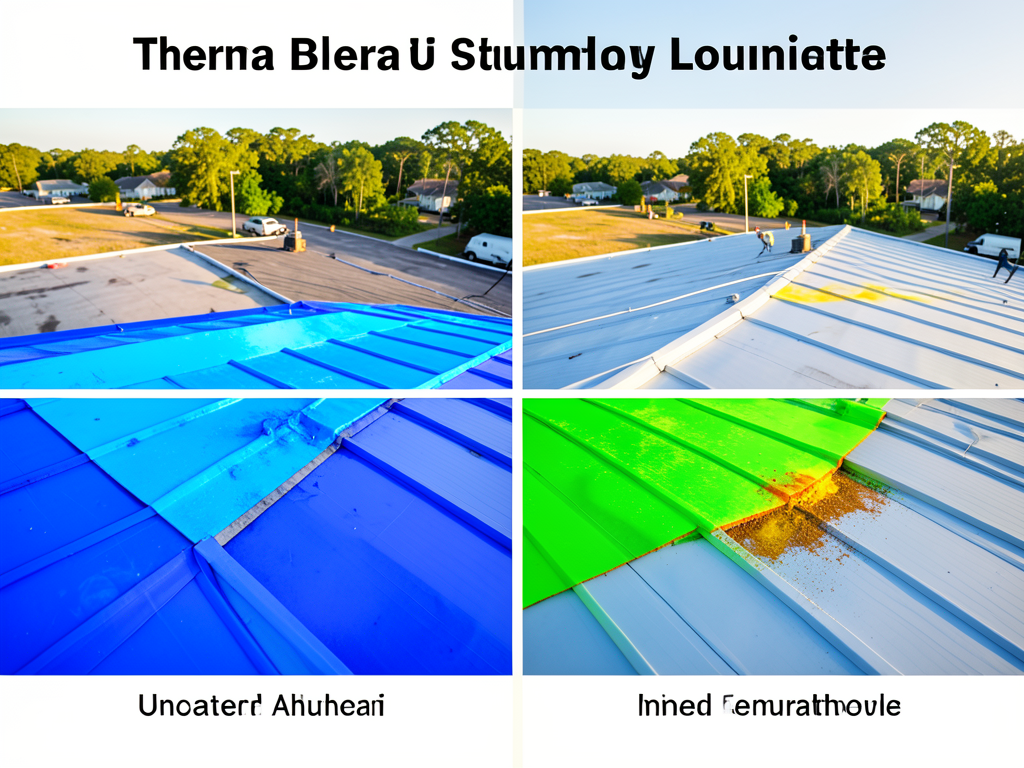
Commercial property owners in Harahan face relentless heat and humidity that drive up cooling costs and stress roofing systems. Reflective roof coatings offer a proven solution by reducing surface temperatures by up to 50 degrees Fahrenheit, cutting energy consumption by 20-30%, and extending roof life by 10-15 years. This technology transforms flat commercial roofs into energy-efficient shields against Louisiana’s brutal climate while qualifying for Entergy Louisiana rebates and federal tax incentives. Cool Roof Rating Council.
Large warehouses and industrial buildings along Airline Highway and Hickory Avenue experience extreme thermal cycling from intense sun exposure. A white silicone coating reflects up to 85% of solar radiation compared to just 5-10% for traditional dark roofing materials. The result is immediate energy savings, improved indoor comfort for workers, and reduced HVAC maintenance costs. For Harahan’s industrial corridor, where cooling represents 40-50% of annual energy expenses, this investment typically pays for itself within 3-5 years through utility savings alone. Energy Star roof products.
Why Harahan’s Climate Demands High-Performance Roof Coatings
Harahan sits in Jefferson Parish’s industrial zone where summer temperatures regularly exceed 95 degrees Fahrenheit with humidity levels above 90%. These conditions create a perfect storm for roof deterioration. UV radiation breaks down roofing membranes while trapped heat causes thermal expansion and contraction that leads to cracks and leaks. The area’s flat commercial roofs are particularly vulnerable to ponding water after afternoon thunderstorms, accelerating material degradation. Specialized Roofing Solutions for Properties in the French Quarter.
The Urban Heat Island effect intensifies these challenges in Harahan’s warehouse district. Dark roofing materials absorb heat all day, raising local temperatures by 5-7 degrees compared to surrounding areas. This creates a vicious cycle where hotter roofs require more cooling, which generates more heat, and so on. Reflective coatings break this cycle by keeping roof surfaces cool, reducing ambient air temperatures around buildings, and lowering the overall heat load on HVAC systems. Roofing Kenner.
Hurricane season adds another layer of complexity. Harahan’s commercial buildings must withstand winds up to 130 mph while maintaining their protective coating integrity. High-quality silicone and acrylic elastomeric coatings provide excellent wind uplift resistance when properly applied to clean, sound substrates. The flexible nature of these materials allows them to expand and contract with temperature changes without cracking, a critical feature during Louisiana’s volatile weather patterns. The Best Shingles to Withstand New Orleans Heat and Humidity.
Types of Reflective Roof Coatings for Harahan Commercial Buildings
Choosing the right coating system depends on your building’s specific conditions and performance requirements. Silicone coatings dominate the Harahan market due to their superior ponding water resistance and long-term durability in humid environments. These single-component systems cure to form a seamless membrane that withstands standing water for extended periods without degradation.
Acrylic elastomeric coatings offer excellent UV reflectivity and lower initial cost, making them ideal for buildings with good drainage and minimal ponding issues. These water-based systems provide up to 85% solar reflectance and maintain flexibility in temperatures ranging from 0 to 120 degrees Fahrenheit. However, they require more frequent recoating every 5-7 years compared to silicone’s 10-15 year lifespan.
Polyurethane coatings excel in high-traffic areas where maintenance personnel regularly access the roof for HVAC service or equipment installation. These systems provide superior impact resistance and chemical resistance against oils, greases, and industrial pollutants common in warehouse environments. The trade-off is higher cost and more complex application requirements that demand professional installation.
For buildings with modified bitumen or built-up roofing, aluminum reflective coatings provide a cost-effective solution that extends service life while reducing heat gain. These solvent-based systems contain metallic flakes that create a durable, reflective surface resistant to mildew and algae growth. While not as efficient as white coatings, they still achieve 50-60% solar reflectance and cost 30-40% less than premium elastomeric systems.
Energy Savings and ROI for Harahan Businesses
Commercial buildings in Harahan typically see 20-30% reduction in cooling costs after installing reflective roof coatings. For a 50,000 square foot warehouse with average cooling costs of $2.50 per square foot annually, this translates to $25,000-$37,500 in annual savings. The coating installation cost ranges from $0.75-$1.50 per square foot, meaning most projects achieve payback in 2-4 years through utility savings alone.
Entergy Louisiana offers commercial customers rebates of $0.05-$0.10 per square foot for qualifying cool roof installations. These programs, combined with federal tax incentives under the Energy Policy Act, can reduce net installation costs by 15-25%. Some Harahan businesses have reported combined utility and incentive savings exceeding $40,000 in the first year after installation.
Beyond direct energy savings, reflective coatings reduce HVAC equipment wear and tear. Lower roof temperatures mean air conditioning units don’t have to work as hard to cool intake air, extending compressor life and reducing maintenance costs by 15-20%. For businesses with rooftop HVAC units, this translates to fewer service calls and longer equipment replacement cycles. Repair vs. Replace Analysis.
The environmental benefits extend beyond individual buildings. If just 10% of Harahan’s commercial roofs converted to reflective coatings, the collective reduction in heat absorption could lower local ambient temperatures by 1-2 degrees Fahrenheit. This reduction eases the strain on the regional power grid during peak summer demand and contributes to better air quality by reducing ground-level ozone formation.
Application Process and Preparation Requirements
Professional coating installation follows a rigorous five-step process that ensures long-term performance. First, technicians conduct a comprehensive roof inspection to identify and repair existing damage, including seam separations, punctures, and areas of moisture infiltration. This diagnostic phase typically reveals issues that would cause coating failure if left unaddressed.
Surface preparation represents the most critical phase of the project. All loose material, dirt, and biological growth must be removed through power washing or chemical cleaning. For Harahan’s humid climate, this often includes treating areas for algae and mold that thrive in warm, moist conditions. The surface must be completely dry before coating application, requiring careful scheduling around weather forecasts.
Primer application follows cleaning and ensures proper adhesion between the existing roof surface and the new coating. Different substrates require specific primers: TPO and EPDM membranes need acrylic primers, while metal roofs require rust-inhibitive primers. This step prevents delamination and ensures the coating system performs as designed throughout its service life.
The coating application itself typically requires two to three coats for optimal performance. Each coat must be applied at the manufacturer’s specified thickness, usually 20-30 mils dry film thickness for the final system. Application methods include spray, roller, or squeegee, with spray application being most common for large commercial roofs due to speed and uniform coverage.
Quality control during installation includes regular mil thickness measurements, wet film thickness checks, and inspection for pinholes or thin spots. Professional installers use wet film thickness gauges to verify application rates in real-time, ensuring the coating provides the specified solar reflectance and waterproofing performance. This attention to detail prevents costly callbacks and warranty claims.
Building Code Compliance and Warranty Protection
Harahan commercial buildings must comply with Jefferson Parish building codes and Louisiana State Uniform Construction Code requirements. The 2021 International Building Code mandates minimum wind uplift resistance ratings based on building height and location. Reflective coating systems must meet ASTM D6083 for silicone coatings or ASTM D7088 for acrylic coatings to qualify for building permits and insurance coverage.
Fire safety represents another critical compliance factor. Most commercial buildings require Class A fire ratings for roofing materials, achieved through specific coating formulations and aggregate surfacing. The Cool Roof Rating Council (CRRC) maintains an online database of tested products that meet these requirements, providing documentation for code officials and insurance underwriters.
Warranty protection varies significantly between coating types and manufacturers. Premium silicone systems typically offer 10-20 year warranties when installed by certified contractors, while acrylic systems generally carry 5-10 year coverage. These warranties require specific surface preparation protocols and application rates, making professional installation essential for maintaining coverage.
Insurance companies increasingly recognize reflective coatings as risk mitigation measures that can reduce premiums for commercial properties. Some Harahan businesses have reported 5-10% reductions in property insurance costs after installing certified cool roof systems. This benefit, combined with energy savings and extended roof life, improves the overall return on investment calculation.
Case Studies from Harahan’s Industrial Corridor
A 75,000 square foot distribution center on Dickory Avenue installed a silicone reflective coating system in 2023. The building experienced ponding water issues that caused chronic leaks and HVAC strain. Post-installation data shows cooling costs dropped from $3.20 to $2.10 per square foot annually, representing $82,500 in first-year savings. The coating also eliminated all leak-related maintenance calls during the first hurricane season.
A manufacturing facility on Hickory Avenue faced replacement costs of $180,000 for its 20-year-old modified bitumen roof. Instead, the owner chose a reflective aluminum coating system at $72,000. Three years later, the building shows no signs of leaks, cooling costs are down 25%, and the roof is projected to last another 8-10 years before major work is needed. The $108,000 savings funded other facility improvements.
A warehouse complex near the Huey P. Long Bridge converted 150,000 square feet of dark roofing to white silicone coating across three buildings. The project qualified for $12,000 in Entergy rebates and reduced peak summer demand by 45 kW. The property manager reports improved worker comfort in non-conditioned spaces and reduced complaints about heat-related equipment failures.
These success stories share common factors: professional installation, proper surface preparation, and selection of coating systems matched to specific building conditions. The most successful projects involved detailed energy analysis before installation, allowing owners to accurately project savings and calculate true return on investment.
Maintenance and Long-Term Performance
Reflective roof coatings require minimal maintenance when properly installed, but annual inspections remain essential for maximizing service life. These inspections should check for signs of coating degradation, ponding water areas, and damage from rooftop equipment or debris. Early detection of issues prevents costly repairs and maintains the coating’s reflective properties.
Cleaning the coated surface every 2-3 years removes dirt and biological growth that can reduce solar reflectance by 10-15%. In Harahan’s humid climate, this often includes treating for algae and mold that create dark streaks across the roof surface. Professional cleaning restores the coating’s reflective properties without damaging the underlying membrane.
Minor repairs typically involve spot cleaning and recoating damaged areas to maintain system integrity. Most coating manufacturers provide repair kits and detailed instructions for addressing small punctures or areas of coating loss. These repairs should be completed within 30 days of discovery to prevent water infiltration and substrate damage.
Performance monitoring includes tracking energy consumption and comparing it to pre-installation baselines. Many Harahan businesses use smart metering systems that show real-time energy use, making it easy to quantify coating performance. Some facilities have documented cooling cost reductions exceeding 35% during peak summer months, validating the initial investment decision.
End-of-life considerations involve determining when recoating becomes more economical than full replacement. Most coating systems provide visual indicators when they need renewal, including chalking, cracking, or significant loss of reflectivity. Planning for this transition period allows businesses to budget accordingly and avoid emergency replacement scenarios.
Frequently Asked Questions
How much does a reflective roof coating cost in Harahan?
Installation costs range from $0.75 to $1.50 per square foot depending on coating type, roof condition, and project complexity. Silicone systems cost more upfront but last longer, while acrylic systems offer lower initial investment with more frequent maintenance requirements.
Will a reflective coating fix my existing roof leaks?
No. Coatings seal and protect sound roofing membranes but cannot repair structural damage. All leaks and substrate issues must be addressed before coating application. Professional inspection determines whether your roof is a good candidate for coating or needs replacement.
How long does a reflective roof coating last in Louisiana’s climate?
Quality silicone coatings typically last 15-20 years, while acrylic systems generally need replacement after 8-12 years. Harsh UV exposure and severe weather can reduce these lifespans, making professional installation and regular maintenance essential for maximizing durability.
Can I walk on a coated roof for maintenance access?
Yes, but with limitations. Silicone and polyurethane coatings provide good foot traction when clean and dry. However, sharp objects, heavy equipment, and petroleum products can damage the coating surface. Walk pads or designated access paths help protect the coating in high-traffic areas.
Do reflective coatings qualify for any tax incentives or rebates?
Yes. Entergy Louisiana offers rebates of $0.05-$0.10 per square foot for qualifying cool roof installations. Federal tax incentives under the Energy Policy Act can provide additional savings. These incentives, combined with energy cost reductions, often improve project payback periods by 1-2 years.
Choosing the Right Contractor for Your Harahan Project
Selecting a qualified contractor determines whether your reflective coating investment succeeds or fails. Look for companies with specific experience in commercial cool roof applications, not just residential roofing. Ask for references from similar projects in Harahan or nearby areas, and verify their experience with your specific roof type and coating system.
Professional contractors should provide detailed specifications including surface preparation methods, coating mil thickness requirements, and warranty terms. They should also conduct thorough roof inspections before quoting, identifying any repairs needed before coating application. Be wary of companies that quote prices without inspecting your roof first.
Insurance and licensing requirements in Louisiana include general liability coverage, workers’ compensation, and state contractor licensing through the Louisiana State Licensing Board for Contractors. Verify current coverage and licensing status before signing any contracts. Quality contractors carry at least $1 million in liability coverage and maintain active licenses in good standing.
Project timelines typically range from one to three weeks depending on roof size and weather conditions. Professional contractors provide detailed schedules showing preparation, application, and curing phases. They should also explain weather-related contingencies and how they’ll protect your building during the installation process.
Communication throughout the project ensures expectations align with results. Your contractor should provide regular progress updates, explain any issues discovered during installation, and conduct final inspections with you before project completion. This transparency prevents misunderstandings and ensures you receive the performance promised in your contract.

Take Control of Your Energy Costs Today
Reflective roof coatings represent one of the most cost-effective ways to reduce energy consumption and extend roof life for Harahan’s commercial buildings. With potential savings of $25,000-$75,000 over the coating’s lifetime and available rebates reducing upfront costs, this technology delivers immediate financial benefits while improving building comfort and environmental performance.
The first step toward lower energy bills is a professional roof assessment to determine coating suitability for your specific building. This evaluation examines your current roof condition, energy usage patterns, and potential savings to create a customized solution that meets your budget and performance goals.
Don’t let another summer of high cooling costs drain your profits. Call (504) 355-3444 today to schedule your free commercial roof assessment and energy savings analysis. Our experienced team will show you exactly how much you can save with reflective coatings and provide a detailed proposal with no obligation. Take the first step toward a cooler, more efficient building before the next heat wave hits Harahan.
Pick up the phone and call (504) 355-3444 before the next storm hits. Your energy savings are just one call away, and your roof will thank you for years to come.
{
“@context”: “https://schema.org”,
“@type”: “BlogPosting”,
“headline”: “Using Reflective Roof Coatings to Cool Down Large Commercial Buildings in Harahan”,
“description”: “Discover how reflective roof coatings reduce cooling costs and extend roof life for Harahan warehouses. Learn about energy savings, hurricane resistance, and Entergy rebates.”,
“wordCount”: 2540,
“datePublished”: “2026-06-19T09:32:00.000Z”,
“dateModified”: “2026-06-19T09:32:00.000Z”,
“inLanguage”: “en-US”,
“mainEntityOfPage”: {
“@type”: “WebPage”,
“@id”: “https://heritageroofingneworleans.com”
},
“publisher”: {
“@type”: “LocalBusiness”,
“name”: “Heritage Roofing New Orleans”,
“url”: “https://heritageroofingneworleans.com”
},
“author”: {
“@type”: “Organization”,
“name”: “Heritage Roofing New Orleans”,
“url”: “https://heritageroofingneworleans.com”
},
“image”: {
“@type”: “ImageObject”,
“url”: “https://heritageroofingneworleans.com/wp-content/uploads/2026/03/using-reflective-roof-coatings-to-cool-down-large-1.png”
}
}
{
“@context”: “https://schema.org”,
“@type”: “RoofingContractor”,
“name”: “Heritage Roofing New Orleans”,
“url”: “https://heritageroofingneworleans.com”,
“address”: {
“@type”: “PostalAddress”,
“addressLocality”: “New Orleans”
},
“areaServed”: {
“@type”: “City”,
“name”: “New Orleans”
}
}
{
“@context”: “https://schema.org”,
“@type”: “FAQPage”,
“mainEntity”: [
{
“@type”: “Question”,
“name”: “How much does a reflective roof coating cost in Harahan?”,
“acceptedAnswer”: {
“@type”: “Answer”,
“text”: “Installation costs range from $0.75 to $1.50 per square foot depending on coating type, roof condition, and project complexity. Silicone systems cost more upfront but last longer, while acrylic systems offer lower initial investment with more frequent maintenance requirements.”
}
},
{
“@type”: “Question”,
“name”: “Will a reflective coating fix my existing roof leaks?”,
“acceptedAnswer”: {
“@type”: “Answer”,
“text”: “No. Coatings seal and protect sound roofing membranes but cannot repair structural damage. All leaks and substrate issues must be addressed before coating application. Professional inspection determines whether your roof is a good candidate for coating or needs replacement.”
}
},
{
“@type”: “Question”,
“name”: “How long does a reflective roof coating last in Louisiana’s climate?”,
“acceptedAnswer”: {
“@type”: “Answer”,
“text”: “Quality silicone coatings typically last 15-20 years, while acrylic systems generally need replacement after 8-12 years. Harsh UV exposure and severe weather can reduce these lifespans, making professional installation and regular maintenance essential for maximizing durability.”
}
},
{
“@type”: “Question”,
“name”: “Can I walk on a coated roof for maintenance access?”,
“acceptedAnswer”: {
“@type”: “Answer”,
“text”: “Yes, but with limitations. Silicone and polyurethane coatings provide good foot traction when clean and dry. However, sharp objects, heavy equipment, and petroleum products can damage the coating surface. Walk pads or designated access paths help protect the coating in high-traffic areas.”
}
},
{
“@type”: “Question”,
“name”: “Do reflective coatings qualify for any tax incentives or rebates?”,
“acceptedAnswer”: {
“@type”: “Answer”,
“text”: “Yes. Entergy Louisiana offers rebates of $0.05-$0.10 per square foot for qualifying cool roof installations. Federal tax incentives under the Energy Policy Act can provide additional savings. These incentives, combined with energy cost reductions, often improve project payback periods by 1-2 years.”
}
}
]
}
{
“@context”: “https://schema.org”,
“@type”: “BreadcrumbList”,
“itemListElement”: [
{
“@type”: “ListItem”,
“position”: 1,
“name”: “Home”,
“item”: “https://heritageroofingneworleans.com”
},
{
“@type”: “ListItem”,
“position”: 2,
“name”: “Blog”,
“item”: “https://heritageroofingneworleans.com/blog”
},
{
“@type”: “ListItem”,
“position”: 3,
“name”: “Using Reflective Roof Coatings to Cool Down Large Commercial Buildings in Harahan”
}
]
}
{
“@context”: “https://schema.org”,
“@type”: “Service”,
“serviceType”: “Roofing”,
“provider”: {
“@type”: “LocalBusiness”,
“name”: “Heritage Roofing New Orleans”,
“url”: “https://heritageroofingneworleans.com”
},
“areaServed”: {
“@type”: “City”,
“name”: “New Orleans”
},
“description”: “Discover how reflective roof coatings reduce cooling costs and extend roof life for Harahan warehouses. Learn about energy savings, hurricane resistance, and Entergy rebates.”
}