
What New Orleans Homeowners Need to Know About Salvaged Slate for Historic Roof Repairs
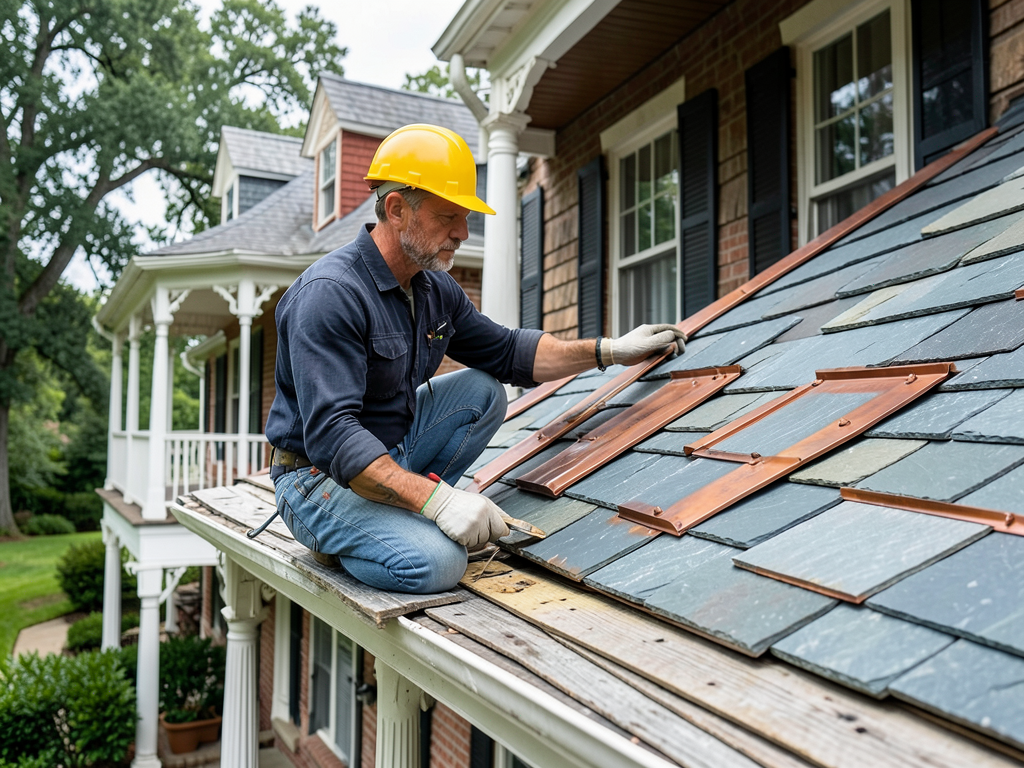
Salvaged slate offers New Orleans homeowners an authentic way to restore historic roofs while meeting strict preservation standards. This guide covers everything from sourcing reclaimed materials to navigating HDLC requirements for properties in the French Quarter and Garden District. New Orleans HDLC Official Website.
Understanding Salvaged Slate for New Orleans Historic Homes
Salvaged slate refers to reclaimed roofing tiles harvested from demolished buildings, older homes undergoing replacement, or specialty reclamation yards. Unlike new slate, each piece carries decades of weathering that creates a natural patina impossible to replicate with modern manufacturing. Specialized Roofing Solutions for Properties in the French Quarter.
The Gulf South climate presents unique challenges for slate roofing. High humidity levels approaching 90% accelerate algae growth on lighter-colored slates, while intense UV exposure and thermal expansion cycles stress the stone. Salvaged slate from older Gulf Coast structures has already undergone decades of these environmental stresses, proving its durability in our specific climate. Roofing Kenner.
Common slate types found in historic New Orleans architecture include Pennsylvania Black, Vermont Unfading Green, and Monson slate. Pennsylvania Black remains the most prevalent, featuring a deep charcoal color that weathers to a soft gray over 50-70 years. This natural aging process creates the subtle color variations that preservation boards require for authentic repairs. What to Do When Your New Orleans Roof Starts Leaking During a Downpour.
HDLC Requirements for Salvaged Slate in New Orleans
The Historic District Landmarks Commission enforces strict guidelines for roofing materials in designated historic districts. HDLC Section 106.5 mandates that replacement materials match existing roof patterns, textures, and colors within a 95% tolerance. This means salvaged slate must be carefully matched to the specific weathering patterns of your home’s existing roof.
Before beginning any slate repair project, homeowners must submit detailed plans to HDLC showing the source of salvaged materials, color matching documentation, and installation methods. The commission requires physical samples of both existing and proposed slate for approval. Many successful projects source materials from buildings within the same historic district to ensure architectural consistency. What Metairie Homeowners Need to Do for Emergency Storm Damage and Tarping.
HDLC approval typically takes 3-4 weeks for standard repairs and up to 8 weeks for complete roof replacements. Rush processing is not available for historic preservation projects. Working with contractors experienced in HDLC submissions can streamline this process significantly.
Sourcing and Grading Salvaged Slate
Quality salvaged slate undergoes rigorous grading before installation. The “ring test” remains the primary diagnostic method – experienced slaters tap each piece with a metal tool and listen for a clear, bell-like tone. A dull thud indicates internal fracturing or delamination that compromises longevity.
Grading categories for reclaimed slate include:
- Visual Inspection
Check for surface cracks, pyrite spots, and edge chipping. Discard pieces with visible damage exceeding 1/4 inch.
- Ring Test
Tapping each tile produces a clear tone for sound slate, dull sound for compromised material.
- Thickness Measurement
Ensure uniform thickness within 1/8 inch variation for consistent installation.
- Color Matching
Group pieces by weathering patterns and subtle color variations.
Salvage yards specializing in architectural materials often maintain inventory from specific building eras. For French Quarter properties built between 1850-1900, sourcing slate from similar period structures ensures authentic patterns and sizes. Modern slate tiles differ in dimensions and edge finishing from historic production methods.
Installation Techniques for Salvaged Slate
Traditional slate installation requires specific techniques that differ from modern roofing methods. Headlap – the amount each row overlaps the one below – must be precisely calculated based on roof pitch. For the 4:12 to 9:12 pitch common in New Orleans homes, 3-inch headlap provides adequate water shedding.
Copper flashing remains the only acceptable material for slate roof details. Aluminum or galvanized alternatives create galvanic corrosion when in contact with natural slate. Copper develops a protective patina that matches the weathering of aged slate over time.
Stainless steel nails replace traditional copper nails in most modern installations. While copper nails offer historical accuracy, stainless steel provides superior holding power in our high-humidity environment. Each nail must be driven flush without over-penetrating the slate, which causes stress fractures.
Wind uplift ratings for properly installed slate exceed 110 mph when following NRCA guidelines. This exceeds the 130 mph design wind speed required for Fortified Roof standards in hurricane-prone areas. The weight of slate – approximately 800-1,000 pounds per square – provides natural ballast against uplift forces.
Environmental Benefits of Reclaimed Slate
Salvaged slate represents one of the most sustainable roofing options available. Natural slate requires no manufacturing energy beyond quarrying and cutting. A salvaged slate roof keeps materials out of landfills while preserving embodied energy from the original production.
The lifecycle assessment for slate roofing shows a carbon footprint 60% lower than asphalt shingles over 75 years. Slate’s 100+ year lifespan means fewer replacement cycles and reduced waste. When a slate roof eventually reaches end-of-life, the material can be fully recycled into aggregate or new slate products. The Best Shingles to Withstand New Orleans Heat and Humidity.
Transportation impacts vary significantly based on sourcing distance. Local reclamation yards in the New Orleans area minimize shipping emissions compared to importing new slate from Vermont or Pennsylvania. Many local suppliers now maintain inventory specifically for historic preservation projects.
Cost Considerations for Salvaged Slate Projects
Salvaged slate pricing fluctuates based on availability, quality, and source proximity. Expect to pay $4-7 per square foot for reclaimed material compared to $8-12 for new premium slate. The cost savings must be weighed against additional labor for sorting and grading salvaged materials.
Installation costs run 30-40% higher than standard asphalt shingle roofs due to specialized skills required. Most slate roofers charge $150-200 per square for installation, compared to $80-120 for conventional materials. The total project cost typically ranges from $15,000-25,000 for a complete salvaged slate roof on a 2,000 square foot home.
Historic preservation tax credits can offset 20-30% of qualified expenses for HDLC-approved projects. The Louisiana Division of Historic Preservation administers these credits for work on contributing structures in historic districts. Documentation requirements are extensive but worthwhile for larger projects.
Common Challenges with Salvaged Slate
Material consistency presents the biggest challenge in salvaged slate projects. Unlike manufactured products, reclaimed slate varies in thickness, size, and weathering patterns. Experienced installers maintain detailed inventories and sorting systems to ensure consistent appearance across the roof surface.
Matching existing weathering requires careful selection and sometimes artificial aging of newer salvaged pieces. Exposure to salt spray, acid rain, and UV radiation creates unique patina patterns that cannot be rushed. Some contractors maintain outdoor weathering yards where salvaged slate ages naturally before installation.
Structural considerations become critical with salvaged slate. The added weight – up to 1,000 pounds per square – may require reinforcement of roof framing, especially in homes built before 1950. A structural engineer should evaluate older homes before committing to slate replacement.
Maintenance and Longevity
Properly installed slate roofs require minimal maintenance beyond periodic inspections. Check flashing details annually, especially around chimneys and roof penetrations where water intrusion commonly occurs. Replace damaged tiles promptly to prevent underlayment deterioration.
Cleaning should only be performed when necessary using low-pressure methods. High-pressure washing can fracture slate edges and strip protective weathering. Moss and algae growth can be treated with diluted chlorine solutions, but avoid acidic cleaners that etch natural stone.
The expected lifespan of salvaged slate in New Orleans conditions reaches 75-100 years with proper installation. Many historic homes retain original slate from the 1800s, though individual tiles require replacement over time. The underlayment typically needs replacement every 40-50 years, while the slate itself often lasts the building’s lifetime.
Comparing Salvaged vs. New Slate Options
| Feature | Salvaged Slate | New Slate |
|---|---|---|
| Cost per Square Foot | $4-7 | $8-12 |
| Environmental Impact | Very Low | Moderate |
| Historic Matching | Excellent | Good |
| Availability | Variable | Consistent |
| Installation Time | Longer | Standard |
| Warranty | Limited | 75-100 years |
Finding Qualified Slate Roofing Contractors
Specialized skills distinguish qualified slate roofers from general contractors. Look for certifications from the National Slate Association and evidence of HDLC experience. Most qualified slate contractors complete a formal apprenticeship lasting 3-5 years before working independently. National Park Service Slate Roof Preservation Guide.
Insurance considerations become critical with slate roofing. Standard roofing policies often exclude slate work due to specialized requirements. Verify contractors carry specific slate roofing coverage and workers’ compensation for this high-risk trade.
References should include similar historic preservation projects in New Orleans. Ask to see completed work in the French Quarter, Garden District, or Uptown neighborhoods. Quality slate installation should be nearly invisible, with consistent patterns and tight joints.
Frequently Asked Questions
Is salvaged slate actually cheaper than new slate?
Material costs run 40-50% lower for salvaged slate, but installation costs offset some savings. Total project costs often match or slightly exceed new slate when accounting for specialized labor and potential structural reinforcement needs.
How long does salvaged slate installation take?
Installation typically requires 2-3 weeks for a standard home, compared to 1-2 weeks for asphalt shingles. Additional time allows for careful sorting, HDLC approval processes, and the meticulous installation techniques required for natural stone.
Can I install salvaged slate over my existing roof?
Building codes generally prohibit multiple roof layers with slate due to weight concerns. Existing roofing must be removed down to the deck, allowing inspection of structural components and proper underlayment installation.
What happens if I can’t find matching salvaged slate?
HDLC may approve new slate that closely matches existing weathered material. Color matching becomes critical – manufacturers can provide weathered samples to compare with existing roof conditions. Some projects successfully blend salvaged and new slate when matching proves impossible.
Does salvaged slate affect my home insurance?
Most insurers recognize slate roofing as a premium material that can lower premiums due to superior storm resistance. However, some companies require certification of installation quality before offering slate-specific discounts.
Making the Right Choice for Your Historic Home
Salvaged slate represents more than a roofing material – it’s a commitment to preserving New Orleans’ architectural heritage. The combination of authentic appearance, proven durability in our climate, and environmental benefits makes it compelling for historic homeowners.
Success requires patience through the HDLC approval process, careful material sourcing, and skilled installation. The investment typically pays dividends through enhanced property value, reduced maintenance needs, and the satisfaction of maintaining authentic historic character.
Before proceeding with any slate project, schedule a professional assessment of your existing roof structure and HDLC requirements. Many qualified contractors offer free consultations that include preliminary material assessments and permit guidance.
Call (504) 355-3444 today to schedule your salvaged slate assessment. Our team has restored over 50 historic roofs in New Orleans’ most iconic neighborhoods, and we’ll help you navigate every step from HDLC approval to final installation.
Don’t wait until water damage compromises your home’s historic integrity. Pick up the phone and call (504) 355-3444 before the next storm hits. We’ll help you preserve your home’s character while protecting it for generations to come.
You may also find this helpful. Restoring the Intricate Turrets and Gables on Victorian Homes in the Holy Cross District.
{
“@context”: “https://schema.org”,
“@type”: “BlogPosting”,
“headline”: “What New Orleans Homeowners Need to Know About Salvaged Slate for Historic Roof Repairs”,
“description”: “Expert guide to salvaged slate roofing in New Orleans. Learn HDLC compliance, Pennsylvania Black slate matching, and hurricane-resistant installation for historic homes.”,
“wordCount”: 1826,
“datePublished”: “2026-06-18T07:15:00.000Z”,
“dateModified”: “2026-06-18T07:15:00.000Z”,
“inLanguage”: “en-US”,
“mainEntityOfPage”: {
“@type”: “WebPage”,
“@id”: “https://heritageroofingneworleans.com”
},
“publisher”: {
“@type”: “LocalBusiness”,
“name”: “Heritage Roofing New Orleans”,
“url”: “https://heritageroofingneworleans.com”
},
“author”: {
“@type”: “Organization”,
“name”: “Heritage Roofing New Orleans”,
“url”: “https://heritageroofingneworleans.com”
},
“image”: {
“@type”: “ImageObject”,
“url”: “https://heritageroofingneworleans.com/wp-content/uploads/2026/03/what-new-orleans-homeowners-need-to-know-about-sal-1.png”
}
}
{
“@context”: “https://schema.org”,
“@type”: “RoofingContractor”,
“name”: “Heritage Roofing New Orleans”,
“url”: “https://heritageroofingneworleans.com”,
“address”: {
“@type”: “PostalAddress”,
“addressLocality”: “New Orleans”
},
“areaServed”: {
“@type”: “City”,
“name”: “New Orleans”
}
}
{
“@context”: “https://schema.org”,
“@type”: “FAQPage”,
“mainEntity”: [
{
“@type”: “Question”,
“name”: “Is salvaged slate actually cheaper than new slate?”,
“acceptedAnswer”: {
“@type”: “Answer”,
“text”: “Material costs run 40-50% lower for salvaged slate, but installation costs offset some savings. Total project costs often match or slightly exceed new slate when accounting for specialized labor and potential structural reinforcement needs.”
}
},
{
“@type”: “Question”,
“name”: “How long does salvaged slate installation take?”,
“acceptedAnswer”: {
“@type”: “Answer”,
“text”: “Installation typically requires 2-3 weeks for a standard home, compared to 1-2 weeks for asphalt shingles. Additional time allows for careful sorting, HDLC approval processes, and the meticulous installation techniques required for natural stone.”
}
},
{
“@type”: “Question”,
“name”: “Can I install salvaged slate over my existing roof?”,
“acceptedAnswer”: {
“@type”: “Answer”,
“text”: “Building codes generally prohibit multiple roof layers with slate due to weight concerns. Existing roofing must be removed down to the deck, allowing inspection of structural components and proper underlayment installation.”
}
},
{
“@type”: “Question”,
“name”: “What happens if I can’t find matching salvaged slate?”,
“acceptedAnswer”: {
“@type”: “Answer”,
“text”: “HDLC may approve new slate that closely matches existing weathered material. Color matching becomes critical – manufacturers can provide weathered samples to compare with existing roof conditions. Some projects successfully blend salvaged and new slate when matching proves impossible.”
}
},
{
“@type”: “Question”,
“name”: “Does salvaged slate affect my home insurance?”,
“acceptedAnswer”: {
“@type”: “Answer”,
“text”: “Most insurers recognize slate roofing as a premium material that can lower premiums due to superior storm resistance. However, some companies require certification of installation quality before offering slate-specific discounts.”
}
}
]
}
{
“@context”: “https://schema.org”,
“@type”: “HowTo”,
“name”: “Salvaged Slate Grading Process”,
“step”: [
{
“@type”: “HowToStep”,
“position”: 1,
“name”: “Visual Inspection”,
“text”: “Check for surface cracks, pyrite spots, and edge chipping. Discard pieces with visible damage exceeding 1/4 inch.”
},
{
“@type”: “HowToStep”,
“position”: 2,
“name”: “Ring Test”,
“text”: “Tapping each tile produces a clear tone for sound slate, dull sound for compromised material.”
},
{
“@type”: “HowToStep”,
“position”: 3,
“name”: “Thickness Measurement”,
“text”: “Ensure uniform thickness within 1/8 inch variation for consistent installation.”
},
{
“@type”: “HowToStep”,
“position”: 4,
“name”: “Color Matching”,
“text”: “Group pieces by weathering patterns and subtle color variations.”
}
],
“image”: “https://heritageroofingneworleans.com/wp-content/uploads/2026/03/what-new-orleans-homeowners-need-to-know-about-sal-1.png”
}
{
“@context”: “https://schema.org”,
“@type”: “BreadcrumbList”,
“itemListElement”: [
{
“@type”: “ListItem”,
“position”: 1,
“name”: “Home”,
“item”: “https://heritageroofingneworleans.com”
},
{
“@type”: “ListItem”,
“position”: 2,
“name”: “Blog”,
“item”: “https://heritageroofingneworleans.com/blog”
},
{
“@type”: “ListItem”,
“position”: 3,
“name”: “What New Orleans Homeowners Need to Know About Salvaged Slate for Historic Roof Repairs”
}
]
}
{
“@context”: “https://schema.org”,
“@type”: “Service”,
“serviceType”: “Roofing”,
“provider”: {
“@type”: “LocalBusiness”,
“name”: “Heritage Roofing New Orleans”,
“url”: “https://heritageroofingneworleans.com”
},
“areaServed”: {
“@type”: “City”,
“name”: “New Orleans”
},
“description”: “Expert guide to salvaged slate roofing in New Orleans. Learn HDLC compliance, Pennsylvania Black slate matching, and hurricane-resistant installation for historic homes.”
}