
When Ground Subsidence in Gentilly Starts Affecting Your Roof Pitch and Drainage
The moment you notice your gutters sagging or water pooling near your foundation in Gentilly, you are witnessing the intersection of New Orleans’ unique soil challenges and your home’s structural integrity. Gentilly’s location on the former marshland of the Gentilly Terrace means your property sits on a foundation of highly expansive clay and peat soils that shift dramatically with moisture changes. When your roof drainage system fails to move water away quickly enough, that water saturates the soil beneath your home, causing it to expand and contract in ways that directly affect your roof’s pitch and overall drainage efficiency. What to Do When Your New Orleans Roof Starts Leaking During a Downpour.
The problem starts with New Orleans’ annual rainfall of approximately 62 inches concentrated in intense tropical downpours. Your roof captures thousands of gallons during these storms, and if your gutters cannot handle the volume or your downspouts discharge too close to your foundation, the water has nowhere to go but down. The Mississippi River delta’s high water table means that water does not drain away quickly through the soil. Instead, it accumulates around your foundation, creating hydrostatic pressure that pushes upward on your slab or pier-and-beam structure.
Foundation heave occurs when saturated soil expands beneath your home. This upward pressure can cause your foundation to lift unevenly, creating stress on your roof framing. You might notice your roof deck developing a slight crown or your gutters pulling away from the fascia. The changes may be subtle at first, but they compound over time. As your foundation moves, your roof’s pitch changes, altering how water flows across your shingles and into your drainage system. The Best Shingles to Withstand New Orleans Heat and Humidity.
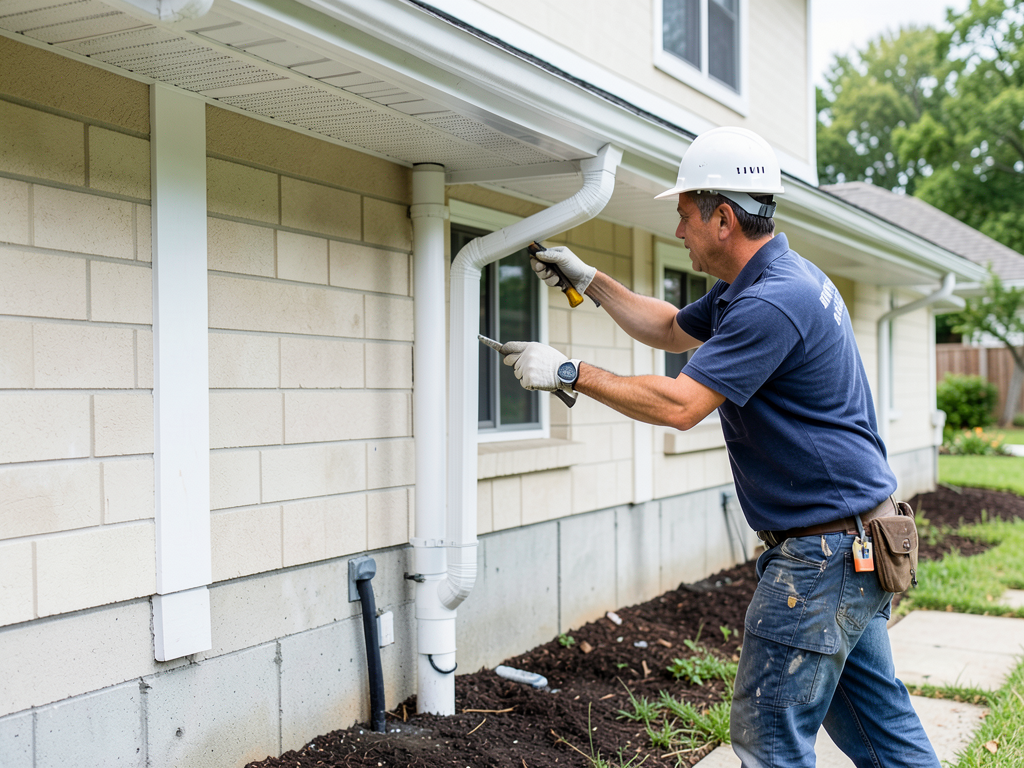
The diagnostic process involves examining multiple failure points. First, check your gutter capacity against your roof’s square footage. Standard residential gutters in New Orleans should handle at least 6 inches of rainfall per hour to accommodate tropical storm conditions. Second, measure your downspout discharge distance. Water should discharge at least five feet away from your foundation, ideally into a French drain system that carries it beyond the zone of influence around your home. Third, inspect your soil for signs of saturation. Standing water within six feet of your foundation for more than 24 hours indicates a serious drainage problem. City of New Orleans drainage infrastructure.
Gentilly’s specific soil composition creates additional challenges. The area’s peat layers retain moisture like a sponge, expanding when wet and shrinking when dry. This creates a cycle of soil movement that stresses your foundation and roof framing. The clay content in Gentilly soil means that when water is added, the soil can expand by up to 15 percent in volume. This expansion pushes against your foundation walls and slab, creating the upward pressure that causes foundation heave.
During a site inspection, you can perform a simple screwdriver test to assess soil moisture. Push a six-inch screwdriver into the soil six feet from your foundation. If it penetrates easily without resistance, your soil is likely saturated. This test reveals whether your drainage system is functioning properly or if water is accumulating near your foundation.
The connection between roof drainage and foundation health becomes clear when you consider the volume of water involved. A 1,500-square-foot roof captures approximately 938 gallons of water during a one-inch rainfall event. If your gutters overflow or your downspouts discharge too close to your home, that water goes directly into the soil around your foundation. Over time, this repeated saturation creates the conditions for subsidence and foundation movement.
Modern building codes in New Orleans address these issues through specific requirements. The Louisiana State Uniform Construction Code mandates that new construction include proper drainage systems that direct water away from foundations. However, many Gentilly homes were built before these requirements existed, leaving them vulnerable to the soil-subsidence cycle. Louisiana State University AgCenter soil resources.
The solution involves a comprehensive approach to roof and foundation drainage. High-capacity gutter systems with oversized downspouts can handle the intense rainfall common to Gentilly. Downspout extensions should discharge water at least five feet from your foundation, with underground drainage pipes carrying water to a safe discharge point. Surface grading around your home should slope away from the foundation at a minimum of six inches over ten feet.
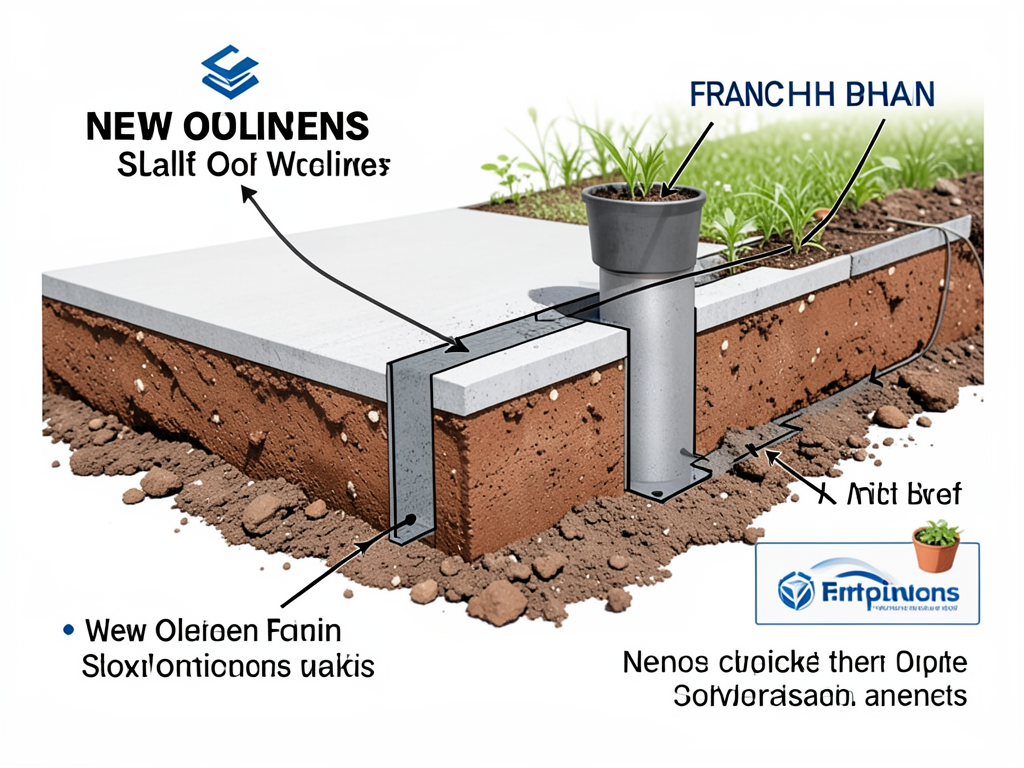
French drains offer an effective solution for properties with severe drainage issues. These systems consist of perforated pipes surrounded by gravel that collect and redirect subsurface water away from your foundation. The pipes should discharge to a lower elevation or into a storm drainage system, never allowing water to pool near your home.
Termite prevention becomes another consideration when addressing drainage issues. Subterranean termites thrive in moist soil conditions. By eliminating excess moisture around your foundation through proper drainage, you create an environment less hospitable to termite colonies. This dual benefit of foundation protection and pest prevention makes drainage improvements a smart investment.
The cost of addressing drainage issues proactively is significantly less than repairing foundation damage after it occurs. Foundation piering, which becomes necessary when subsidence causes severe structural damage, can cost $10,000 to $30,000 or more per home. In contrast, upgrading your gutter system and installing proper drainage might cost $3,000 to $8,000, preventing the need for more expensive repairs. Repair vs. Replace Analysis.
Climate change adds urgency to addressing these issues. New Orleans has experienced an increase in the frequency and intensity of rainfall events over the past decade. What was once considered a 100-year storm now occurs more frequently, testing drainage systems beyond their original design capacity. Properties in Gentilly need drainage systems designed for current and future rainfall patterns, not historical averages.
The diagnostic process should include a comprehensive evaluation of your entire drainage system. This means inspecting not just your roof and gutters, but also your yard’s grading, any existing French drains, and the condition of your foundation walls. Look for signs of foundation movement such as cracks in brick veneer, sticking doors and windows, or uneven floors. These symptoms often indicate that subsidence is already affecting your home’s structure.
Professional assessment tools can provide detailed information about your property’s drainage performance. Moisture meters can measure soil saturation levels at various depths. Laser levels can detect subtle changes in your foundation’s elevation. Thermal imaging can reveal areas where moisture is accumulating beneath your home’s surface. These diagnostic tools help identify problems before they cause visible damage.
The relationship between roof pitch and drainage efficiency becomes critical when subsidence occurs. As your foundation moves, your roof’s pitch may change from its original design angle. This alters how water flows across your roof surface, potentially creating areas where water pools instead of draining quickly. Pooled water increases the risk of leaks and accelerates shingle deterioration.
Proper attic ventilation plays a supporting role in managing moisture issues. While ventilation does not directly address foundation drainage, it helps prevent moisture accumulation in your attic space. This is particularly important in New Orleans’ humid climate, where trapped moisture can lead to mold growth and wood rot. Good ventilation works in conjunction with proper drainage to protect your home’s structural integrity.
The timeline for addressing drainage issues varies based on the severity of the problem. Minor issues might be resolved with simple gutter upgrades and downspout extensions. More severe cases require comprehensive drainage system installation, including French drains and surface regrading. The key is to address problems early, before foundation damage becomes severe enough to require structural repairs.
Homeowners in Gentilly should schedule regular inspections of their drainage systems, particularly after major storm events. Check your gutters for debris that could cause overflow, inspect downspout extensions for damage or displacement, and observe how water flows across your property during rainfall. Early detection of drainage problems can prevent costly foundation repairs later. What Metairie Homeowners Need to Do for Emergency Storm Damage and Tarping.
The investment in proper drainage systems pays dividends beyond foundation protection. Improved drainage can enhance your property’s value, reduce the risk of basement flooding, and create a more comfortable outdoor living space. Properties with well-designed drainage systems often have lower insurance premiums and fewer maintenance issues over time.
Understanding the connection between your roof’s drainage system and your home’s foundation is essential for Gentilly homeowners. The unique soil conditions, intense rainfall patterns, and high water table in New Orleans create a perfect storm for foundation issues when drainage is inadequate. By addressing these challenges proactively, you protect your home’s structural integrity and avoid the costly repairs that result from foundation damage.
Comparing Drainage Solutions for Gentilly Properties
| Solution Type | Cost Range | Effectiveness Rating | Best For |
|---|---|---|---|
| Standard Gutter Upgrade | $1,500 – $3,000 | Moderate | Minor drainage issues |
| Downspout Extensions | $300 – $800 | Moderate | Surface water redirection |
| French Drain Installation | $2,500 – $6,000 | High | Severe saturation problems |
| Comprehensive Drainage System | $5,000 – $12,000 | Excellent | Foundation protection |
Steps to Evaluate Your Property’s Drainage Needs
- Inspect Gutters and Downspouts
Check for debris, proper slope, and secure attachment. Ensure downspouts extend at least five feet from foundation.
- Observe Water Flow During Rainfall
Watch how water moves across your property. Identify areas where water pools or flows toward your foundation.
- Test Soil Moisture Levels
Use a screwdriver test to assess soil saturation near your foundation. Note any areas of easy penetration.
- Examine Foundation for Signs of Movement
Look for cracks, uneven floors, or sticking doors that might indicate foundation issues.
- Consult with Drainage Professional
Get expert assessment of your specific property conditions and recommendations for solutions.
Frequently Asked Questions
How do I know if my Gentilly home has drainage problems?
Signs include standing water near your foundation, soggy soil that stays wet for days after rain, gutters that overflow during moderate rainfall, and foundation cracks or uneven floors. You might also notice your doors sticking or windows that won’t close properly.
Can roof drainage really affect my foundation?
Yes. Your roof captures thousands of gallons of water during rainfall events. If this water is not directed away from your foundation properly, it saturates the soil around your home, causing expansion and contraction that can lead to foundation movement and structural damage.
What’s the difference between surface and subsurface drainage?
Surface drainage deals with water flowing across your yard’s surface, managed through proper grading and gutter systems. Subsurface drainage addresses water accumulating beneath the soil surface, typically managed through French drains or similar underground systems that collect and redirect groundwater.
How much does it cost to fix drainage issues in Gentilly?
Costs vary widely based on the severity of the problem. Simple gutter upgrades might cost $1,500 to $3,000, while comprehensive drainage systems with French drains can cost $5,000 to $12,000. Foundation repairs if damage has occurred can cost $10,000 to $30,000 or more.
Should I get a professional assessment of my drainage system?
Yes. A professional can identify issues you might miss and recommend solutions tailored to your specific property conditions. They can also provide documentation that might be useful for insurance purposes or if you plan to sell your home.
Call (504) 355-3444 today to schedule your inspection. Our team understands Gentilly’s unique soil challenges and can recommend the right drainage solutions to protect your home’s foundation and roof system. Don’t wait until foundation damage becomes visible and expensive to repair.
Pick up the phone and call (504) 355-3444 before the next storm hits. We’ll assess your current drainage system and identify any vulnerabilities that could lead to foundation problems. Your home’s structural integrity depends on proper water management from roof to foundation.
{
“@context”: “https://schema.org”,
“@type”: “BlogPosting”,
“headline”: “When Ground Subsidence in Gentilly Starts Affecting Your Roof Pitch and Drainage”,
“description”: “Learn how Gentilly’s sinking soil impacts your roof’s drainage and structural integrity. Get expert insights on preventing costly foundation damage.”,
“wordCount”: 1932,
“datePublished”: “2026-06-10T13:17:00.000Z”,
“dateModified”: “2026-06-10T13:17:00.000Z”,
“inLanguage”: “en-US”,
“mainEntityOfPage”: {
“@type”: “WebPage”,
“@id”: “https://heritageroofingneworleans.com”
},
“publisher”: {
“@type”: “LocalBusiness”,
“name”: “Heritage Roofing New Orleans”,
“url”: “https://heritageroofingneworleans.com”
},
“author”: {
“@type”: “Organization”,
“name”: “Heritage Roofing New Orleans”,
“url”: “https://heritageroofingneworleans.com”
},
“image”: {
“@type”: “ImageObject”,
“url”: “https://heritageroofingneworleans.com/wp-content/uploads/2026/03/when-ground-subsidence-in-gentilly-starts-affectin-1.png”
}
}
{
“@context”: “https://schema.org”,
“@type”: “RoofingContractor”,
“name”: “Heritage Roofing New Orleans”,
“url”: “https://heritageroofingneworleans.com”,
“address”: {
“@type”: “PostalAddress”,
“addressLocality”: “New Orleans”
},
“areaServed”: {
“@type”: “City”,
“name”: “New Orleans”
}
}
{
“@context”: “https://schema.org”,
“@type”: “FAQPage”,
“mainEntity”: [
{
“@type”: “Question”,
“name”: “How do I know if my Gentilly home has drainage problems?”,
“acceptedAnswer”: {
“@type”: “Answer”,
“text”: “Signs include standing water near your foundation, soggy soil that stays wet for days after rain, gutters that overflow during moderate rainfall, and foundation cracks or uneven floors. You might also notice your doors sticking or windows that won’t close properly.”
}
},
{
“@type”: “Question”,
“name”: “Can roof drainage really affect my foundation?”,
“acceptedAnswer”: {
“@type”: “Answer”,
“text”: “Yes. Your roof captures thousands of gallons of water during rainfall events. If this water is not directed away from your foundation properly, it saturates the soil around your home, causing expansion and contraction that can lead to foundation movement and structural damage.”
}
},
{
“@type”: “Question”,
“name”: “What’s the difference between surface and subsurface drainage?”,
“acceptedAnswer”: {
“@type”: “Answer”,
“text”: “Surface drainage deals with water flowing across your yard’s surface, managed through proper grading and gutter systems. Subsurface drainage addresses water accumulating beneath the soil surface, typically managed through French drains or similar underground systems that collect and redirect groundwater.”
}
},
{
“@type”: “Question”,
“name”: “How much does it cost to fix drainage issues in Gentilly?”,
“acceptedAnswer”: {
“@type”: “Answer”,
“text”: “Costs vary widely based on the severity of the problem. Simple gutter upgrades might cost $1,500 to $3,000, while comprehensive drainage systems with French drains can cost $5,000 to $12,000. Foundation repairs if damage has occurred can cost $10,000 to $30,000 or more.”
}
},
{
“@type”: “Question”,
“name”: “Should I get a professional assessment of my drainage system?”,
“acceptedAnswer”: {
“@type”: “Answer”,
“text”: “Yes. A professional can identify issues you might miss and recommend solutions tailored to your specific property conditions. They can also provide documentation that might be useful for insurance purposes or if you plan to sell your home.”
}
}
]
}
{
“@context”: “https://schema.org”,
“@type”: “HowTo”,
“name”: “How to Evaluate Property Drainage”,
“step”: [
{
“@type”: “HowToStep”,
“position”: 1,
“name”: “Inspect Gutters and Downspouts”,
“text”: “Check for debris, proper slope, and secure attachment. Ensure downspouts extend at least five feet from foundation.”
},
{
“@type”: “HowToStep”,
“position”: 2,
“name”: “Observe Water Flow During Rainfall”,
“text”: “Watch how water moves across your property. Identify areas where water pools or flows toward your foundation.”
},
{
“@type”: “HowToStep”,
“position”: 3,
“name”: “Test Soil Moisture Levels”,
“text”: “Use a screwdriver test to assess soil saturation near your foundation. Note any areas of easy penetration.”
},
{
“@type”: “HowToStep”,
“position”: 4,
“name”: “Examine Foundation for Signs of Movement”,
“text”: “Look for cracks, uneven floors, or sticking doors that might indicate foundation issues.”
},
{
“@type”: “HowToStep”,
“position”: 5,
“name”: “Consult with Drainage Professional”,
“text”: “Get expert assessment of your specific property conditions and recommendations for solutions.”
}
],
“image”: “https://heritageroofingneworleans.com/wp-content/uploads/2026/03/when-ground-subsidence-in-gentilly-starts-affectin-1.png”
}
{
“@context”: “https://schema.org”,
“@type”: “BreadcrumbList”,
“itemListElement”: [
{
“@type”: “ListItem”,
“position”: 1,
“name”: “Home”,
“item”: “https://heritageroofingneworleans.com”
},
{
“@type”: “ListItem”,
“position”: 2,
“name”: “Blog”,
“item”: “https://heritageroofingneworleans.com/blog”
},
{
“@type”: “ListItem”,
“position”: 3,
“name”: “When Ground Subsidence in Gentilly Starts Affecting Your Roof Pitch and Drainage”
}
]
}
{
“@context”: “https://schema.org”,
“@type”: “Service”,
“serviceType”: “Roofing”,
“provider”: {
“@type”: “LocalBusiness”,
“name”: “Heritage Roofing New Orleans”,
“url”: “https://heritageroofingneworleans.com”
},
“areaServed”: {
“@type”: “City”,
“name”: “New Orleans”
},
“description”: “Learn how Gentilly’s sinking soil impacts your roof’s drainage and structural integrity. Get expert insights on preventing costly foundation damage.”
}