
Why Your New Orleans Attic Feels Like a Sauna (And How It’s Hurting Your Roof)
Your New Orleans attic can reach 150°F during summer months turning it into a pressure cooker that damages your roof from the inside out. This extreme heat causes shingles to blister and curl accelerates granule loss and creates moisture problems that lead to mold and wood rot. The combination of Gulf Coast humidity and intense UV exposure means your attic ventilation system isn’t just about comfort it’s about protecting your home’s most important structural component. What to Do When Your New Orleans Roof Starts Leaking During a Downpour.
How New Orleans Heat and Humidity Create the Perfect Storm for Roof Damage
New Orleans sits in a unique climate zone where summer temperatures regularly exceed 90°F and humidity levels stay above 75%. When that moist hot air gets trapped in your attic it creates a greenhouse effect that can push temperatures 30-40 degrees higher than outside. This isn’t just uncomfortable it’s actively destroying your roofing system. Specialized Roofing Solutions for Properties in the French Quarter.
The problem starts with thermal expansion. As asphalt shingles heat up they expand and contract repeatedly throughout the day. In a poorly ventilated attic this cycle happens at an accelerated rate causing shingles to lose their flexibility and crack. The Gulf Coast sun beating down on dark roofing materials only intensifies this effect. The Best Shingles to Withstand New Orleans Heat and Humidity.
Moisture compounds the damage. When warm humid air from your living space rises into the attic and meets cooler roof surfaces condensation forms. This trapped moisture creates the perfect environment for mold growth and wood rot particularly in the roof decking and rafters.. Read more about How to Tell If You Need New Roof Decking or Just a Simple Shingle Swap.
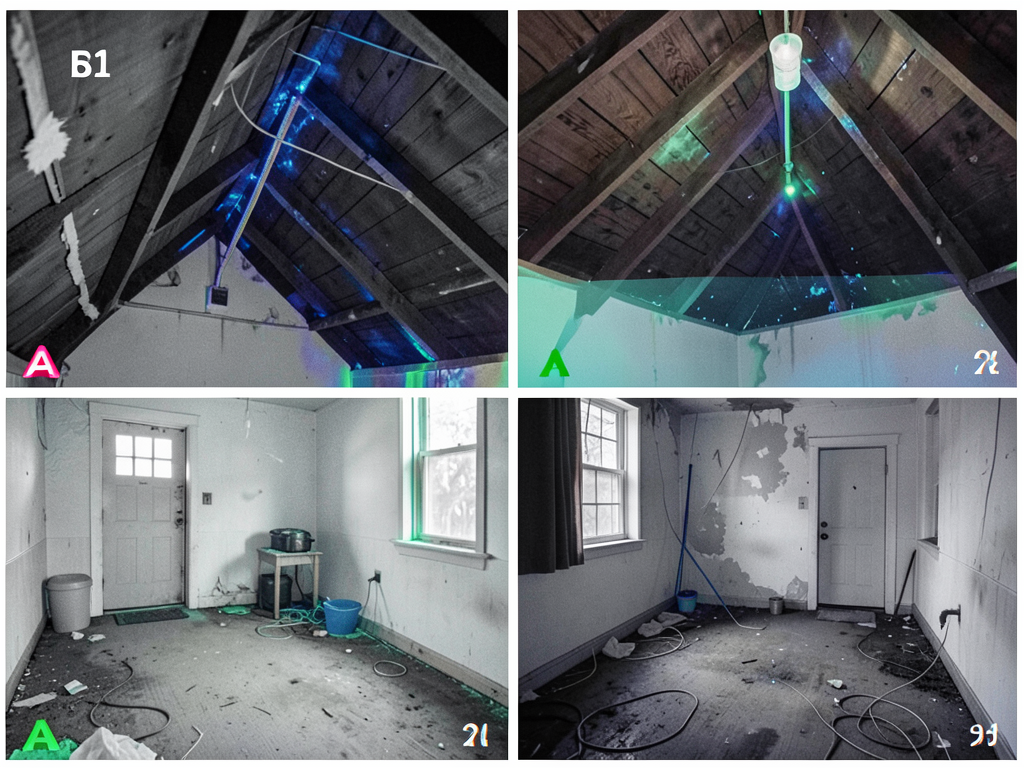
[IMAGE_PLACEHOLDER_1: Thermal imaging photo showing temperature differences between a properly ventilated attic and an overheated attic in a New Orleans home]
5 Warning Signs Your Attic Heat is Damaging Your Roof
Before you call a roofing contractor look for these telltale signs that your attic heat is causing damage: Roofing Kenner.
- Curling or brittle shingles – Shingles that look like they’re peeling up at the edges or feel fragile to the touch indicate heat damage
- Interior paint blistering or peeling – Heat escaping through your ceiling can cause paint problems in upper floor rooms
- Accelerated granule loss – Finding excessive granules in your gutters means your shingles are breaking down faster than normal
- Warping of roof decking – Sagging or uneven spots on your ceiling suggest the plywood underlayment is failing
- Mold and mildew growth – Musty odors or visible mold in your attic indicate moisture problems from trapped heat
The Pressure Cooker Effect: Why Your Attic Ventilation Isn’t Working
Most New Orleans homes have a fundamental ventilation problem. The system needs balanced airflow with cool air entering through soffit vents and hot air exiting through ridge vents or other exhaust points. When this balance is disrupted your attic becomes a pressure cooker.
Common ventilation failures in New Orleans homes include:
- Blocked soffit vents from insulation or debris
- Inadequate ridge vent capacity for the attic size
- Poorly designed roof geometry that creates dead air spaces
- Insufficient intake vents relative to exhaust vents
The International Building Code requires 1 square foot of net free ventilation area for every 150 square feet of attic space. In high humidity climates like ours many experts recommend doubling that ratio to ensure proper airflow.
[IMAGE_PLACEHOLDER_2: Diagram showing proper attic ventilation flow with intake and exhaust vents labeled]
The Long-Term Costs of Ignoring Attic Heat Damage
Beyond the obvious roof replacement costs excessive attic heat creates a cascade of expensive problems: Repair vs. Replace Analysis.
| Problem | Impact | Typical Cost Range |
|---|---|---|
| Reduced roof lifespan | Up to 50% shorter life | $8,000 – $15,000 replacement |
| Increased cooling costs | Up to 30% higher energy bills | $500 – $1,200 annually |
| Warranty voidance | Manufacturer won’t cover damage | Full replacement cost |
| HVAC strain | Premature system failure | $4,000 – $8,000 replacement |
| Mold remediation | Health hazards and structural damage | $2,000 – $6,000 cleanup |
Professional Solutions for New Orleans Homeowners
Fixing attic heat problems requires a systematic approach that addresses the unique challenges of our climate. Here are proven solutions that work in New Orleans:
Solar Attic Fans: Harnessing the Sun to Fight the Heat
Solar-powered attic fans use photovoltaic panels to power high-efficiency fans that can move 1,000-1,500 cubic feet of air per minute. In our climate these fans pay for themselves within 2-3 years through energy savings alone.
The key advantage is that they operate hardest when you need them most during peak afternoon heat. They’re particularly effective for homes with complex roof designs where passive ventilation struggles to move air through all spaces.
Radiant Barriers: Reflecting Heat Before It Enters
Radiant barriers are reflective materials installed in attics to reduce summer heat gain. They work by reflecting radiant heat rather than absorbing it. In New Orleans tests show they can reduce attic temperatures by 20-30°F.
The most effective installation places the barrier on the underside of roof rafters creating an air gap that enhances its reflective properties. This works especially well in raised cottages and homes with limited attic space.
Ridge Vent Upgrades: Maximizing Exhaust Capacity
Standard ridge vents often can’t keep up with the heat load in New Orleans attics. High-capacity ridge vents with wider openings and better weatherproofing can dramatically improve airflow.
For homes in hurricane zones look for vents rated for 150+ mph winds. The Florida Building Code which Louisiana often references requires specific wind ratings for coastal areas. Florida Building Code attic ventilation requirements.
Blown-In Insulation: Creating a Thermal Barrier
Proper insulation works hand-in-hand with ventilation. Blown-in cellulose or fiberglass insulation with an R-value of 38-49 creates a barrier that prevents heat transfer between your living space and attic.
The key is ensuring insulation doesn’t block soffit vents. Baffle vents installed between rafters maintain the air gap needed for proper ventilation while maximizing insulation coverage.
[IMAGE_PLACEHOLDER_3: Before and after photos showing attic temperature reduction after ventilation improvements]
Understanding Louisiana Building Codes for Attic Ventilation
The Louisiana State Uniform Construction Code adopts many provisions from the International Residential Code but with local amendments. For attic ventilation the code requires:
- Minimum 1:150 ventilation ratio (1 sq ft per 150 sq ft of attic)
- Vents must be no more than 3 feet from the ridge
- Soffit vents must provide at least 50% of total ventilation area
- All vents must be protected from wind-driven rain
For homes in flood zones or coastal areas additional requirements apply. The code mandates corrosion-resistant materials and specific fastening patterns to withstand high winds.
Insurance companies also have requirements. Many won’t cover damage caused by inadequate ventilation even if it meets minimum code. This is why professional assessment matters.
The Energy Efficiency Connection: How Cooler Attics Save You Money
Entergy New Orleans offers rebates for energy efficiency improvements that include attic ventilation upgrades. A cooler attic means your air conditioner doesn’t have to work as hard reducing your summer electric bills by 15-25%.
The savings calculation is straightforward: for every degree you lower your attic temperature you reduce your cooling load by approximately 1-2%. In a 2,000 square foot home that can mean $30-50 per month in summer savings.
Beyond direct energy savings proper ventilation extends the life of your HVAC equipment. Systems in cooler attics experience less strain and can last 3-5 years longer than those fighting extreme heat.
DIY Assessment: Is Your Attic Overheating?
You can check your attic’s condition without climbing into it. Here’s a simple diagnostic process:
- Touch Test
Feel your ceiling on a hot afternoon. If it’s warm to the touch your attic is likely overheating
- Visual Inspection
Look for signs of moisture or mold in your attic access point
- Shingle Check
Examine your roof for curling or blistering shingles. Read more about GAF vs CertainTeed Shingles — Which Brand Holds Up Best in New Orleans Humidity?.
- Gutter Check
Look for excessive granules in your gutters
For a more accurate assessment use an infrared thermometer to check your ceiling temperature. Readings above 85°F on a 90°F day indicate serious ventilation problems.
Why Professional Assessment Matters
Attic ventilation isn’t a one-size-fits-all solution. A professional assessment considers:
- Your home’s specific roof geometry and construction
- Local climate factors including humidity and wind patterns
- Existing ventilation system condition and capacity
- Energy efficiency goals and budget constraints
Professional contractors use specialized tools like blower doors and thermal imaging to identify air leaks and hot spots that aren’t visible to the naked eye. This diagnostic approach ensures you get the right solution rather than expensive trial and error.
Frequently Asked Questions
How much does it cost to fix attic ventilation problems?
Costs vary widely based on your home’s needs. Simple fixes like adding soffit vents might cost $500-1,000 while comprehensive systems with solar fans and radiant barriers typically run $3,000-7,000. The energy savings often offset much of the cost within 3-5 years.
Will improving my attic ventilation void my shingle warranty?
Actually the opposite is true. Most major shingle manufacturers require proper ventilation to maintain warranty coverage. Inadequate ventilation can void warranties worth thousands of dollars making professional assessment a smart investment.
How long does it take to install attic ventilation improvements?
Most residential projects take 1-2 days. Solar fan installation is typically a single day project while comprehensive ventilation upgrades might take 2-3 days including any necessary roof modifications.
Can I install attic ventilation myself?
While some basic improvements are DIY-friendly complex ventilation systems require professional expertise. Improper installation can actually worsen ventilation problems and create moisture issues. Professional assessment ensures you get the right solution for your specific situation.
Take Action Before Your Roof Suffers Irreversible Damage
Your attic’s sauna-like conditions aren’t just uncomfortable they’re actively destroying your roof from the inside out. The combination of extreme heat moisture and poor airflow creates a perfect storm for expensive damage that could cost you thousands in premature roof replacement.
The good news is that most ventilation problems can be solved with targeted improvements that pay for themselves through energy savings and extended roof life. The key is getting a professional assessment to identify exactly what your home needs.
Don’t wait until you’re facing a $10,000 roof replacement or dealing with mold remediation. Call (504) 355-3444 today to schedule your attic ventilation assessment. Our local experts understand New Orleans’ unique climate challenges and can recommend solutions that protect your home and save you money.
Pick up the phone and call (504) 355-3444 before the next heat wave hits. Your roof and your energy bills will thank you. For more information, visit U.S. Department of Energy attic ventilation guide.
You may also find this helpful. Bringing Natural Light Into a Dark New Orleans Shotgun Home With Leak-Proof Skylights.
{
“@context”: “https://schema.org”,
“@type”: “BlogPosting”,
“headline”: “Why Your New Orleans Attic Feels Like a Sauna (And How It’s Hurting Your Roof)”,
“description”: “Is your New Orleans attic reaching 150°F? Discover how extreme heat damages your roof and what local ventilation fixes can save you money.”,
“wordCount”: 1754,
“datePublished”: “2026-04-12T06:36:00.000Z”,
“dateModified”: “2026-04-12T06:36:00.000Z”,
“inLanguage”: “en-US”,
“mainEntityOfPage”: {
“@type”: “WebPage”,
“@id”: “https://heritageroofingneworleans.com”
},
“publisher”: {
“@type”: “LocalBusiness”,
“name”: “Heritage Roofing New Orleans”,
“url”: “https://heritageroofingneworleans.com”
},
“author”: {
“@type”: “Organization”,
“name”: “Heritage Roofing New Orleans”,
“url”: “https://heritageroofingneworleans.com”
},
“image”: {
“@type”: “ImageObject”,
“url”: “https://heritageroofingneworleans.com/wp-content/uploads/2026/03/why-your-new-orleans-attic-feels-like-a-sauna-and-1.png”
}
}
{
“@context”: “https://schema.org”,
“@type”: “RoofingContractor”,
“name”: “Heritage Roofing New Orleans”,
“url”: “https://heritageroofingneworleans.com”,
“address”: {
“@type”: “PostalAddress”,
“addressLocality”: “New Orleans”
},
“areaServed”: {
“@type”: “City”,
“name”: “New Orleans”
}
}
{
“@context”: “https://schema.org”,
“@type”: “FAQPage”,
“mainEntity”: [
{
“@type”: “Question”,
“name”: “DIY Assessment: Is Your Attic Overheating?”,
“acceptedAnswer”: {
“@type”: “Answer”,
“text”: “You can check your attic’s condition without climbing into it. Here’s a simple diagnostic process:”
}
},
{
“@type”: “Question”,
“name”: “How much does it cost to fix attic ventilation problems?”,
“acceptedAnswer”: {
“@type”: “Answer”,
“text”: “Costs vary widely based on your home’s needs. Simple fixes like adding soffit vents might cost $500-1,000 while comprehensive systems with solar fans and radiant barriers typically run $3,000-7,000. The energy savings often offset much of the cost within 3-5 years.”
}
},
{
“@type”: “Question”,
“name”: “Will improving my attic ventilation void my shingle warranty?”,
“acceptedAnswer”: {
“@type”: “Answer”,
“text”: “Actually the opposite is true. Most major shingle manufacturers require proper ventilation to maintain warranty coverage. Inadequate ventilation can void warranties worth thousands of dollars making professional assessment a smart investment.”
}
},
{
“@type”: “Question”,
“name”: “How long does it take to install attic ventilation improvements?”,
“acceptedAnswer”: {
“@type”: “Answer”,
“text”: “Most residential projects take 1-2 days. Solar fan installation is typically a single day project while comprehensive ventilation upgrades might take 2-3 days including any necessary roof modifications.”
}
},
{
“@type”: “Question”,
“name”: “Can I install attic ventilation myself?”,
“acceptedAnswer”: {
“@type”: “Answer”,
“text”: “While some basic improvements are DIY-friendly complex ventilation systems require professional expertise. Improper installation can actually worsen ventilation problems and create moisture issues. Professional assessment ensures you get the right solution for your specific situation.”
}
}
]
}
{
“@context”: “https://schema.org”,
“@type”: “HowTo”,
“name”: “How to Check Your Attic Temperature”,
“step”: [
{
“@type”: “HowToStep”,
“position”: 1,
“name”: “Touch Test”,
“text”: “Feel your ceiling on a hot afternoon. If it’s warm to the touch your attic is likely overheating”
},
{
“@type”: “HowToStep”,
“position”: 2,
“name”: “Visual Inspection”,
“text”: “Look for signs of moisture or mold in your attic access point”
},
{
“@type”: “HowToStep”,
“position”: 3,
“name”: “Shingle Check”,
“text”: “Examine your roof for curling or blistering shingles”
},
{
“@type”: “HowToStep”,
“position”: 4,
“name”: “Gutter Check”,
“text”: “Look for excessive granules in your gutters”
}
],
“image”: “https://heritageroofingneworleans.com/wp-content/uploads/2026/03/why-your-new-orleans-attic-feels-like-a-sauna-and-1.png”
}
{
“@context”: “https://schema.org”,
“@type”: “BreadcrumbList”,
“itemListElement”: [
{
“@type”: “ListItem”,
“position”: 1,
“name”: “Home”,
“item”: “https://heritageroofingneworleans.com”
},
{
“@type”: “ListItem”,
“position”: 2,
“name”: “Blog”,
“item”: “https://heritageroofingneworleans.com/blog”
},
{
“@type”: “ListItem”,
“position”: 3,
“name”: “Why Your New Orleans Attic Feels Like a Sauna (And How It’s Hurting Your Roof)”
}
]
}
{
“@context”: “https://schema.org”,
“@type”: “Service”,
“serviceType”: “Roofing”,
“provider”: {
“@type”: “LocalBusiness”,
“name”: “Heritage Roofing New Orleans”,
“url”: “https://heritageroofingneworleans.com”
},
“areaServed”: {
“@type”: “City”,
“name”: “New Orleans”
},
“description”: “Is your New Orleans attic reaching 150°F? Discover how extreme heat damages your roof and what local ventilation fixes can save you money.”
}