
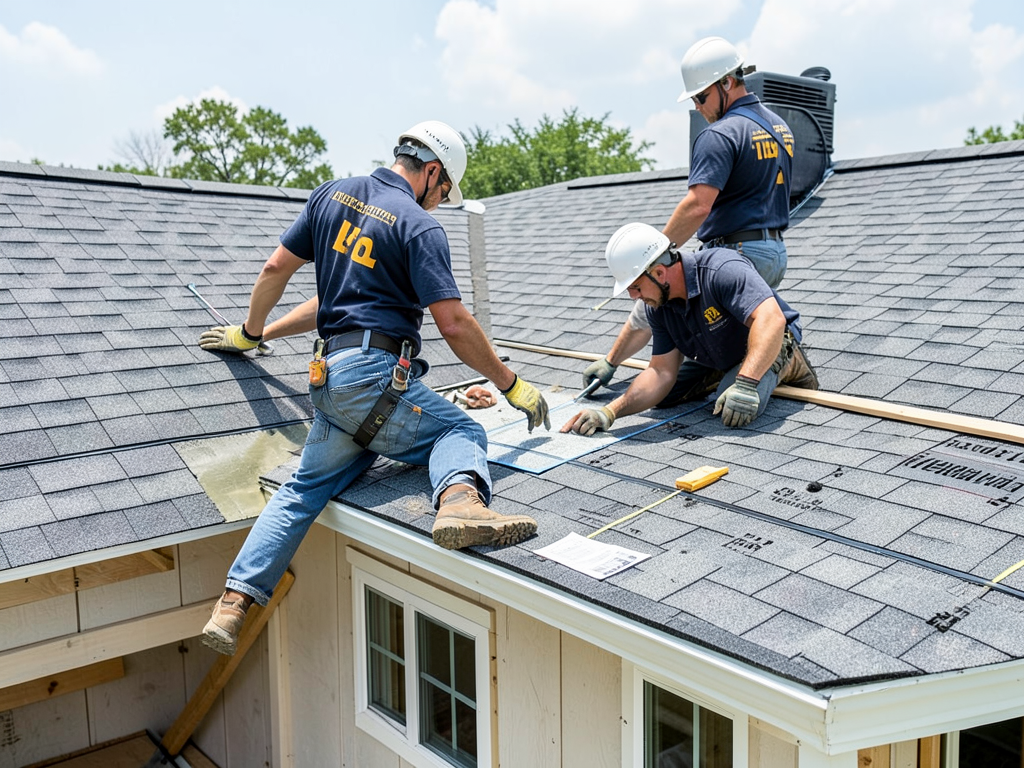
The Essential Roofing Checklist for New Construction Homes in Madisonville and Pearl River
Building a new home on the Northshore means facing Louisiana’s unique climate challenges from day one. The roof you choose now will protect your investment through hurricane seasons, tropical downpours, and the region’s notorious humidity. This checklist covers everything you need to know about roofing your new construction home in Madisonville and Pearl River, from material selection to final inspection. Louisiana State Licensing Board for Contractors.
Understanding Northshore Roofing Requirements
The Northshore’s building environment demands specific roofing considerations that many out-of-state builders overlook. Madisonville and Pearl River sit in wind zones requiring 130-150 MPH resistance, with St. Tammany Parish enforcing strict building codes that exceed many national standards. The combination of intense UV exposure, sudden tropical storms, and high humidity creates a perfect storm of conditions that can destroy inferior roofing systems within years. St. Tammany Parish Building Permits.
Local building officials require specific underlayment types, fastener patterns, and ventilation calculations that vary from parish to parish. The Tchefuncte River’s proximity to both communities means many properties sit in flood zones requiring additional waterproofing measures. Understanding these requirements before breaking ground saves costly change orders and ensures your roof meets all local codes. Specialized Roofing Solutions for Properties in the French Quarter.
Material Selection for Madisonville’s Climate
Choosing roofing materials for new construction requires balancing initial cost with long-term durability in Louisiana’s harsh environment. Asphalt architectural shingles remain the most popular choice for Madisonville and Pearl River new homes, offering 30-50 year lifespans when properly installed. Look for shingles rated for high wind zones with Class F wind ratings exceeding 110 MPH. The Best Shingles to Withstand New Orleans Heat and Humidity.
Standing seam metal roofing provides superior hurricane resistance and can last 50+ years with minimal maintenance. The reflective properties reduce cooling costs during Louisiana’s long summers, though the initial investment runs 30-40% higher than premium shingles. Metal performs exceptionally well in coastal areas where salt air and wind-driven rain test every roof’s integrity. Roofing Kenner.
Synthetic slate offers the classic appearance of natural slate without the weight or cost. Modern polymer composites withstand impacts from falling branches and resist algae growth that plagues organic materials in humid climates. The material’s dimensional stability prevents the cracking and splitting common in traditional clay tiles exposed to temperature swings.. Read more about Why Ridge Vents Are the Best Ventilation Choice for the Heavy Rain in New Orleans.
Critical Installation Timeline for New Construction
Roofing installation timing directly impacts your entire construction schedule. The dry-in phase must occur before interior work begins, typically requiring coordination with framing, electrical, and HVAC trades. Weather delays can cascade through your timeline, making material selection and installer availability critical decisions early in the planning process.. Read more about Why Concrete Tile Is Making a Comeback for Modern Homes in Lake Vista.
Most new construction roofs in Madisonville require 2-3 days for complete installation, though complex designs with multiple valleys or steep pitches extend this timeline. The dry-in phase alone demands 24-48 hours of clear weather for proper underlayment adhesion and sealing. Planning around Louisiana’s rainy season from June through September often means scheduling roof work for late spring or early fall.
Inspection requirements vary by parish but typically include framing inspection before sheathing installation, underlayment inspection before shingle application, and final inspection after completion. St. Tammany Parish building officials often require documentation of wind zone compliance and ventilation calculations before final approval.
Ventilation and Moisture Control Systems
Proper attic ventilation prevents the moisture buildup that destroys roofs from the inside out. Louisiana’s humidity levels exceeding 80% create condensation problems that rot sheathing and promote mold growth within months of poor installation. The building code requires specific net free ventilation area calculations based on attic square footage and roof pitch.. Read more about Solar Attic Fans vs Ridge Vents — Which One Fights the New Orleans Heat Better?.
Continuous ridge vents paired with soffit intake vents create the airflow patterns that keep attics within 10-15 degrees of ambient temperature. Static vents alone cannot move enough air through the attic space during Louisiana’s hot, humid summers. Power vents or solar attic fans provide additional airflow in complex roof designs where natural convection proves insufficient.. Read more about Cutting Down on Solar Gain With Energy Star Rated Shingles in New Orleans East.
Underlayment selection impacts both weather resistance and ventilation. Synthetic underlayments allow better moisture transmission than traditional felt paper, preventing the trapped moisture that leads to decking rot. Ice and water shield installation in valleys and around penetrations provides the secondary waterproofing layer that prevents leaks during wind-driven rain events.
Madisonville Building Code Compliance
St. Tammany Parish enforces building codes based on the 2021 International Building Code with local amendments specific to Louisiana’s climate. Wind load requirements vary by location, with properties within one mile of Lake Pontchartrain facing the most stringent standards. The parish requires engineered roof plans showing fastener spacing, truss connections, and uplift resistance calculations.
Energy efficiency requirements mandate specific thermal resistance values for roof assemblies. The current code requires minimum R-30 insulation in cathedral ceilings and R-38 in attic spaces. These requirements impact ventilation design since compressed insulation reduces airflow through eave vents. Proper balance between insulation and ventilation prevents both energy loss and moisture problems.
Fire safety regulations affect material selection in certain zoning districts. Properties within designated fire zones must use Class A fire-rated materials, eliminating untreated wood shakes and some lower-grade asphalt products. The additional cost for compliant materials typically runs 15-20% above standard options but ensures code compliance and insurance eligibility.
Waterproofing and Drainage Details
Roof waterproofing extends beyond basic underlayment to include specific details that prevent the leaks common in Louisiana’s storm environment. Valley flashing must extend at least 12 inches past the valley center line with additional waterproofing membrane underneath. The code requires ice and water shield in all valleys regardless of pitch, providing redundant protection against wind-driven rain.
Chimney and skylight flashing details determine whether these penetrations become leak sources or remain watertight for decades. Step flashing must overlap by at least 4 inches with counter flashing extending into the chimney mortar joints. Kickout flashing at roof-to-wall intersections diverts water away from siding and prevents the hidden rot that compromises entire wall assemblies.
Gutter and downspout sizing affects roof performance during tropical downpours. Standard 5-inch gutters cannot handle the rainfall rates common during summer thunderstorms. Oversized 6-inch gutters with properly sized downspouts prevent the overflow that damages fascia boards and creates foundation drainage problems. The additional cost for proper drainage systems typically pays for itself within five years through prevented water damage.
Contractor Selection and Project Management
Choosing the right roofing contractor for new construction requires verifying specific credentials beyond basic licensing. Louisiana State Licensing Board for Contractors (LSLBC) requires roofing contractors to carry specific insurance coverage and pass trade examinations. Request documentation of current workers’ compensation, general liability, and builder’s risk insurance before signing any agreements.
Experience with local building officials and code compliance proves more valuable than low bids. Contractors familiar with St. Tammany Parish inspection processes prevent the delays and rework that plague out-of-parish operations. Request references from recent new construction projects in Madisonville or Pearl River, then verify those references through the building department.
Project scheduling requires understanding the critical path through your construction timeline. Roof installation must wait for framing inspection but should occur before rough electrical and HVAC to prevent damage to finished surfaces. Coordinate material delivery timing with weather forecasts, as sudden storms can damage exposed underlayment and delay interior trades.
Quality Control and Final Inspection
Quality control during roof installation prevents the costly repairs that emerge months after final payment. Daily inspections should verify fastener patterns, underlayment overlaps, and flashing details before covering with finish materials. The cost of catching errors during installation runs 10% of post-completion repairs, making oversight worthwhile even for experienced builders. Repair vs. Replace Analysis.
Final inspection requirements include both building department approval and manufacturer warranty validation. Most shingle manufacturers require specific installation techniques and documentation for their warranties to remain valid. Keep all installation records, material specifications, and inspection reports for future warranty claims and insurance purposes.
Post-installation testing includes checking all penetrations for proper sealing and verifying ventilation system functionality. Thermal imaging can identify trapped moisture or inadequate ventilation before interior damage occurs. The small investment in professional testing prevents the major expenses of roof replacement due to installation errors.
Maintenance Planning for Long-Term Performance
New construction roofs require specific maintenance schedules that differ from replacement installations. The first year proves most critical as materials settle and fasteners may back out slightly. Annual inspections during the cooling season identify minor issues before hurricane season begins. Professional inspections every two years catch problems invisible from ground level.
Gutter cleaning frequency increases in wooded areas where falling leaves and pine needles accumulate rapidly. Clogged gutters cause the ice damming and overflow problems that damage roof edges and fascia boards. Install gutter guards in areas with heavy tree coverage to reduce maintenance requirements and prevent water backup under shingles.
Vegetation management prevents the moss and algae growth that degrades roofing materials. Trim tree branches at least 10 feet from roof edges to prevent physical damage and reduce shade that promotes biological growth. Chemical treatments applied every 3-5 years prevent the black streaks and green patches that shorten shingle lifespan.
Cost Considerations and Value Engineering
Roofing costs for new construction typically represent 3-5% of total building budget, though premium materials and complex designs can push this to 7-8%. Material costs vary significantly by region, with Louisiana’s coastal location affecting both material availability and pricing. Current market conditions show asphalt shingles ranging from $150-300 per square, while premium metal roofing exceeds $500 per square installed.
Value engineering opportunities exist in balancing initial cost against long-term performance. Premium underlayments costing 30% more than standard options can extend roof life by 10+ years in Louisiana’s harsh climate. The break-even analysis typically favors higher-quality materials when considering the disruption and expense of premature replacement.
Energy efficiency upgrades provide operational savings that offset higher initial costs. Cool roof coatings and reflective materials reduce cooling costs by 15-25% in Louisiana’s long summers. The energy savings combined with potential tax incentives can make premium materials financially advantageous despite higher upfront investment.
Frequently Asked Questions
What roofing material lasts longest in Louisiana’s climate?
Standing seam metal roofing typically provides the longest service life in Louisiana, often exceeding 50 years with proper maintenance. The material’s resistance to UV degradation, wind uplift, and moisture damage makes it ideal for the coastal climate. Premium architectural shingles rated for high wind zones offer 30-40 year lifespans at lower initial cost.
How soon can interior work begin after roof installation?
Interior trades can typically begin work 24-48 hours after underlayment installation, assuming no severe weather occurs. The underlayment requires this time to fully adhere and seal around fasteners. However, final roofing materials should be installed before any interior moisture-sensitive work begins to prevent damage from potential leaks.
Do I need special permits for roofing in Madisonville?
Yes, St. Tammany Parish requires building permits for all new roofing installations. The permit process includes submission of engineered roof plans showing compliance with local wind load requirements. Additional permits may be required for electrical work on powered ventilation systems or structural modifications to roof framing.
Ready to Protect Your New Home Investment?
Building a new home in Madisonville or Pearl River deserves roofing expertise that understands local conditions and building requirements. The decisions you make now affect your home’s performance for decades. Don’t leave your investment to chance with out-of-area contractors who don’t understand Louisiana’s unique challenges.
Call (504) 355-3444 today to schedule your new construction roofing consultation. Our team brings 15+ years of Northshore experience to ensure your roof meets every code requirement while maximizing long-term performance. Let’s build something that lasts.
Heritage Roofing – Serving Madisonville, Pearl River, and all of St. Tammany Parish with expert craftsmanship and local code knowledge.
You may also find this helpful. How the Humble Drip Edge Keeps New Orleans Rain From Rotting Your Siding.
You may also find this helpful. The Dangers of Pressure Washing Your Roof in Mandeville (And Why Soft Washing Is Better).
{
“@context”: “https://schema.org”,
“@type”: “BlogPosting”,
“headline”: “The Essential Roofing Checklist for New Construction Homes in Madisonville and Pearl River”,
“description”: “Building a new home in Madisonville or Pearl River? Our comprehensive roofing checklist covers everything from materials to local codes for Northshore new construction.”,
“wordCount”: 1940,
“datePublished”: “2026-05-09T06:09:00.000Z”,
“dateModified”: “2026-05-09T06:09:00.000Z”,
“inLanguage”: “en-US”,
“mainEntityOfPage”: {
“@type”: “WebPage”,
“@id”: “https://heritageroofingneworleans.com”
},
“publisher”: {
“@type”: “LocalBusiness”,
“name”: “Heritage Roofing New Orleans”,
“url”: “https://heritageroofingneworleans.com”
},
“author”: {
“@type”: “Organization”,
“name”: “Heritage Roofing New Orleans”,
“url”: “https://heritageroofingneworleans.com”
},
“image”: {
“@type”: “ImageObject”,
“url”: “https://heritageroofingneworleans.com/wp-content/uploads/2026/03/the-essential-roofing-checklist-for-new-constructi-1.png”
}
}
{
“@context”: “https://schema.org”,
“@type”: “RoofingContractor”,
“name”: “Heritage Roofing New Orleans”,
“url”: “https://heritageroofingneworleans.com”,
“address”: {
“@type”: “PostalAddress”,
“addressLocality”: “New Orleans”
},
“areaServed”: {
“@type”: “City”,
“name”: “New Orleans”
}
}
{
“@context”: “https://schema.org”,
“@type”: “FAQPage”,
“mainEntity”: [
{
“@type”: “Question”,
“name”: “What roofing material lasts longest in Louisiana’s climate?”,
“acceptedAnswer”: {
“@type”: “Answer”,
“text”: “Standing seam metal roofing typically provides the longest service life in Louisiana, often exceeding 50 years with proper maintenance. The material’s resistance to UV degradation, wind uplift, and moisture damage makes it ideal for the coastal climate. Premium architectural shingles rated for high wind zones offer 30-40 year lifespans at lower initial cost.”
}
},
{
“@type”: “Question”,
“name”: “How soon can interior work begin after roof installation?”,
“acceptedAnswer”: {
“@type”: “Answer”,
“text”: “Interior trades can typically begin work 24-48 hours after underlayment installation, assuming no severe weather occurs. The underlayment requires this time to fully adhere and seal around fasteners. However, final roofing materials should be installed before any interior moisture-sensitive work begins to prevent damage from potential leaks.”
}
},
{
“@type”: “Question”,
“name”: “Do I need special permits for roofing in Madisonville?”,
“acceptedAnswer”: {
“@type”: “Answer”,
“text”: “Yes, St. Tammany Parish requires building permits for all new roofing installations. The permit process includes submission of engineered roof plans showing compliance with local wind load requirements. Additional permits may be required for electrical work on powered ventilation systems or structural modifications to roof framing.”
}
},
{
“@type”: “Question”,
“name”: “Ready to Protect Your New Home Investment?”,
“acceptedAnswer”: {
“@type”: “Answer”,
“text”: “Building a new home in Madisonville or Pearl River deserves roofing expertise that understands local conditions and building requirements. The decisions you make now affect your home’s performance for decades. Don’t leave your investment to chance with out-of-area contractors who don’t understand Louisiana’s unique challenges.”
}
}
]
}
{
“@context”: “https://schema.org”,
“@type”: “BreadcrumbList”,
“itemListElement”: [
{
“@type”: “ListItem”,
“position”: 1,
“name”: “Home”,
“item”: “https://heritageroofingneworleans.com”
},
{
“@type”: “ListItem”,
“position”: 2,
“name”: “Blog”,
“item”: “https://heritageroofingneworleans.com/blog”
},
{
“@type”: “ListItem”,
“position”: 3,
“name”: “The Essential Roofing Checklist for New Construction Homes in Madisonville and Pearl River”
}
]
}
{
“@context”: “https://schema.org”,
“@type”: “Service”,
“serviceType”: “Roofing”,
“provider”: {
“@type”: “LocalBusiness”,
“name”: “Heritage Roofing New Orleans”,
“url”: “https://heritageroofingneworleans.com”
},
“areaServed”: {
“@type”: “City”,
“name”: “New Orleans”
},
“description”: “Building a new home in Madisonville or Pearl River? Our comprehensive roofing checklist covers everything from materials to local codes for Northshore new construction.”
}