
Lowering Your Energy Bills in Mid-City With Better Attic Ventilation and Roofing Systems
Your Mid-City home’s attic can reach 150 degrees or more during a New Orleans summer. That superheated air makes your AC work overtime and drives your Entergy bills through the roof. Proper attic ventilation and roofing upgrades can cut cooling costs by up to 30 percent while preventing moisture damage that destroys shingles and rots wood framing. What to Do When Your New Orleans Roof Starts Leaking During a Downpour.
Mid-City homes face unique challenges with their mix of historic shotguns, raised center-halls, and newer construction. The humid subtropical climate means attic ventilation isn’t just about temperature control – it’s about preventing mold growth and extending your roof’s lifespan. Let’s examine how proper ventilation systems work and what Mid-City homeowners need to know. What Metairie Homeowners Need to Do for Emergency Storm Damage and Tarping.
The Impact of New Orleans Climate on Your Attic
New Orleans sits in the heart of a humid subtropical climate zone. Summer temperatures regularly exceed 90 degrees with relative humidity often above 70 percent. When this hot, moist air gets trapped in your attic, it creates perfect conditions for several problems.. Read more about What Every New Orleans Homeowner Should Know Before Installing Solar Panels on an Old Roof.
Heat buildup is the most obvious issue. A poorly ventilated attic acts like an oven, with temperatures climbing to 150-160 degrees on sunny days. This heat radiates down through your ceiling, forcing your air conditioner to run constantly just to maintain comfortable temperatures.
Moisture is the hidden danger. New Orleans averages over 60 inches of rainfall annually. When warm, humid air from your living space rises into the attic and meets cooler surfaces, condensation forms. This moisture feeds mold growth and causes wood rot in rafters and decking.. Read more about Hidden Wood Rot in Your Broadmoor Roof Decking (And Why Humidity Is to Blame).
According to the Louisiana State Uniform Construction Code, attics in New Orleans must maintain specific ventilation ratios to prevent these issues. The code requires one square foot of net free ventilation area for every 150 square feet of attic space, or one square foot per 300 square feet when using certain high-efficiency systems. Louisiana State Uniform Construction Code.
Signs Your Mid-City Home Has Poor Ventilation
Several warning signs indicate your attic ventilation needs improvement. Watch for these symptoms in your Mid-City home:
- Peeling exterior paint on soffits or fascia boards – indicates moisture buildup
- Ice dam formation in winter (though rare in New Orleans, it shows ventilation problems)
- Musty odors in upper rooms or attic spaces
- Excessive dust accumulation on ceiling fans and light fixtures
- Hot upper floors even when AC runs continuously
- Higher than average Entergy bills compared to similar homes
- Curling or buckling shingles on your roof
Many Mid-City homes built before 2000 have inadequate ventilation systems. The original designs often didn’t account for modern insulation levels or the extreme heat loads from larger HVAC systems.
Types of Ventilation Systems for Local Roofs
Several ventilation options work well in New Orleans’ climate. The best system depends on your roof design, attic size, and specific moisture challenges.
Ridge Vents run along the peak of your roof, allowing hot air to escape naturally through convection. These work well for Mid-City homes with gable roofs but require proper intake ventilation to function correctly.
Soffit Vents provide the intake air that makes the entire system work. These vents sit under your roof’s eaves and allow cool air to enter the attic. Without adequate soffit ventilation, ridge vents cannot exhaust properly.
Solar Attic Fans use sunlight to power electric fans that actively pull hot air out of your attic. These work especially well in New Orleans since they operate hardest when you need them most – during sunny summer days.
Turbine Vents (also called whirlybirds) use wind power to spin and draw air out of the attic. These require no electricity and work continuously when wind is present. The Louisiana State Uniform Construction Code requires hurricane-rated models in our region.
Active Roof Vents include powered exhaust fans that can move large volumes of air. These require electrical connections but provide the most consistent ventilation regardless of weather conditions.
Energy Savings and Tax Credits
Proper attic ventilation can reduce cooling costs by 15-30 percent in New Orleans homes. The exact savings depend on your home’s size, current insulation levels, and existing ventilation problems.
The federal government offers tax credits for energy-efficient home improvements. As of 2026, homeowners can claim 30 percent of the cost for qualified ventilation products, up to certain limits. These credits apply to solar-powered attic fans, certain insulation materials, and energy-efficient roofing products. Specialized Roofing Solutions for Properties in the French Quarter.
Entergy New Orleans offers rebates for customers who install energy-efficient home improvements. Their Smart Cool program provides incentives for attic insulation and ventilation upgrades that meet specific performance criteria.
Beyond direct energy savings, proper ventilation extends the life of your roofing materials. Asphalt shingles in New Orleans typically last 15-20 years with good ventilation but may fail in as little as 8-10 years without it. The extreme heat and humidity accelerate deterioration when moisture gets trapped under the shingles. The Best Shingles to Withstand New Orleans Heat and Humidity.
Our Local Process: From Inspection to Installation
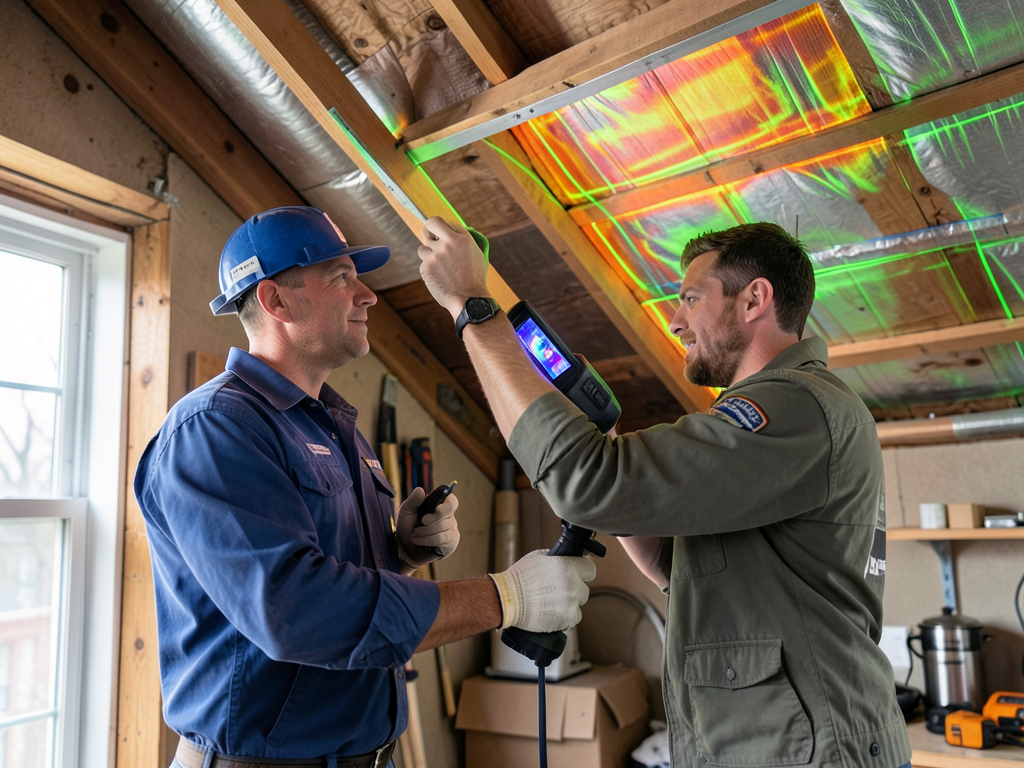
Heritage Roofing follows a systematic approach to attic ventilation that addresses Mid-City’s specific challenges. Our process begins with a comprehensive attic inspection using thermal imaging cameras to identify hot spots and moisture problems. Roofing Kenner.
We measure your attic’s exact dimensions and calculate the required Net Free Area (NFA) based on Louisiana building codes. This calculation ensures we install the right amount of ventilation for your home’s size and configuration.
Our technicians check for proper insulation clearance around soffit vents. Many Mid-City homes have insulation blocking these critical intake points, which cripples the entire ventilation system. We install proper baffles to maintain clear airflow channels.
We test existing ventilation by measuring temperature differentials between your attic and outdoor air. A properly ventilated attic should be within 10-15 degrees of outside temperature on a sunny day. Larger differences indicate ventilation problems.
Installation includes sealing all penetrations where conditioned air might escape into the attic. This prevents moisture from entering the attic space and ensures your ventilation system works efficiently.
Ventilation for Historic Mid-City Homes
Mid-City contains many historic homes with unique ventilation challenges. Shotgun houses, raised center-halls, and other traditional New Orleans architecture often have complex rooflines that make standard ventilation difficult.
Historic preservation guidelines in Mid-City may limit visible modifications to your roof. We specialize in low-profile ventilation solutions that maintain your home’s historic character while meeting modern performance standards.
Many older homes have asbestos-containing materials in their roofing systems. We follow strict safety protocols for testing and removal when necessary, ensuring your family’s safety during ventilation upgrades.
Historic homes often have plaster ceilings that are more prone to moisture damage than modern drywall. Our ventilation designs prioritize moisture control to protect these delicate surfaces from humidity-related deterioration.
Integration with Insulation
Ventilation and insulation work together as a system. Too much insulation without proper ventilation traps heat and moisture. Too much ventilation without adequate insulation wastes energy.
Mid-City homes typically benefit from R-38 to R-49 attic insulation levels. We ensure your insulation doesn’t block soffit vents and that baffles maintain clear airflow channels above the insulation.
Closed-cell spray foam insulation has become popular in New Orleans for its moisture resistance. However, it requires different ventilation strategies than traditional fiberglass. Our team understands these nuances and designs systems accordingly.
We often recommend radiant barriers in combination with proper ventilation. These reflective materials installed under your roof deck can reduce attic temperatures by 20-30 degrees in New Orleans’ intense sun.
Maintenance and Long-Term Performance
Attic ventilation systems require periodic maintenance to function properly. We recommend annual inspections to check for debris buildup, damaged vents, or insulation migration that might block airflow.
Turbine vents should spin freely and show no signs of bearing wear. Ridge vents need clear channels without obstructions from leaves, nests, or deteriorated materials.
Solar fans require occasional cleaning of their solar panels to maintain peak efficiency. Battery backups ensure they continue working during cloudy periods or nighttime when attic temperatures remain elevated.
Moisture sensors in your attic can alert you to developing problems before they cause significant damage. We install these as part of comprehensive ventilation upgrades for Mid-City homeowners who want maximum protection.
Cost Considerations and ROI
Attic ventilation upgrades typically cost between $1,500 and $4,000 for Mid-City homes, depending on the complexity of your roof and the ventilation system selected. This investment often pays for itself within 2-4 years through energy savings alone.
Additional benefits include extended roof life, reduced HVAC maintenance costs, and improved indoor air quality. These factors can add thousands of dollars in value over your home’s lifetime.
We offer flexible financing options for ventilation upgrades, including 12-month same-as-cash plans for qualified customers. Our team can help you understand which improvements qualify for tax credits and rebates.
Heritage Roofing provides detailed proposals showing expected energy savings based on your home’s specific characteristics. We use computer modeling to demonstrate how different ventilation strategies will impact your Entergy bills.
Frequently Asked Questions
How do I know if my attic ventilation is working properly?
Check your attic on a sunny day. If it feels significantly hotter than outside air, your ventilation needs improvement. Also watch for moisture problems like condensation on rafters or musty odors.
Can I install attic ventilation myself?
While some basic ventilation products are available at home improvement stores, proper installation requires understanding building codes, moisture dynamics, and roof structure. Improper installation can cause more problems than it solves.
How long does attic ventilation installation take?
Most residential ventilation upgrades take 1-2 days to complete. Complex historic homes or those requiring extensive repairs may take longer.. Read more about How to Get Rid of Those Ugly Black Streaks on Your Roof in River Ridge.
Will better attic ventilation help with my allergies?
Yes. Proper ventilation reduces humidity levels that promote dust mites and mold growth. This can significantly improve indoor air quality for allergy sufferers.
Do I need to replace my roof to improve ventilation?
Not necessarily. Many ventilation improvements can be made without roof replacement. However, if your roof is near the end of its life, combining projects often makes sense.
What’s the best ventilation system for a Mid-City shotgun house?
Shotgun houses typically benefit from a combination of ridge vents and properly baffled soffit vents. The narrow design allows for efficient natural airflow from front to back.
Call (504) 355-3444 today to schedule your attic ventilation inspection. Our team will evaluate your Mid-City home’s specific needs and provide a detailed proposal for improving your energy efficiency and protecting your investment.
Don’t wait until high Entergy bills and moisture damage force expensive repairs. Pick up the phone and call (504) 355-3444 before the next heat wave hits. Your comfort and your wallet will thank you. For more information, visit U.S. Department of Energy attic ventilation guide.
{
“@context”: “https://schema.org”,
“@type”: “BlogPosting”,
“headline”: “Lowering Your Energy Bills in Mid-City With Better Attic Ventilation and Roofing Systems”,
“description”: “High Entergy bills in Mid-City? Learn how proper attic ventilation and roofing upgrades can reduce cooling costs and prevent moisture damage in New Orleans homes.”,
“wordCount”: 1806,
“datePublished”: “2026-03-07T16:24:00.000Z”,
“dateModified”: “2026-03-07T16:24:00.000Z”,
“inLanguage”: “en-US”,
“mainEntityOfPage”: {
“@type”: “WebPage”,
“@id”: “https://heritageroofingneworleans.com”
},
“publisher”: {
“@type”: “LocalBusiness”,
“name”: “Heritage Roofing New Orleans”,
“url”: “https://heritageroofingneworleans.com”
},
“author”: {
“@type”: “Organization”,
“name”: “Heritage Roofing New Orleans”,
“url”: “https://heritageroofingneworleans.com”
},
“image”: {
“@type”: “ImageObject”,
“url”: “https://heritageroofingneworleans.com/wp-content/uploads/2026/03/lowering-your-energy-bills-in-mid-city-with-better-1.png”
}
}
{
“@context”: “https://schema.org”,
“@type”: “RoofingContractor”,
“name”: “Heritage Roofing New Orleans”,
“url”: “https://heritageroofingneworleans.com”,
“address”: {
“@type”: “PostalAddress”,
“addressLocality”: “New Orleans”
},
“areaServed”: {
“@type”: “City”,
“name”: “New Orleans”
}
}
{
“@context”: “https://schema.org”,
“@type”: “FAQPage”,
“mainEntity”: [
{
“@type”: “Question”,
“name”: “How do I know if my attic ventilation is working properly?”,
“acceptedAnswer”: {
“@type”: “Answer”,
“text”: “Check your attic on a sunny day. If it feels significantly hotter than outside air, your ventilation needs improvement. Also watch for moisture problems like condensation on rafters or musty odors.”
}
},
{
“@type”: “Question”,
“name”: “Can I install attic ventilation myself?”,
“acceptedAnswer”: {
“@type”: “Answer”,
“text”: “While some basic ventilation products are available at home improvement stores, proper installation requires understanding building codes, moisture dynamics, and roof structure. Improper installation can cause more problems than it solves.”
}
},
{
“@type”: “Question”,
“name”: “How long does attic ventilation installation take?”,
“acceptedAnswer”: {
“@type”: “Answer”,
“text”: “Most residential ventilation upgrades take 1-2 days to complete. Complex historic homes or those requiring extensive repairs may take longer.”
}
},
{
“@type”: “Question”,
“name”: “Will better attic ventilation help with my allergies?”,
“acceptedAnswer”: {
“@type”: “Answer”,
“text”: “Yes. Proper ventilation reduces humidity levels that promote dust mites and mold growth. This can significantly improve indoor air quality for allergy sufferers.”
}
},
{
“@type”: “Question”,
“name”: “Do I need to replace my roof to improve ventilation?”,
“acceptedAnswer”: {
“@type”: “Answer”,
“text”: “Not necessarily. Many ventilation improvements can be made without roof replacement. However, if your roof is near the end of its life, combining projects often makes sense.”
}
},
{
“@type”: “Question”,
“name”: “What’s the best ventilation system for a Mid-City shotgun house?”,
“acceptedAnswer”: {
“@type”: “Answer”,
“text”: “Shotgun houses typically benefit from a combination of ridge vents and properly baffled soffit vents. The narrow design allows for efficient natural airflow from front to back.”
}
}
]
}
{
“@context”: “https://schema.org”,
“@type”: “BreadcrumbList”,
“itemListElement”: [
{
“@type”: “ListItem”,
“position”: 1,
“name”: “Home”,
“item”: “https://heritageroofingneworleans.com”
},
{
“@type”: “ListItem”,
“position”: 2,
“name”: “Blog”,
“item”: “https://heritageroofingneworleans.com/blog”
},
{
“@type”: “ListItem”,
“position”: 3,
“name”: “Lowering Your Energy Bills in Mid-City With Better Attic Ventilation and Roofing Systems”
}
]
}
{
“@context”: “https://schema.org”,
“@type”: “Service”,
“serviceType”: “Roofing”,
“provider”: {
“@type”: “LocalBusiness”,
“name”: “Heritage Roofing New Orleans”,
“url”: “https://heritageroofingneworleans.com”
},
“areaServed”: {
“@type”: “City”,
“name”: “New Orleans”
},
“description”: “High Entergy bills in Mid-City? Learn how proper attic ventilation and roofing upgrades can reduce cooling costs and prevent moisture damage in New Orleans homes.”
}