Matching the Original Roof Profile on Greek Revival Renovations in the Lower Garden District
When renovating a Greek Revival home in the Lower Garden District, preserving the original roof profile isn’t just about aesthetics—it’s about maintaining the architectural integrity that makes these historic properties so valuable. The distinct low-pitched gables, wide cornices, and symmetrical lines of Greek Revival architecture demand specialized knowledge and craftsmanship to restore correctly. Specialized Roofing Solutions for Properties in the French Quarter.
Greek Revival homes in the Lower Garden District typically feature roof pitches between 4:12 and 6:12, significantly lower than the 7:12 to 9:12 pitches common in many other historic New Orleans neighborhoods. This shallow pitch creates unique challenges for water management and material selection, especially given our region’s intense rainfall and hurricane exposure. What to Do When Your New Orleans Roof Starts Leaking During a Downpour.
The Lower Garden District sits on relatively stable ground compared to the softer soils found in Lakeview or Mid-City, but the area’s proximity to the Mississippi River means homes here still experience subtle settling that can stress roof joints over decades. Understanding these local conditions is essential for matching original profiles accurately.
Understanding the Original Materials and Construction Methods
Most Greek Revival homes in the Lower Garden District were built between 1830 and 1860, using construction methods and materials that differ significantly from modern practices. The original roof decks were typically constructed with 1×6 or 1×8 tongue-and-groove cypress boards, not the plywood sheets used today.
Traditional roofing materials for these homes included: Roofing Kenner.
- Wooden shakes or shingles (often cypress or heart pine)
- Standing seam metal roofing (tin or terne metal)
- Clay tiles (less common but found on some grander examples)
Each material requires different installation techniques to maintain the original profile. For instance, wooden shakes need proper spacing to allow for expansion and contraction, while standing seam metal requires specific fastening patterns to prevent oil-canning.
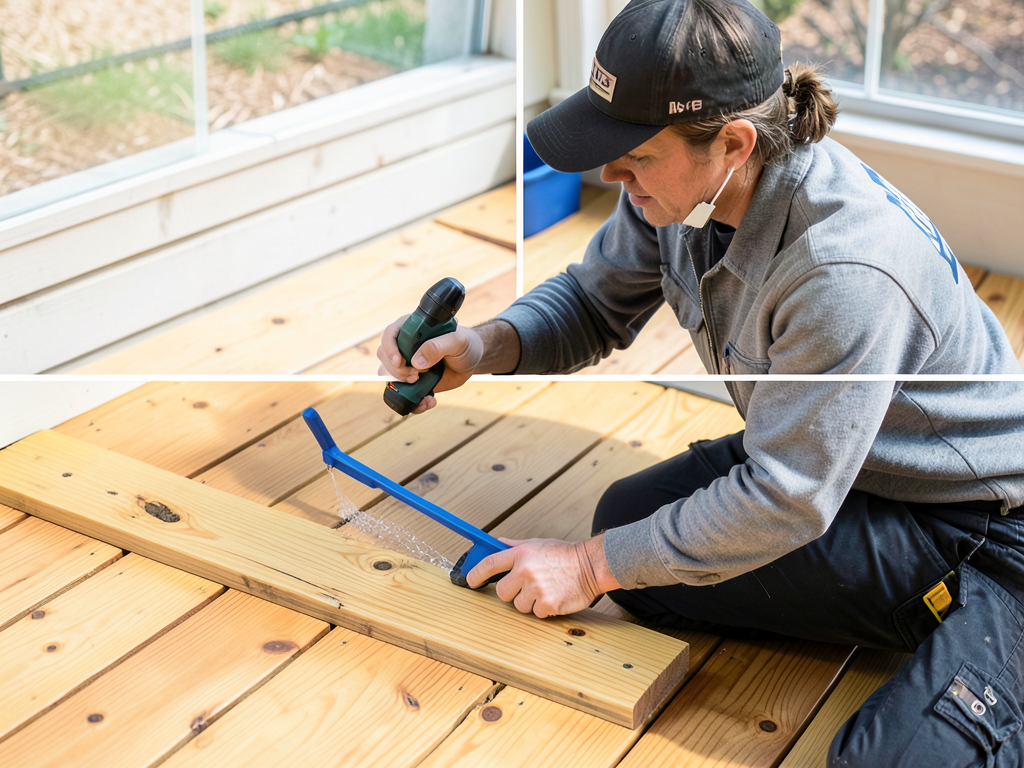
A technician uses a moisture meter at multiple depths to assess the original cypress decking’s structural integrity before restoration begins.
Navigating Local Building Codes and Historic Preservation Requirements
Working on Greek Revival homes in the Lower Garden District means navigating both modern building codes and historic preservation guidelines. The Historic District Landmarks Commission (HDLC) oversees exterior modifications in this area, requiring approval for any visible changes to roof profiles, materials, or colors.. Read more about Choosing Shingle Colors That Fit the Historic Aesthetic of Audubon Park Homes.
Louisiana State Uniform Construction Code requires roofs in Orleans Parish to meet specific wind load requirements—typically 120-130 mph for most of the parish. However, historic homes often need engineering assessments to prove that maintaining original profiles can still meet these standards. Louisiana State Uniform Construction Code.
According to the International Building Code Section 1507.2.5, low-slope roofs (under 3:12 pitch) require specific underlayment systems. While Greek Revival homes typically have pitches above this threshold, the low end of their range means using enhanced underlayment is often recommended for hurricane protection. International Building Code Section 1507.2.5.
Material Selection for Authentic Profile Matching
Modern materials can successfully replicate original profiles when selected carefully. The key is understanding how each material affects the roof’s visual and structural characteristics.
| Material Type | Profile Characteristics | Modern Equivalent | Installation Considerations |
|---|---|---|---|
| Wooden Shakes | Irregular thickness, 18-24″ exposure | Premium cedar shakes | Requires 1×6 decking, specific spacing |
| Standing Seam Metal | Flat panels with raised seams | Galvalume or copper | Minimum 24-gauge recommended for durability |
| Clay Tiles | Barrel or flat profiles | Concrete or synthetic tiles | Requires enhanced structural support |
Modern synthetic slate or composite shake materials can provide the authentic appearance of original materials while offering superior hurricane resistance. However, these must be installed with careful attention to reveal patterns to maintain the original profile.. Read more about Brava vs DaVinci Synthetic Slate — Which Brand Is Better for Historic Garden District Aesthetics?.
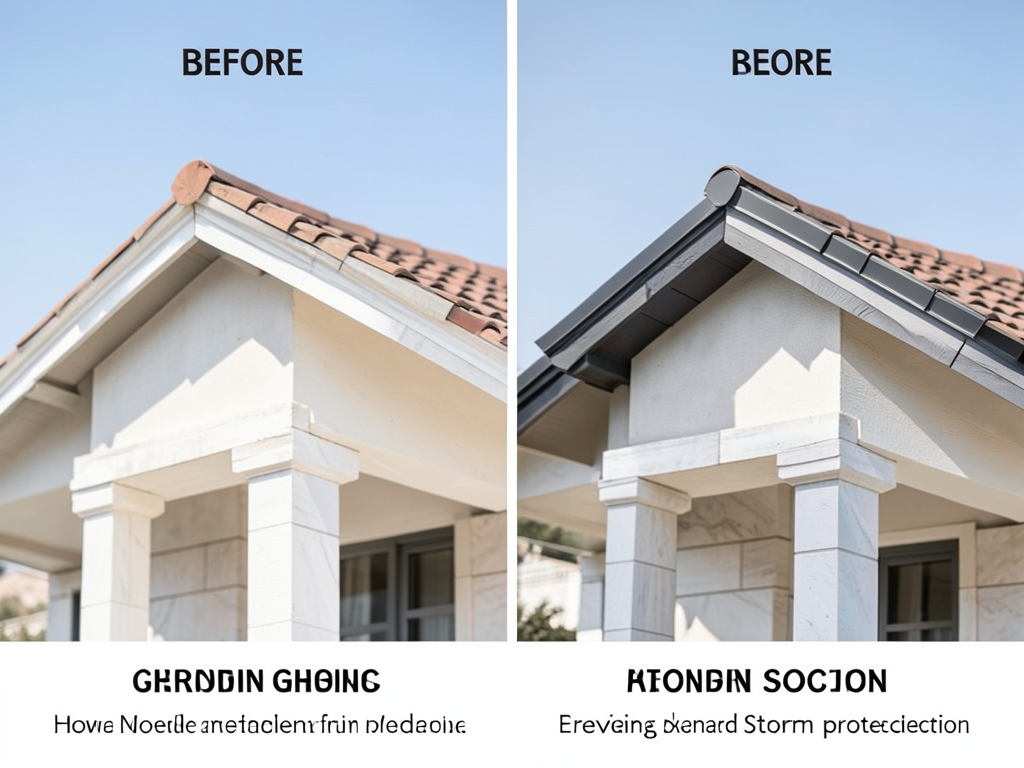
Before and after comparison showing how modern materials can replicate the original Greek Revival roof profile while providing enhanced storm protection.
The Restoration Process: Step-by-Step
Restoring a Greek Revival roof profile requires a methodical approach to ensure authenticity and structural integrity.
- Historical Documentation
Research original construction methods, material specifications, and any previous restoration work. This often involves reviewing HDLC files and historical photographs.
- Structural Assessment
Evaluate the existing roof deck, framing members, and connections. Look for signs of water damage, termite activity, or structural settling that could affect the new profile.
- Material Sourcing
Locate materials that match original specifications in dimension, color, and texture. This may involve specialty suppliers or custom fabrication.. Read more about Special Roofing Challenges for New Orleans Camelback Additions.
- Mock-up Installation
Create a small test section to verify that the materials and installation methods will achieve the desired profile before full installation begins.
- Weatherproofing Integration
Install modern underlayment systems that provide hurricane protection while remaining invisible from the ground level.
- Final Installation and Detailing
Complete the installation with attention to details like cornice returns, gable returns, and any decorative elements that define the Greek Revival style.
Common Challenges and Solutions
Matching original roof profiles presents several challenges specific to Greek Revival homes in the Lower Garden District.
Challenge: Maintaining Low Pitch with Modern Materials
Many modern roofing materials are designed for steeper pitches. Solution: Use materials specifically rated for low-slope applications and enhance underlayment systems to compensate for the reduced water-shedding ability.
Challenge: Preserving Cornice Details
The wide cornices characteristic of Greek Revival architecture require careful integration with modern roofing systems. Solution: Custom-fabricated flashing and drip edges that match original profiles while providing modern weather protection.
Challenge: Balancing Authenticity with Performance
Homeowners want authentic appearance but also need hurricane protection. Solution: Use modern materials with traditional appearances, enhanced underlayment, and strategic reinforcement that doesn’t alter visible profiles. What Metairie Homeowners Need to Do for Emergency Storm Damage and Tarping.
Close-up detail showing how modern flashing can be integrated with traditional materials to maintain the original Greek Revival profile while meeting current building codes.
Cost Factors and Timeline Considerations
Restoring a Greek Revival roof profile typically costs 30-50% more than standard roof replacement due to specialized materials, skilled labor requirements, and HDLC approval processes. Most projects take 3-6 weeks from start to finish, with additional time required for material sourcing and approvals.
Key cost factors include:
- Material authenticity requirements
- Structural reinforcement needs
- Specialized labor costs
- Permit and approval fees
- Extended project timelines
While the initial investment is higher, properly restored Greek Revival roofs can last 50+ years with proper maintenance, making them a sound long-term investment for historic property owners.
Working with Your Neighborhood Association
The Lower Garden District Neighborhood Association works closely with the HDLC to preserve the area’s historic character. Before beginning any restoration work, consult with both organizations to understand any specific requirements or concerns.
Many Greek Revival homeowners in the area find that maintaining original roof profiles actually increases property values by preserving the architectural integrity that makes these homes so desirable. The association can provide references to contractors who have successfully completed similar projects.. Read more about Maintaining the Distinctive Mansard Roofs Found Throughout Uptown New Orleans.
Insurance and Long-Term Maintenance
Insurance companies often offer premium discounts for historic homes that maintain their original architectural features, including roof profiles. However, they may require documentation proving that modern weatherproofing standards have been met beneath the historic appearance.
Regular maintenance is crucial for preserving both the appearance and performance of restored Greek Revival roofs. This includes annual inspections, prompt repair of any damage, and keeping gutters and downspouts clear to prevent water backup on the low-pitched surfaces.
Frequently Asked Questions
Can I use asphalt shingles on my Greek Revival home?
Asphalt shingles can work on Greek Revival homes if properly installed, but they rarely achieve the authentic profile of original materials. Premium architectural shingles with dimensional variation come closest to traditional appearances. The Best Shingles to Withstand New Orleans Heat and Humidity.
How do I know if my roof needs restoration versus replacement?
A professional assessment can determine whether your roof structure is sound enough for restoration. Signs that restoration might be possible include sound decking, intact framing, and issues limited to surface materials rather than structural components.
Will restoring the original profile affect my insurance rates?
Insurance rates typically depend more on the underlying structural integrity and weatherproofing than on visible appearance. However, maintaining historic features can qualify you for specific historic preservation discounts in some cases.
How long does HDLC approval take?
HDLC approval typically takes 2-4 weeks for standard applications, but complex restoration projects may require additional review time. Starting the approval process early is essential for keeping your project on schedule.
Preserving the original roof profile on your Greek Revival home in the Lower Garden District requires specialized knowledge, careful planning, and respect for both historic preservation and modern building requirements. The result is a roof that maintains the architectural integrity of your home while providing the protection needed for Louisiana’s challenging climate.
Call (504) 355-3444 today to schedule your inspection and learn how we can help you preserve your home’s historic character while ensuring modern performance and protection.
Pick up the phone and call (504) 355-3444 before the next storm hits. Your Greek Revival home deserves expertise that understands both its history and its future.
You may also find this helpful. What New Orleans Homeowners Need to Know About Salvaged Slate for Historic Roof Repairs.
{
“@context”: “https://schema.org”,
“@type”: “BlogPosting”,
“headline”: “Matching the Original Roof Profile on Greek Revival Renovations in the Lower Garden District”,
“description”: “Expert guide to preserving Greek Revival roof profiles in the Lower Garden District. Learn materials, codes, and techniques for authentic historic roof restoration in New Orleans.”,
“wordCount”: 1481,
“datePublished”: “2026-05-30T10:16:00.000Z”,
“dateModified”: “2026-05-30T10:16:00.000Z”,
“inLanguage”: “en-US”,
“mainEntityOfPage”: {
“@type”: “WebPage”,
“@id”: “https://heritageroofingneworleans.com”
},
“publisher”: {
“@type”: “LocalBusiness”,
“name”: “Heritage Roofing New Orleans”,
“url”: “https://heritageroofingneworleans.com”
},
“author”: {
“@type”: “Organization”,
“name”: “Heritage Roofing New Orleans”,
“url”: “https://heritageroofingneworleans.com”
},
“image”: {
“@type”: “ImageObject”,
“url”: “https://heritageroofingneworleans.com/wp-content/uploads/2026/03/matching-the-original-roof-profile-on-greek-reviva-1.png”
}
}
{
“@context”: “https://schema.org”,
“@type”: “RoofingContractor”,
“name”: “Heritage Roofing New Orleans”,
“url”: “https://heritageroofingneworleans.com”,
“address”: {
“@type”: “PostalAddress”,
“addressLocality”: “New Orleans”
},
“areaServed”: {
“@type”: “City”,
“name”: “New Orleans”
}
}
{
“@context”: “https://schema.org”,
“@type”: “FAQPage”,
“mainEntity”: [
{
“@type”: “Question”,
“name”: “Can I use asphalt shingles on my Greek Revival home?”,
“acceptedAnswer”: {
“@type”: “Answer”,
“text”: “Asphalt shingles can work on Greek Revival homes if properly installed, but they rarely achieve the authentic profile of original materials. Premium architectural shingles with dimensional variation come closest to traditional appearances. The Best Shingles to Withstand New Orleans Heat and Humidity.”
}
},
{
“@type”: “Question”,
“name”: “How do I know if my roof needs restoration versus replacement?”,
“acceptedAnswer”: {
“@type”: “Answer”,
“text”: “A professional assessment can determine whether your roof structure is sound enough for restoration. Signs that restoration might be possible include sound decking, intact framing, and issues limited to surface materials rather than structural components.”
}
},
{
“@type”: “Question”,
“name”: “Will restoring the original profile affect my insurance rates?”,
“acceptedAnswer”: {
“@type”: “Answer”,
“text”: “Insurance rates typically depend more on the underlying structural integrity and weatherproofing than on visible appearance. However, maintaining historic features can qualify you for specific historic preservation discounts in some cases.”
}
},
{
“@type”: “Question”,
“name”: “How long does HDLC approval take?”,
“acceptedAnswer”: {
“@type”: “Answer”,
“text”: “HDLC approval typically takes 2-4 weeks for standard applications, but complex restoration projects may require additional review time. Starting the approval process early is essential for keeping your project on schedule.”
}
}
]
}
{
“@context”: “https://schema.org”,
“@type”: “HowTo”,
“name”: “Greek Revival Roof Restoration Process”,
“step”: [
{
“@type”: “HowToStep”,
“position”: 1,
“name”: “Historical Documentation”,
“text”: “Research original construction methods, material specifications, and any previous restoration work. This often involves reviewing HDLC files and historical photographs.”
},
{
“@type”: “HowToStep”,
“position”: 2,
“name”: “Structural Assessment”,
“text”: “Evaluate the existing roof deck, framing members, and connections. Look for signs of water damage, termite activity, or structural settling that could affect the new profile.”
},
{
“@type”: “HowToStep”,
“position”: 3,
“name”: “Material Sourcing”,
“text”: “Locate materials that match original specifications in dimension, color, and texture. This may involve specialty suppliers or custom fabrication.”
},
{
“@type”: “HowToStep”,
“position”: 4,
“name”: “Mock-up Installation”,
“text”: “Create a small test section to verify that the materials and installation methods will achieve the desired profile before full installation begins.”
},
{
“@type”: “HowToStep”,
“position”: 5,
“name”: “Weatherproofing Integration”,
“text”: “Install modern underlayment systems that provide hurricane protection while remaining invisible from the ground level.”
},
{
“@type”: “HowToStep”,
“position”: 6,
“name”: “Final Installation and Detailing”,
“text”: “Complete the installation with attention to details like cornice returns, gable returns, and any decorative elements that define the Greek Revival style.”
}
],
“image”: “https://heritageroofingneworleans.com/wp-content/uploads/2026/03/matching-the-original-roof-profile-on-greek-reviva-1.png”
}
{
“@context”: “https://schema.org”,
“@type”: “BreadcrumbList”,
“itemListElement”: [
{
“@type”: “ListItem”,
“position”: 1,
“name”: “Home”,
“item”: “https://heritageroofingneworleans.com”
},
{
“@type”: “ListItem”,
“position”: 2,
“name”: “Blog”,
“item”: “https://heritageroofingneworleans.com/blog”
},
{
“@type”: “ListItem”,
“position”: 3,
“name”: “Matching the Original Roof Profile on Greek Revival Renovations in the Lower Garden District”
}
]
}
{
“@context”: “https://schema.org”,
“@type”: “Service”,
“serviceType”: “Roofing”,
“provider”: {
“@type”: “LocalBusiness”,
“name”: “Heritage Roofing New Orleans”,
“url”: “https://heritageroofingneworleans.com”
},
“areaServed”: {
“@type”: “City”,
“name”: “New Orleans”
},
“description”: “Expert guide to preserving Greek Revival roof profiles in the Lower Garden District. Learn materials, codes, and techniques for authentic historic roof restoration in New Orleans.”
}